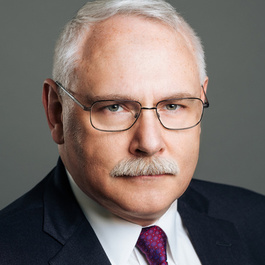
This individual is a guest contributor. MEI is not able to assist with contact requests.
Dr. Ali Fathollah-Nejad is Founder and Director of the Center for Middle East and Global Order (CMEG), a think tank devoted to exploring transformations and promoting a foreign policy that reconciles interests and values. The German-Iranian political scientist focuses on Iran, the Middle East, and the post-unipolar world order. He is also a 2022 McCloy Fellow on Global Trends of the American Council on Germany (ACG). Among his publications are, most recently, The Islamic Republic in Existential Crisis: The Need for a Paradigm Shift in the EU’s Iran Policy(2023, European Union Institute for Security Studies, Chaillot Paper); the much-acclaimed book Iran in an Emerging New World Order: From Ahmadinejad to Rouhani (2021, Palgrave); as well as The Islamic Republic of Iran Four Decades On: The 2017/18 Protests Amid a Triple Crisis(2020, Brookings), wherein he suggested the start of a long-term revolutionary process in Iran. Ali is also the former Iran expert of the Brookings Institution in Doha (BDC, 2017–20), the German Council on Foreign Relations (DGAP, 2015–18), and the American University of Beirut’s Issam Fares Institute for Public Policy and International Affairs (AUB-IFI, 2022–24). He holds a Ph.D. in International Relations from the Department of Development Studies at SOAS (School of Oriental and African Studies, University of London) and was the winner of 2016/17 post-doctoral fellowship of the Harvard Kennedy School’s Iran Project. He taught at, among others, universities in London, Berlin, Doha, Tübingen.
“Exporting its internal problems”: Understanding Iran’s January missile salvos against its neighbors
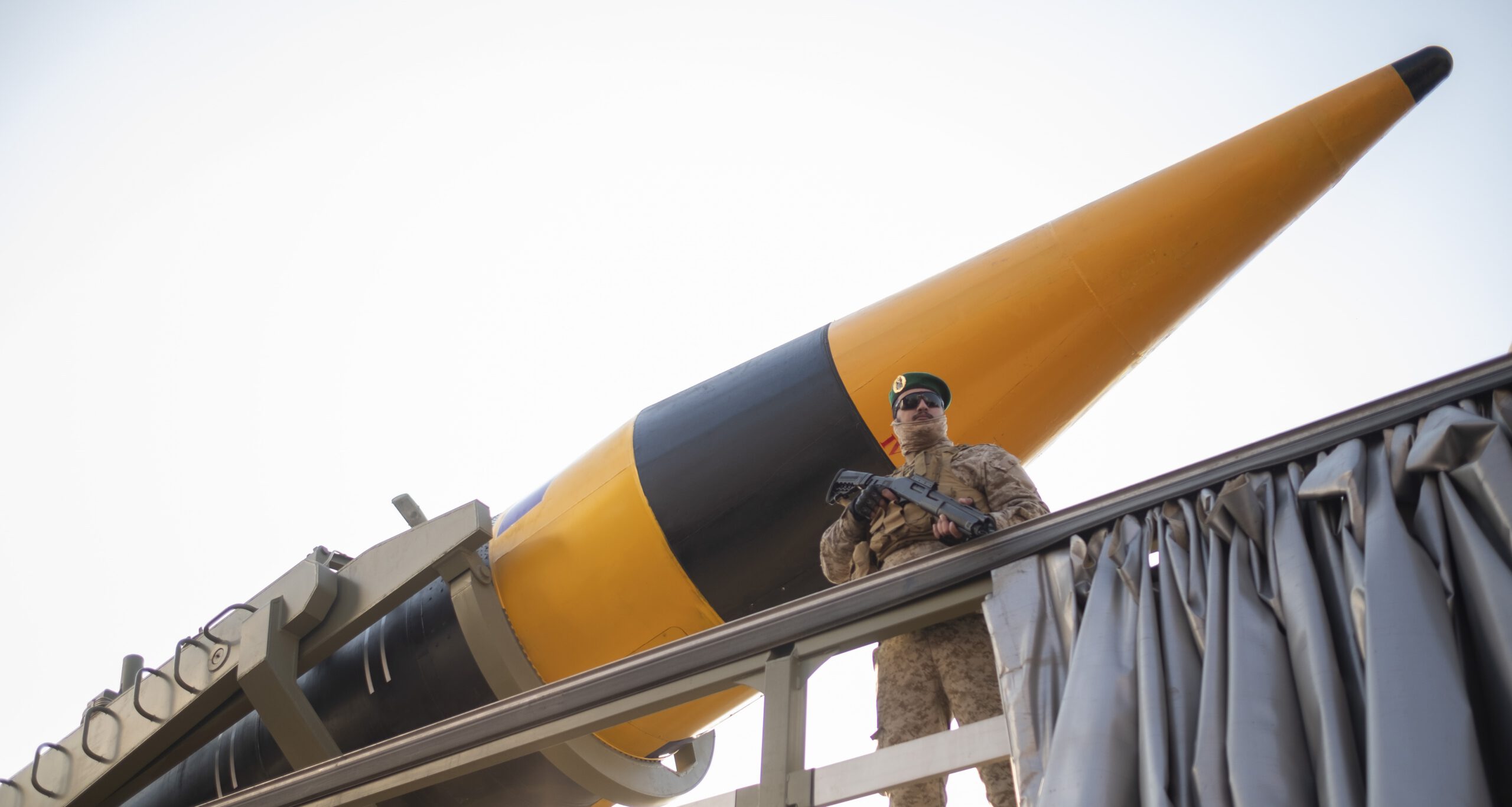
In mid-January, with the war in Gaza continuing to rage on, Iran launched a series of surprise missile attacks on its immediate neighbors Iraq, Syria, and Pakistan over two days. Taken together, these attacks illustrate that the Islamic Republic puts regime survival above national interest in its foreign policy calculations, which undermines its efforts to engender solidarity and good relations with other Muslim-majority states in the region.
A country in free fall, a corruptocracy in full swing: Why a building collapse in Iran matters
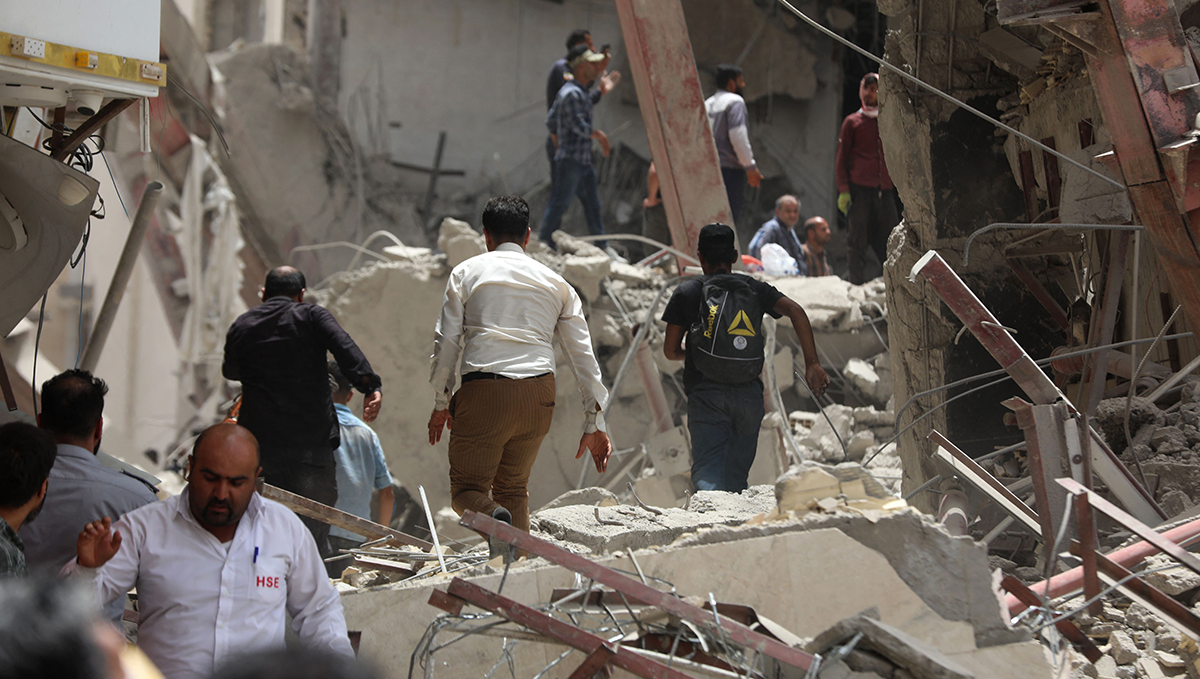
On May 23, 2022, Metropol tower, a 10-story commercial building in the city of Abadan in Iran’s oil-rich southwestern Khuzestan Province, collapsed, killing at least 41 people and trapping dozens more beneath the rubble. For an outside observer, this might seem like a tragic but random accident that could have happened anywhere. In reality, it is a stark illustration of a country mired in corruption and mismanagement.
Russia's invasion of Ukraine and the nature of Iranian-Russian relations
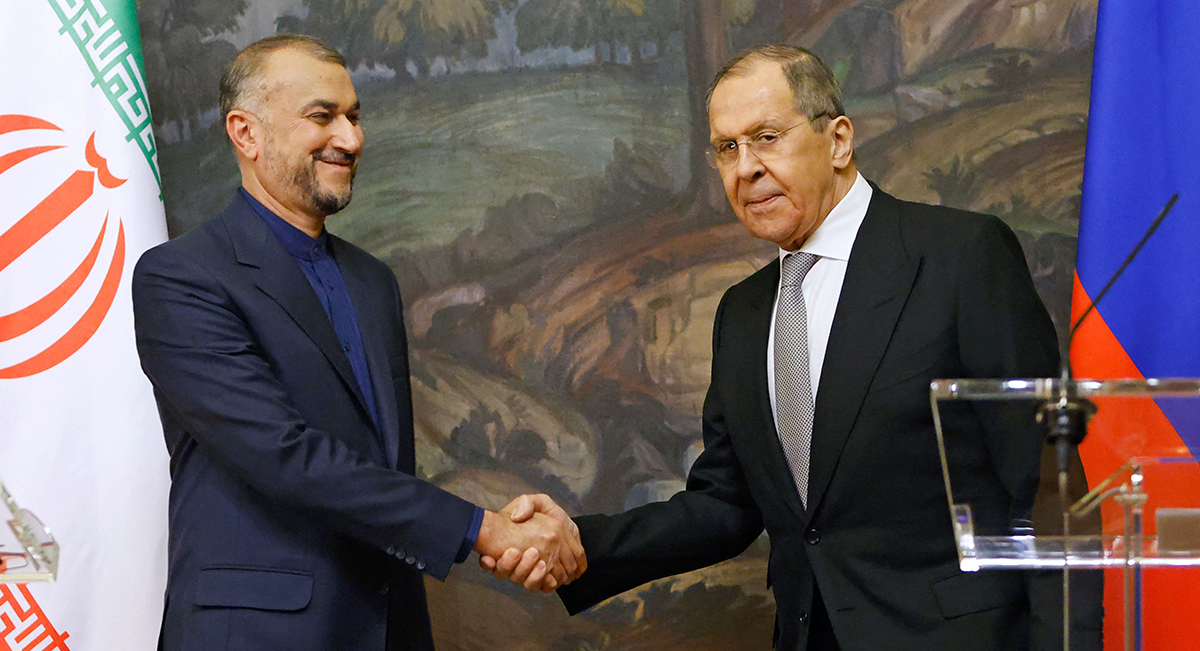
Russia’s Feb. 24 invasion of Ukraine, which triggered Europe’s first major conflict since the Balkan Wars of the 1990s, marks a watershed in the continent’s post-Cold War history. The conflict poses significant security challenges for countries throughout Eurasia and beyond, and Iran is by no means immune to the geopolitical changes underway.
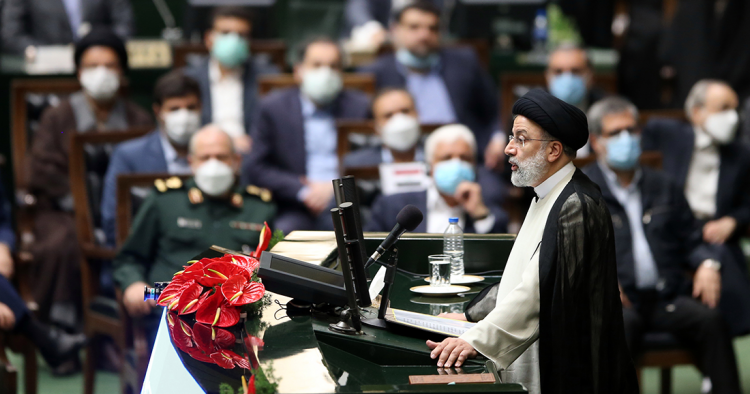
Raisi's shrinking budget cements the Islamic Republic's "trinity"
Iran’s new president, Ebrahim Raisi, has presented his first draft budget bill for the upcoming Iranian year (1401), which starts on March 21, 2022. Rather than facilitating a much-needed economic recovery, the proposed budget is designed to strengthen the regime’s power base and impose austerity while keeping society under control.
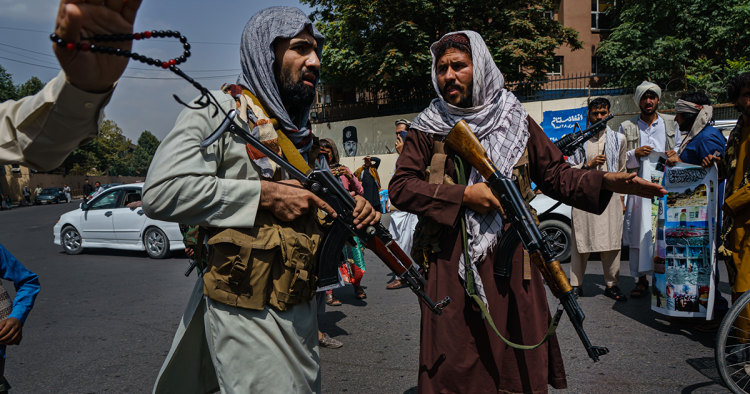
Iran and the Taliban after the US fiasco in Afghanistan
For Iran, Washington’s Afghanistan fiasco has been touted as confirmation that U.S. policy in the Islamic world is doomed to fail. The immediate geopolitical and ideological gains, however, could be overshadowed by the potential challenges that a Taliban-ruled Afghanistan may pose for Iran’s security and regional interests in the long run.
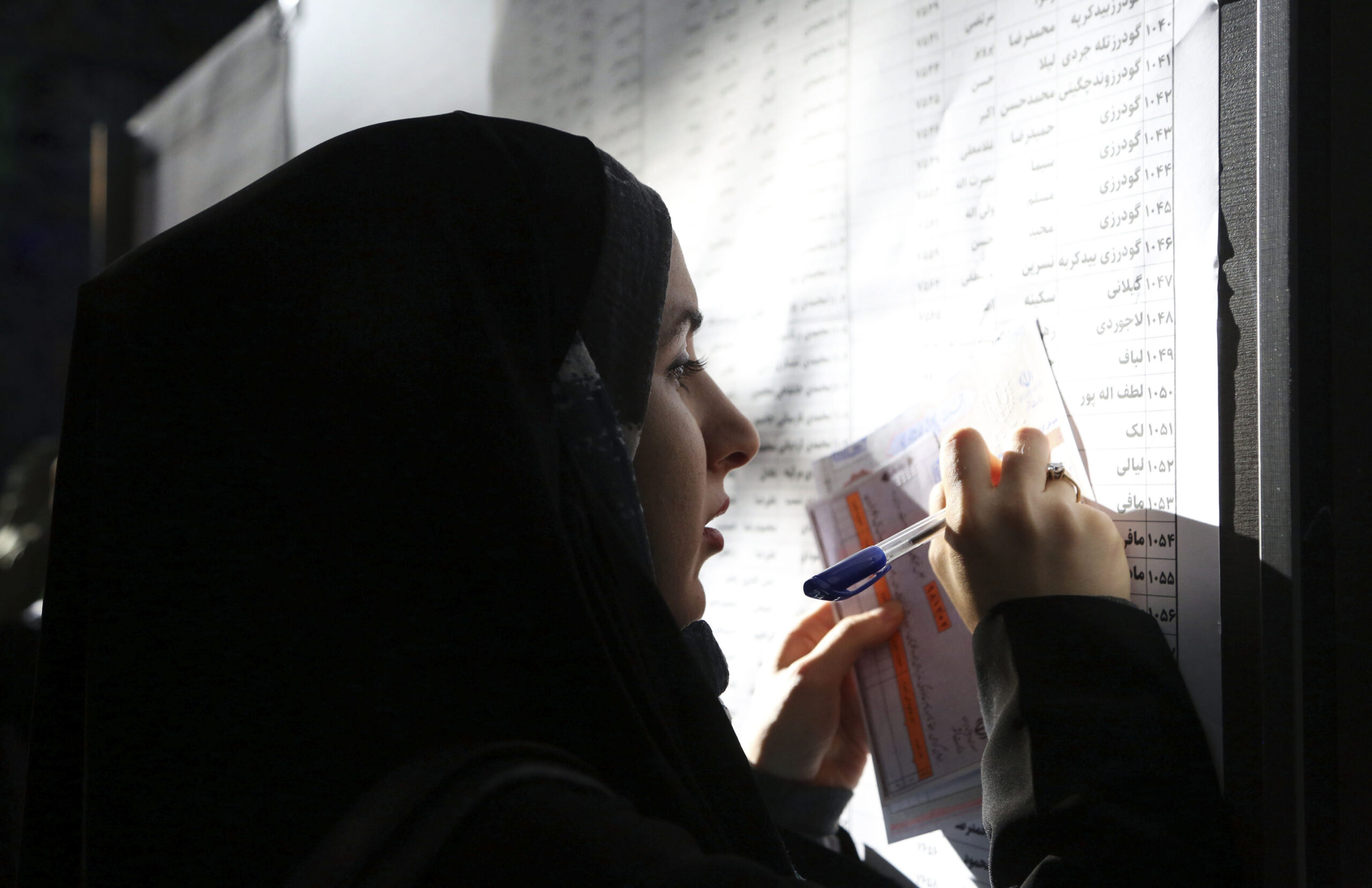
Iran’s pre-election social media buzz: Toward avoiding a repeat of 2020
Iran’s presidential election is set to be held in less than two months, but the dynamics in the country’s domestic politics have changed significantly compared to 2017. The parliamentary elections of February 2020 saw the lowest voter turnout since the 1979 revolution, with only about 40% of Iranians casting a vote. Now, with the June presidential elections on the horizon, Tehran fears a repeat.
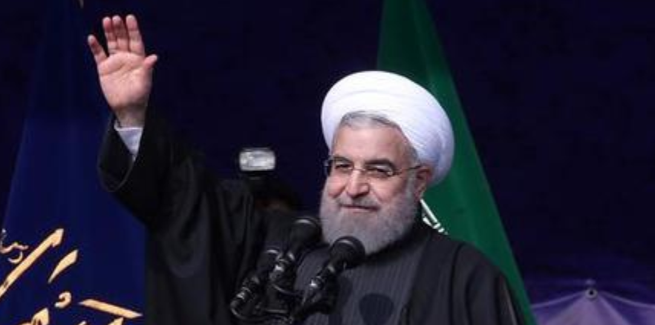
Four years ago, Hassan Rouhani assumed the Iranian presidency on the back of a campaign pledge to alleviate Iran’s economic hardship by striving for the removal of sanctions. With nuclear-related sanctions removed, blame for Iran’s continued economic misery has either been put on remaining U.S. unilateral sanctions that present a hurdle to large-scale European involvement in the country, or Iran’s hardliners blocking the president’s economic reforms. Yet, Rouhani’s own economic doctrine has significantly contributed to his administration’s failure to improve the lives of Iranians.