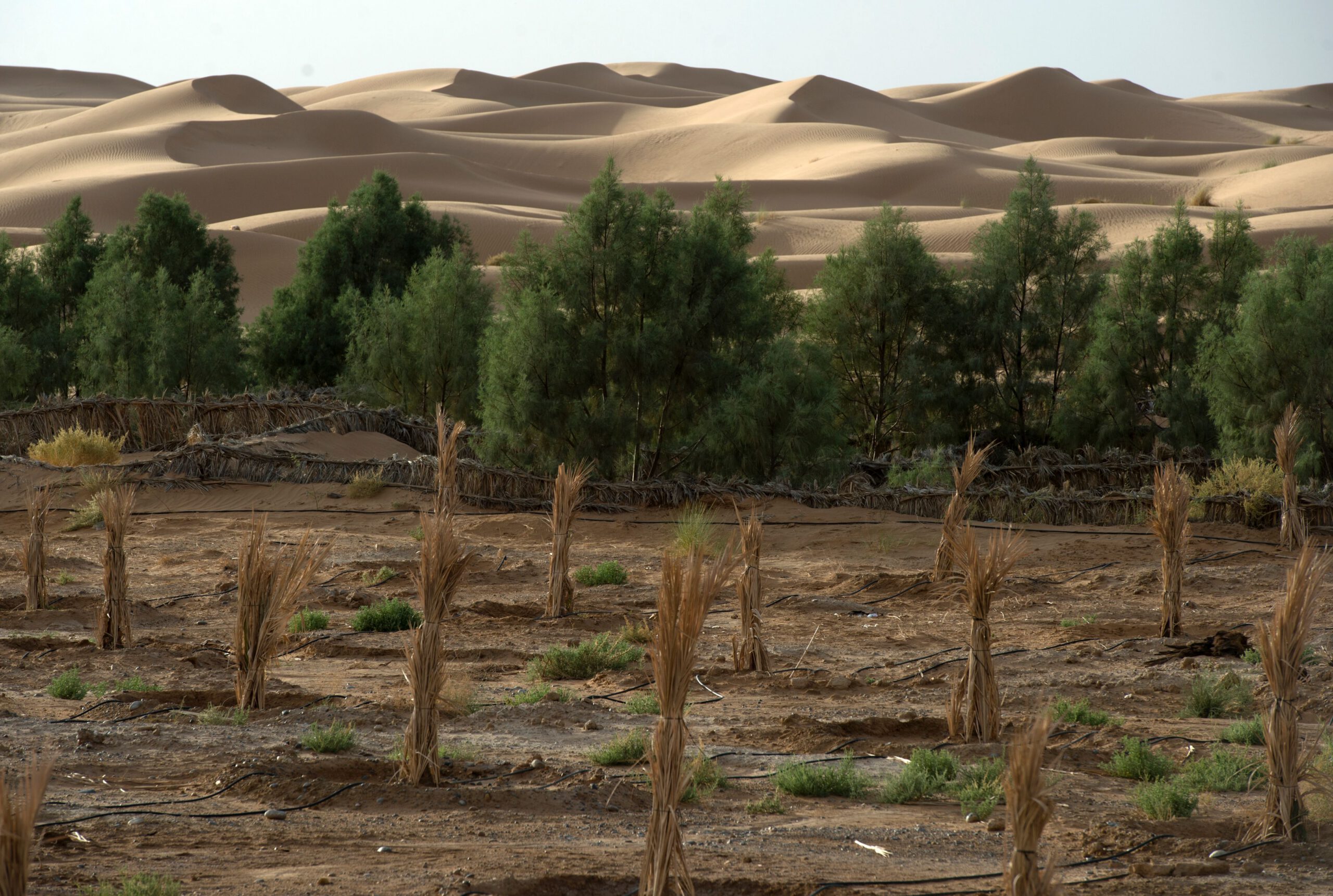
About the Project
MEI’s research initiative on food security, governance, and stability in North Africa and the Sahel explores the interconnections between local realities and global dynamics. The project, led by MEI Senior Fellow Intissar Fakir, convenes a diverse range of regional and international experts to examine how political, economic, and environmental challenges intersect across the region. Through a series of meetings, publications, multimedia, and a capstone report, the initiative aims to inform policy and promote inclusive, sustainable development.
Fast Insights
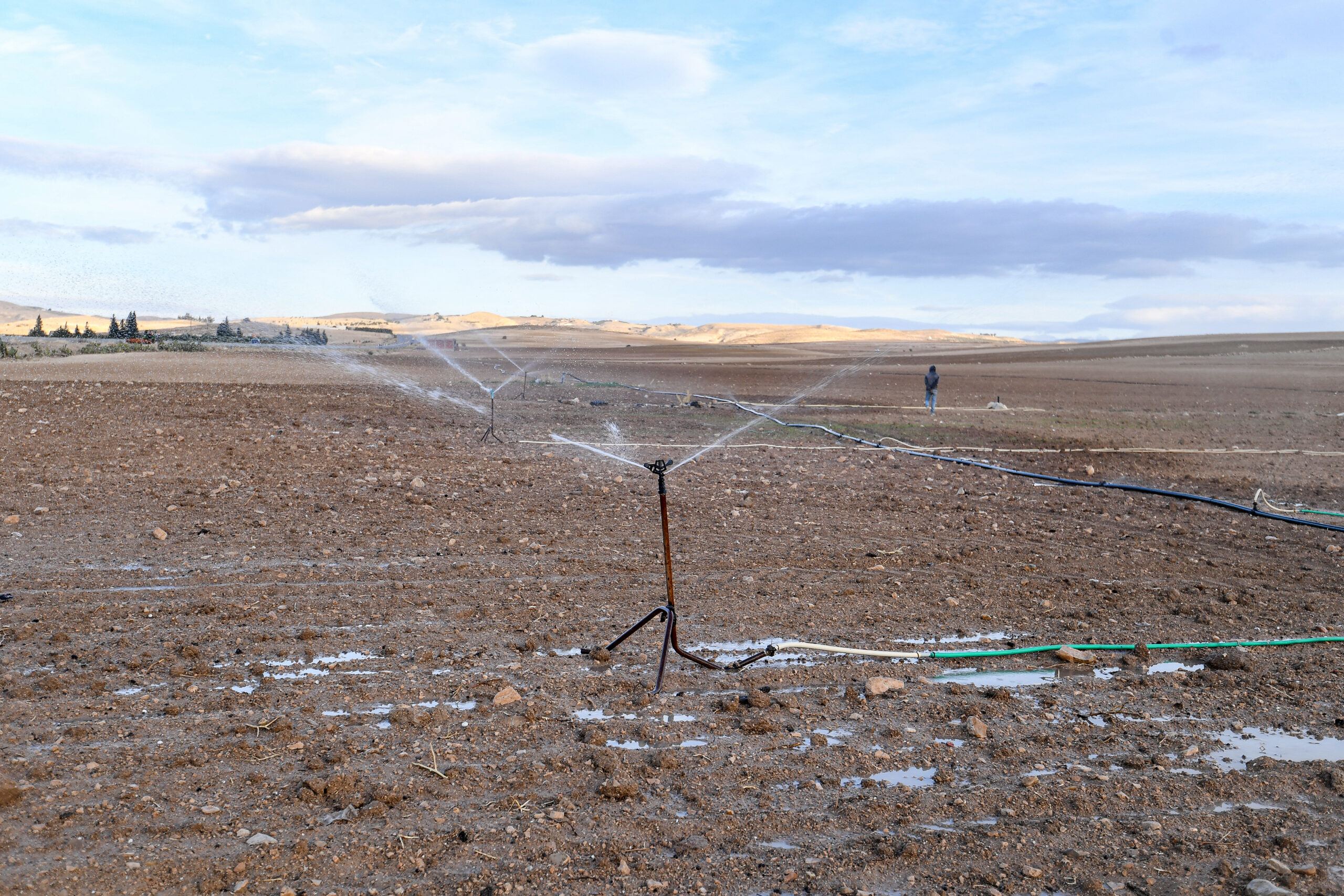
Managing Threats to Food Security: Water and Agricultural Resilience in North Africa
North Africa’s food security is under growing strain from climate change, water scarcity, and limited arable land. This report explores how governments and communities are adapting through climate-resilient farming, sustainable land management, and smarter irrigation. Strengthening water governance and diversifying agriculture, it argues, are key to safeguarding the region’s food future.
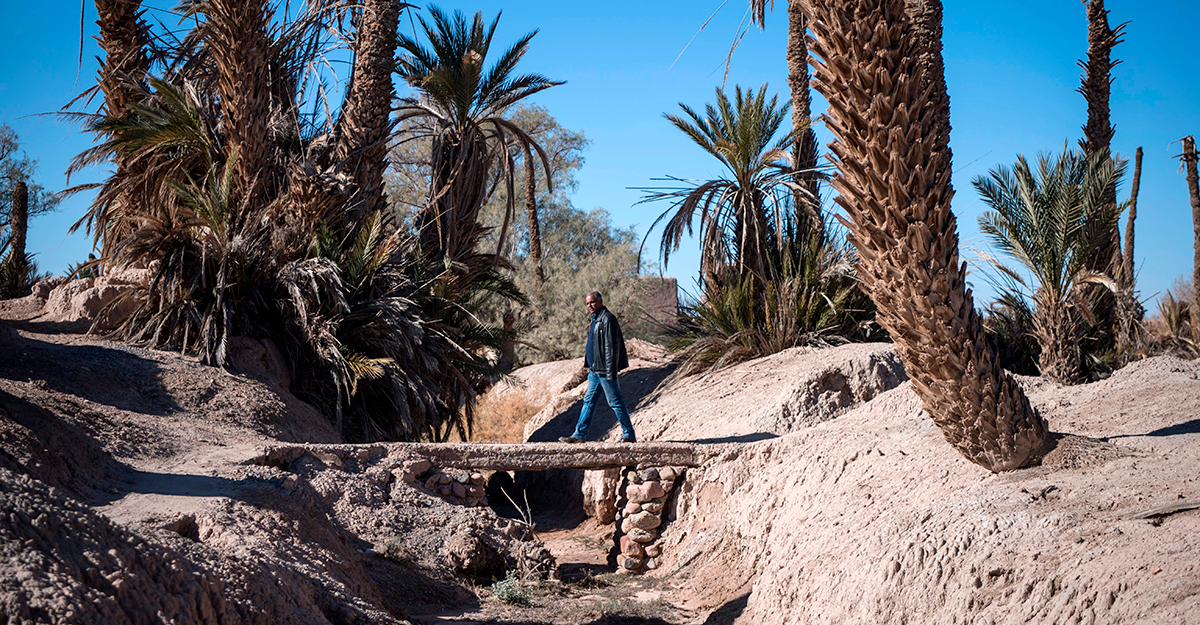
The Impact of Climate Variability on Morocco’s Agriculture
Morocco’s recent rainfall has offered a brief reprieve from years of drought — but the country’s food and water security remain at risk. This analysis examines how climate fluctuations are reshaping Morocco’s agricultural output, economic stability, and long-term water strategy, and argues for urgent investments in irrigation efficiency, desalination, and drought resilience.
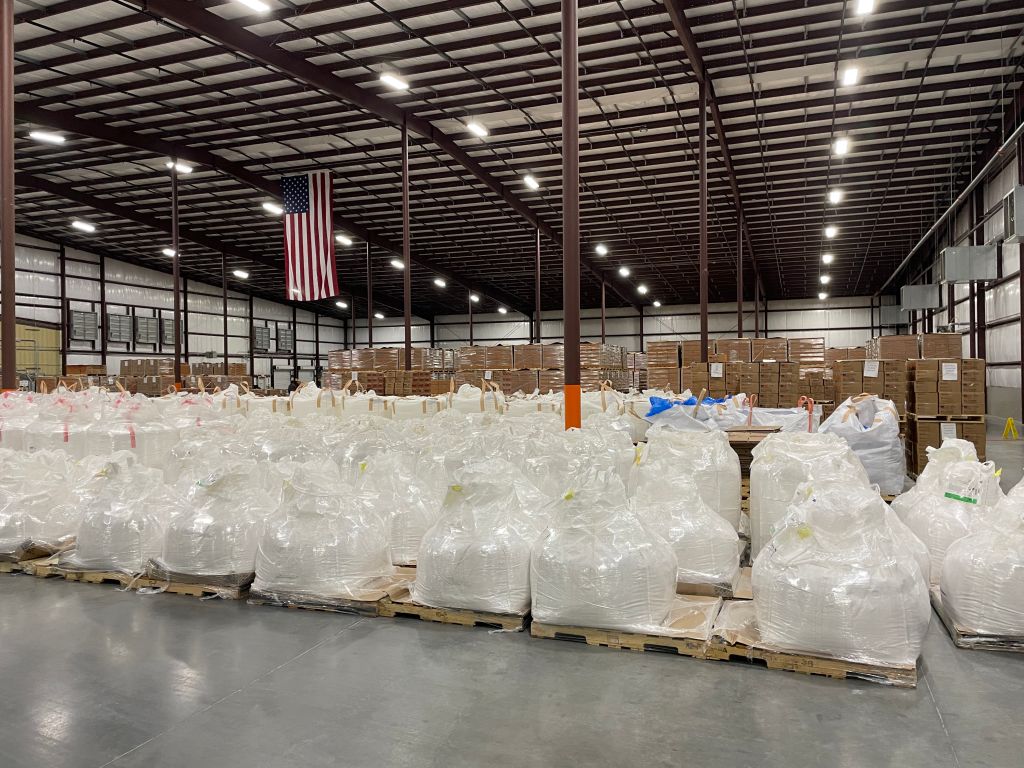
The Ripple Effects of U.S. Foreign Aid Cuts to Food and Water Access Across North Africa
The suspension of U.S. foreign aid in early 2025 has sent shockwaves through North Africa, jeopardizing programs that provide food, clean water, and agricultural support. This article traces the immediate humanitarian fallout — from halted school nutrition projects to shuttered emergency kitchens — and examines how the loss of aid threatens both regional stability and long-term U.S. strategic interests.
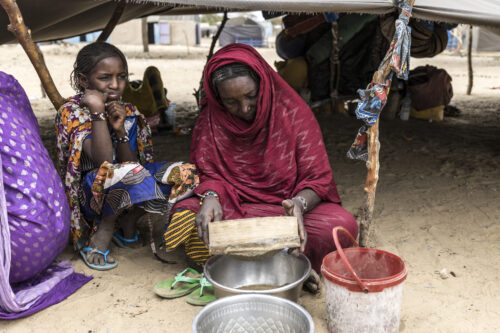
The Far Reach of the Iran War: Food Insecurity from North Africa to the Sahel
Within weeks of the Strait of Hormuz closure, fertilizer prices began to rise sharply. Tanker traffic through the strait, which handles one-third of the global fertilizer trade, fell by 90%. Across North Africa the impacts are multiplying, and this is having ripple effects for the Sahel in the south, adding to food price inflation, migration pressures, and the erosion of state legitimacy. The situation underscores how food security is a governance issue compounded by geopolitical crisis.
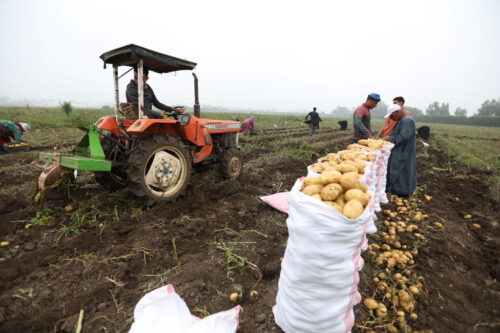
From Hormuz to the Sahel: A Fertilizer Shock, and a Maghreb Solution
The war-time disruptions of international shipping passing through the Strait of Hormuz are spreading through the fertilizer market and affecting supply chains encompassing regions that have no margins to absorb the impact. The Sahel is one such region and now faces a severe threat of widespread hunger.
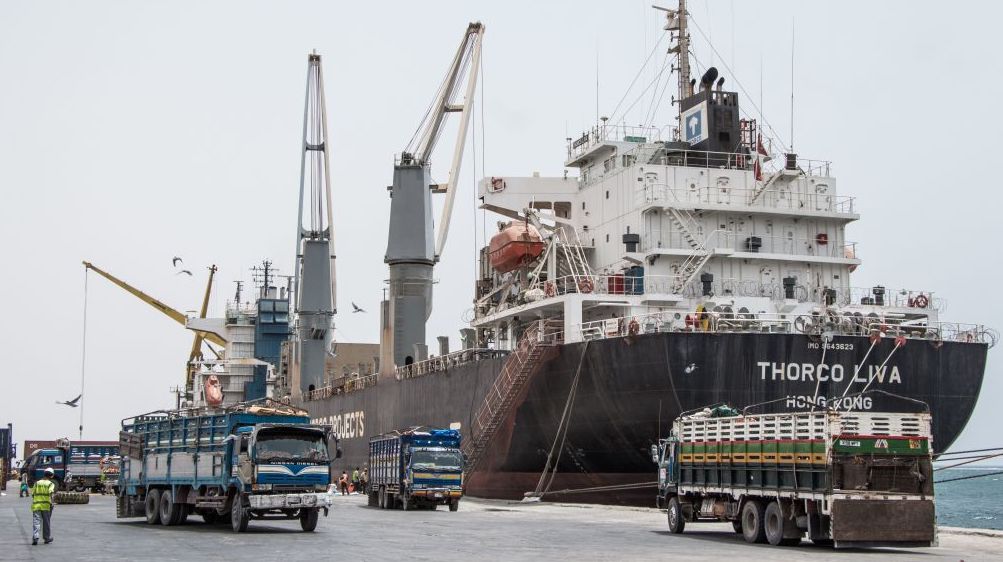
The Ripple Effects of the US-Israel War on Iran for North Africa
North African states feel the consequences of the US-Israel war with Iran less through direct security risks than through economic shocks that affect long-term stability. The region remains highly exposed to disruptions in global food and energy markets, where price spikes can lead to fiscal pressure, inflation, and social unrest.

The Human Cost of the Strait of Hormuz Closure
When the Strait of Hormuz closed in March, fertilizer prices spiked within weeks, triggering a food security crisis across North Africa and the Sahel. Host Alistair Taylor is joined by MEI Senior Fellow Intissar Fakir to explore what it means for the region, unpack the link between food security and regional stability, and assess how the strait’s reopening could impact those affected.
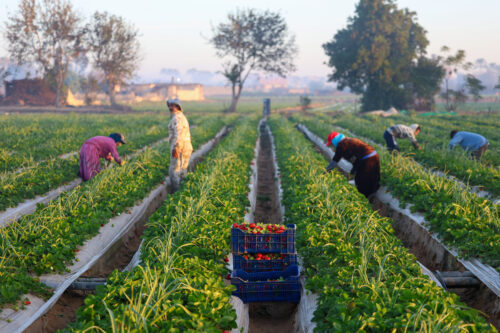
Outlook for Sustainable Agriculture in North Africa Report Card Assessment
This report assesses the future sustainability of agriculture across North Africa using a multidimensional approach that considers the dynamics of water, climate, land, and economics. To enable this assessment of sustainable agriculture across the region, the author evaluates water resources reliability, water use efficiency, agricultural land sustainability, and the food sector economy for Egypt, Sudan, Libya, Tunisia, Algeria, Morocco, and Mauritania, and provides recommendations for action.