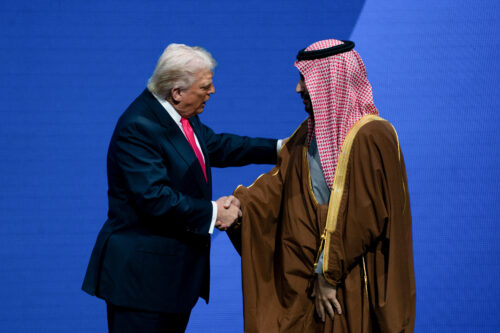
Last May, U.S. President Donald Trump paid a triumphant visit to Saudi Arabia, Qatar, and the United Arab Emirates. Over the course of a four-day tour, he admired the Gulf capitals’ “gleaming marvels,” cheered on their ambitious modernization plans, and showcased over $3 trillion in pledged Gulf investment and “mega-deals” between U.S. and Gulf businesses.
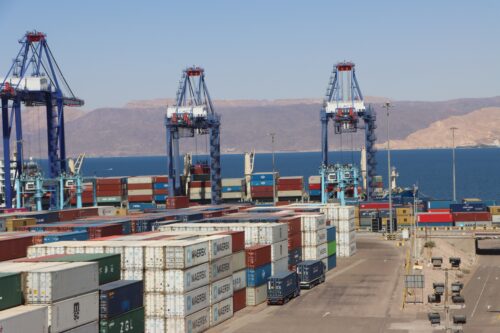
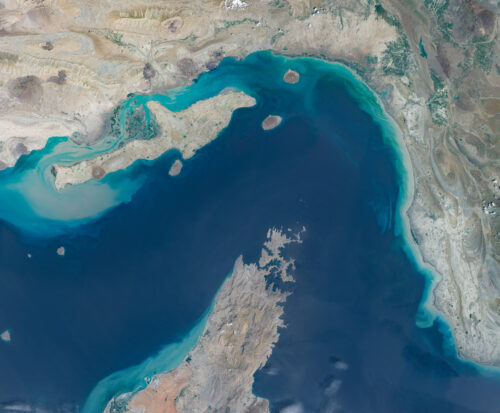
What a difference a year makes. For weeks after the United States and Israel began their attack on Iran, on February 28, Bahrain, Kuwait, Oman, Qatar, Saudi Arabia, and the United Arab Emirates allfaced barrages of Iranian missiles and drones aimed at military bases, airports, oil refineries, and data centers. On April 8, a cease-fire stopped most of the fighting, but Iran has effectively blocked the Strait of Hormuz, halting shipping of Gulf oil, gas, and other commodities. The problem Gulf leaders now face is broader than the status of the Strait of Hormuz. They do not want a regional order in which a hostile neighbor can dictate how their economies connect to the world, and many are unsettled by how Washington has handled the war and is handling negotiations of a possible peace. There are strategists in every Gulf state arguing to downgrade or cut ties with the United States, pointing out that American security commitments failed to deter Iranian attacks and entangled the region in a months-long war.
The Middle East Institute (MEI) is an independent, non-partisan, not-for-profit, educational organization. It does not engage in advocacy and its scholars’ opinions are their own. MEI welcomes financial donations, but retains sole editorial control over its work and its publications reflect only the authors’ views. For a listing of MEI donors, please click here.