“Between Heaven and Earth”: A road movie with a mission at a pandemic-era festival
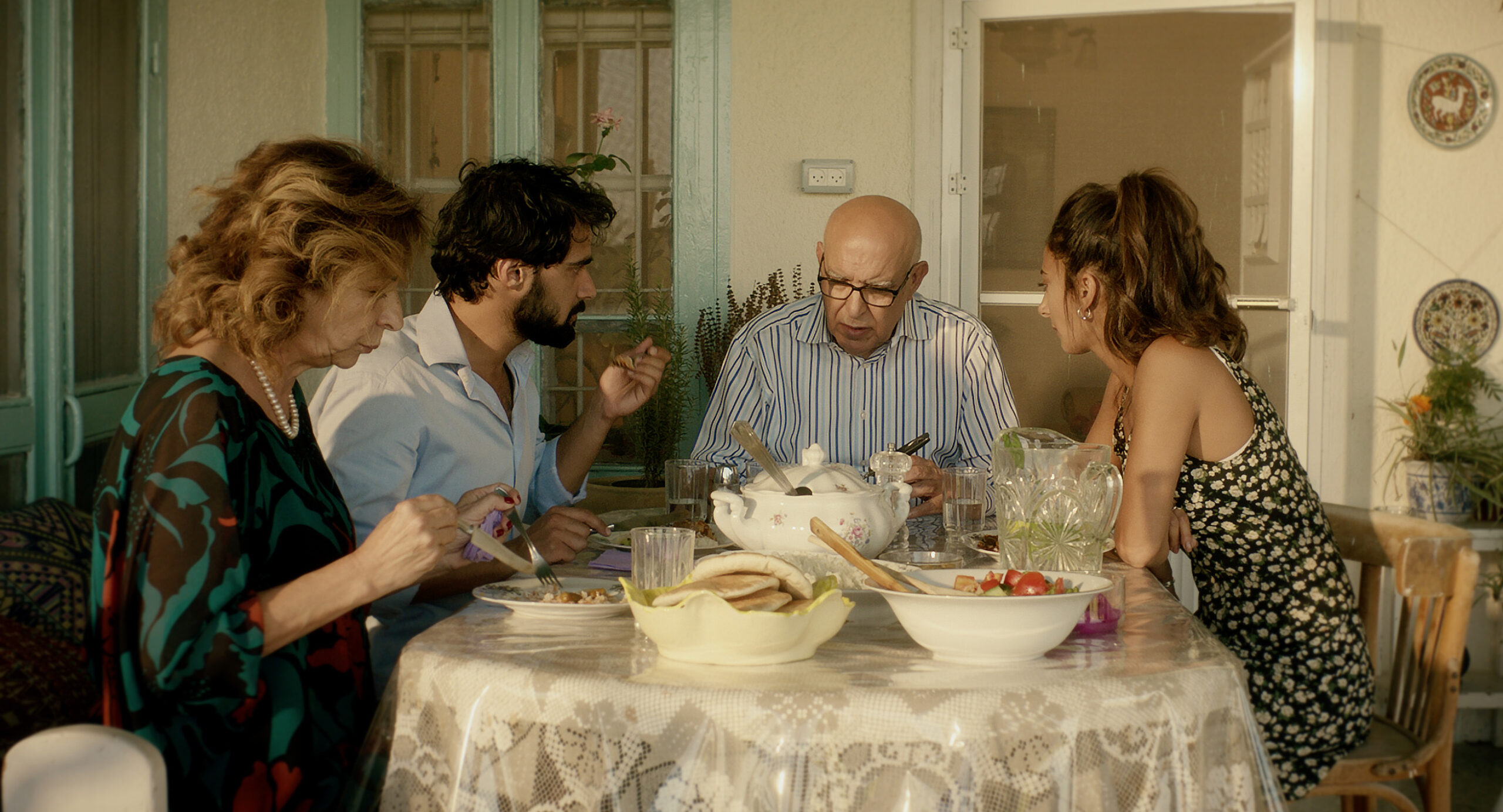
“Between Heaven and Earth,” filmmaker Najwa Najjar’s latest offering about love and divorce under occupation, is part road movie, part mystery, and part deep dive into the Palestinian psyche. To call its whole ethos a wild ride might just be an understatement.
Beirut-based art and documentary photographers Chantale Fahmi, Vicky Mokbel, and Marwan Tahtah join guest host Kate Seelye to discuss their efforts to capture the aftermath of Lebanon’s long civil war as well as the street protests that erupted on October 17, 2019 in response to the corruption and political mismanagement that triggered Lebanon’s financial collapse. Their’s are among works on display in “Lebanon Then and Now: Photography from 2006 to 2020,” an interactive virtual exhibit hosted by the MEI Art Gallery now through September 25. Visit the show now at www.mei.edu/art-gallery
Weaving a new path: Meet the organization fighting to save Morocco’s carpet industry
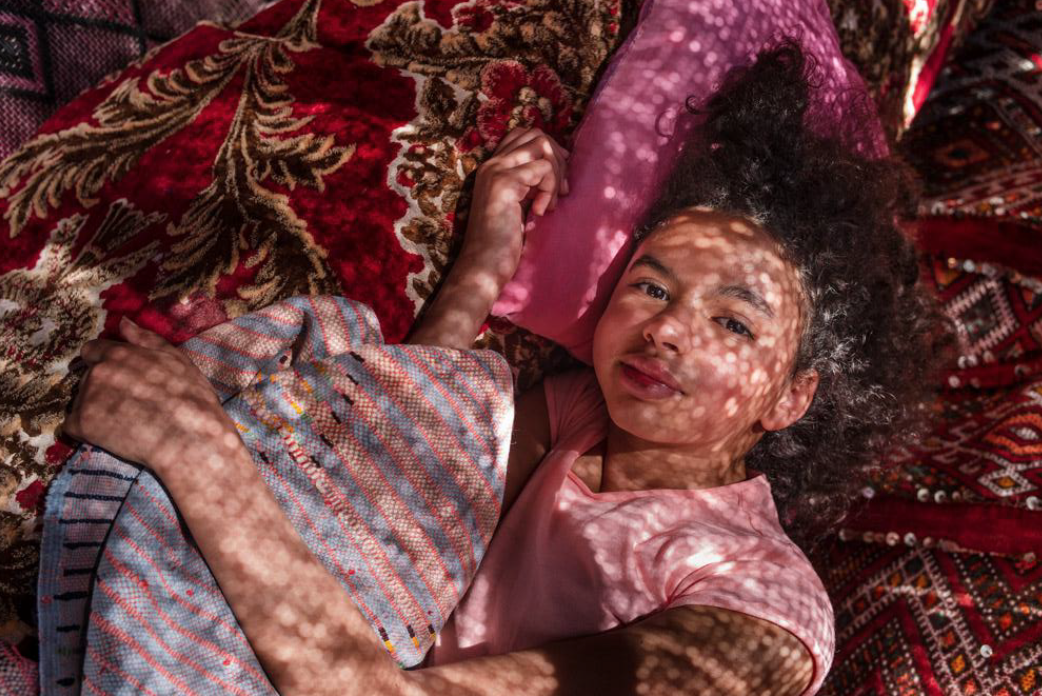
One Square Meter Berber is a Dutch-Moroccan project with a dual mission: to protect the dying craft of traditional Berber carpet weaving and to fight the exploitation of the skilled craftswomen who keep the iconic industry from coming apart at the seams.https://www.onesquaremeterberber.com
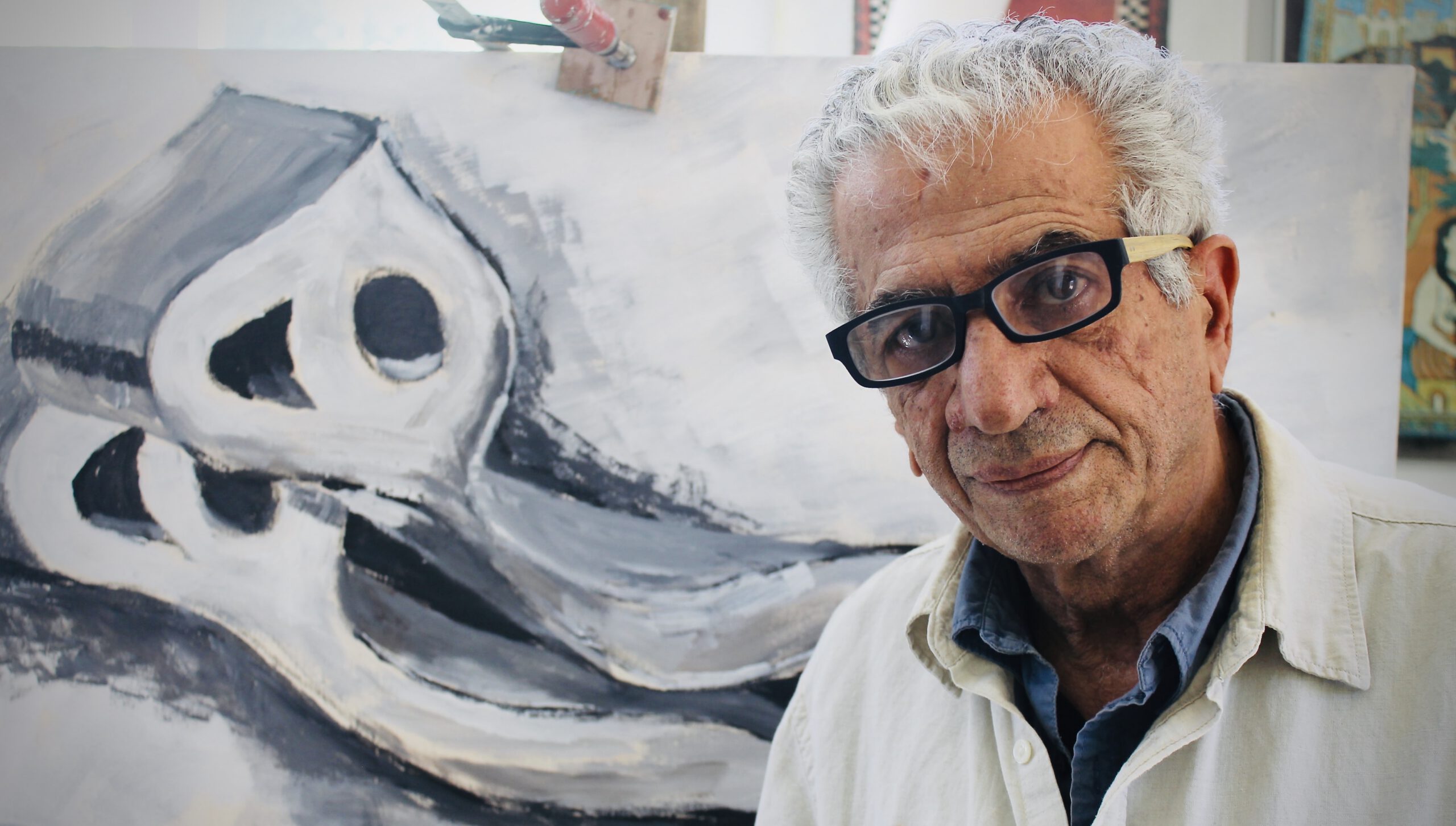
Far from his native Tehran in bucolic West Vancouver, Parviz Tanavoli, the 83-year-old “father of modern Iranian sculpture,” contemplates the fate of his homeland. “My heart breaks when I see what is happening in Iran now,” says the renowned artist, who divides his time between a life of relative obscurity on Canada’s Pacific coast, and Tehran, where he is referred to simply as “Master Tanavoli.”
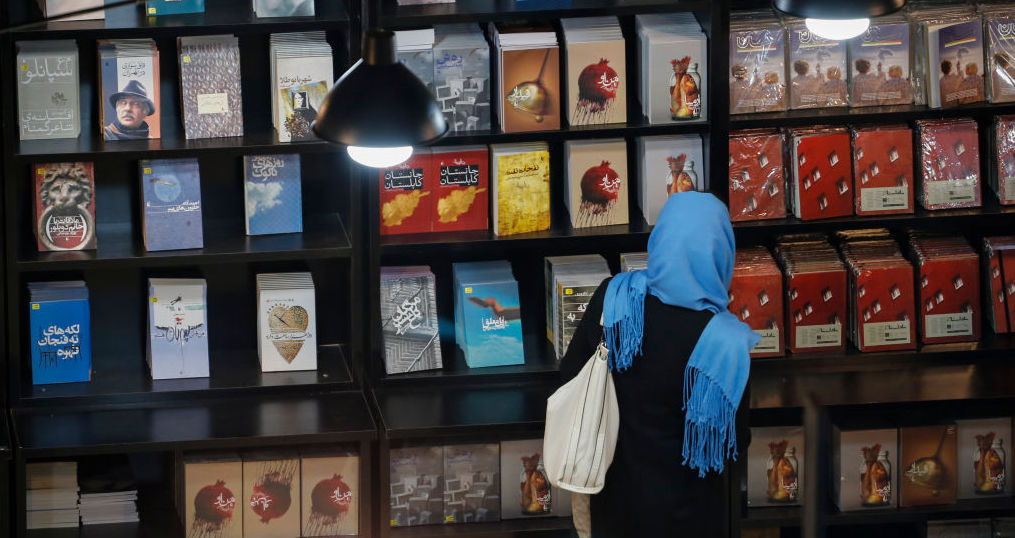
Unfortunately, many distinguished Arab writers are unknown to the majority of Iranian readers and their works are not available in Persian. Arab literature has largely been neglected in the Iranian literary translation market.
Supporting refugee communities during the pandemic
Basma El Husseiny (Action for Hope) and Samar El Yassir (Anera) join guest host Lyne Sneige to discuss the impact of the COVID-19 pandemic on refugee communities and the NGOs that work with them.
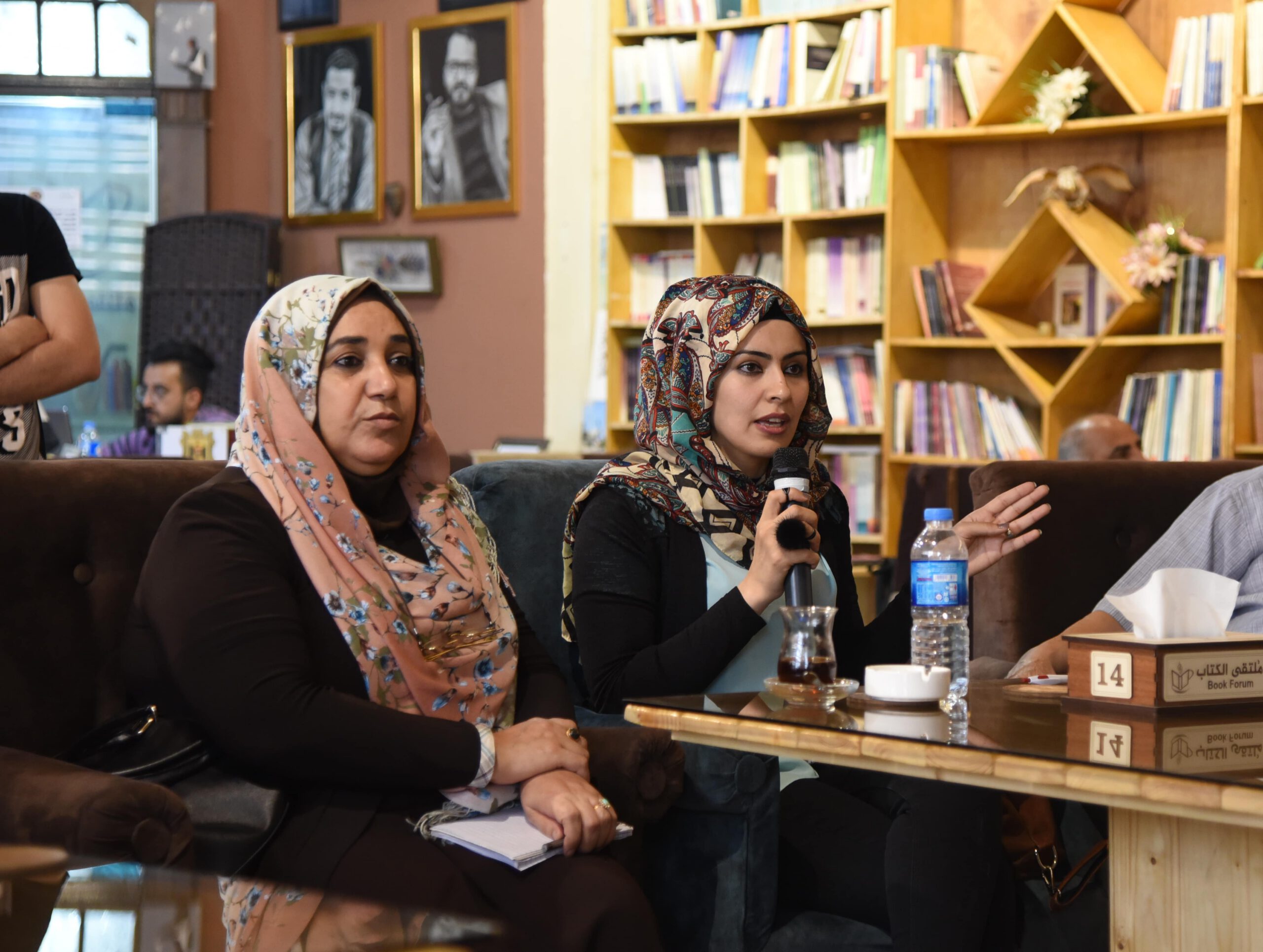
Mosul’s Book Forum: Rebuilding minds one book at a time, even under lockdown
The spiritual cousin to the Shabandar Café — Baghdad’s literary heart that survived being bombed by extremists in 2007 — Mosul’s Book Forum is both an intellectual refuge and a laboratory for discussion and cultural expression.
How the region's art sector is adapting under COVID-19
Adila Laïdi-Hanieh (The Palestinian Museum), Saleh Barakat (Agial Gallery and Saleh Barakat Gallery), and Khaled Barakeh (Co-Culture) join guest host Lyne Sneige for a discussion of how the COVID-19 pandemic has impacted the arts and culture sector across the Middle East, and how artists, galleries and museums are working to adapt during a global crisis.
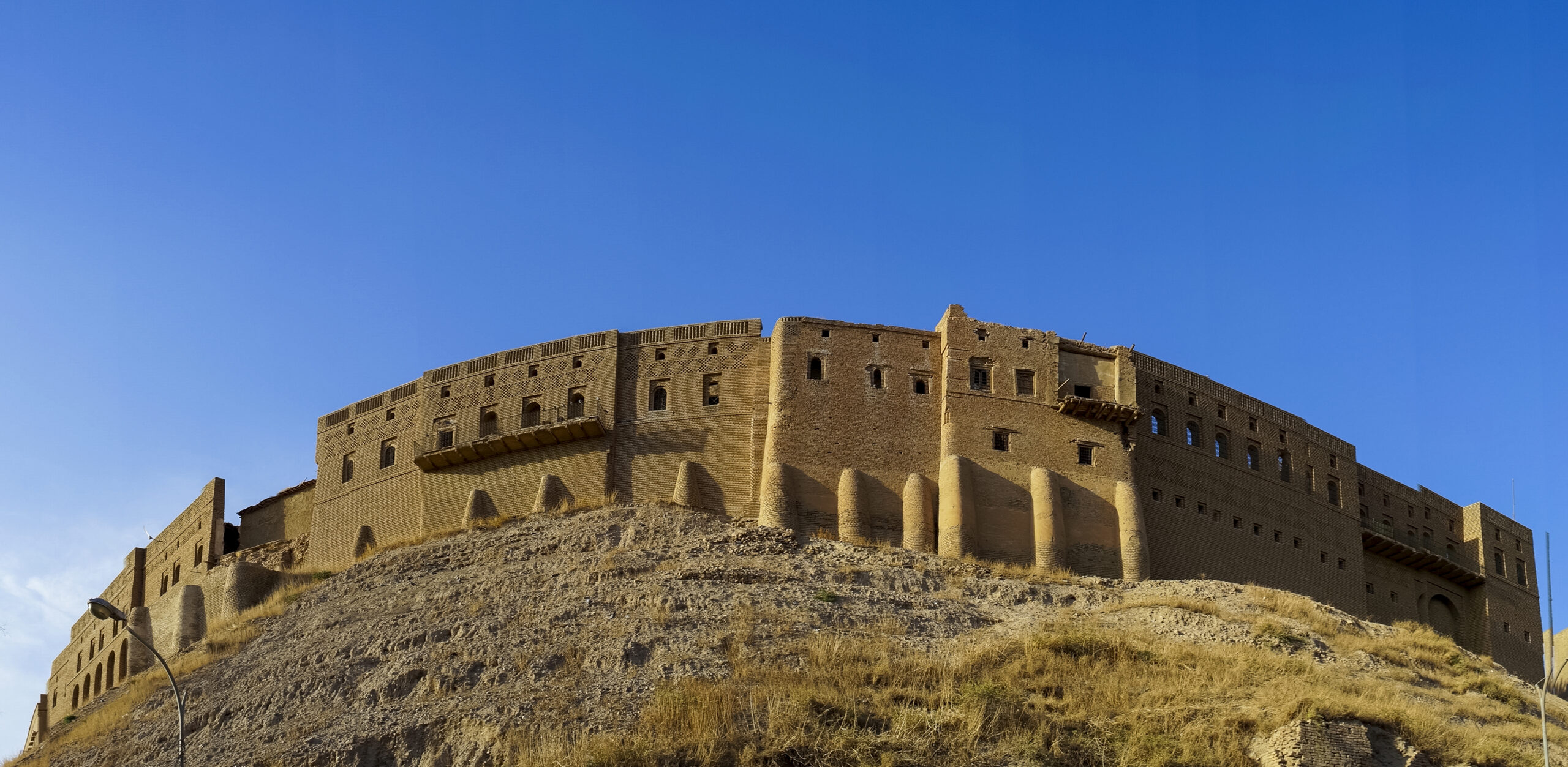
The history of Erbil’s citadel reads like a cinematic epic worthy of Cecil B. DeMille
Possibly one of the world’s oldest continuously inhabited human settlements, the citadel is built on a series of archaeological layers crowned by Ottoman-era houses. It may have been the site of a temple to Ishtar, was an important center of Nestorian Christianity, and survived both the 13th-century Mongol invasion and an 18th-century siege by Nader Shah. It was home to the Medians and the Assyrians (who called it Arbela), Muslims and Jews, and has housed Sufi shrines and displaced squatters. Its mound-like form has been shaped by successive generations of inhabitants and invaders who simply built on top of the rubble of their predecessors.
Speaking Across Mountains: Sharing Kurdish Culture Through Music
This week’s episode features an interview and Q&A with Lukman Ahmad, a Syrian-Kurdish musician and artist. Last week, Lukman performed Kurdish instrumental music on the saz during an open house at the MEI Art Gallery, and we are pleased to be able to share a recording of a couple of the songs that he performed.
Truth is stranger than science fiction: Palestine +100
As the world increasingly resembles a dystopian film from the 1970s and television news blurs ominously with scenes from Soylent Green, a recent collection of Palestinian science fiction proves both prescient and eerily contemporary.
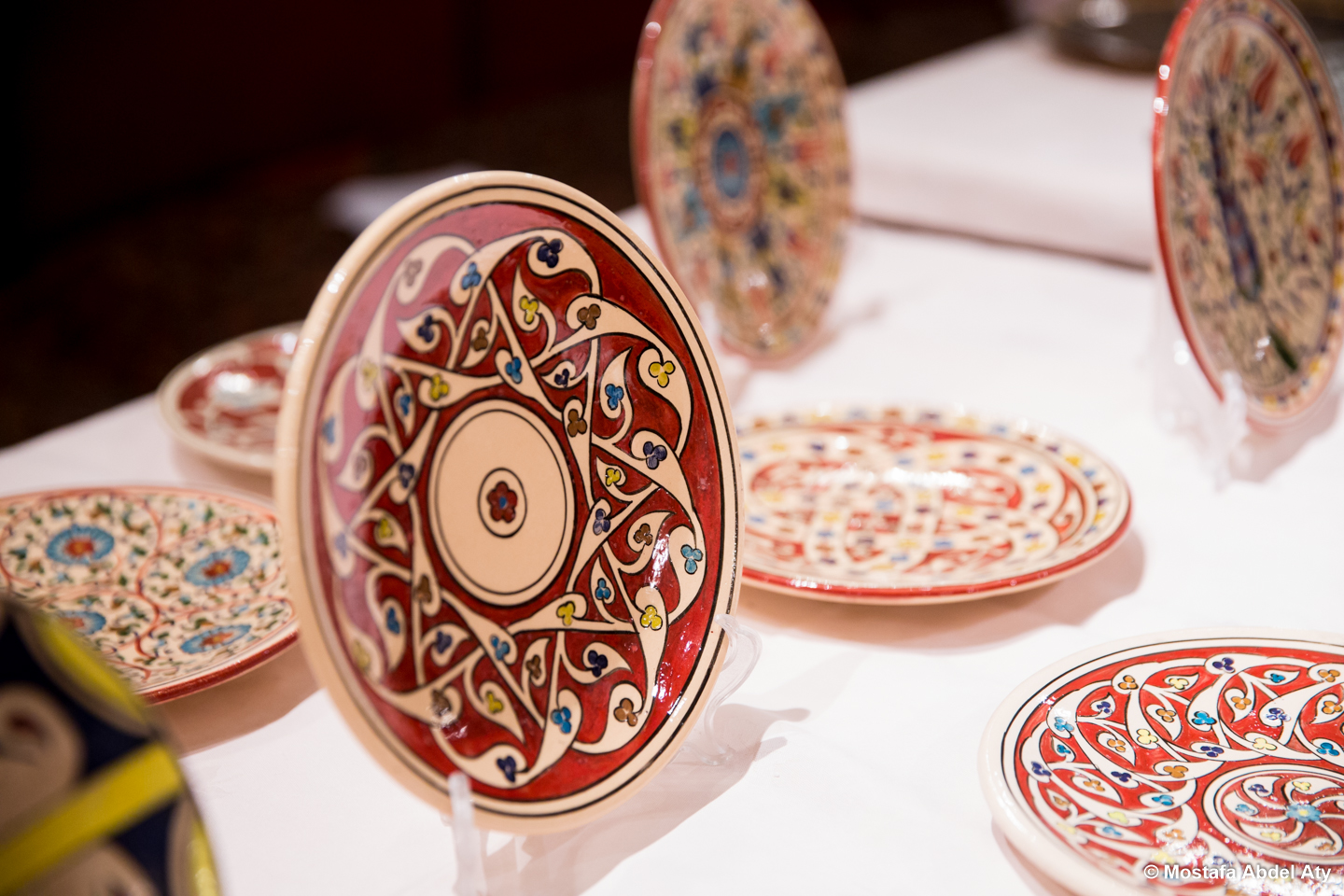
Safeguarding and celebrating Egypt’s traditional crafts
Accomplished craftspeople are a dying breed in Cairo, but Jameel House of Traditional Arts and Atelier Cairo are working to change that by training a new generation of artisans in traditional media like ceramics, wood, brass, glass, and gypsum work (stucco), helping to replenish the stock of skilled Egyptian craftspeople and keeping rare and beautiful art forms alive.
Perpetual Identities: Interview with Katya Traboulsi
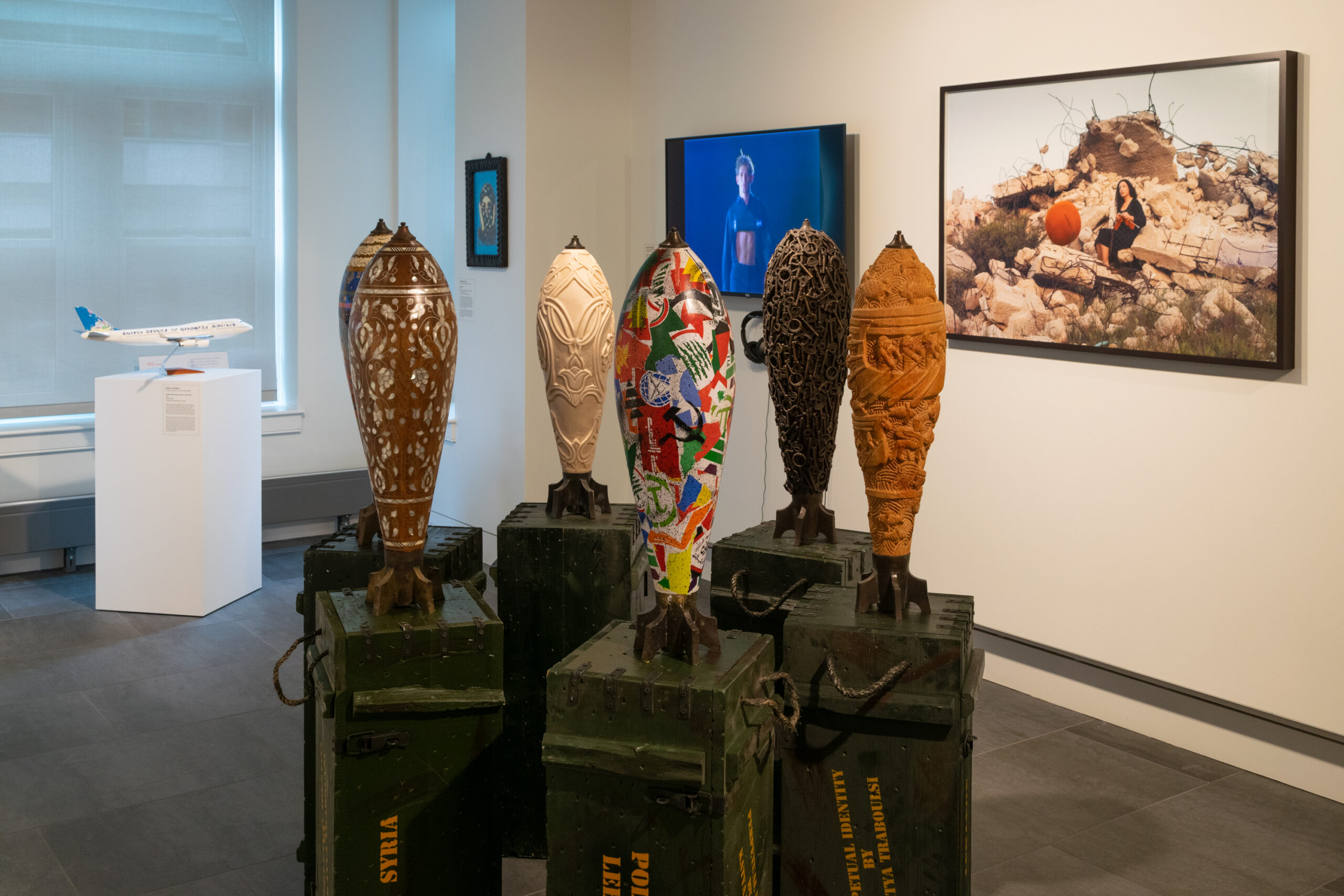
Lebanese artist Katya Traboulsi joins guest host Lyne Sneige to discuss her art exhibition, Perpetual Identities, which consists of 22 hand-crafted replicas of bombshells used in the Lebanese civil war, each adorned with designs and iconography associated with the artistic traditions of 22 featured countries.
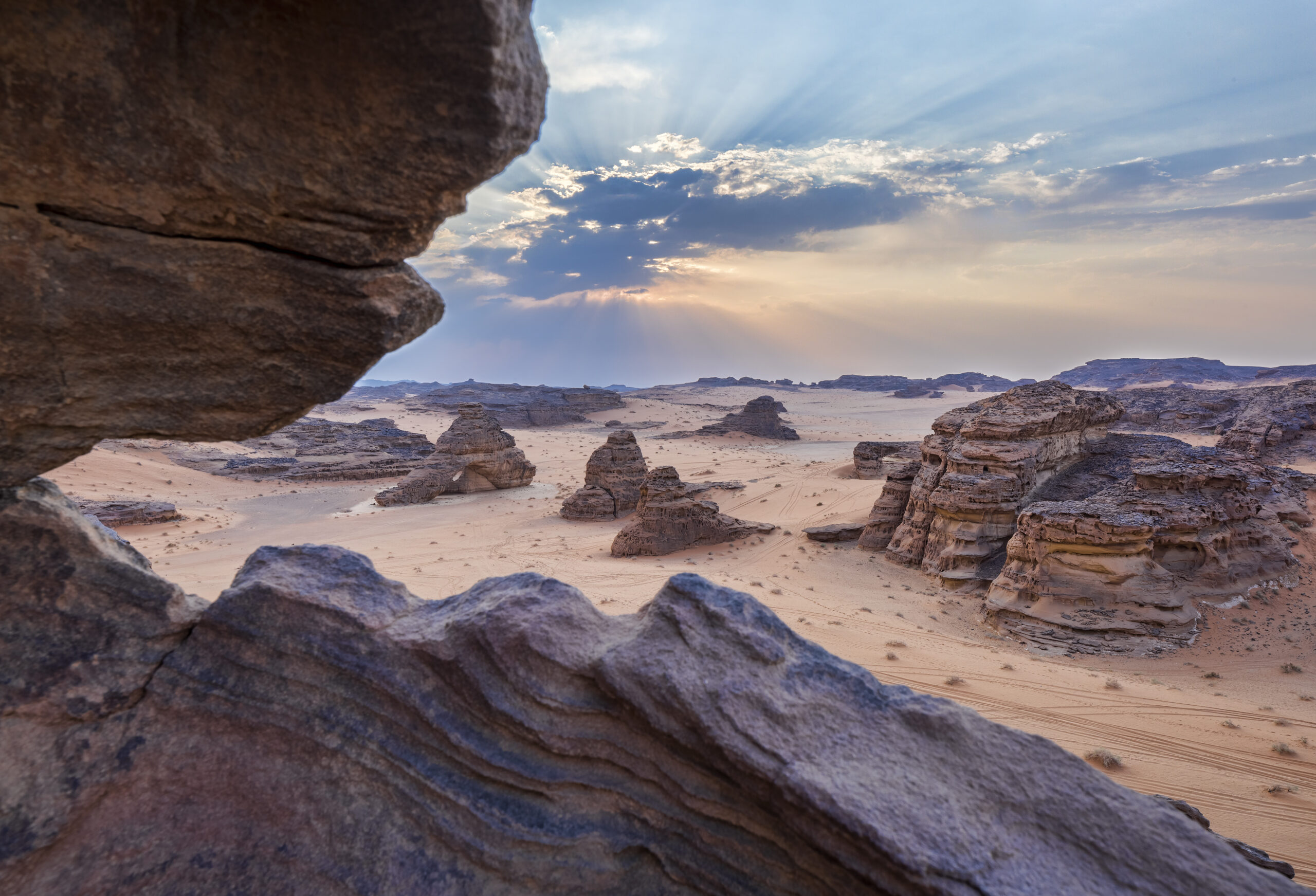
Saudi Arabia’s archeological treasures have long been hidden in plain sight, known mainly to the people living in their proximity and a handful of scholars. But five recent UNESCO World Heritage Site designations have highlighted the universal value of the country’s material legacy.
Iraq’s ancient city of Babylon gets long-overdue international recognition
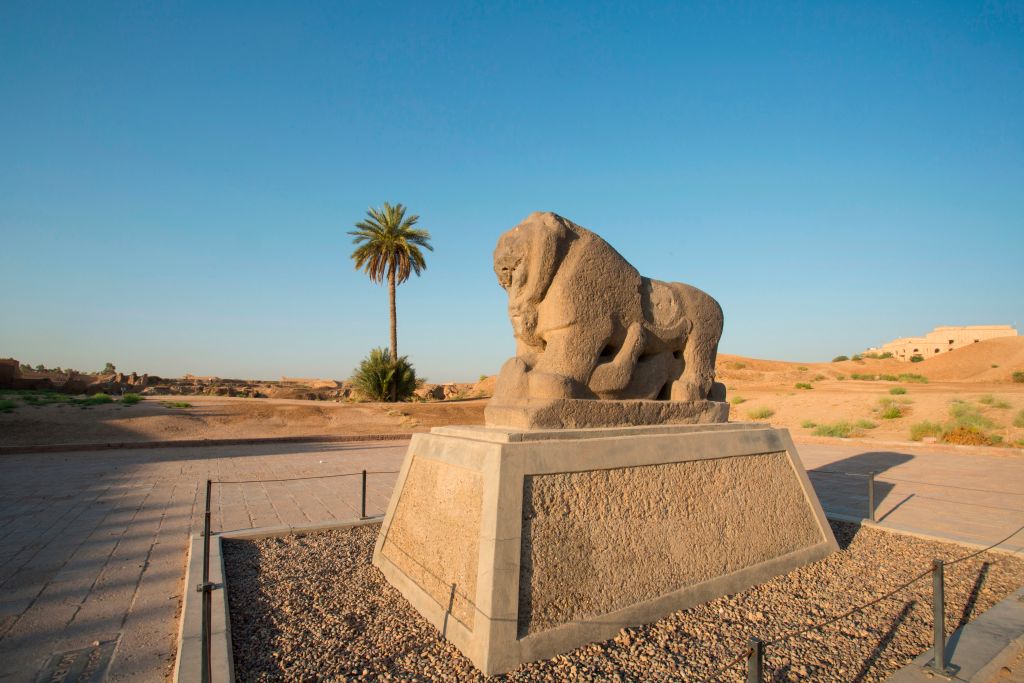
Babylon has seen it all. From its peak as the Neo-Babylonian capital under King Nebuchadnezzar through its heavy-handed 1987 reconstruction by Saddam Hussein to its post-invasion demise when American and Polish troops ran roughshod over its ruins and ISIS threatened its very existence, the ancient city has witnessed empires come and go.