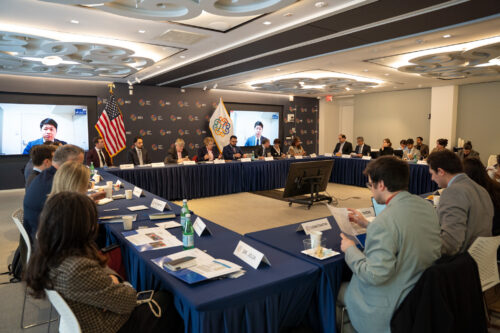
MEI regularly hosts leading experts, officials, and journalists, highlighting a range of voices from the region, at weekly in-person events in Washington, online webinars, and conferences.
Invitation-only discussions hosted by Vice President for Policy, Ken Pollack, offering off-the-record insights into the most pressing challenges shaping the Middle East and US strategic interests in the region. Contact [email protected] for information on how to join the invitation list.
US Military Posture and Strike Options Against Iran
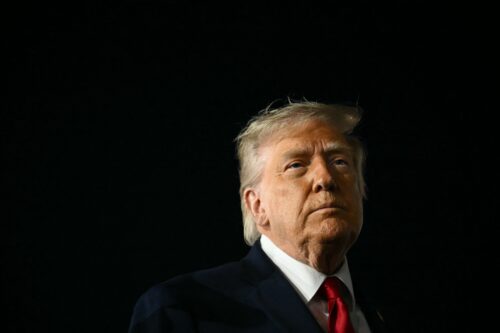
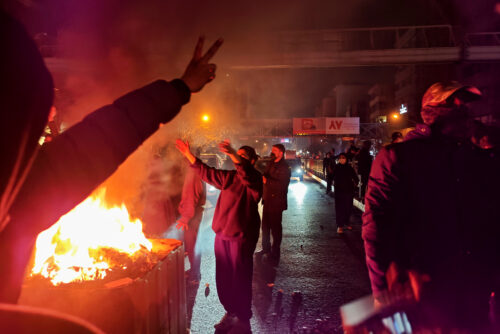
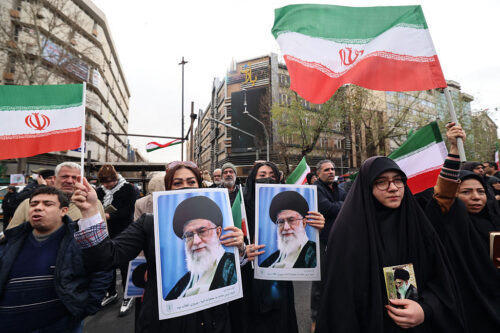
On January 14, as the Iranian regime brutally cracked down on the largest street protests the country had seen in years, US President Donald Trump urged Iranians to persevere, posting on social media “help is on its way.” At the time, however, limited US military resources in the theater constrained the president’s military options.
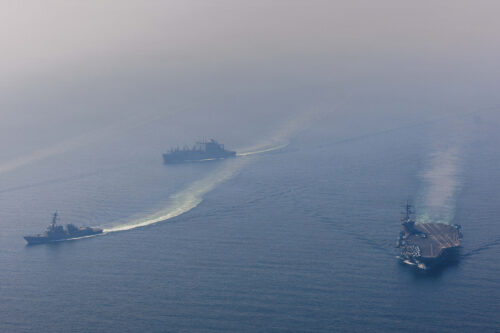
In the ensuing month since Trump’s post, the Pentagon has repositioned significant forces to the Middle East. This has led to wide speculation that the US is preparing for renewed strikes on Iran even as the Trump administration pursues diplomatic talks with the Iranian regime.
To better understand the military planning and force posture dynamics shaping US policy choices, this briefing featured two Distinguished Military Fellows, former commander of the 5th Fleet VADM Kevin Donegan, USN (Ret.), and former Deputy Assistant Secretary of Defense for the Middle East Mick Mulroy. MEI Senior Fellow Jason Campbell moderated the discussion.
Bolstering US, Japan, and Gulf Cooperation in the High Tech Field
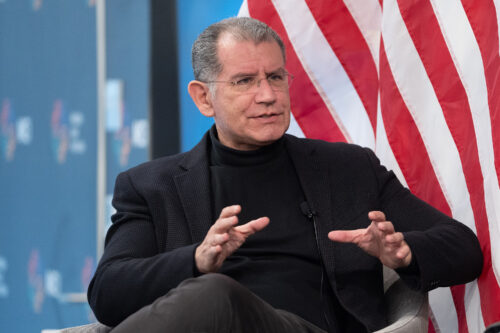
In recent years, both Washington and the Middle East have been looking eastward. The United States has been executing its own “pivot to Asia,” seeking to strengthen alliances and manage competition in the Indo-Pacific, while many Middle Eastern states are simultaneously deepening their economic and strategic ties with Asian partners. This dual pivot is creating new intersections for US–Japan cooperation. The discussion featured Ambassador Barbara Leaf, Mohammed Soliman and Amane Kobayashi, and was moderated by Ken Pollack. Drawing on their experience, the speakers examined how Japanese, American, and Gulf public and private initiatives can be integrated to create more dynamic, cutting-edge economies, symbiotic diplomatic relationships, and stronger mutual security ties.
Join us for the closing celebration of MEI's Arab Pop Art exhibition, featuring a live performance by Syrian-American rapper, spoken word poet, and storyteller Omar Offendum.
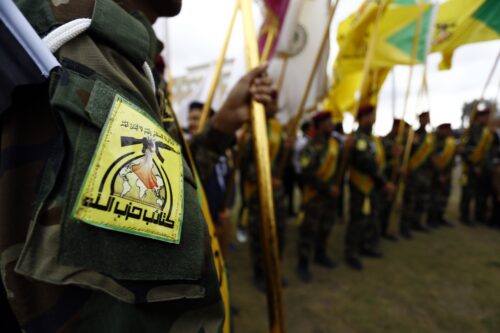
Held Hostage by Iran’s Militias: Where Are They Now?
The Middle East Institute invites you to an in-person panel with Elizabeth Tsurkov, Senior Non-Resident Fellow at the New Lines Institute. It will be moderated jointly by Charles Lister, Senior Fellow at the Middle East Institute, and Benjamin Wittes, Senior Fellow in Governance Studies at The Brookings Institution
Join us for a webinar conversation with Dr. Tahani Mustafa, Ambassador (ret.) Yael Lempert, and Colonel (res.) Ron Shatzberg to unpack the potential consequences of West Bank annexation efforts – de jure and de facto.
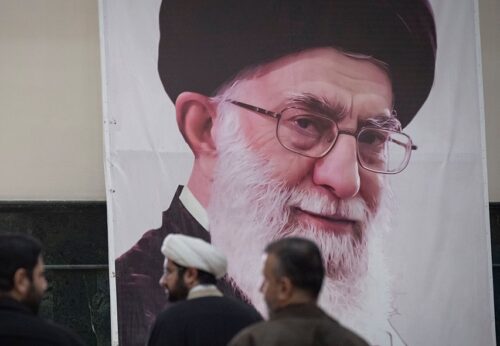
The Middle East Institute invites you to an on-the-record briefing examining what comes next for Iran's leadership and the protest movement. To unpack these issues, we will be joined by MEI Distinguished Military Fellow Vice Admiral Kevin Donegan, USN (Ret.), former senior advisor at the World Bank Nadereh Chamlou, and MEI Senior Fellow Alex Vatanka.
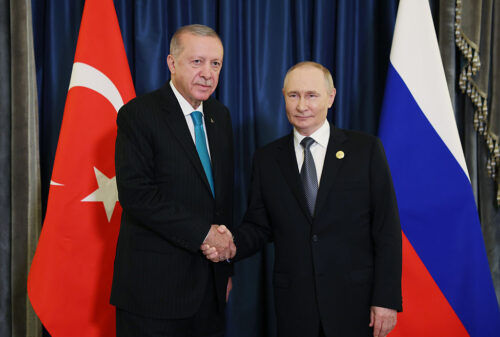
Balancing on a Fault Line: Turkey Between Russia, Ukraine, and the US
This webinar discussed the following looming questions: Can Turkey sustain a three-way balancing act between Russia, Ukraine, and the US? Where does Ankara stand on Trump’s peace plan, which would require Ukraine to cede territory to Russia? How does Moscow view Turkey’s S-400 dilemma? And what would the continuation of the Russia-Ukraine war mean for Turkey’s security—and for its already strained relations with the West?