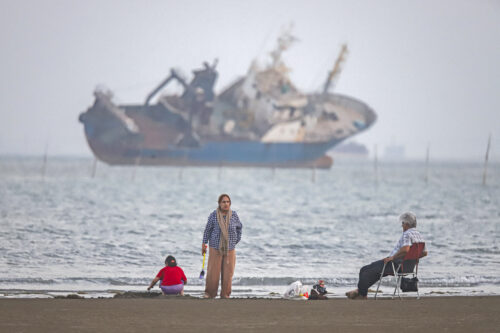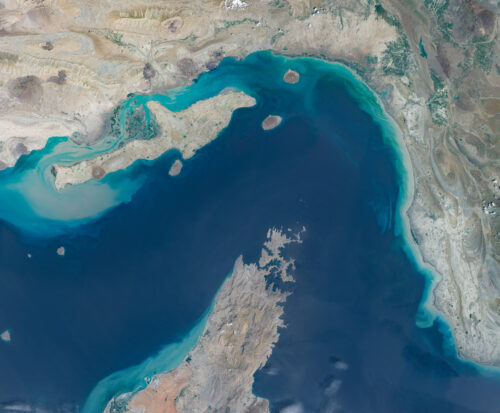
As the conflict approaches the one-month mark with no sign of resolution, US President Donald Trump has called for NATO member states to help secure shipping through the Iranian-controlled Strait of Hormuz, a critical chokepoint for international maritime trade. The war has hit Europe’s economy hard and created deep divisions across the continent, even as some European countries play a quiet supporting role to the US. Amid reports that the White House is now considering redirecting military aid intended for Ukraine to the Middle East, what impact could the war have on US-European relations and the transatlantic alliance? And how will European actions shape their long-term relations with Israel, Turkey, or key partners in the Gulf?
This briefing featured Stephen Flanagan, who served in several senior positions in the US government, most recently as special assistant to the president and senior director for defense policy and strategy at the National Security Council. The discussion also featured MEI Senior Fellow Iulia-Sabina Joja, who previously served as an adviser to the Romanian president and as a deputy project manager at NATO Allied Command Transformation in Virginia. The discussion was moderated by MEI Editor-in-Chief Alistair Taylor.
Our experts discussed the view from Europe, how the EU and NATO are responding, the potential prospects for European involvement in the Strait of Hormuz, and the impact on the war in Ukraine and the Alliance more broadly.