This individual is a guest contributor. MEI is not able to assist with contact requests.
Jean-Pierre Cassarino holds a professorship at the Robert Schuman Center for Advanced Studies (RSCAS/European University Institute, Florence) where he directs the Return migration and Development Platform (http://rsc.eui.eu/RDP/). He is also research associate at the Tunis-based Institut de Recherche sur le Maghreb Contemporain (IRMC). Since the mid-1990s, he has published extensively on international migration, particularly on return migration and has carried out numerous field surveys investigating returnees’ manifold patterns of reintegration. Selected publications include: (ed.) Unbalanced Reciprocities: Cooperation on Readmission in the Euro-Mediterranean Area, The Middle East Institute Press, Washington, 2010; (ed.) “Conditions of Modern Return Migrants”, International Journal on Multicultural Societies, Vol. 10, Issue 2, UNESCO, Paris, 2008; (ed.) Return Migrants to the Maghreb Countries: Reintegration and development challenges, RSCAS, European University Institute, Florence, 2008; Tunisian New Entrepreneurs and their Past Experiences of Migration in Europe: Networks, Resource Mobilisation, and Hidden Disaffection. Ashgate Publishers, Aldershot, 2000. Email: [email protected]
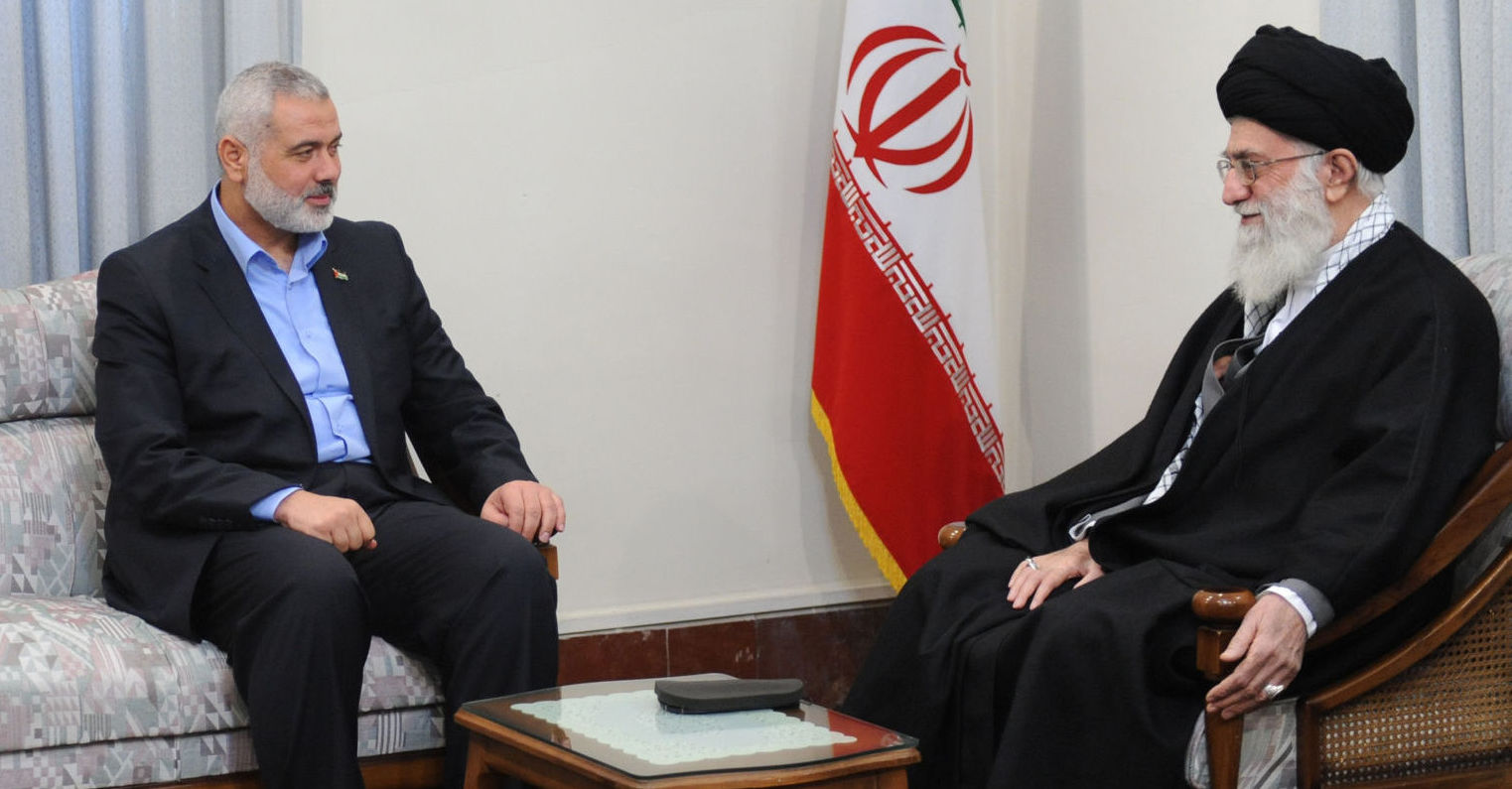
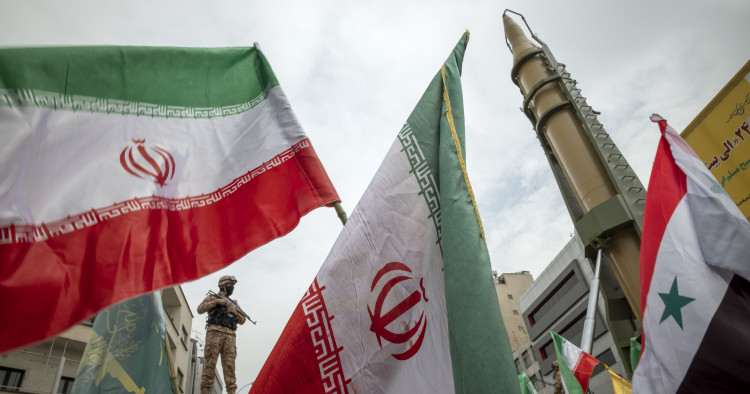
Iran and Hamas beyond the borders of the Middle East
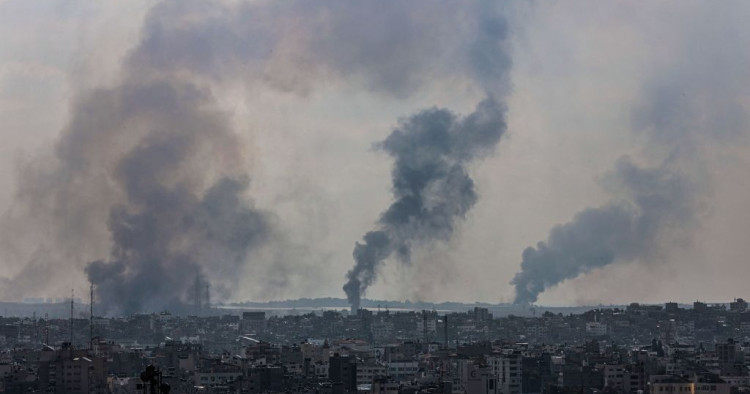
As the fighting in Gaza continues to rage, Iran’s influence with Hamas, hitherto limited, could expand further, extending beyond the Middle East. Tehran is looking to contain Israel not just in the region but in Africa and Latin America as well. Although there are ideological differences between these two members of the so-called “Axis of Resistance,” the Israel-Hamas war may bring them closer together and strengthen their partnership.
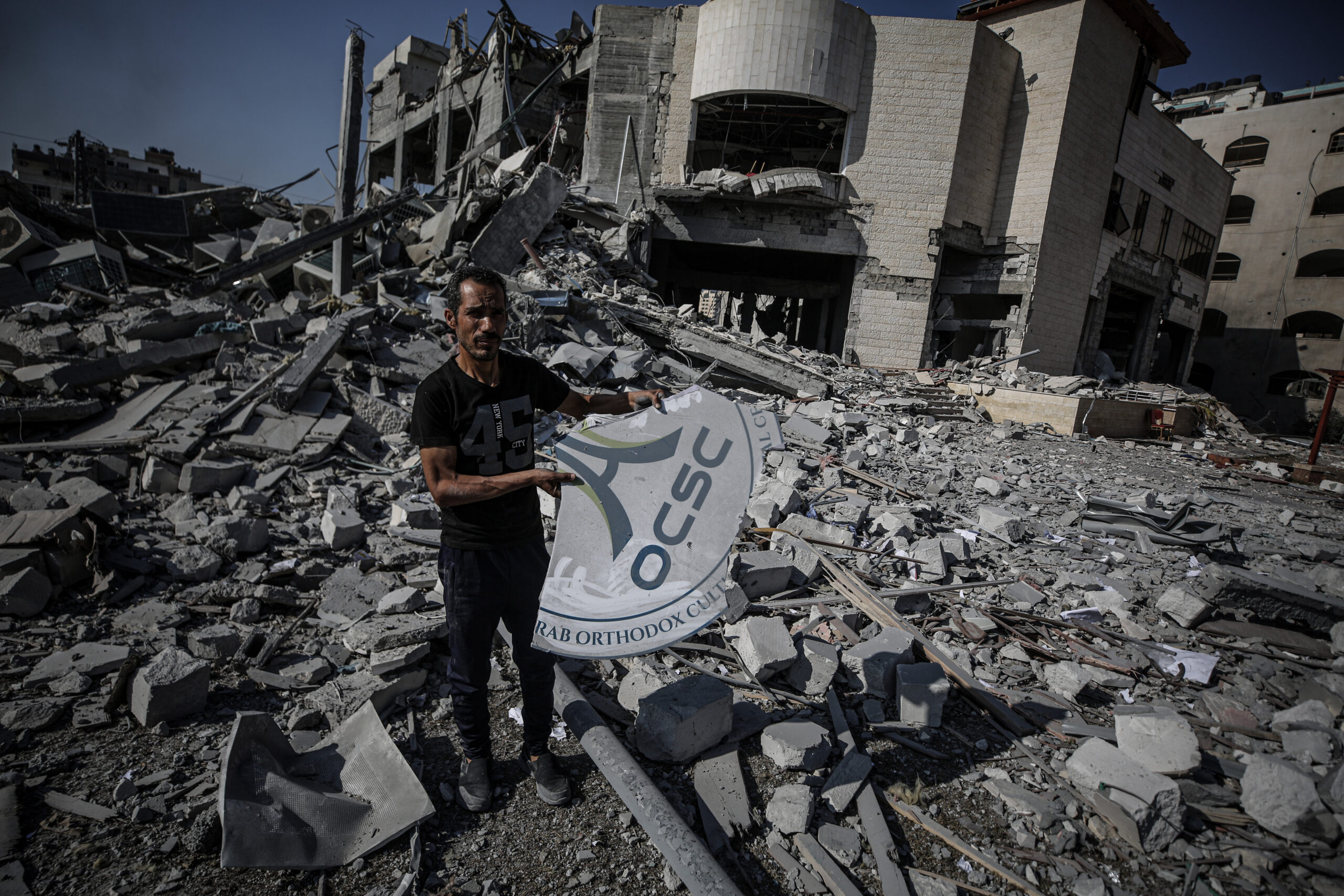
Ben-Gvir Is Arming Thousands of Israelis—and Playing With Fire
In the aftermath of Hamas’s horrific terrorist attack on Oct. 7, Itamar Ben-Gvir, Israel’s far-right minister of national security, keeps on pushing his Jewish supremacist agenda, risking new tensions and more violence between Israeli Jews and Palestinians.
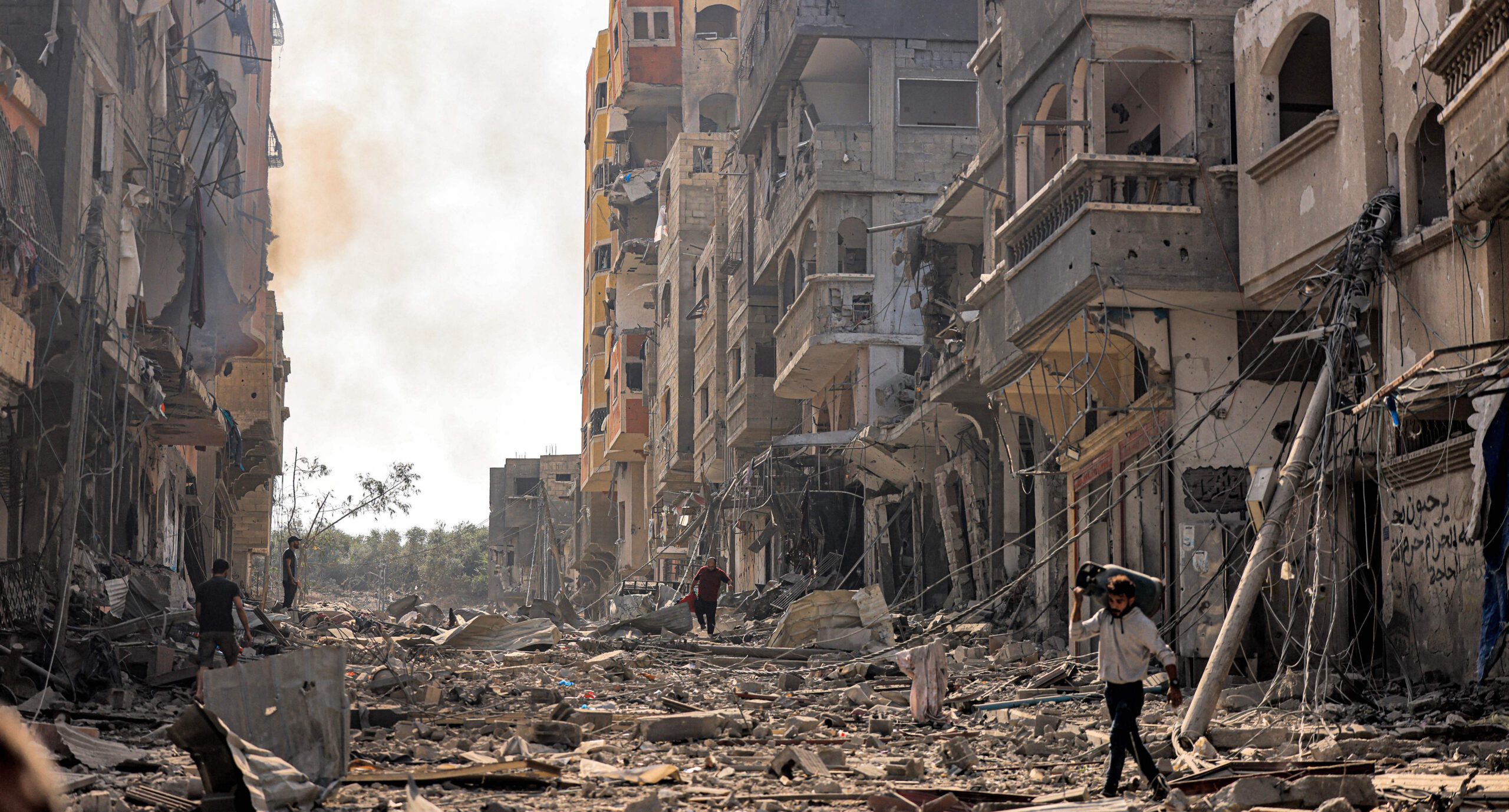
Five scenarios for Gaza and how the international community can shape its future
In the midst of the current war, there is still no concrete plan for what the future of Gaza could look like. Yet preparations for a viable and lasting post-war order should start before it could be too late.
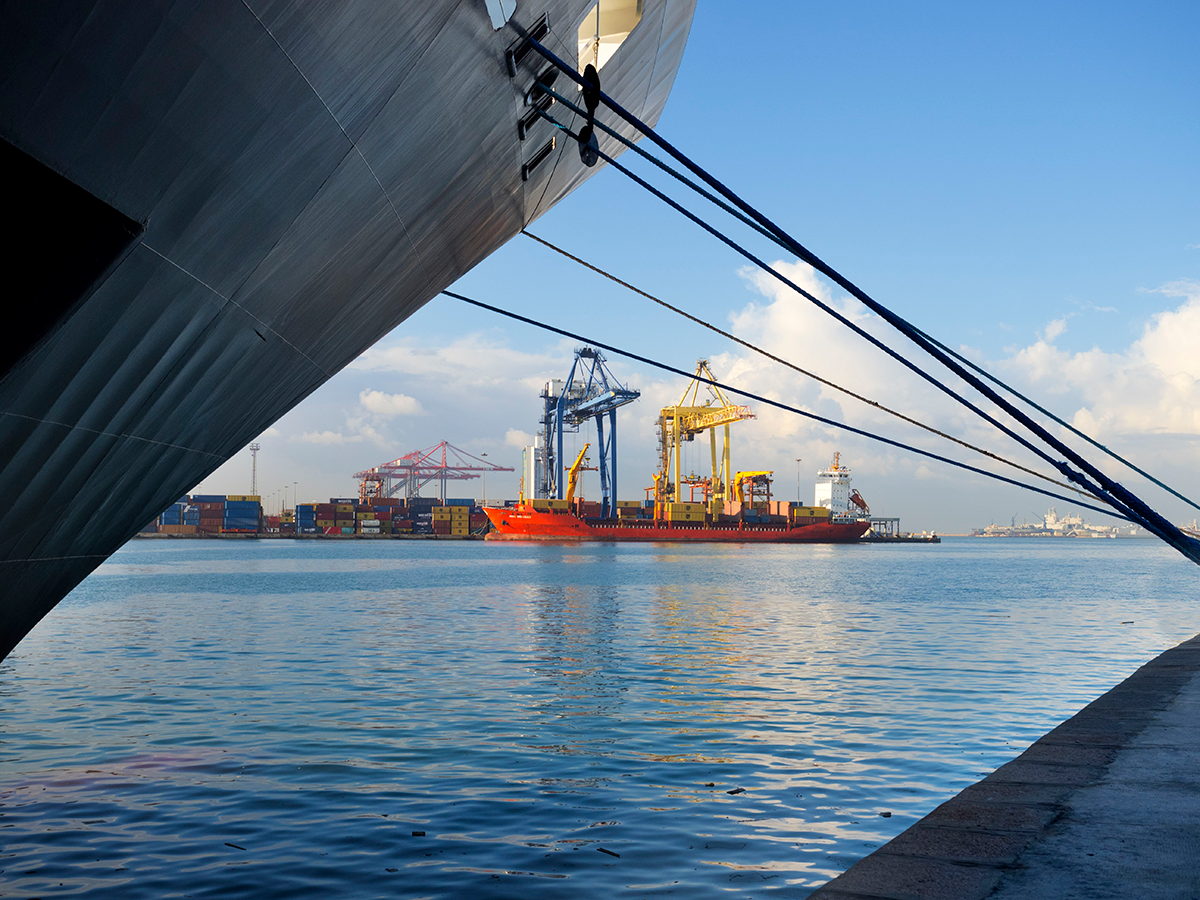
China’s growing maritime presence in Egypt's ports and the Suez Canal
In recent years, China’s presence in Egypt’s strategic ports has grown noticeably, including the involvement of both private and state-owned Chinese companies. While this reflects Beijing’s growing ambitions in the region, the opacity of the Sino-Egyptian agreements and the blurry lines between China’s commercial ports and its military aspirations raise questions about the potential implications.
As the Israel-Hamas war rages on, Iran’s role will continue to be a pivotal question. While Tehran no doubt feels vindicated in its model of armed campaign against Israel, it will likely not seek escalation by confronting Israel and the United States militarily. Instead, Iranian officials seem to consider the war as a moment to elevate Tehran’s image in the Islamic world—and in the global south generally.
Modern Türkiye (the official spelling of Turkey since 2021) sprang like a phoenix from the ashes in 1923, overcoming daunting odds. Its predecessor, the Ottoman Empire, had foolishly joined the war with the Central Powers in 1914 and naively thought its Arab subjects would remain loyal, only to have been utterly defeated and then dismembered. A rebellion led by the empire’s most famous war hero and leader, Kemal Ataturk, overthrew the last sultan, rejected an unjust treaty to divide up the country and repelled the occupying Allies. He established a contemporary republic based on popular
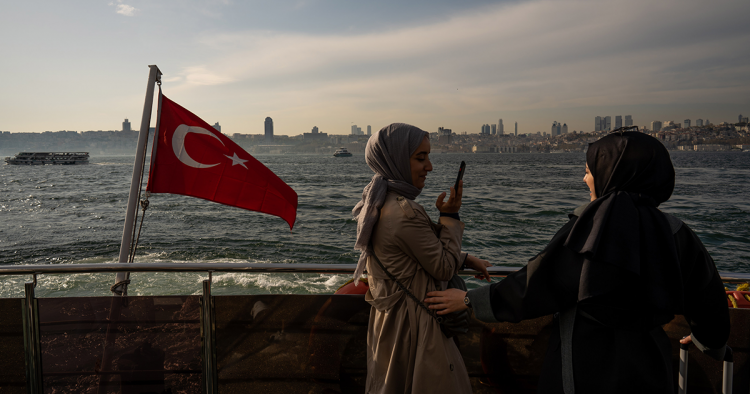
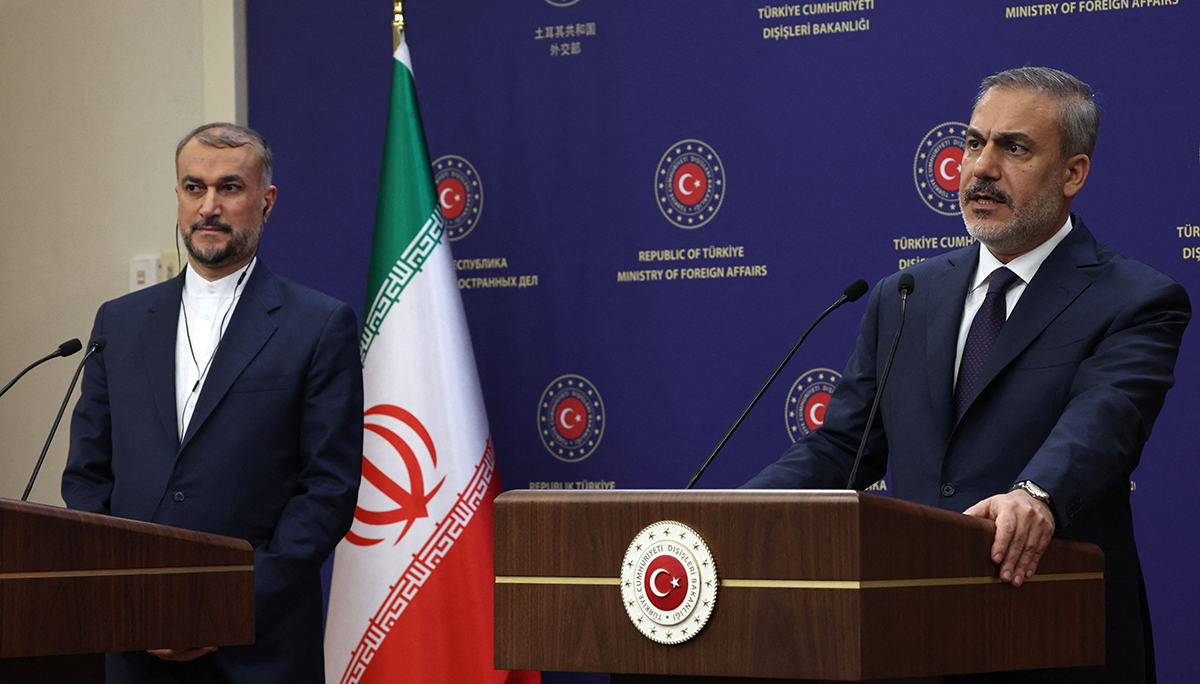
Turkey and Iran: Toward an “Axis of Revisionism” amid the war in Gaza?
Hamas’ violent and unexpected Oct. 7 attack on Israel has shaken a fragile regional order in the Middle East. Ankara and Tehran are worried that a stronger U.S. presence in the Middle East is detrimental to their regional interests. The war in Gaza might help close the ranks between Turkey and Iran, yet there are serious limitations to a sustainable alliance between the two countries.
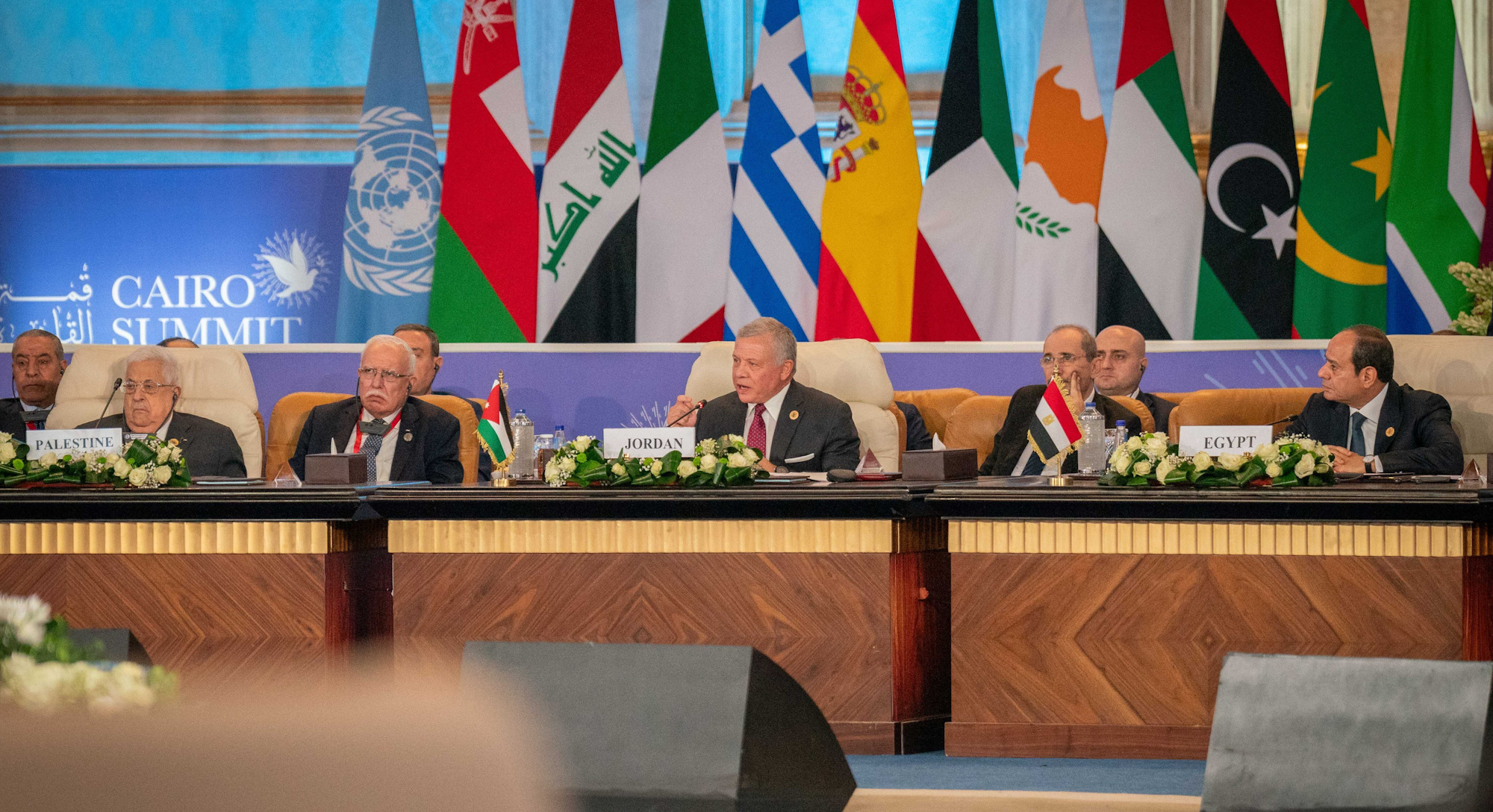
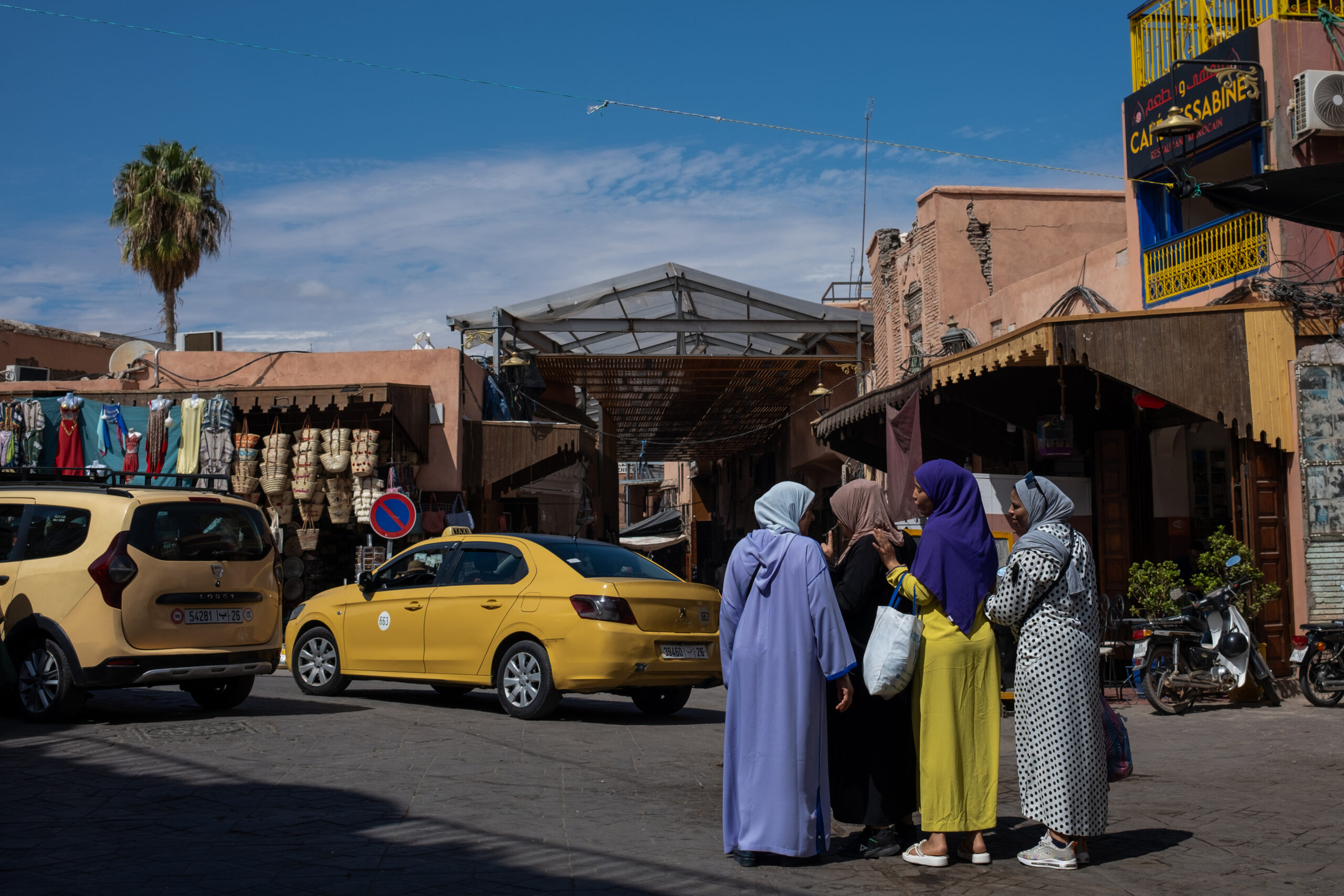
“The worst is coming”: Jordan braces for spillover effects of Israel-Hamas war
As the Israel-Hamas war enters its fourth week, the Kingdom of Jordan finds itself on the frontline of the conflict and King Abdullah II a central figure in the regional and global diplomatic efforts to contain it. The Hashemite Kingdom braces for a broader conflict and multiple spillover effects, having little leverage and few policy options.
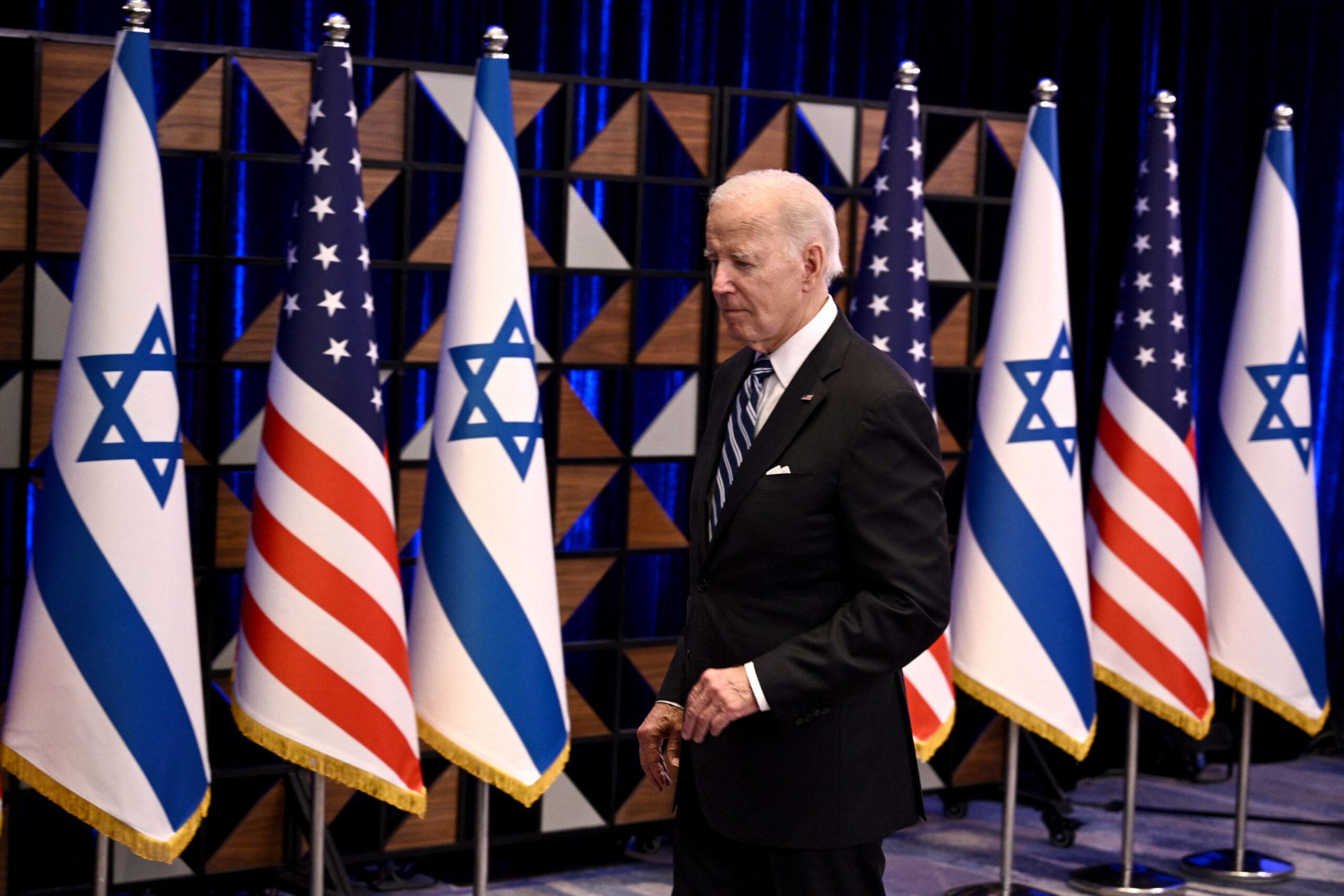
Gaza crisis shows Washington badly missing Iran strategy
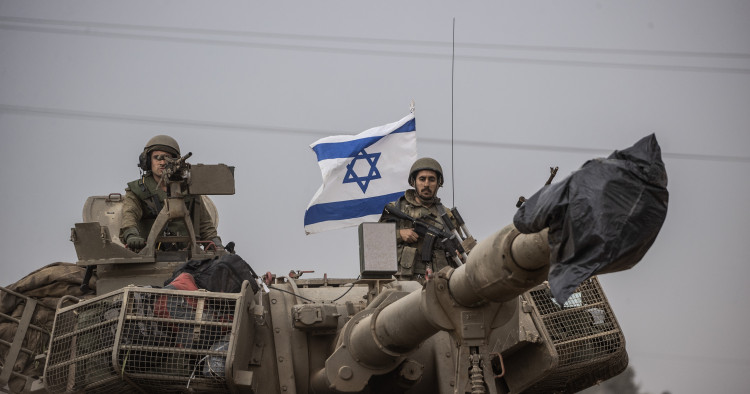
Washington’s chief concern regarding Israel’s ground offensive against Hamas in Gaza is the risk of regional escalation and Iran’s opening of another front against the Jewish state, which could drag the United States into the war.
The United States has communicated to Tehran the consequences of further Iranian involvement in the conflict, and it has moved additional military assets to the region to boost the credibility of its threats.
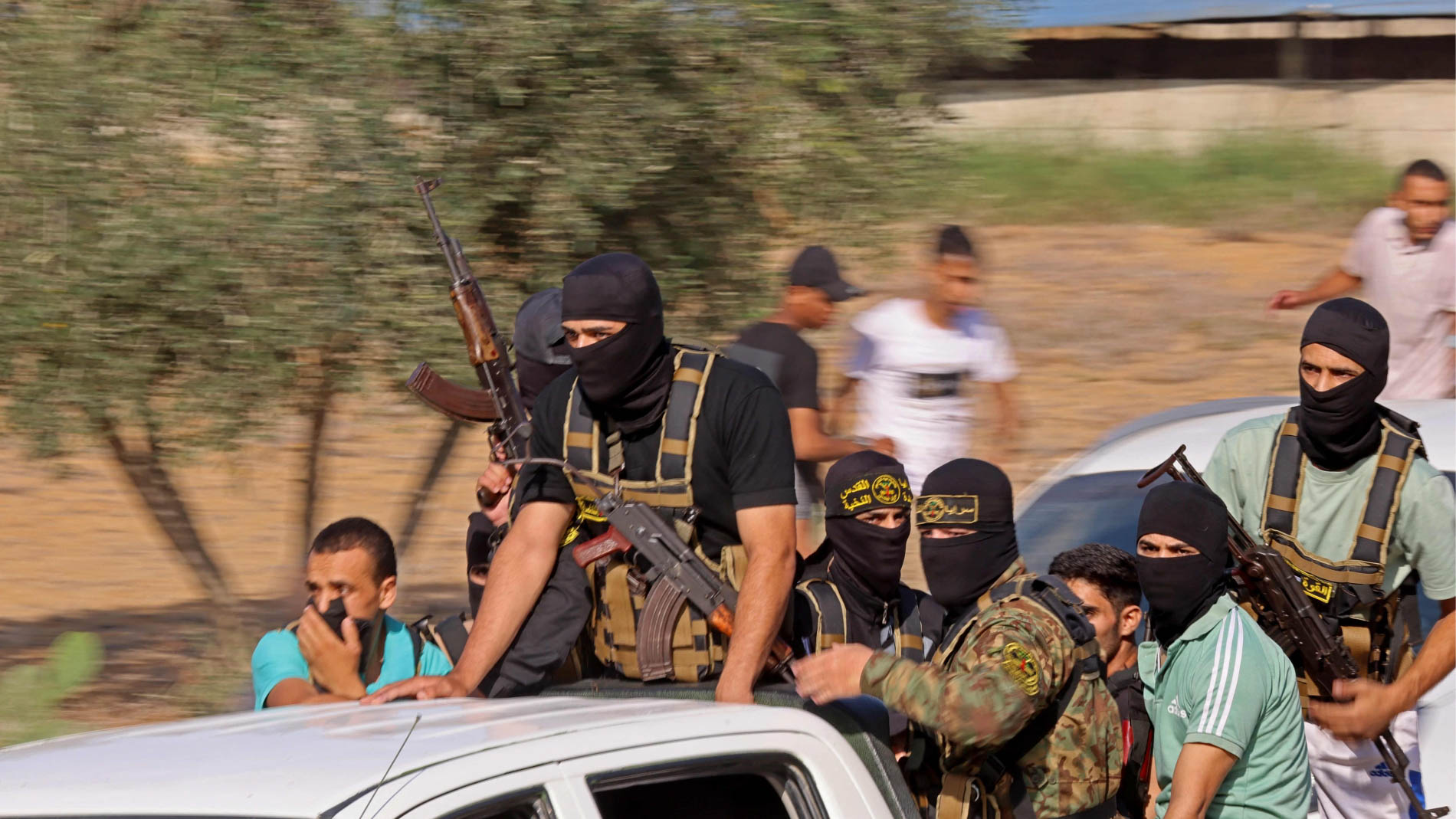
On 7 October, Hamas shocked the world, when thousands of its militants invaded southern Israel, taking control of territory, massacring civilians and kidnapping hundreds.
The attack itself demonstrated an unusual level of complexity, with a first wave seeing drones taking out Israeli reconnaissance equipment and observation posts and cyber attacks creating distractions, opening a path for amassed militant incursions from the air, sea and ground.
Israel’s ‘second stage’ ground operation is proof its priorities have changed
The Israeli prime minister, Benjamin Netanyahu, declared over the weekend that Israel had embarked on the “second stage” of its war against Hamas in Gaza. What did he mean – and is the Israeli government any closer to its objective of “wiping out” Hamas?