This individual is a guest contributor. MEI is not able to assist with contact requests.
Jean-Pierre Cassarino holds a professorship at the Robert Schuman Center for Advanced Studies (RSCAS/European University Institute, Florence) where he directs the Return migration and Development Platform (http://rsc.eui.eu/RDP/). He is also research associate at the Tunis-based Institut de Recherche sur le Maghreb Contemporain (IRMC). Since the mid-1990s, he has published extensively on international migration, particularly on return migration and has carried out numerous field surveys investigating returnees’ manifold patterns of reintegration. Selected publications include: (ed.) Unbalanced Reciprocities: Cooperation on Readmission in the Euro-Mediterranean Area, The Middle East Institute Press, Washington, 2010; (ed.) “Conditions of Modern Return Migrants”, International Journal on Multicultural Societies, Vol. 10, Issue 2, UNESCO, Paris, 2008; (ed.) Return Migrants to the Maghreb Countries: Reintegration and development challenges, RSCAS, European University Institute, Florence, 2008; Tunisian New Entrepreneurs and their Past Experiences of Migration in Europe: Networks, Resource Mobilisation, and Hidden Disaffection. Ashgate Publishers, Aldershot, 2000. Email: [email protected]
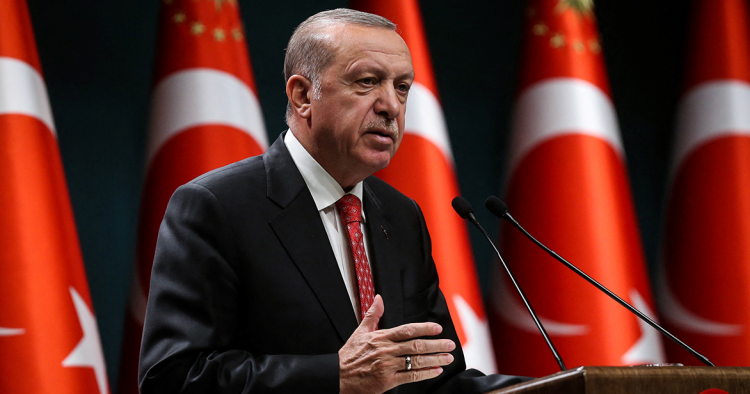
Autocracy not reform remains Erdoğan’s recipe for Turkey
Since Turkey’s presidential election in May, western analysts have held out hope that Recep Tayyip Erdoğan will moderate his strongman style of rule. Feeding their optimism are several steps Erdoğan has taken, including appointing market-friendly technocrats to his economic team, replacing the hardline interior minister, dialling down anti-western rhetoric and voicing support for Sweden’s Nato membership. All these moves, however, are aimed at strengthening Erdoğan’s one-man rule, and the west is helping him.
Director of MEI’s Climate and Water Program Mohammed Mahmoud speaks to energy and sustainable infrastructure expert Lucia Fuselli on the role of climate financing – a critical component of initiatives aimed at reducing greenhouse gas emissions and bolstering climate resilience.
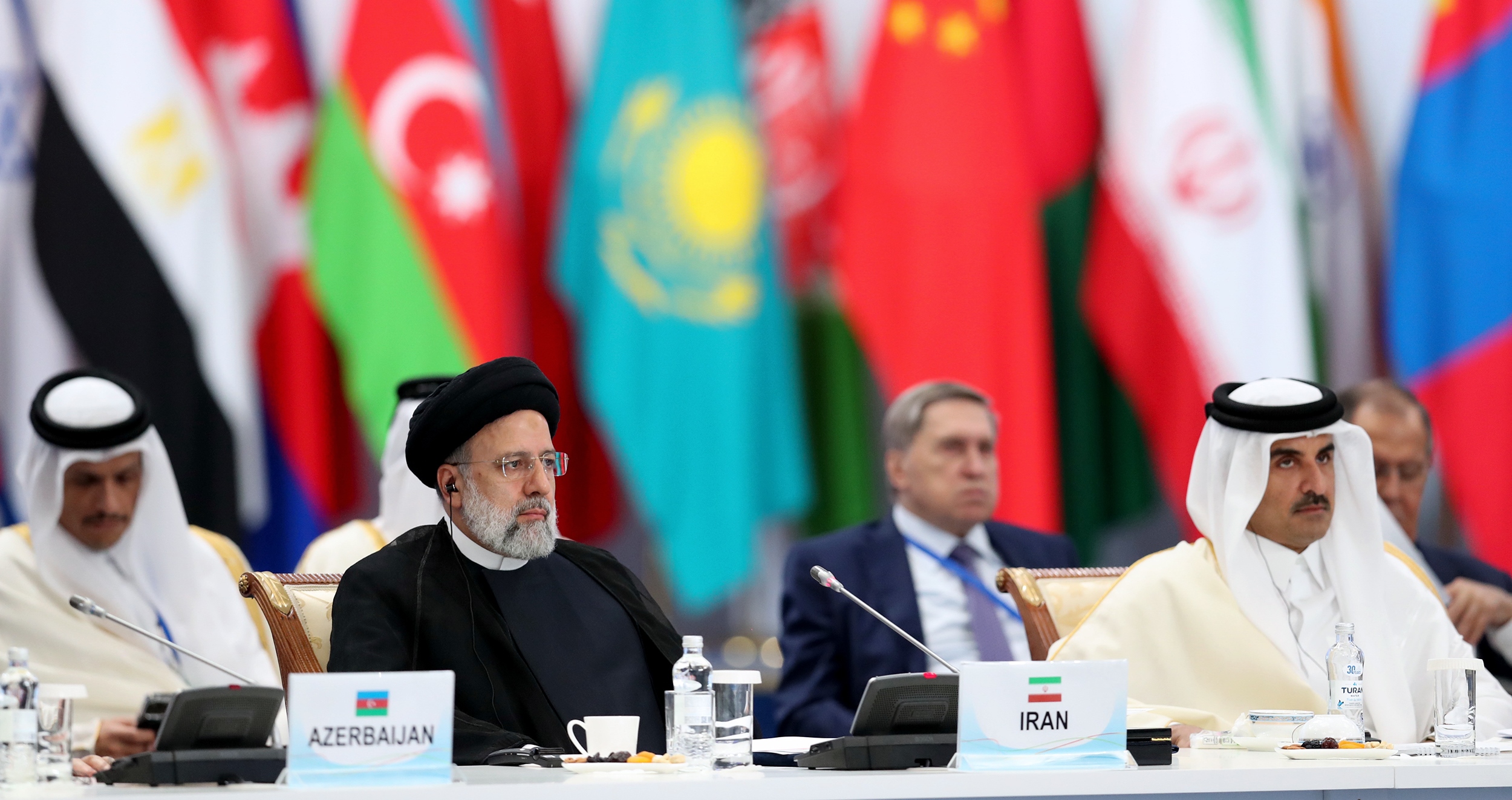
Deciphering Iran’s UNGA agenda: Lessons learned from past CICA summits
When the Iran’s President Ebrahim Raisi, visits New York for the opening of the UNGA this week, he will try to project a sense of confidence and argue that the Iranian regime is purportedly committed to building ties with its neighborhood by promoting and referring to its membership in various regional dialogue forums. Yet their existence has historically not moderated Iranian behavior.
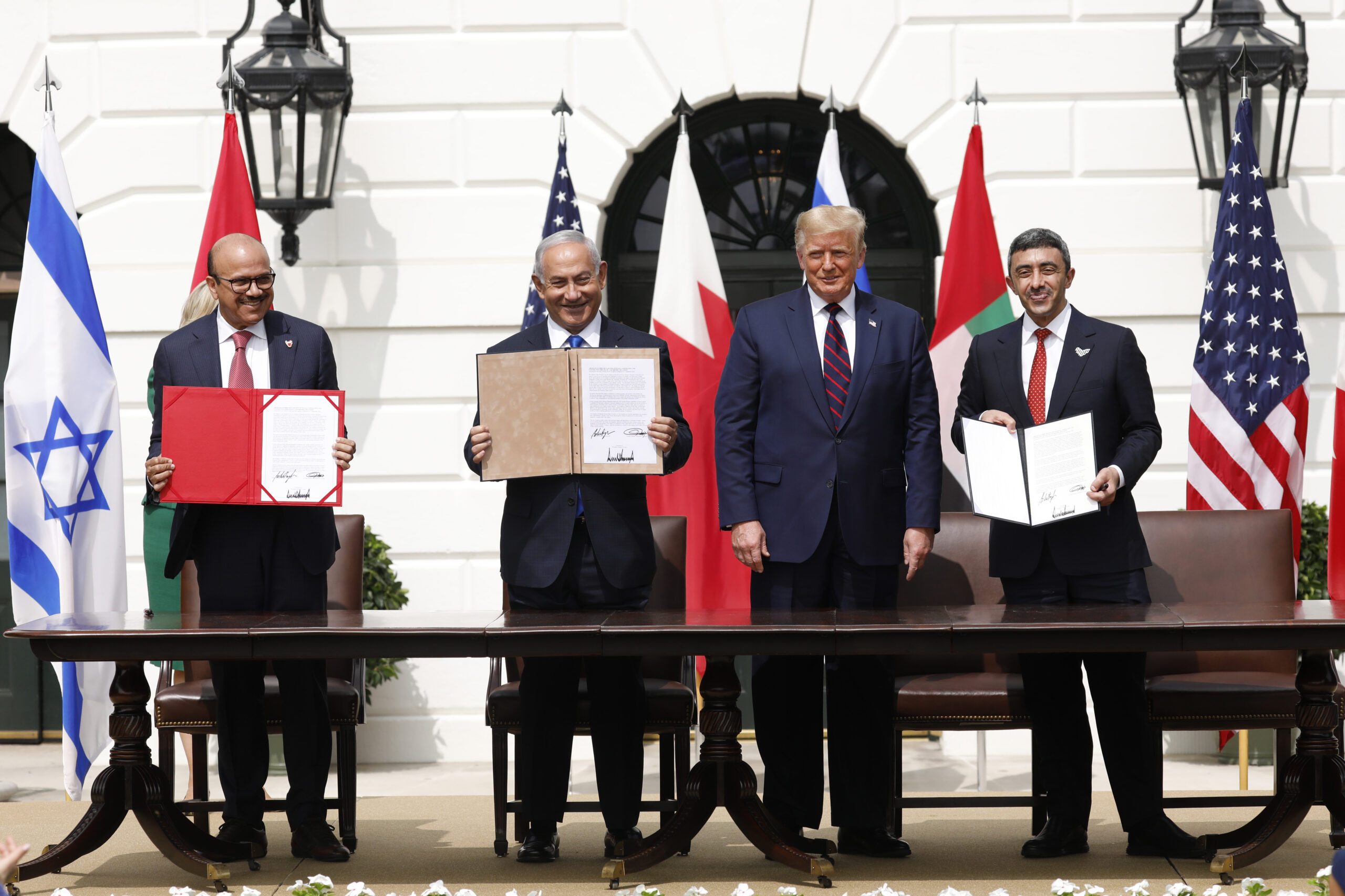
As the original Abraham Accords signatories — Israel, the United Arab Emirates, and Bahrain — observe the third anniversary of their September 2020 agreement, there is a sufficient basis to evaluate whether the Abraham Accords are real, hype, or something in-between. Much like the case a year ago, the results so far remain mixed.
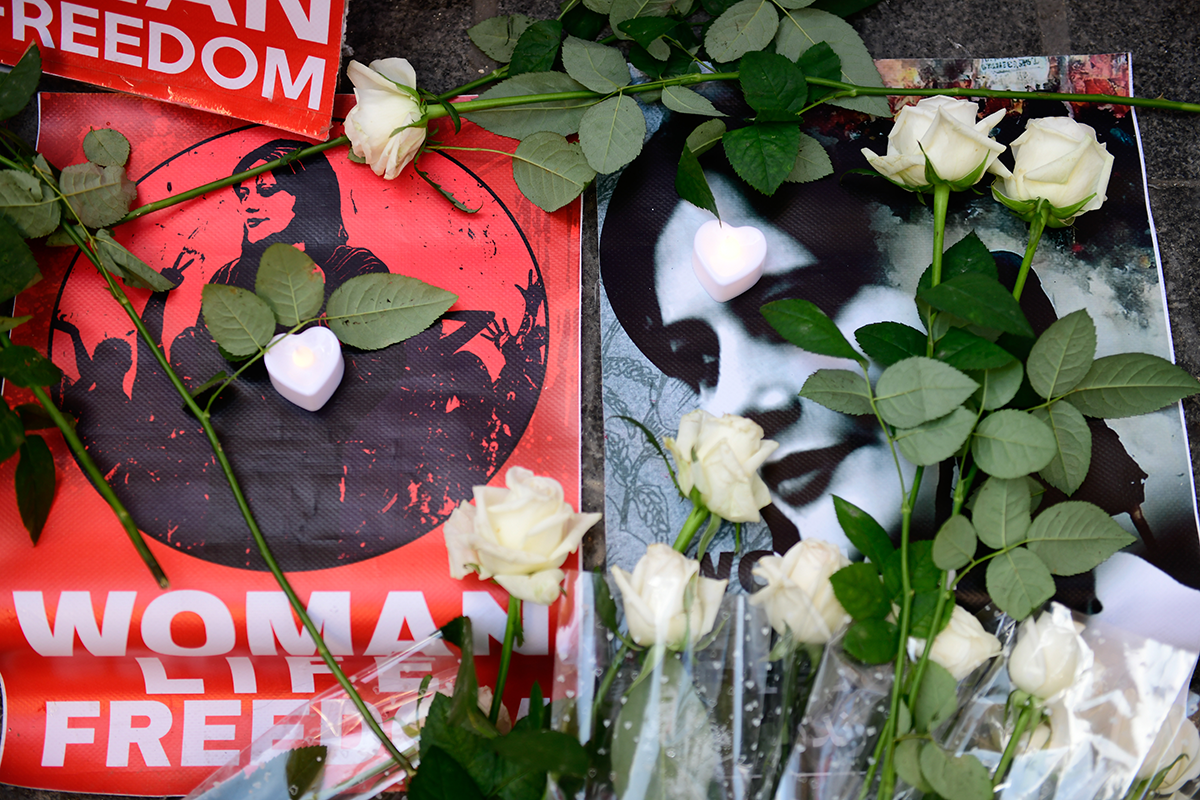
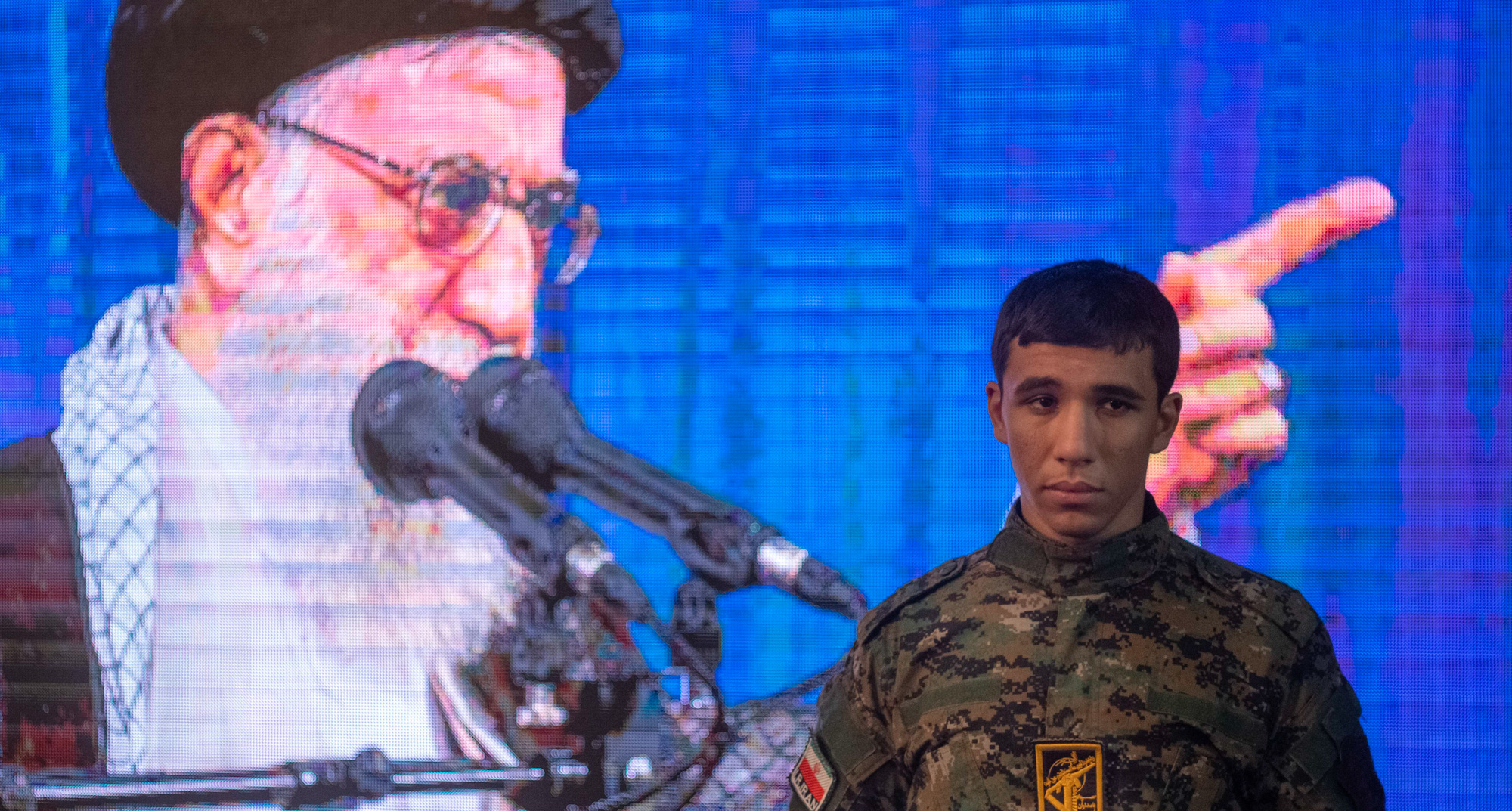
At a deadlock: Spontaneous protests and the Iranian regime
One year after the tragic death of Mahsa Jina Amini sparked nationwide protests, the Islamic Republic of Iran has been striving to suppress dissent while the spirit of resistance among the people has become an integral part of everyday life. Supreme Leader Ayatollah Ali Khamenei and his allies have failed to address underlying social grievances, and there are no indications that society will remain passive. With both sides actively resisting one another, the options for the Iranian regime and the protest movement have narrowed, potentially leading to a reignition of demonstrations and street confrontations.
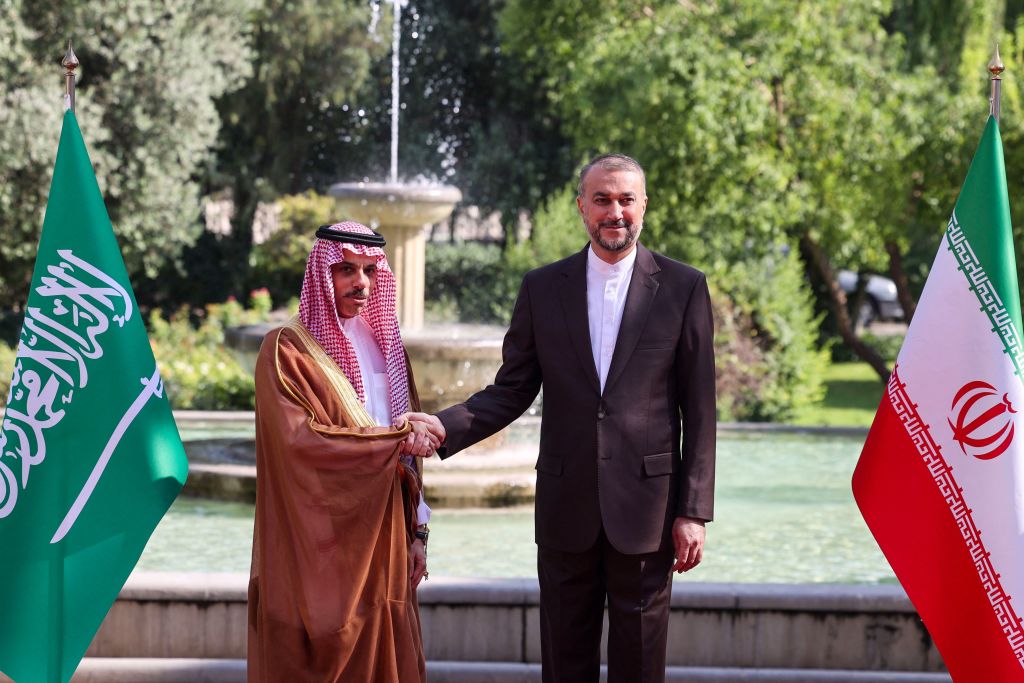
From normalization to non-aggression: The next step in Iran-Saudi ties
The groundbreaking March 2023 normalization deal between Saudi Arabia and Iran could potentially reshape the political landscape of the Middle East. It has already paved the way for de-securitization and the resumption of diplomatic relations. However, critical security issues remain unresolved, casting doubt on the long-term sustainability of the process. Capitalizing on this rare opportunity, Riyadh and Tehran should move forward to finalize a comprehensive non-aggression pact as the foundation for their future security relations.
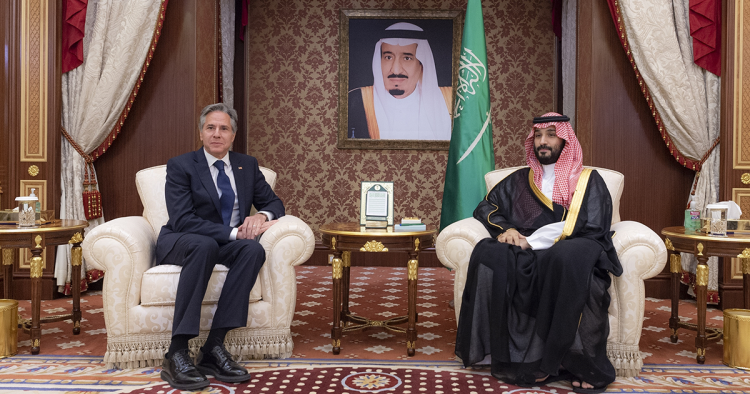
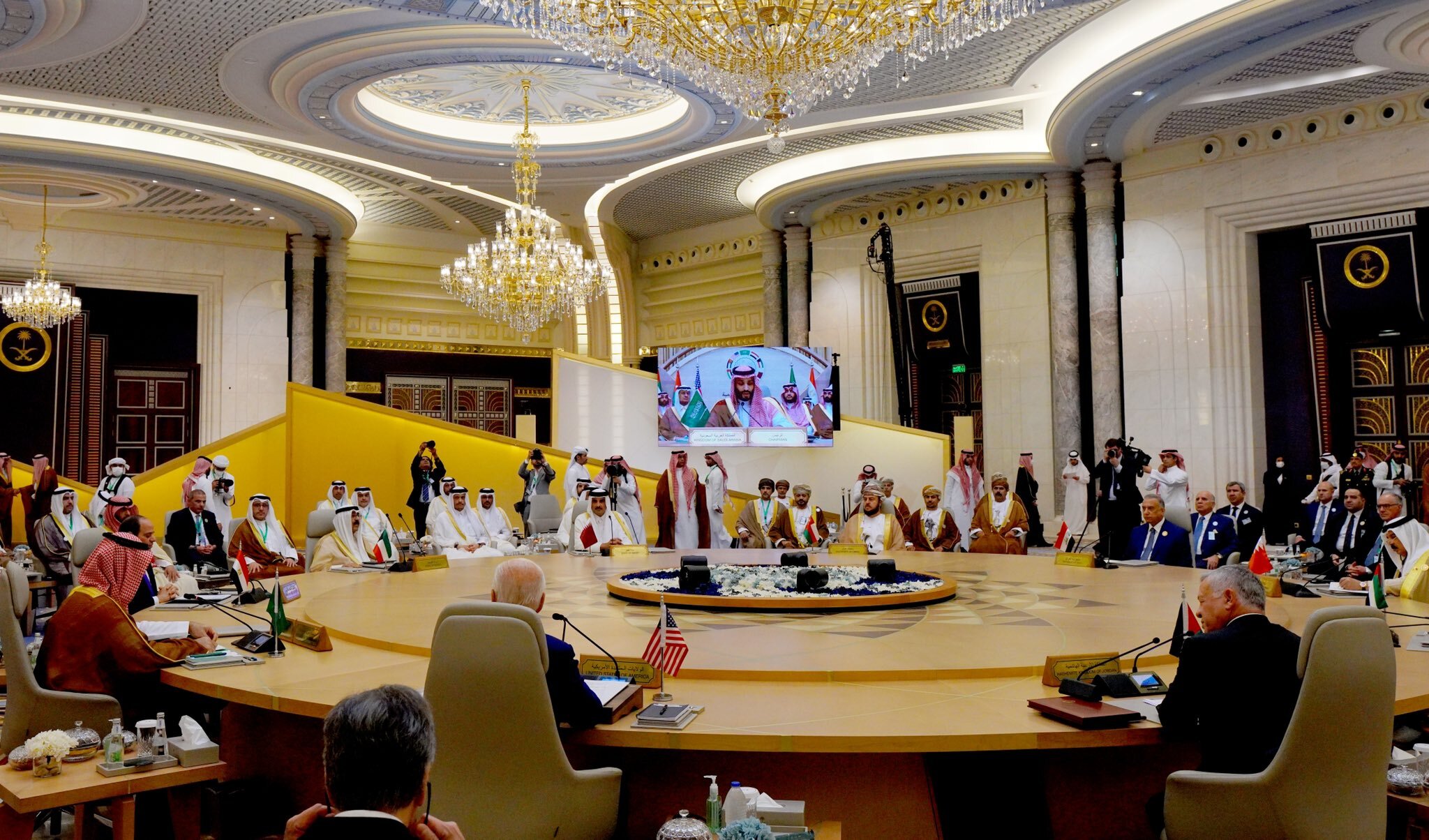
The costs and benefits of Saudi-Israeli normalisation
For all the hype about the potential normalisation of ties between Saudi Arabia and Israel, it remains vastly unclear whether the United States — the indispensable enabler and guarantor of such a deal — is willing or able to accept the kingdom’s conditions to reach an agreement.
In return for its cooperation, Saudi Arabia wants from Washington a formal defence pact, assistance in building a civilian nuclear programme, and expedited access to high-end US weapons, including F-35 fifth-generation fighter aircraft.
A last chance for reforms squandered: Iranian regime doubles down after 2022 protests
History might very well show that the people’s protests that broke out in September 2022 in Iran were the final opportunity for the Islamist regime to change political course. But as the past year has shown, the regime in Tehran utterly failed to seize the moment.
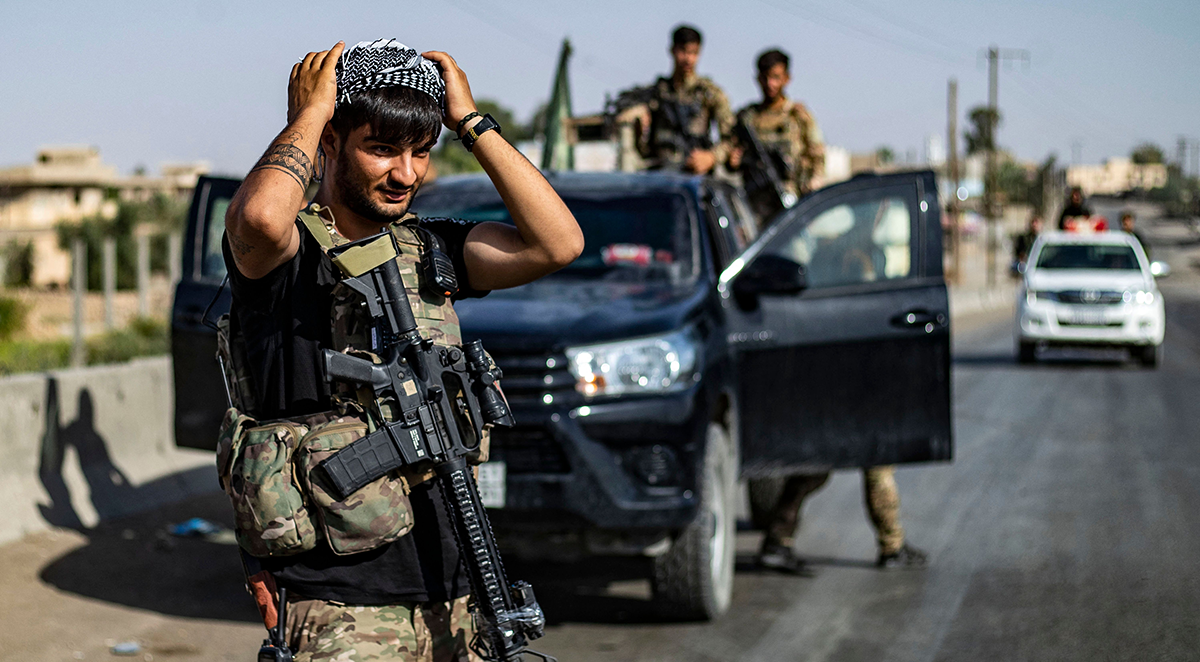
After an uprising and violent crackdown, Syria’s Deir ez-Zor is at a critical juncture
On Sept. 8, the Kurdish-led SDF, a key U.S. ally, announced the end of its “Operation Security Enhancement” in Deir ez-Zor in northeast Syria. While framed as an operation targeting ISIS sleeper cells and criminals, it aimed at quashing an armed uprising led by Arab tribesmen, particularly members of the Akidat tribe. While multiple factors may have contributed to fueling the uprising, the importance of the region’s longstanding grievances cannot be overstated.
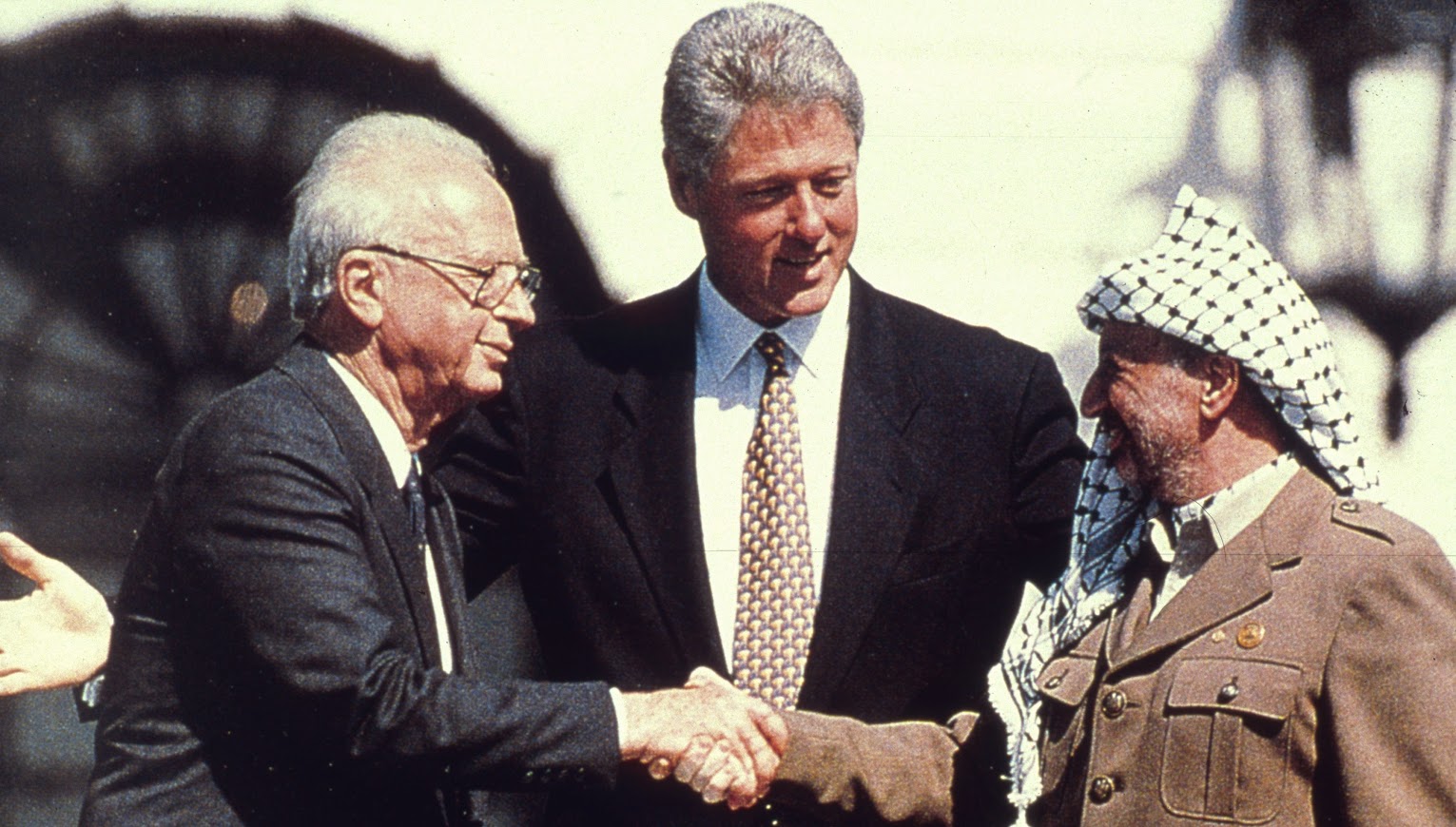
Thirty years on since its historic signing, the Oslo Accords framework continues to define virtually all aspects of Israeli-Palestinian relations as well as America’s and the broader international community’s approach to the peace process. Yet Oslo’s extraordinary longevity stands not as a testament to its utility but to its unmitigated and ongoing failure.
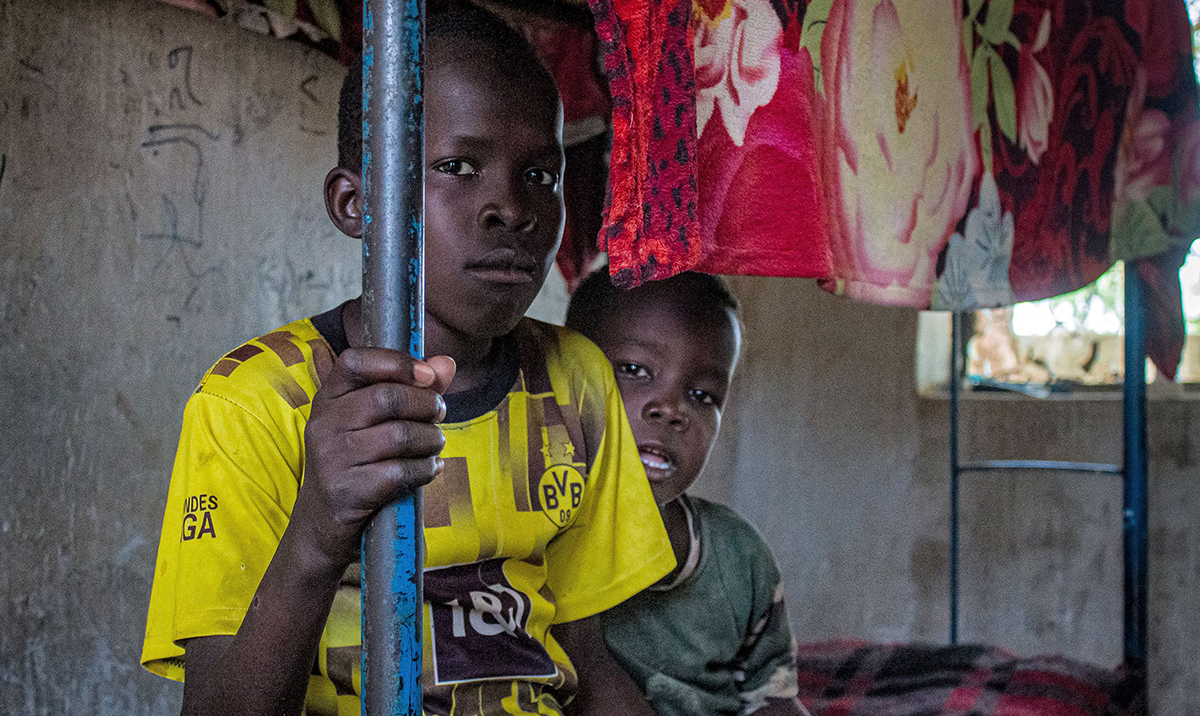
Nearly five months on, Sudan’s war between its army and largest paramilitary force has destroyed much of Khartoum, the adjacent cities of Bahri and Omdurman, as well as key towns in Darfur. The warring forces have killed thousands of civilians, destroyed critical infrastructure, and forced a staggering 4.9 million people to flee their homes. The U.N. is providing important humanitarian assistance, but it should be doing far more, especially to advance accountability and improve coordination in the messy diplomatic arena. Both the high-level week in New York and the Human Rights Council session in Geneva present opportunities that it should not squander.
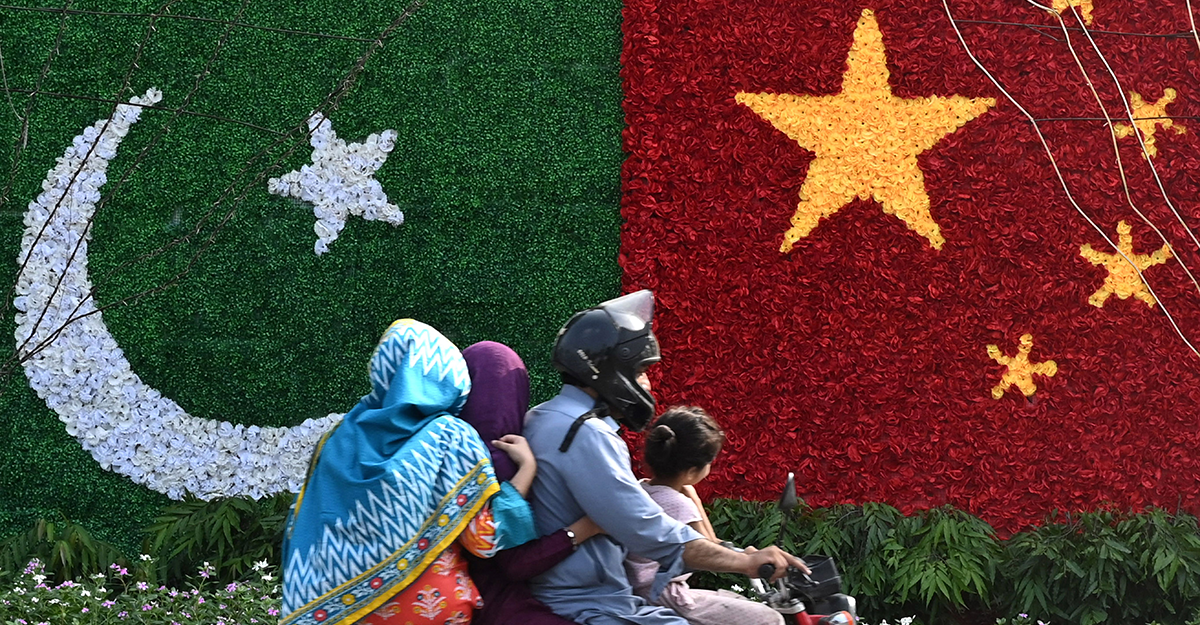
Beyond diplomacy: Charting China's multifaceted partnership with Pakistan
Pakistan’s intensifying economic, political, and security instability is not good news for China’s strategic investments. So, what are Beijing’s options?