This individual is a guest contributor. MEI is not able to assist with contact requests.
Ragui Assaad is Professor at the Humphrey Institute of Public Affairs at the University of Minnesota. He has written extensively on labor market and youth issues in the Middle East and North Africa. The author acknowledges the able research assistance of Stefan Johansson in the preparation of this essay.
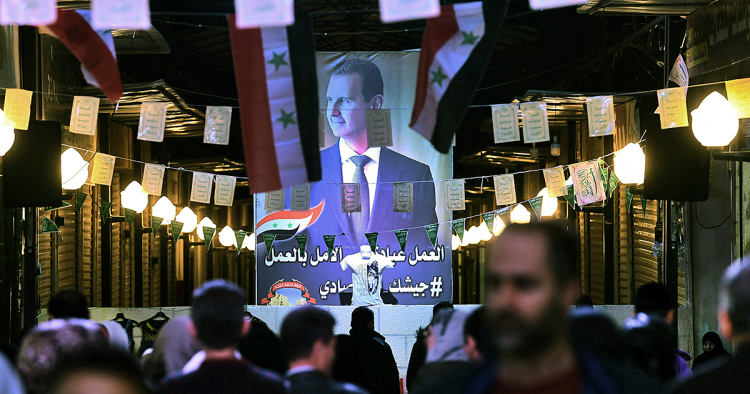
Syria’s crisis is set to enter its 13th year in March. Although the level of violence across the country remains relatively low today compared with earlier years, the crisis is a long, long way from over. Within Syria, at least six distinct conflicts involving internal actors and foreign governments are ongoing to this day, and all of them show more signs of escalating than calming down.
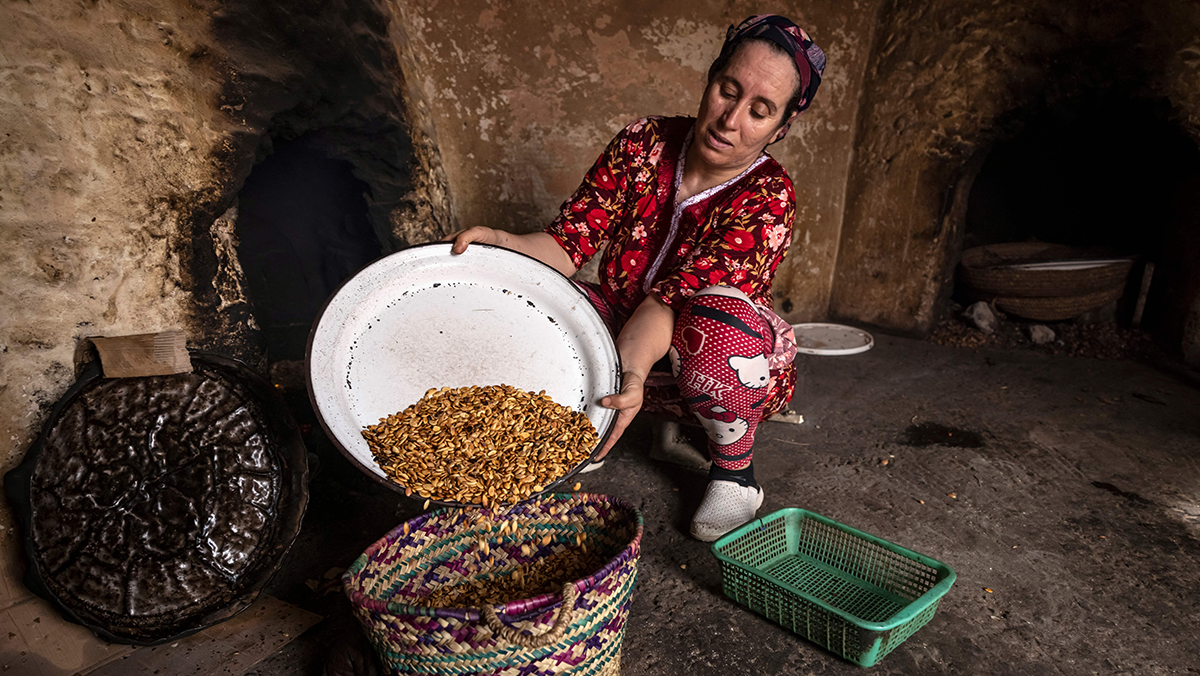
Seeding future stability: How can startup ecosystems help build peace?
Disregarding the fundamental desire for economic opportunity carries real risk to stability and peace. If we imagine different possible futures for economically disadvantaged communities in MENA and elsewhere, one difference between conflict futures and peaceful, stable ones may be the degree to which entrepreneurial capability is afforded the conditions in which to thrive.
A message to Tehran: What drone attacks on Iranian critical infrastructure tell us
For the first time in several months, Iranian critical military infrastructure again came under attack from an unknown assailant. The Jan. 28 drone attack on a Ministry of Defense workshop complex appeared designed to deliver a politico-strategic message. The strike may mark the beginning of a more unstable post-JCPOA security environment in the Middle East characterized by a return of deterrence and risk-taking behavior.
Justice, the Beirut Blast, and Lebanon's Continued Crisis
MEI’s U.S.-Lebanon Fellow Fadi Nicholas Nassar speaks to Ronnie Chatah – host of the Beirut Banyan and founder of WalkBeirut – about justice in the wake of the Beirut Blast. Why have family members of the blast’s victims recently been arrested, and where does accountability lie as Lebanon continues to slip into further crisis?
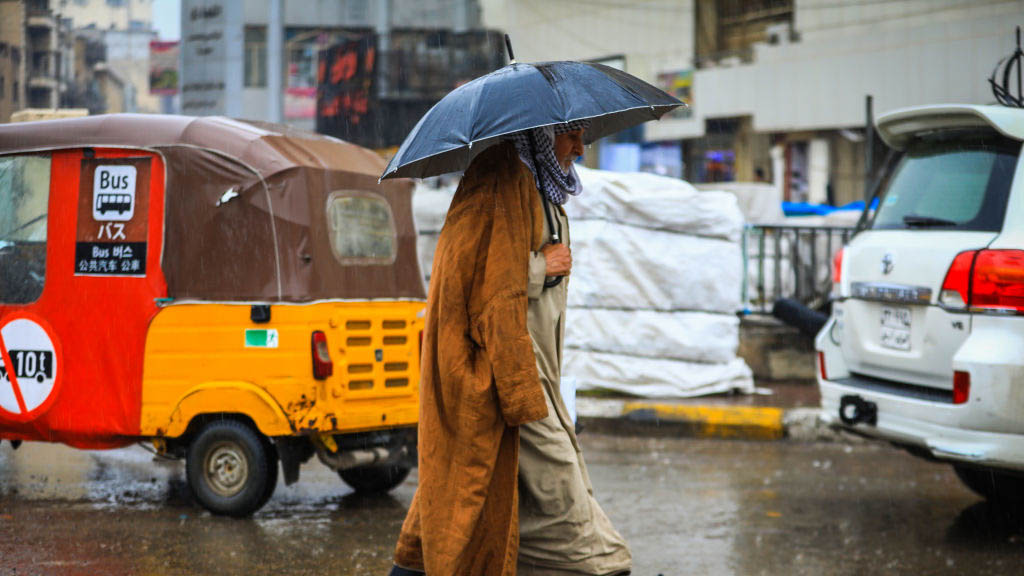
Taking stock of the first 100 days of Iraq’s new government
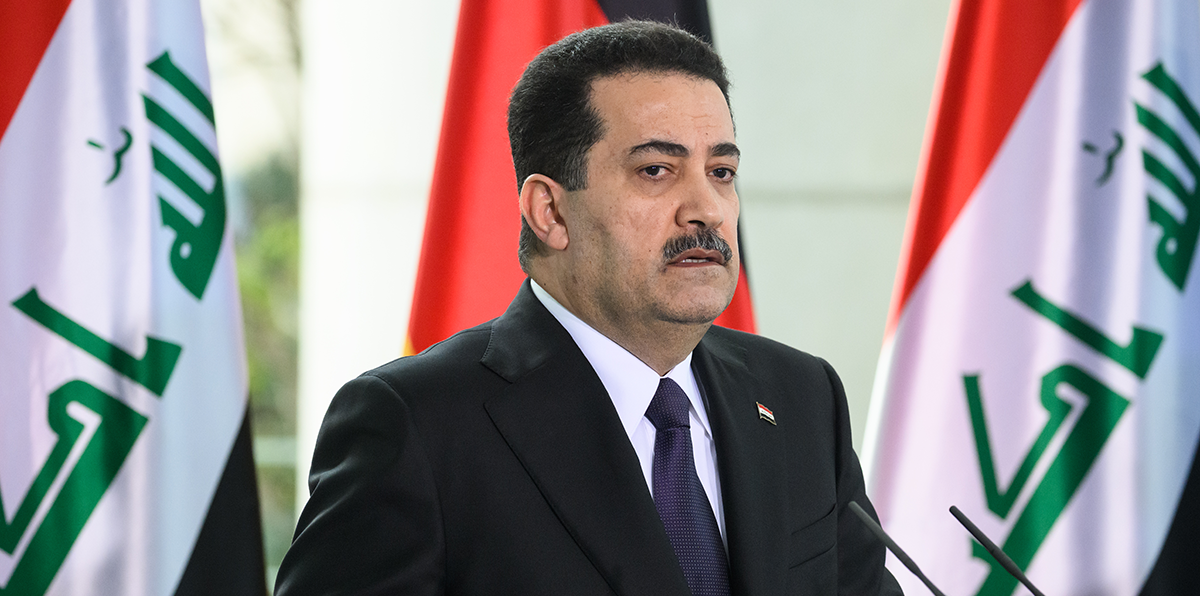
In its first 100 days in office, the government of Iraqi Prime Minister Mohammed al-Sudani has already left warning signs about what might lie ahead for the country. Although it is still in its early days, government actions have largely strayed from the promises Sudani made before taking office and resulted in setbacks on several fronts.
Saudi Arabia’s proactive military strategy in southern Yemen is a risky gamble
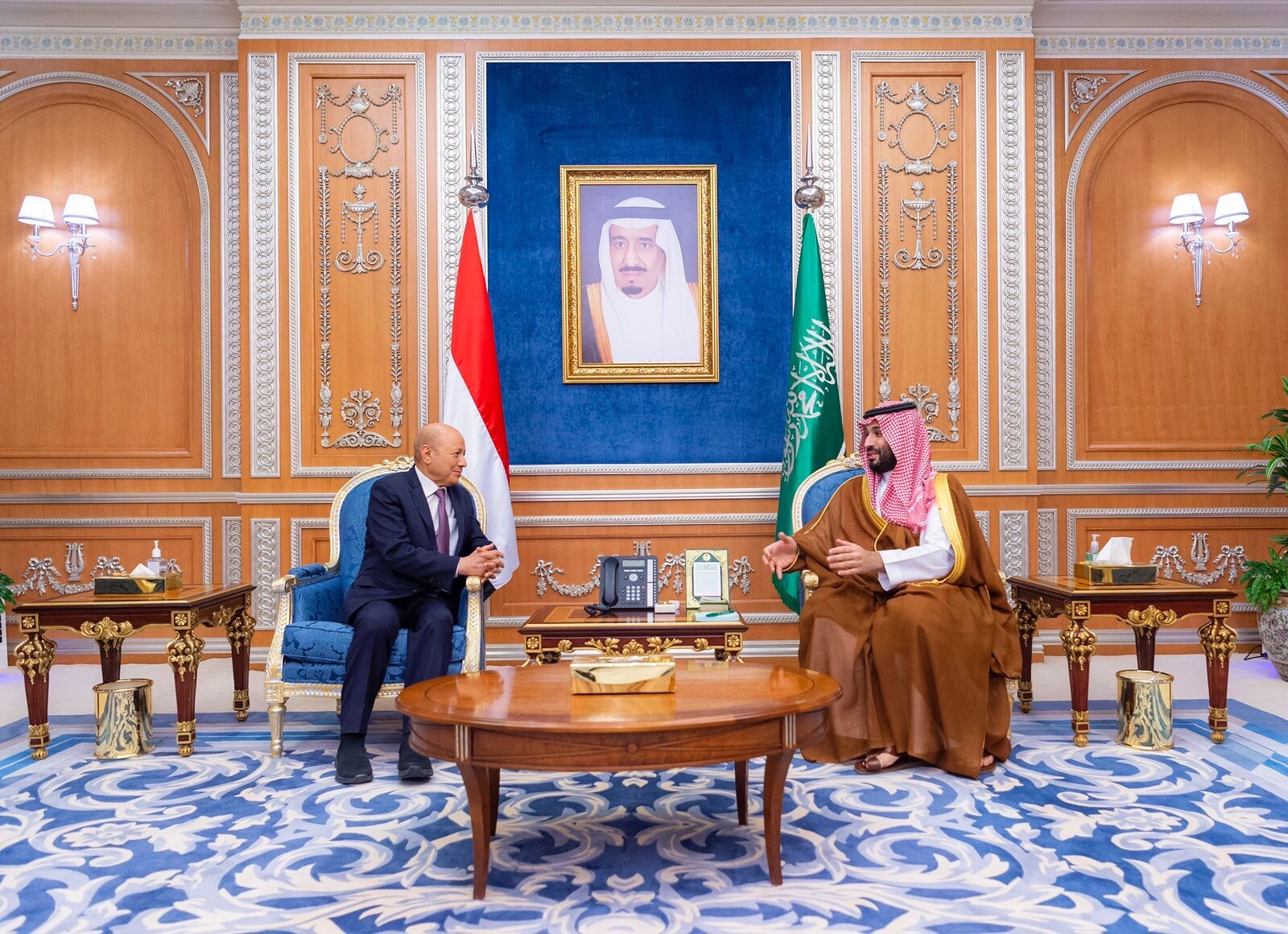
Despite formal agreements and vast financial resources, Saudi Arabia has largely failed to integrate the various armed groups in Aden and southern Yemen under one national security sector. This adds to Riyadh’s ineffectiveness in establishing military-political influence in southern Yemen or in limiting the UAE’s continuing leverage. In an effort to boost its influence, since late 2022 Saudi Arabia has established new armed formations in Aden and nearby governorates, such as the Nation Shield Force.
The EU and its policy toward the Middle East: What might change in 2023?
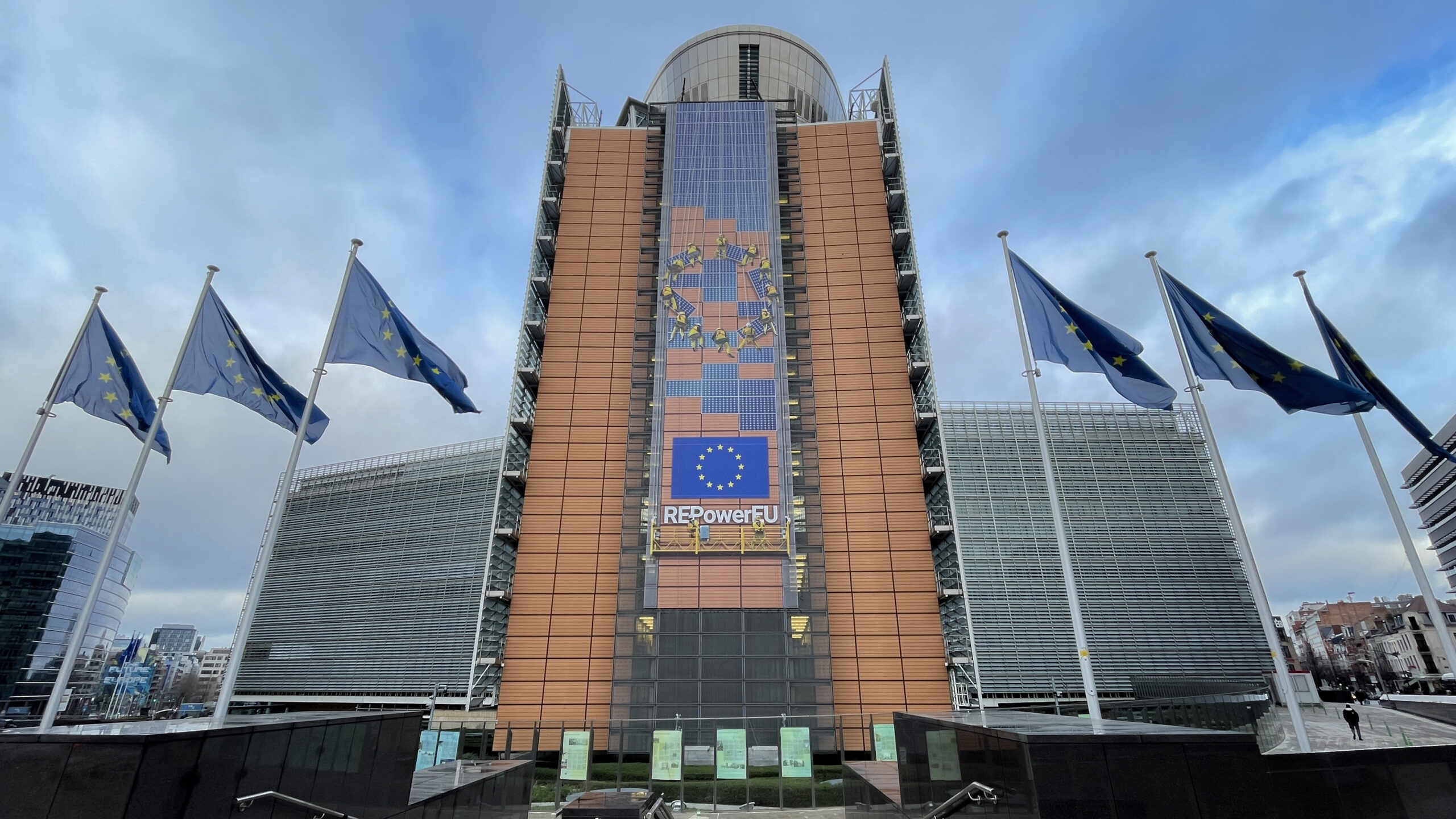
The lack of a nuclear deal with Iran, the risk of escalating tensions in the Israeli-Palestinian conflict, and the increasingly complex relationship with Turkey are just some of the thorny regional issues facing the European Union. A breakthrough on any of these three issues this year will be exceedingly difficult.
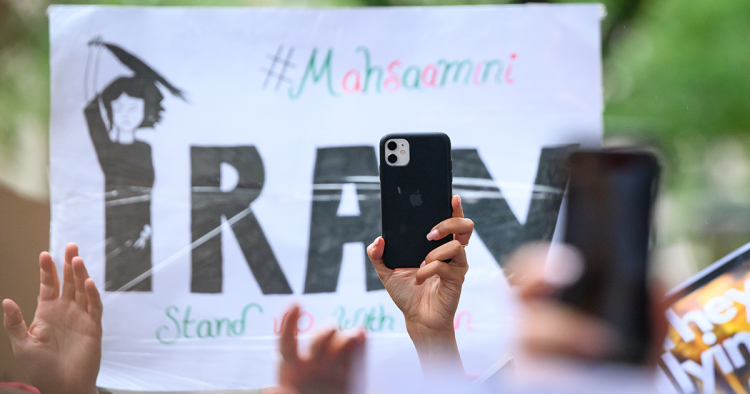
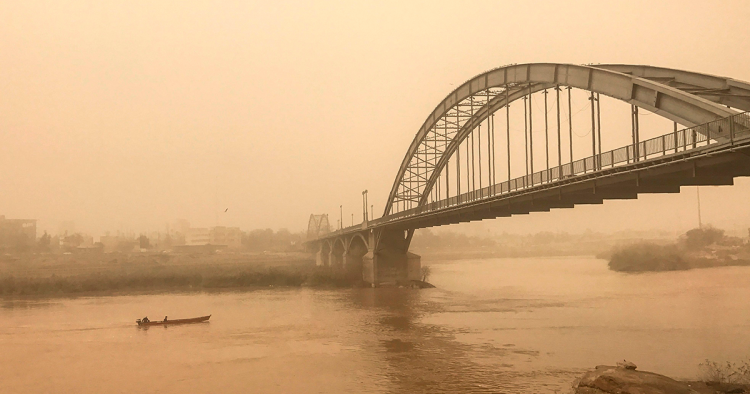
A decline in average annual precipitation, rise in temperatures, and dire water shortages are leading drivers of climate-induced internal migration in Iran. This long-term trend was further exacerbated in 2022 by more intense heat waves, resulting in a spike in seasonal migration.
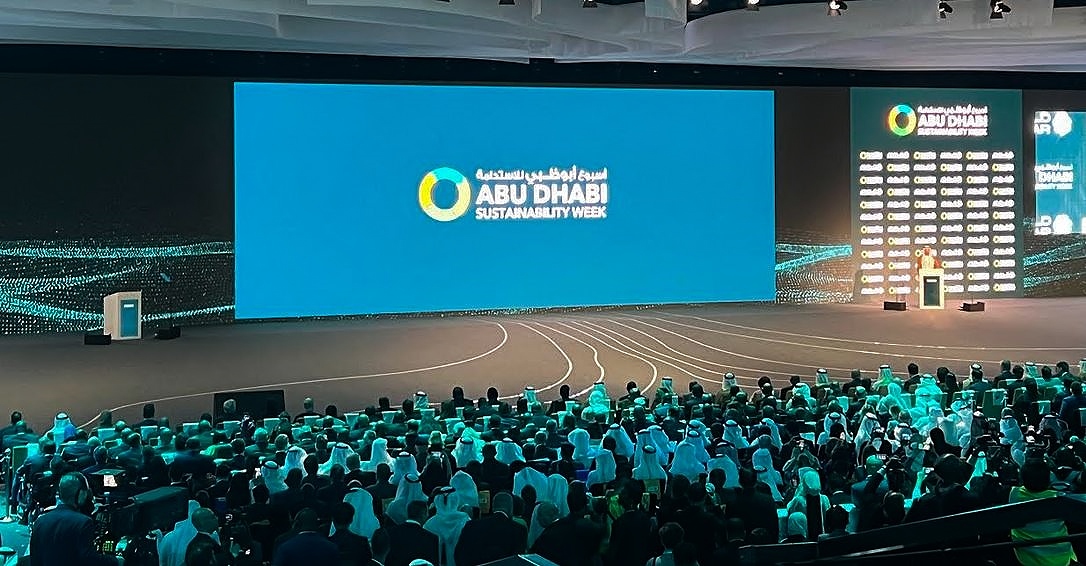
2023 ADSW: A solid start for a climate-focused year in the UAE
This year’s Abu Dhabi Sustainability Week focused on both adaptation strategies and mitigation actions. Judging by the solid foundation established at this conference, and building on the efforts the UAE launched in previous years, the upcoming COP28, which will be hosted in Dubai, appears to have all the ingredients to bring together relevant stakeholders and deliver on its promises.
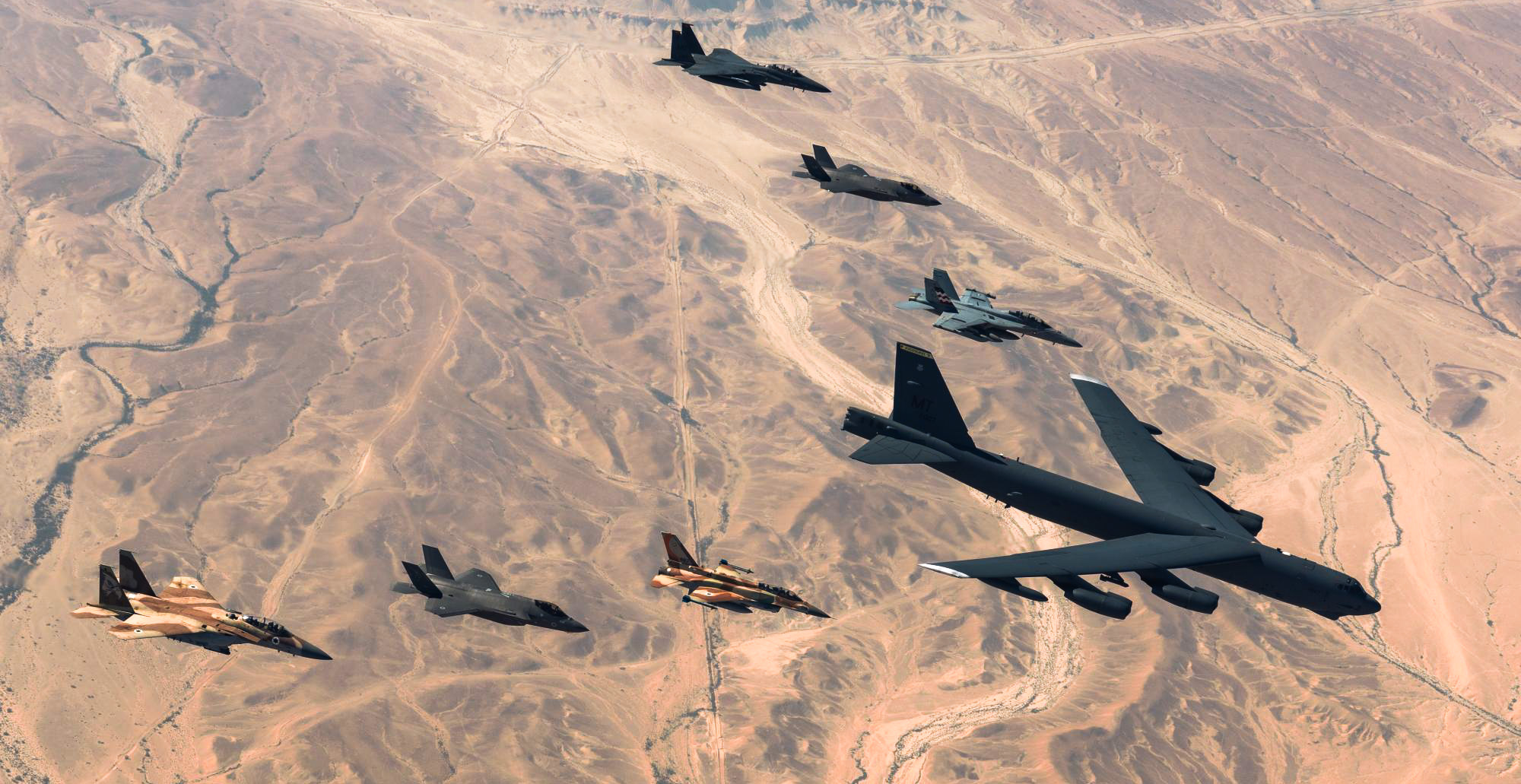
Juniper Oak 2023 reinforces US commitment to Middle East, sets standard for future regional exercises
This week, the United States Central Command (CENTCOM) concluded what it called on social media, “the largest ever U.S.-Israel combined exercise.” The drills reasserted U.S. support for partnerships, deterrence, and integration, despite posture reductions and continued concern among partners about Washington’s commitment to the Middle East.