This individual is a guest contributor. MEI is not able to assist with contact requests.
Ragui Assaad is Professor at the Humphrey Institute of Public Affairs at the University of Minnesota. He has written extensively on labor market and youth issues in the Middle East and North Africa. The author acknowledges the able research assistance of Stefan Johansson in the preparation of this essay.
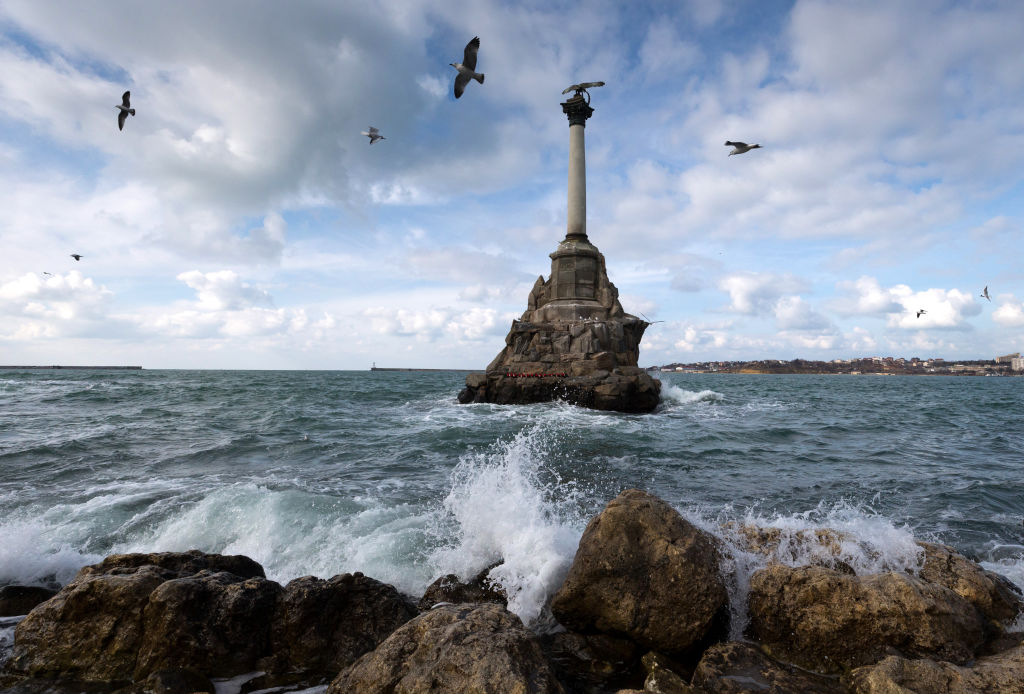
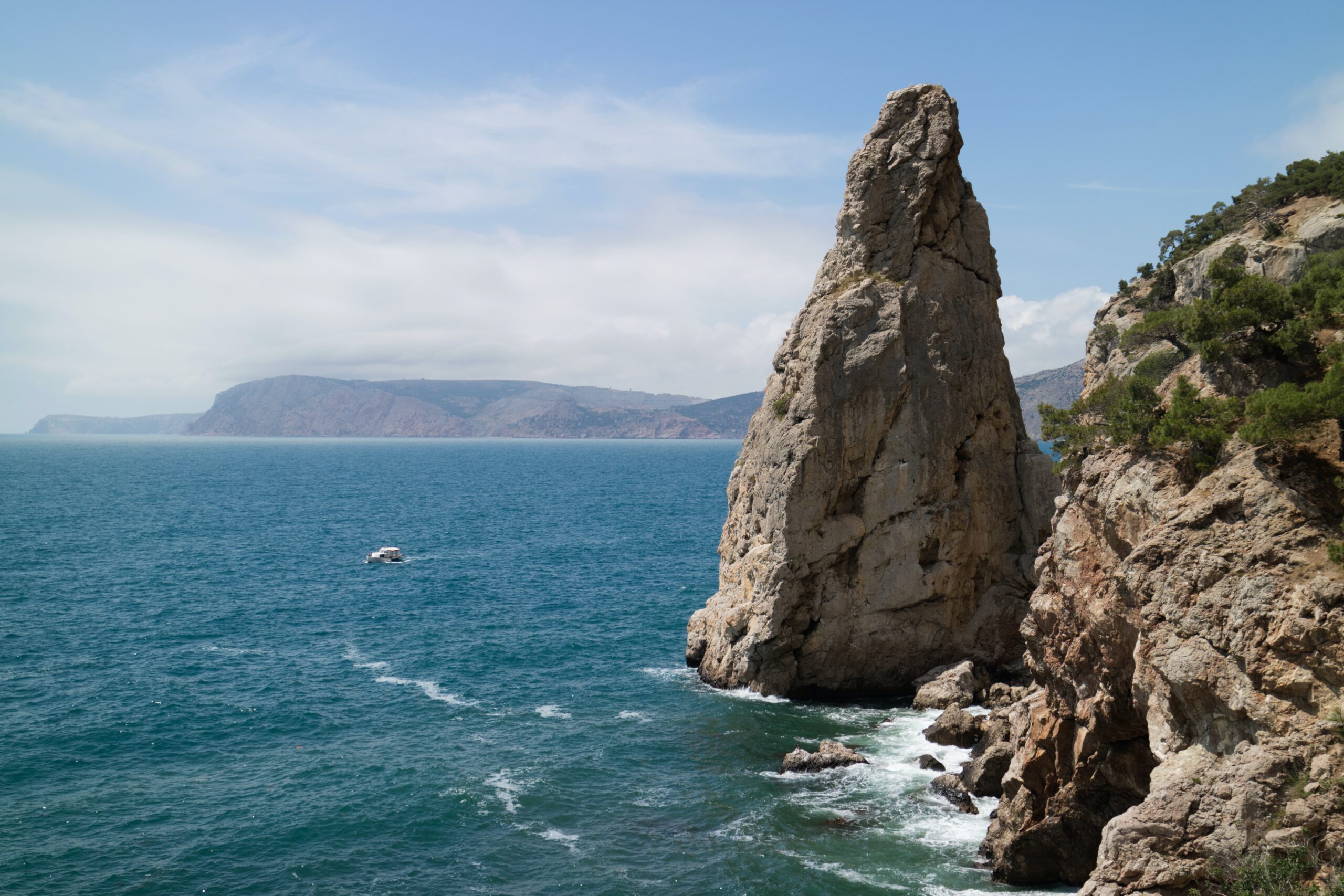
For those who study the countries and regions that surround it, the Black Sea is many things — a global trade thoroughfare, a zone of contestation, a cradle of civilizations, and a dying ecosystem. But, curiously, one of the more opaque factors is whether the Black Sea region — the states and polities on its littoral and immediate hinterland — is a region at all.
This week’s briefing on recent news and upcoming events in the region featuring Randa Slim, Alex Vatanka, Mirette F. Mabrouk, Marvin G. Weinbaum, W. Robert Pearson, and Rauf Mammadov.
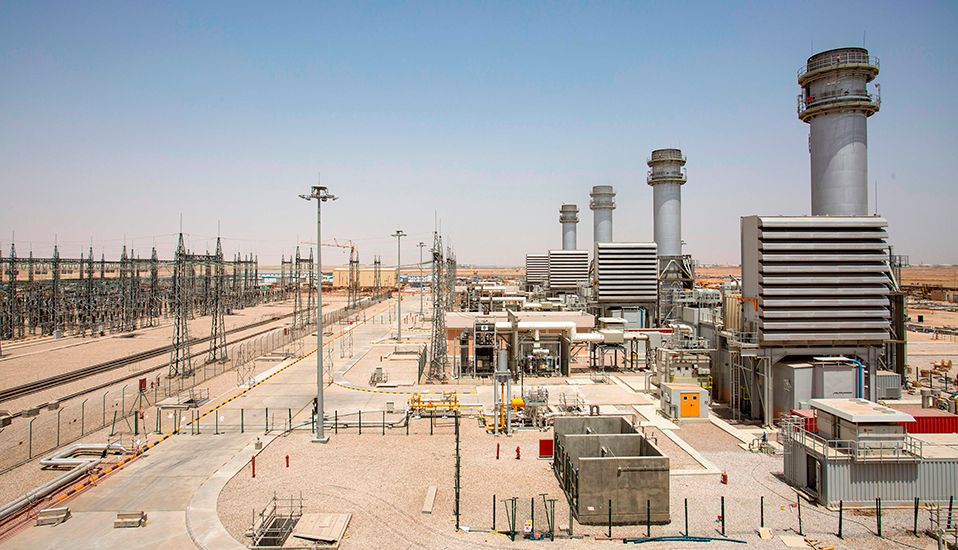
Iraq’s long-running electricity dilemma is now a daily source of public misery. The struggle of the power generation and distribution system to keep up with relentless demand caused by almost free electricity, especially as temperatures soar to record levels of over 120 degrees, is likely to get worse without reforms.
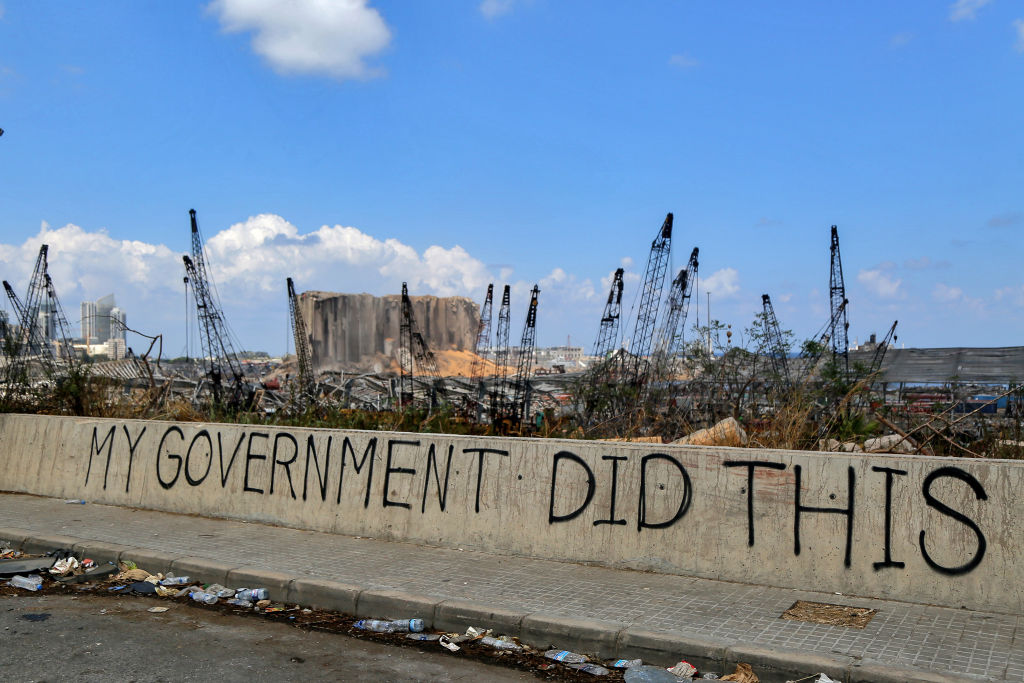
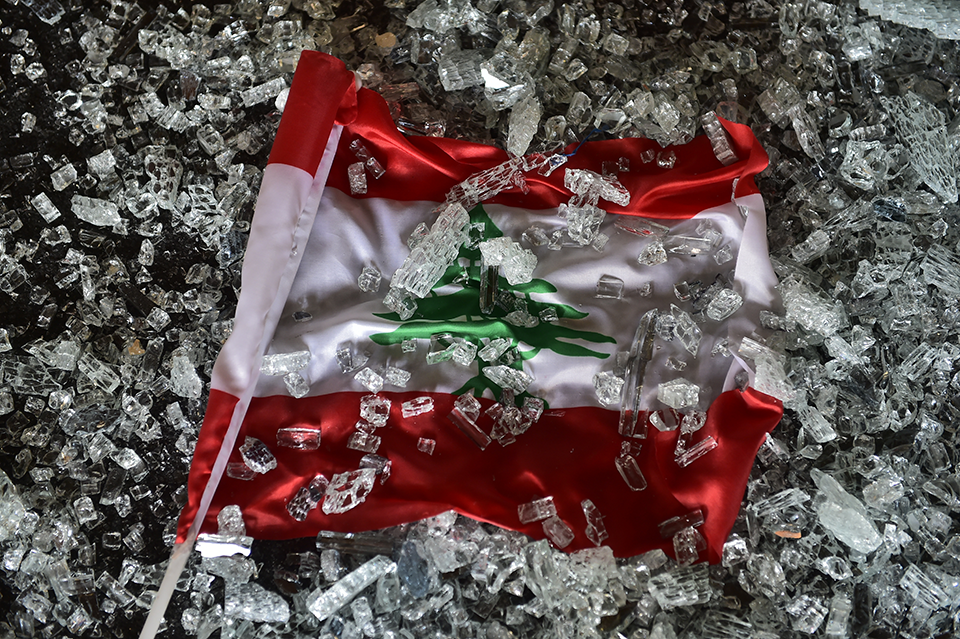
يتعرض استقرار لبنان حاليا لتهديد أكبر مما كان عليه في أي وقت منذ نهاية الحرب الأهلية عام 1990. الانفجار الهائل الذي شهده مرفأ بيروت في الرابع من آب/أغسطس الجاري الذي أودى بحياة المئات وجرح الآلاف وتسبب بأضرار مادية تقدر بمليارات الدولارات، لم يترك أثرا عميقا على أجساد ومعنويات اللبنانيين فحسب، بل غيّر أيضًا الأطر المرجعية للقوى السياسية المعارضة في البلاد. لقد اتخذ الصراع السياسي الآن بعدا وجوديا.
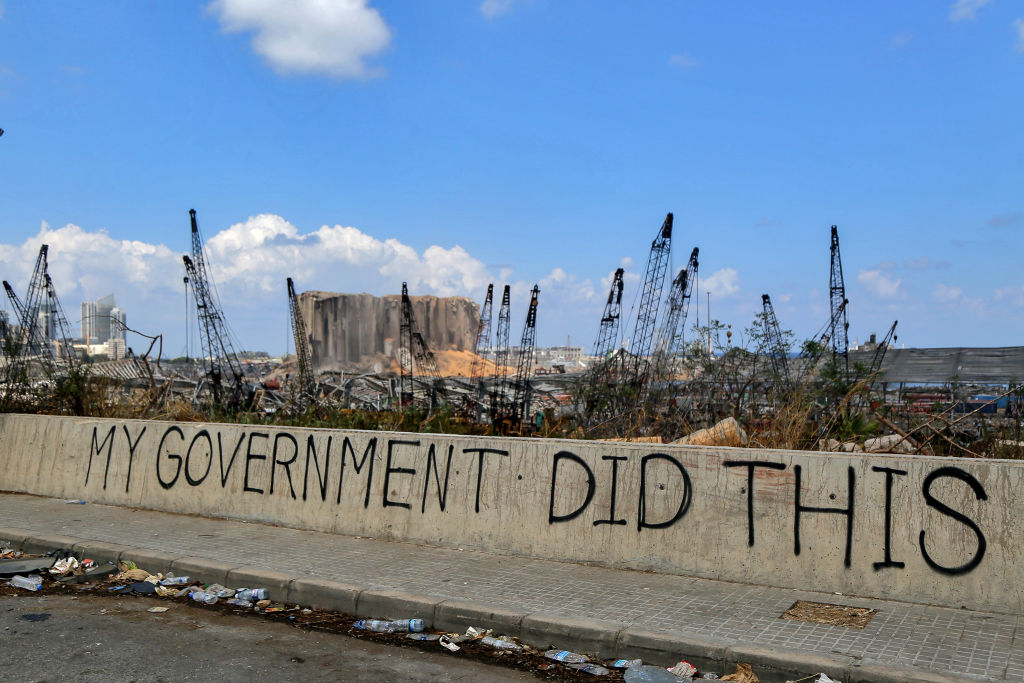
Beirut will rise again from the ashes, like it always has. But the real rebuilding that must occur is not physical in nature. It is political. Nothing will truly change in Lebanon unless the country’s corrupt and incompetent leaders, who have been in power for decades, are unseated.
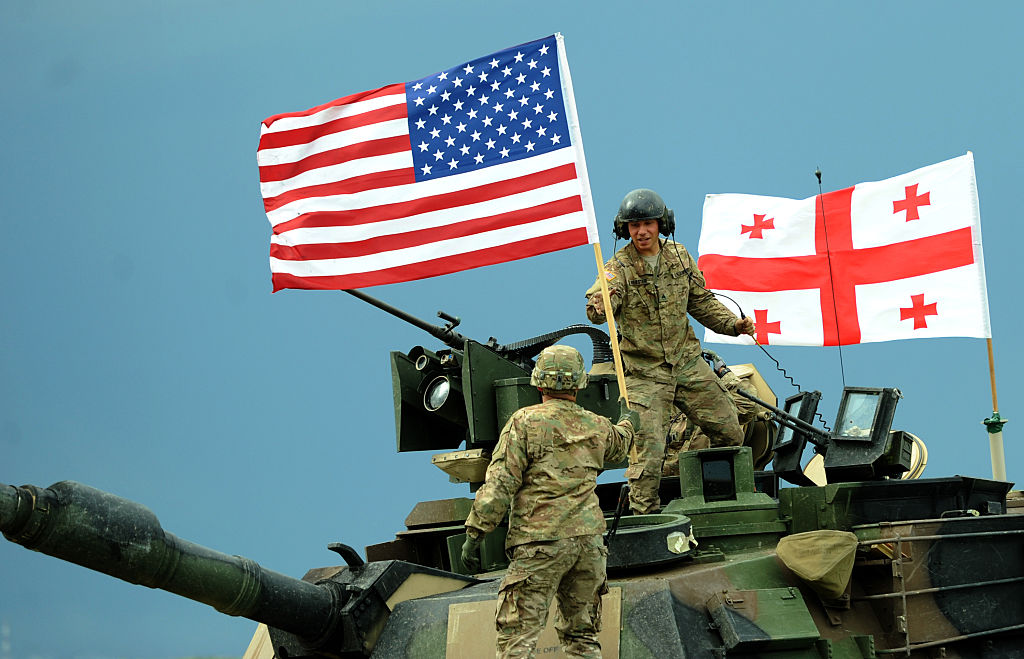
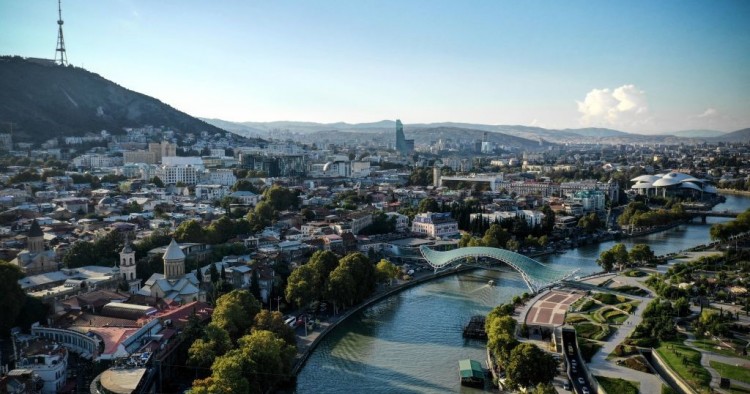
America must stay focused on Georgia's de-occupation and transatlantic path
This week marks the 12th anniversary of Russia’s wonton invasion of Georgia. While the world was fixated on the Summer Olympics in Beijing, an invasion force comprised of hundreds of Russian tanks and armored vehicles passed through the Roki tunnel on the Russian–Georgian border.
What does China’s growing engagement in Afghanistan mean for the US?
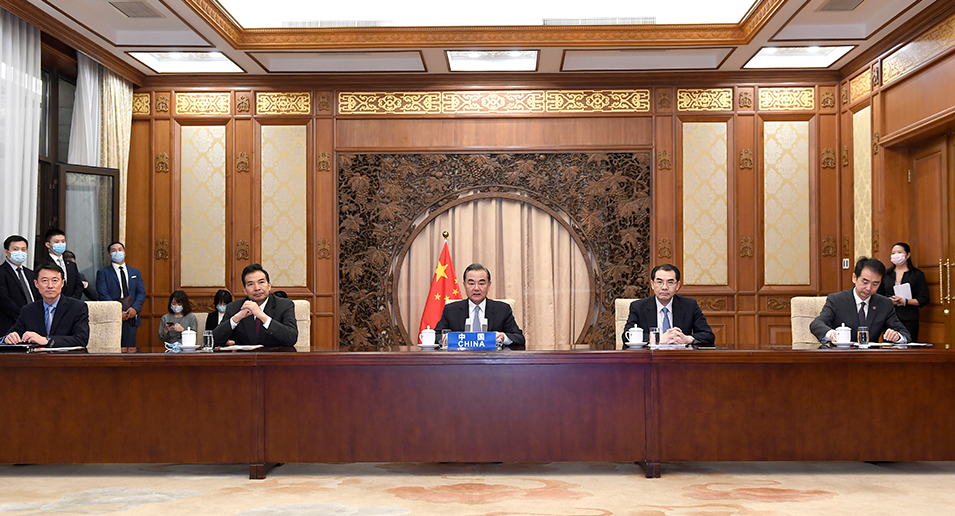
On July 27, Chinese Foreign Minister Wang Yi held a video conference with his counterparts from Afghanistan, Pakistan, and Nepal to suggest expanding their pandemic cooperation and proposed extending the China-Pakistan Economic Corridor into Afghanistan. Although the details about what this quadrilateral framework would entail and how it would work are unclear, any movement toward its institutionalization would be a serious challenge for the United States.
حلقة 5: انفجار بيروت وتبعاته السياسية — مع بول سالم ورندى سليم وفراس مقصد
ما هو الأثر السياسي لانفجار بيروت؟ كيف يمكن أن تكون ردة فعل الشارع؟ وهل هناك إمكانية لتغيير حقيقي في الطبقة السياسية في لبنان؟ ما هو الدور الذي يحاول ماكرون القيام به في لبنان وهل سيتمكن المجتمع الدولي من لعب دور إيجابي؟ وماذا عن الدول الإقليمية؟
The annual Conference of the Parties (COP) was initiated by the United Nations Framework Convention on Climate Change (UNFCCC) in 1995 to assess progress made by UN members in dealing with climate change. Some meetings have had practical and measurable outcomes, such as the Kyoto Protocol of 1997. But arguably the most well-known meeting is the 2015 COP21 in Paris, also known as the Paris Agreement.
Paul Salem and Randa Slim join host Alistair Taylor to discuss the immediate aftermath of Tuesday’s massive explosion in Beirut, which killed over 150 people and left as many as 300,000 homeless. The blast caused extensive damage across the city, and compounds the stress of Lebanon’s preexisting political, economic, and health crises.
After months of under-reported cases and relaxed lockdown measures, the rapidly spreading COVID-19 pandemic has gripped government-held areas. A worrying rise in daily deaths and infections, especially in Damascus, has left Syria facing what could be its biggest challenge yet.
Moscow and Ankara will continue uneasy cooperation
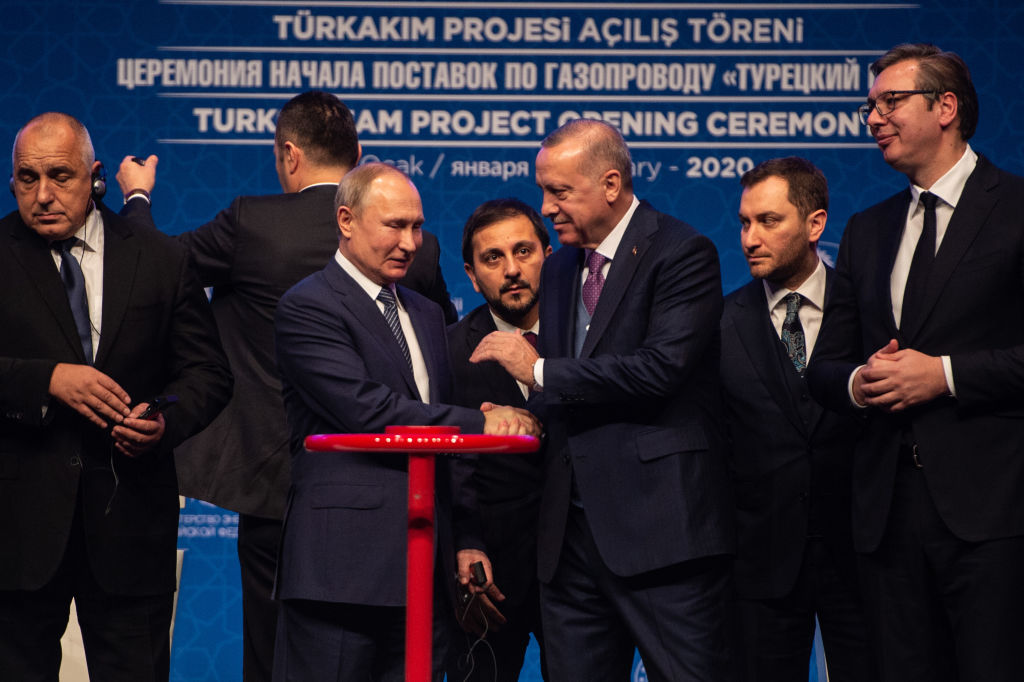
As Russia partially reopens international travel amidst the ongoing pandemic, Turkey is in the top three countries for resumed Russian flights. Moscow also touts possible space cooperation with Turkey amidst tensions with the US on this issue. Despite disagreements between Moscow and Ankara over Syria, Libya, and the broader Black Sea region, Russia and Turkey remain determined to cooperate. But the relationship remains unequal.
The EU steps up its engagement in Yemen, but is it enough?
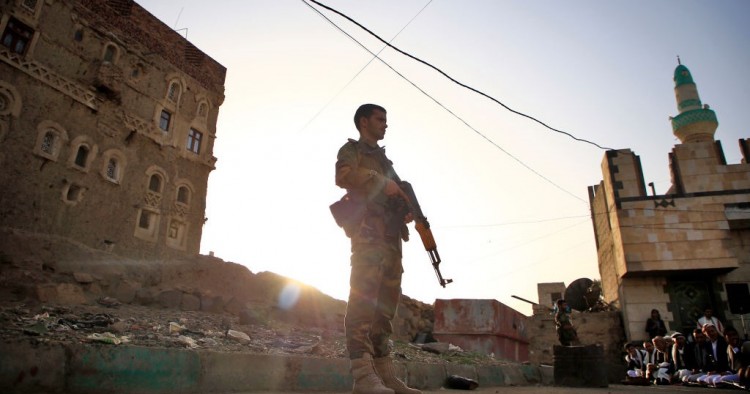
The conflict in Yemen poses a real threat not only to its immediate neighborhood, but also to global players such as the European Union. Although the country is located relatively far away from the EU’s external borders, instability on the Arabian Peninsula could seriously affect European interests and security.