This individual is a guest contributor. MEI is not able to assist with contact requests.
Ragui Assaad is Professor at the Humphrey Institute of Public Affairs at the University of Minnesota. He has written extensively on labor market and youth issues in the Middle East and North Africa. The author acknowledges the able research assistance of Stefan Johansson in the preparation of this essay.
Lebanon, UNIFIL, and the return of sovereignty and peace
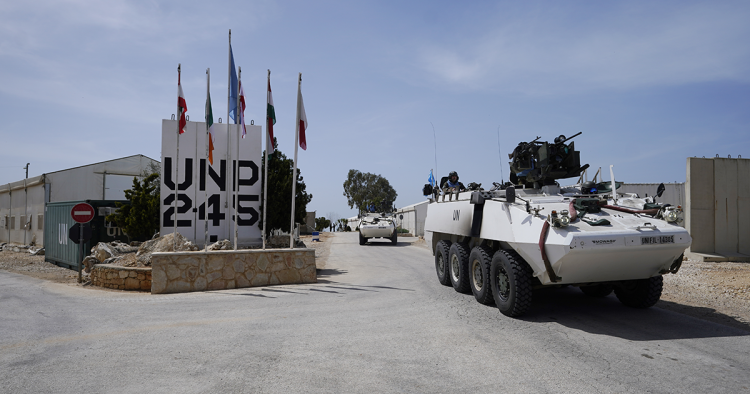
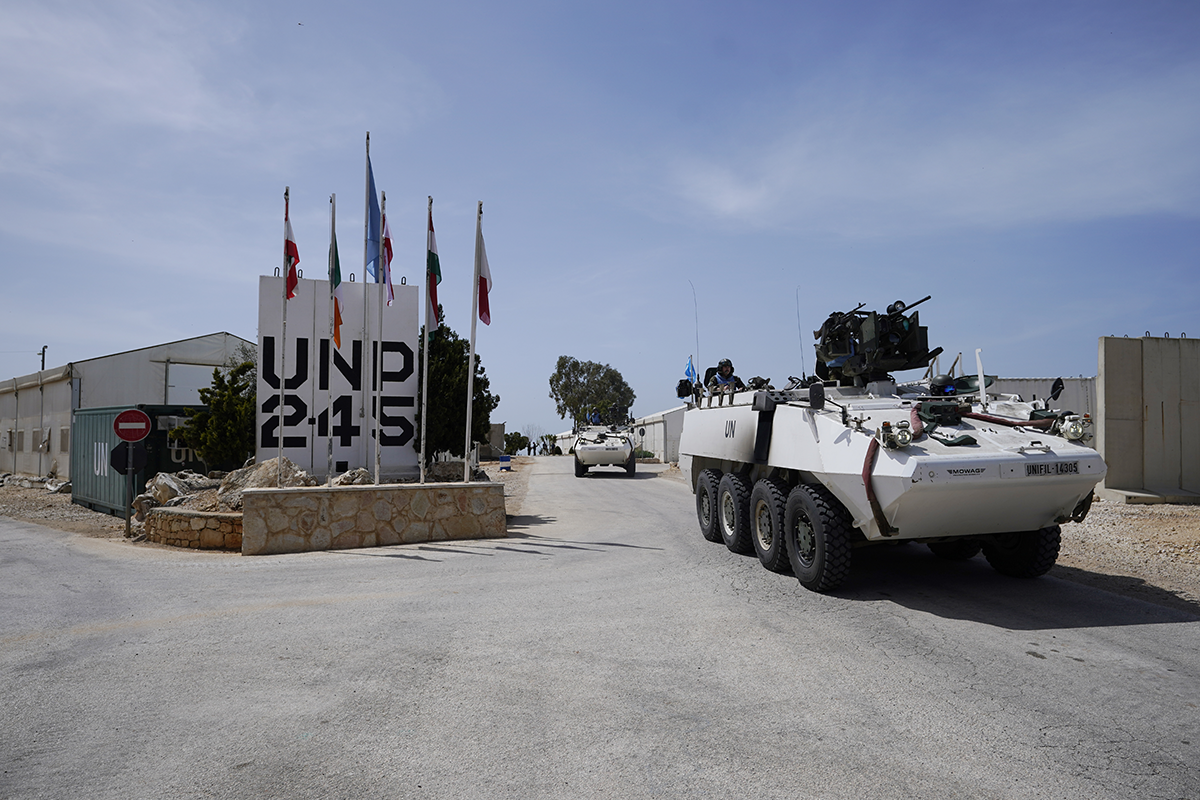
There was a real possibility earlier this summer that the United States was going to veto the renewal of the UNIFIL mandate in August. Ultimately, a wiser course prevailed, when the UN Security Council extended UNIFIL’s mandate “for a final time” last week until the end of 2026. This step is a positive one for everyone concerned except Hezbollah and its foreign patron, Iran.
The coming weeks may prove decisive in Europe’s long struggle to manage Iran’s nuclear ambitions. On Aug. 28, the United Kingdom, France, and Germany announced they will trigger the “snapback” sanctions mechanism. Whether Europe’s gamble succeeds will determine both the future of non-proliferation and the credibility of Europe as a strategic actor.
Trump desperate for progress in his sound and fury foreign policy
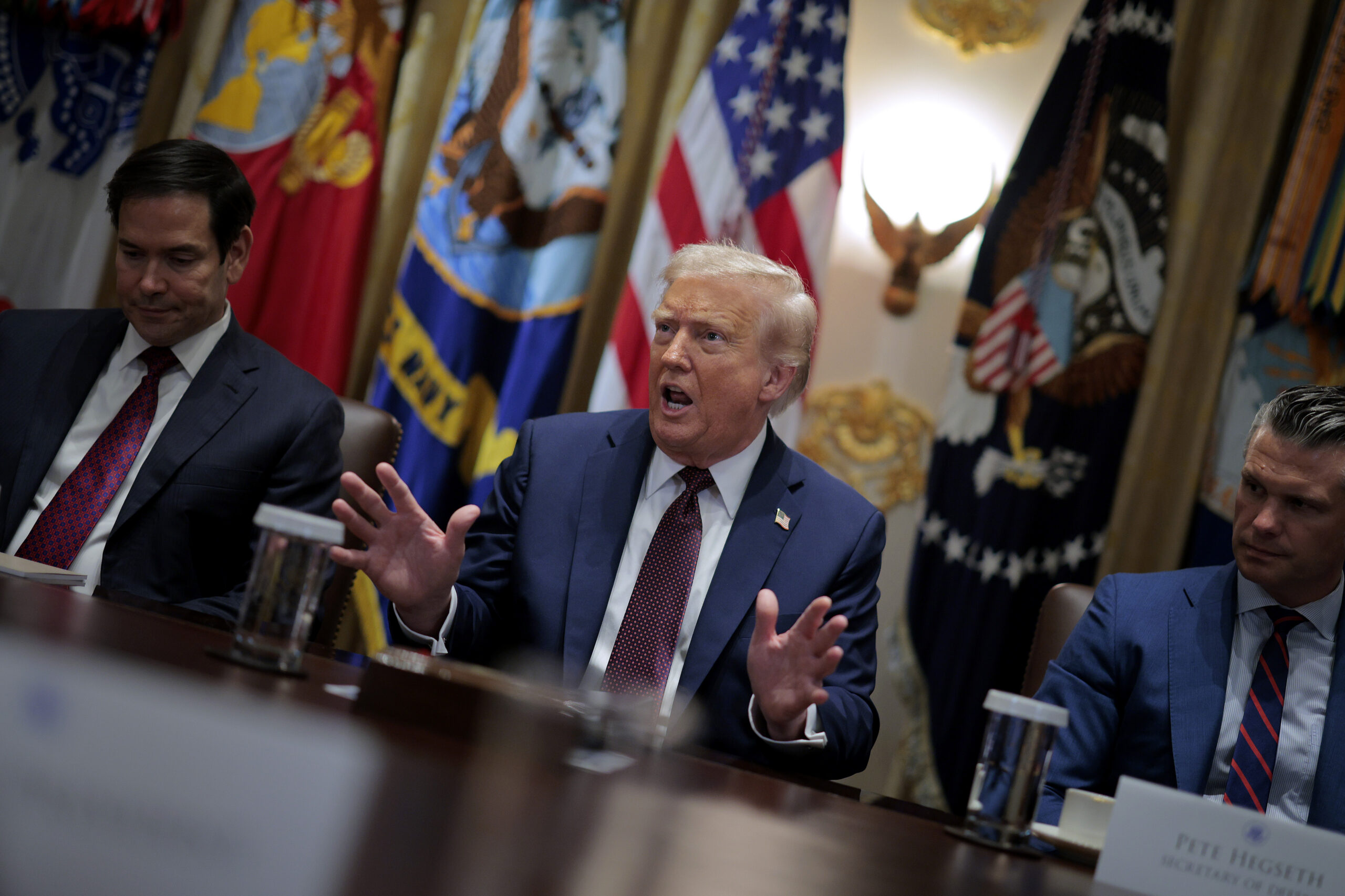
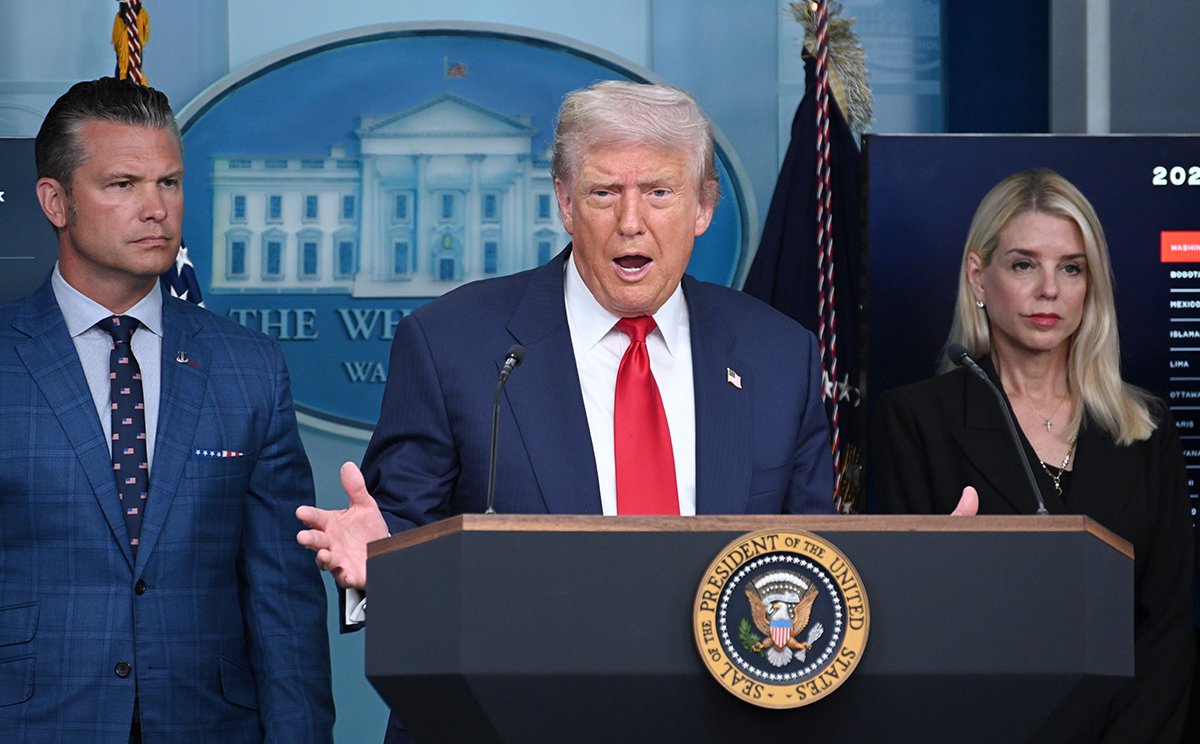
The most striking thing about Donald Trump’s foreign policy at the seven-month mark of his second administration is how it has failed to improve America’s overall strategic position in the world. It is still early days, but the Trump team’s frenetic flurry of actions, coupled with attention-seeking and often incendiary rhetoric, has served to obscure a poor record of scoring significant international wins for America.
At the end of August, the future of the United Nations Interim Force in Lebanon (UNIFIL), established nearly 50 years ago, goes on trial in New York, where the Security Council will debate the renewal of its mandate. Nearly two decades after its transformation under UN Security Council Resolution 1701, UNIFIL is now part of the problem it was created to solve. Ten thousand blue helmets from almost 50 countries, including major North Atlantic Treaty Organization (NATO) members, failed to stop the latest conflict between Israel and Hizballah, and, if business continues as usual, will fail to prevent the next.
Rana Abtar—chief correspondent for Asharq Al-Awsat and anchor of the Washington Report—joins Brian for a conversation on US policy in the Middle East, Lebanon’s struggles and resilience, and what it means to cover Washington for Arab audiences. From Trump’s Syria policy to the 2020 Beirut explosion, from life on Capitol Hill to her family’s roots in Baalbek, Rana brings together the political and the personal, sharing a unique perspective that bridges policy, culture, and humanity.
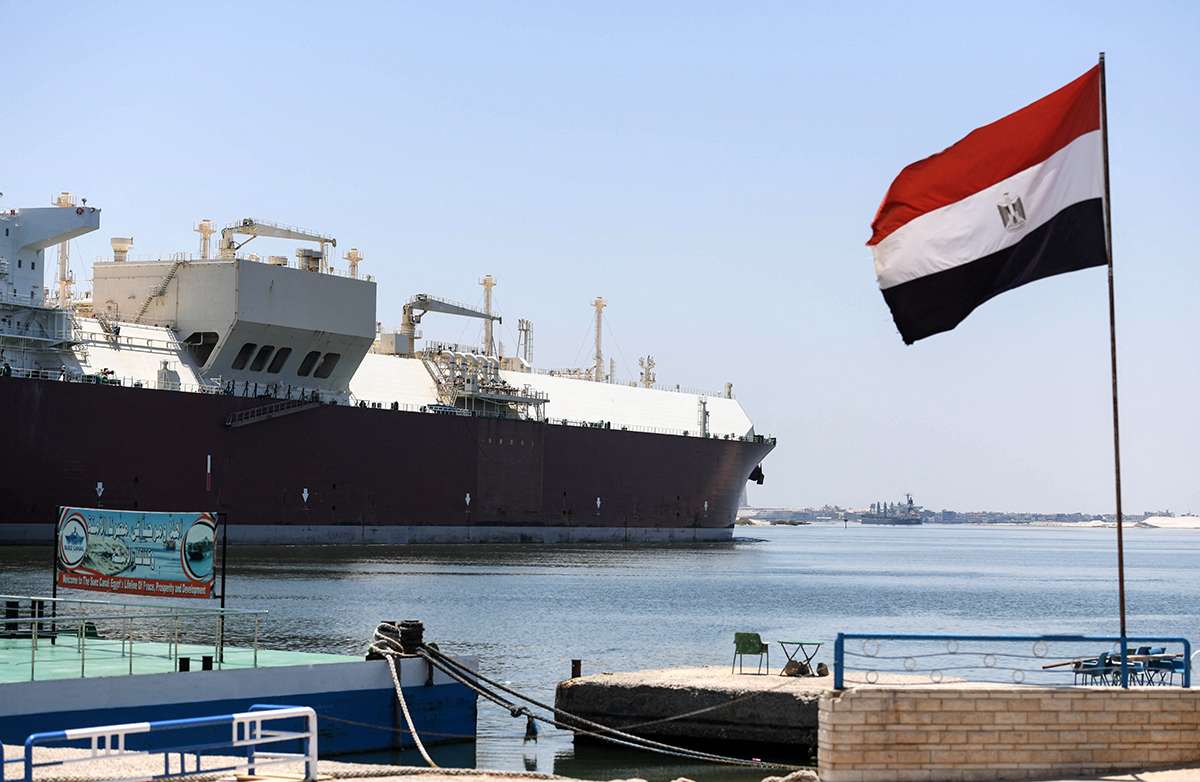
The long-awaited IMF staff report review of Egypt’s $8 billion loan agreement provides a thorough and unvarnished look at the current state of the economy. The report highlights potential opportunities for the country — but only if it first tackles overdue structural reforms.
Why gas deals could be Israel’s best path to regional normalization
In the Middle East, dealmaking between adversaries can be treacherous and drawn out for years. But recent energy deals have demonstrated a pragmatism and a new dynamic in which energy security and a concern for resource nationalism can supersede regional political obstacles. Israeli gas exports to neighbors Jordan and Egypt could help hold fragile peace agreements in place, while also accelerating national plans of energy independence via renewables.
The Middle East's Water and Climate Crisis: Lessons from Iran, Iraq, and the Gulf
In this episode of Middle East Focus, host Alistair Taylor is joined by climate, energy, and sustainability expert Karim Elgendy to examine the growing water and climate crisis across the Middle East. They explore how climate change, mismanagement, and regional politics are straining already scarce resources — from Iran’s looming water shortages to Iraq’s power grid collapse and the Gulf’s dependence on desalination. The conversation also looks at prospects for regional cooperation, the role of technology, and the difficult balance between development and environmental sustainability.
Trump’s unpredictable diplomacy of distraction mostly comes up empty
All eyes this week are on Alaska, where US President Donald Trump will hold a pivotal meeting with Russian President Vladimir Putin to discuss ending the Ukraine war. But the United States remains consumed by several domestic issues, including continued strains over policing, immigration, and checks and balances inside America’s system of government. All of this comes at a time when Trump’s domestic political standing continues to slip lower, including among members of his own party.
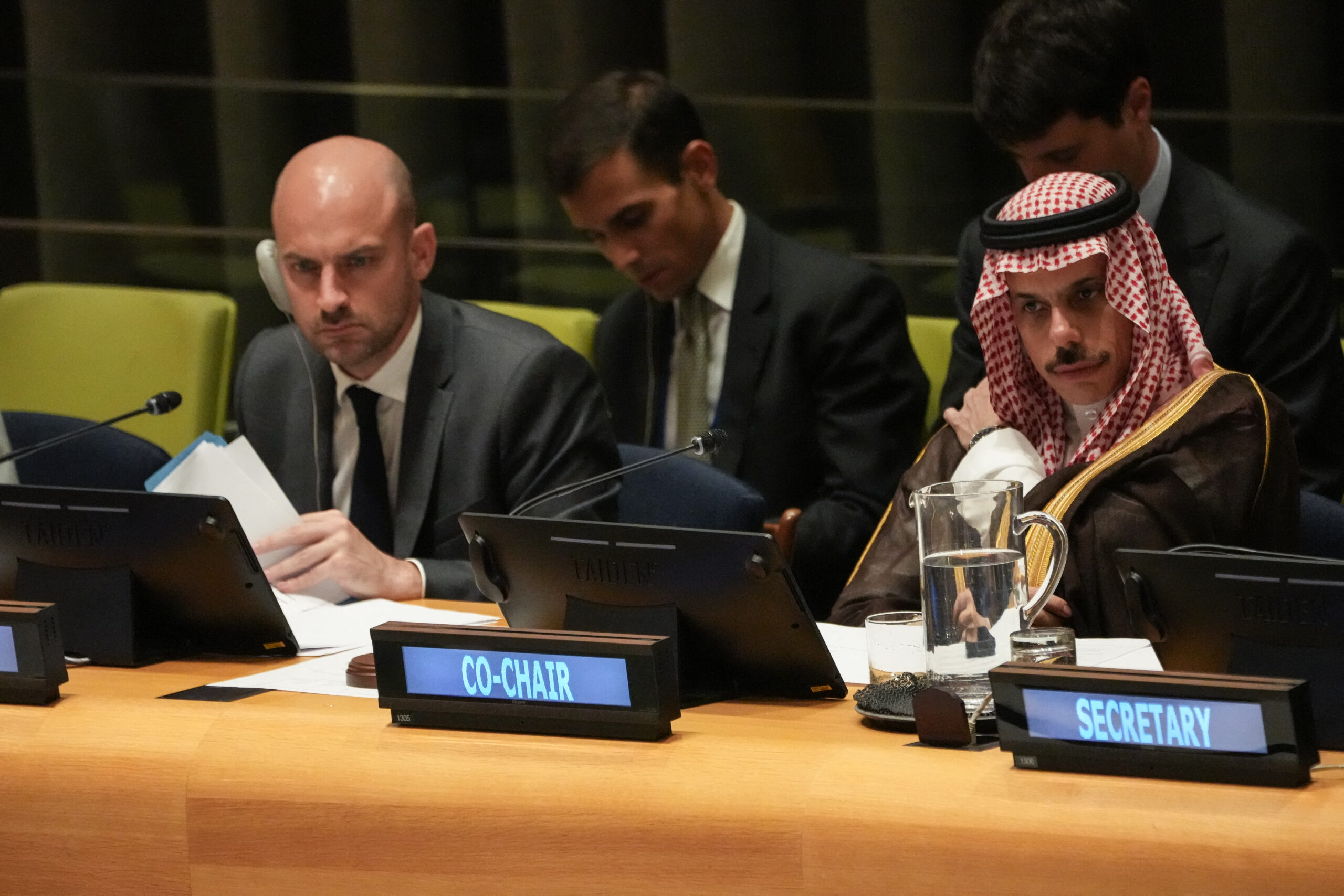
As the Trump administration pushes to expand the Abraham Accords in the Middle East and into the Caucasus and Central Asia, it overlooks a dramatic shift in perception across the Arab and Muslim world. Where once Israel might have been viewed as David battling a Goliath-like Arab world, today the roles appear reversed. Israel, empowered by unchecked military might and unwavering US support, is increasingly seen not just as a regional power but as a US-backed regional hegemon. For Gulf Arab states, this transformation presents a dilemma: Can a Goliath be a partner in peace?
Meeting Khamenei and Other Tales from a Life in Diplomacy
Jeffrey Feltman—former Assistant Secretary of State for Near Eastern Affairs, US Ambassador to Lebanon, and UN Under-Secretary-General for Political Affairs—joins Brian for one of the most revealing conversations yet. They trace his journey from the streets of Beirut during the Cedar Revolution to a tense, hours-long meeting inside the office of Iran’s Supreme Leader Ayatollah Ali Khamenei.
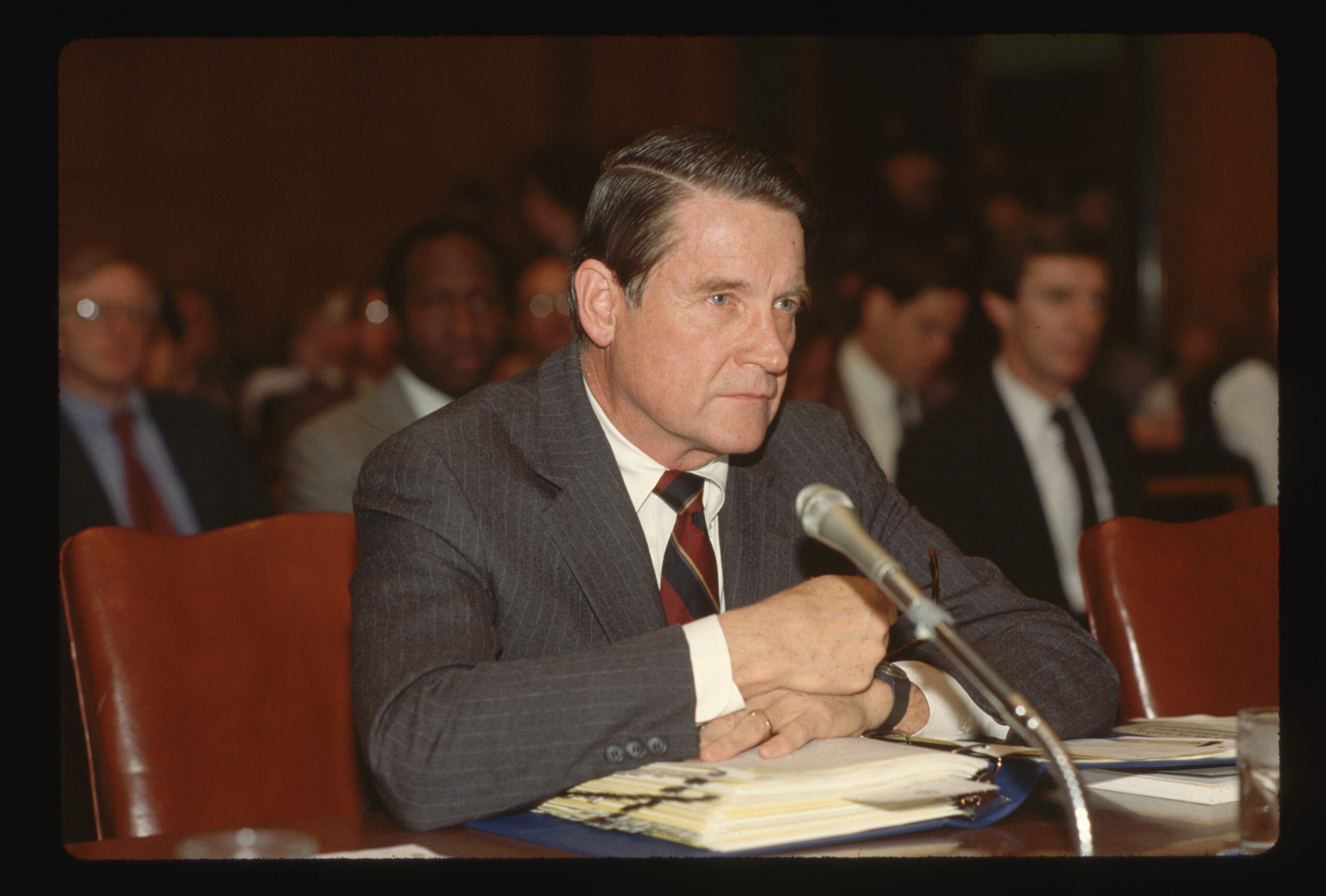
The Middle East Institute (MEI) is deeply saddened by the passing of William H. Webster, a distinguished former member of our Board of Governors and longtime Governor Emeritus.
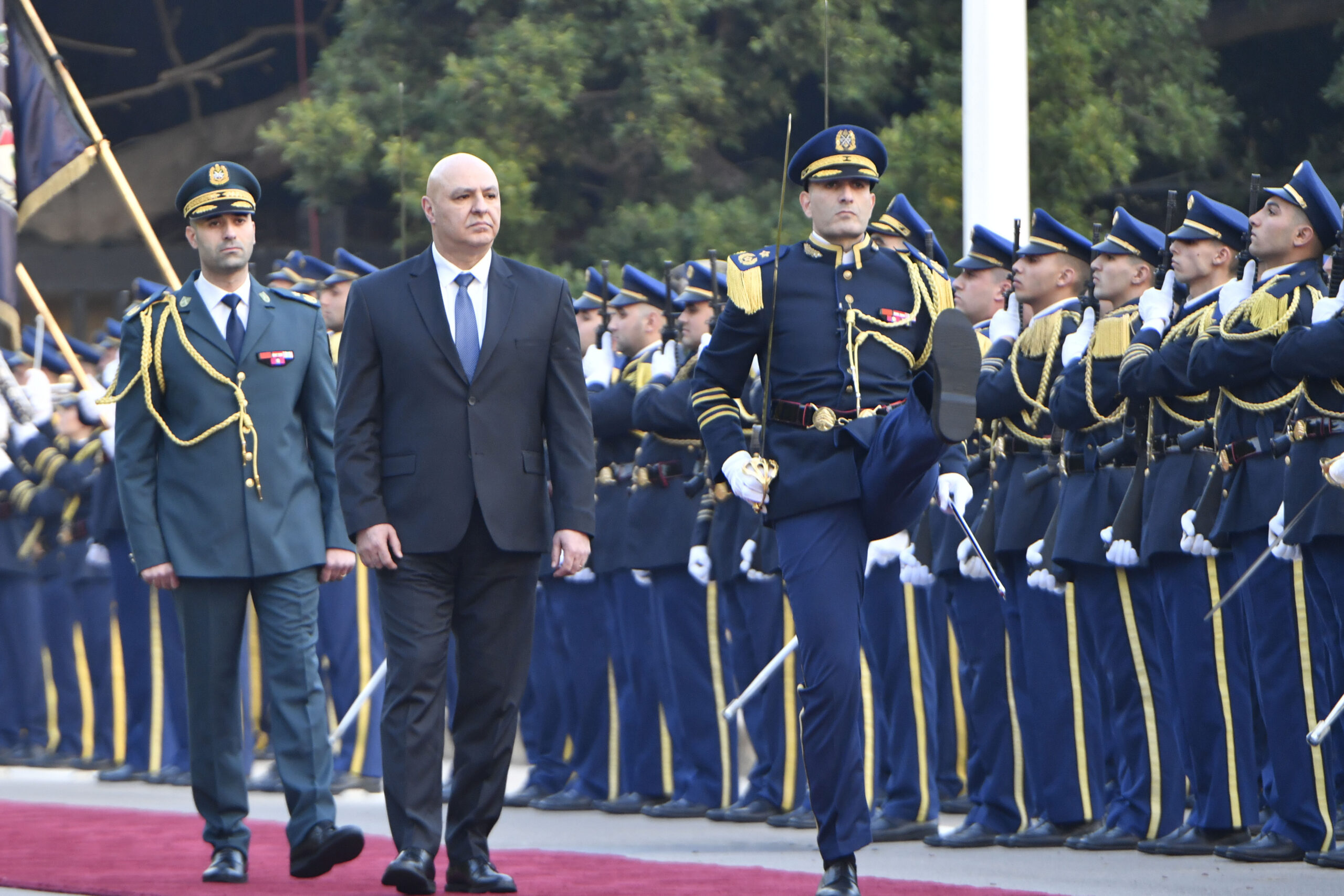
It has been a remarkable week for Lebanon. President Aoun, Speaker Berri, and Prime Minister Salam have acted in unison, never something to be taken for granted in Lebanon. Moreover, they have done so on a topic that has been wrongly taboo since the Taef Accord: restoring the Lebanese state’s monopoly of arms and confronting Hezbollah’s challenge to state sovereignty. It is an unprecedented step and required courage and determination. These three leaders and their teams deserve enormous credit. It was difficult but the right decision.
Lebanon and the UNIFIL Mandate: Disarming Hizballah and Reclaiming Sovereignty
With its new government at the half-year mark and the UNIFIL international peacekeeping force’s mandate due for reauthorization at month’s end, Lebanon stands at a pivotal moment. In this episode of Middle East Focus, hosts Alistair Taylor and Matthew Czekaj are joined by MEI Senior Fellow Fadi Nicholas Nassar to evaluate whether the Lebanese state can reclaim its sovereignty, starting with the disarmament of Hizballah and the enforcement of a cease-fire.
Post-Oct. 7 divergent paths: Israel’s military maximalism and Saudi Arabia’s strategic de-escalation
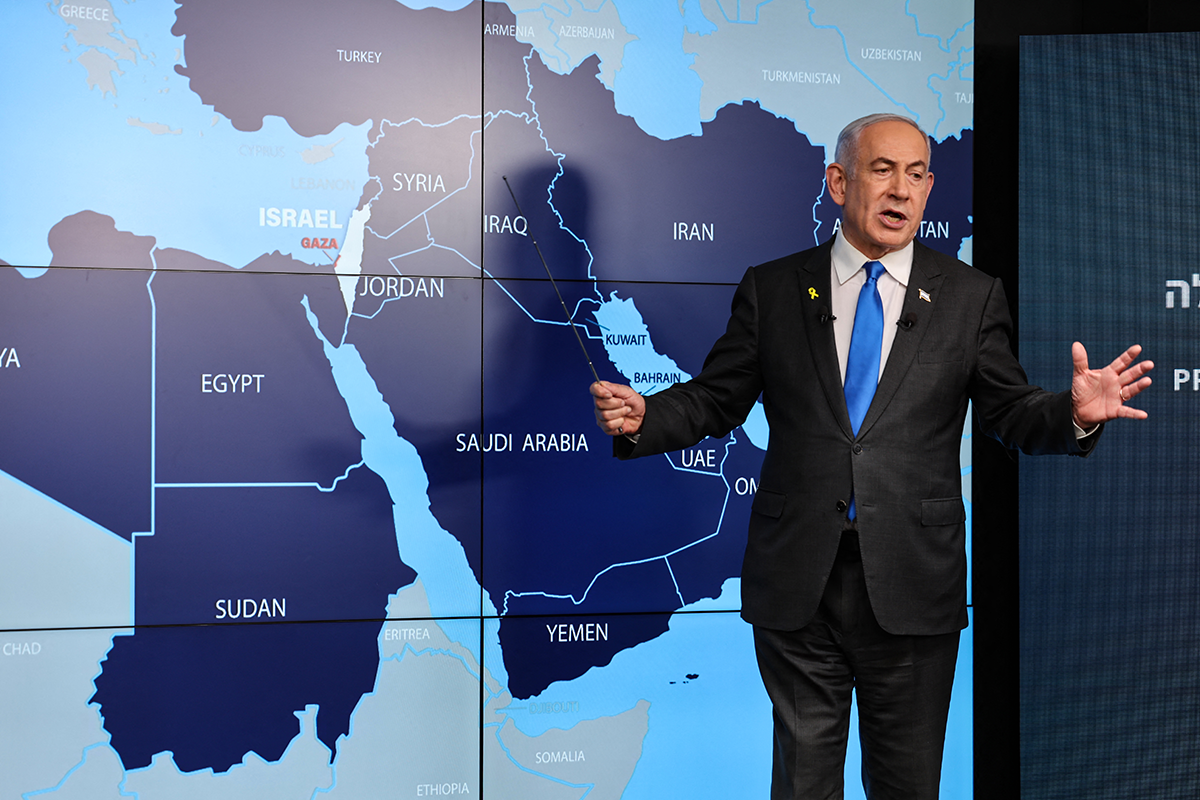
The Hamas attack on Oct. 7, 2023, shattered Israel’s long-standing security paradigm, replacing limited deterrence with an ambitious campaign aimed at dismantling Hamas, confronting Hizballah and other Iranian proxies, and directly targeting Iran’s nuclear program with the support of the United States. In stark contrast, Saudi Arabia has prioritized regional stability and de-escalation, restoring relations with Iran, and focusing on its Vision 2030 economic transformation.