This individual is a guest contributor. MEI is not able to assist with contact requests.
Ragui Assaad is Professor at the Humphrey Institute of Public Affairs at the University of Minnesota. He has written extensively on labor market and youth issues in the Middle East and North Africa. The author acknowledges the able research assistance of Stefan Johansson in the preparation of this essay.
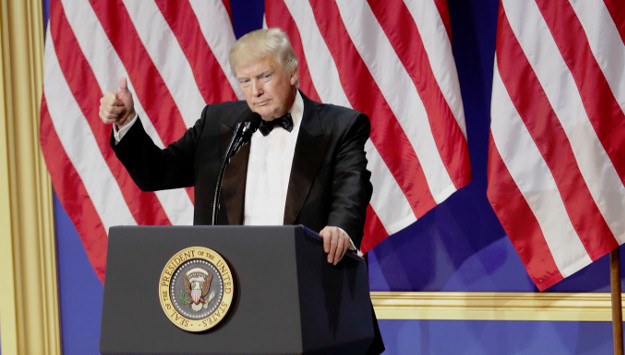
The reaction in Tehran to Trump arriving in the White House has been cautious, but composed. The two dominant factions inside the Iranian regime, the moderates and the hardliners, appear to agree on the question of Iran’s posture toward the Trump presidency. Early signs of this emerging consensus points to an Iran that will have to be less provocative in its actions in the Middle East in order to avoid American reprisals. Even the most hawkish voices in the Islamic Revolution Guards Corps have warned about “sensitive days ahead between Iran and American generals.”
Baghdad Will “Welcome” Iran’s Controversial Ambassador Pick
A senior Iraqi official has said that Baghdad will welcome Iran’s controversial pick to be its next ambassador to Iraq. Earlier this month, the Iranian media reported that Brigadier General Iraj Masjedi, a senior advisor to Quds Force Commander Qassem Suleimani, will be Iran’s next envoy to Iraq. The news drew criticism from Saudi officials.
Five Inauguration Days: The U.S. and the Middle East
The following policy essay appears in the Winter 2017 issue of The Middle East Journal.
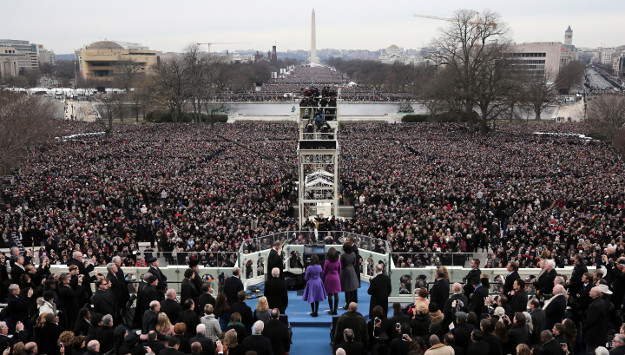
As the new American President comes into office amid the pomp and circumstance of Inauguration Day, we look ahead to the challenges facing him from and within the Middle East. To recognize, however, the degree to which such predictions may be quickly overcome by events, we also look back at the preceding four American inauguration days and examine what we thought then, what actually happened, how significantly the region has changed, and what that means for the United States.
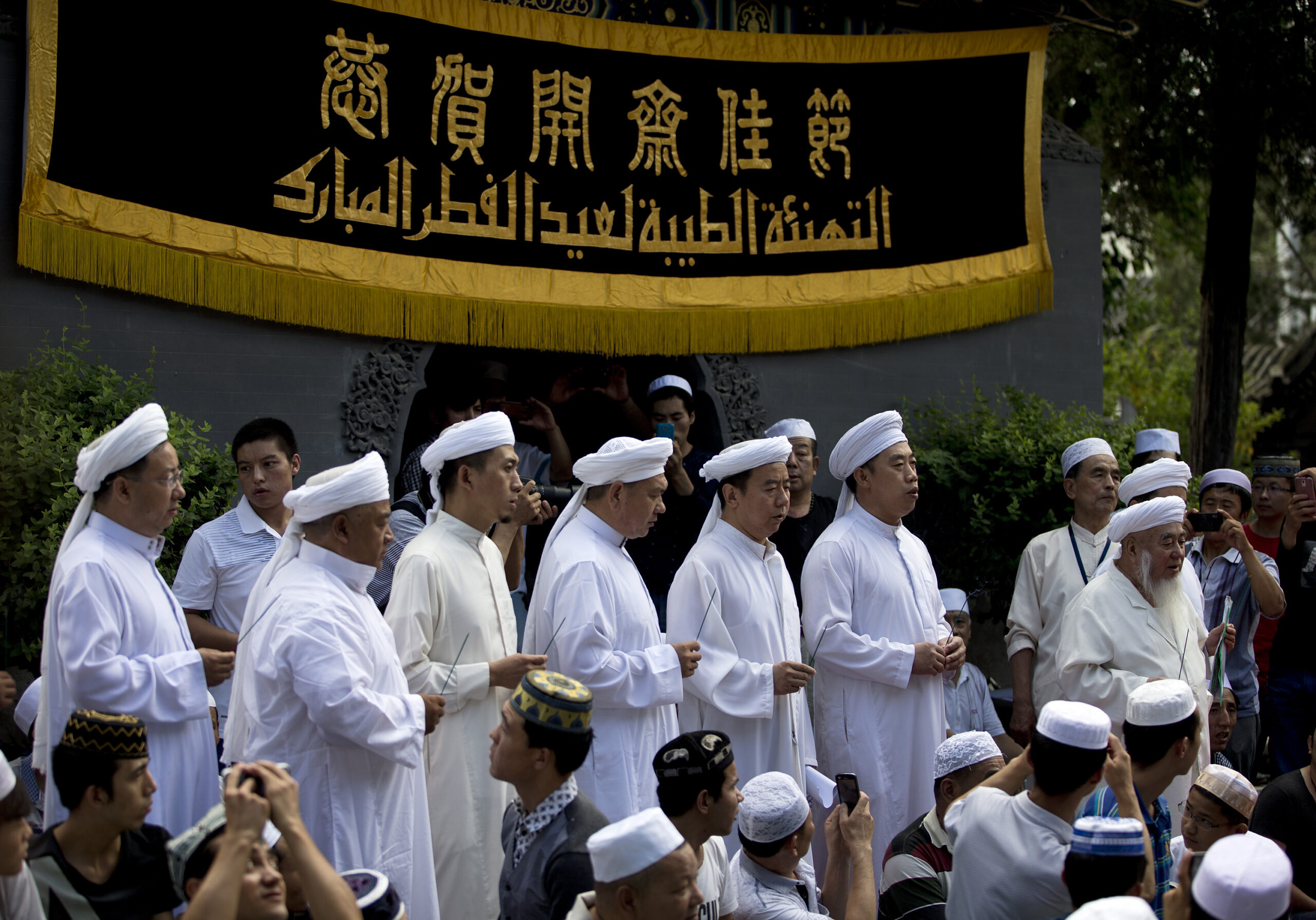
In incorporating Muslim minorities into the nation-state, Chinese policymakers have faced two sets of challenges: The first involves balancing ethno-religious diversity and national integration; and the second entails fostering enhanced connectivity to the outside world while at the same time consolidating CCP-state control over the public sphere. This essay examines the Chinese government’s recent and current struggles to address these challenges.
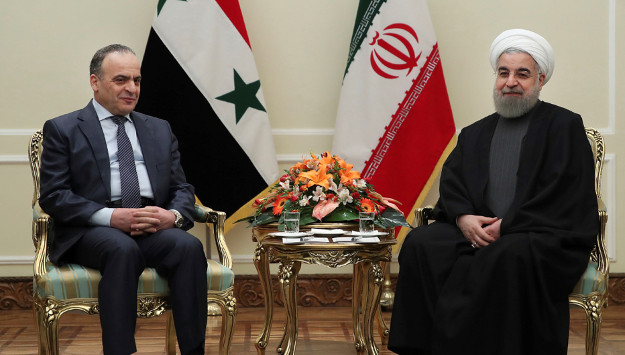
Iran will build a mobile phone network in Syria under an agreement signed by the two countries’ ministries of information and communications technology, Iranian media reports.
Iran Accuses UK of "Malicious Acts" over British UN Remarks
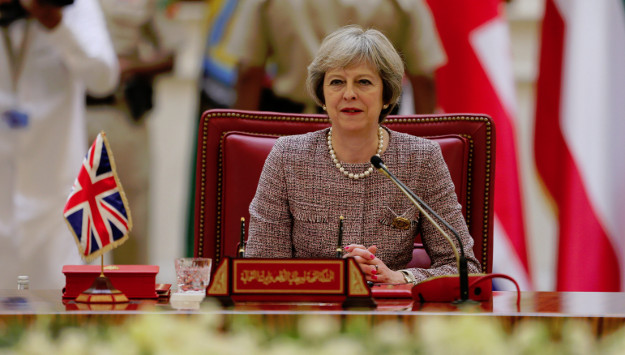
On January 19, a senior Iranian official complained that Britain’s latest “positions” vis-à-vis Iran were undermining relations between the two countries. In a meeting with vising Britain’s Under-Secretary of State for Foreign and Commonwealth Affairs Tobias Ellwood in Tehran, Majid Takht Ravanchi, Iran’s deputy foreign minister for Europe and America affairs, said the latest statements made by some British officials ran counter to agreements between the two countries aimed at improving bilateral ties.
Collapse of Building in Tehran Ignites National Debate
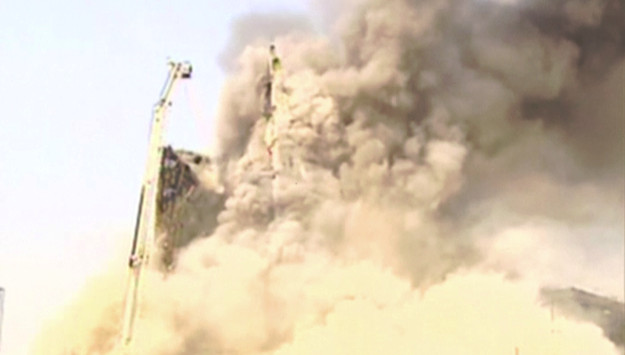
The collapse of a 53-year landmark building in downtown Tehran on January 19 is likely to lead very quickly to a war of words among Iranian officials about culpability. The incident, which has left dozens of firefighters dead, follows a string of infrastructure-related disasters in the Iranian capital in recent months.
On January 18, Amnesty International strongly criticized Iran’s “persistent use of cruel and inhuman” corporal punishments, including internationally banned methods such as floggings, amputations and forced blinding. In one recent case mentioned in the report, Iranian authorities had lashed a journalist 40 times for inaccurate reporting.
Zarif: Iran Has Options If Trump Cancels Nuclear Deal
Iranian Foreign Minister Javad Zarif has declared that “Iran has no fears about the future decisions of President-elect Trump in regards to the likelihood of him nullifying the [2015] nuclear deal.” “If he does,” Zarif said, “Iran too will have options at its disposal in its reaction.” “President-elect Trump likes to be surprised, and we will surprise him.” Later, however, Zarif maintained that “it would be in everyone’s interest if the nuclear deal is upheld.” Earlier Tehran had rejected speculation that t
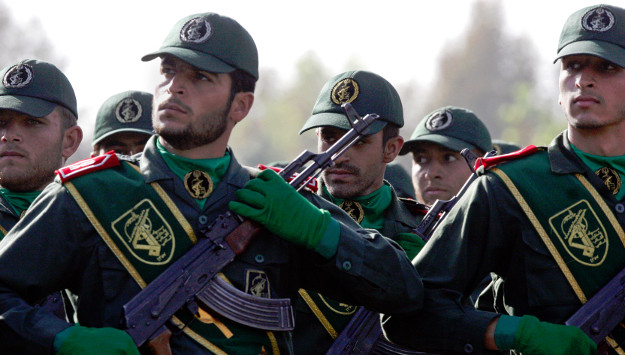
Ramazan Sharif, a top commander of the Islamic Revolution Guards Corps (IRGC) who is responsible for public relations, called the threat posed to Iran by the Islamic State to be trivial.
Iran Says It Is “Proud of Its Presence in African Waters”
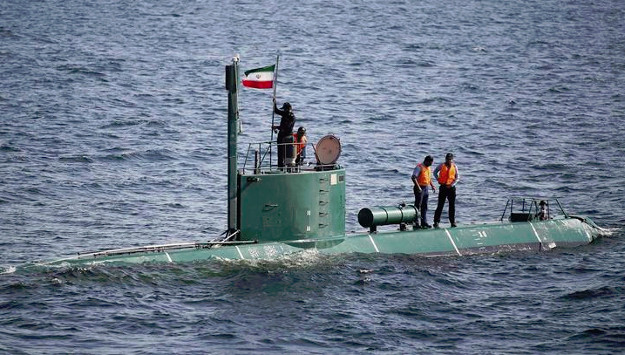
The head of the Iranian Navy, Rear Admiral Habibollah Sayyari, said that forces under his control, which are “equipped with advanced military systems” are proving to be a “powerful presence in the international waters” of the African continent. Calling the capabilities of the Iranian navy “state-of-the-art”, Sayyari again announced that “Iran plans to expand [its] naval presence in international waters.”
Iran Recruits and Trains Large Numbers of Afghan and Pakistani Shiites
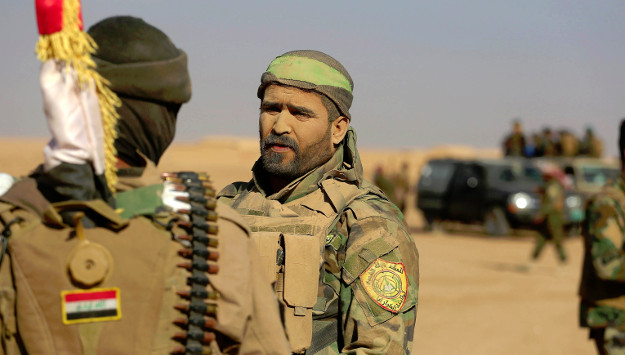
While much ink has been spilled about how Iran’s involvement in the Syrian civil war has fueled sectarianism and instability in the Arab world, the implications of Iran’s increasing recruitment of Afghan and Pakistani Shiites on security and stability in South Asia have largely been overlooked. Over the past five years, the Islamic Revolution Guards Corps (IRGC) has recruited, indoctrinated, trained and deployed thousands of Afghan and Pakistani Shiites to fight under its command against Sunni rebel groups across Syria.
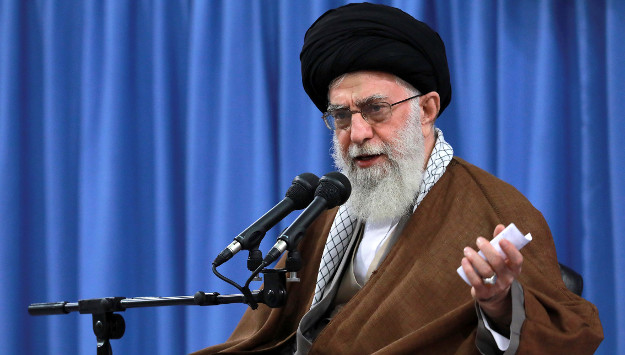
In what amounts to an embarrassing dressing down, Iran’s Supreme Leader Ayatollah Ali Khamenei has been handed a scornful public warning from his own uncle. In a public letter that has been published by many Iranian opposition sites, Hossein Mirdamadi, the brother of Khamenei’s mother, cautions that social-political stability in Iran is at risk unless the authorities in Tehran review and modify present policies and practices.
Weekly Briefing: Confirmation Hearings, Syria Peace Talks, and OPEC
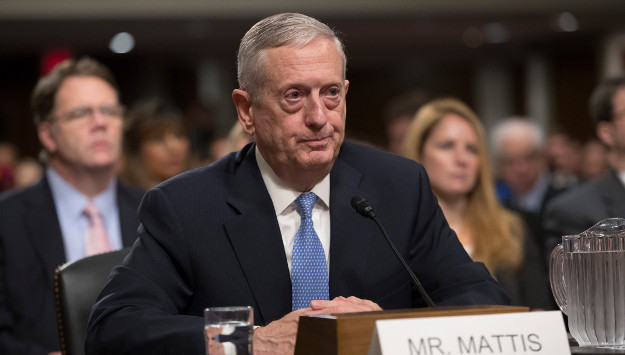
In this week’s briefing, MEI experts Gerald Feierstein, Robert S. Ford, Yousef Munayyer, Eran Etzion, and Ruba Husari provide analysis on recent and upcoming events including the ongoing confirmation hearings for key members of the incoming administration’s foreign policy team, the upcoming Syria talks, the recently convened Paris talks on Israel and Palestine, and OPEC’s assessment of its agreement to cap oil output.
Iran Opposes US Participation in Russia-Sponsored Syria Talks
As Russia and Turkey are trying to broaden the scope of the upcoming peace talks on Syria, Tehran says it opposes the inclusion of the United States in the meeting scheduled for next week in Kazakhstan.