This individual is a guest contributor. MEI is not able to assist with contact requests.
Sara Sadek is an affiliated researcher and coordinator at the Center for Migration and Refugee Studies (CMRS) at the American University in Cairo. She obtained an MA in Refugee Studies from the University of East London. Since 2005, she has worked on various research projects on Iraqi and Sudanese communities in Egypt, contributing to a report on Iraqis in Egypt and recently producing a paper on challenges of integration for Iraqis in Arab states for the Henry L. Stimson Center’s forthcoming volume Transnational Challenges.
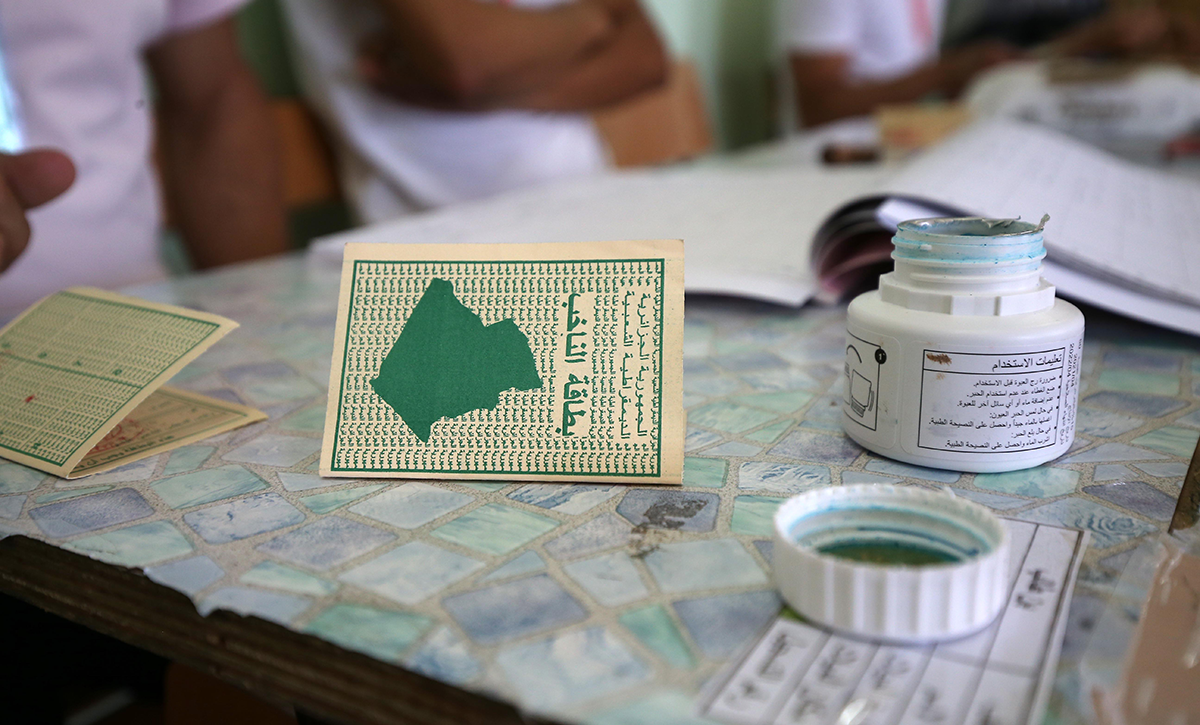
The June 12 election for the National Assembly, the lower house of the Algerian parliament, shows that the country is stuck between, on the one side, a political system led by President Abdelmadjid Tebboune and backed by the army that rejects deep change and, on the other side, a population that has lost faith in the old system. Preliminary results announced June 15 indicated the phoenix-like return of discredited political parties that had strongly supported former President Abdelaziz Bouteflika, deposed in 2019. But in a sense President Tebboune is now more isolated than ever. His remark that he didn’t care about the record low voter turnout in the election shows the distance between him and most of the Algerian public.
Changing the rules of the game: Reforming the party system in Iraq
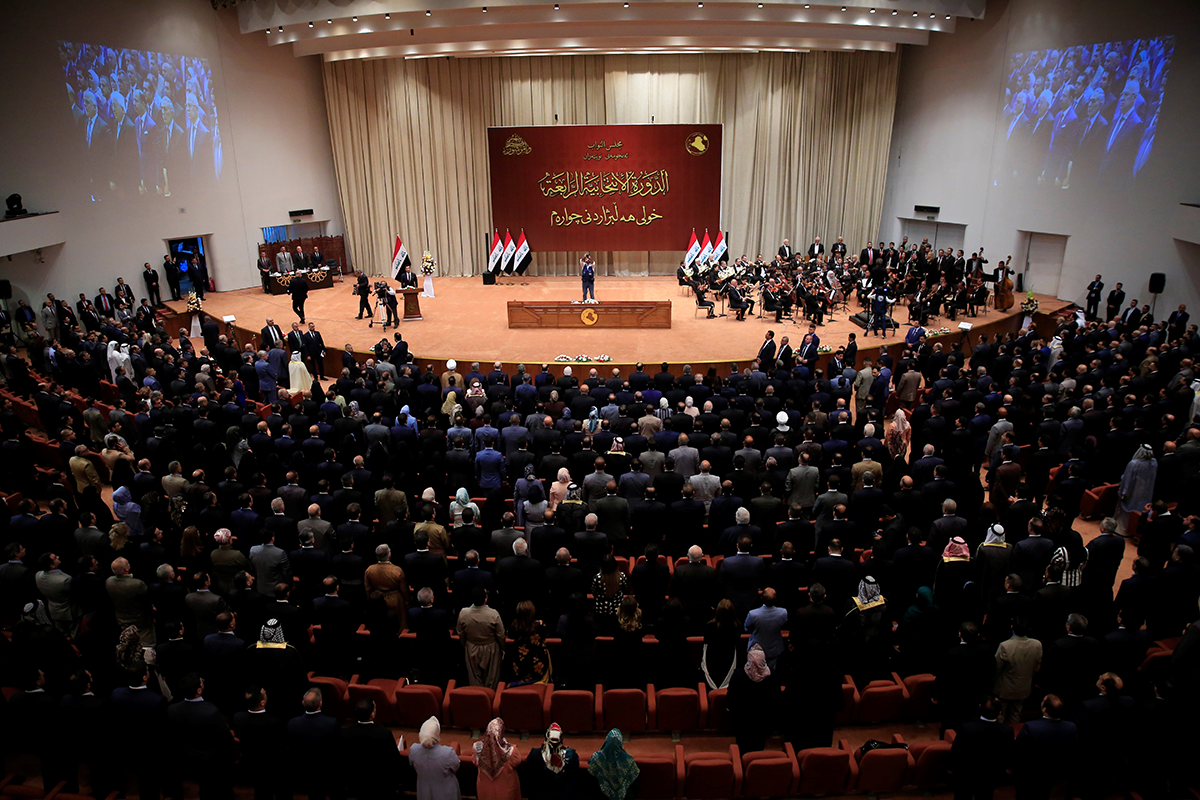
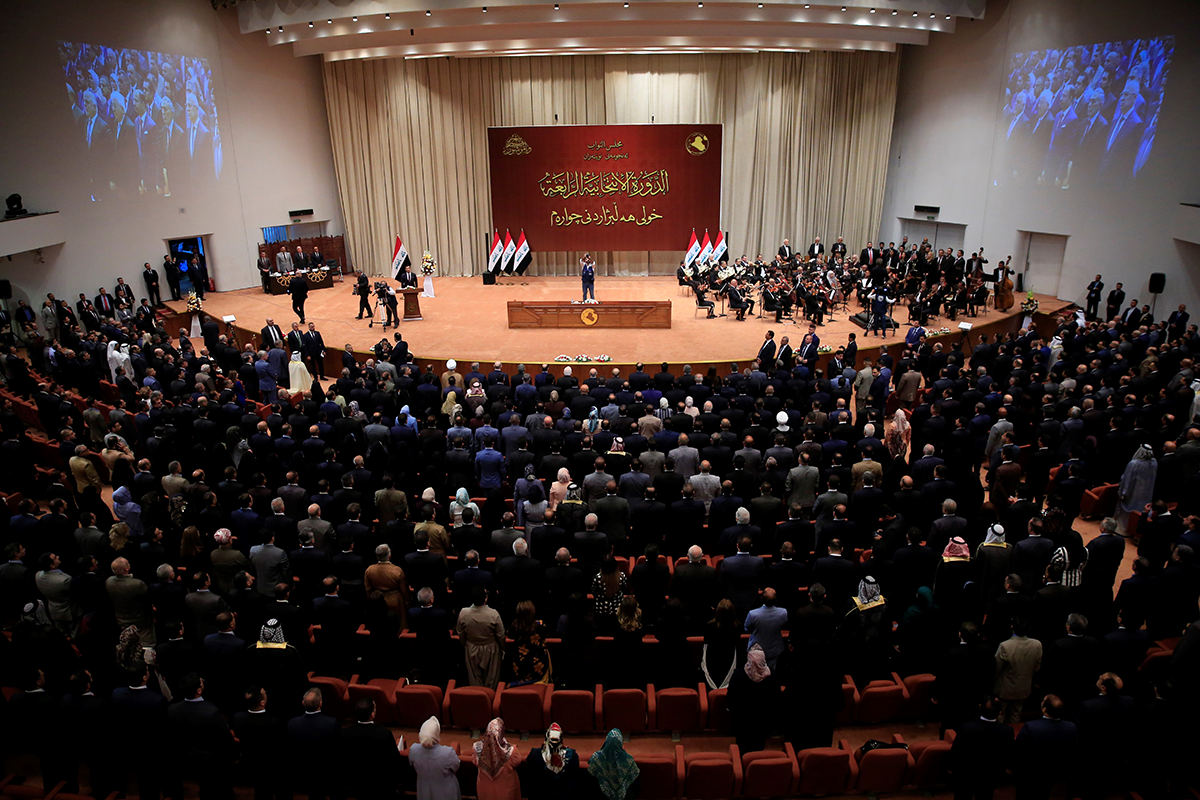
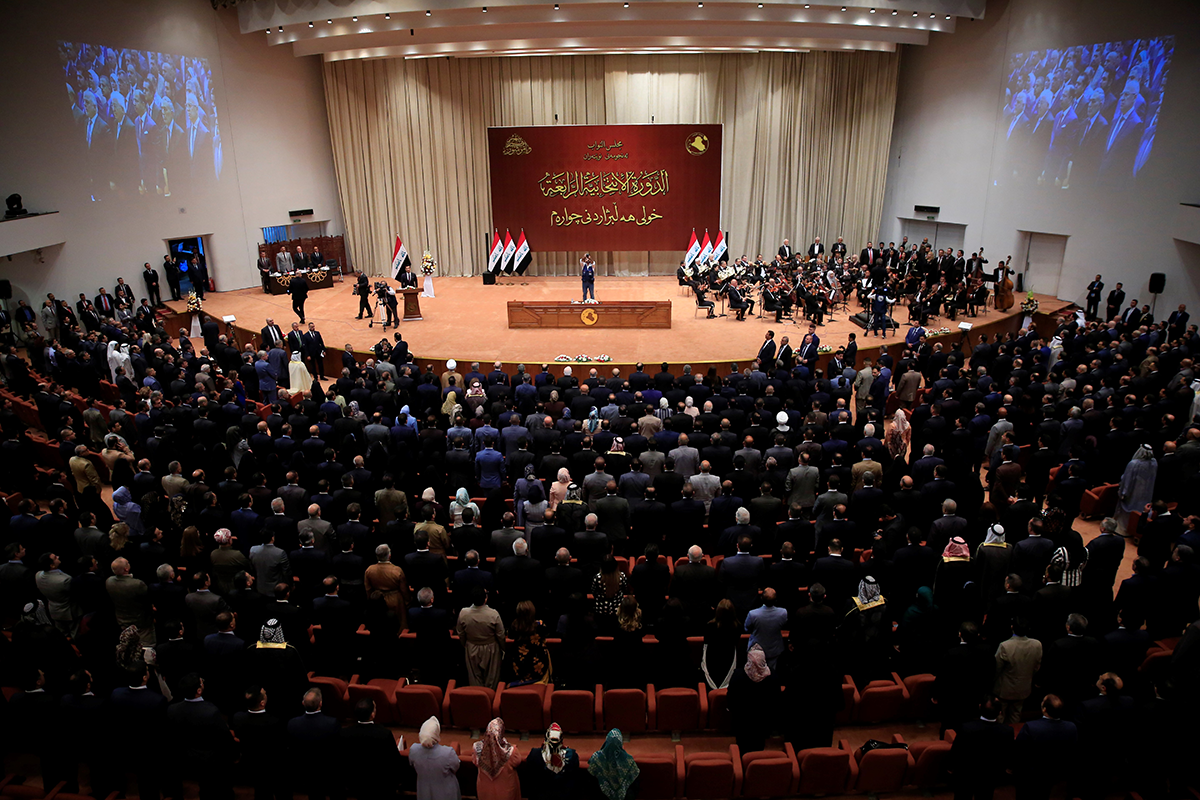
The performance of Iraqi political parties over the past two decades can be assessed in how they manage three major transformations: the transition from an authoritarian political system to a democratic and pluralistic one, the participation of these parties in managing the transformation of the state from a central to a federal system and the smooth transition from a directed economy to a free market one, and the social transformation from an oppressed society to a free, productive, and reconciled one. Despite the great challenges faced by the various governments since 2003, the parties that participated in the political process (to varying degrees) were unable to succeed in managing these three transformations.
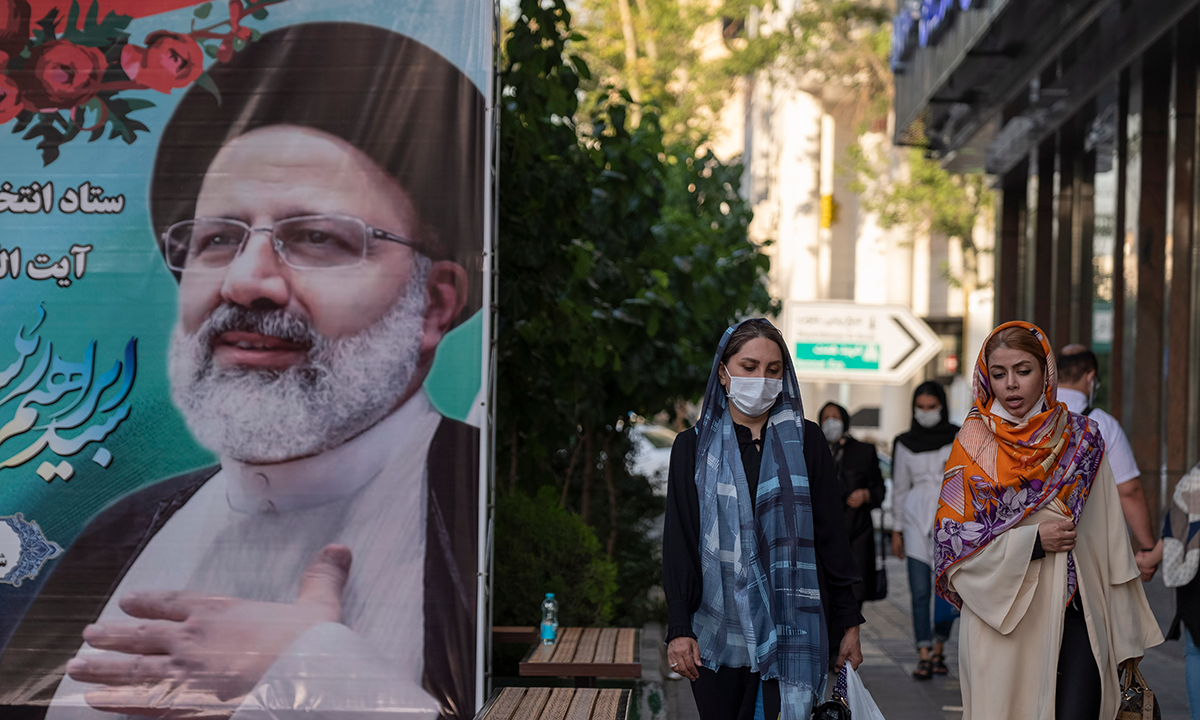
Low election turnout points to larger changes in Iranian politics
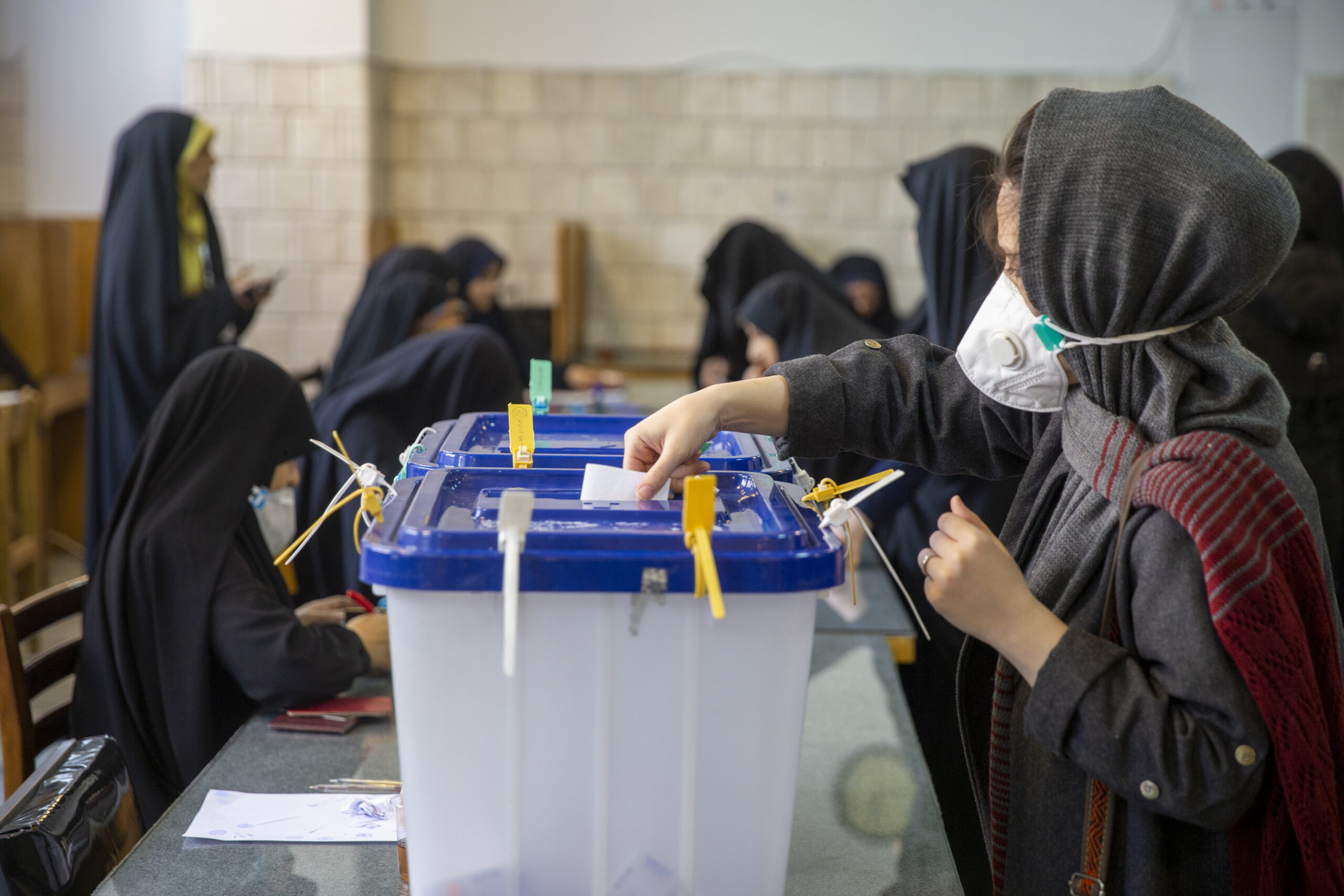
Iran’s presidential election on June 18 is expected to have the lowest turnout of any election to date and the implications are likely to extend far beyond the ballot box.
It's Now or Never: Lebanon Policy Conference Key Takeaways
Over the course of two weeks in May and June, the Middle East Institute hosted its inaugural Lebanon policy conference in collaboration with the American Task Force on Lebanon (ATFL) and LIFE. This series of events brought together leading diplomats, policymakers, economists, development practitioners, and think tank professionals from the U.S., Europe, the Middle East, and Lebanon to discuss the urgency and viable paths forward for the country’s political, financial, and humanitarian crises.
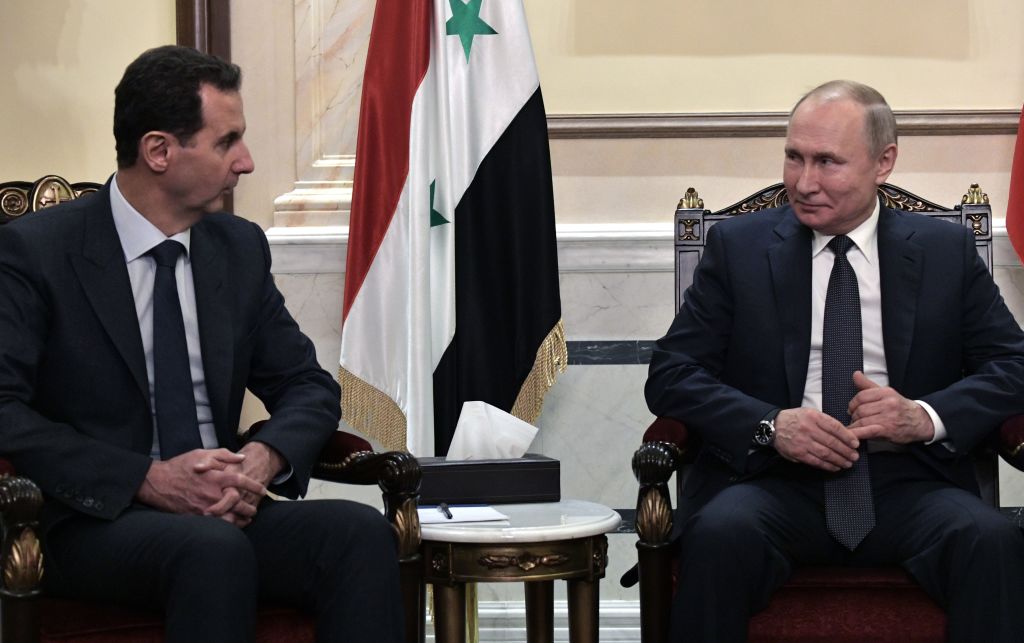
تضغط الدول الغربية وبعض دول الخليج وتركيا وبدرجة أقل حتى واحدة من مؤيديه الرئيسيين، روسيا، على رئيس الدولة السوري بشار الأسد ليكون أكثر مرونة بشأن قبول تسوية سياسية للصراع السوري. لكن الأسد رفض التزحزح شبرًا واحدًا.
في الوقت الحالي، تريد معظم الدول المعارضة للنظام السوري من الأسد قبول قرار الأمم المتحدة رقم 2254، الصادر في عام 2015، والذي يدعو، من بين أمور أخرى، إلى انتخابات نزيهة ودستور وحكم ذي مصداقية يتسم بالشمول واللاطائفية.
لفهم سبب عدم تراجع الأسد، عليك أن تفكر في الخيارات التي يواجهها.
حلقة 33: آراء (14) محادثات سعودية-إيرانية في العراق
في هذه الحلقة من ‘آراء من واشنطن’، يستعرض إبراهيم الأصيل رأي لأليكس فاتانكا حول المحادثات السعودية-الإيرانية في العراق واحتمال تحسّن العلاقات بين البلدين، وكيف تنظر كل من الدولتين للصراع في اليمن.