This individual is a guest contributor. MEI is not able to assist with contact requests.
Sara Sadek is an affiliated researcher and coordinator at the Center for Migration and Refugee Studies (CMRS) at the American University in Cairo. She obtained an MA in Refugee Studies from the University of East London. Since 2005, she has worked on various research projects on Iraqi and Sudanese communities in Egypt, contributing to a report on Iraqis in Egypt and recently producing a paper on challenges of integration for Iraqis in Arab states for the Henry L. Stimson Center’s forthcoming volume Transnational Challenges.
Deteriorating human security in Gaza will limit Trump’s Middle East aspirations
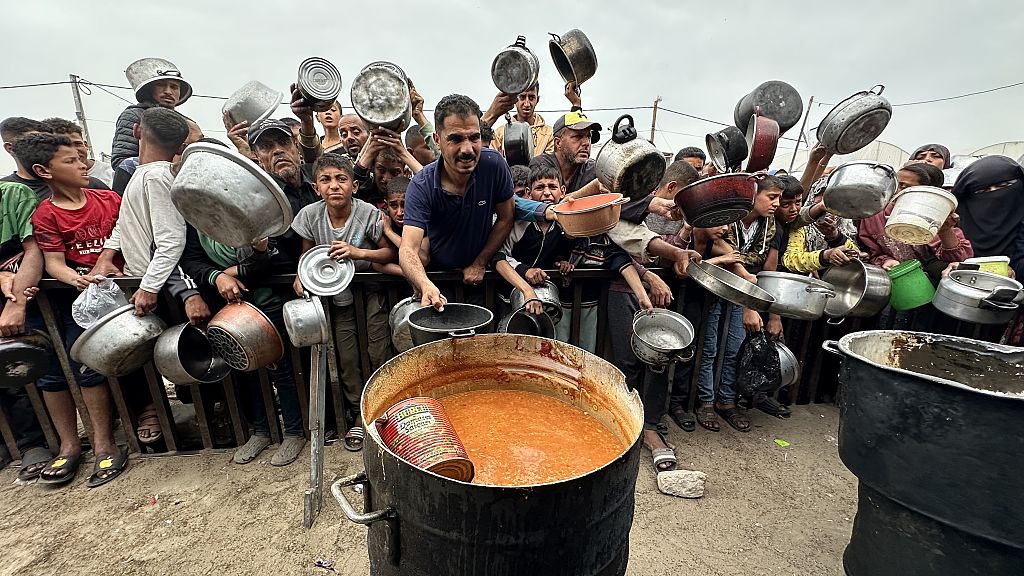
The spotlight on US policy in the Middle East remains focused on talks with Iran, with a third round set for Oman this coming weekend after discussions in Rome on April 19 offered some signs of progress. But a growing humanitarian crisis in the Gaza Strip and the stalled efforts to safely return hostages held by Hamas remain the biggest challenges that President Donald Trump’s administration has yet to address successfully.
Toni Verstandig on What We’ve Learned—and Forgotten—About Peace
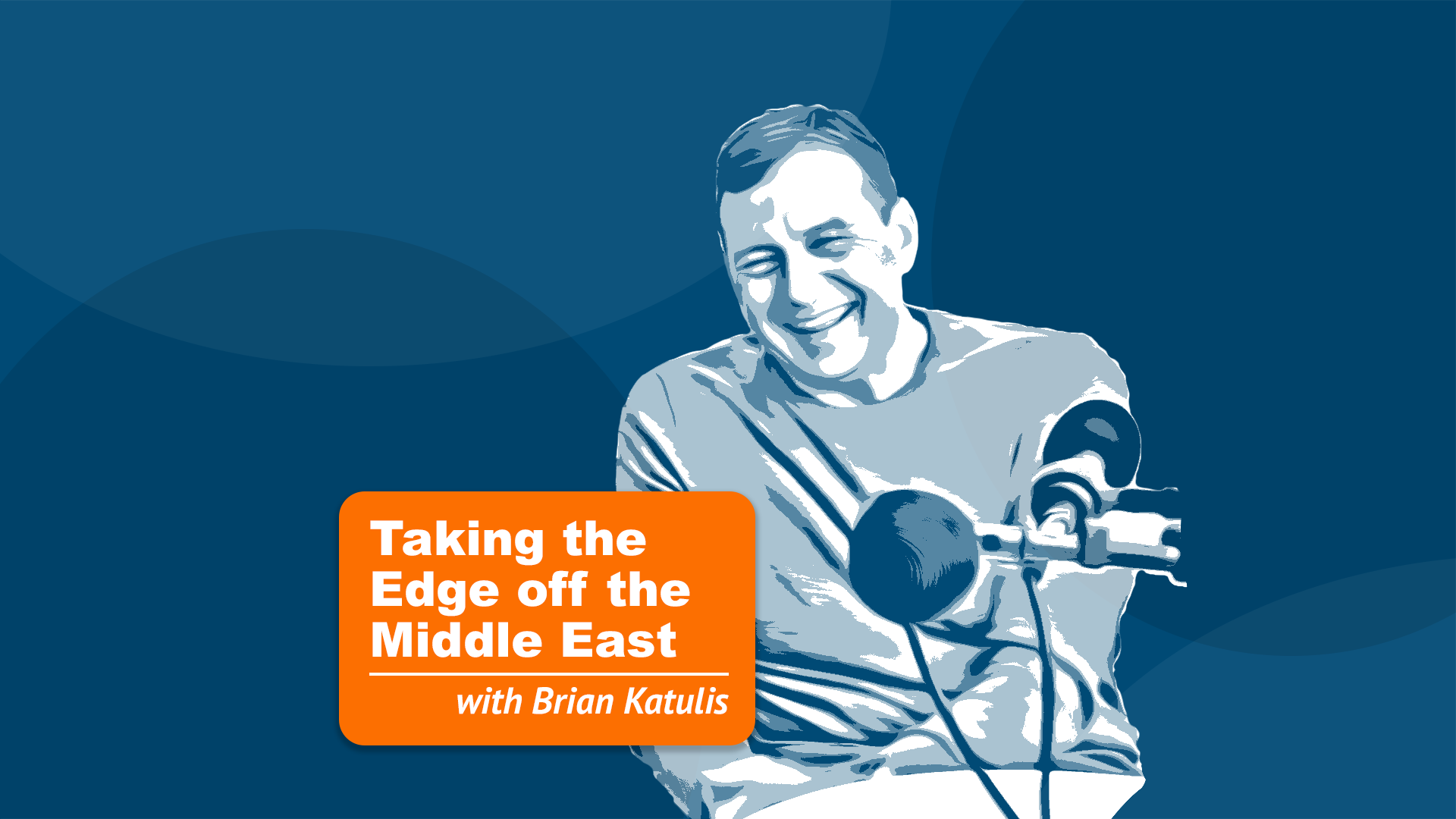
In this episode of Taking the Edge off the Middle East, Brian Katulis sits down with Toni Verstandig, former Deputy Assistant Secretary of State for Near Eastern Affairs and current board member at the Middle East Institute. Three months into the second Trump administration, they assess how the White House is reshaping US policy in the Middle East—what’s changed, what’s stayed the same, and what risks lie ahead. Verstandig reflects on lessons from her years working on the Israeli-Palestinian peace process during the Clinton era, offering both poignant stories and policy insights from a time when diplomacy looked very different. They also discuss how think tanks like MEI are stepping up at a moment when institutions like USIP and the Wilson Center are under fire.
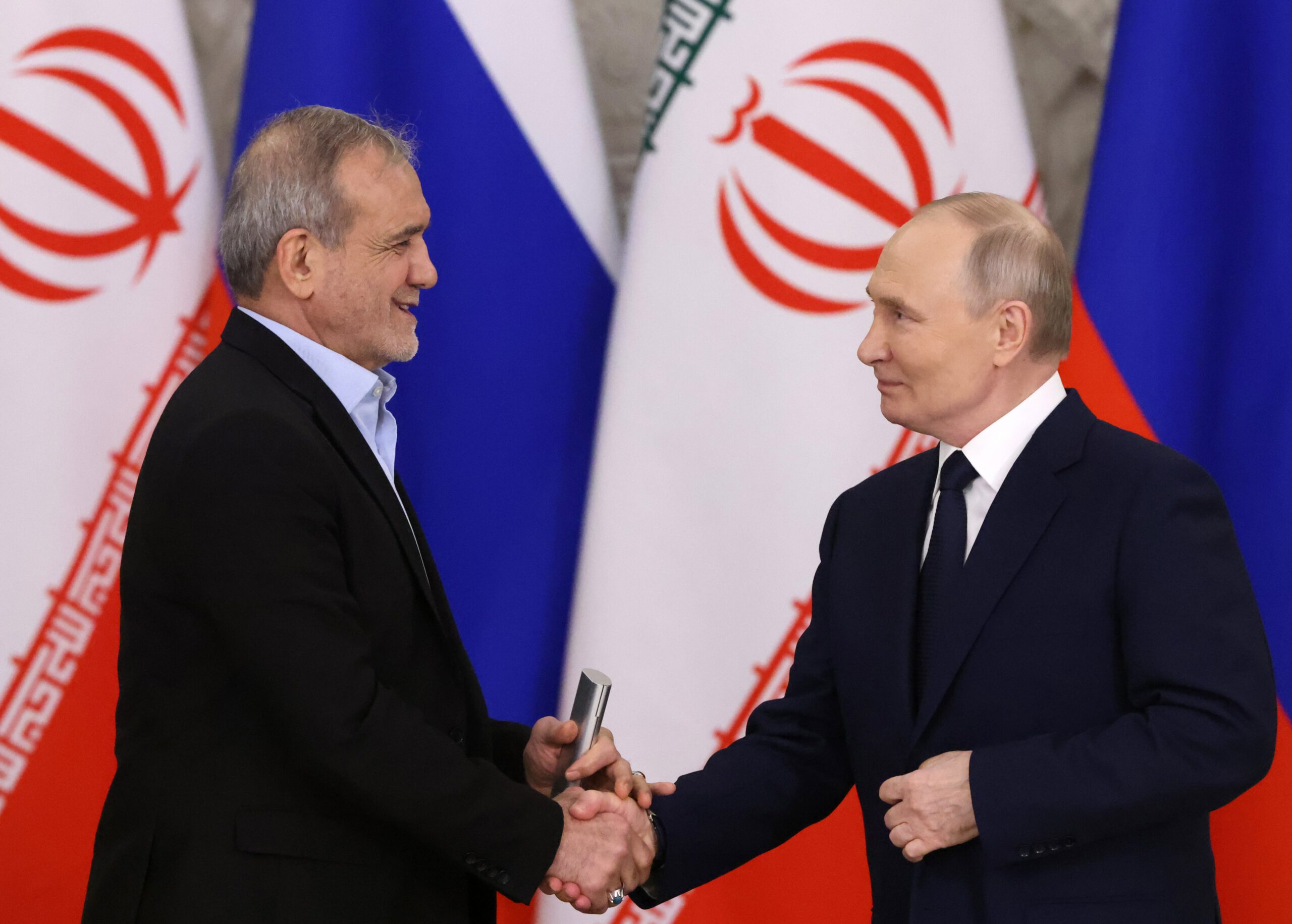
Could Russia support US-Iran negotiations? The risks outweigh the benefits.
President Donald Trump wants a deal with Iran. Russia has offered to mediate. But an agreement negotiated by Moscow would turn the Middle East upside down as well as negate years of Western efforts to impede and deter further aggression by the Kremlin.
Could Russia support US-Iran negotiations? An indirect opportunity worth exploring.
On April 12, the United States and Iran wrapped up their first round of renewed diplomatic talks in Muscat, with round two set for April 19, in Rome. In the interim, Iranian Foreign Minister Abbas Araghchi is in Moscow to coordinate with the Russians. But the real breakthrough will not come from nuclear talks alone — it will require confronting the region’s most explosive fault line: the Iranian-Israeli standoff. Russia claims it can help.
Thinking the unthinkable: Improved US-Iran relations under Trump?
It is no surprise that both Iran and the United States have approached their first diplomatic engagement in four years with wariness. There are plenty of reasons to be skeptical about the probability of the negotiations culminating in a deal. But it would be a mistake to assume that the conditions in 2025 are the same as existed in 2015. Time is not on the Iranians’ side now and changes afoot in the Middle East and the broader global community give Iran an incentive to move toward an agreement, assuming that Washington is sincere and realistic in its negotiations with Tehran.
For months, Turkey’s government has been trying to accomplish three major tasks simultaneously or nearly so to solidify its hold on power at home and enhance its influence in the broader region. Its three-pronged approach to fulfilling that goal consists of seeking to 1) crush democracy and destroy the political opposition in Turkey by bringing serious criminal charges against Ekrem İmamoğlu, the popular mayor of Istanbul; 2) bring Turkey’s pro-Kurdish party into a coalition to win the next national election with current President Recep Tayyip Erdoğan continuing his 22-year rule; and 3) leverage its new and powerful influence in Syria to neutralize Kurdish power in the northeast and in the Syrian national government.
Two Years of War in Sudan and the Elusive Path to Peace
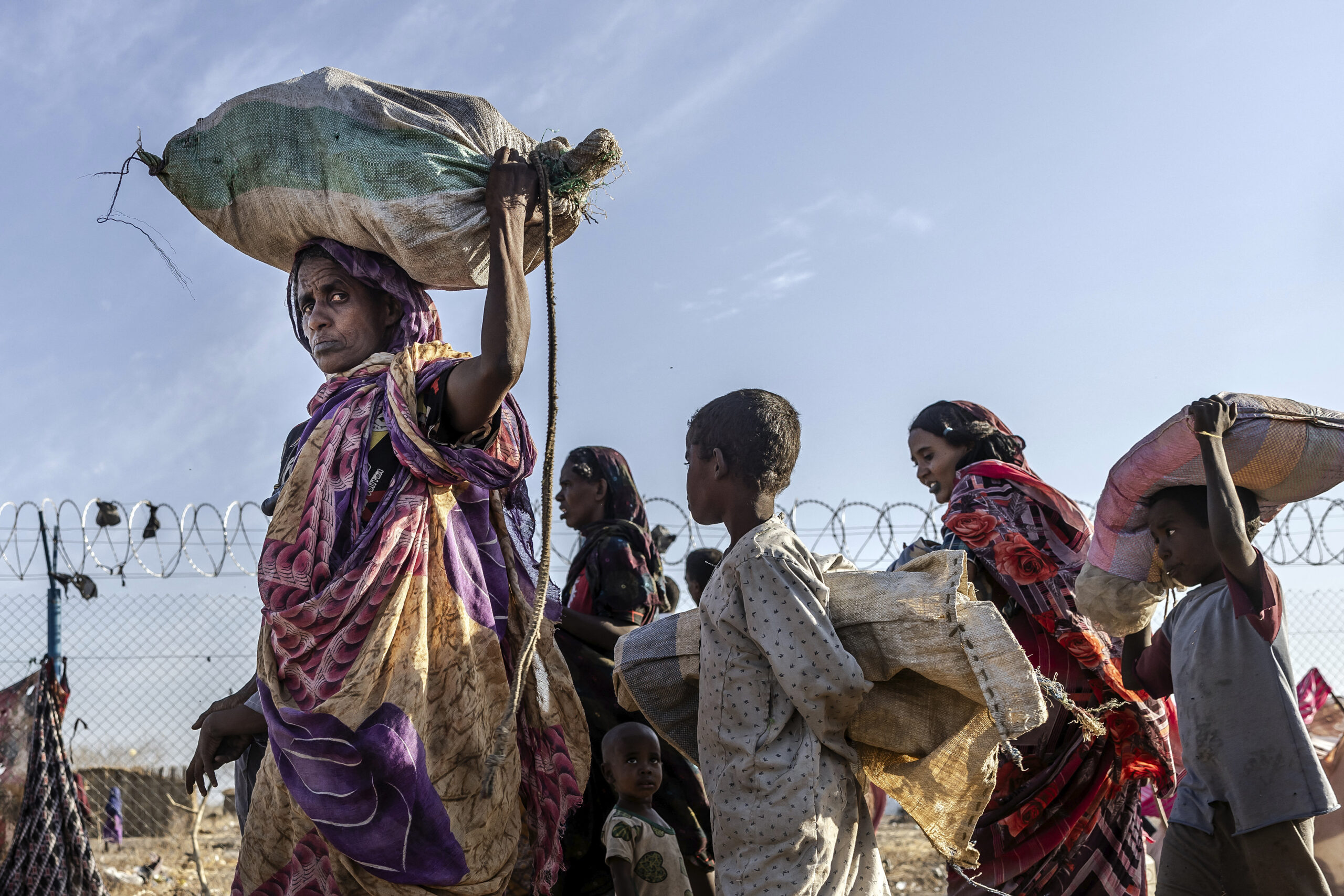
As Sudan’s civil war enters its third year, the humanitarian catastrophe continues to spiral, with more than 12.7 million people displaced and little hope of resolution in sight.
Jehanne Henry, MEI Associate Fellow and former Africa Director at Human Rights Watch, joins hosts Alistair Taylor and Matthew Czekaj to assess the latest developments on the ground. She outlines the scale of devastation, the regional spillover effects, and the war economy fueling the fighting.
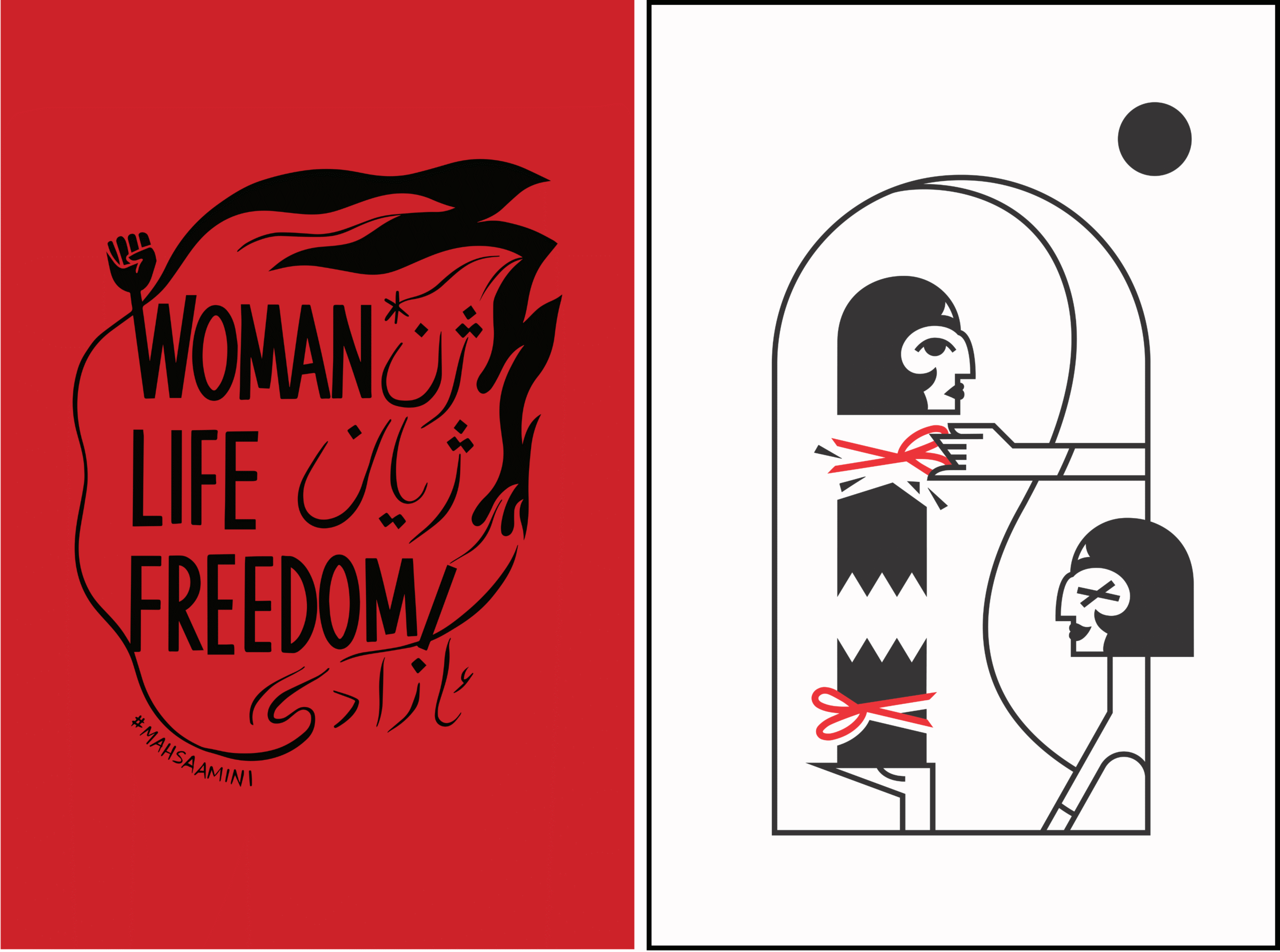
Woman, Life, Freedom: How the Arts Energized Iran’s Women-Led Uprising
The Middle East Institute’s (MEI) Arts and Culture Center invites you to join an in-person panel conversation on the role of the arts in Iran’s Woman, Life, Freedom protest movement and the impact it continues to have three years after the death of Mahsa Amini at the hands of Iran’s morality police.
Three issues to watch in Trump’s emerging Iran policy approach
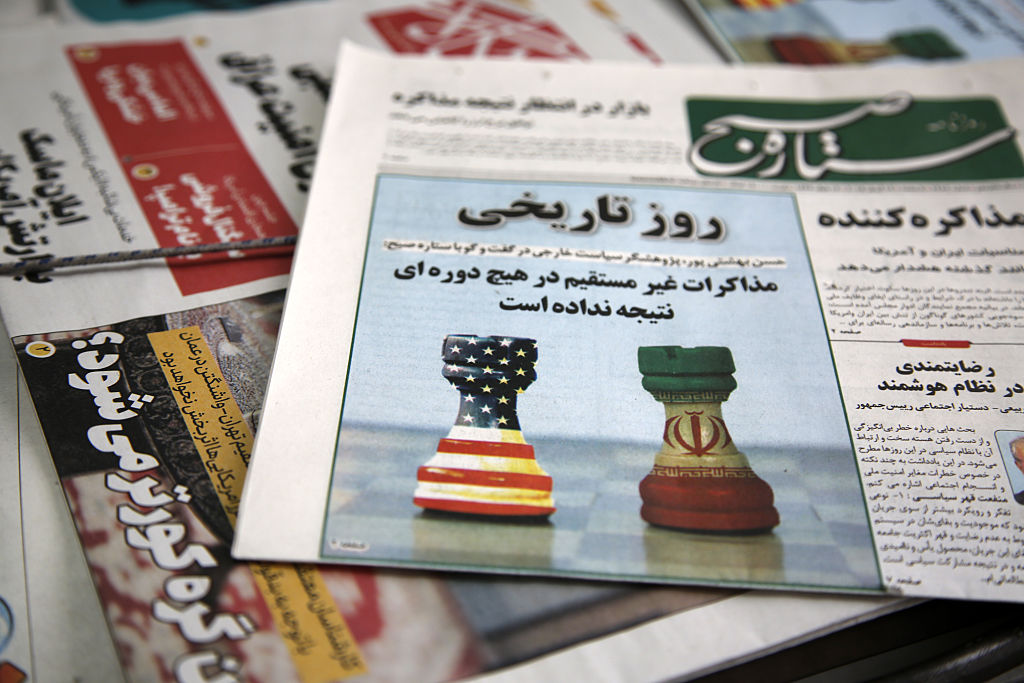
The biggest development this past week in the Middle East policy of Trump’s second administration was the initiation of talks between the United States and Iran. This small sign of hope for diplomatic progress comes at a time when the administration continues to implement an assertive and unpredictable economic unilateralism that has roiled global markets and reduced trust and confidence between the United States and most close international partners. Brian Katulis unpacks three things to watch closely as Trump’s Iran policy evolves and his broader national security approach unfolds.
Sheikh Tahnoon in Washington: UAE-US relations reimagined for the 21st century with technology at the core
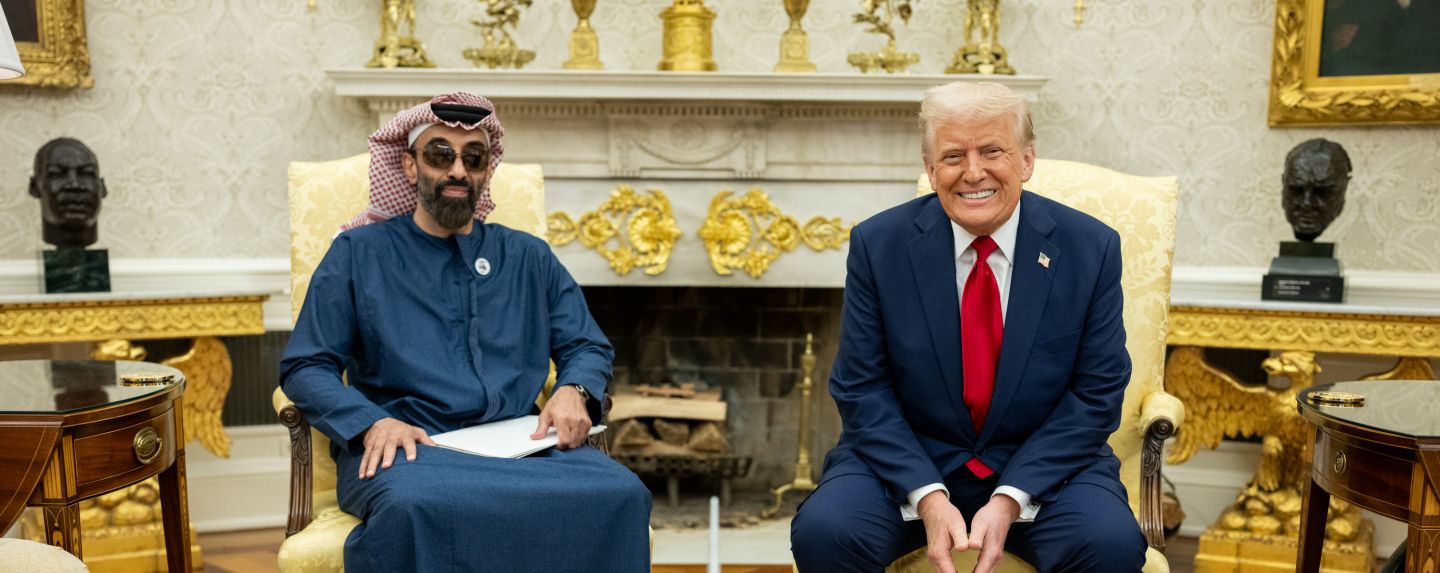
Sheikh Tahnoon bin Zayed, the United Arab Emirates’ national security adviser and a central figure in its tech and security landscape, visited Washington for high-level engagement with President Donald Trump’s team late last month, signaling a transformative shift in UAE-US relations.
MENA Energy Recap, Q1-2025: Tariffs and Sanctions Loom Large as Trump Returns
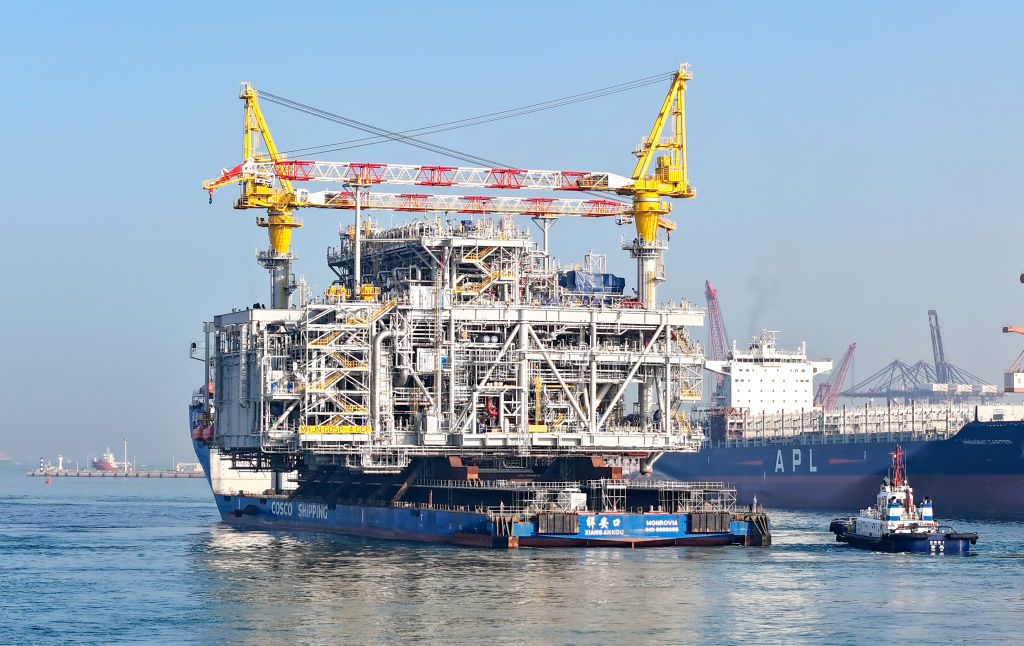
The MENA Energy Recap is a quarterly review of key energy developments that took place in the Middle East and North Africa region from January to March 2025 and what they signal for the months ahead. The Recap views these developments through the lenses of policy and strategy, energy security, and markets.
ISIS is on the ropes in Syria. A successful transition in Damascus could deliver a knockout blow
For much of the past two decades, ISIS has enjoyed favorable conditions in Syria, but since the fall of Bashar al-Assad’s regime in December 2024, dynamics have changed. With Assad’s departure, ISIS lost its long-standing and vitally important safe haven in Syria’s central desert and its most significant driver for recruitment. The results — so far — have been dramatic.
Two years on, Sudan’s war seems further than ever from resolution. Can US involvement help peace efforts?
Two years on, the war between the Sudanese Armed Forces and the paramilitary Rapid Support Forces has created the world’s largest humanitarian crisis and wrought terrible destruction.