This individual is a guest contributor. MEI is not able to assist with contact requests.
Shahmahmood Miakhel is the Country Director in Afghanistan for the US Institute of Peace (USIP). Prior to that he was a Governance Advisor for the United Nations Assistance Mission in Afghanistan (UNAMA), and, from 2003–2005, a Deputy Minister of the Interior in the Government of Afghanistan. In 1994–1995 he worked for the United Nations Development Programme (UNDP) and United Nations Office for Project Services (UNOPS) in South and Southeast Afghanistan helping to establish District Rehabilitation Shuras (DRS). He also worked as a reporter for the Pashto service of the Voice of America from 1985–1990.
On this week’s episode Alistair Taylor, MEI’s editor-in-chief, is joined by Mick Mulroy and Eric Oehlerich, Senior Fellows with MEI’s Defense & Security Program and the Co-founders of the Lobo Institute and End Child Soldiering, to discuss efforts to stop the recruitment and use of children in combat and rehabilitate former child soldiers. The use of child soliders is a widespread global problem that has a disproportionate impact on the broader Middle East, especially in Yemen, Syria, Sudan, and Somalia.
A Three-Part Formula to Persuade Armed Groups in Yemen to Respect Human Rights
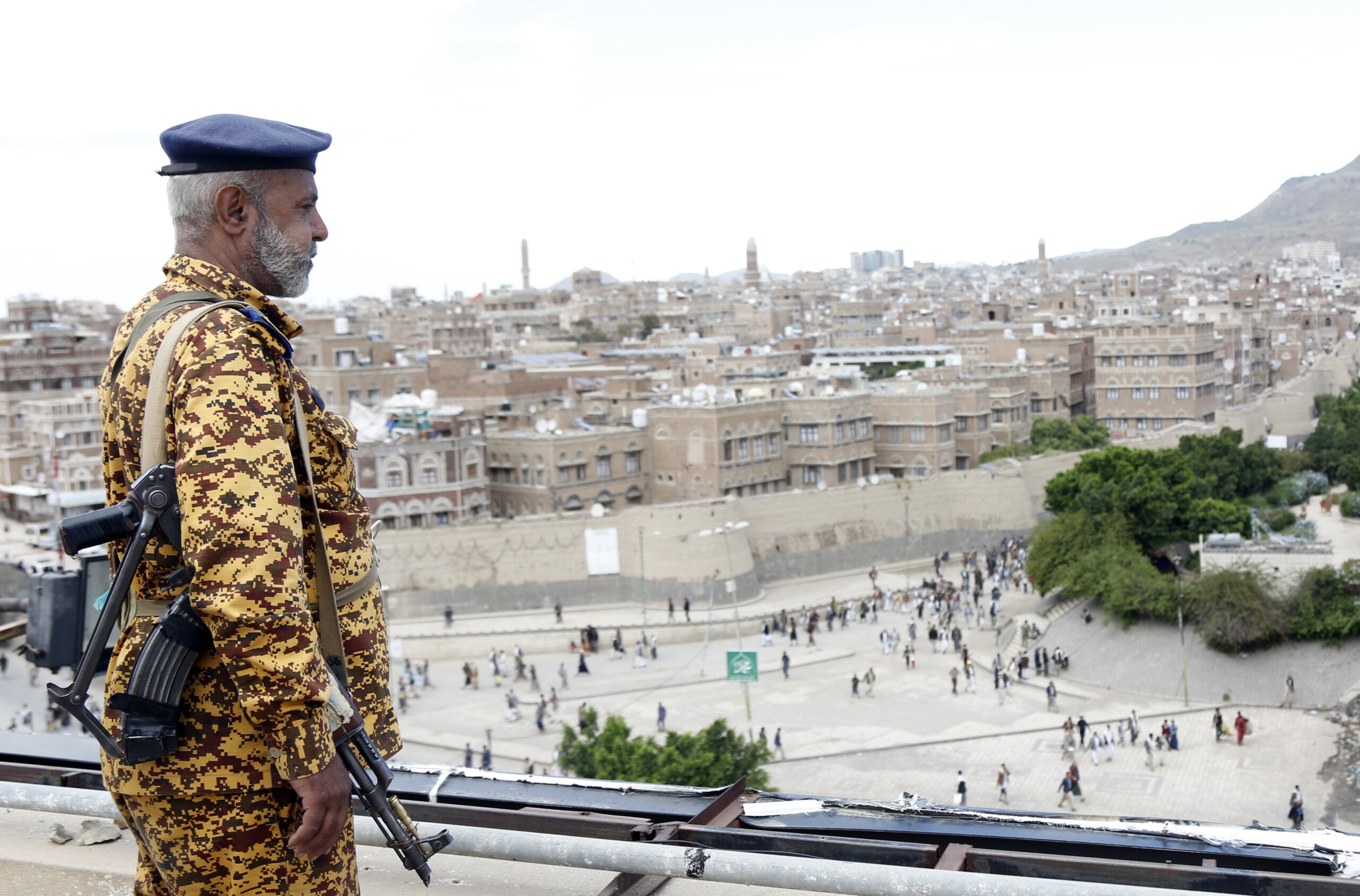
During nearly a decade of grinding civil war in Yemen, nonstate armed groups and hybrid actors have proliferated on all sides of the conflict. Members of some armed groups have committed violations against civilians, including arbitrary detentions, forced disappearances, torture, land grabbing, extortion, and gender-based violence.
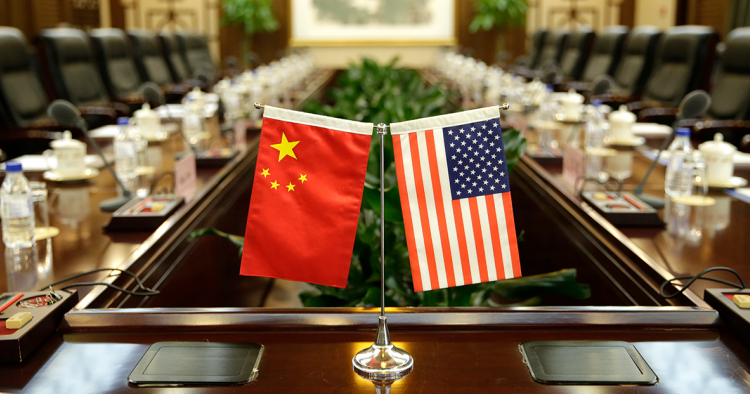
Managing US competition with China in the Middle East
US retrenchment in the Middle East was inevitable given America’s new global priorities, which centre on the Indo-Pacific and Europe. But this historic transition has brought with it strategic uncertainty and confusion, not just for Washington but also for US regional partners.
To effectively navigate this new contested environment in the Middle East, and more specifically, to address the issue of China’s encroachment into that vital part of the world, Washington needs policy clarity and shrewd management of its relations with its regional partners.
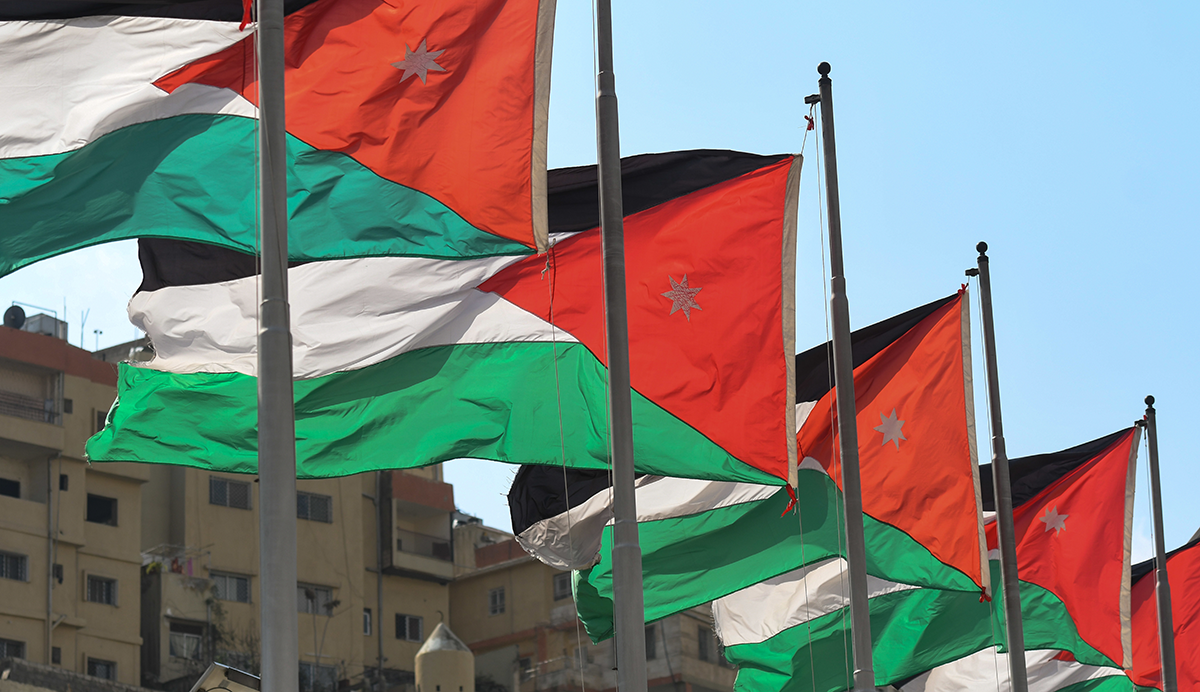
In the past few years, Jordan’s public debt has become a major policy concern for the government, the international community, and key donors that support Amman. The public debt has risen significantly over the past 15 years, raising many questions about Jordan’s future macroeconomic stability, public debt sustainability, and the government’s ability to finance development projects.
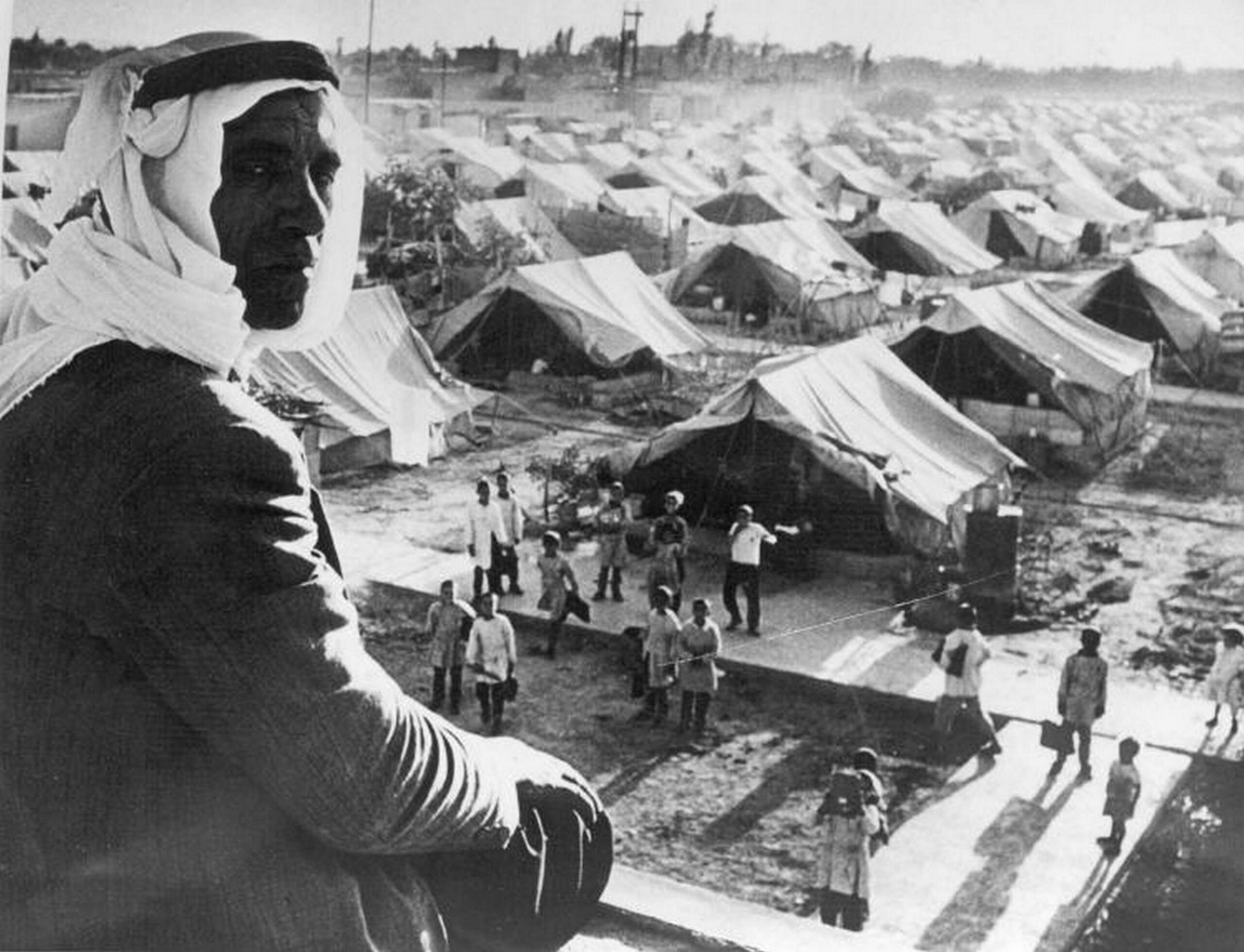
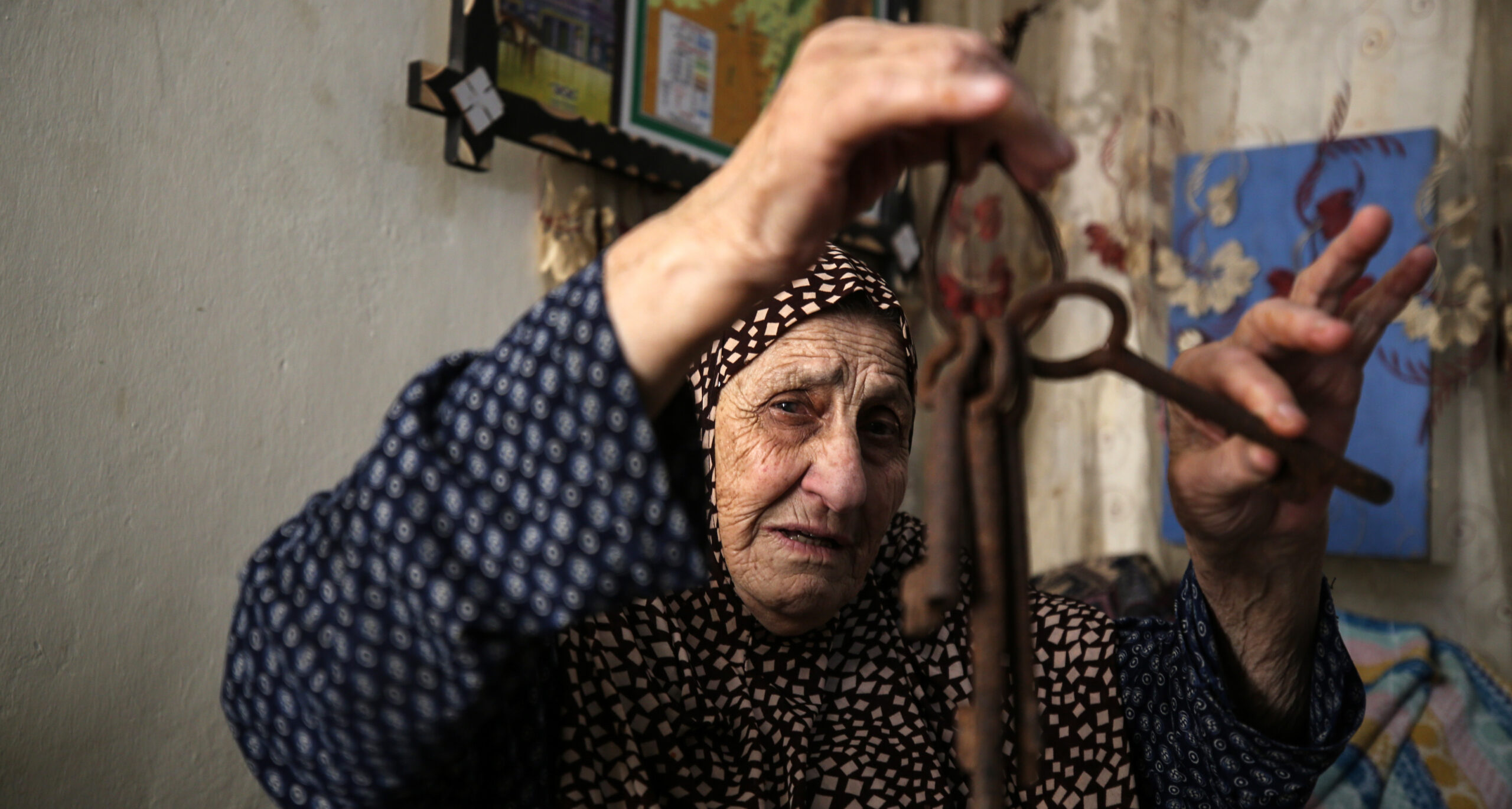
For Palestinians, the Nakba (Catastrophe) is a somber occasion that represents the loss of their homeland and the forced displacement that followed. To truly understand the tragedy of the Nakba and the ongoing trauma experienced by Palestinians, it is important to humanize their experiences. By listening to and amplifying these voices, we can begin to truly understand the complexity and depth of the Palestinian experience.
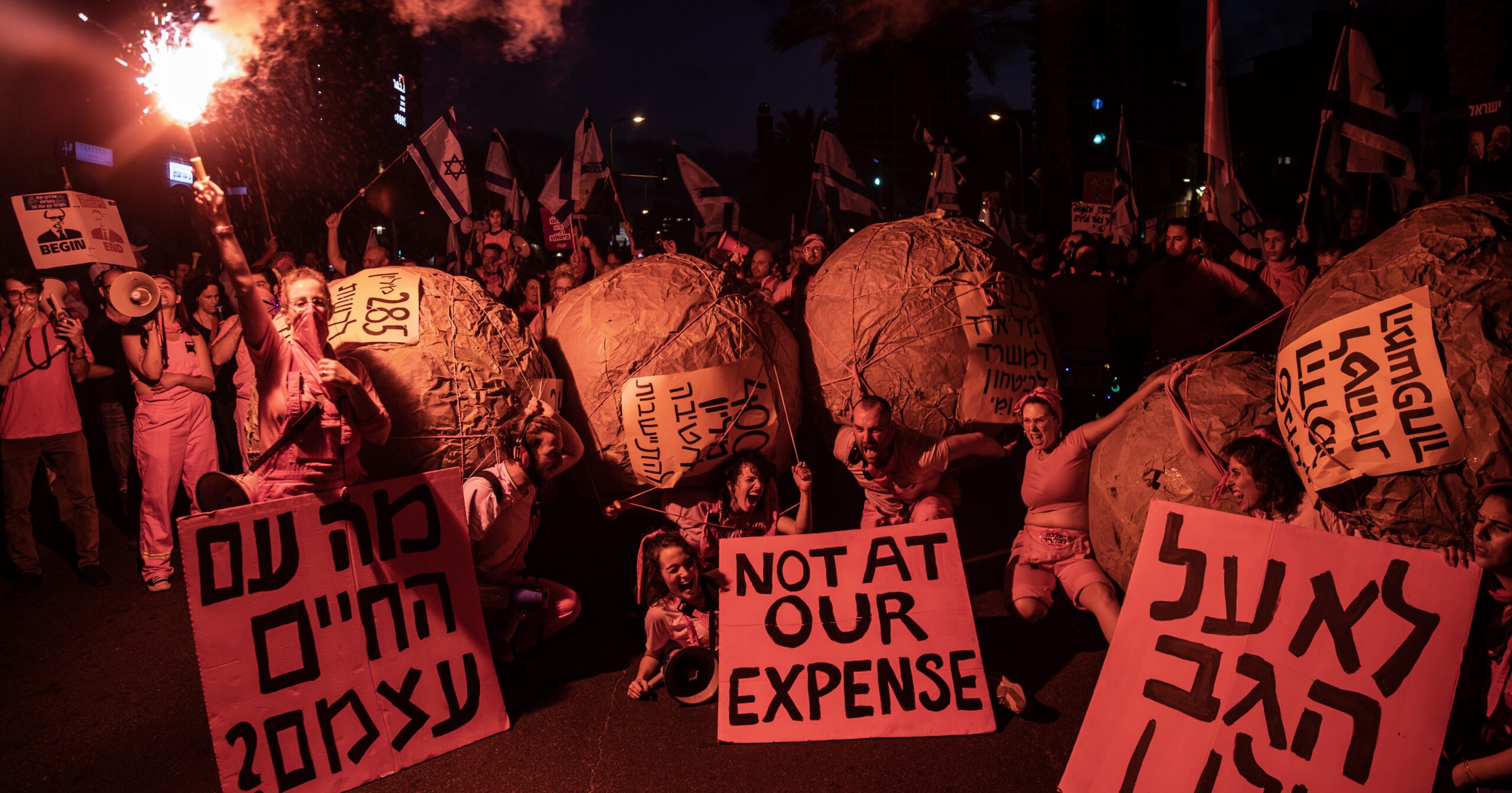
Even with all eyes on Gaza, the struggle for Israel’s democracy continues
The costs that Israeli Prime Minister Benjamin Netanyahu and the State of Israel have been paying following the government’s first months in office have become more and more significant in recent weeks, and are they are not forgotten even as Israelis focus on coping with a cycle of warfare with Palestinian Islamic Jihad in Gaza.
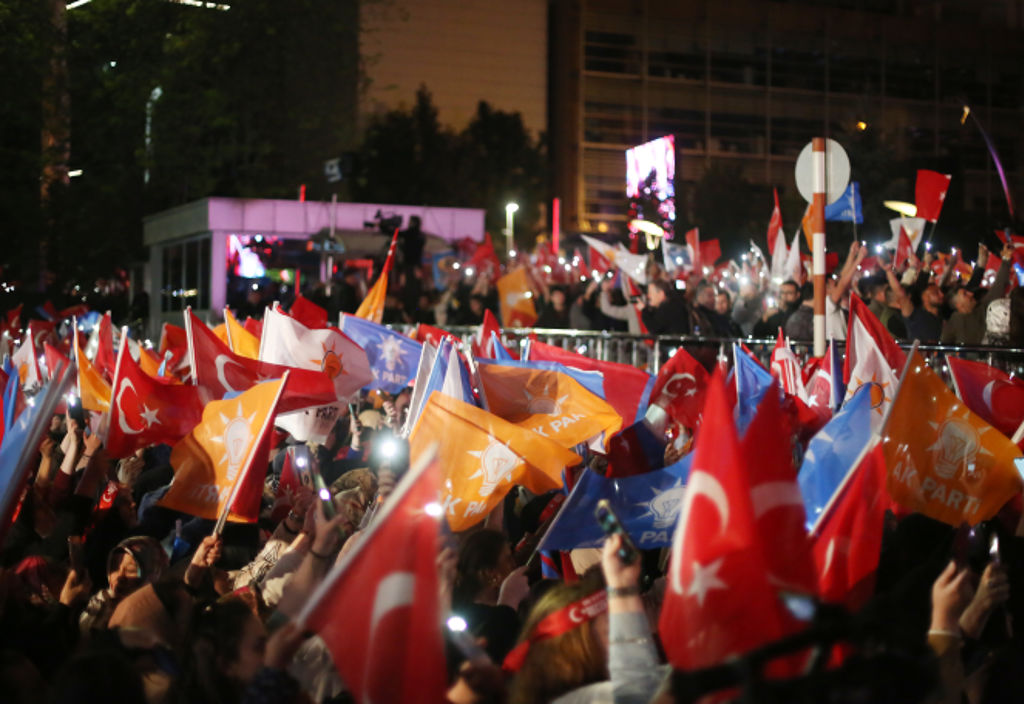
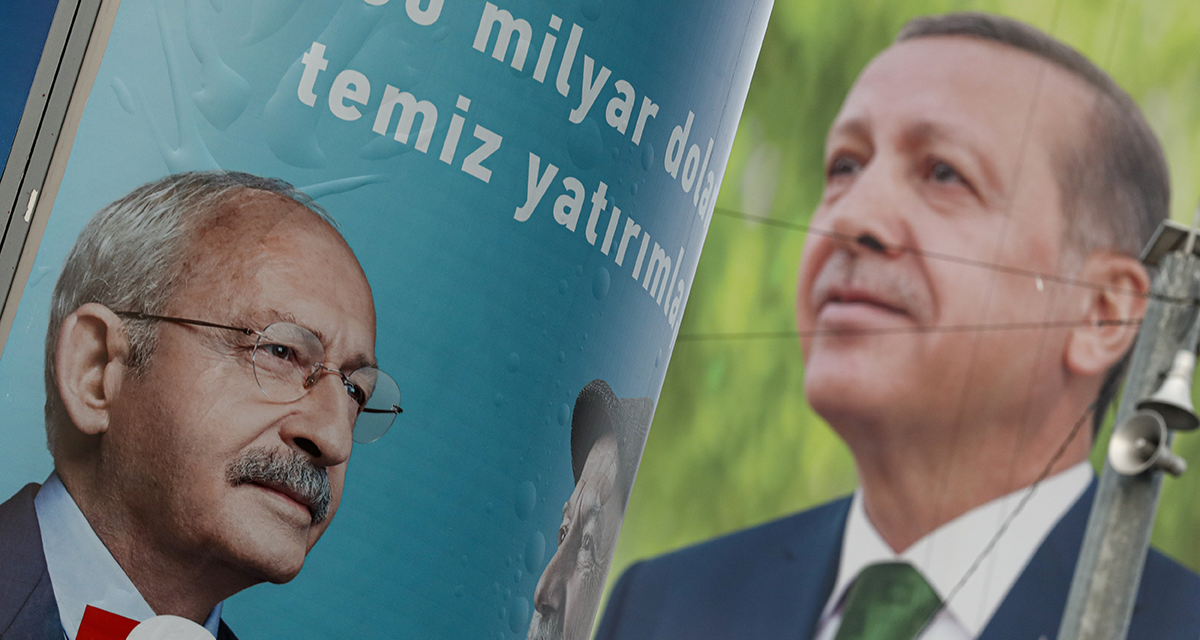
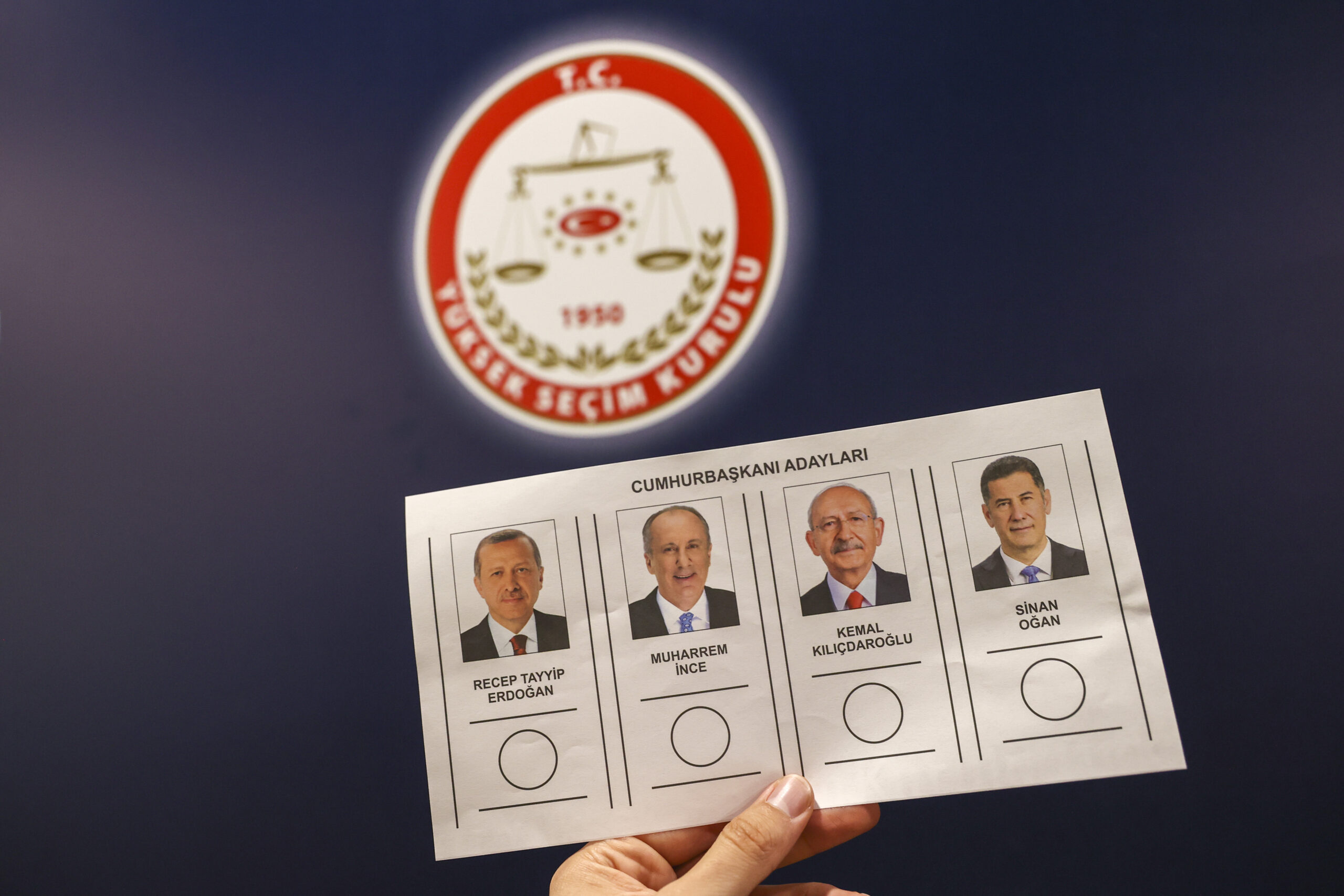
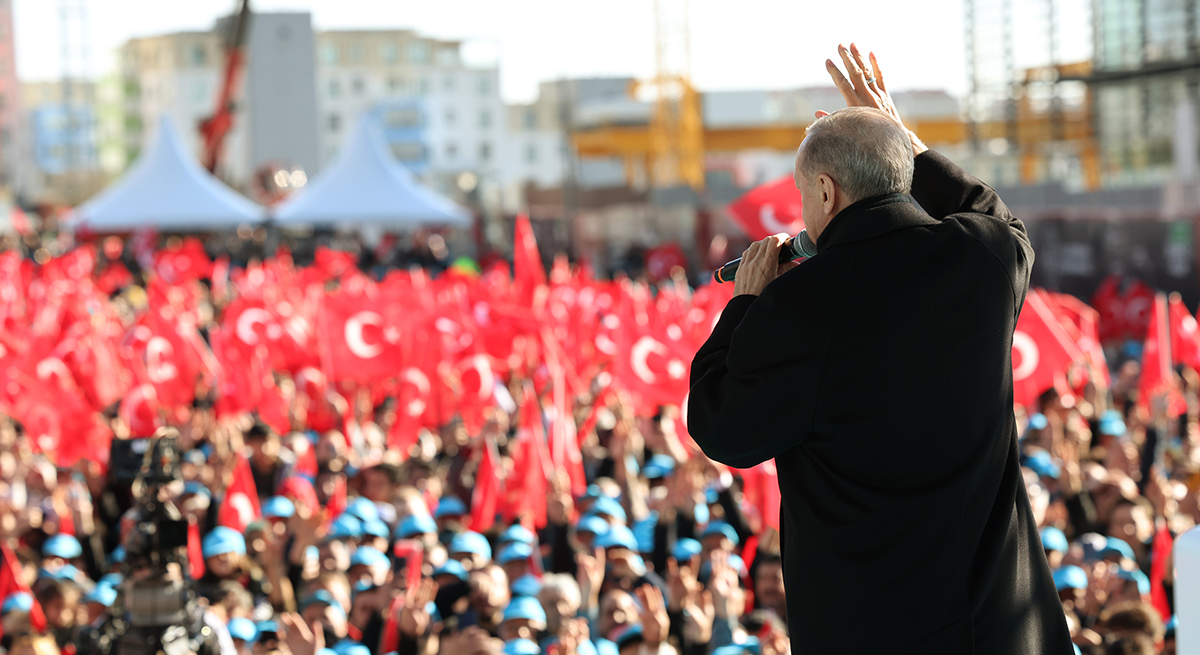
In what may or may not be the last edition of Turkish Election Watch: Could minor candidates İnce and Oğan affect the election outcome, Putin votes, Erdoğan meets the young — and makes some threats, and no predictions.
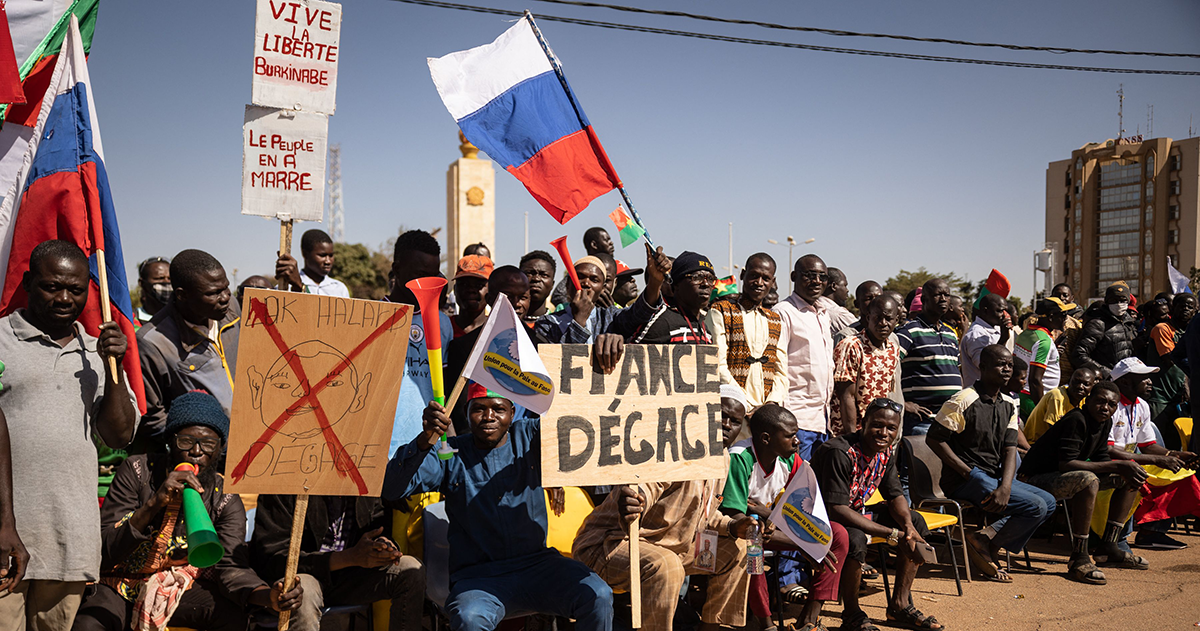
Shifting sentiments in the Sahel: Anti-France or pro-Russia?
In recent months, fervent anti-French sentiment has been on the rise in Burkina Faso and Mali. In February 2023, the Burkinabe army announced the end of the French Sabre Force in the West African country. This came three weeks after the transitional government withdrew from the 2018 defense agreements with France that had previously allowed 400 French troops to be stationed in a cantonment outside of the capital, Ouagadougou.
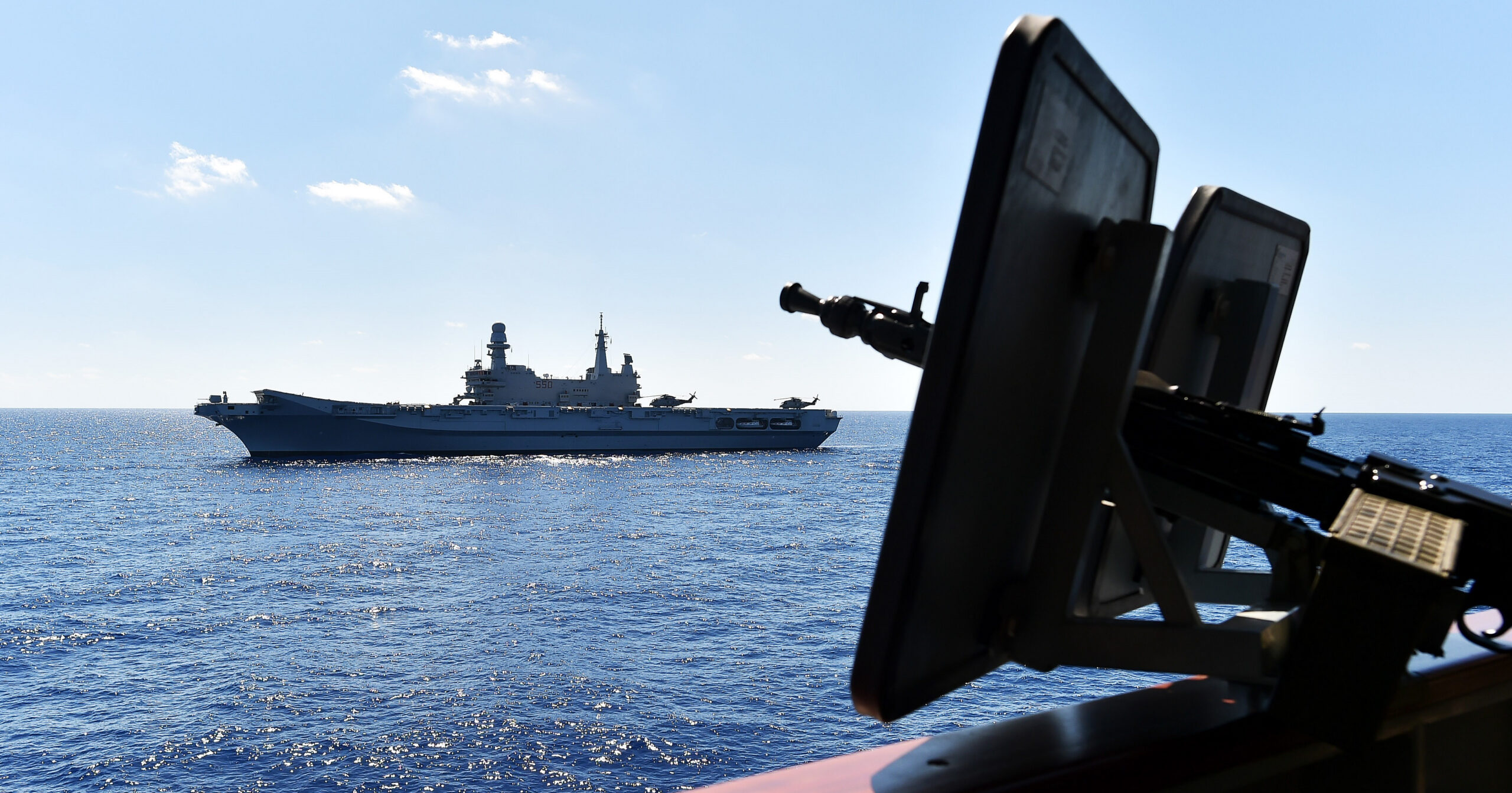
Navigating complex maritime security challenges in the Black and Mediterranean seas: Insights from the updated EUMSS
Russia’s February 2022 full-scale invasion of Ukraine helped influence the updated European Maritime Security Strategy’s approach to the Black and Mediterranean seas, with implicit and explicit references to the war dispersed throughout the document. The updated EUMSS showcases the wide array of security issues present in the region, including seaborne UXOs, human and drug trafficking, and threats to critical infrastructure. But security in the Black and Mediterranean seas will require greater cooperation with non-EU countries.
Is blue the new green? Opportunities for developing a climate-resilient blue economy in the MENA region
The blue economy can offer huge potential in climate change mitigation and resilience, given the fact that marine habitats, such as mangroves, tidal marshes, and seagrass meadows, provide significant protection from erratic climate events. MENA countries would benefit from developing the blue economy to aid in reversing natural resource degradation, sustaining inclusive economic development, and building resilience to climate change.
On this week’s episode Alistair Taylor, MEI’s editor-in-chief, is joined by Gönül Tol, the founding director of MEI’s Turkey Program and the author of “Erdogan’s War: A Strongman’s Struggle at Home and in Syria,” to discuss Turkey’s critical upcoming elections. After two decades in power, President Recep Tayyip Erdogan and the Justice and Development Party (AKP) are facing unprecedented challenges, including an economy in shambles, the ongoing impact of the devastating early February earthquakes, and a united opposition.