This individual is a guest contributor. MEI is not able to assist with contact requests.
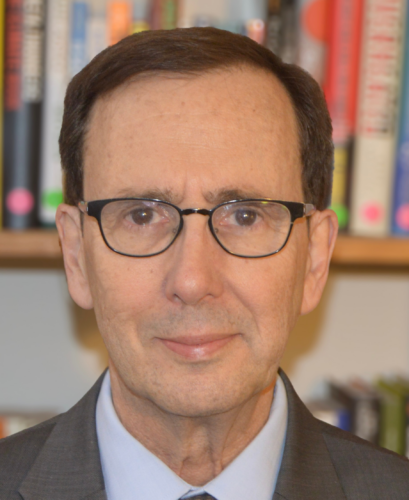
Shahmahmood Miakhel is the Country Director in Afghanistan for the US Institute of Peace (USIP). Prior to that he was a Governance Advisor for the United Nations Assistance Mission in Afghanistan (UNAMA), and, from 2003–2005, a Deputy Minister of the Interior in the Government of Afghanistan. In 1994–1995 he worked for the United Nations Development Programme (UNDP) and United Nations Office for Project Services (UNOPS) in South and Southeast Afghanistan helping to establish District Rehabilitation Shuras (DRS). He also worked as a reporter for the Pashto service of the Voice of America from 1985–1990.
Morocco’s green mobility revolution: The geo-economic factors driving its rise as an electric vehicle manufacturing hub
Rabat’s recent announcement that it would soon sign an agreement for the construction of a “gigafactory” to make electric vehicle (EV) batteries has placed Morocco in pole position to become a green mobility leader in the Middle East and North Africa.
Ten months on from last October’s elections, Iraq still does not have a new government and faces a deepening political crisis. To understand the current situation’s perils and what may be next for the future of the country, we are joined by Farhad Alaaldin, chairman of the Iraq Advisory Council, and Robert Ford, MEI Senior Fellow and former Ambassador to Syria and Algeria.
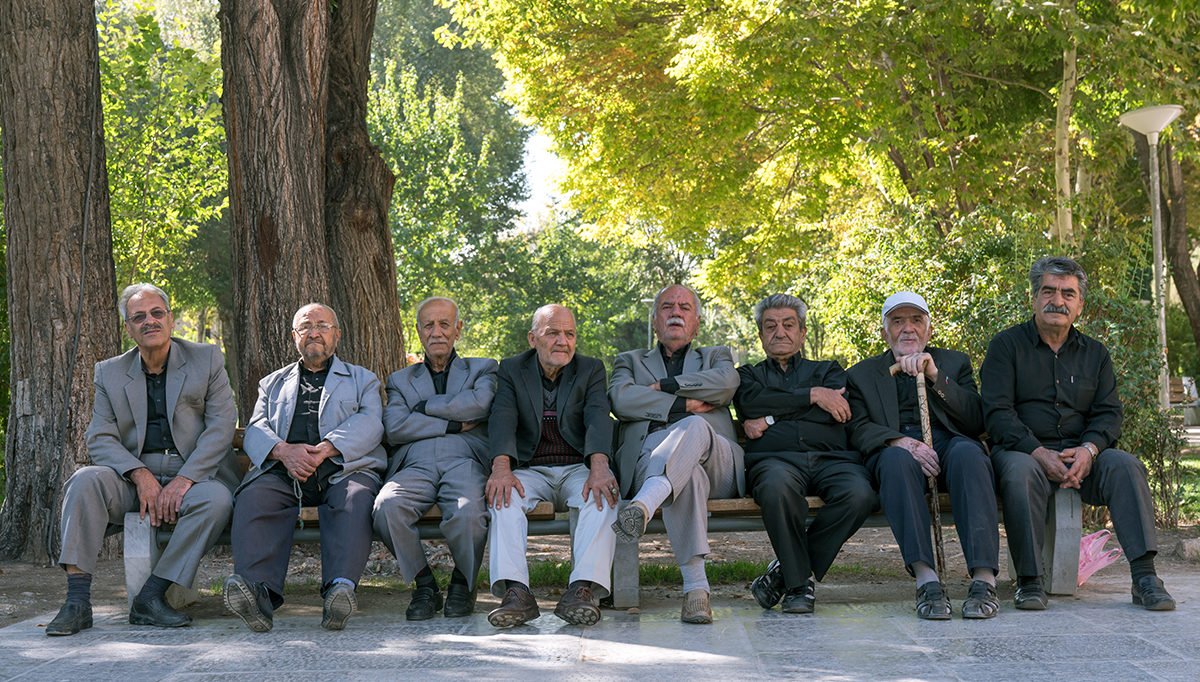
What Iran’s emerging demographic “tsunami” means for Tehran
Officials in the Islamic Republic of Iran have been warning about an emerging demographic “tsunami” as local and international forecasts suggest the country could have one of the five largest elderly populations by 2050. Nearly 11% of Iranians are now over 60 years old, and this figure could significantly increase going forward.
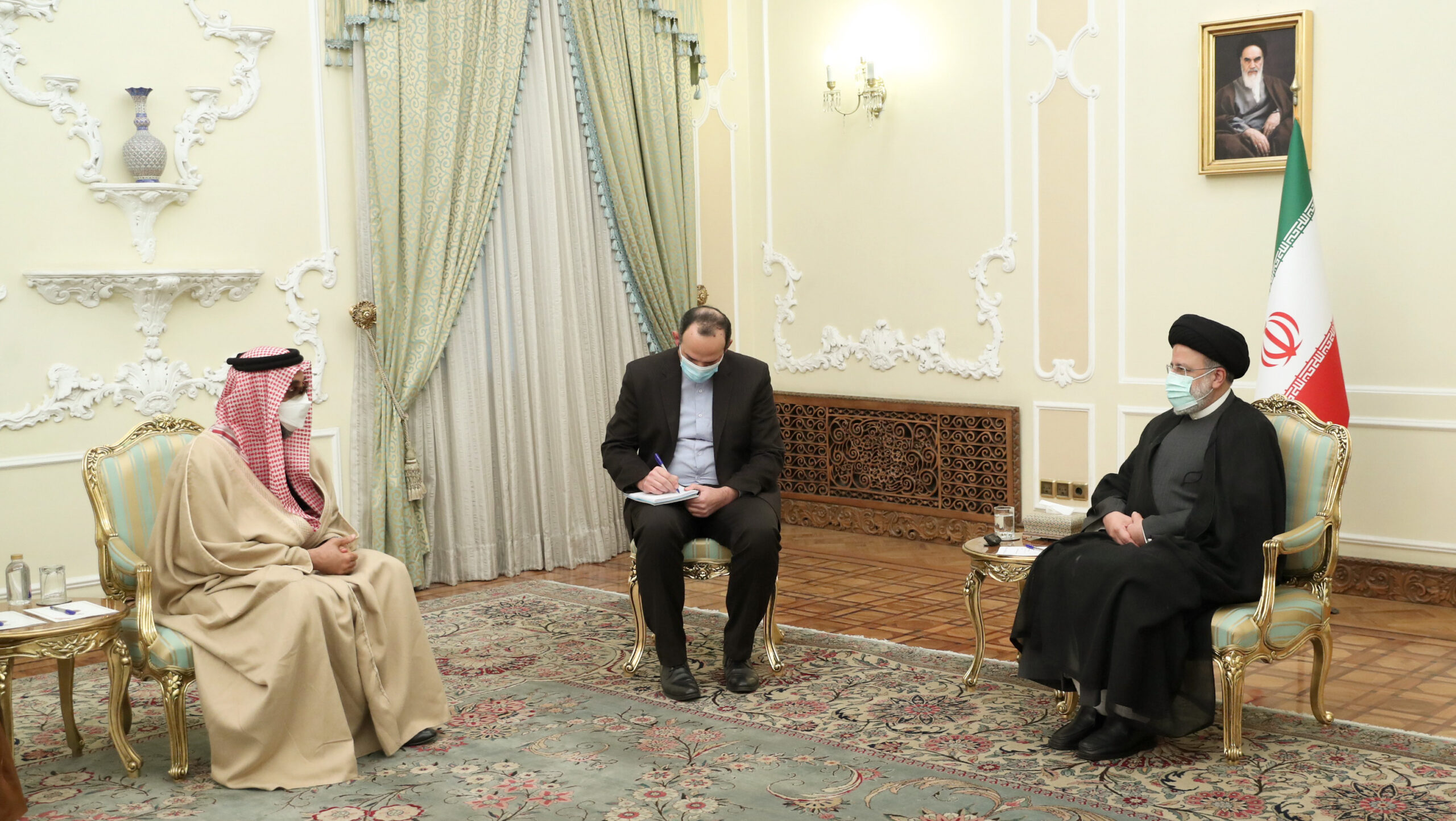
The diplomatic ice is breaking in the Gulf. What does that mean for the region?
The announcements in mid-August that both the United Arab Emirates and Kuwait will be returning their ambassadors to Tehran after six years provided the latest indication that the diplomatic ice has started to break in the Gulf region.
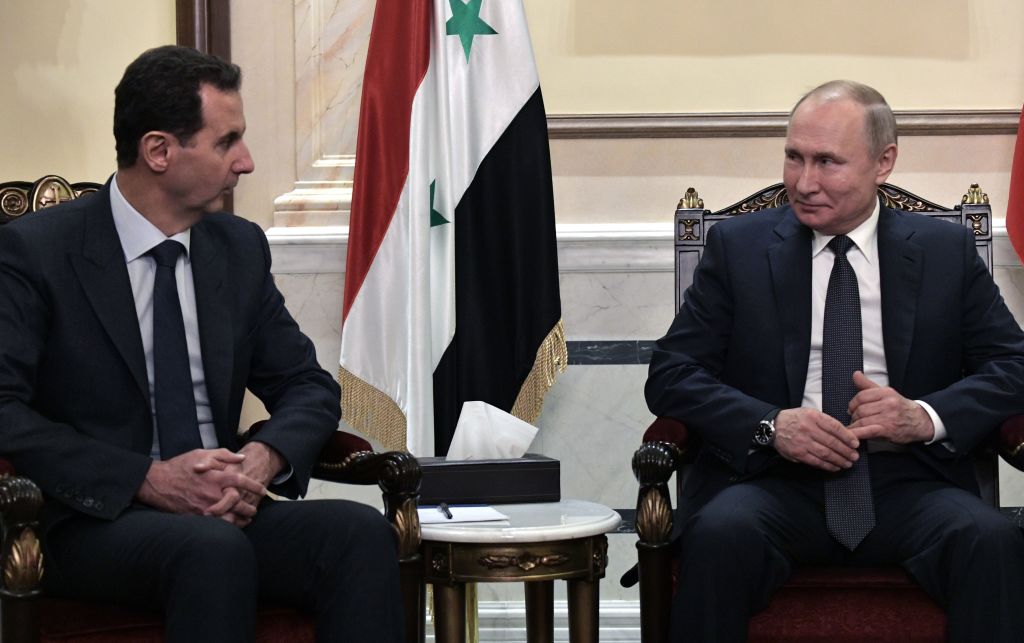
Syrian foreign policy in the Caucasus and Ukraine: An unbalanced, Russia-centered approach
The embattled Syrian regime’s need to preserve Russian military and political support has compelled Damascus to adopt the Kremlin line in its foreign policy positions toward the former Soviet space.
Trump Didn’t Kill the Carter Doctrine—It Was Born Dead
The United States and its Gulf Arab partners need a new security arrangement that effectively shares the burden of defending against Iranian hostility and goes beyond deterrence.
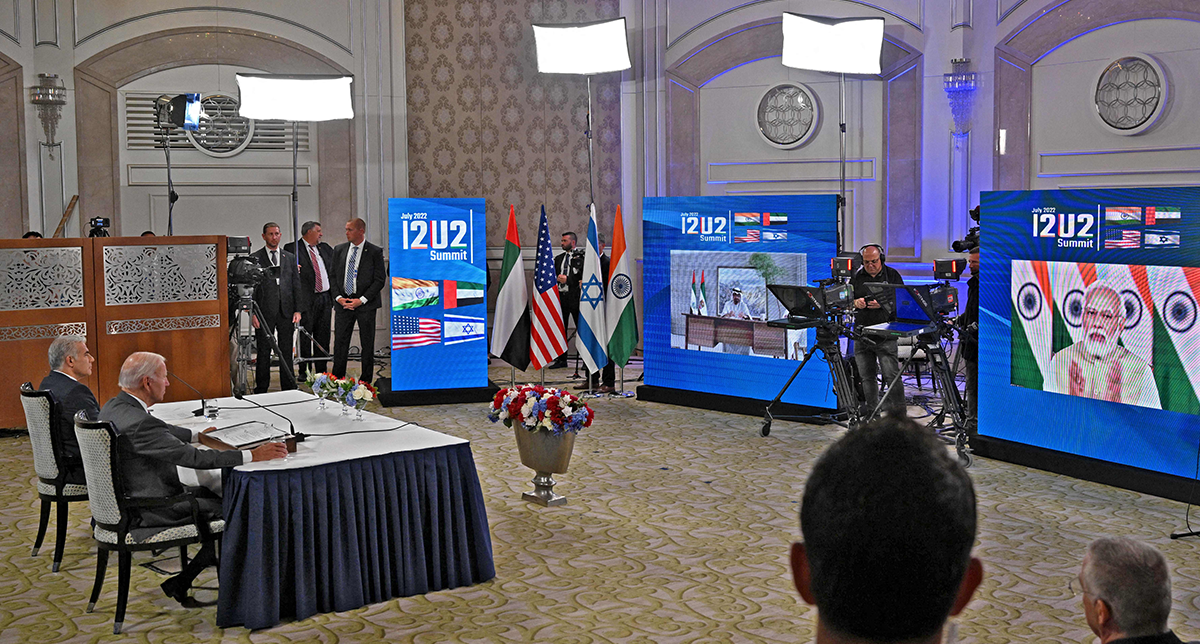
The July 2022 leaders’ meeting took good steps on energy and food security, but Egypt and Saudi Arabia can help take the I2U2 to the next level when it comes to regional security.
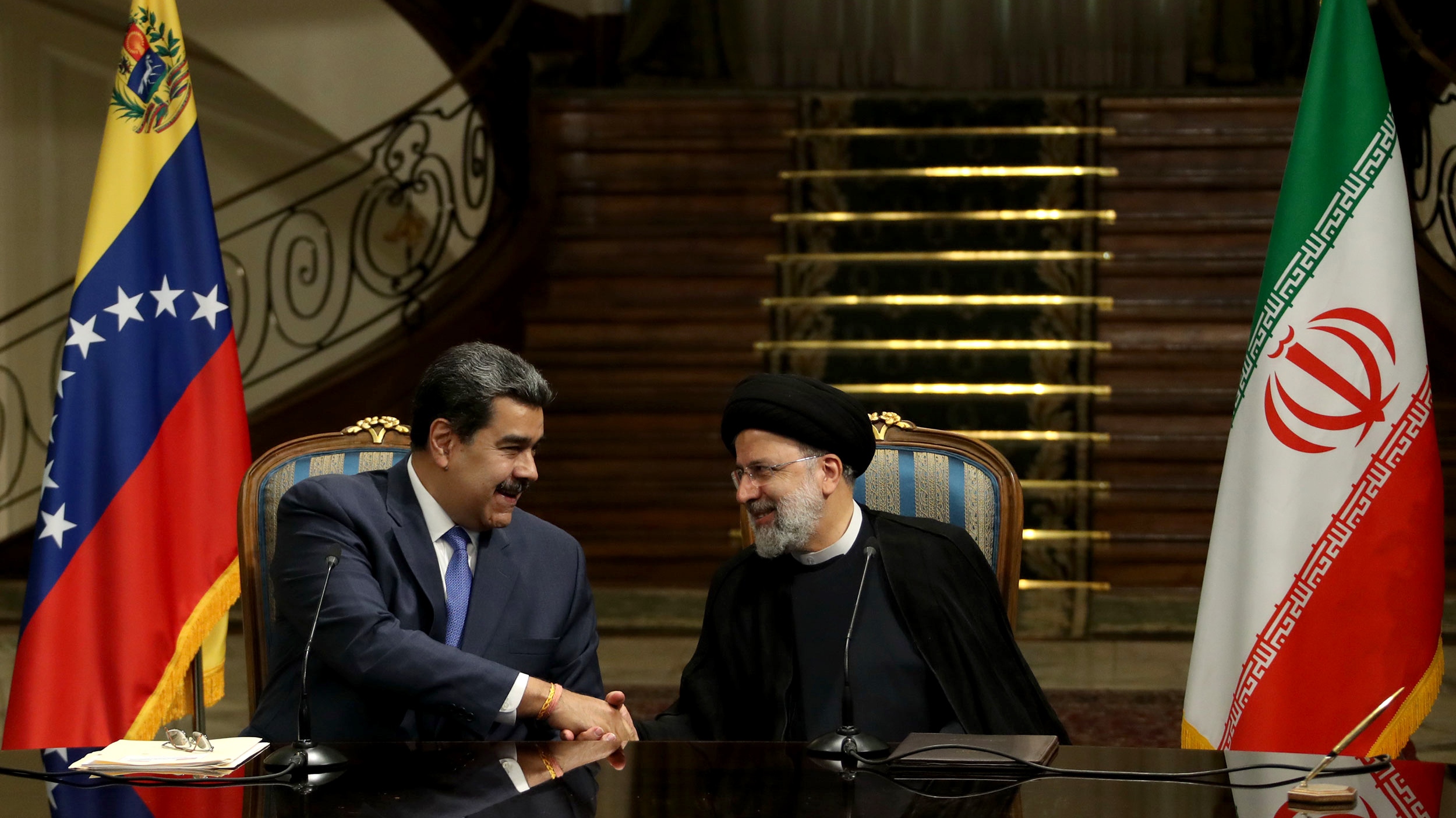
Iran-Venezuela relations: Presidents, postures, and pressures
In June, Iran and Venezuela signed a 20-year road map on cooperation. As much as Iranian President Ebrahim Raisi has wanted to differentiate himself from his predecessor, his Venezuela policy has so far closely resembled that of Hassan Rouhani during the latter’s second term.
مثل الولايات المتحدة وأوروبا، شهد المغرب بدوره ارتفاعًا في معدلات التضخم مؤخرًا، مسجلة معدلا وصل 6.4 في المائة خلال يوليو 2022، وهو تضخم قادم من الخارج، يسمى ب”التضخم المستورد”. فبفضل سياسته النقدية المتينة، تمكن البلد من إبقاء التضخم عند الحد الأدنى في الماضي، لكن الوضع تغير الآن، كما أن السياسة النقدية المحلية غير قادرة على مواجهة العوامل الخارجية التي أدت إلى الارتفاع الأخير في الأسعار.
Is Chechnya’s leader a ticking time-bomb for Russian-Turkish relations?
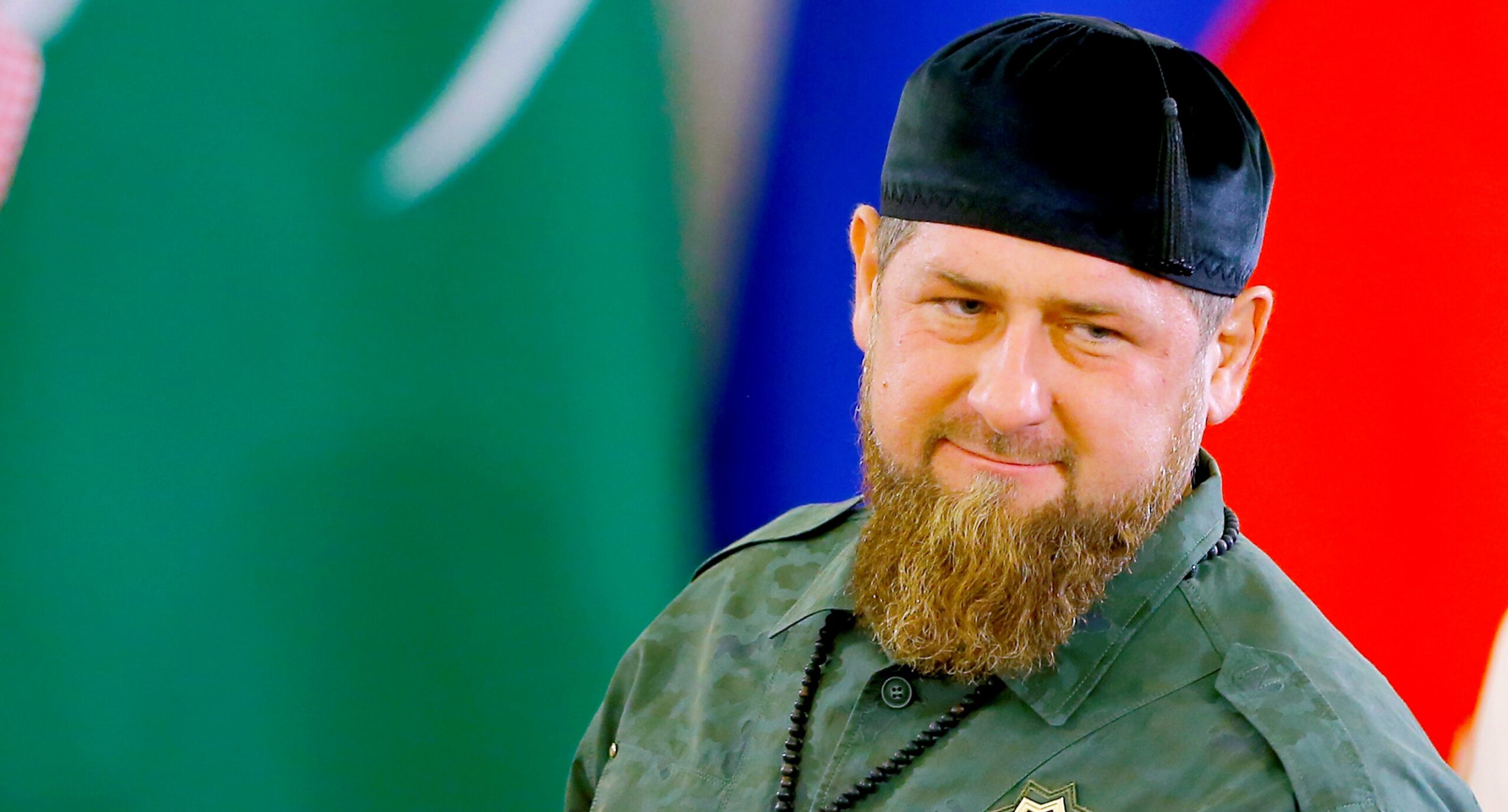
Chechen strongman and close Putin ally Ramzan Kadyrov claims he met with Turkish officials to discuss cooperation. If true, the claim would signify Turkey’s possible backsliding on some of its previous commitments as well as trigger a negative reaction from Ukraine.
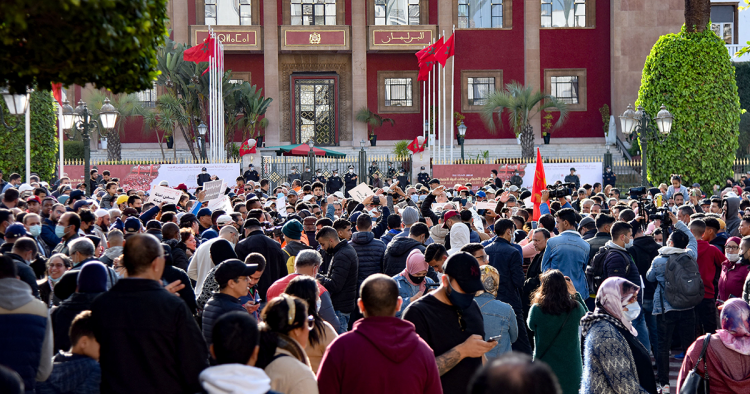
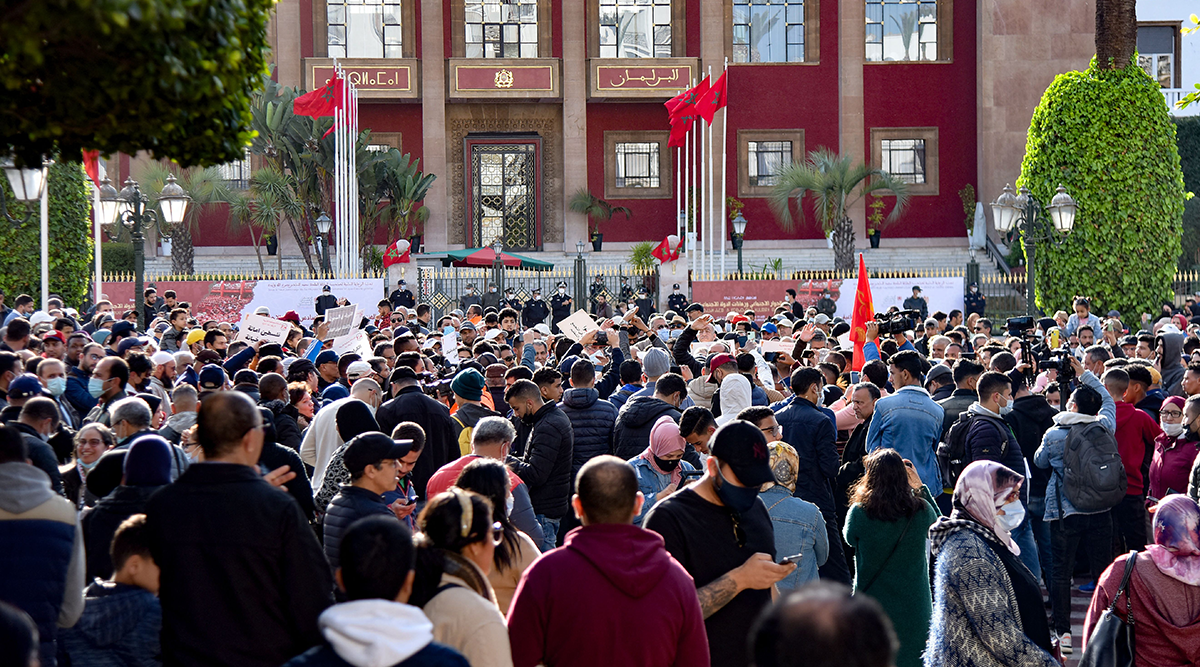
Like the U.S. and Europe, Morocco, too, has seen inflation rates rise recently. Morocco was able to keep inflation to a minimum over the past decade, but now things have changed and domestic monetary policy seems unable to address the external factors driving the recent rise.
Why the Afghan peace process failed, and what could come next?
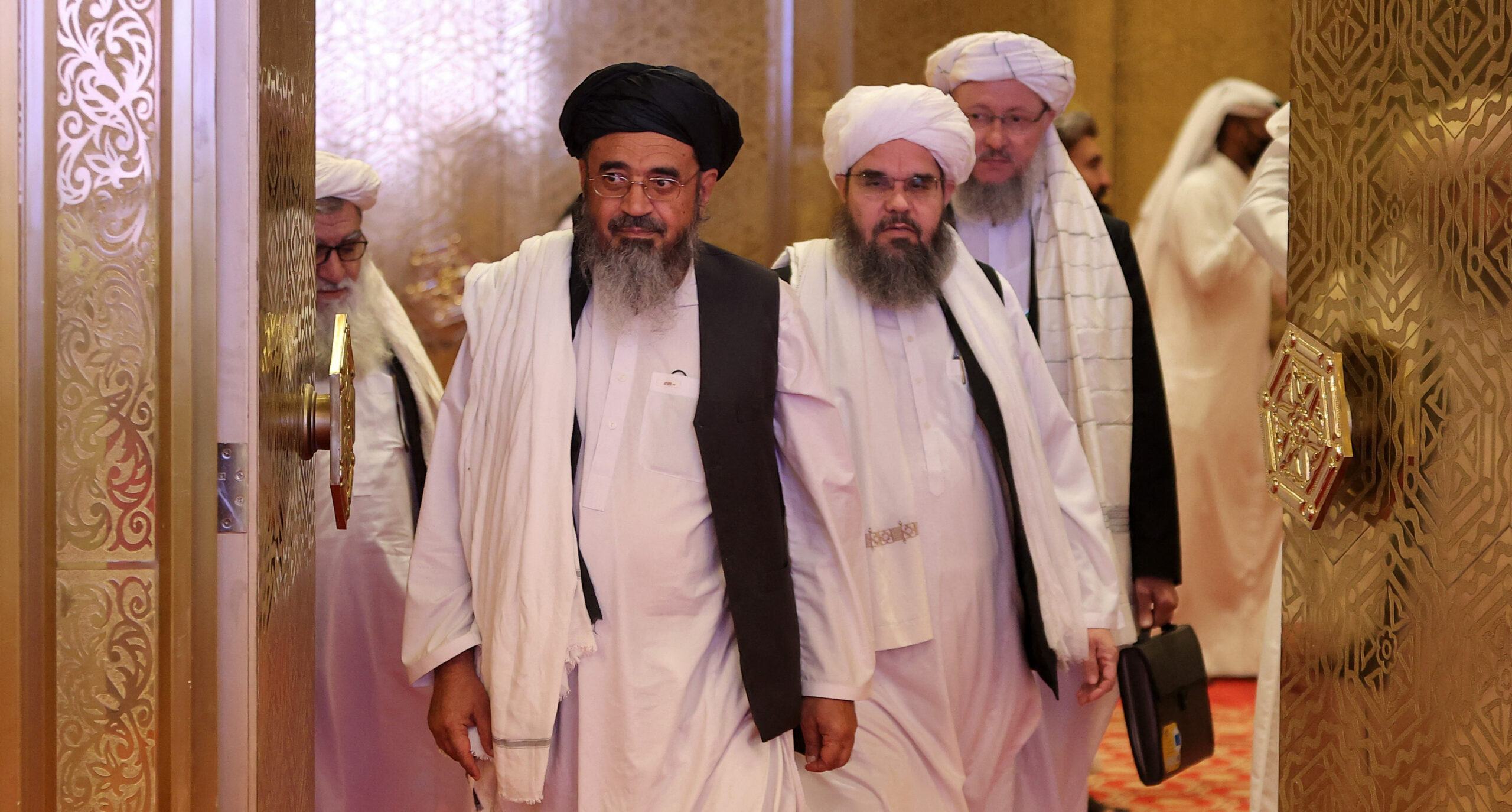
Multiple factors converged to derail the peace process prior to the U.S. withdrawal from Afghanistan. The lessons from this failure can inform policymakers on how to successfully pursue a new round of political peace talks involving the Taliban and all major segments of Afghan society.