This individual is a guest contributor. MEI is not able to assist with contact requests.
Shahmahmood Miakhel is the Country Director in Afghanistan for the US Institute of Peace (USIP). Prior to that he was a Governance Advisor for the United Nations Assistance Mission in Afghanistan (UNAMA), and, from 2003–2005, a Deputy Minister of the Interior in the Government of Afghanistan. In 1994–1995 he worked for the United Nations Development Programme (UNDP) and United Nations Office for Project Services (UNOPS) in South and Southeast Afghanistan helping to establish District Rehabilitation Shuras (DRS). He also worked as a reporter for the Pashto service of the Voice of America from 1985–1990.
The US competes to be the “partner of choice” in the Gulf
Even as the United States continues the strategic pivot to the Pacific inaugurated by the Obama administration, the competition for security and control of maritime space in the Red Sea and eastern Mediterranean is intensifying.
Lilia Blaise and Fadil Aliriza join Intissar Fakir for a discussion on Tunisia’s political turmoil following President Kais Saied’s series of moves since July to reshape the country’s government.
Technology and Youth Drive the Future of Work in MENA
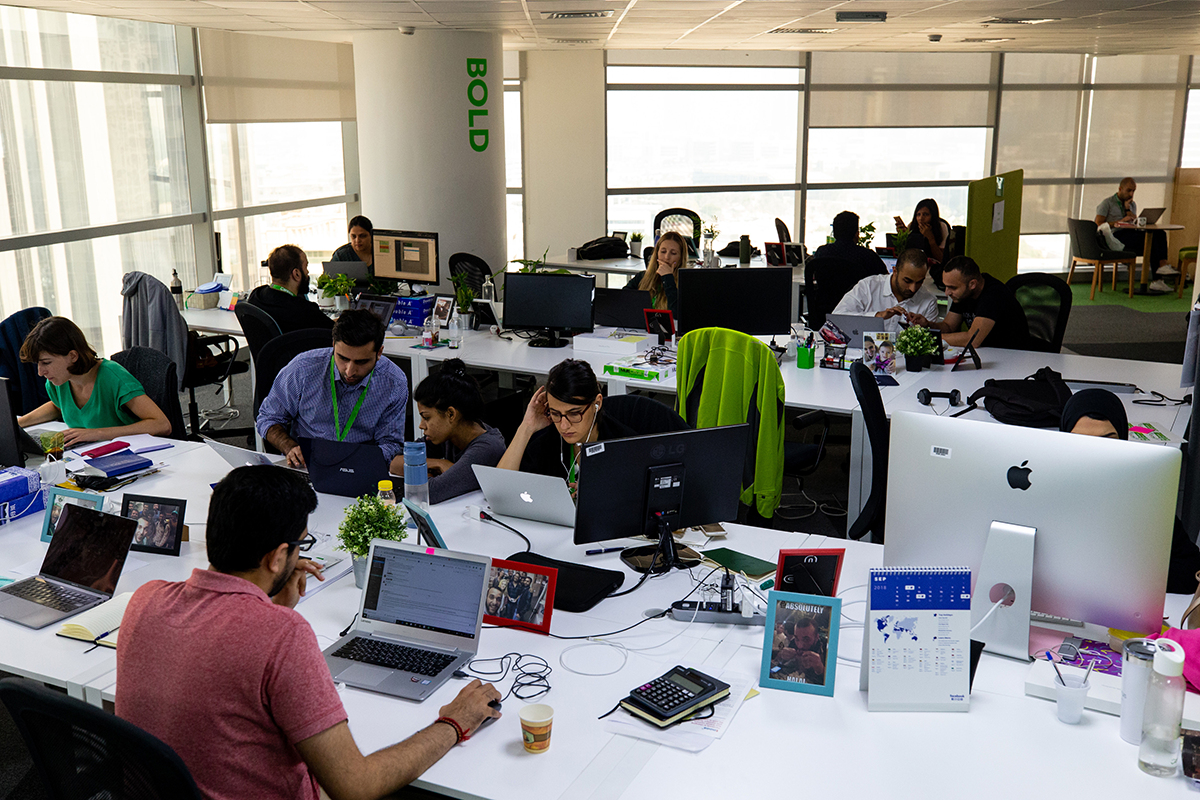
Globally, the demand for manual, physical, and basic cognitive skills is declining. In their stead, digital literacy and competency are becoming requisites for a growing portion of the workforce, and the need for higher-level cognitive skills is on the rise: According to a World Economic Forum survey of employers, skills related to analytical and critical thinking, active learning, complex problem solving, and creativity will see the highest growth by 2025.
This article is part of the publication Thinking MENA Futures, produced in conjunction with MEI’s Strategic Foresight Initiative and the MEI Futures Forum. Read the other articles in the series here.
Far from a benefactor, the Turkish government is exploiting Somalia’s fragility
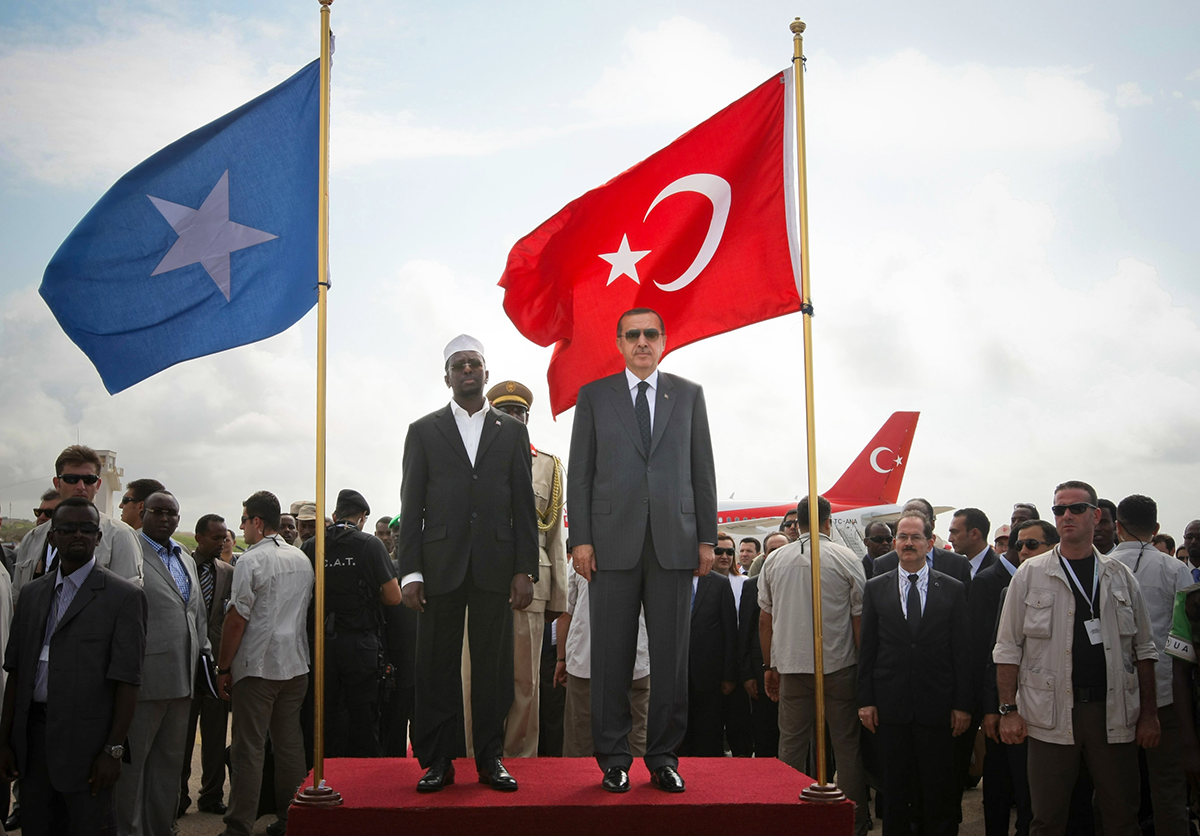
A decade has passed since Turkish President Recep Tayyip Erdoğan landed in Mogadishu at the height of one of Somalia’s worst famines, announcing grandiose projects like the launch of Turkish Airlines flights to the Somali capital, the remodeling of a hospital, and the opening of the biggest embassy in Africa, all designed to show that Turkey’s mission goes well beyond aid and that Ankara is an alternative to Somalia’s traditional donors. Erdoğan’s historic visit earned him high praise throughout Somalia. Although his trip appeared to be a heartfelt humanitarian mission, in reality it was part of a long-term, strategically planned effort. A decade on, Somalis are starting to realize that Turkey has evolved from friend to foe, trade partner to trade protectionist, state builder to outright spoiler.
The Future of FinTech in the Middle East: Trends that are Here to Stay
Ten years ago, could you ever imagine that one day you could trade fractions of stocks and virtual currencies while sitting at a bus stop, all from your cellphone? Have you ever wondered what the future of finance will look like five years from today? Imagine going to the grocery store for a seamless shopping experience: You walk in, grab a carton of milk, and walk right out while cameras recognize the items in your basket and your face to enable a secured payment. The financial world has made tremendous advances in the last 10 years due to the arrival of FinTech, and the sector is only getting bigger.
The Digitalization of Economies and the Future of Work: A Regional Outlook
The world will remember 2020 as the year that witnessed an unprecedented acceleration in digital transformation instigated by the disruption of COVID-19. The pandemic affected millions of lives and livelihoods in the developed world and emerging economies, including the Middle East and North Africa (MENA) region. However, it also presented ample opportunities for economies to reimagine how the future will look while adapting to emerging innovative technologies and their economic implications.
Breaking the Mold: Can the MENA Region Be a Leader in Inclusive Capital?
Maktoob’s exit, which took place more than a decade ago, sparked a “Cambrian moment” of entrepreneurship and innovation that has continued to create value for people across the region today. Ex-unicorn employees are also defining the startup ecosystem in MENA. The question for us in the region is: how can we make sure we move beyond a “mafia,” which lends itself to exclusivity, to something that is truly inclusive?
Iran is a neighboring country for Saudi Arabia and we from the Gulf states respect its people and culture, sharing many similarities as nations throughout different historical periods. However, there are, unfortunately, profound disagreements that have significantly increased since the 1979 revolution because of Tehran’s foreign policy approach based on ideological promotion and projection.
A Revolution in Education: What Lies Ahead for MENA
The internet is reshaping the way we learn. Before the COVID-19 crisis, the idea of online learning was already in the air and taking hold fast. The last decade has seen the rise of Massive Online Open Courses (MOOCs), the creation of online marketplaces for education, and new alternatives to college like coding bootcamps. But the pandemic rocked the foundations of the learning industry and the next 10 years promise to deliver a revolution in education.
Connecting the Dots: How the Middle East Can Make the Transformational Pivot to the New Reality
The pandemic has shaken up economic systems and brought forth unprecedented challenges, as we are all aware. However, I also believe that the “new reality” we are confronted with today is actually one that presents us with an opportunity: to prepare for a future we can own by connecting the dots between critical sectors.
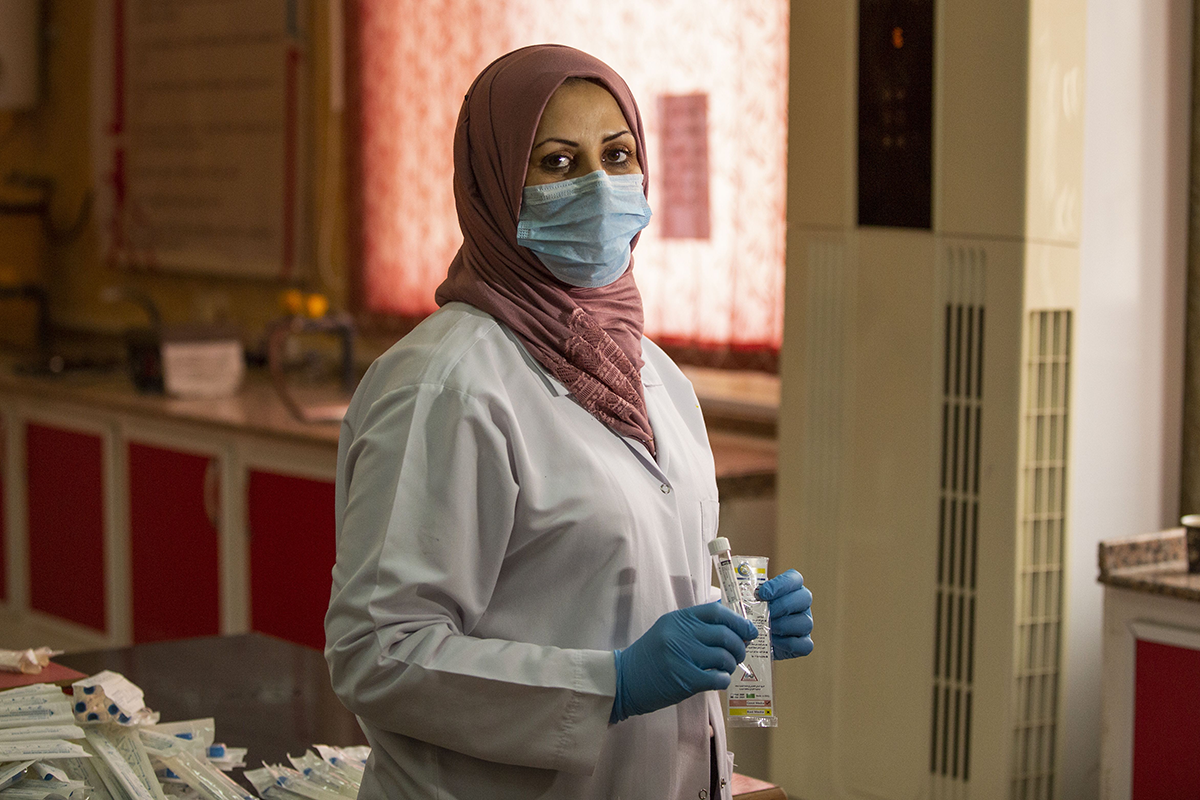
How can the Middle East Better Prepare for the Pandemics of the Future?
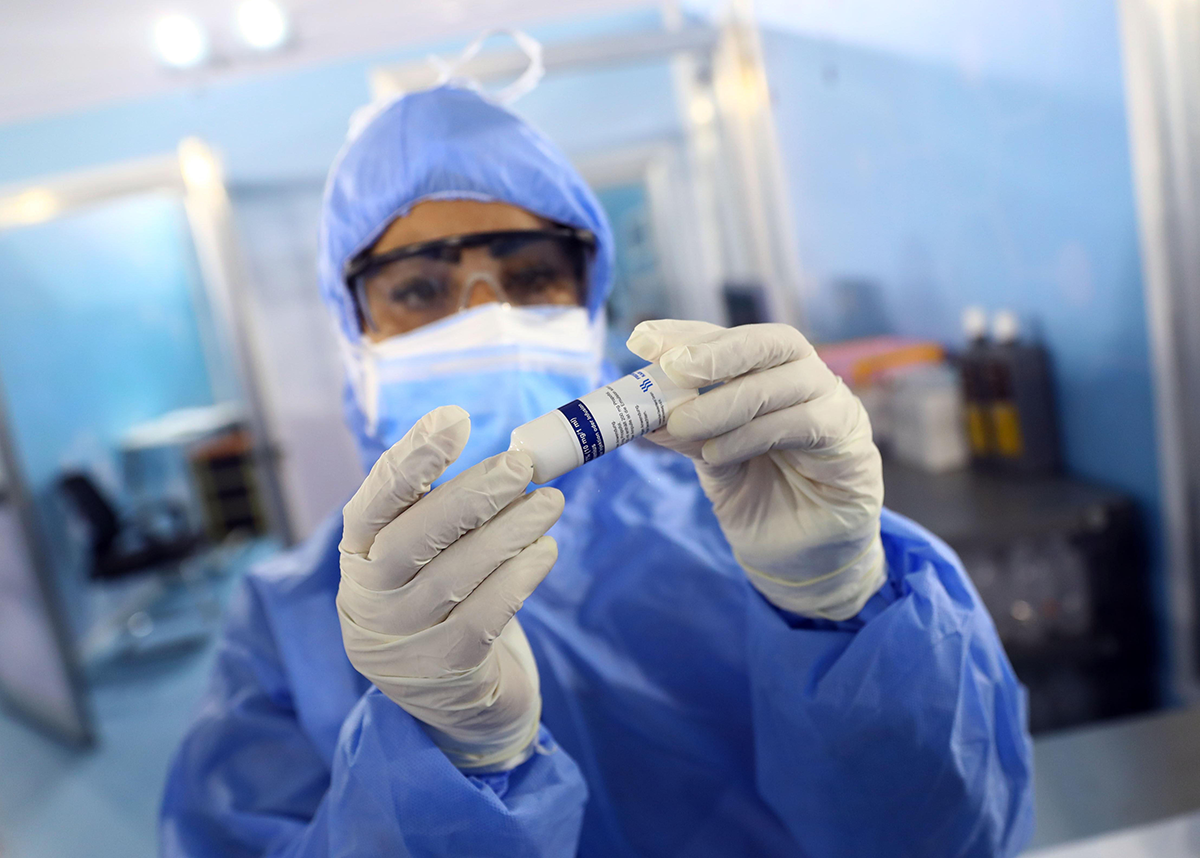
Several countries in the Middle East had devised preparedness plans in response to recent respiratory epidemics, and COVID-19 has tested them. For example, Egypt’s plan was greatly modified in response to the H1N1 epidemic, first recognized in 2009, and Saudi Arabia’s in response to the MERS coronavirus, first recognized in 2012.