This individual is a guest contributor. MEI is not able to assist with contact requests.
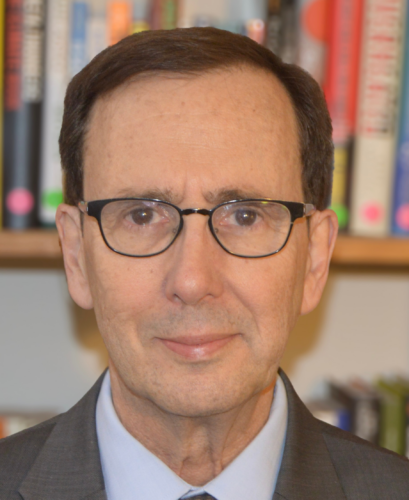
Shahmahmood Miakhel is the Country Director in Afghanistan for the US Institute of Peace (USIP). Prior to that he was a Governance Advisor for the United Nations Assistance Mission in Afghanistan (UNAMA), and, from 2003–2005, a Deputy Minister of the Interior in the Government of Afghanistan. In 1994–1995 he worked for the United Nations Development Programme (UNDP) and United Nations Office for Project Services (UNOPS) in South and Southeast Afghanistan helping to establish District Rehabilitation Shuras (DRS). He also worked as a reporter for the Pashto service of the Voice of America from 1985–1990.
"صفر يعني صفر": ما يمكن أن نتعلمه من خطأنا في العراق ونطبقه في أفغانستان
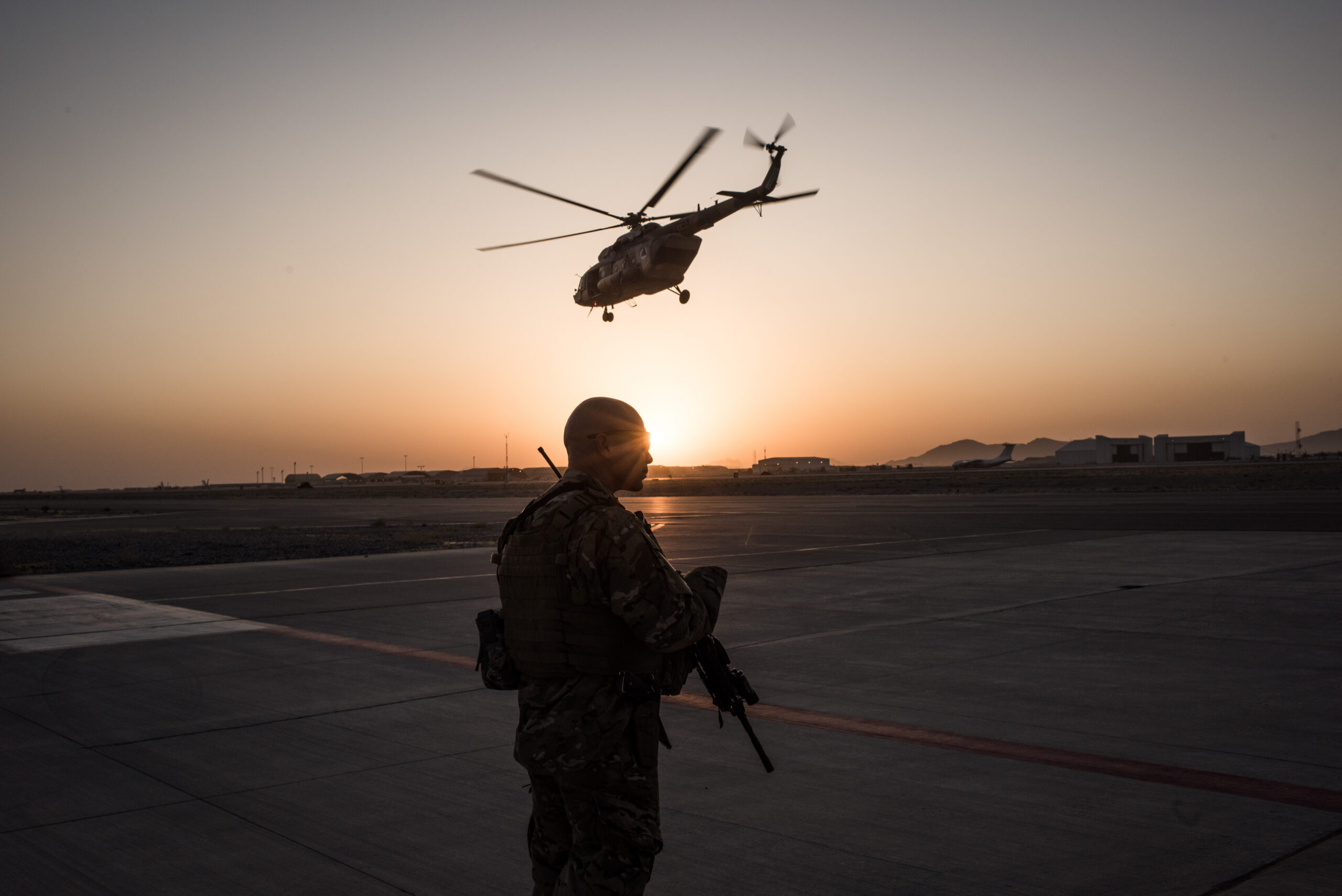
في ديسمبر/كانون الأول 2011، كُنتُ في مُعسكر أمريكي صغير بالقرب من بغداد أتحدث مع القادة الميدانيين لأحد أجهزتنا الاستخباراتية حول الخيارات للحد من فقدان كل من الاستخبارات التقنية والبشرية بعد أن تم تخفيض القوات العسكرية الأمريكية إلى الصفر في العراق. في وقت متأخر من تلك الليلة بعد انتهاء اجتماعاتي التي استمرت طوال اليوم، قمت بإجراء مكالمة مع قائدي الجنرال جيم ماتيس، الذي كان وقتها يتولى رئاسة القيادة المركزية الأمريكية (CENTCOM).
Consistency and change: Morocco under King Mohammed VI
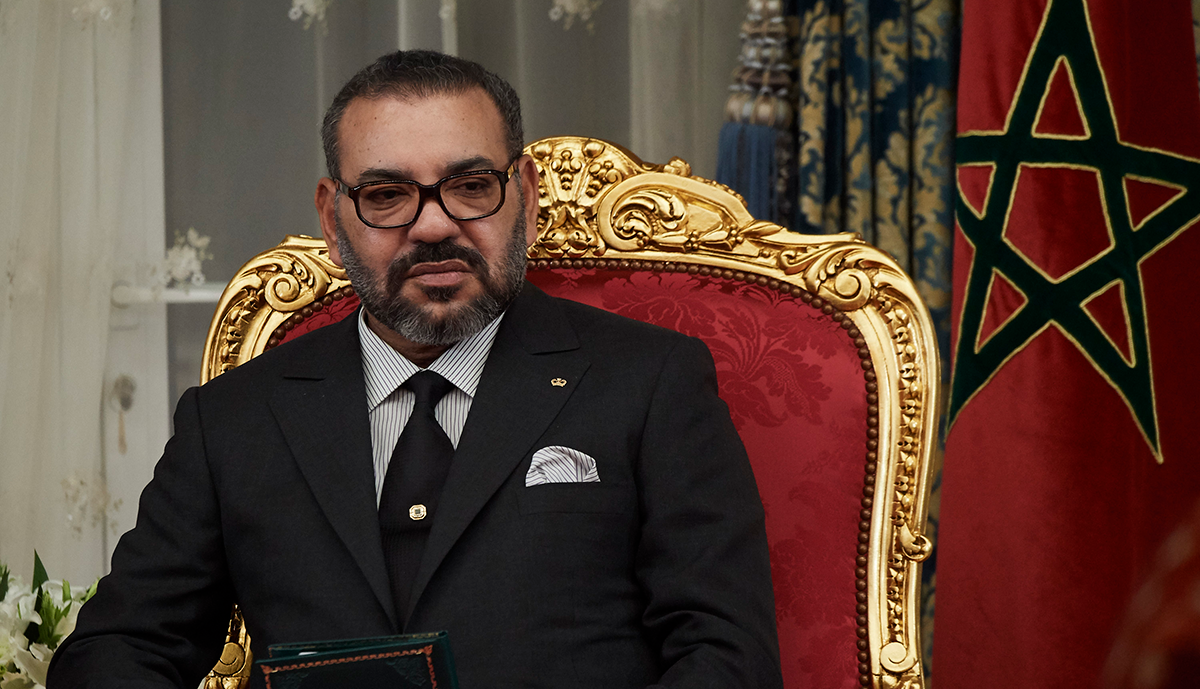
In July, Morocco marked the 22nd year of King Mohammed VI’s rule and 10 years under the new constitution ushered in by a popular referendum in the aftermath of the 2011 protests. The past 22 years have transformed Morocco, the region, and the world in fundamental ways, yet the country’s politics have continually snapped back to a familiar equilibrium. During these past 22 years Morocco has gone through three distinct phases in managing these internal and external dynamics.
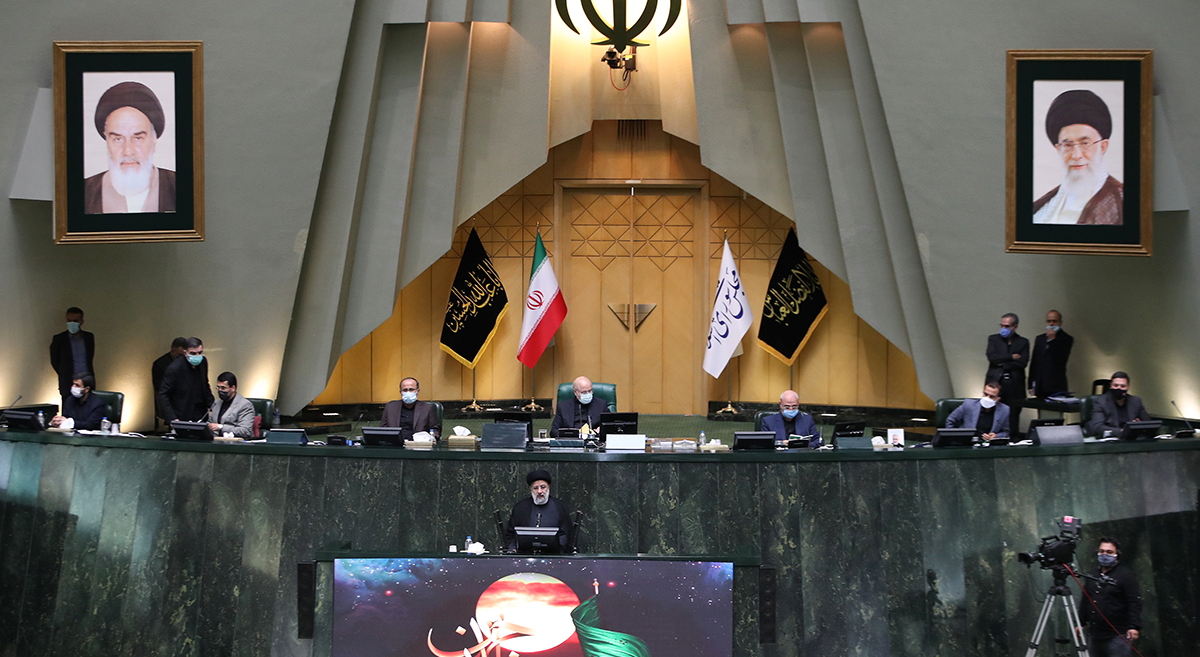
Since 1979 U.S. policies toward Iran have alternatively ranged from some version of “maximum pressure” to appeasement and back again while maintaining the same assumptions and calculus: the clerics would ultimately fall when the elite and middle class had enough and were willing to pay the price for revolting. Today, however, the landscape is evolving. While Iran’s leaders appear to be adapting, U.S. thinking is rooted in the past.
Preparing for advancements in Russian warfare in the Black Sea region
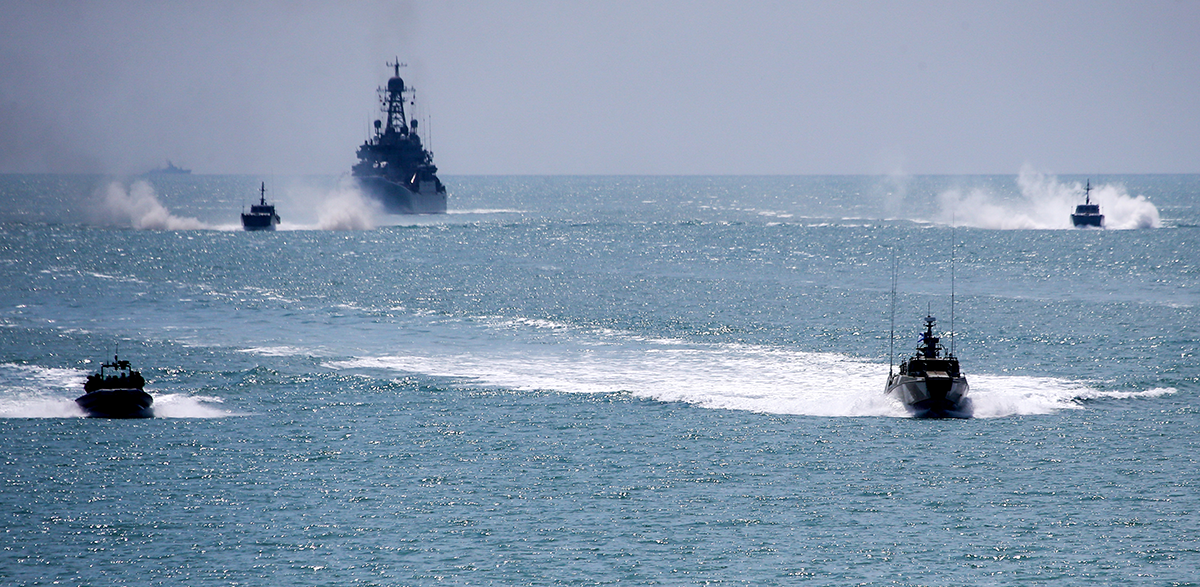
Suddenly and seemingly without warning, Russian forces amassed in Crimea and near the Ukrainian border in April 2021. Heavy armor, long-range missiles and artillery, modern air forces, and elite airborne infantry units deployed into positions that raised alarm in Ukraine and throughout Europe. The situation today appears stable, but reports of new and upgraded hardware, including unmanned vehicles, demand a fresh evaluation of the Russian way of war.
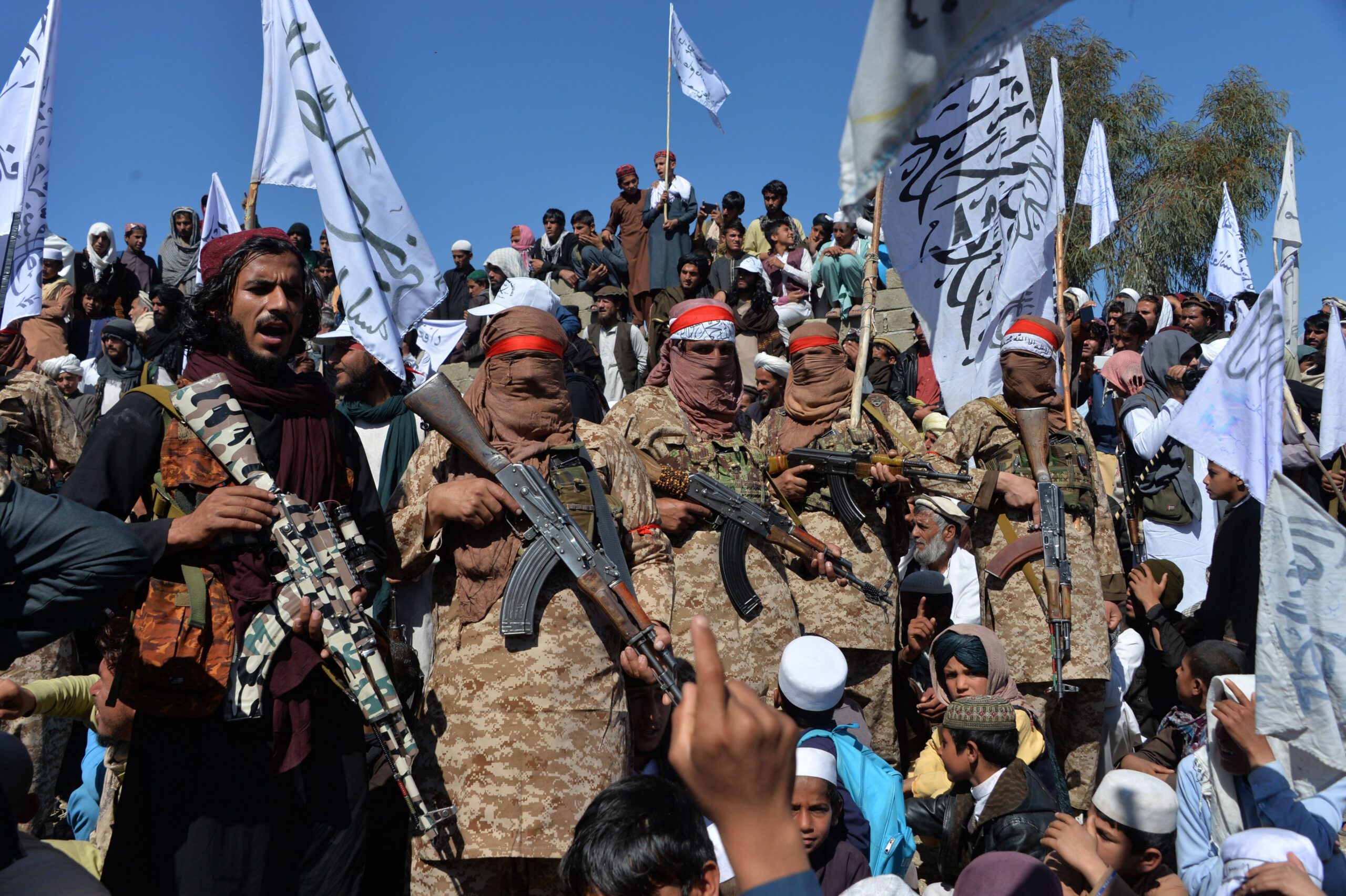
Biden Must Keep U.S. Operatives in Afghanistan To Enable the Counterterrorism Mission
We can and must provide that assistance not to help defeat the Taliban, fix Afghanistan, or remove our moral stain, but to achieve a much more limited objective, one that’s stated by the President himself, which is to ensure that no major attack against the U.S. or U.S. strategic interests is launched from Afghanistan.
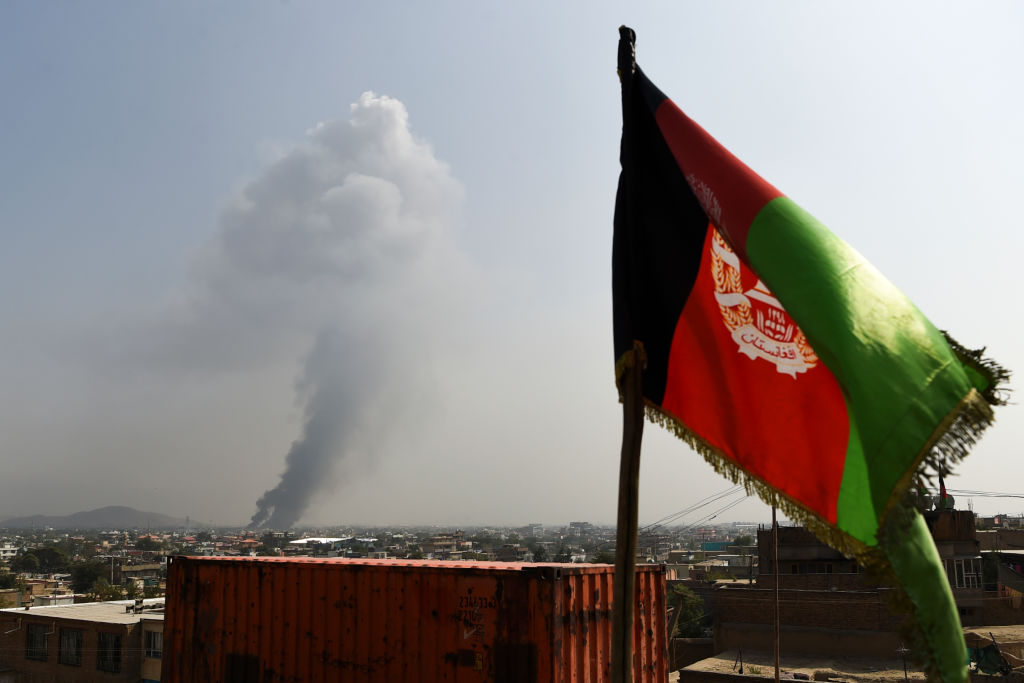
مع تكثيف جهود الإجلاء من قِبَل الولايات المتحدة وحلفائها في مطار كابول، تزداد معها التهديدات الإرهابية للمطار ومجاله الجوي. فلمدة 48 ساعة على الأقل، أشارت المعلومات الاستخباراتية إلى وجود تهديد “خطير” و”مستمر” بشن هجمات من قِبَل فرع تنظيم الدولة الإسلامية في أفغانستان، المعروف باسم ولاية خراسان الإسلامية (ISKP). وللمرة الأولى، بدأت طائرات النقل العسكرية يوم السبت بإطلاق مشاعل حرارية مضيئة أثناء الإقلاع – في مؤشر واضح على تهديد محتمل للاستهداف بصاروخ أرض – جو.
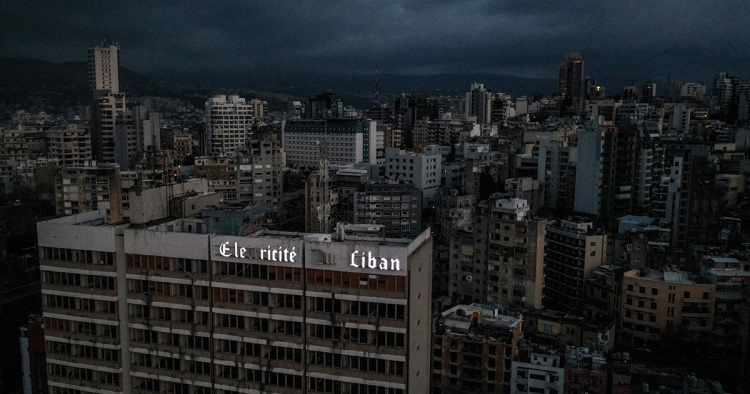
Hezbollah, America, and the race to supply Lebanon with power
Amid typical governmental absenteeism, Hezbollah’s Secretary-General Hassan Nasrallah announced on Aug. 19 that the party had secured fuel shipments from Iran. He asserted that the first of many fuel tankers would set sail to Lebanon that same day. Hours later, U.S. ambassador to Lebanon Dorothy Shea declared that the U.S. was working closely with Egypt, Jordan, and the World Bank to find solutions to Lebanon’s crippling fuel shortages. Shea’s comments imply a U.S. willingness to loosen Caesar Act restrictions that would otherwise prevent Lebanon from importing natural gas and electricity through Syria from Egypt and Jordan respectively. The two announcements have been in the making for weeks, but both come at a time when Lebanon’s physical and human infrastructure is crumbling in the absence of essential fuel supplies and energy sources.
حلقة 44: آراء (20) – الغرب يضغط على تونس دون عقوبات
تجنّبت ردود أفعال الدول الغربية تجاه تجميد الرئيس التونسي قيس سعيّد البرلمان والحكومة فرض أو التهديد بالعقوبات. يستعرض إبراهيم الأصيل رأياً للسفير روبرت فورد حول التطورات الأخيرة.
حلقة 47: الرئيس سعيّد ومستقبل تونس — مع انتصار فقير
أسئلة الحلقة: ما الذي دفع الرئيس التونسي إلى تجميد البرلمان وتولّي السلطة التنفيذية، وما الذي يقوم به منذ 25 يوليو؟ ما هي الأطراف الداخلية الفاعلة في تونس وما هي مواقفها الحالية؟ ما هو مستقبل المؤسسات المُنتخبة في تونس ومستقبل الدستور؟ ما الدور الإيجابي الذي يمكن أن تقوم به الأطراف الخارجية لمساعدة تونس؟ ما هي السيناريوهات المُحتملة للمستقبل القريب في تونس وما يجب أن نتابعه لنعرف إلى أين تتوجّه تونس. — إبراهيم الأصيل انتصار فقير
Lebanon is a tinderbox, and Lebanese politicians have started dropping matches
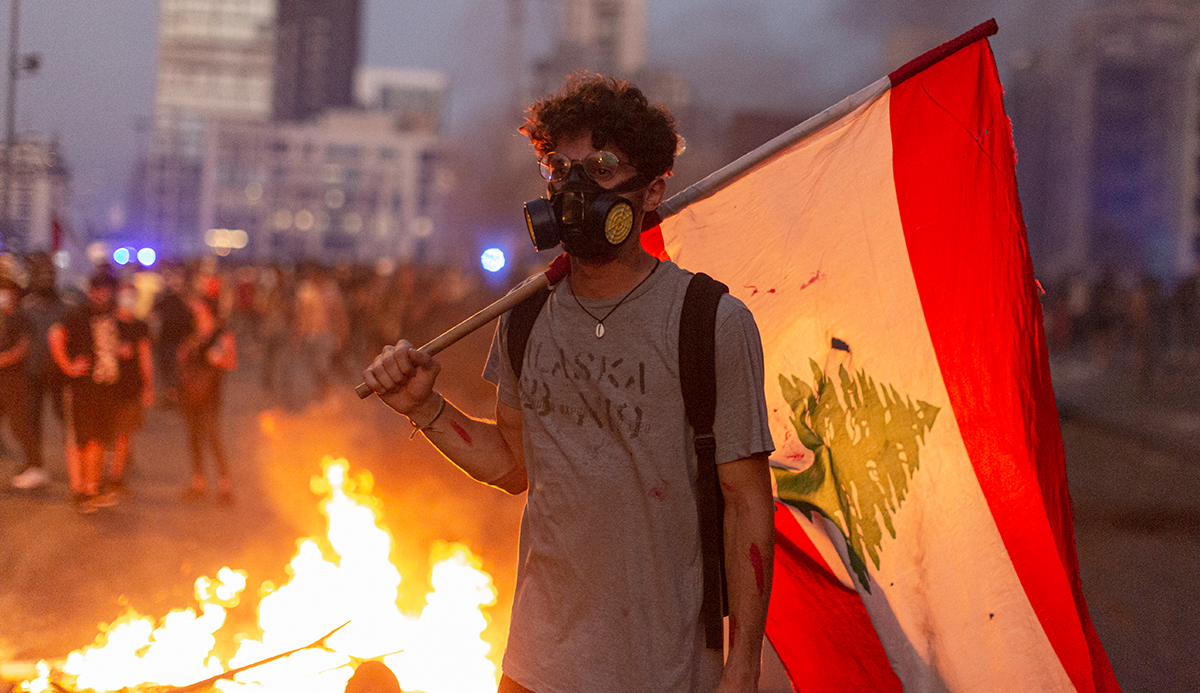
Premeditated political paralysis and the absence of economic leadership have brought Lebanon to its knees. Critical infrastructure has collapsed. Reliable electricity and safe water provision are rare. Hospitals and medical services are crippled by the lack of power, medications, and supplies. Food security is at risk for the majority of the population. Desertions from the ranks of security forces are growing. A nationwide security collapse is increasingly likely. The humanitarian collapse is already here.