This individual is a guest contributor. MEI is not able to assist with contact requests.
Shahmahmood Miakhel is the Country Director in Afghanistan for the US Institute of Peace (USIP). Prior to that he was a Governance Advisor for the United Nations Assistance Mission in Afghanistan (UNAMA), and, from 2003–2005, a Deputy Minister of the Interior in the Government of Afghanistan. In 1994–1995 he worked for the United Nations Development Programme (UNDP) and United Nations Office for Project Services (UNOPS) in South and Southeast Afghanistan helping to establish District Rehabilitation Shuras (DRS). He also worked as a reporter for the Pashto service of the Voice of America from 1985–1990.
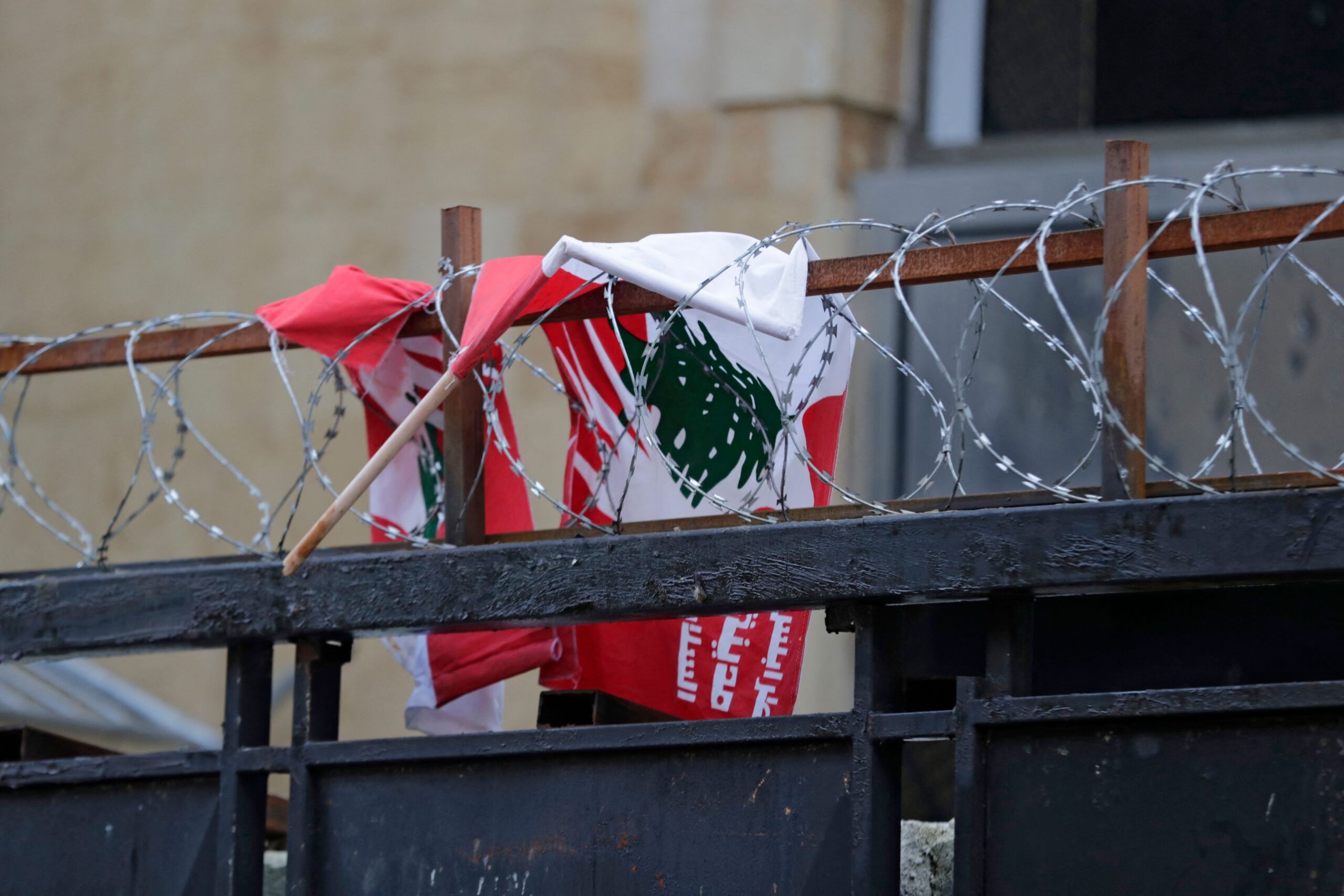
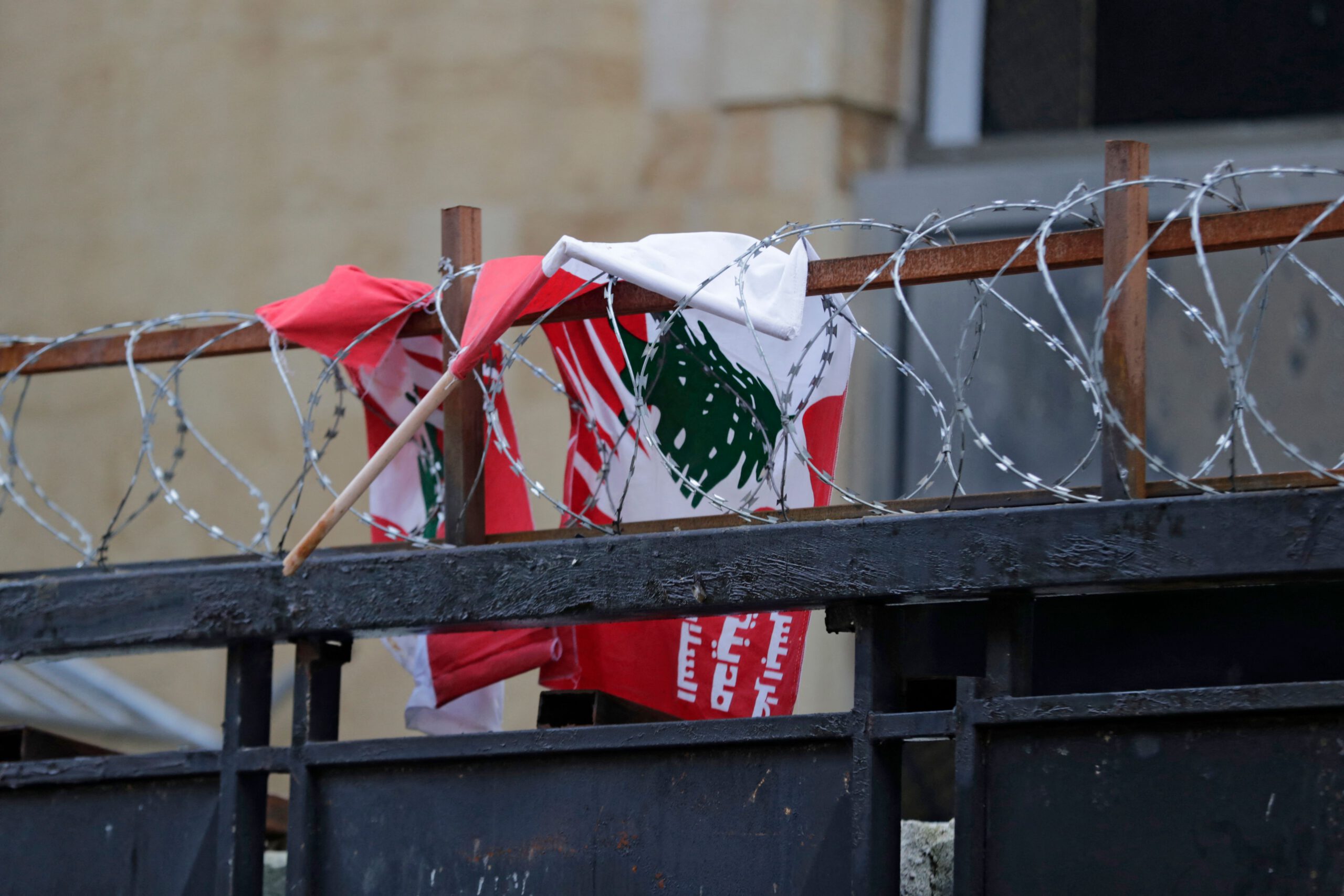
6 Key Steps for Targeted US Diplomacy to Stabilize Lebanon and Advance US Foreign Policy
The Middle East Institute and the American Task Force on Lebanon (ATFL) have collaborated with the Lebanese International Finance Executives (LIFE) to produce an urgent Lebanon-focused policy brief. The brief outlines recommendations to the Biden Administration for empowering an international coalition to support the Lebanese people and strengthen their capability to promote real change.
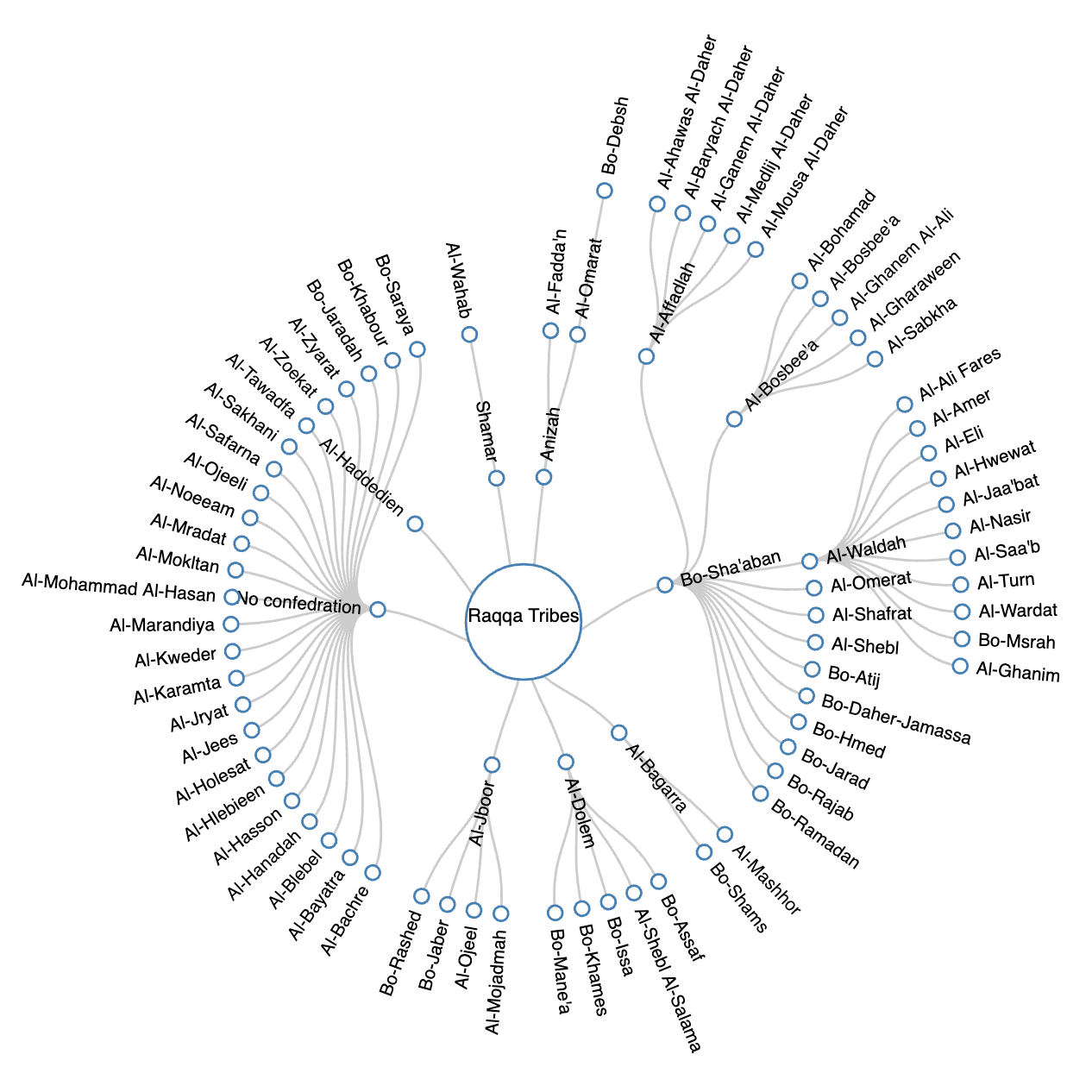
The Kin Who Count: Mapping Raqqa’s Tribal Topology
The northern Syrian governorate of Raqqa came to the world’s attention when it fell under the control of ISIS in 2014. Scenes of tribal leaders pledging allegiance to the group, after their governorate fell into its hands, raised many questions about the complex tribal dynamics in the area. Previous analyses of these dynamics have often misunderstood the intricate tribal structure and drawn false links between terrorism and tribalism. This research tool aims to shed light on Raqqa’s tribal structure, making it accessible to everyone interested in understanding the current state of affairs in the governorate.
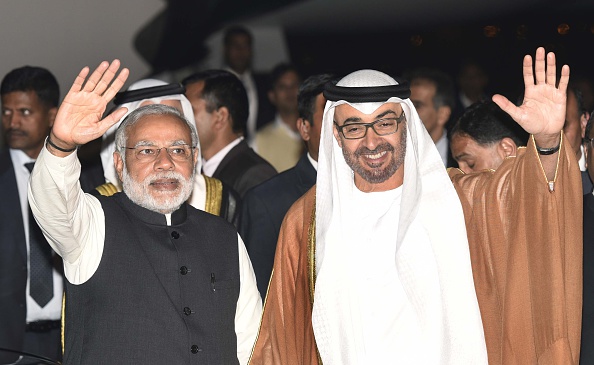
India-UAE Relations: Poised to Climb to New Heights
The relationship with United Arab Emirates (UAE) is at the core of an assertive Indian approach to the Gulf subsumed under the “Extended Neighborhood Policy.” Mutually reinforcing economic visions and compatible geopolitical outlooks have laid the basis for a more robust and promising partnership between India and the UAE.
Amira Roess and Shahrokh Fardoust join host Alistair Taylor to discuss the public health and socio-economic impacts of the pandemic across the Middle East and North Africa, and how they compare to other parts of the world.
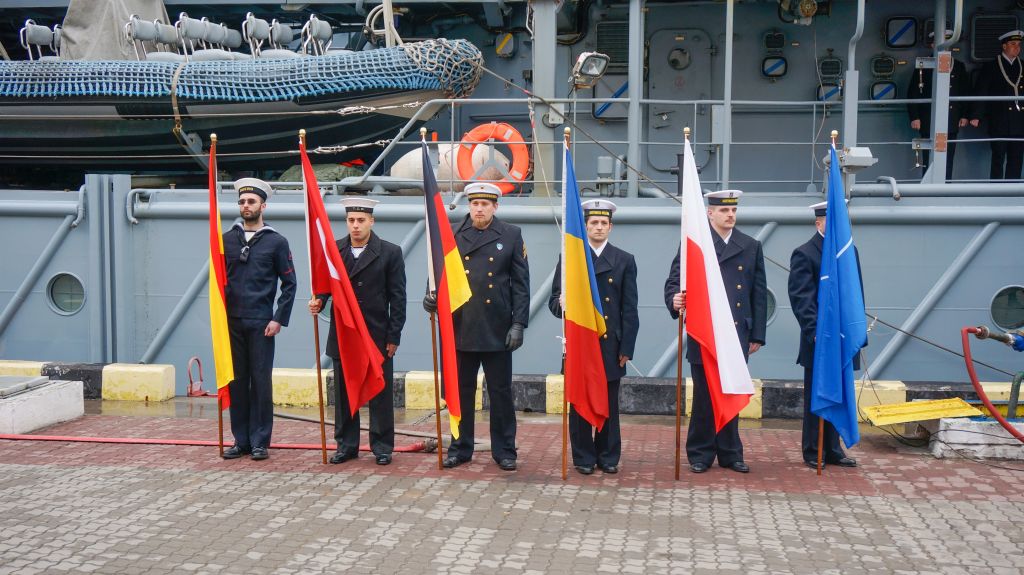
Opportunities for a stronger NATO in the Black Sea under Biden
The foreign policy priorities of President Joe Biden suggest greater commitment to NATO Allies and decisive steps to counter Russian subversion in Europe.
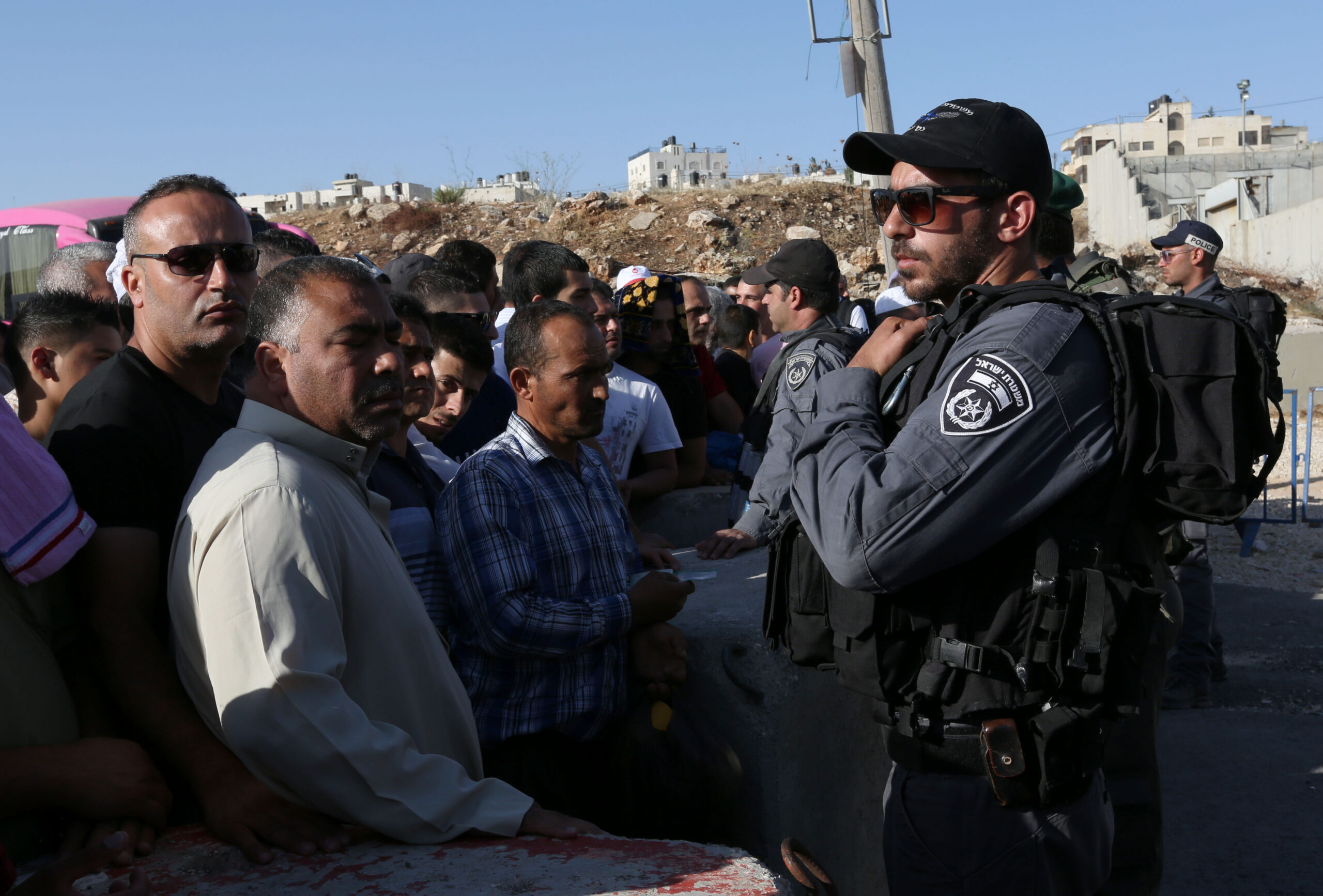
Challenging Israel’s exceptionalism in American politics
While support for Israel across the political spectrum remains strong in Washington, the traditional bipartisan consensus in favor of unconditional support for Israel has begun to fray in recent years.
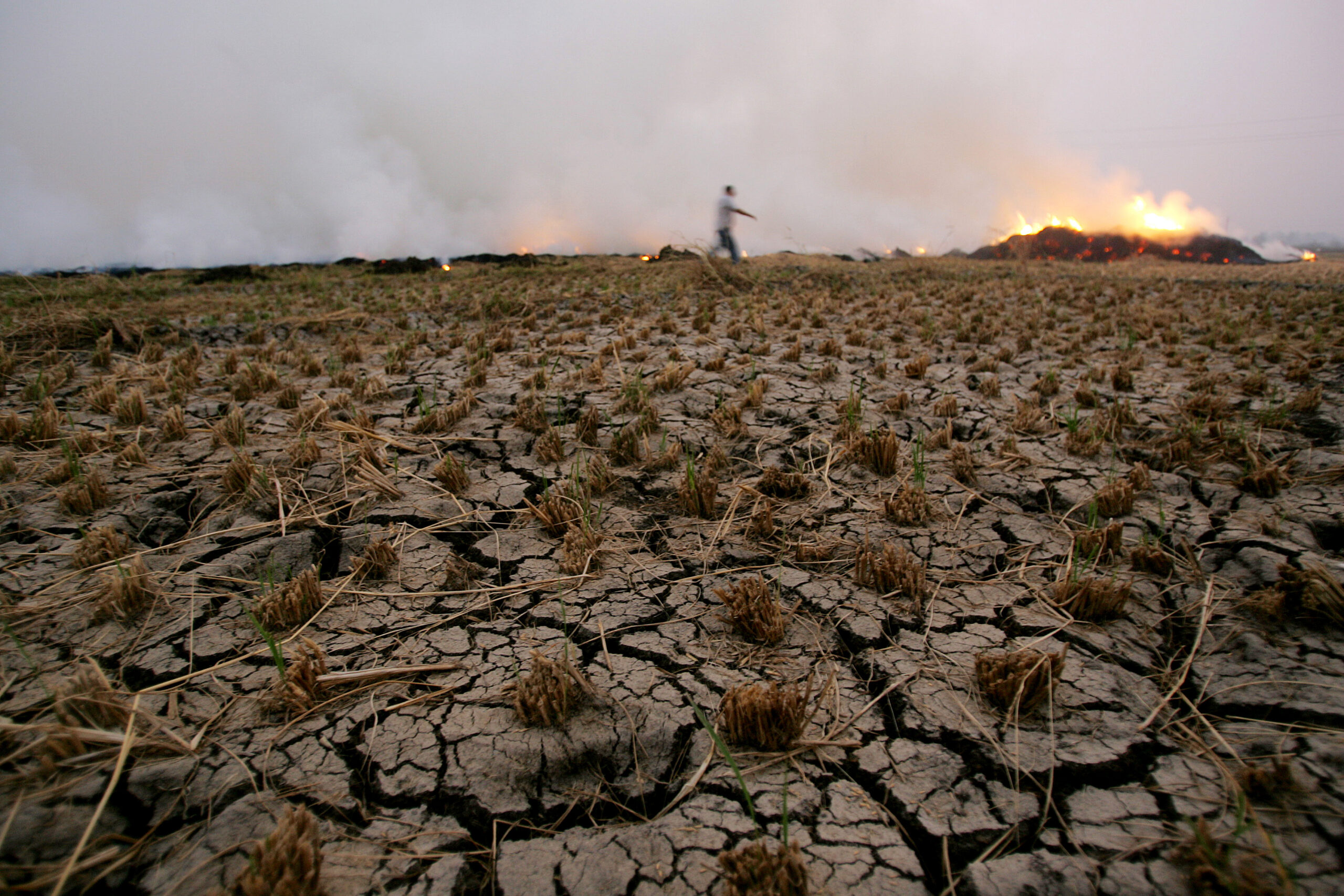
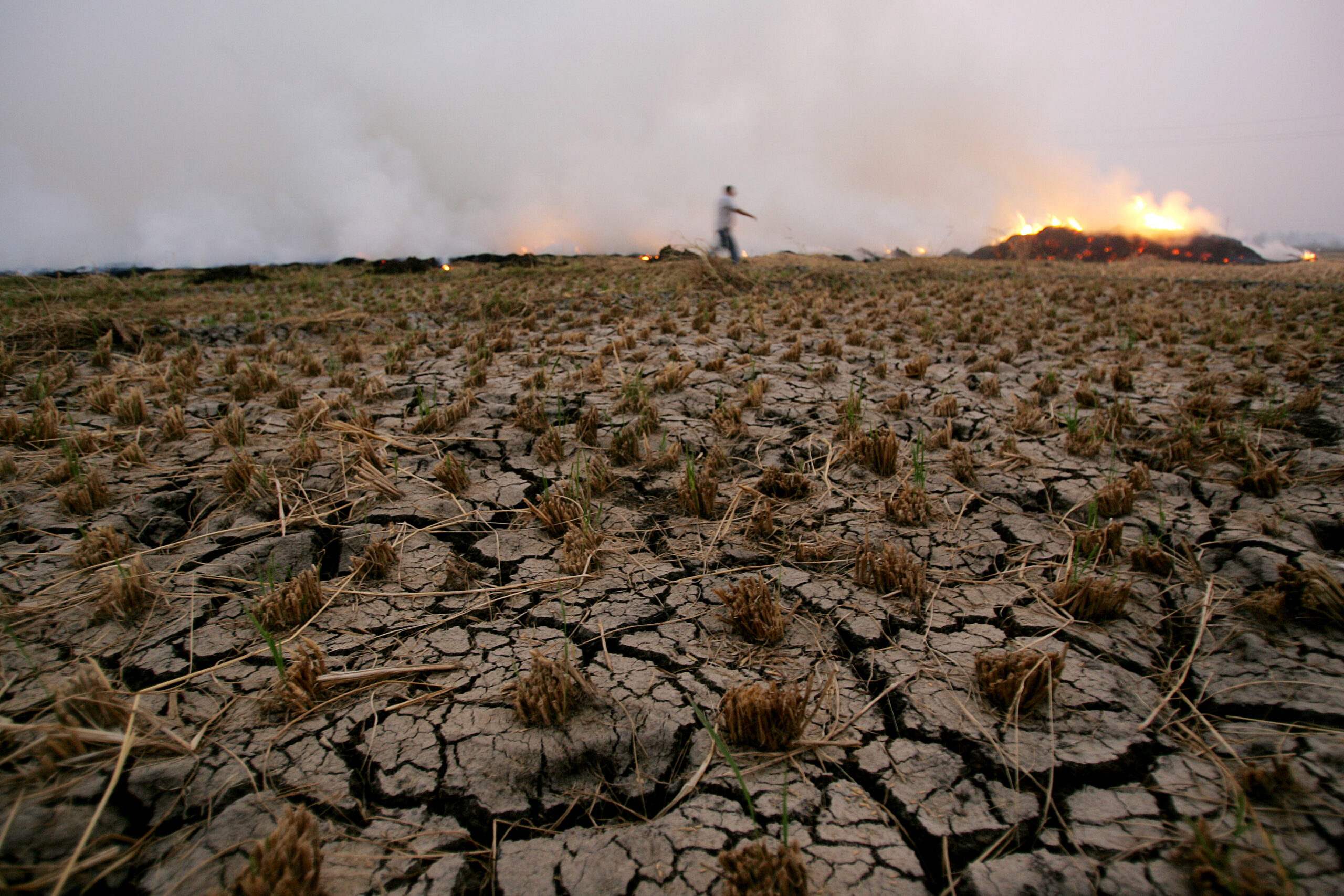
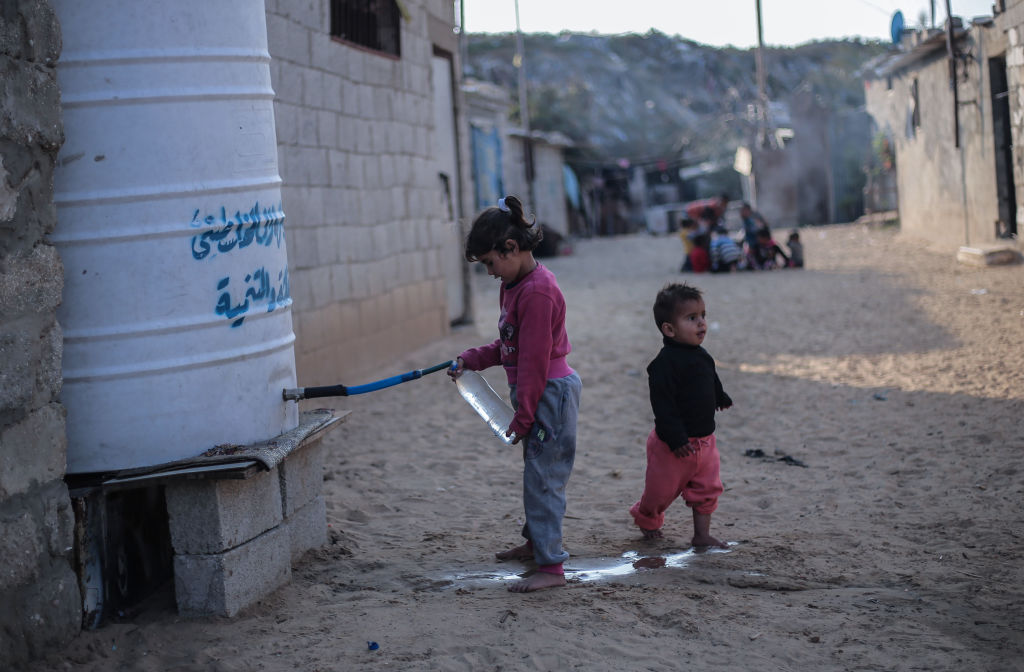
“بينما تعد ندرة المياه في إيران وبقية دول الشرق الأوسط مشكلة طويلة الأمد، فإن بعض الجهود للتعامل معها تبدو محاولات يائسة ولم يتم التخطيط لها دائمًا بعناية”.
Chinese Technology in the Middle East: A Threat to Sovereignty or an Economic Opportunity?
Recent moves by Chinese tech giants have raised concerns in Washington about Beijing’s technological outreach to developing nations. To stem the international growth of these companies, the U.S. has discouraged countries from adopting Chinese technologies through efforts like promoting the Clean Network Initiative. Countries across the globe often must choose between Chinese or Western technology, and these choices have broad implications.
As Israelis head to the polls once again, is the fourth time the charm?
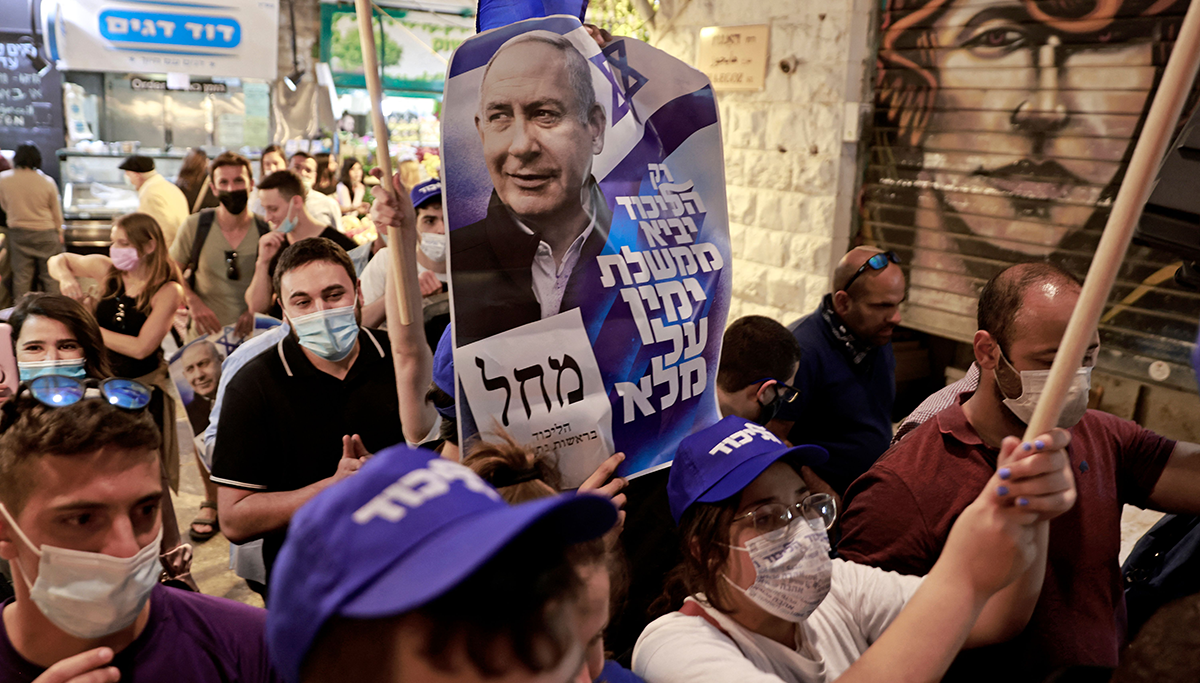
Israelis are going to the polls on Tuesday for the fourth time in two years. But while the main issue in each of these elections has been to decide the fate of a single man, Prime Minister Benjamin Netanyahu, the political landscape has meanwhile been shifting significantly, primarily toward the right.
Iraqi protesters’ perilous journey to the ballot box
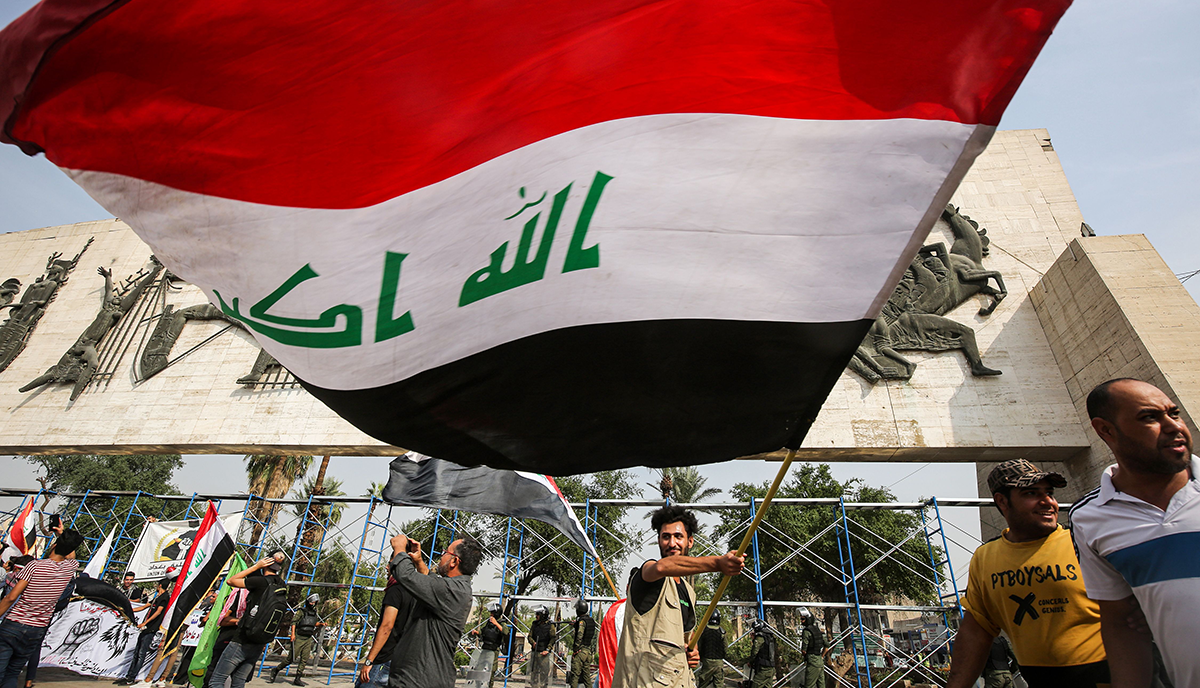
With the approach of Iraq’s next parliamentary elections in October 2021, pro-reform candidates are facing troubling obstacles as they prepare to compete against the country’s establishment parties, which include armed militias that have dominated Iraq’s parliament since 2018. To ensure a fair electoral playing field, reformers are asking the international community to quickly step up elections-related assistance and planned oversight, as well as publicly reaffirm a readiness to call out observed violations.
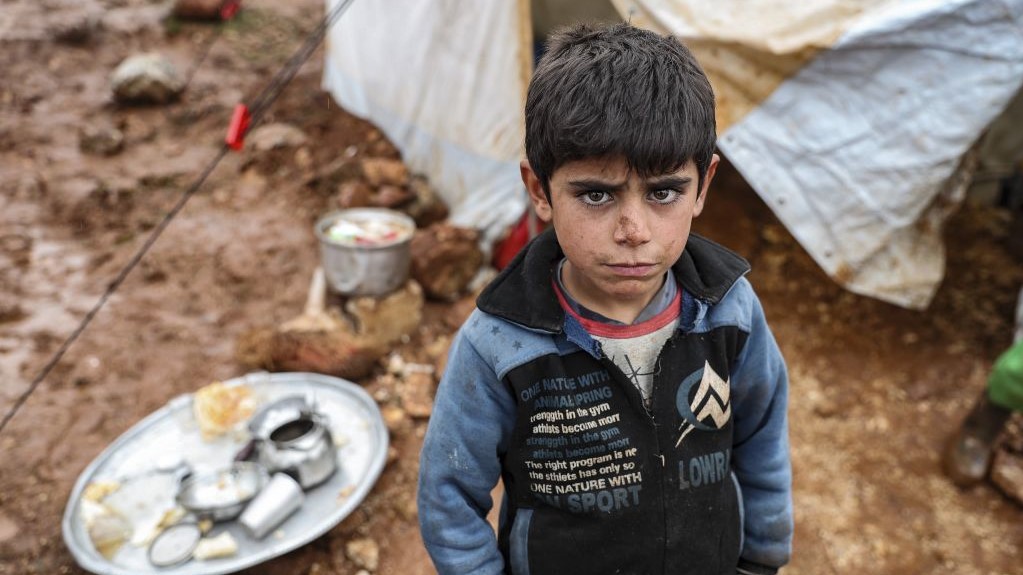
Ten years ago this week, at the American embassy in Damascus, we heard of the first anti-government protest through a quiet whisper in the diplomatic community. A few young kids had run through the historic Hamadiya market yelling “freedom,” as everyone else in the Syrian capital was glued to their television, watching the Arab Spring unfold in nearby states.