This individual is a guest contributor. MEI is not able to assist with contact requests.
Shahmahmood Miakhel is the Country Director in Afghanistan for the US Institute of Peace (USIP). Prior to that he was a Governance Advisor for the United Nations Assistance Mission in Afghanistan (UNAMA), and, from 2003–2005, a Deputy Minister of the Interior in the Government of Afghanistan. In 1994–1995 he worked for the United Nations Development Programme (UNDP) and United Nations Office for Project Services (UNOPS) in South and Southeast Afghanistan helping to establish District Rehabilitation Shuras (DRS). He also worked as a reporter for the Pashto service of the Voice of America from 1985–1990.
The U.S.-Iraq Strategic Dialogue that will be launched this week provides an opportunity for the two sides to put their relations, as Iraqi President Dr. Barham Salih said last April, “in the right context.”
Geopolitical and Geoeconomic Challenges to China’s Silk Road Strategy in the Middle East
Despite Beijing’s increasing engagement in the Middle East, it lacks a clear, consistent, and comprehensive strategy for the successful implementation of the new Silk Road. Although China’s Belt and Road Initiative (BRI) framework for cooperation with the Middle Eastern states is marked by strategic flexibility and maximizing opportunities, that may prove insufficient. As China and the countries of the region become more integrated, they will also share risks and face near-term geopolitical and geoeconomic challenges.
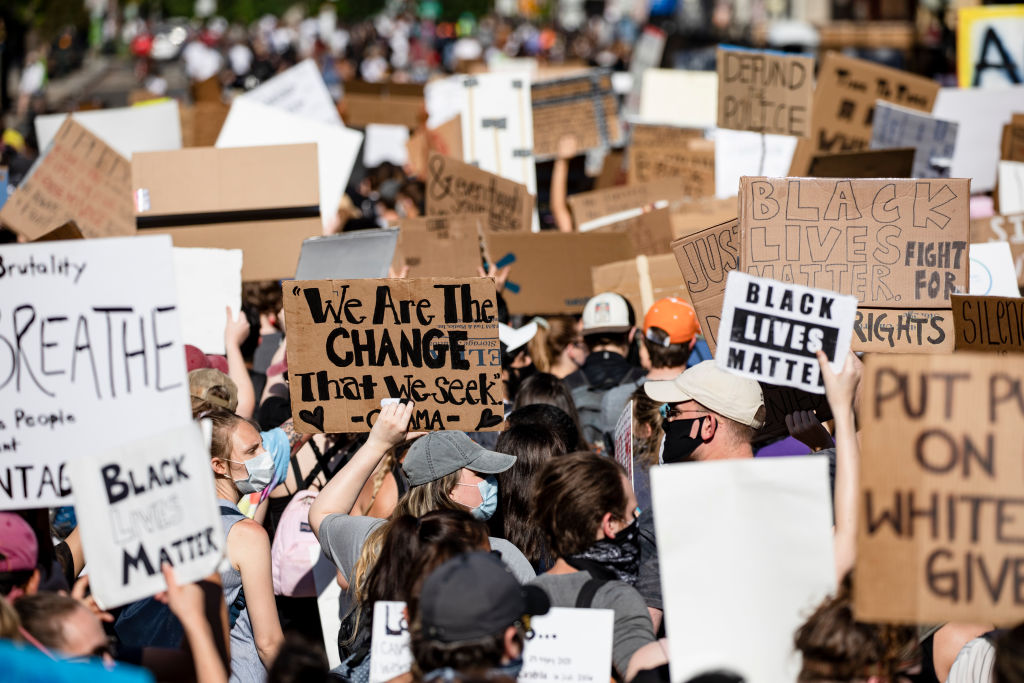
Like so many of you, I was horrified by the killing of George Floyd, and I share this message to reflect on the meaning of this crisis and what has become a pivotal moment for the United States in the world. Many of you have been deeply shaken by recent events, and spurred to action. This crisis heralds the need — and opportunity — for positive change.
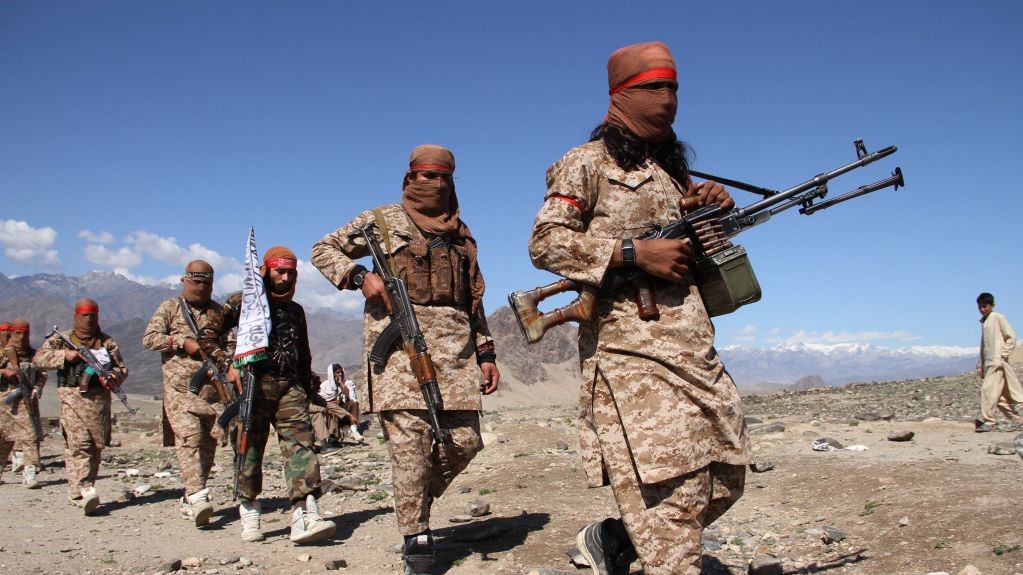
The Taliban’s military and diplomatic strategies are intended to work in tandem, one leveraging the other. Each has as its ultimate goal the Taliban’s recovery of an emirate lost in 2001.
Battle of the Syrian charity giants: Asma al-Assad versus Rami Makhlouf
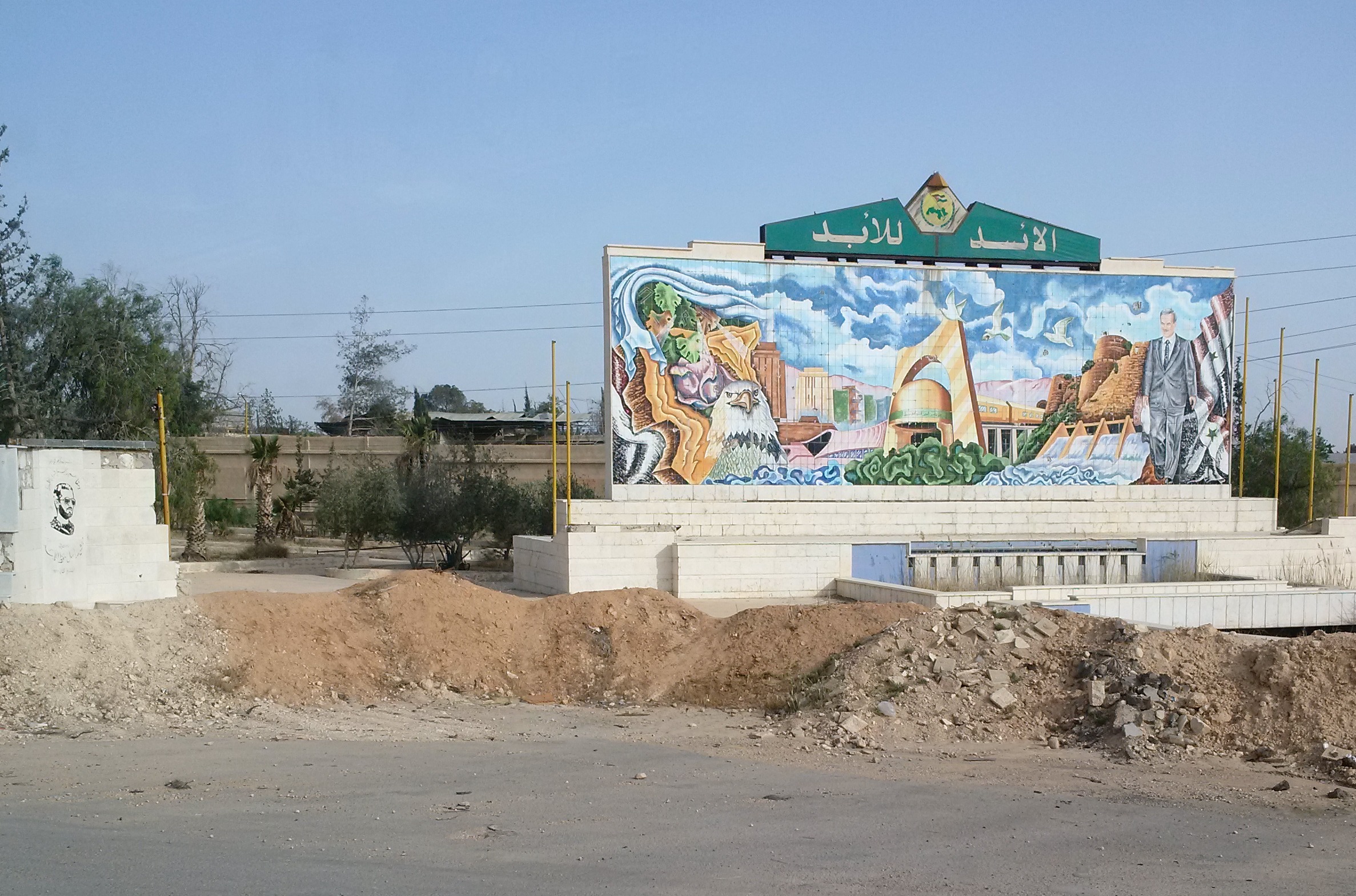
Charities are useful fronts for all sorts of activities in Syria, but above all perhaps, they are vehicles of control. The Assads have long understood that the biggest danger to their rule comes from within, from a civil society that rejects their governance — never more so than today.
Steven Kenney and Ross Harrison join host Alistair Taylor to discuss their recent policy paper, “Conflict in the Middle East and COVID-19 — A View from 2025.” The COVID-19 crisis is disrupting the status quo on nearly everything, including regional conflict. How will that disruption worsen — or possibly improve — the trendlines of regional conflicts as we head toward 2025?
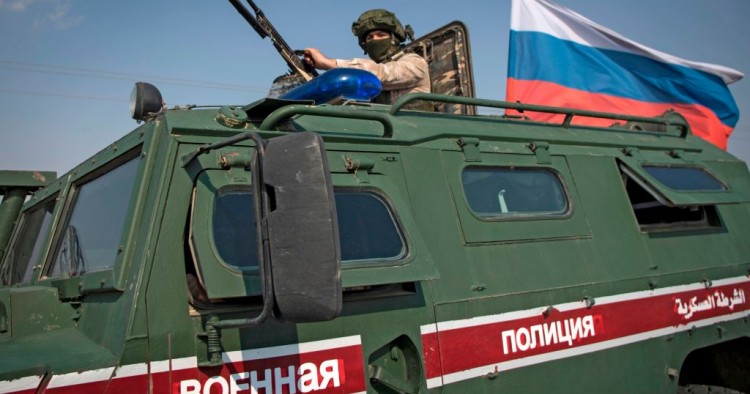
As Iran redeploys amid COVID-19, Russia is filling the vacuum in eastern Syria
The impact of COVID-19 on Iran-linked forces in Syria has provided Russia with an opportunity to expand its influence through its proxy forces, particularly in eastern Syria, as Iranian and pro-Iranian forces redeploy elsewhere in the country.
Syria should be divided into three zones of foreign influence
World leaders have long stressed the need to maintain Syria’s territorial integrity, but at the moment, such a goal is unrealistic. Syria first needs a transitional phase in which the country will be divided into three zones of foreign influence to allow for reconstruction, the return of refugees and IDPs, and a gradual process of reconciliation.
Will COVID-19 inhibit Iran’s ability to suppress protests?
Since 2017, Iran has seen several waves of protests rooted in political, social, and, most importantly, economic grievances. In light of COVID and the post-pandemic fallout, there is every indication that unrest will continue to grow, and even accelerate. Until now, the regime’s coercive apparatus has had both the capacity and the willingness of its members to successfully suppress anti-regime unrest. But has COVID-19 changed this balance? What impact, if any, has the pandemic had on the regime’s security capacity?