Trump Is Sending More Troops to Saudi Arabia
They won’t make up for backing out of Syria and failing to stand up to Iran.
This individual is a guest contributor. MEI is not able to assist with contact requests.
Shahmahmood Miakhel is the Country Director in Afghanistan for the US Institute of Peace (USIP). Prior to that he was a Governance Advisor for the United Nations Assistance Mission in Afghanistan (UNAMA), and, from 2003–2005, a Deputy Minister of the Interior in the Government of Afghanistan. In 1994–1995 he worked for the United Nations Development Programme (UNDP) and United Nations Office for Project Services (UNOPS) in South and Southeast Afghanistan helping to establish District Rehabilitation Shuras (DRS). He also worked as a reporter for the Pashto service of the Voice of America from 1985–1990.
They won’t make up for backing out of Syria and failing to stand up to Iran.
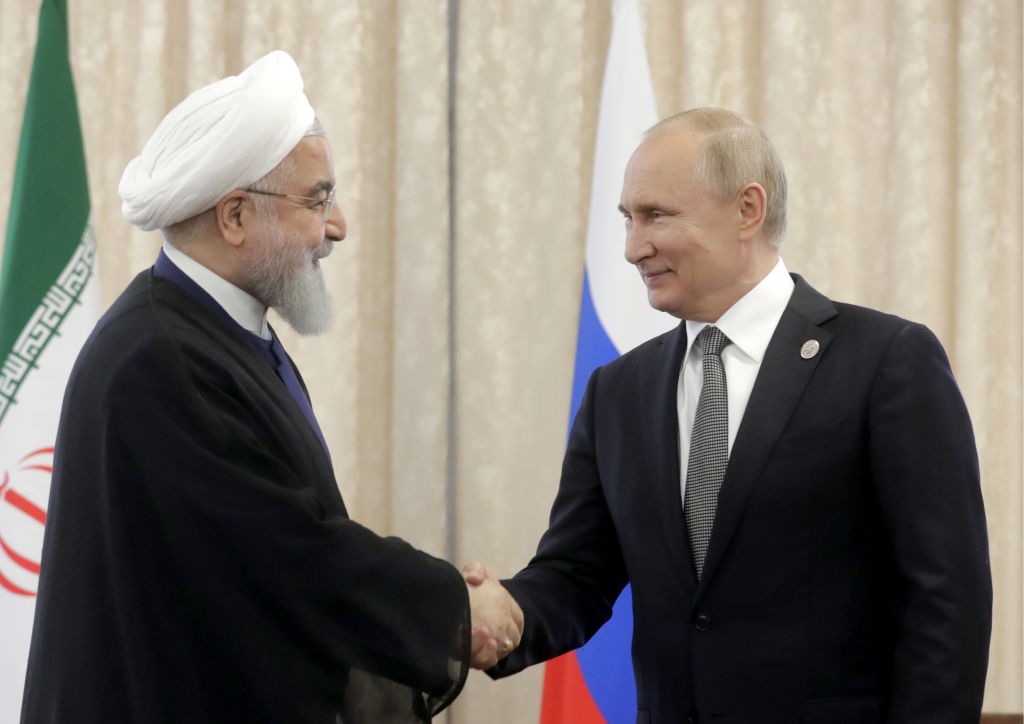
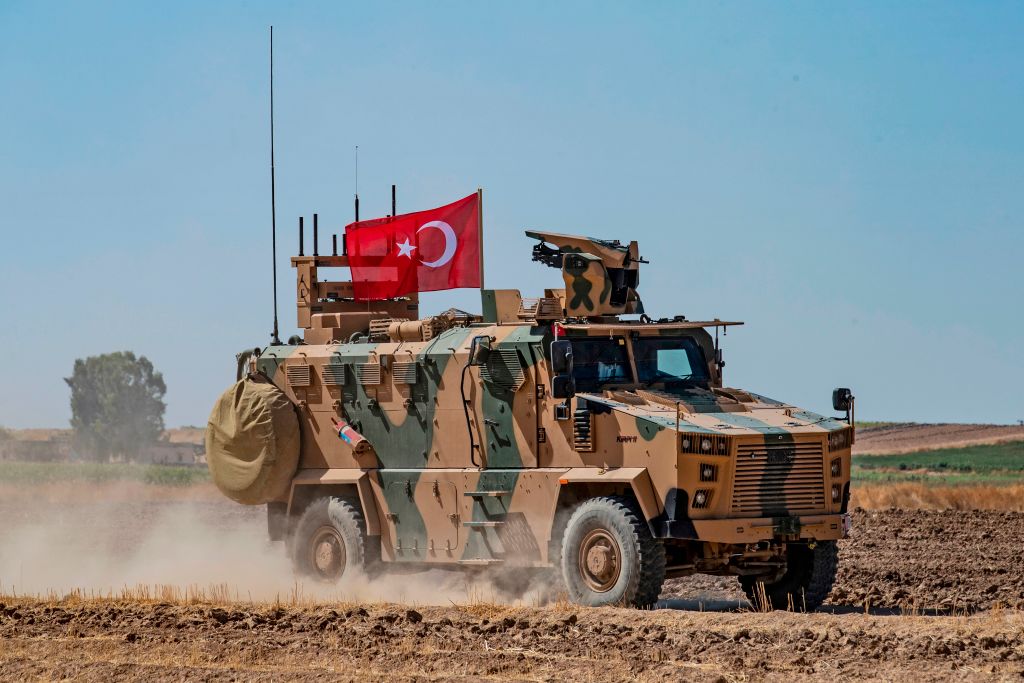
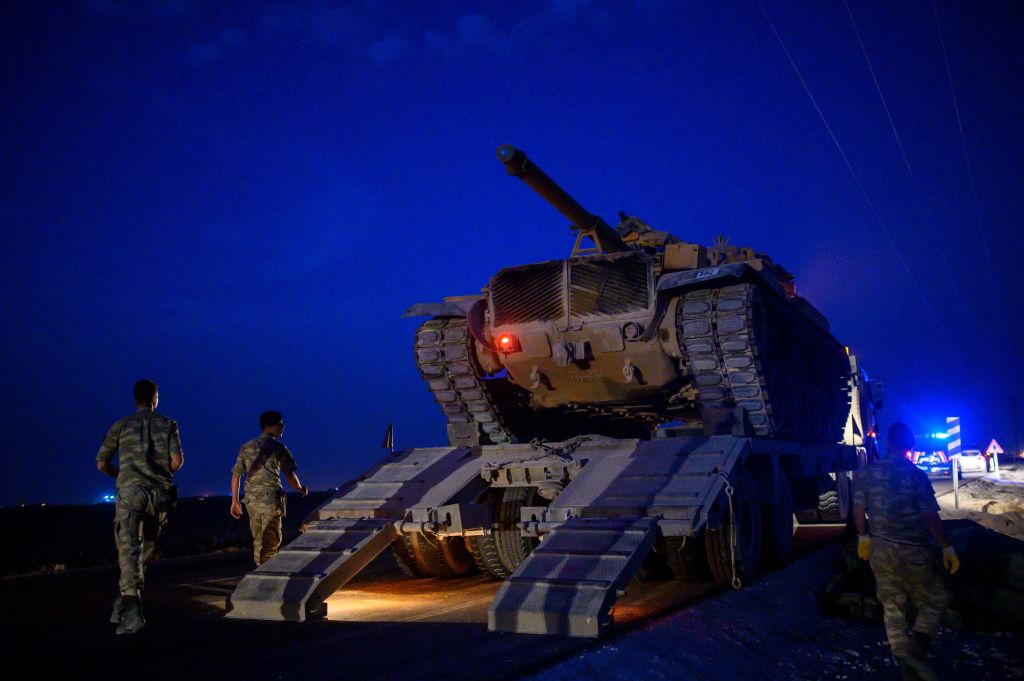
While the Turkish military offensive against the Kurdish-led Syrian Democratic Forces (SDF) in northern Syria might, once again, bring Moscow and Tehran together tactically in support of Assad’s rule and Syrian sovereignty, the two powers have fundamentally different visions for the war-ravaged country’s future.
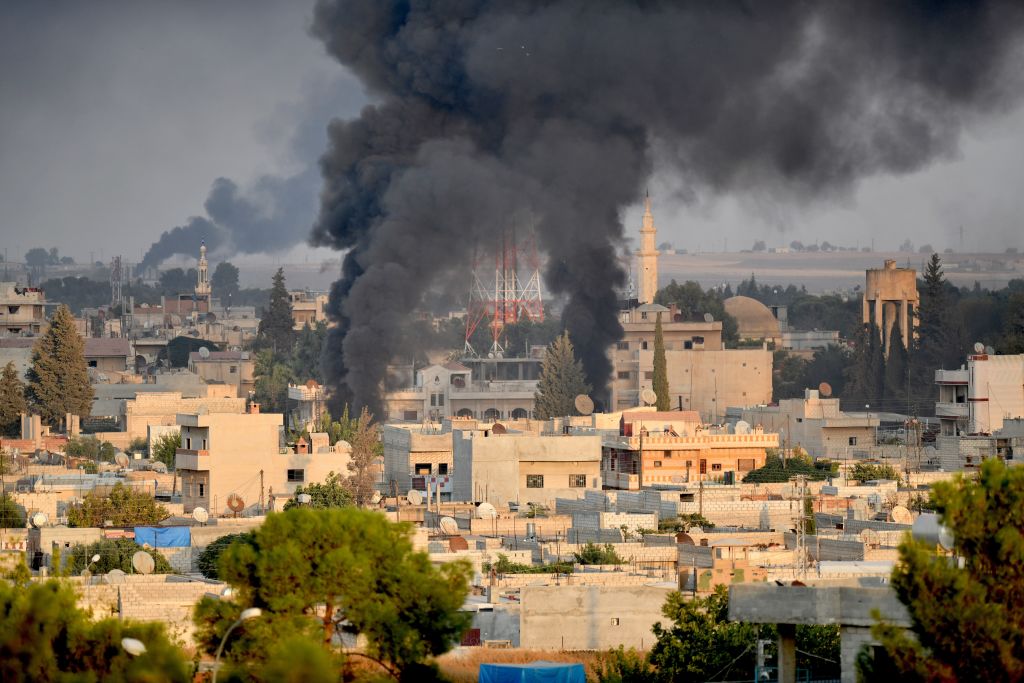
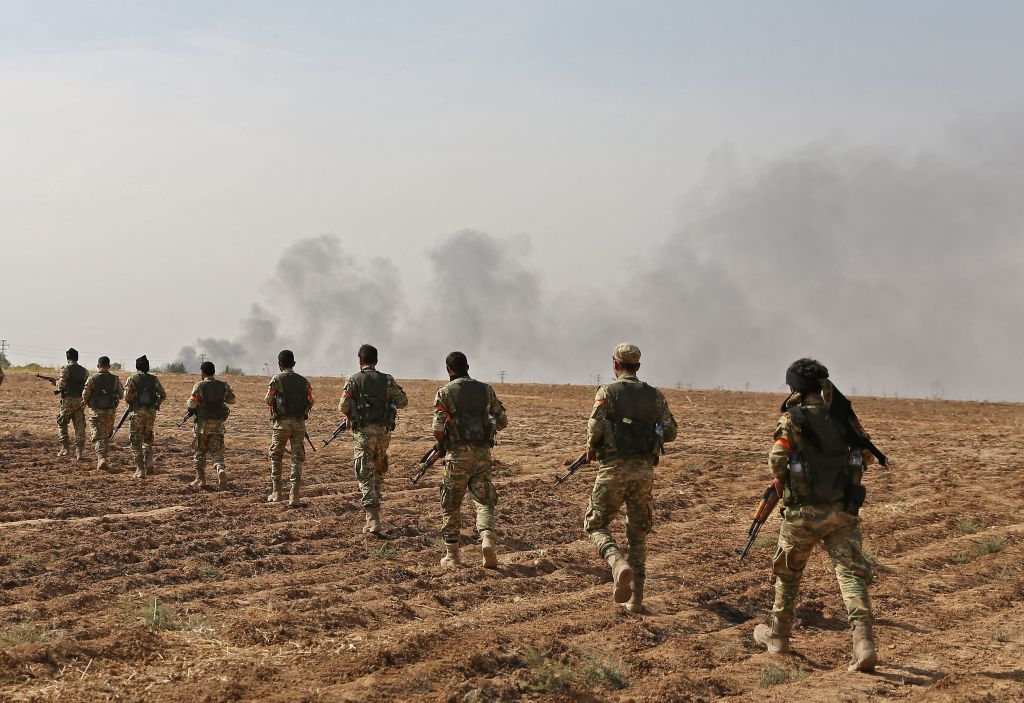
Turkey’s cross-border incursion into northeastern Syria has stirred up a hornet’s nest of instability and threats. If left unchecked, this latest “war within a war” will have deeply destabilizing consequences for many years.
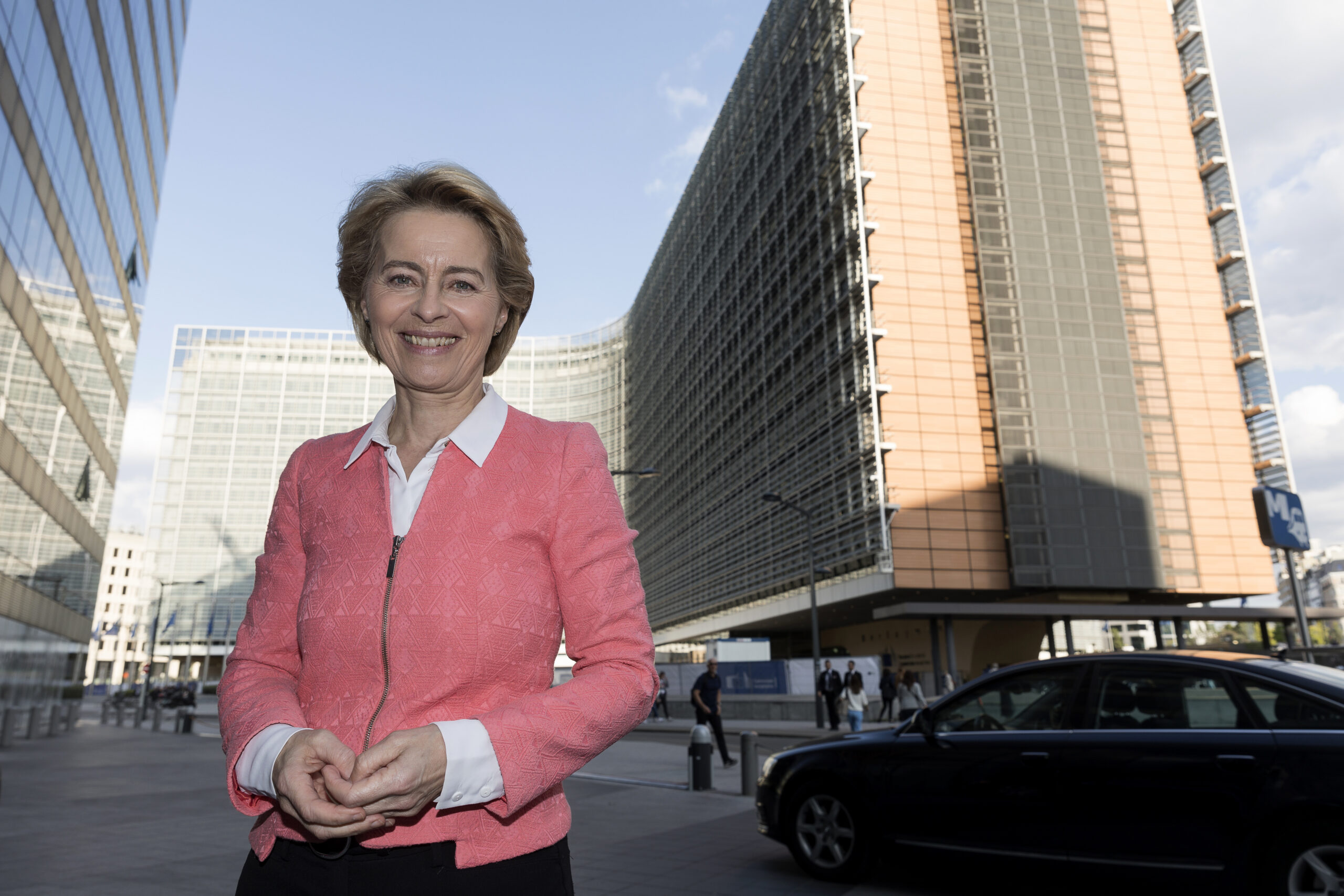
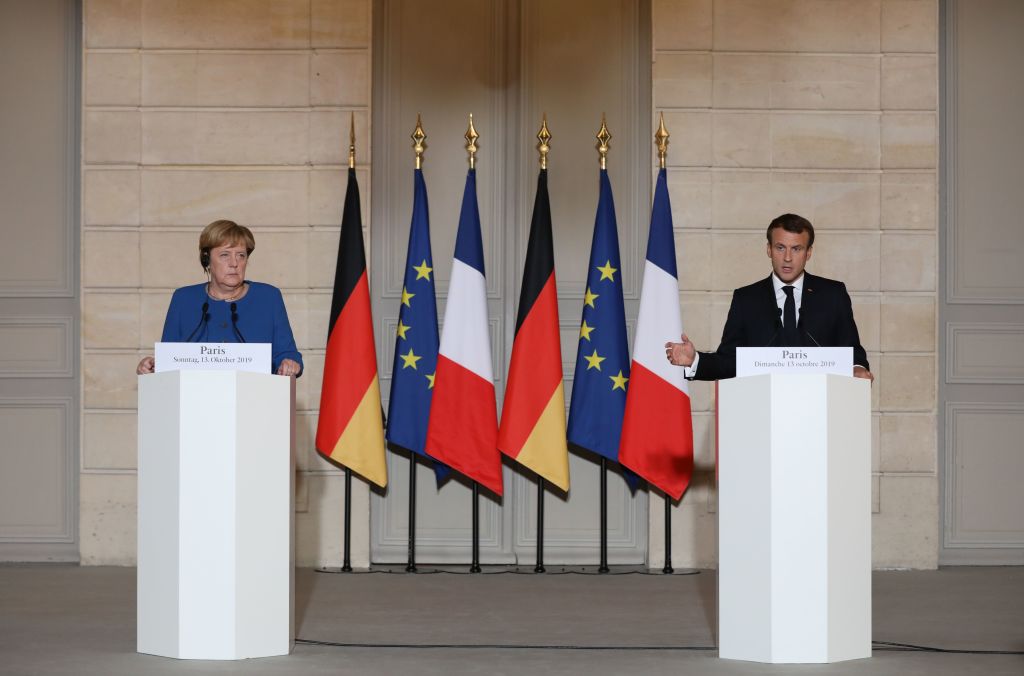
European Council President Charles Michel may have the most prestigious political post in the European Union, but the true power lies with the European Commission, the Union’s executive branch, whose president represents the EU abroad. Will the nomination of Ursula von der Leyen, the first woman to hold this post, affect relations between the EU and the Middle East in the years ahead? For her part, von der Leyen has said she will focus mainly on such matters as an “ambitious climate agenda,” a fair social market economy, and safeguarding democratic values in Europe, but the president-elect will also have to address developments in the Middle East. This will not be new territory for her.
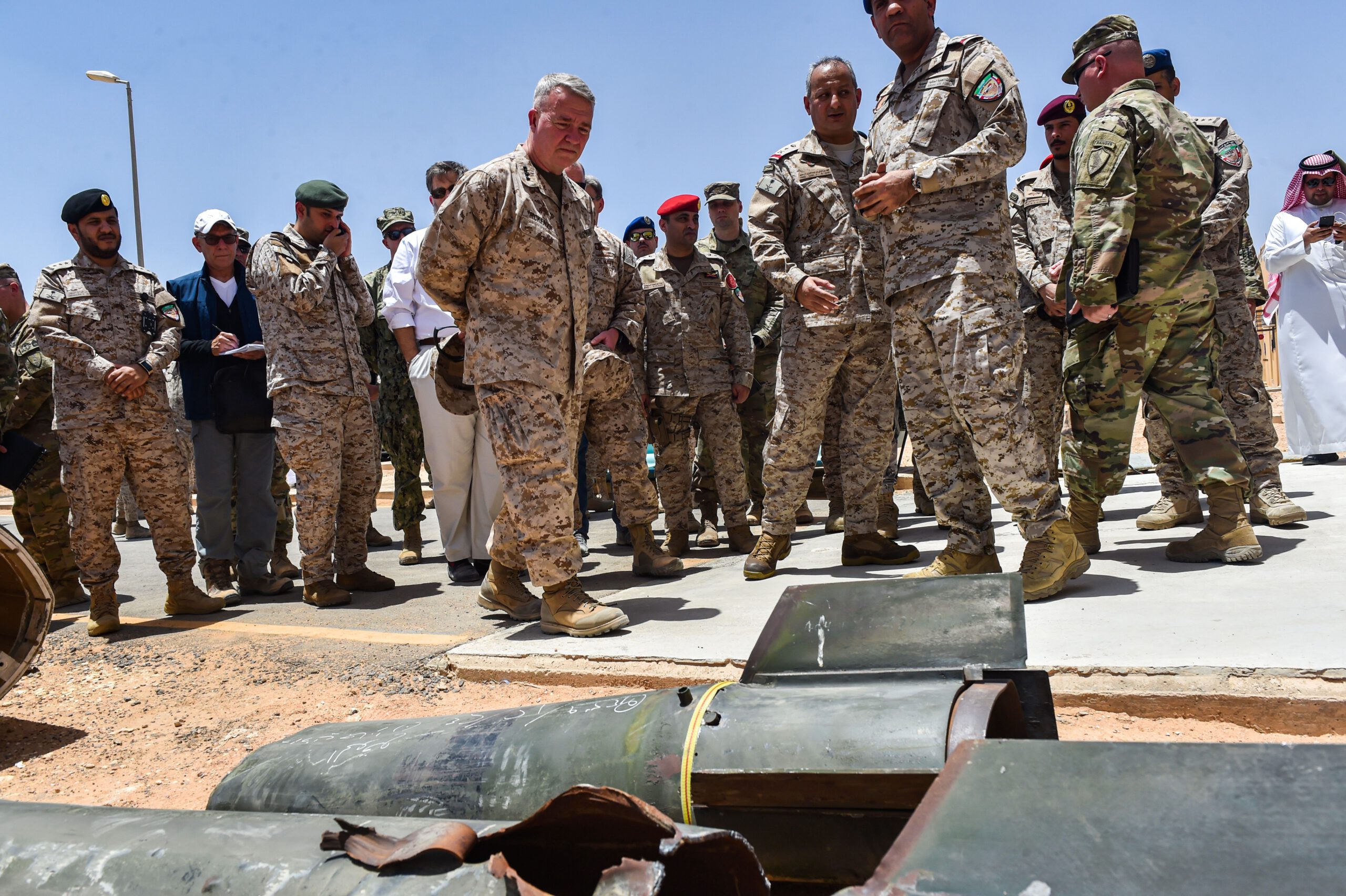
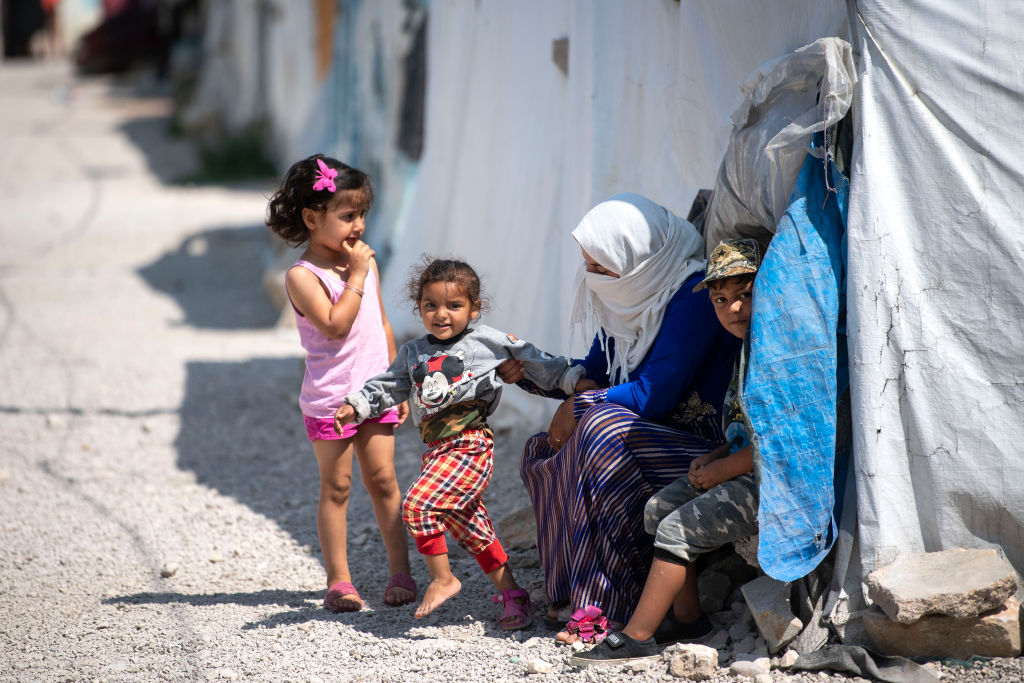
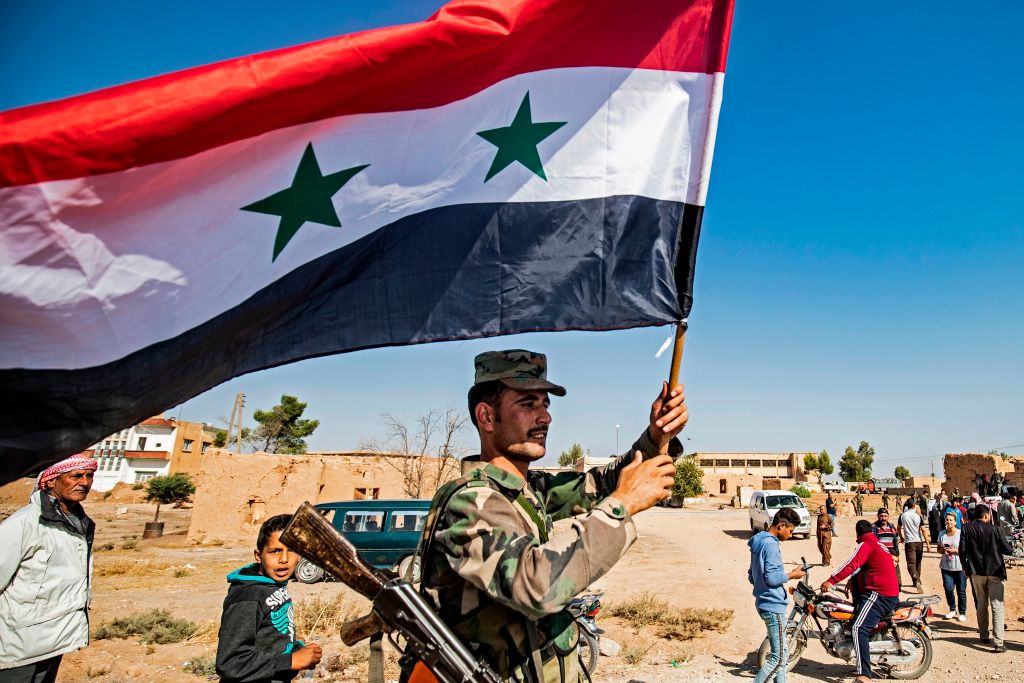
In one fell swoop, the U.S. has found itself evacuating a third of the country; breaking away from a 100,000-strong partner we trained and equipped; and watching it surrender to the regime that we have stood against from day one. In the chaos that has ensued, ISIS prisoners have been let loose, hundreds of thousands of civilians have been displaced, and a once relatively stable northeastern Syria has been thrown into a potentially intractable pit of ethnic, sectarian, and political conflict. The consequences of America’s self-destruction in Syria will be felt for many, many years to come.
The biggest losers from President Trump’s arbitrary decision to allow Turkish forces to enter Syria may end up being pro-revolution Syrians and civilians living in Idlib.
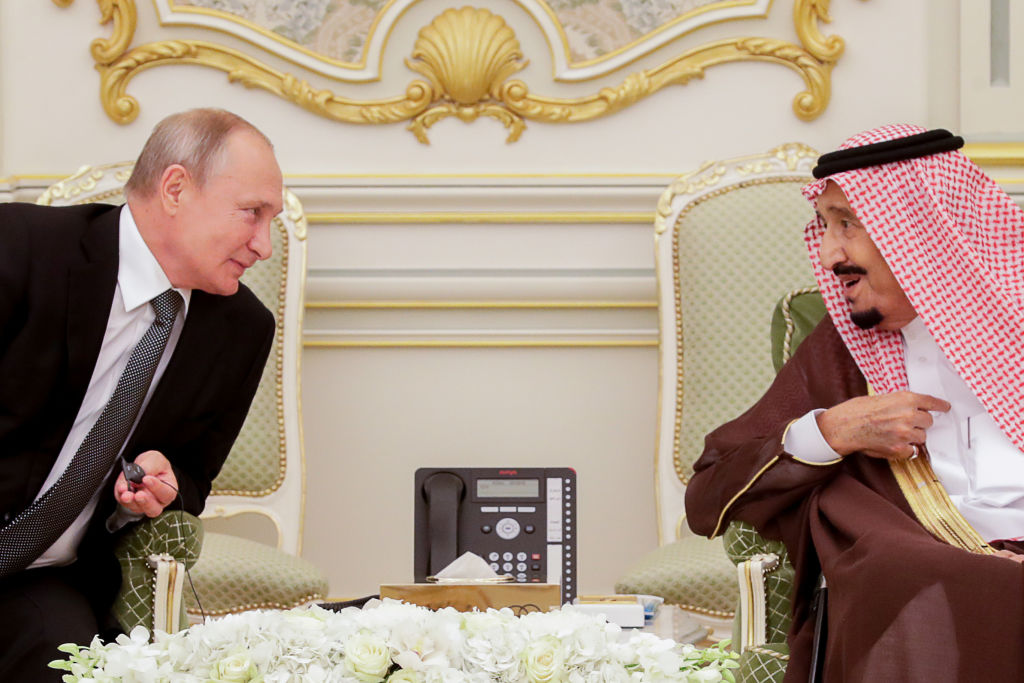
Putin’s visit to Saudi Arabia and the UAE takes place as the U.S. position in the Middle East collapses in the face of a series of misjudgments and “own-goals” by the Trump administration.
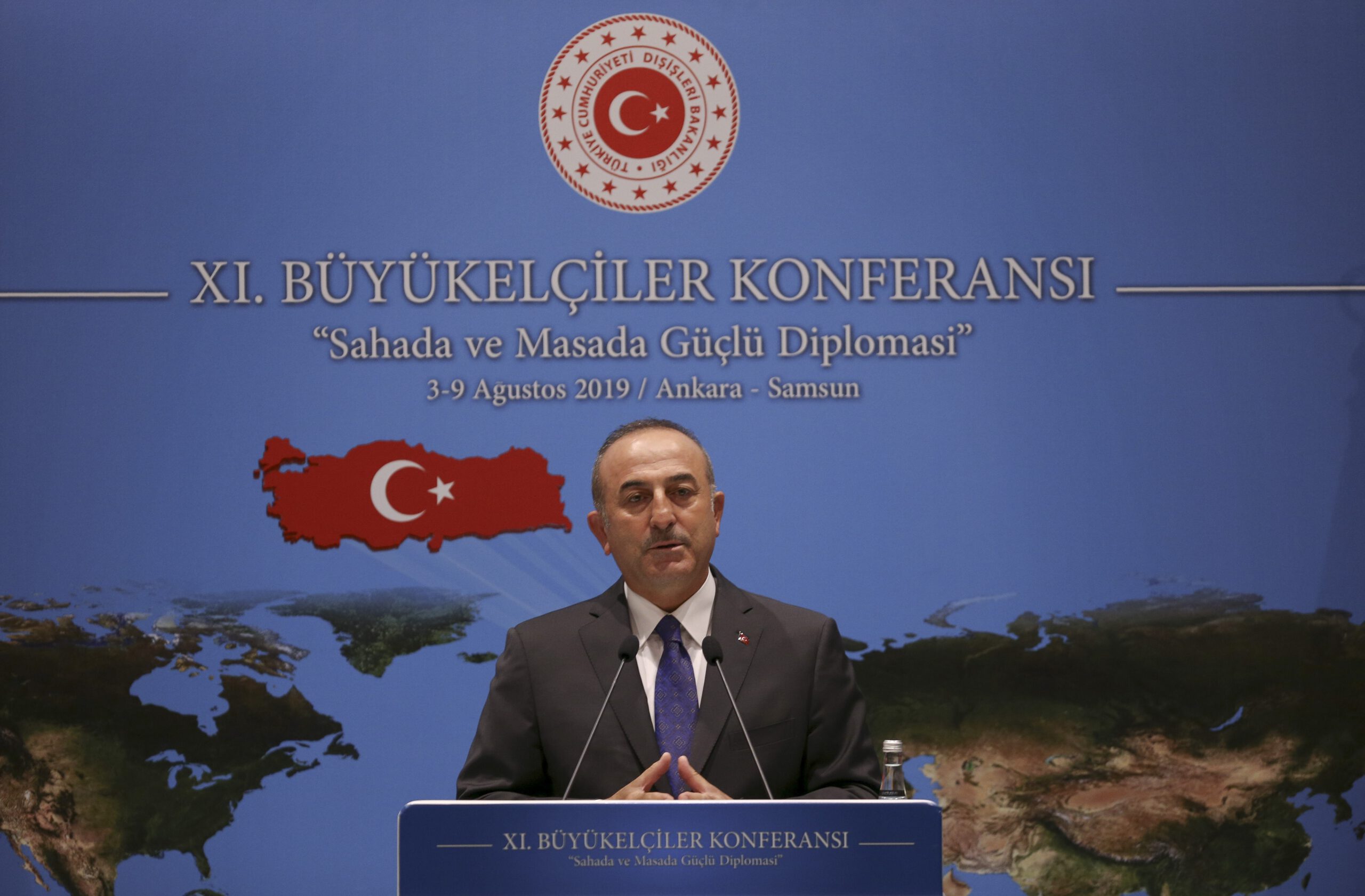
On August 5, 2019 Turkey’s Foreign Ministry launched the Asia Anew initiative, whose declared aim is to give greater weight to cooperation with Asian countries in four substantive areas. This article shows that, although few details have emerged regarding how Ankara intends to implement this initiative, there is nonetheless sufficient reason to question whether it is viable or sustainable.
In a stunning announcement on Sunday, the Trump administration gave the nod to a Turkish military incursion into northeastern Syria, an operation that would entail clashes with Washington’s Kurdish allies in the area. The U.S. military, which has around 1,000 troops in Syria, would not “support or be involved in the operation.” But the White House said it would pull back U.S. forces stationed near the Syrian-Turkish border to clear the way for Ankara’s troops.
The Turkish offensive against Syrian Kurdish forces could result in a military success, but it will also seriously damage Turkey’s image in Europe and elsewhere.
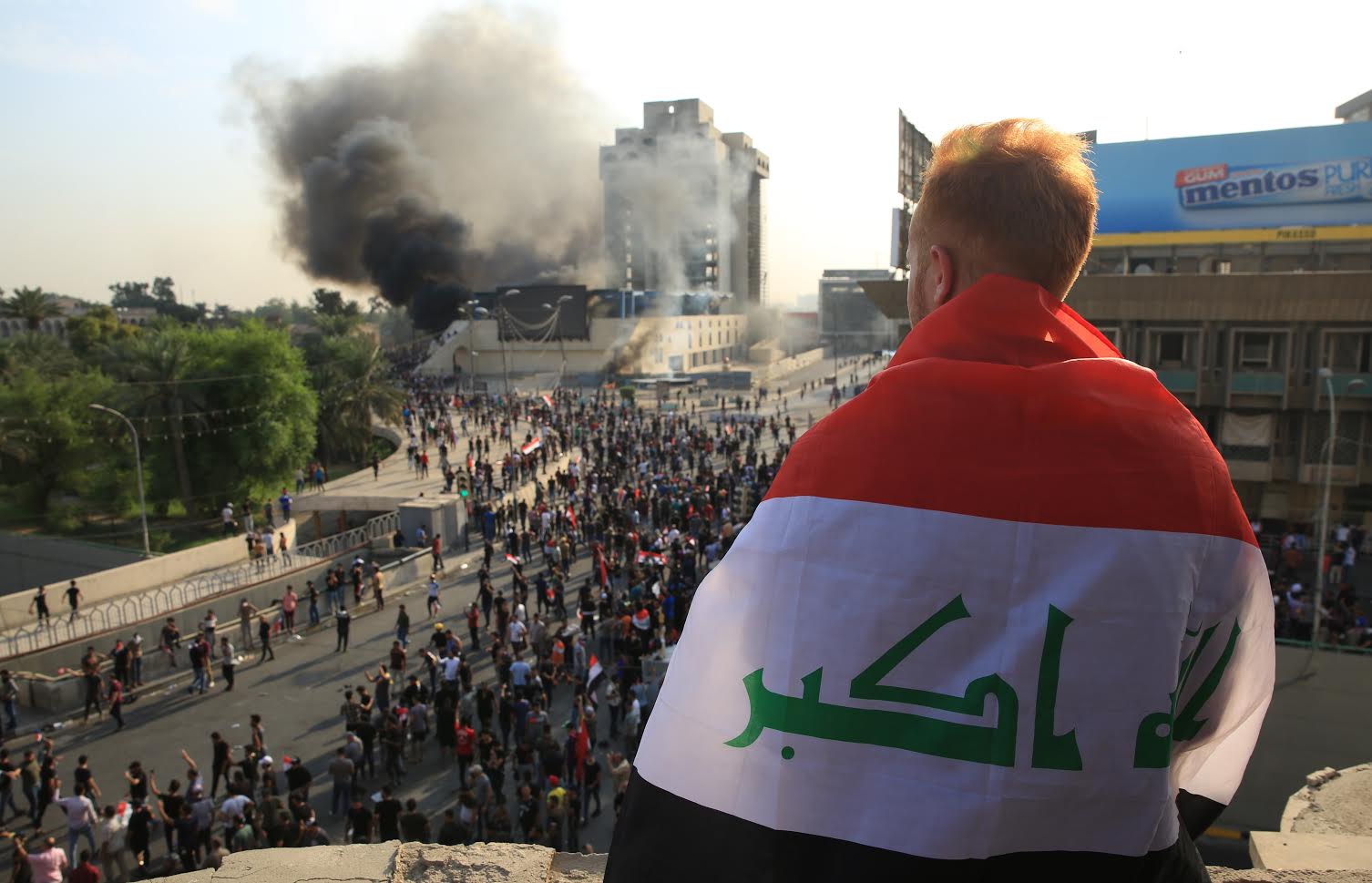
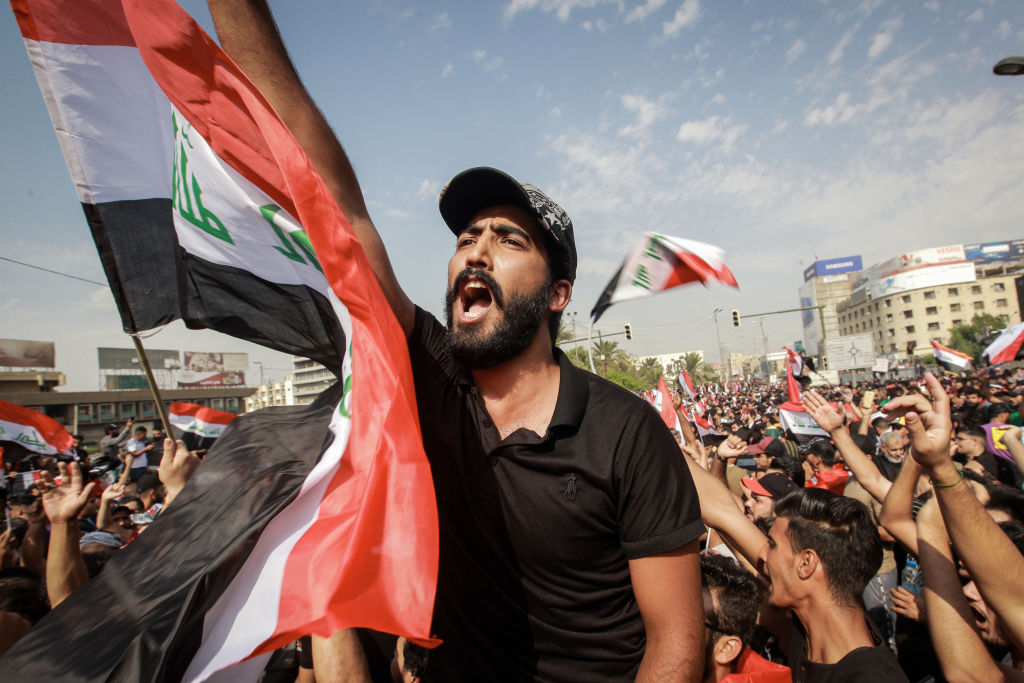
“We reached a level of injustice we could no longer take. For every action, there is a reaction,” explained one civil society activist following the Oct. 1 outbreak of protests in Baghdad and central and southern Iraq.
Washington has a hard long-term choice when it comes to Syria. The best chance for an optimal solution through a negotiated political deal was lost years ago. The U.S. now must choose a policy which will yield only a “least-bad” result.
The erosion of U.S. global hegemony in recent years is rarely a matter of dispute among American strategists. The United States has lost its preeminence in part because others, most notably China, have caught up, but also because it has overextended and exhausted itself abroad, leading to budget constraints, rightist populism, and acute political polarization at home.