This individual is a guest contributor. MEI is not able to assist with contact requests.
Shahmahmood Miakhel is the Country Director in Afghanistan for the US Institute of Peace (USIP). Prior to that he was a Governance Advisor for the United Nations Assistance Mission in Afghanistan (UNAMA), and, from 2003–2005, a Deputy Minister of the Interior in the Government of Afghanistan. In 1994–1995 he worked for the United Nations Development Programme (UNDP) and United Nations Office for Project Services (UNOPS) in South and Southeast Afghanistan helping to establish District Rehabilitation Shuras (DRS). He also worked as a reporter for the Pashto service of the Voice of America from 1985–1990.
Monday Briefing: Tenuous promise in Pakistan and Afghanistan
In this week’s Monday Briefing, MEI experts Marvin G. Weinbaum, Robert S. Ford, Alex Vatanka, and Birol Baskan provide analysis on recent and upcoming events including a potential agreement between Pakistan and Afghanistan, protests in Algeria, Rouhani’s planned trip to Baghdad, and recent Turkish naval exercises.
Madiha Afzal, visiting fellow at Brookings, and MEI’s Marvin Weinbaum join host Alistair Taylor to discuss Pakistan’s latest flare-up with India, the recent visit of Saudi Crown Prince Mohammed bin Salman, the US-Taliban talks, and the political and economic challenges facing the government of Imran Khan.
Observers of political affairs in the Arab world are keeping a close eye on the upcoming Arab League summit, set to be held at the end of March in Tunis. Although Syria will not participate in the meeting, the question of when, or how, to bring Damascus in from the cold after an eight-year suspension from the body will be the most important issue on the agenda.
After Warsaw is there a future for the Arab Peace Initiative?
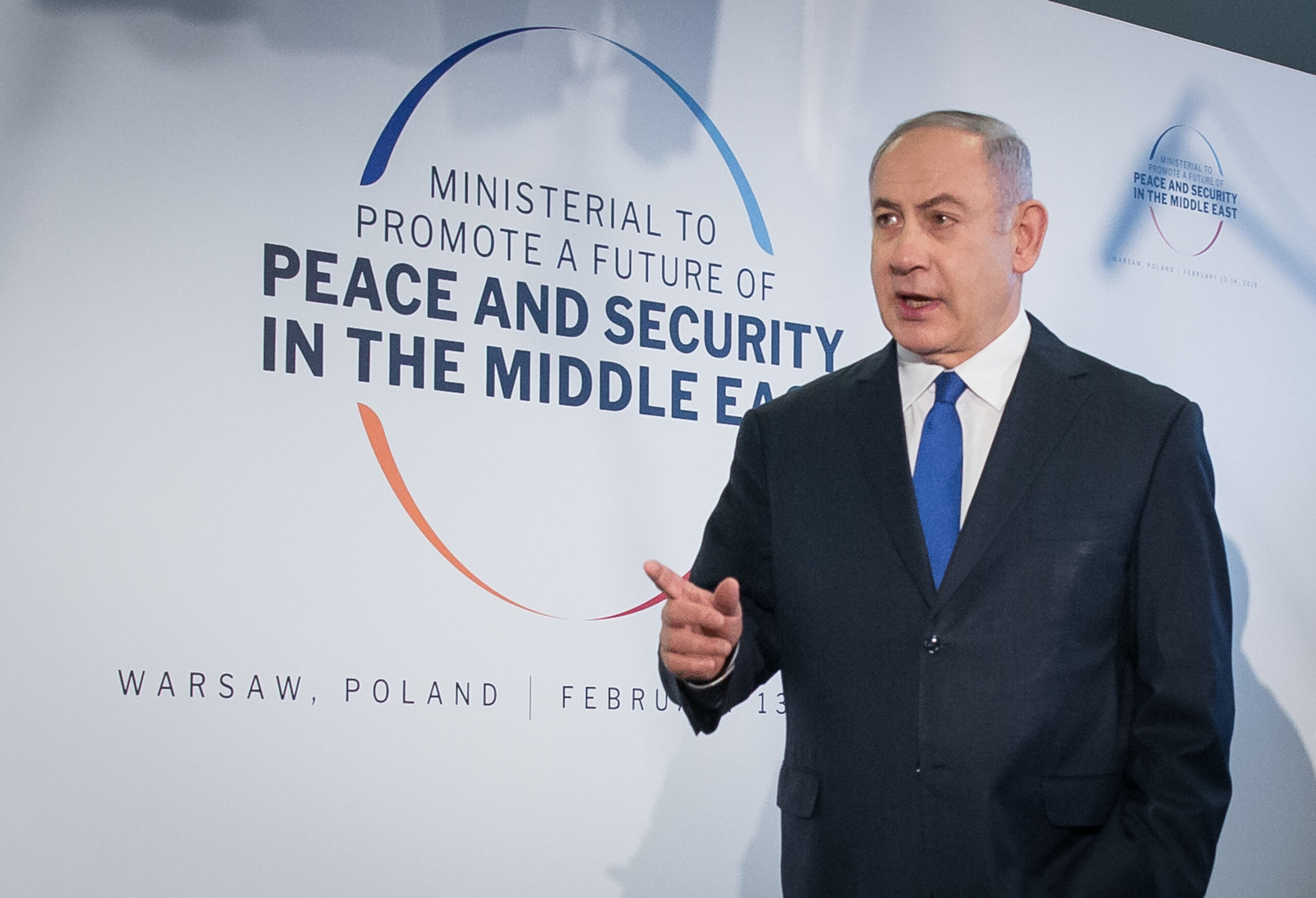
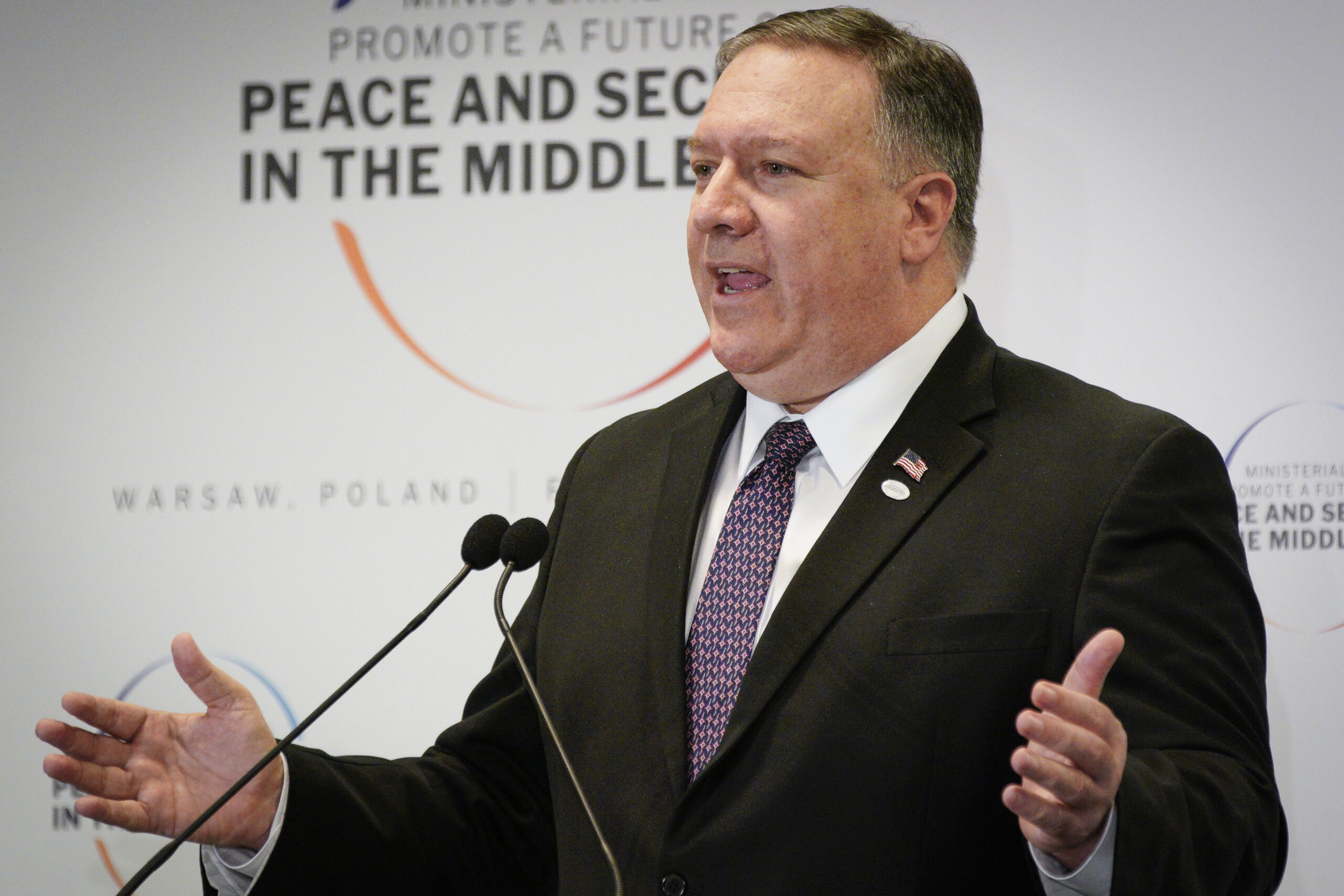
Washington devised the recent Middle East summit in Warsaw in the hope of mobilizing a broad front against Iran. In the end though, it was Israeli Prime Minister Benjamin Netanyahu who reaped the greatest reward.
Indonesia’s Democratization Underpinned by Major Islamic Groups and Consensus on National Ideology
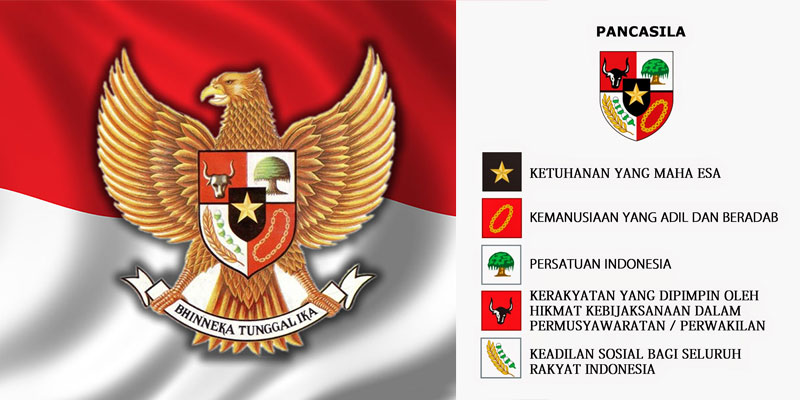
One of the most important reasons for Indonesia’s relative success is undoubtedly the existence of Pancasila, the pluralist State ideology. Equally important is the presence and role of major Islamic social and political groups, including the large Islamic mass organizations and Islamist political parties, that have supported the development of a truly inclusive, pluralistic and participatory democracy in Indonesia based on Pancasila.
Targeting the Revolutionary Guard: Why Iran’s blame game is not the answer
Following the Feb. 13 truck bomb on members of Iran’s Islamic Revolutionary Guards Corps in Sistan-Baluchistan, the government was quick to blame foreign powers. Iranian officials aim to deflect attention from the country’s intractable internal problems, such as the persecution of its Sunni minority, a deep-rooted issue that has often been overlooked by the international community.
Gerald Feierstein, MEI’s senior vice president, discusses the context of the resignation and its implications for Iran’s foreign policy, including the nuclear deal, as well as for its domestic politics.
Monday Briefing: Egypt hosts first EU-Arab League summit
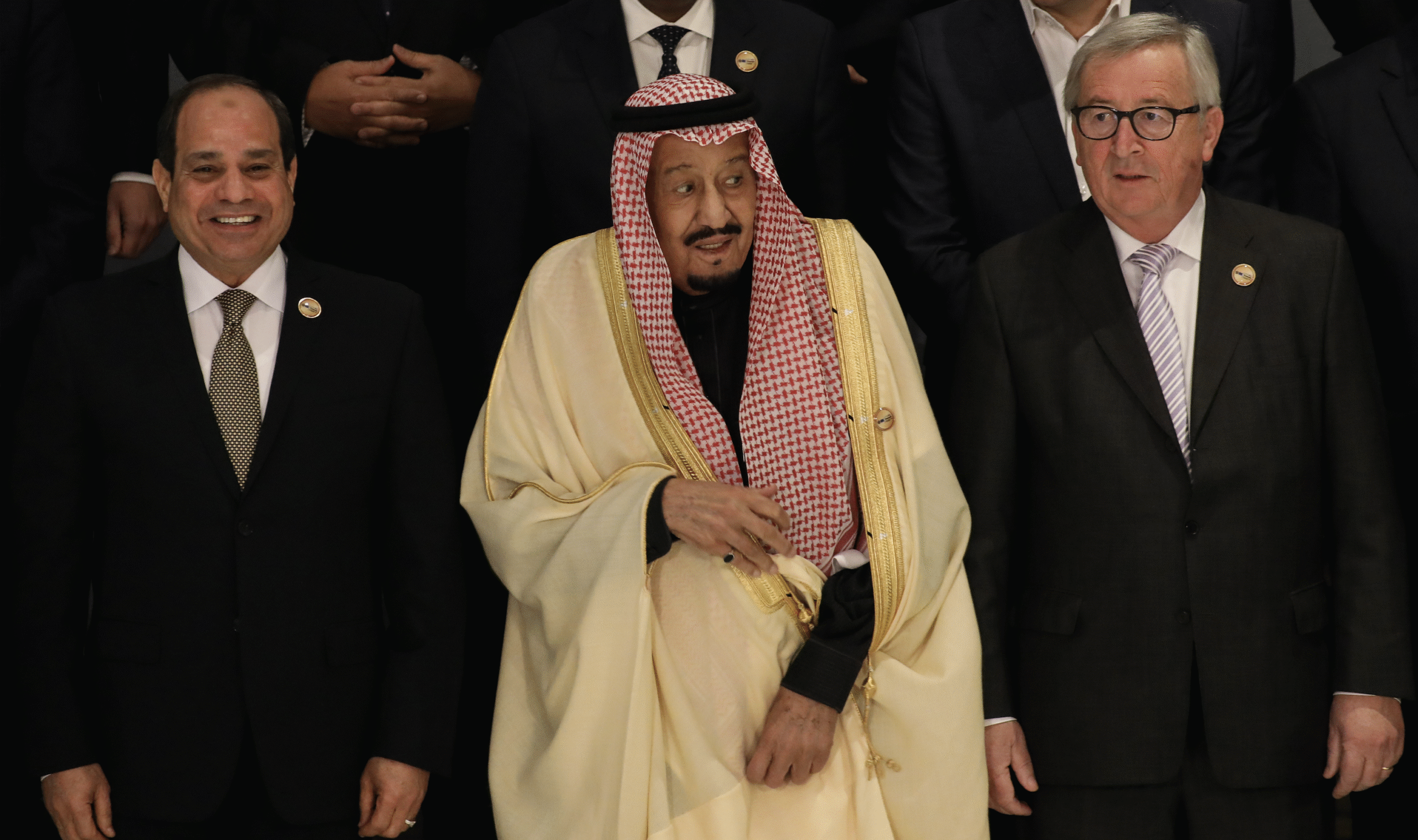
In this week’s Monday Briefing, contributors Mirette F. Mabrouk, Gerald Feierstein, Marvin G. Weinbaum, Przemysław Osiewicz, Grace Wermenbol, and W. Robert Pearson provide analysis on recent and upcoming events including the EU-Arab League summit, the progress in US-Taliban talks, challenges to Israeli Prime Minister Benjamin Netanyahu’s power, consequences of the Kashmir attack, and Turkey’s next steps in Syria.
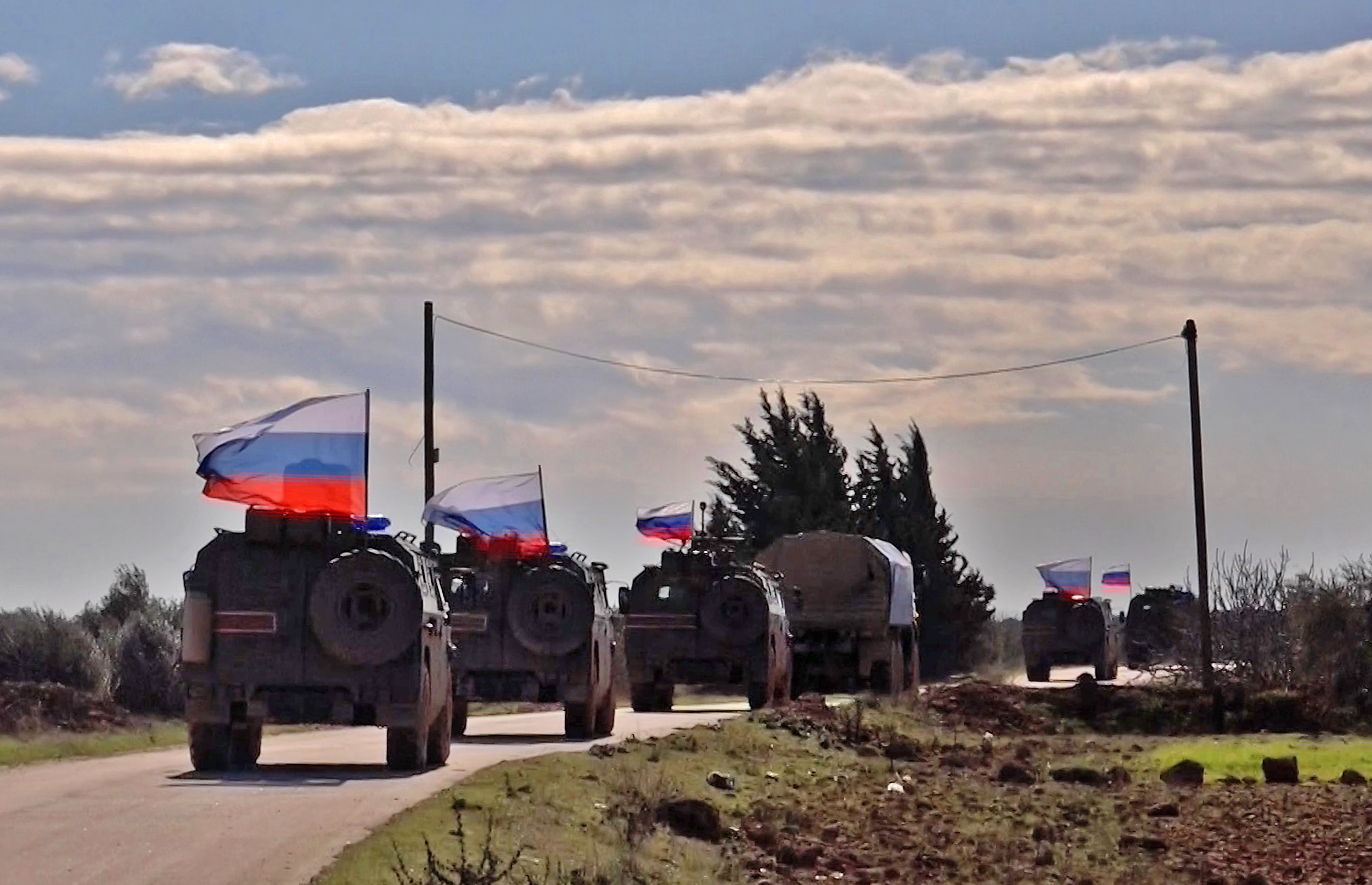
As the Sochi talks made clear, for all their efforts, Russia and Turkey remain far from a joint resolution on Manbij. But the two sides do not have equal clout on the issue. Russia’s significant and expanding military police presence in the Manbij countryside gives Moscow the final say on what will happen there, a reality that could result in Ankara losing some or all of the region to its Syrian rivals in Damascus.
The EU-Arab League Summit and the African migration crisis
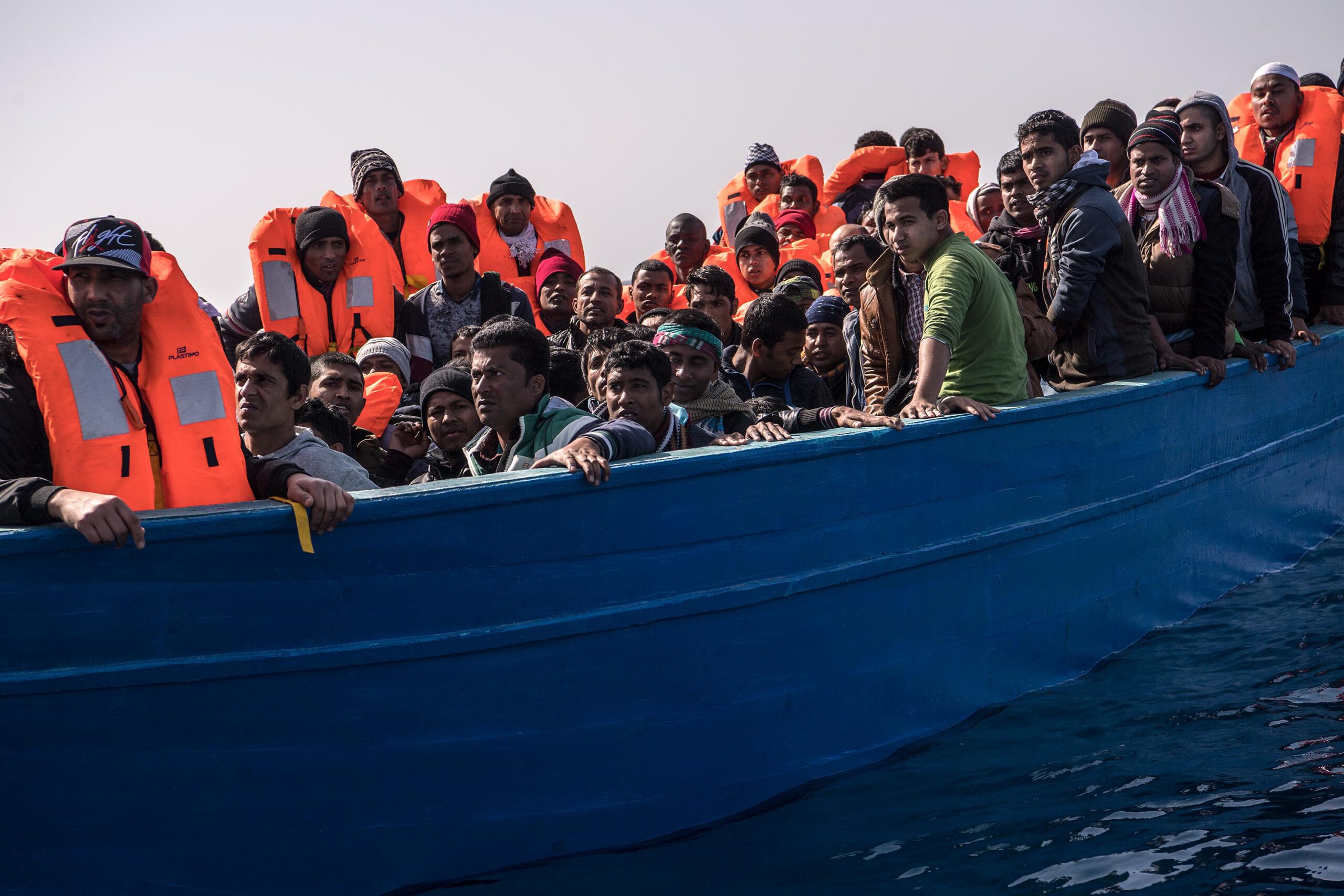
When this month’s EU-Arab League Summit in Egypt was announced last September, the issue of African migration to Europe topped the agenda. Other high-priority issues have since been added — such as solving five regional conflicts and addressing security, trade, and multilateralism — but migration remains the highest priority for a Europe still reeling from the 2015 migrant crisis.
The Middle East summit in Warsaw: Dead on arrival?
The Middle East Summit held last week in Warsaw, Poland, has been heavily criticized as a meeting to bolster anti-Iranian sentiments, rather than a genuine attempt at peace negotiations. This carries serious implications for the Middle East as well as US-EU relations.
Kenneth Pollack, resident scholar at AEI, joins host Alistair Taylor to discuss his new book, Armies of Sand: The Past, Present, and Future of Arab Military Effectiveness.
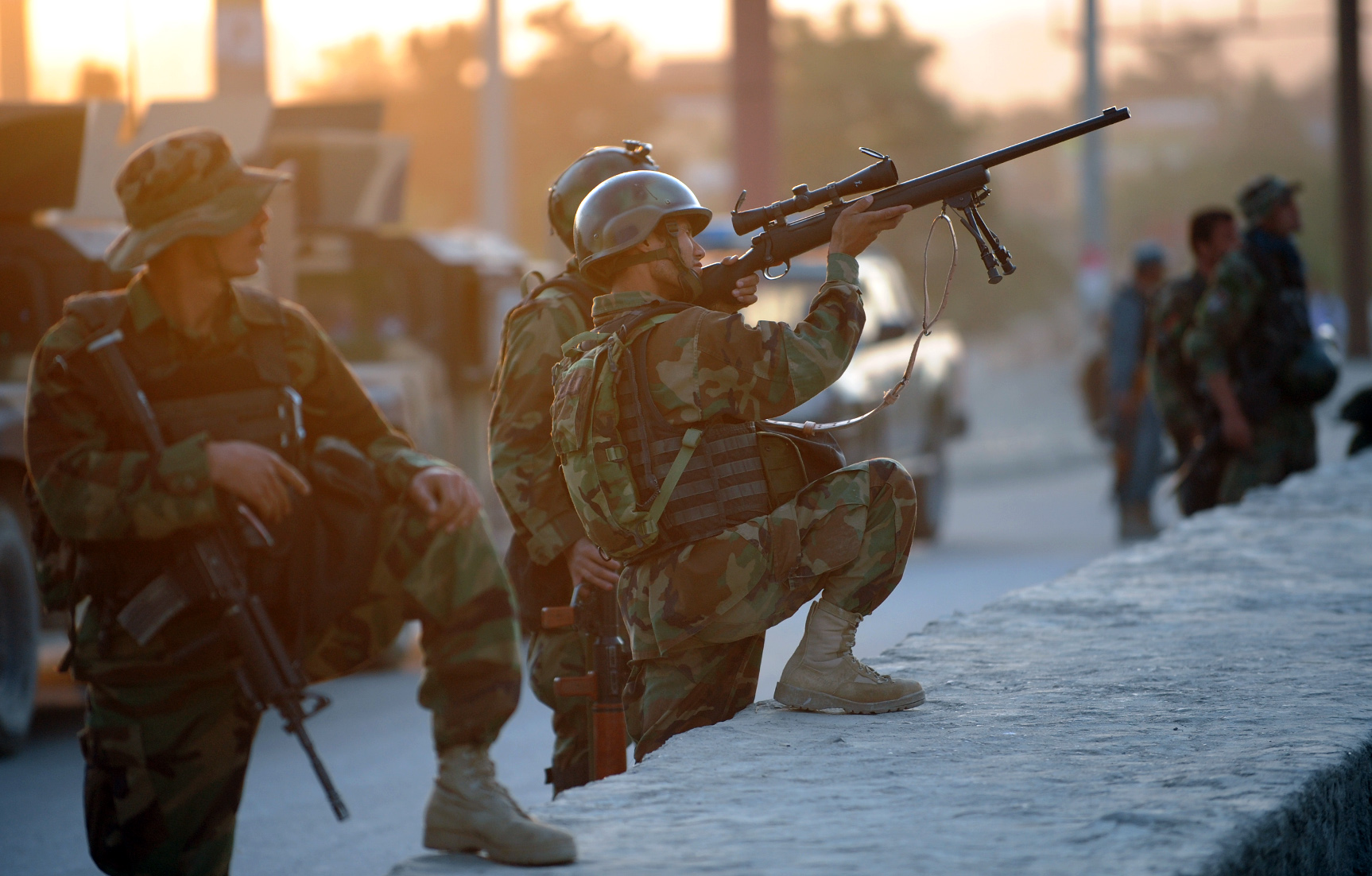
The current conflict in Afghanistan, the latest in a series of perpetual wars and episodes of civil strife over the past 40 years, is strategically stalemated. While the Taliban are willing to negotiate with the U.S. about the withdrawal of foreign troops from the country, they continue to reject direct talks with the Afghan government for a political settlement. Even with inclusive peace talks, there is reason to question whether the Taliban’s vision of a future Afghan state and society can be reconciled with a liberal, democratic constitutional order.