This individual is a guest contributor. MEI is not able to assist with contact requests.
Shahmahmood Miakhel is the Country Director in Afghanistan for the US Institute of Peace (USIP). Prior to that he was a Governance Advisor for the United Nations Assistance Mission in Afghanistan (UNAMA), and, from 2003–2005, a Deputy Minister of the Interior in the Government of Afghanistan. In 1994–1995 he worked for the United Nations Development Programme (UNDP) and United Nations Office for Project Services (UNOPS) in South and Southeast Afghanistan helping to establish District Rehabilitation Shuras (DRS). He also worked as a reporter for the Pashto service of the Voice of America from 1985–1990.
Egypt and Saudi Arabia: Any good relationship needs work
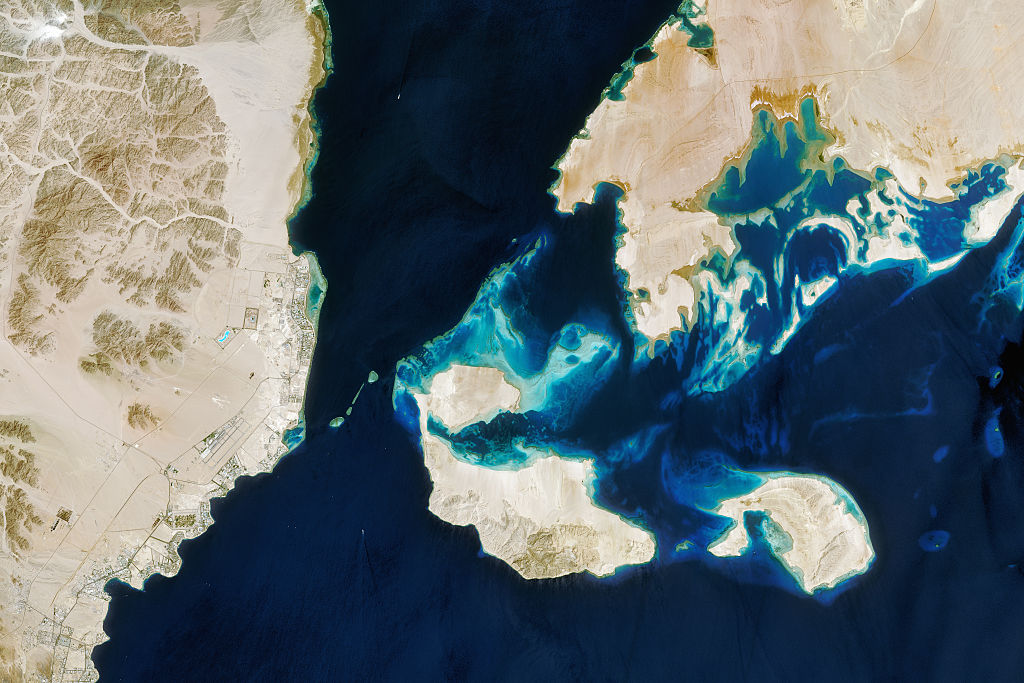
Egypt and Saudi Arabia share many foreign policy and regional security objectives and have a long and complicated relationship. Recent events in the Middle East have strengthened that relationship, even as they continue to negotiate difficult bilateral issues, like the long-running dispute over control of the islands of Tiran and Sanafir.
Russia’s military presence in post-Assad Syria: A growing security liability undermining stability
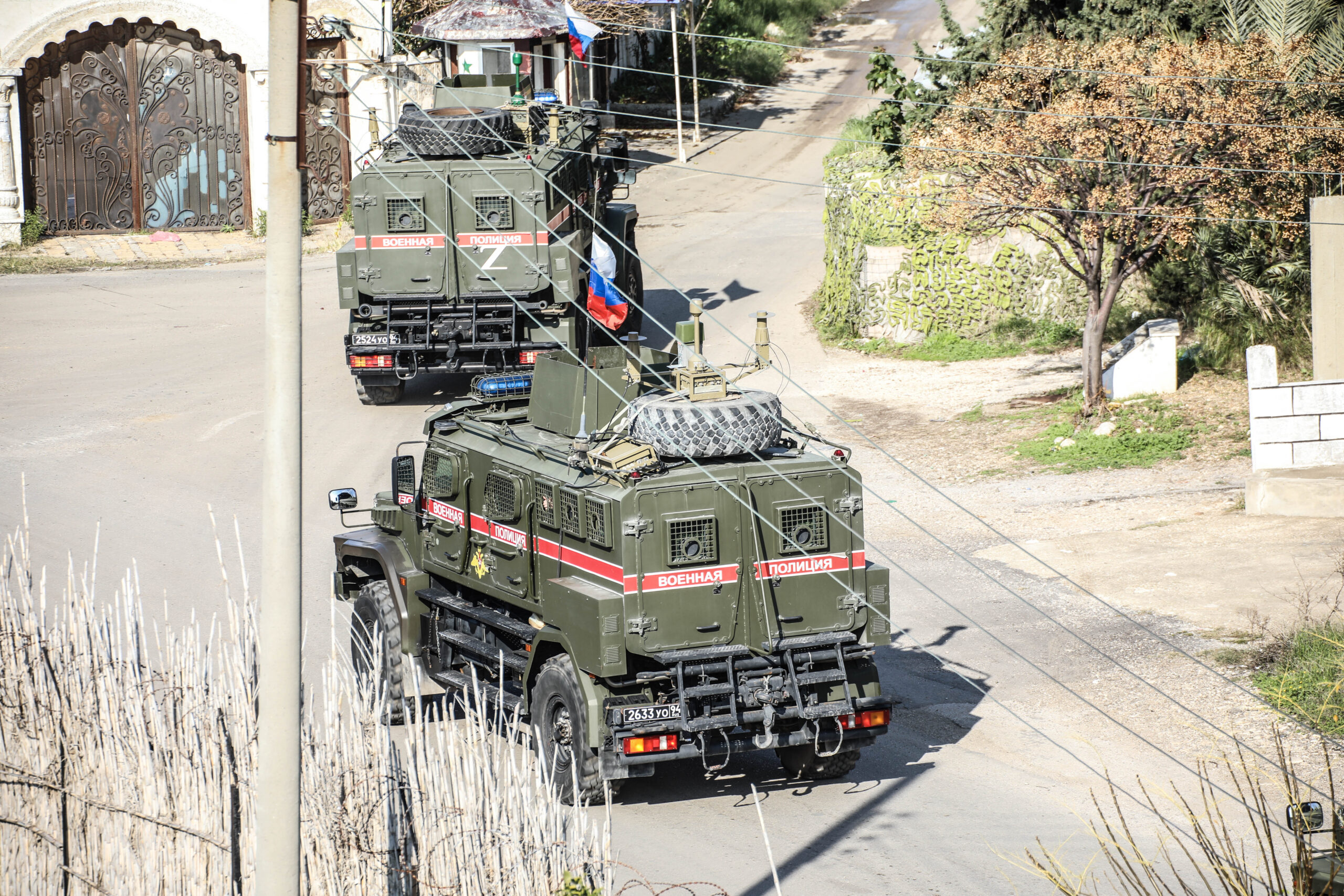
Six months since the collapse of the Assad regime, the Russian military presence in Syria has remained entrenched in strategic locations such as the Hmeimim airbase and Tartous port on the coast, as well as at Qamishli airport in the northeast. This persistence has reignited an increasingly pressing debate about Moscow’s role in the new Syria.
Why the US should build data centers in Dubai and Riyadh
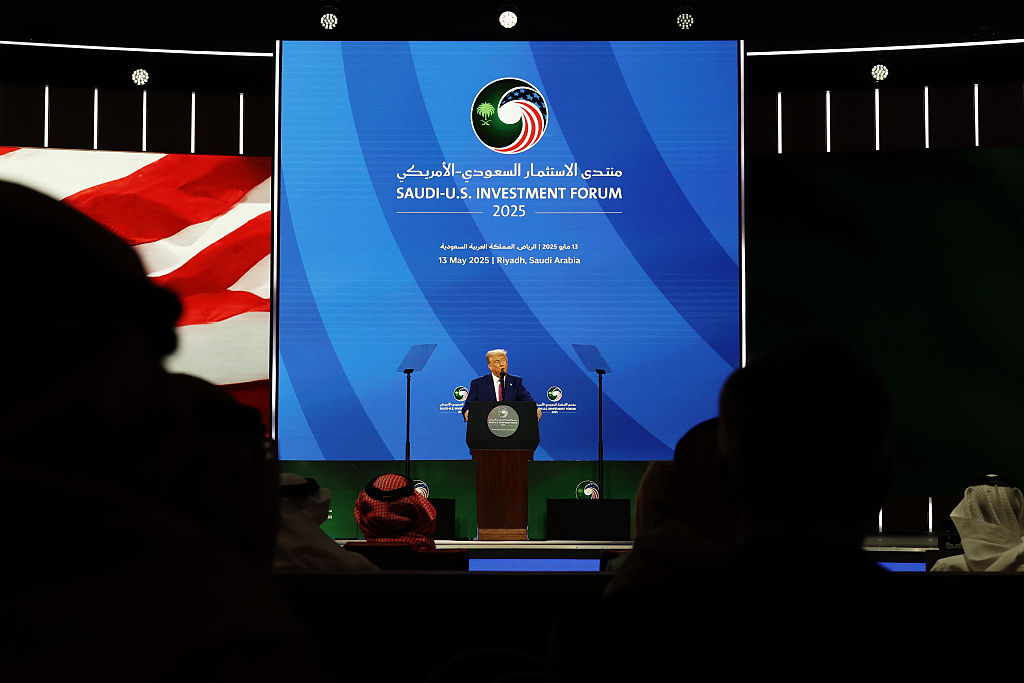
Together, the UAE and Saudi Arabia, and the broader Gulf region, are positioning themselves as potential backends of AI for emerging markets across Asia and Africa, laying the groundwork for a U.S.-aligned model of AI partnerships that could, over time, outpace China in the global AI race.
Syria After Assad: Transitional Justice, Governance, and the Road Ahead
With Bashar al-Assad ousted and Syria entering a new political chapter, what comes next for a country ravaged by war, repression, and sectarian divisions? Gonul Tol speaks with Steven Heydemann (Smith College) and Radwan Ziadeh (Arab Center Washington DC) about the challenges of transitional justice, prospects for democratic reform, and the role of Syria’s new de facto leader, Ahmed al-Sharah. Can a centralized government model provide inclusive governance? What kind of support—or interference—should Syrians expect from foreign powers?
The Gulf’s water crisis: Why cooperation is crucial — and complicated
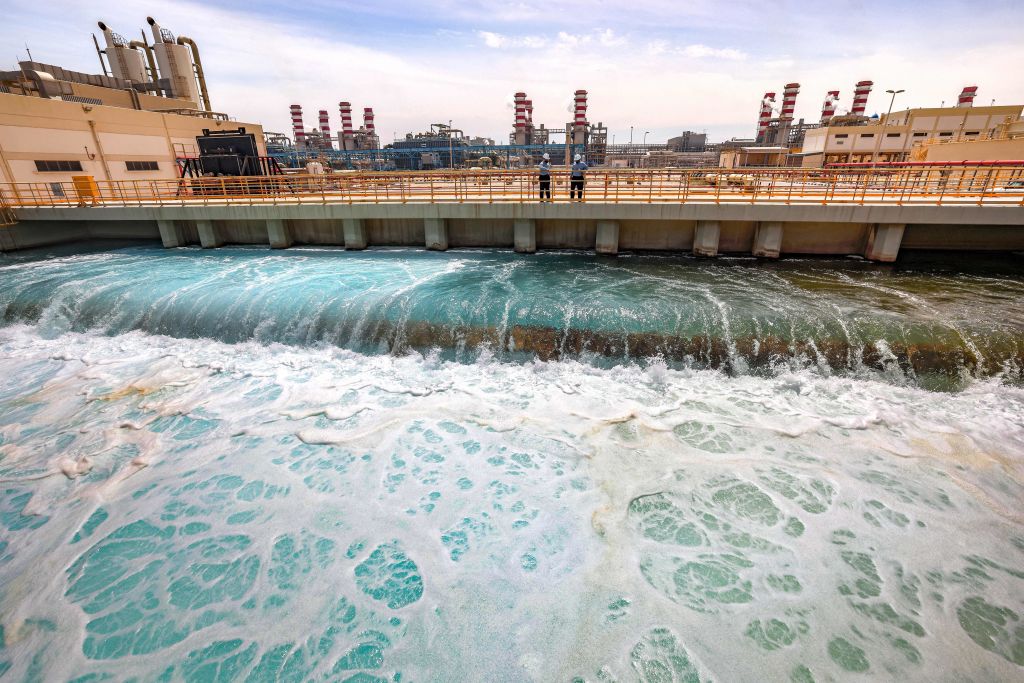
On June 19, false reports of an Israeli strike on Iran’s Bushehr nuclear plant sparked alarm across the Gulf. Though denied by Israeli officials, the claim traces back to a warning from Qatar’s prime minister of a potential catastrophe in the event of nuclear contamination — no water, no food, no life — due to the Gulf’s reliance on desalinated seawater. Gulf governments moved quickly to reassure the public that no radiation had been detected, but the episode underscored the region’s growing sense of vulnerability. A regional approach to water security could help to mitigate such risks.
How US Policy Is Taking Shape – From Libya To Iran
Stephanie Williams, former US diplomat and deputy head of the UN mission in Libya, sits down with Brian Katulis for a wide-ranging conversation about what’s happening in the Middle East today. They talk through the latest on Israel and Iran and assess how a second Trump administration is already shaping US policy toward the region. Williams also shares how her decades of experience—and insights from her new book, Libya Since Qaddafi: Chaos and the Search for Peace—inform the way she sees today’s unfolding dynamics.
The balance of power in Yemen after the US-Houthi cease-fire
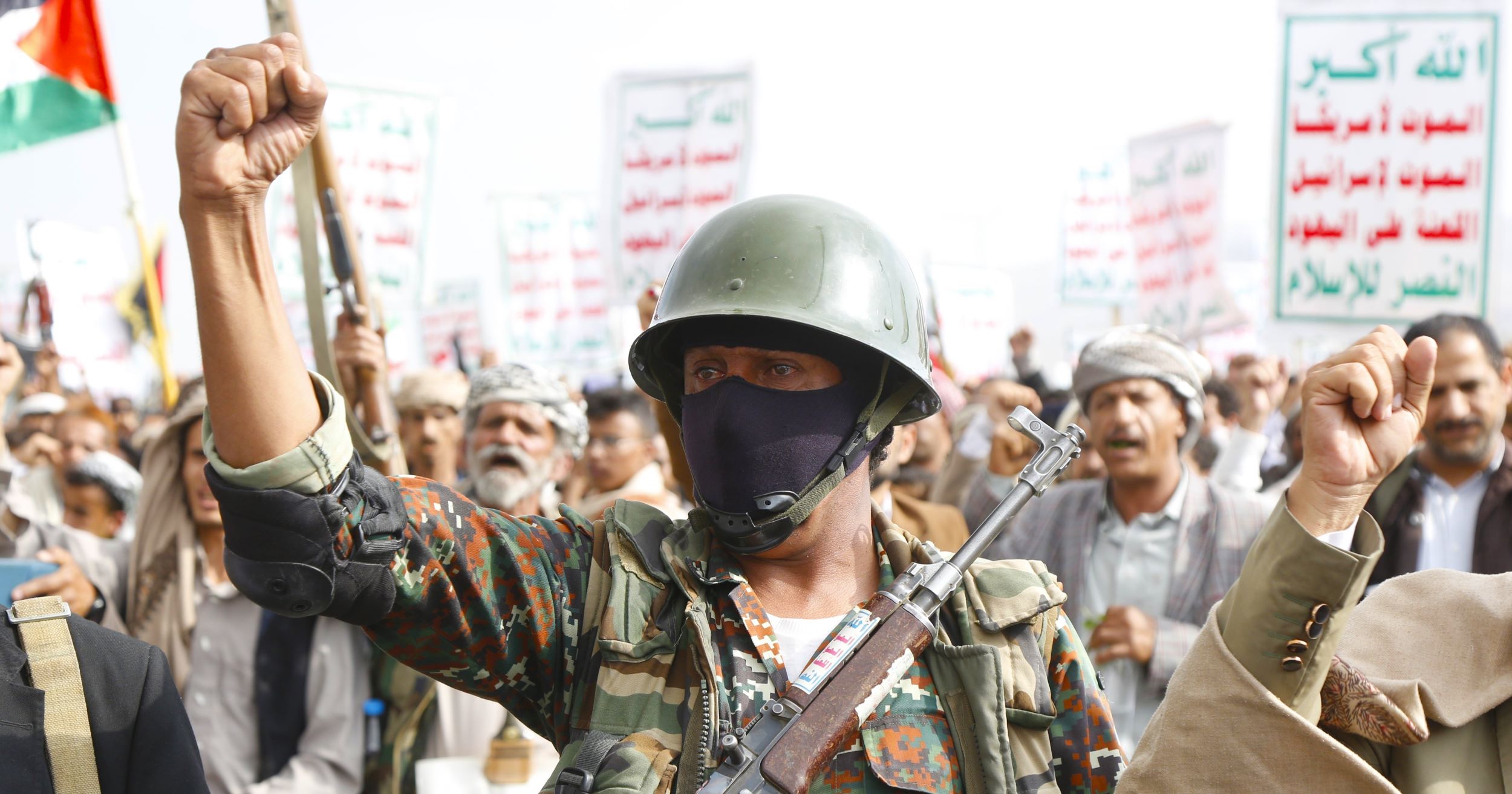
The May 6 cease-fire between the United States and the Houthi militia in Yemen has had a consolidating effect on the balance of power inside the war-torn state and hardened the status quo of the country’s civil war. In turn, the outcome of Israel and Iran’s subsequent 12-day war has the potential to temporarily shake up this status quo once again; but Yemen’s fracturing anti-Houthi coalition is unlikely to be able to exploit that opportunity.
After the 12-Day War: Iran, Israel, and the Future Regional Order
The dust has barely settled following the dramatic 12-day war between Israel and Iran, but its political and strategic reverberations are already shaping the future of the Middle East. In this episode of Middle East Focus, Ross Harrison, senior fellow and book series editor at the Middle East Institute, joins hosts Alistair Taylor and Matthew Czekaj to assess what comes next — from Tehran’s internal power recalibrations to the future of Iran’s forward defense strategy, and shifting regional alliances.
Iraq tries to assert state authority during crisis
The Iraqi government has long navigated a path between maintaining political ties with its Iranian neighbor and Tehran’s allies inside Iraq on the one hand, and preserving its security relationship with the United States on the other. Unsurprisingly, it quickly welcomed US President Donald Trump’s June 23 Israel-Iran cease-fire agreement.
Bonus Episode: A Fragile Ceasefire Between Israel and Iran
This special Bonus Episode of Middle East Focus gives listeners access to a recent MEI press briefing on the evolving Israel-Iran conflict, recorded on Wednesday, June 25. You’ll hear from MEI’s Distinguished Military Fellow Vice Admiral Kevin Donegan, Distinguished Diplomatic Fellow Alan Eyre, and Senior Fellow Paul Salem who join MEI’s Ken Pollack to discuss the ongoing conflict, in light of the recent proposed ceasefire agreement.
While most international media are focused on what will happen today or this week between America and Iran, the real story is much bigger—the complete turning of the tables on Iran.
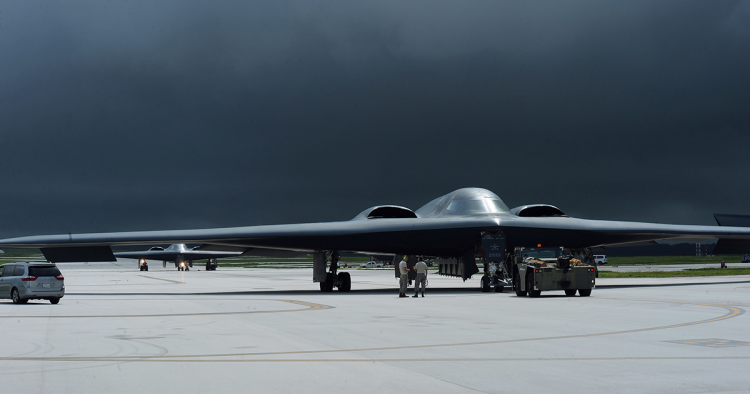
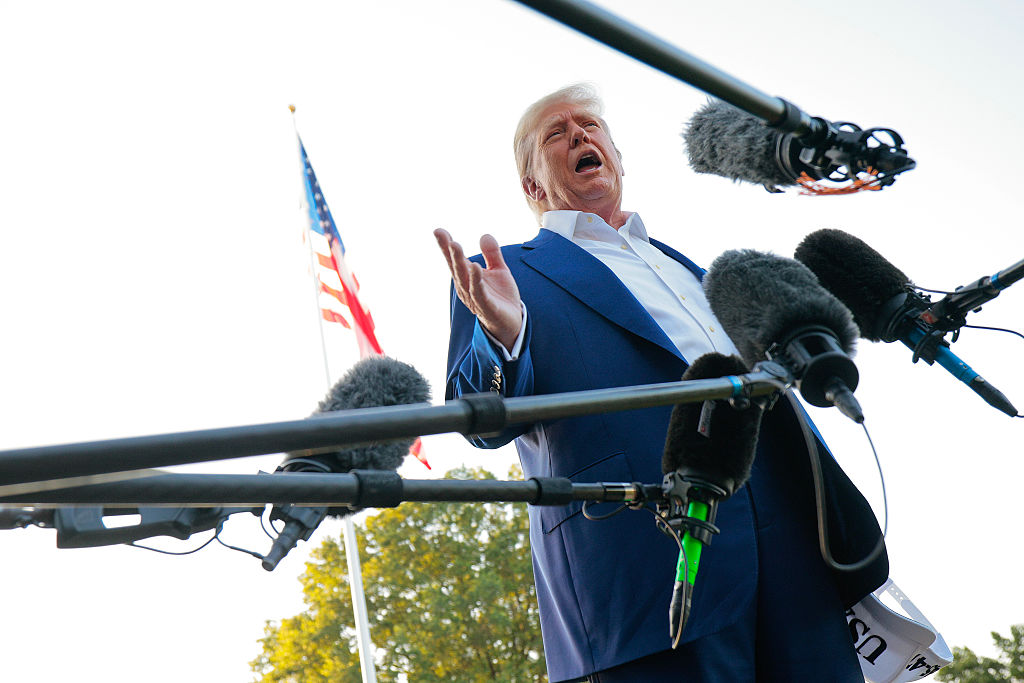
Three essential questions to ask in the aftermath of America’s attack on Iran
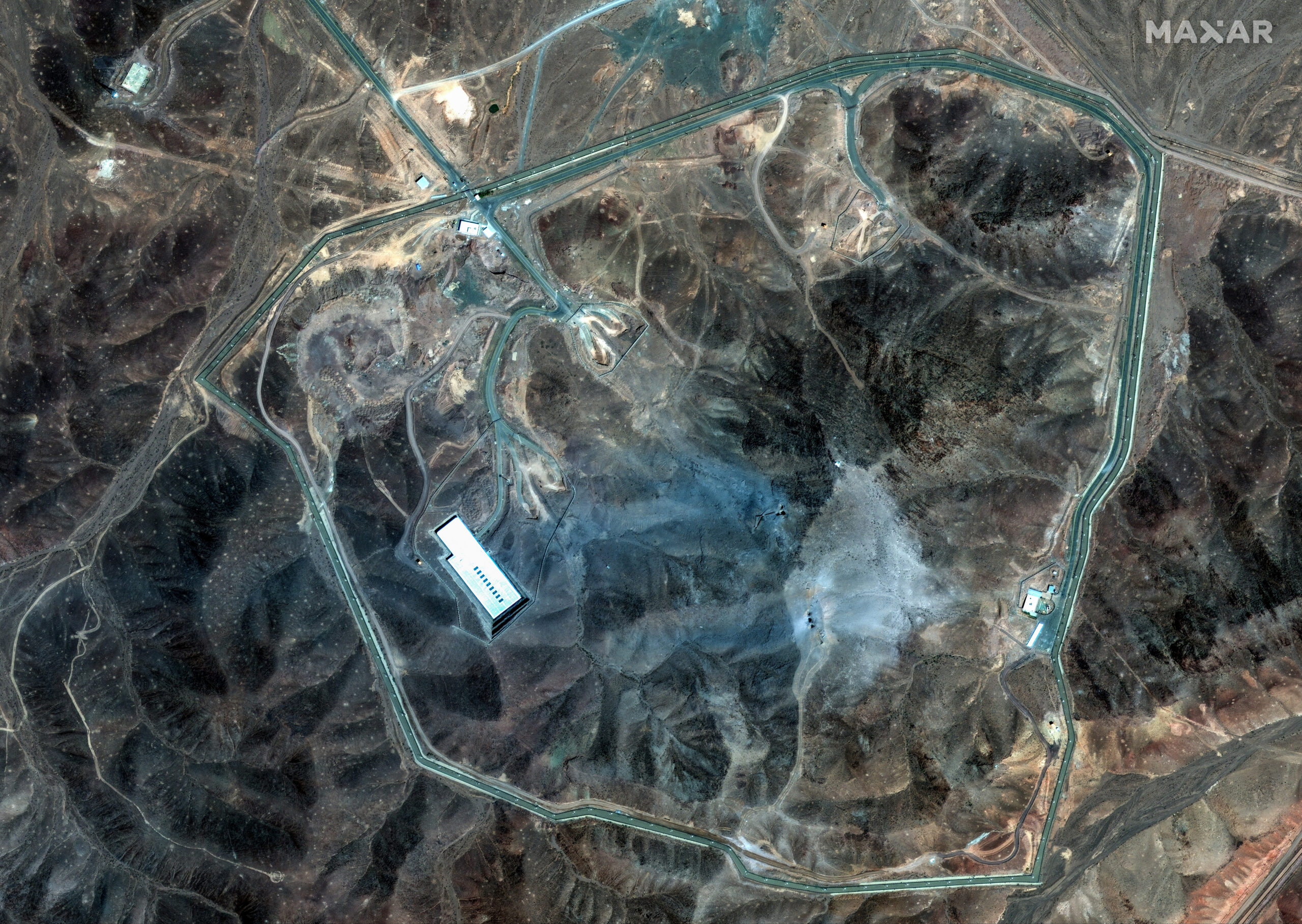
This past Monday, after 12 days of war, Israel and Iran agreed to a cease-fire brokered by the US and Qatar. Three key questions presently loom over US policy on Iran and the wider Middle East.
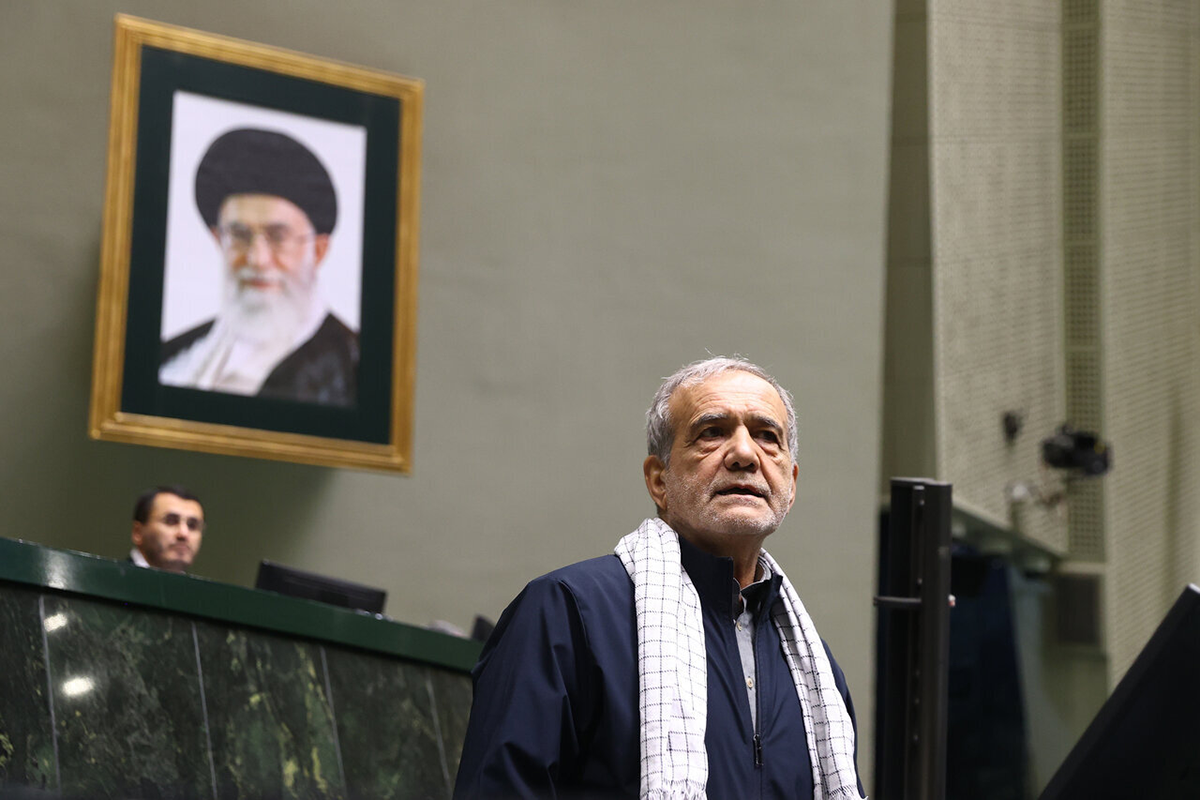
Pezeshkian’s overtures: Cosmetic change or real shift in power?
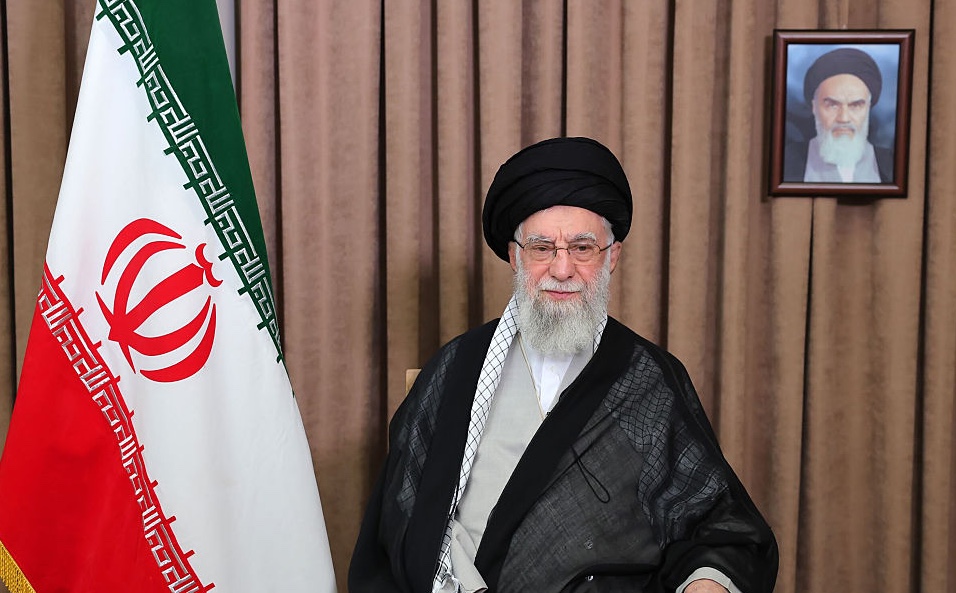
Where is Ali Khamenei? That is the question on the minds of many Iranians and foreign observers in the aftermath of the 12-day war between Iran and Israel. As missiles rained down and retaliatory strikes escalated, one voice was conspicuously absent: that of the supreme leader of the Islamic Republic.