This individual is a guest contributor. MEI is not able to assist with contact requests.
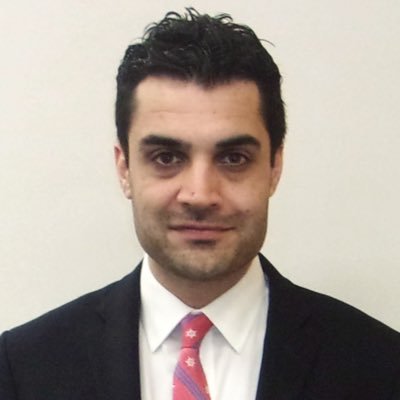
Shahmahmood Miakhel is the Country Director in Afghanistan for the US Institute of Peace (USIP). Prior to that he was a Governance Advisor for the United Nations Assistance Mission in Afghanistan (UNAMA), and, from 2003–2005, a Deputy Minister of the Interior in the Government of Afghanistan. In 1994–1995 he worked for the United Nations Development Programme (UNDP) and United Nations Office for Project Services (UNOPS) in South and Southeast Afghanistan helping to establish District Rehabilitation Shuras (DRS). He also worked as a reporter for the Pashto service of the Voice of America from 1985–1990.
The Iranian naval forces today tested its new medium-range cruise missile during a two-day drill underway in the Sea of Oman, the Iranian media reported.
Hamas wants Khamenei to lead fight against US, Israel over Jerusalem
The representative of the Palestinian Hamas in Lebanon, Ali Barakah, has said that the militant group wants Iran’s Supreme Leader Ali Khamenei to unify the Islamic community and lead the fight against the United States and Israel after Washington’s decision to recognize Jerusalem as the Jewish state’s capital.
Iran deports scores of youth to western Afghanistan
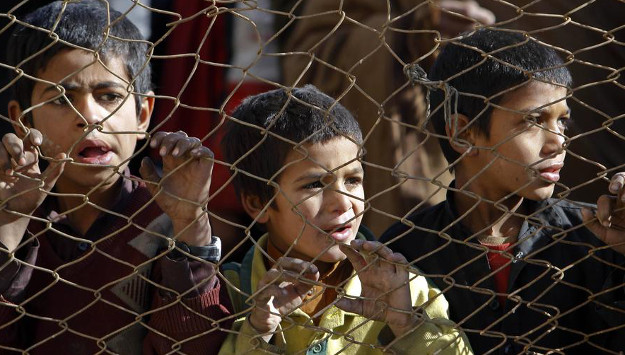
Iran everyday deports hundreds of Afghans, including a sizable number of children and teenagers, BBC Persian reports. According to Afghan officials working on refugee affairs in western Herat Province, which borders Iran, about 500 undocumented Afghans are sent back to Herat through Islam Qala border crossing. The BBC report also reveals that human traffickers entice young men from rural Afghanistan into going to Iran for work opportunities. But many face significant dangers on their journey to Iran or are subjected to deportation even if they reach Iran.
Pence’s pointless peregrination in the Mideast | Monday Briefing
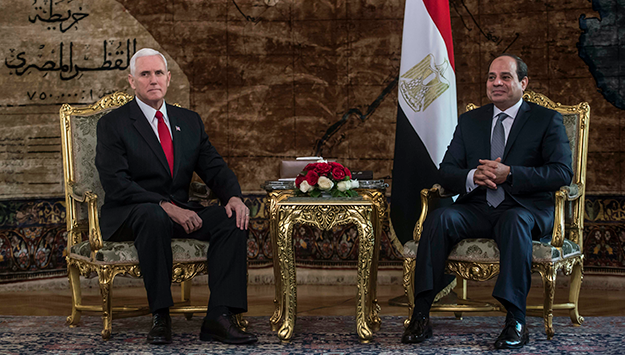
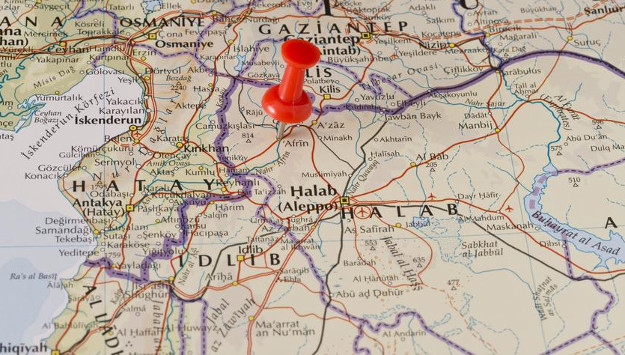
In this week’s Monday Briefing, MEI experts Paul Salem, Robert S. Ford, Randa Slim, and Jonathan M. Winer provide analysis on recent and upcoming events including Vice President Mike Pence’s trip to the Middle East, Turkey’s assault on Afrin, Iraq’s upcoming elections, and the U.N. humanitarian aid plan for Libya.
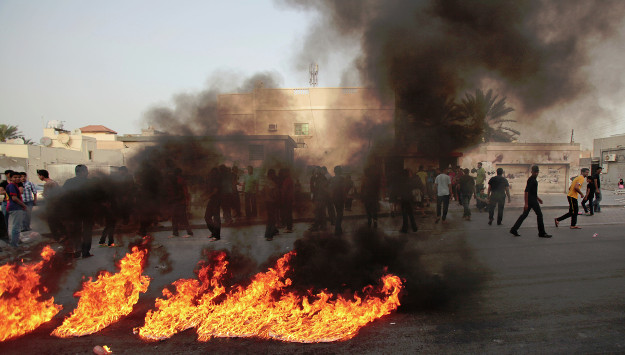
Manama says Tehran and its regional allies sponsor “terrorist cells” to destabilize Bahrain
Bahrain’s interior minister said on Sunday that Tehran and its regional proxies are supporting militant groups that carry out terrorist actions on the Bahraini soil, Iranian and
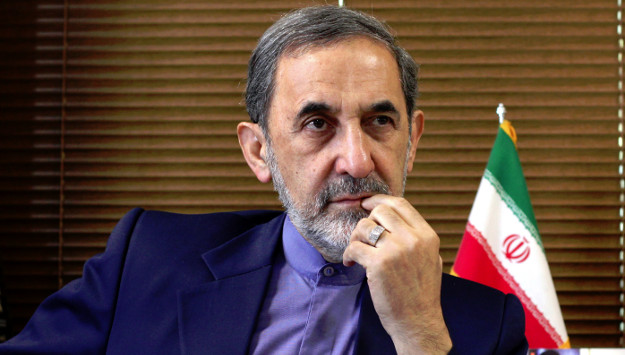
Khamenei’s advisor: Iran will stay in Syria and Iraq and help Damascus fight US troops
A top advisor to Supreme Leader Ali Khamenei defended Iran’s costly involvement in regional conflicts and called for a long-term military presence in Syria and Iraq, Fars News Agency reported. “Our forces must stay in Iraq and Syria so as to defend Islamic unity. This is because if Iran is not present, no country can be the standard-bearer and guarantor of stability in the region,” said Ali Akbar Velayati, a former foreign minister who holds more than a dozen official positions in the Islamic Republic.
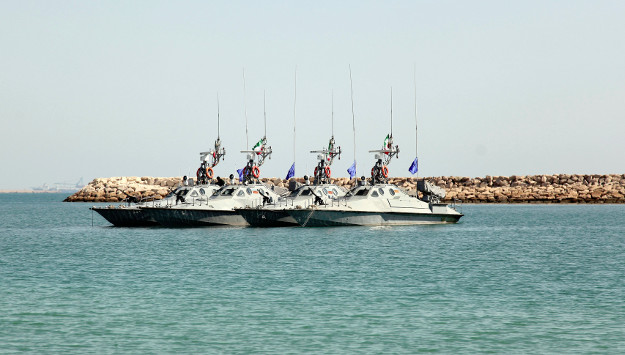
Iran’s Navy reportedly warns off two “coalition warships” in latest dangerous encounter
A senior Iranian naval officer said on Monday that the country’s warplanes warned off two US-led coalition vessels during a military drill in the Persian Gulf, the Iranian media reported. “This morning and in the first hours of the drills, two warships of the coalition which had approached the drills zone to monitor the Iranian Navy units were identified by the Navy drones,” Spokesman of the drills Rear Admiral Seyed Mahmoud Moussavi was quoted as saying by Fars News Agency.
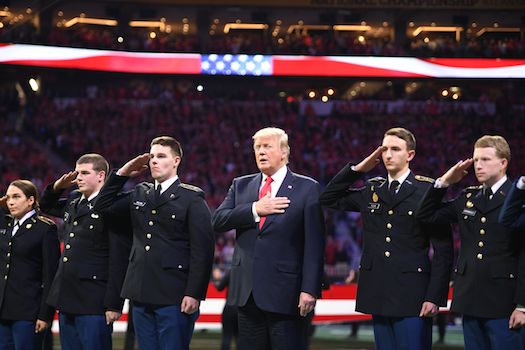
Trump's national security strategy: implications for the Middle East
President Donald Trump came to office to “make America great again.” A year into his first term, the Middle East Institute’s scholars are assessing what this means for the greater Middle East, taking into account President Trump’s initiatives so far, the global and regional reaction to them, and possible consequences for U.S. interests.
Iranian, Russian diplomats meet in Moscow amid looming Turkish offensive in Afrin
Iran’s deputy foreign minister for Arab and African affairs, Hossein Jaberi Ansari, today left Tehran for Moscow to hold talks over the latest developments in Syria and the broader region, the Iranian media reported. Ansari and his accompanying team met with Mikhail Bogdanov, Russian President Vladimir Putin’s special envoy to the Middle East and African countries, to discuss ways of strengthening cooperation between the two countries in Syria. The two sides reportedly also talked about Yemen and other regional crises.
IRGC commander: We’re chasing US to Eastern Mediterranean and Red Sea
The deputy commander of the Islamic Revolution Guards Corps (IRGC) has said that the United States is no longer to “pull off a victory” in the Middle East and claimed that Tehran and its allies are driving the US forces out of the region.
US long-term military presence in Syria worries Tehran
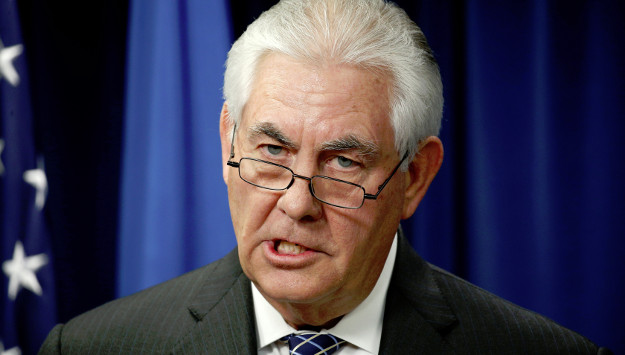
US Secretary of State Rex Tillerson’s remarks that Washington will maintain a long-term military presence in Syria to continue to assist the Syrian Democratic Forces and prevent a potential ISIS reemergence have worried Tehran. An article in Fars News Agency, a mouthpiece of the Islamic Revolutionary Guards Corps (IRGC), said that the “open-ended” deployment of US forces in Syria is aimed at “regime change” in the country.
The demonstrations that broke out across Iran in late December were the largest the country has seen since 2009, however their causes and participants were quite different from past protests. Barbara Slavin of the Atlantic Council and MEI Senior Fellow Alex Vatanka join host Paul Salem to discuss what we’ve learned about these protests and their implications for Iran’s leaders, the region, and U.S. policy.
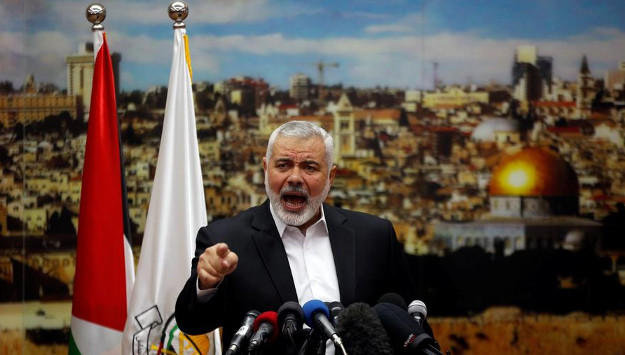
Hamas leader vows new intifada against Israel in letter to Iran's Khamenei
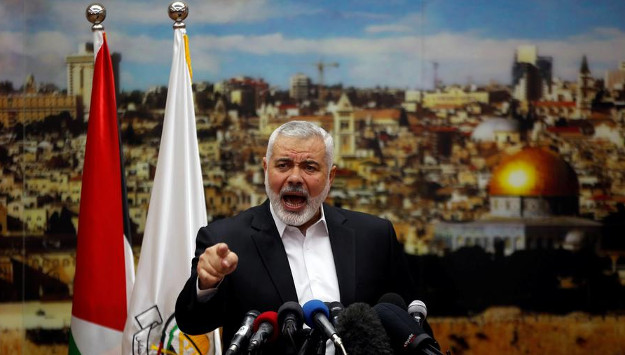
In a letter to Iran’s Supreme Leader Ali Khamenei, Ismail Haniyeh, the leader of Palestinian Hamas, has praised Iranian support for the militant group, and particularly Tehran’s “unwavering and valuable” stance on the issue of Jerusalem. According to the Iranian media, Haniyeh denounced President Donald Trump’s decision to recognize Jerusalem as Israel’s capital and emphasized in the letter that launching another intifada against Israel would be the best course of action at present.