This individual is a guest contributor. MEI is not able to assist with contact requests.
Shahmahmood Miakhel is the Country Director in Afghanistan for the US Institute of Peace (USIP). Prior to that he was a Governance Advisor for the United Nations Assistance Mission in Afghanistan (UNAMA), and, from 2003–2005, a Deputy Minister of the Interior in the Government of Afghanistan. In 1994–1995 he worked for the United Nations Development Programme (UNDP) and United Nations Office for Project Services (UNOPS) in South and Southeast Afghanistan helping to establish District Rehabilitation Shuras (DRS). He also worked as a reporter for the Pashto service of the Voice of America from 1985–1990.
Art has long been both an instrument for openly engaging in dialogue as well as an agent to force an overdue conversation. The installations of international artists, such as Dawn Weleski, Jon Rubin, Ai Weiwei, and Theaster Gates, all engage with social issues and help introduce new perspectives or dialogue. The fusion of art and socio-political commentary thrives especially in the Middle East, where unrestricted criticism of both government and cultural norms can be seen as heresy.
Egyptian Copts Under Attack: The Frailty of a National Unity Discourse
This essay discusses the recent spate of attacks upon and heightened sense of insecurity felt by Egyptian Coptic Christians. The essay focuses on Copts’ growing frustration with state authorities’ responses to their grievances.
Iran’s Islamic Azad University Plans to Open New Branches in Lebanon and Iraq
Iran’s Islamic Azad University (IAU) plans to open new branches in Lebanon and Iraq, according to Ali Akbar Velayati, the head of the university’s board of founders and an influential political figure in the Islamic Republic.
I.R.G.C. Asks Rouhani for Larger Role in Iran’s Economy
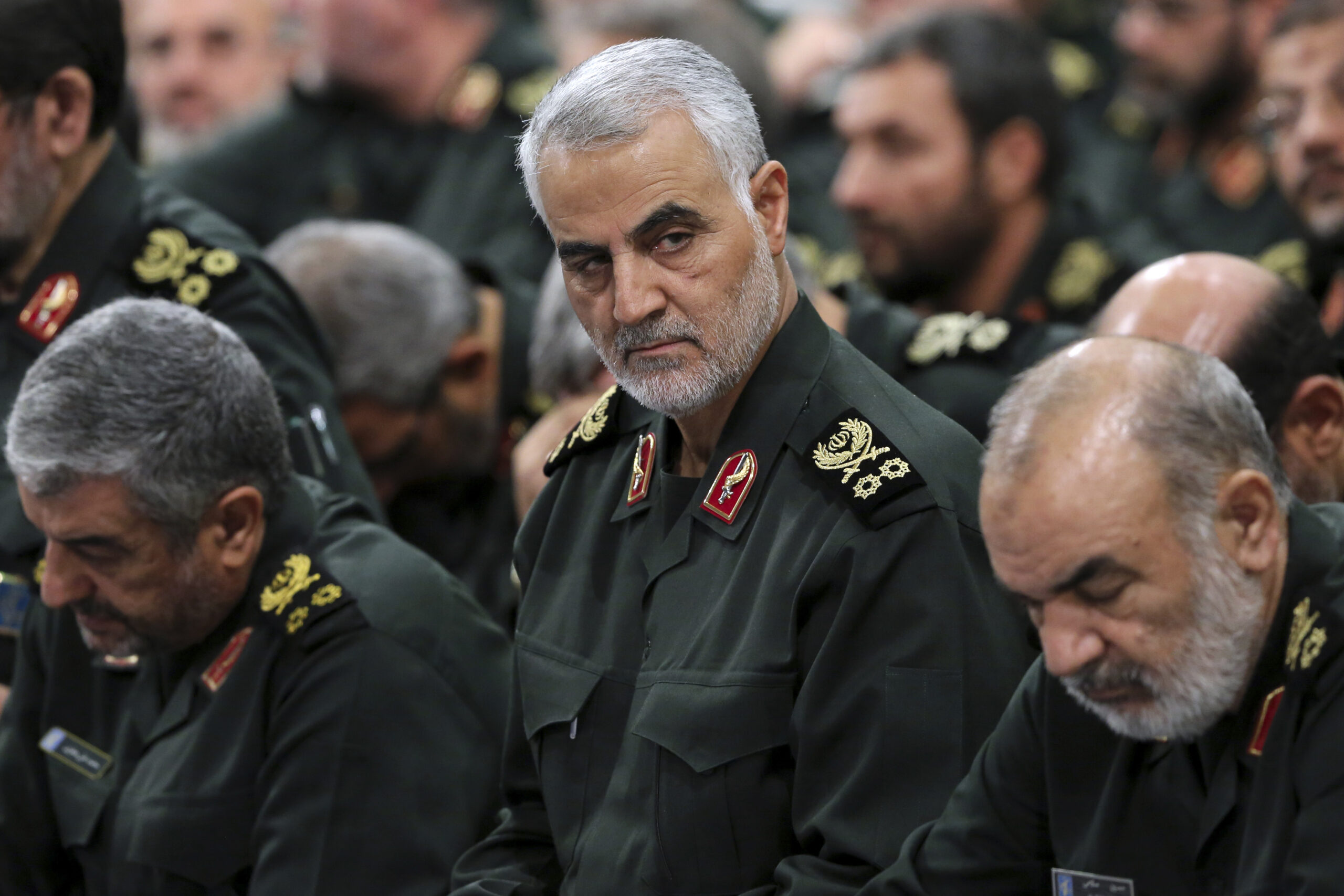
The chief commander of the Islamic Revolution Guards Corps (I.R.G.C.) has said that his forces are actively involved in economic and developmental projects across the country and stressed that the I.R.G.C. is keen to further expand its role in the Iranian economy to create jobs and fight poverty.
Iran Vows to Respond to Trump Administration’s Regime Change Remarks
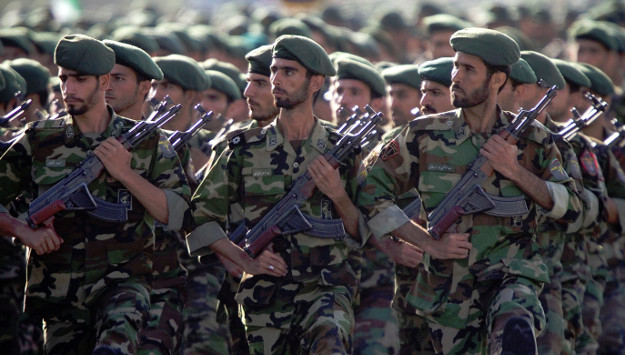
The deputy chief of Iran’s armed forces has warned that the Islamic Republic will take action against U.S. interests in the Middle Eastern region in retaliation to the Trump administration’s regime change remarks.
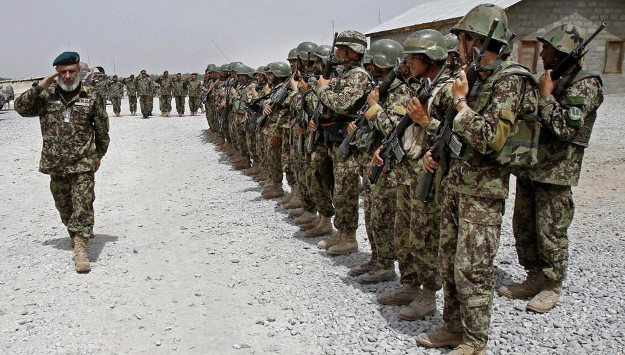
Geopolitical maneuvering, political disunity, endemic corruption, rudderless security apparatus and, most importantly, a confident Taliban movement supported by the Pakistani “deep state” make Afghanistan the most persistent trouble spot. Recent events in the country are dominated by increasing terrorist attacks against security forces and hapless citizens.
Rouhani Takes Credit for Enhancing Iran’s Military Capabilities, Aiding Iraq and Syria
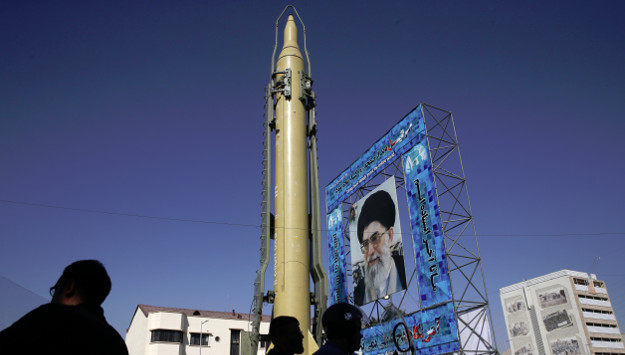
Iran’s President Hassan Rouhani has said that upgrading the country’s missiles and accelerating the production of “strategic weapons” have been among the greatest achievements of his government in the past four years.