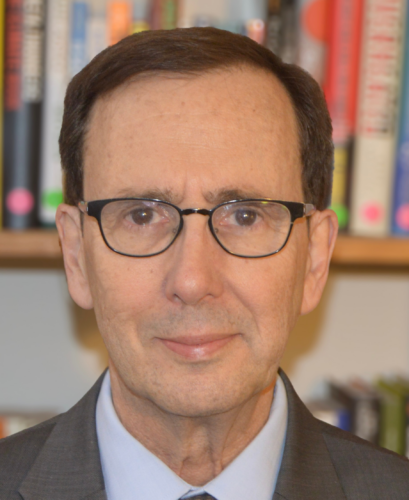
Shahmahmood Miakhel is the Country Director in Afghanistan for the US Institute of Peace (USIP). Prior to that he was a Governance Advisor for the United Nations Assistance Mission in Afghanistan (UNAMA), and, from 2003–2005, a Deputy Minister of the Interior in the Government of Afghanistan. In 1994–1995 he worked for the United Nations Development Programme (UNDP) and United Nations Office for Project Services (UNOPS) in South and Southeast Afghanistan helping to establish District Rehabilitation Shuras (DRS). He also worked as a reporter for the Pashto service of the Voice of America from 1985–1990.
The Latest from Shahmahmood Miakhel
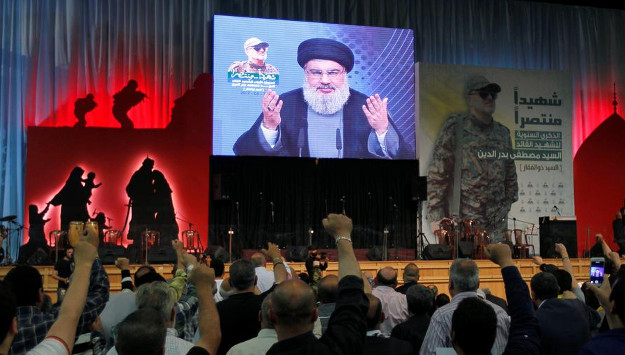
Hezbollah Reportedly Deploys 1,000 Fighters near Syria-Jordan Border to Face “U.S.-Backed” Militants
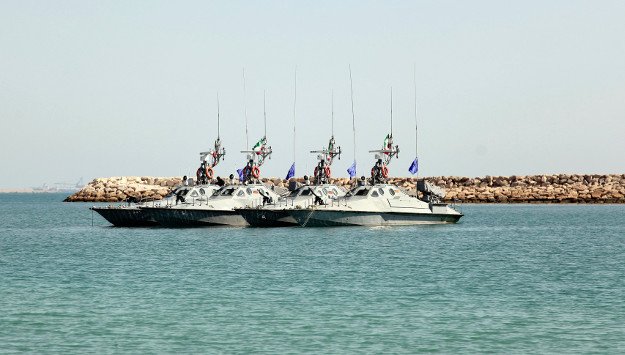
The Lebanese Hezbollah has dispatched hundreds of its fighters in two main fronts in southern Syria near the border with Jordan, according to Fars News Agency, an outlet affiliated with the Islamic Revolution Guards Corps (I.R.G.C.).
I.R.G.C. Outlet: U.S. Military Build-up along Iraq-Syria Border Aimed at Countering "Shiite Crescent"
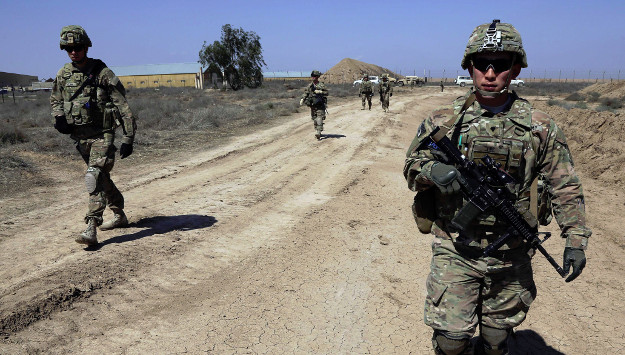
Recent reports that the Trump administration is in talks with Baghdad about keeping American troops in Iraq after the defeat of the Islamic State have triggered concern in Tehran. The Iranian media also have raised the alarm that the U.S. increasing military presence in Iraq and Syria is aimed at countering the influence of Iran and its regional allies in the Middle East.
Iran-Backed Iraqi Popular Mobilization Forces Make Gains in Western Mosul
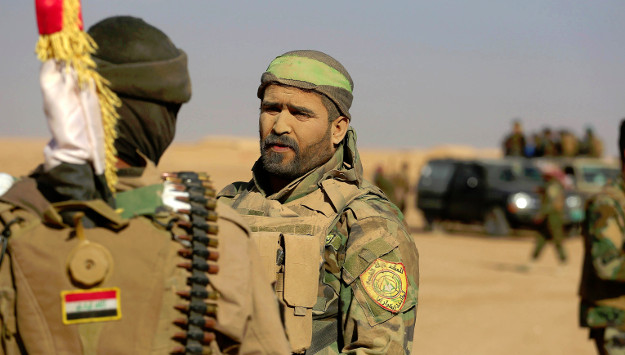
The Iraqi Hashd al-Shaabi – the paramilitary Popular Mobilization Forces (P.M.F.) – earlier today announced the launch of the second phase of the “Muhammad Rasulullah” operation in western Mosul of Iraq’s Nineveh Province.
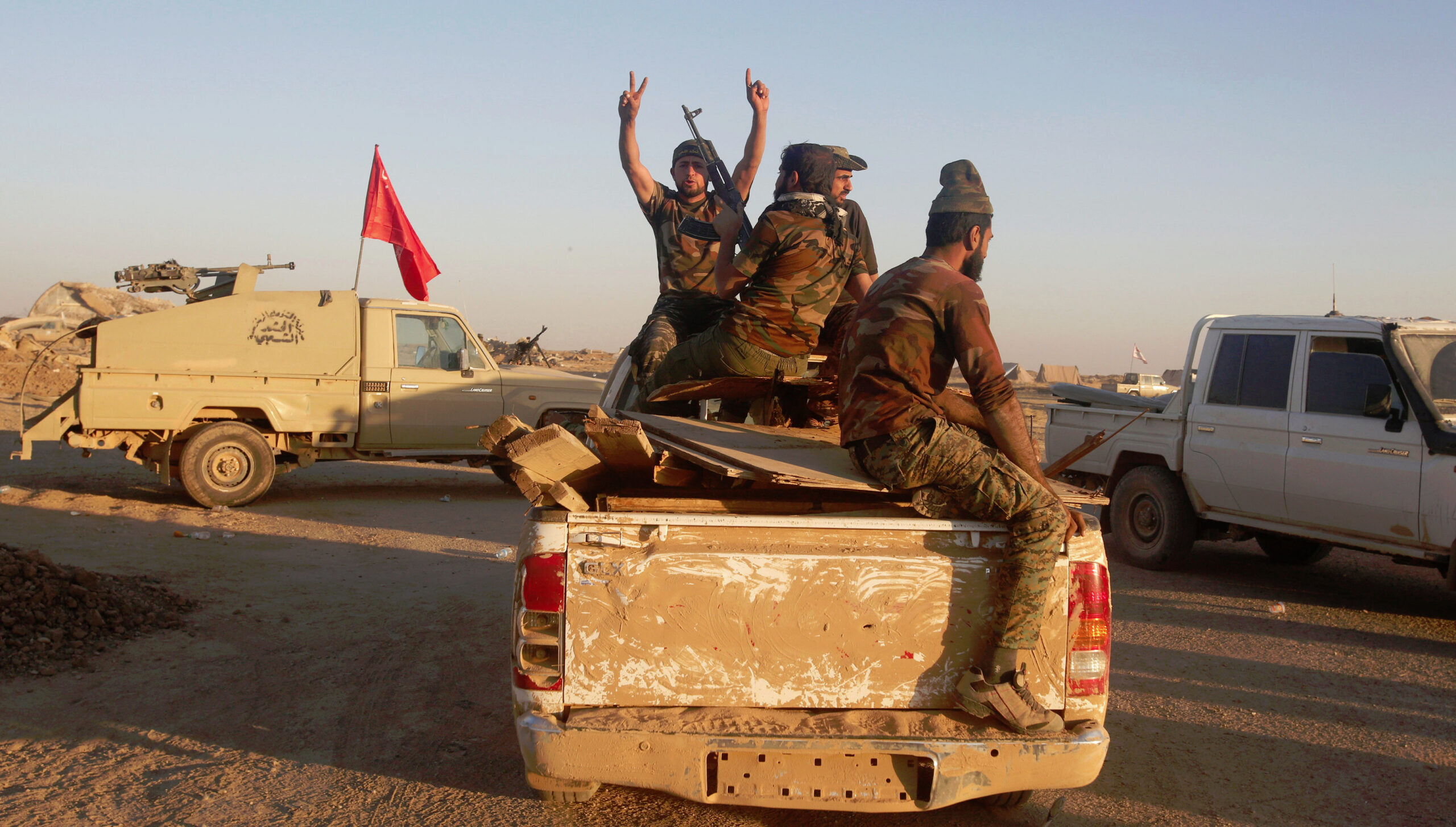
Iran-Supported Militia Groups Eye Politics after Islamic State
Muhammad al-Hattab, a commander of the Iraqi Popular Mobilization Forces (P.M.F.), has hinted that the paramilitary forces may enter politics and participate in elections after the Islamic State is defeated.
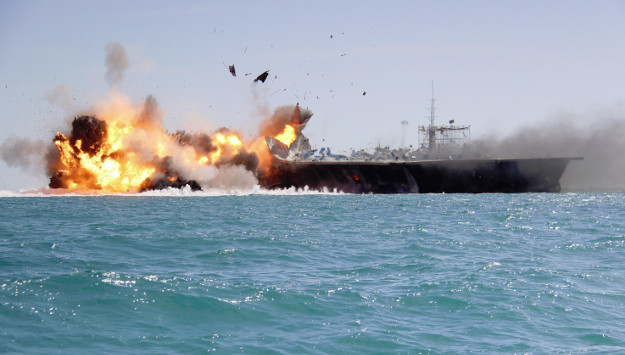
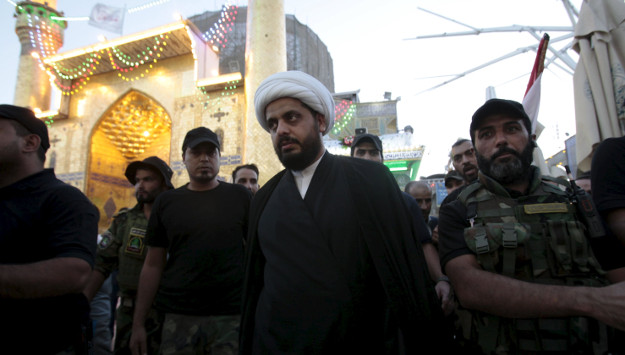
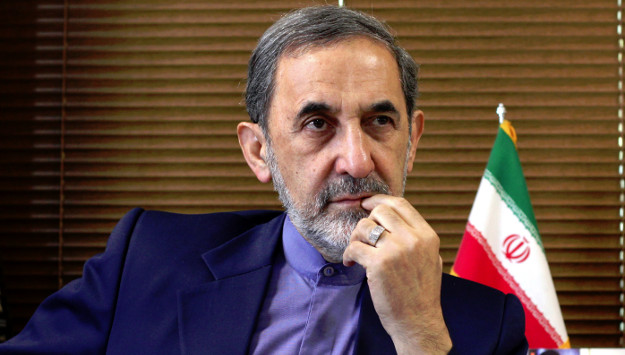
Supreme Leader’s Aide Defends Iran’s Role in Regional Conflicts, Questions U.S. Presence in Mideast
A senior Iranian official has defended the Islamic Republic’s involvement in regional conflicts and questioned the presence and role of the United States in the Middle East.
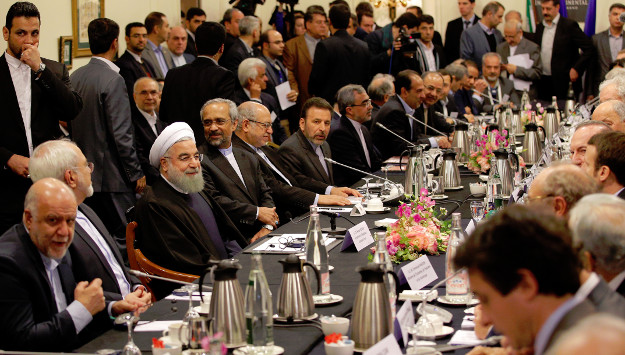
Iran Hopes Macron’s Victory Will Help Improve Tehran-Paris Ties
Iran has welcomed President-elect Emmanuel Macron victory in the French election President Hassan Rouhani congratulated Macron on Monday and called for boosting bilateral ties between the two countries. Iran’s Foreign Ministry also congratulated the French government and people on Macron’s triumph over his populist rival Marine Le Pen.
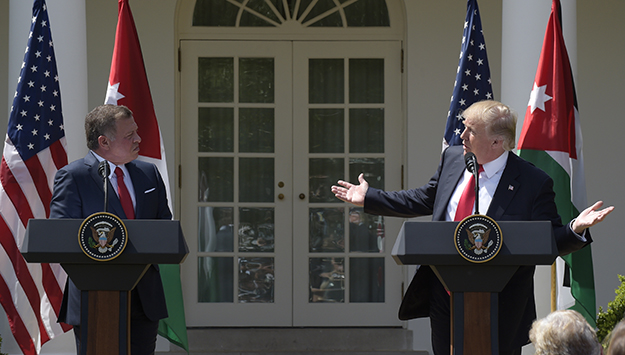
Jordan Confused by Trump’s Flip-Flops on MidEast
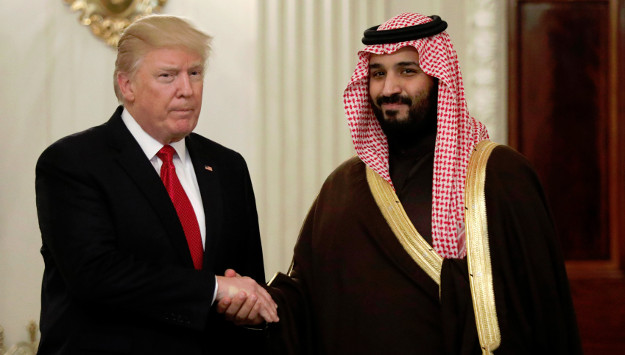
If it’s tough enough for media pundits to keep up with President Donald Trump’s flip-flopping on domestic politics, then the task of reading the president’s stand on key foreign issues is even more difficult. Jordan, one of America’s closest Middle Eastern partners, has been trying to cope with Trump’s sudden swerves on Syria, Israel-Palestine, and the war on ISIS. At times, the usually reserved Jordanian diplomacy was taken off-guard, forced to recalibrate, and even walk back on certain positions as a result of the president’s rhetoric.
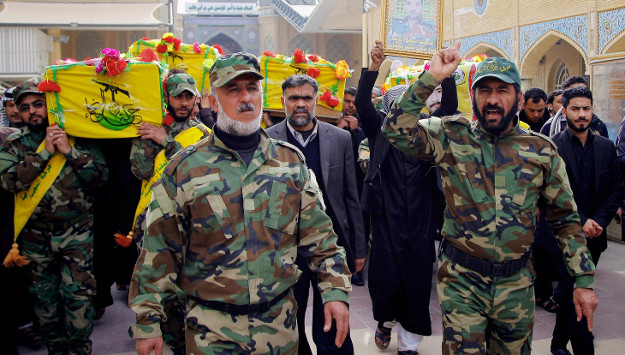
Iran-Supported Iraqi Militant Group Calls for Joint Efforts to Fight Israel in Meeting with Syrian Minister
Akram al-Kaabi, the leader of Iran-supported Iraqi militia group Harakat al-Nujaba, sent a delegation to meet with the Syrian Minister of State for National Reconciliation Affairs Ali Haidar.
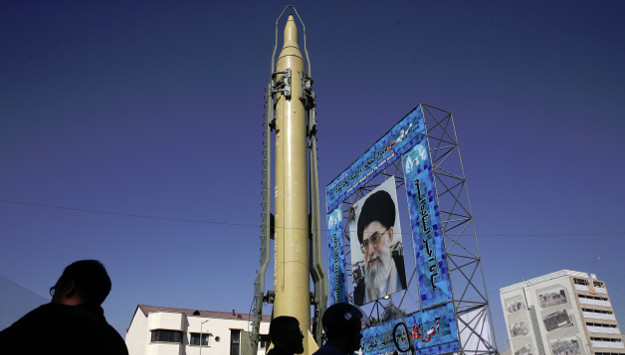
Khamenei Vows to Enhance Missile Capability, Urges Candidates to Resist U.S. and Israel
Iran’s Supreme Leader Ali Khamenei said on Wednesday that his country will further enhance its missile power despite international concerns. He also warned the six Iranian presidential candidates to avoid statements and electoral slogans that would embolden the country’s enemies.
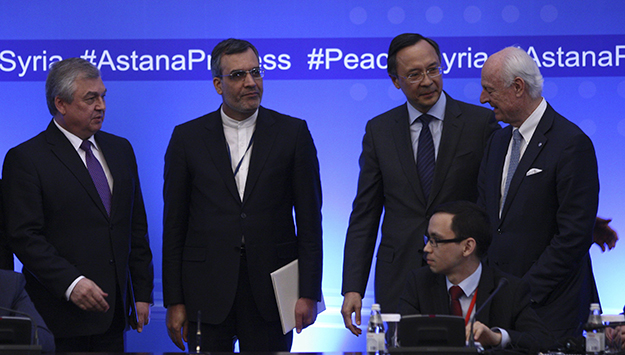
Russia Needs Astana to Succeed
Last week’s round of Astana talks was particularly important with the Syrian government, the opposition, and various regional patrons agreeing to Russia’s de-escalation plan of the conflict.
The initiative is a significant achievement, given that it comes after the chemical attack on Khan Sheikhoun and the U.S. strike in response, which heightened tensions between Washington and Moscow.