Shahmahmood Miakhel is the Country Director in Afghanistan for the US Institute of Peace (USIP). Prior to that he was a Governance Advisor for the United Nations Assistance Mission in Afghanistan (UNAMA), and, from 2003–2005, a Deputy Minister of the Interior in the Government of Afghanistan. In 1994–1995 he worked for the United Nations Development Programme (UNDP) and United Nations Office for Project Services (UNOPS) in South and Southeast Afghanistan helping to establish District Rehabilitation Shuras (DRS). He also worked as a reporter for the Pashto service of the Voice of America from 1985–1990.
The Latest from Shahmahmood Miakhel


Iran Tells British Woman to Keep Toddler in Jail or Lose Custody
Iranian officials have told a British-Iranian mother held in Tehran’s notorious Evin Prison that she should either keep her toddler with her in jail or give up custody.
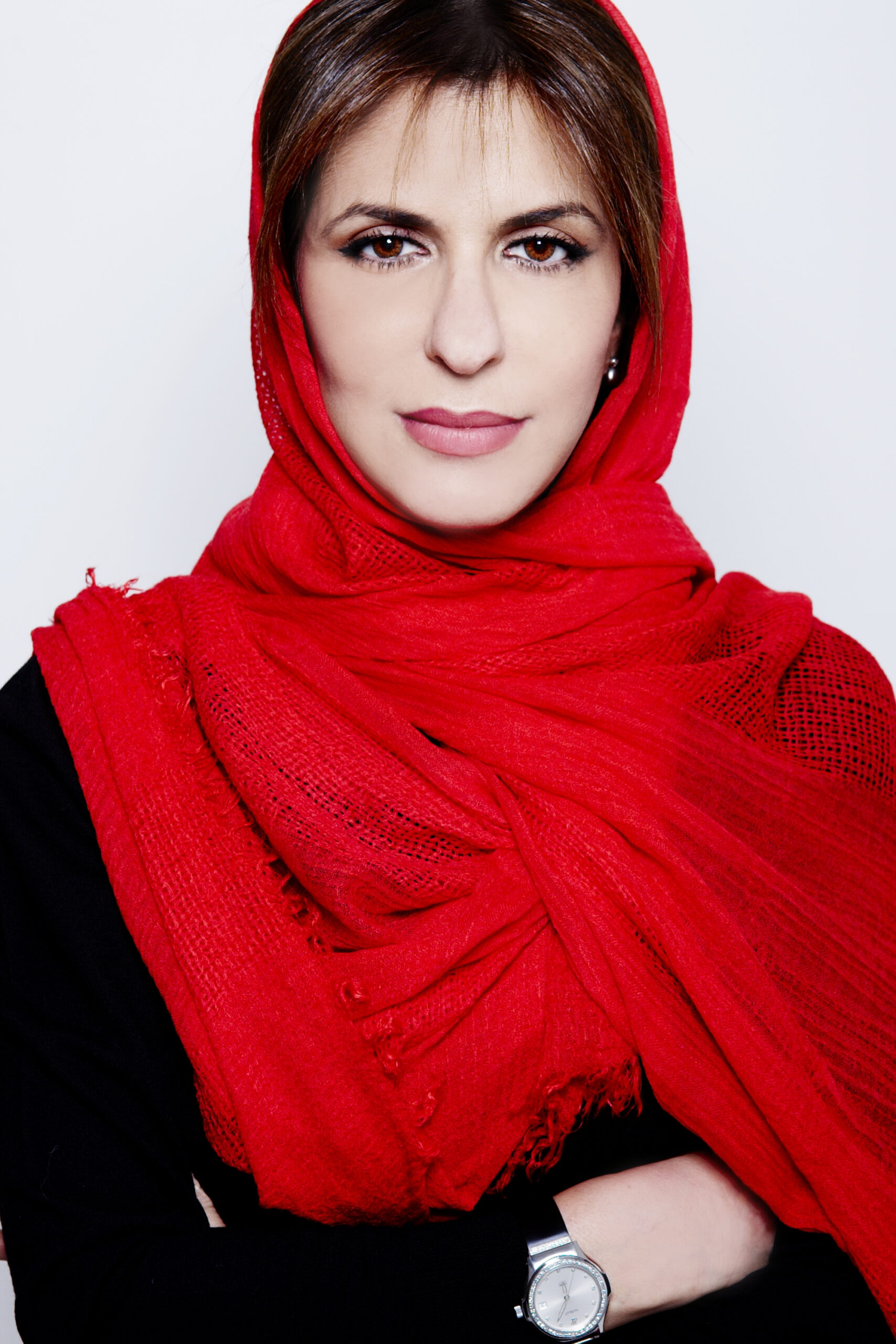
Saudi Female Conservationist Fights to Preserve Islamic Heritage
The Middle East’s descent into chaos has been accompanied by a growing threat to the region’s historic sites. The breakdown of states and growth in extremism have exposed these ancient sites to looting and destruction. The drivers, however, are varied. Extremist groups like ISIS profit from the smuggling of antiquities, but there are also religious motivations. Extremist movements such as ISIS and al-Qaeda, which adhere to a strictly puritanical view of Islam, perceive heritage sites, including Islamic, as a sinful distraction from faith.

Zarif under Attack for Being Soft on US
The Iranian foreign minister, Javad Zarif, is under pressure in Tehran to admit that his nuclear negotiations with the Americans have been a failure.
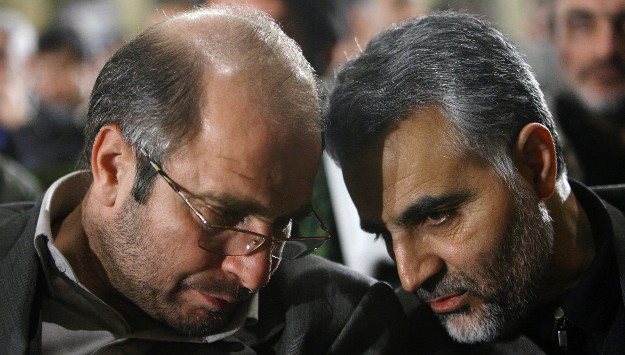
Lawmaker Says Western Officials Must Seek Iran’s Permission to Visit Region
An Iranian lawmaker defended the presence of the Islamic Republic
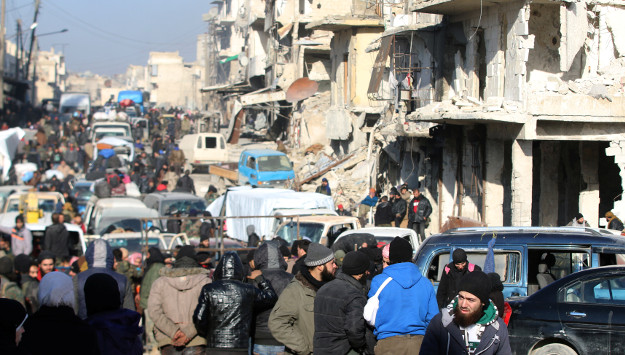
Iran-Run Forces in Full Control of Aleppo
The Iranian media reports that the evacuation of Syrian rebels and civilians from eastern Aleppo has come to an end, and that the entire city is now under the control of the Syrian army.
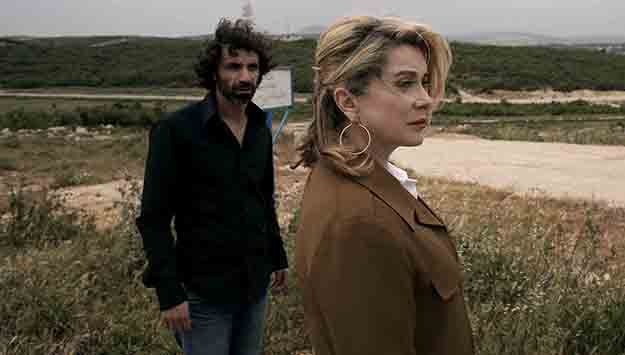
The Revival of Lebanese Cinema
The long, turbulent history of Lebanese cinema is one fraught with financial precariousness, thwarted potentials, and colonialist impediments. Fighting for decades to break away from the hegemony of Egyptian cinema, Lebanon finally came of age in the 1960s and 1970s, reaching a peak with a series of hugely popular mainstream flicks that included the popular Rahbani/Fairuz folk musicals. The rise of what was once deemed as the most exciting Arab cinema at the time proved to be short lived, coming to a premature halt with the outbreak of the Lebanese Civil War.
The Displaced as Actors in Syrian Politics
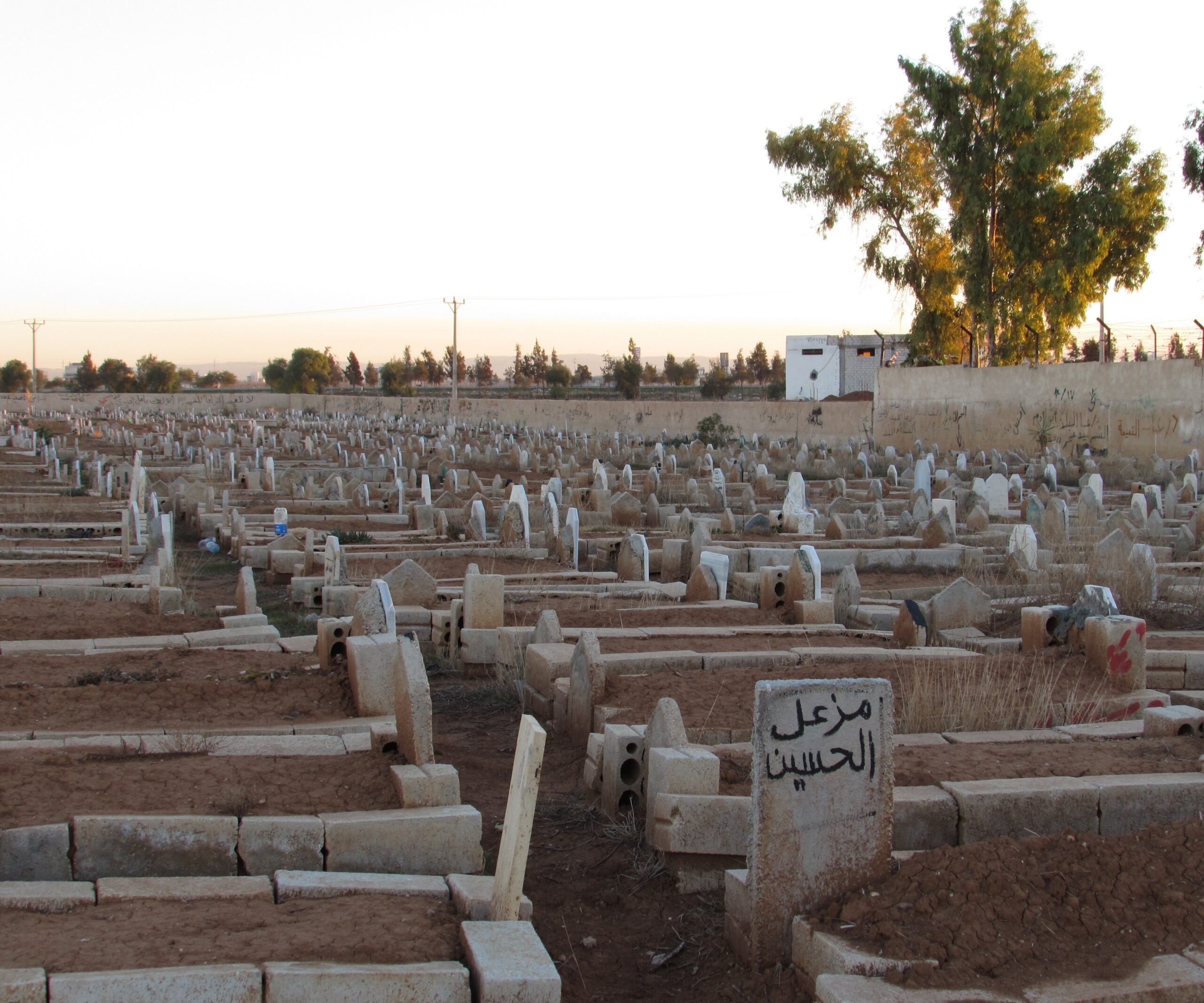
For the Assad regime in Damascus, displacement has become an essential tactic in shaping the terms of its encounter with dissent, alongside violence and detention. At the same time, the process of displacement has not unfolded in a coherent or predictable manner. Rather, displacement in the Syrian conflict is a product of choices, chief among them the regime’s choice to erase, rather than accommodate, political Opposition in Syria. It is also the result of how the Opposition responds to these challenges. This essay explores how Opposition networks have adapted pragmatically to displacement and exile. Far from accepting the terms of the conflict passively, Syria’s diverse opposition continues to mobilize in the face of ongoing state oppression.
Iran Shows No Concern for Safety of Civilians in Aleppo
A senior Iranian security official has slammed a United Nations Security Council resolution that calls for international observers to monitor the evacuation of civilians trapped in the besieged Syrian city of Aleppo.
Iraqi Official’s Moscow Visit Bolsters Iran-Run Militias’ Role
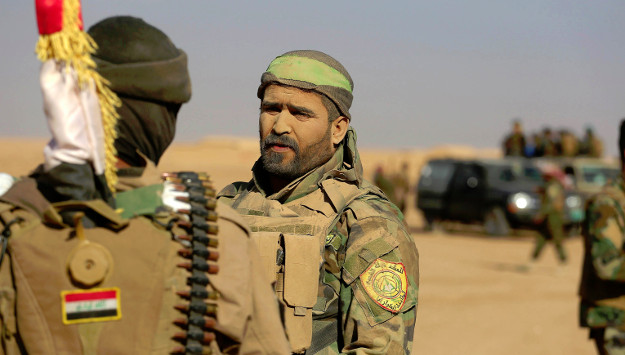
Iraqi National Security Advisor Falih al-Fayyad is visiting Moscow for security talks with Russian officials, the Iranian media reports.
Iranian Official Admits Role in Syria’s Destruction
A top Iranian official admitted on December 21 that Tehran and Moscow shared a base in Syria to coordinate their military support for the country’s embattled President Bashar al-Assad.
The China-Pakistan Economic Corridor (CPEC): Underway and Under Threat
China is already Pakistan’s largest trade and defense partner. But the coming into operation of the CPEC lends a new meaning to, and could transform the relationship between these two “all-weather allies,” including insofar as their ties to the Middle East are concerned — provided that the territorial and maritime security challenges associated with the completion and use of this corridor can be satisfactorily addressed.
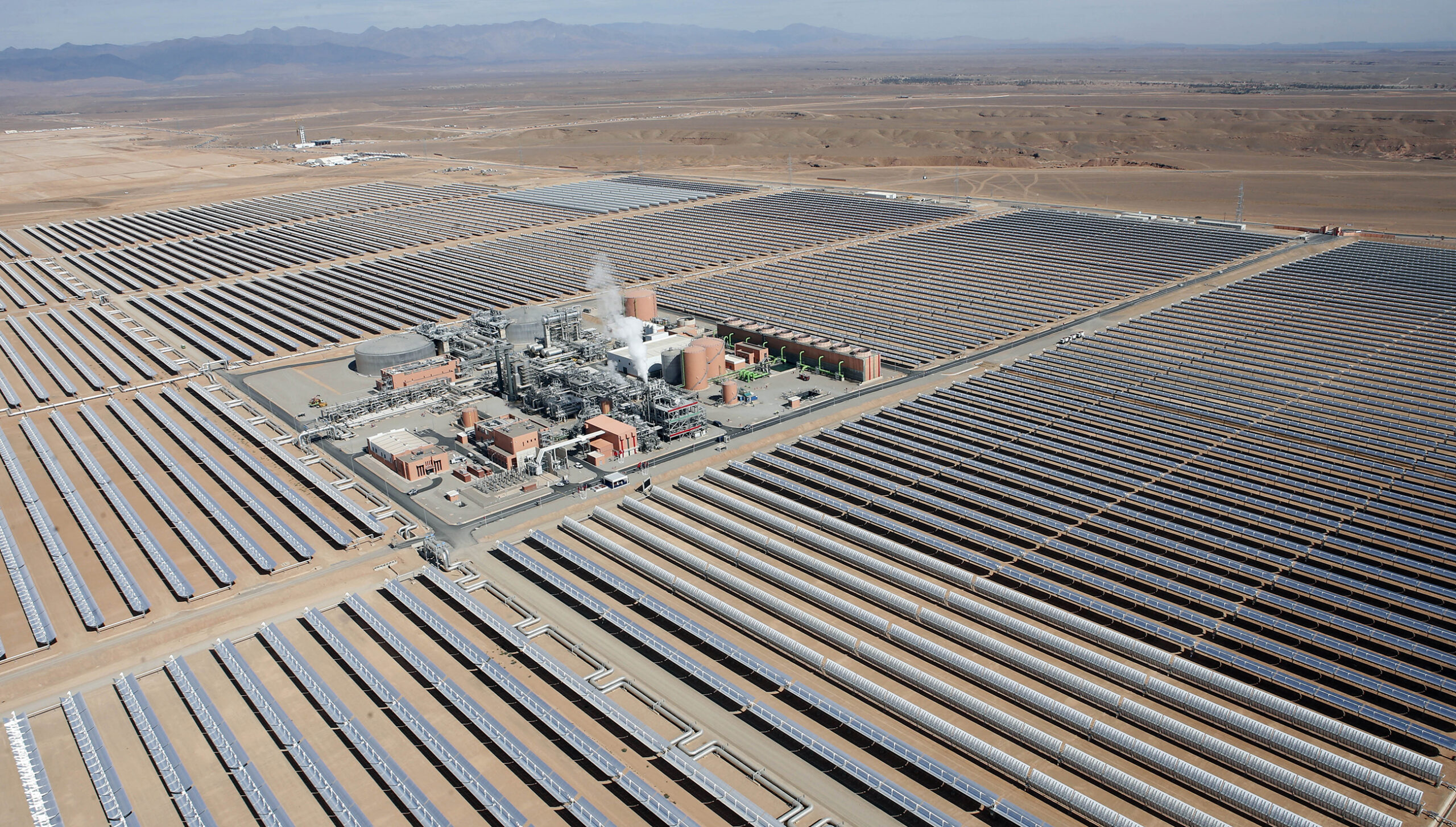
Morocco's Renewable Energy Drive an Example for the Region
Summary