This individual is a guest contributor. MEI is not able to assist with contact requests.
Shahmahmood Miakhel is the Country Director in Afghanistan for the US Institute of Peace (USIP). Prior to that he was a Governance Advisor for the United Nations Assistance Mission in Afghanistan (UNAMA), and, from 2003–2005, a Deputy Minister of the Interior in the Government of Afghanistan. In 1994–1995 he worked for the United Nations Development Programme (UNDP) and United Nations Office for Project Services (UNOPS) in South and Southeast Afghanistan helping to establish District Rehabilitation Shuras (DRS). He also worked as a reporter for the Pashto service of the Voice of America from 1985–1990.
The Potential for Intra-Regional Energy Cooperation
Regional Cooperation Series
This Policy Paper is part of The Middle East Institute’s Regional Cooperation Series. Throughout 2016, MEI will be releasing several policy papers by renowned scholars and experts exploring possibilities to foster regional cooperation across an array of sectors. The purpose is to highlight the myriad benefits and opportunities associated with regional cooperation, and the high costs of the continued business-as-usual model of competition and intense rivalry.
In their dissection of this year’s Festival de Cannes, analysts have noted the glaring absence of the most pertinent theme in present French debates: the relation of France to the Arab world following the Paris terror attacks last November. Cannes remains an exclusive club, restricted to the world’s most prominent filmmakers, the majority of whom are Cannes alumni—Ken Loach, Olivier Assayas, Pedro Almodóvar, Cristian Mungiu, and so forth. The various sidebars of the fest have made up for this omission, featuring ten pan-Arab films mostly by second-generation French Arabs.
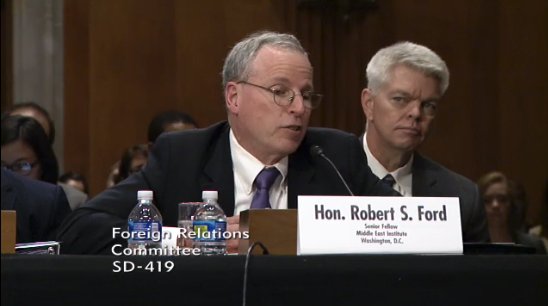
The following testimony was delivered before the Senate Foreign Relations Committee on May 17, 2016. Find more information about the hearing, including video, here.
Mr. Chairman, Ranking Member Senator Cardin, other distinguished members of the Committee, thank you for the invitation to speak before the committee today about what new steps can be taken to mitigate the crisis in Syria. It is an honor to appear before you again.
ISIS in Southeast Asia: Internalized Wahhabism is a Major Factor
The internalization since the 1970s of the Wahhabi brand of Salafism among Southeast Asian Muslims is the major factor behind this apparent shift towards a more radical worldview. The relatively low level of concern over rising Islamist extremism among Indonesian and Malaysian Muslims indicates a worrying institutionalization of radical interpretations of Islam in the general Islamic landscape of both countries. Countering Salafization is rendered difficult by the fact that influential Muslim personalities and elements within Muslim-majority states have themselves embraced aspects of Wahhabism. Between Wahhabism and ISIS, which is but its violent manifestation, lies a short and slippery slope.
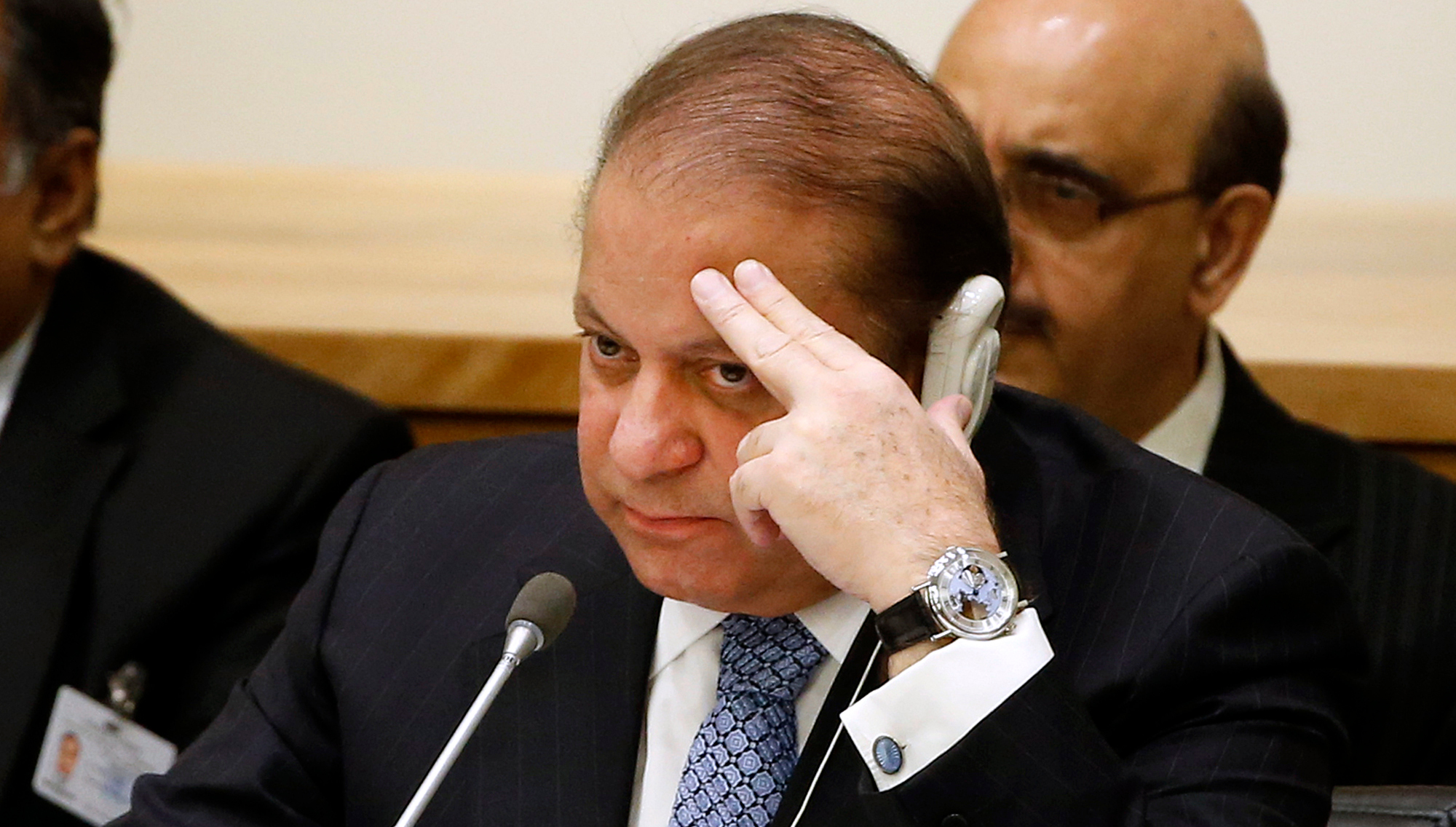
The aftereffects of the Panama Papers’s leak continue to linger in Pakistan, and their damage only seems to grow worse. Over the next several weeks, there is the possibility that the disclosures may usher in a major political crisis. Prime Minister Nawaz Sharif is being asked to account for the sources of income that have allowed his family members to buy expensive property in London. At issue is whether these individuals have used offshore companies to avoid paying taxes against their property.
Philip Gordon, a former Middle East policy adviser in the White House, likes to say that President Barack Obama learned three lessons from the region’s unending turmoil.
Monday Briefing: International Syria Support Group, Mustafa Badreddine, Global Refugee Summit, and India's Modi to Visit Iran
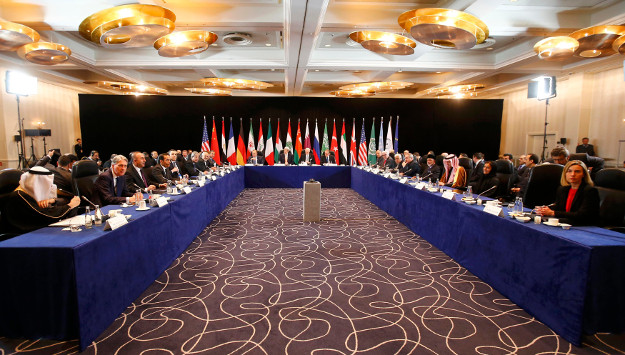
In this week’s Monday Briefing, MEI experts Robert S. Ford, Randa Slim, Paul Salem, and Alex Vatanka provide analysis on recent events including Tuesday’s meeting of the International Syria Support Group in Vienna, the death of Hezbollah senior leader Mustafa Badreddine, the global Refugee Summit to be held in Istanbul, and Indian PM Modi’s upcoming visit to Iran.
'Disgraced' Exposes the Contradictions of Identity
Unsettling is perhaps the word that best describes playwright Ayad Akhtar’s Disgraced. The intensity of the scenes provoked uncomfortable shuffling in seats, and reduced one audience member to tears. The Pulitzer Prize-winning play, featured by Arena Stage in Washington until May 29, should be commended for its bold attempt to tackle one of the most complex and sensitive issues dominating today’s political discourse: Islam and identity.
The Role of Women of the Islamic State in the Dynamics of Terrorism in Indonesia
Drawing upon the work of Mia Bloom, this essay challenges the assumption that women are seldom involved, or are at any rate marginal actors in violent extremist groups. The author argues, with reference to the case of Indonesia, that women are strategic actors, and not hapless victims or bystanders in terrorist movements and counter-terrorism efforts.
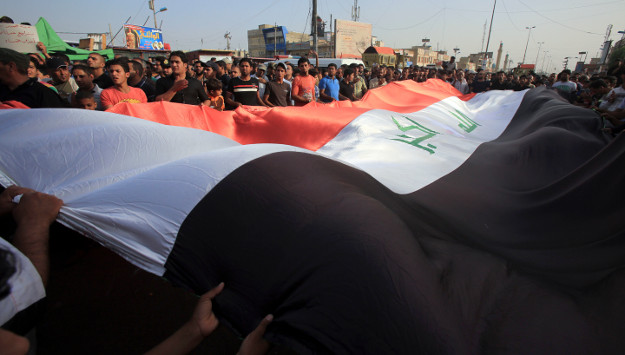
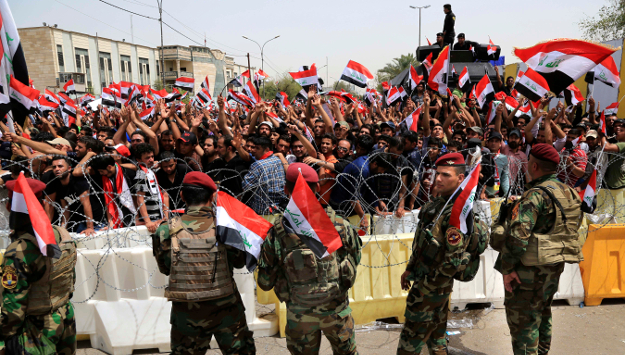
Iraq is enduring a dangerous political crisis. Its substance, however, is under dispute. For many, it is a valiant attempt at reform, and at fulfilling the long overdue promise of sound governance, against a system brought to a halt by corruption and dysfunction. For others, it is a questionable maneuver to restore autocracy, and to unravel the checks and balances that have been instituted over more than a decade. The truth, however, is not somewhere in between, irrespective of the many smokescreens that the opponents of reform may raise.