Shahmahmood Miakhel is the Country Director in Afghanistan for the US Institute of Peace (USIP). Prior to that he was a Governance Advisor for the United Nations Assistance Mission in Afghanistan (UNAMA), and, from 2003–2005, a Deputy Minister of the Interior in the Government of Afghanistan. In 1994–1995 he worked for the United Nations Development Programme (UNDP) and United Nations Office for Project Services (UNOPS) in South and Southeast Afghanistan helping to establish District Rehabilitation Shuras (DRS). He also worked as a reporter for the Pashto service of the Voice of America from 1985–1990.
The Latest from Shahmahmood Miakhel

Violence and Peace Spoilers in the Southern Philippines
The 27 March 2014 signing of the Comprehensive Agreement on the Bangsamoro (CAB) by the Philippine Government (GPH) and the Moro Islamic Liberation Front was heralded as the start of enduring peace and development in Mindanao. Unfortunately, spoilers opposed to the CAB remain capable of derailing the process. Joseph Franco explains some of the nuances of spoiling efforts as well as the prevailing socioeconomic milieu in the Southern Philippines that sustains latent enablers for sectarian conflict.
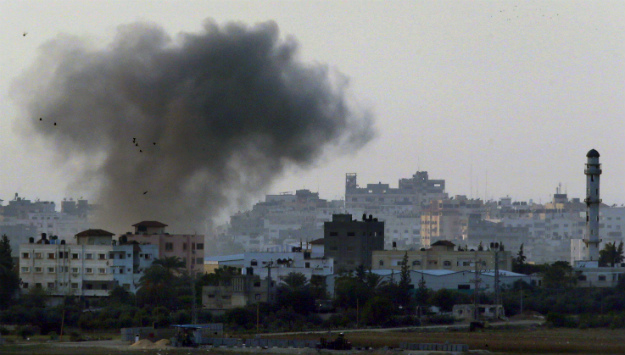
Why Securing a Cease-Fire Will Be Harder This Time
In thinking about how the crisis between Israel and the Hamas leadership in Gaza might play out, it’s useful to reflect upon the preceding Israeli incursion into Gaza in November 2012.
Putting Out the Fire in Southern Thailand: An Appeal for Truce Seeking
Observers have struggled to explain ongoing sectarian violence in southern Thailand given that both Thai Buddhists and Malay/Thai Muslims are victims of violence, have historically coexisted peacefully, and share local customs and spiritual traditions. Tim Rackett explores the role of majority and minority ethnic and religious identities in fueling sectarian violence and identifies a way out.
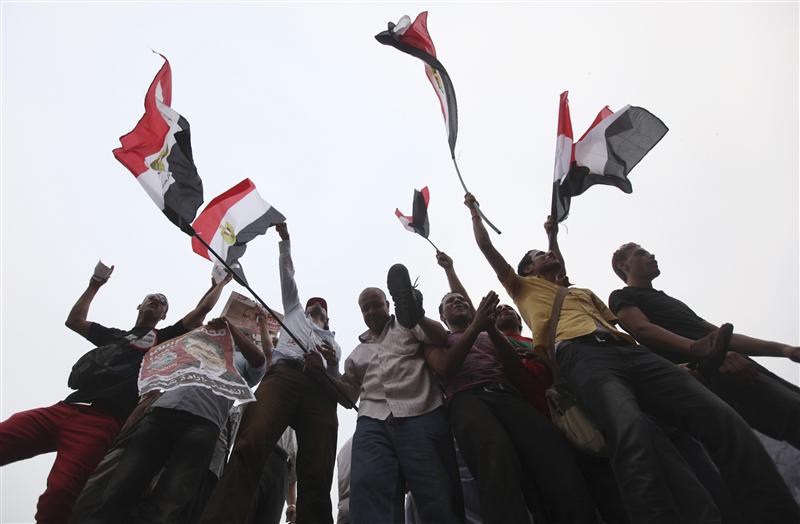
The Muslim Brotherhood: Between the Path of Ennahda and the Threat of the Islamic State

Egypt’s Minya Governorate: Politics and the Peasantry
“I will not go to the ballot boxes again,” said a villager from Egypt’s Minya Governorate earlier this year.
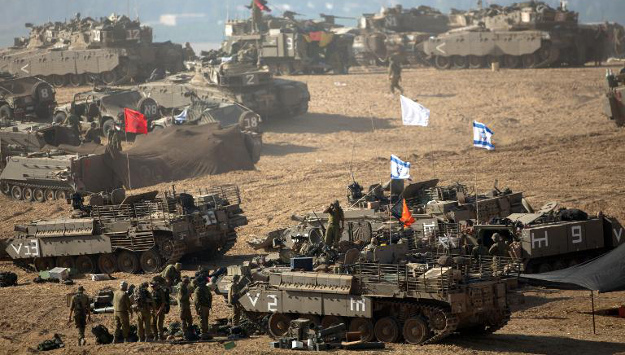
The New Wave of Violence between Israelis and Palestinians: The View from Israel
The recent wave of violence between Israel and Hamas, which to date has resulted in the death of more than 100 Palestinians and the injury of several Israelis, continues to escalate with no clear sign of when it might end.
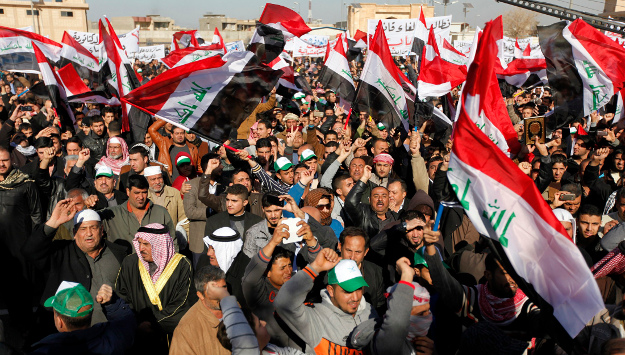
The Muslim Brotherhood One Year after the Ouster
One year after the massive June 30 demonstrations against the Muslim Brotherhood (MB) and the July 3 ouster of President Mohammad Morsi by the military, the Egyptian MB is facing grave challenges that will shape the group’s future and that of political Islam.
A Conversation on Diplomacy and Religion in the Middle East
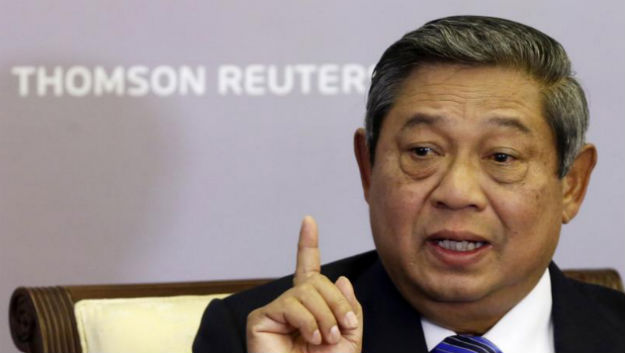
Religious Pluralism versus Intolerance: Sectarian Violence in Indonesia
Religious pluralism has been under threat and sectarianism on the rise during the ten-year (2004-2014) tenure of outgoing president Susilo Bambang Yudhoyono. Carool Kersten explains how local and regional authorities condone (and sometimes even stimulate) intimidation and hate crimes.
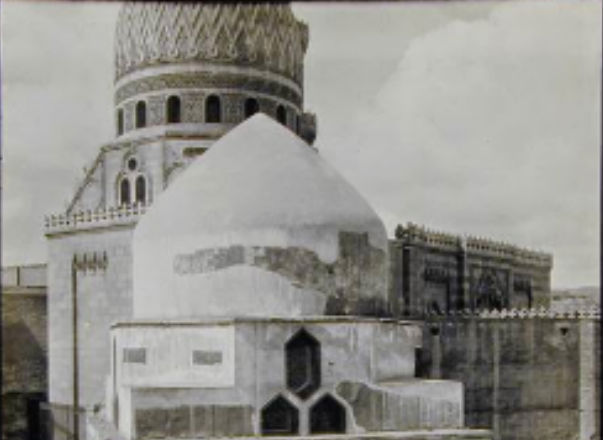
Declaring a Caliphate Doesn't Make One a Caliph
This article was first posted on the MEI Editor’s Blog.
Ibrahim al-Badri (also known as Abu Bakr al-Baghdadi) is being presented to the world by his followers as Commander of the Faithful of a new Islamic Caliphate.[1] How much weight can be attached to that move?
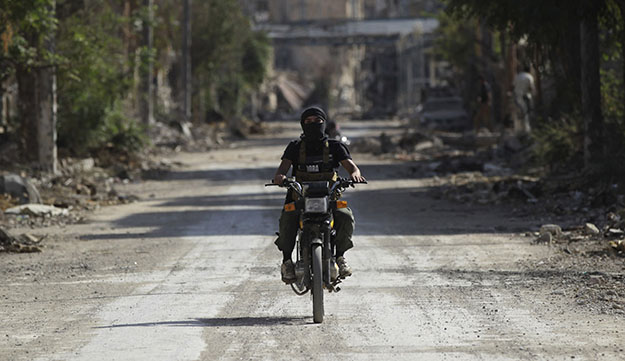
Foreign Fighters in Syria and the Threat of Domestic Terrorism in Europe
Westerners who have joined the ranks of radical groups fighting in Syria have been likened to time bombs—and in May one of them exploded in Brussels. Belgian police released chilling images from surveillance cameras of the lone gunman’s attack on Brussels’ Jewish Museum in Sablon, a neighborhood of genteel antique stores and chocolatiers.
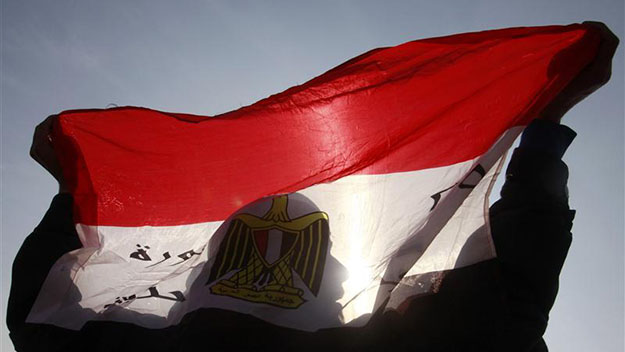
Egyptian Labor and the State
Though it was not at the forefront of the pro-democracy movement, Egyptian labor played a decisive role in bringing down the Mubarak regime in 2011. Labor demonstrations had been increasing since late 2004, which helped to foster the atmosphere of protest in which Egyptians took to the streets in the thousands. The labor protests had emerged outside of the state-run Egyptian Trade Union Federation (ETUF), as workers felt that the institution that was supposedly representing their interests was actually defending the interests of the regime.
Collection Spotlight: The Turks and Europe


The Turks and Europe, by Gaston Gaillard, 1921