This individual is a guest contributor. MEI is not able to assist with contact requests.
Shahmahmood Miakhel is the Country Director in Afghanistan for the US Institute of Peace (USIP). Prior to that he was a Governance Advisor for the United Nations Assistance Mission in Afghanistan (UNAMA), and, from 2003–2005, a Deputy Minister of the Interior in the Government of Afghanistan. In 1994–1995 he worked for the United Nations Development Programme (UNDP) and United Nations Office for Project Services (UNOPS) in South and Southeast Afghanistan helping to establish District Rehabilitation Shuras (DRS). He also worked as a reporter for the Pashto service of the Voice of America from 1985–1990.
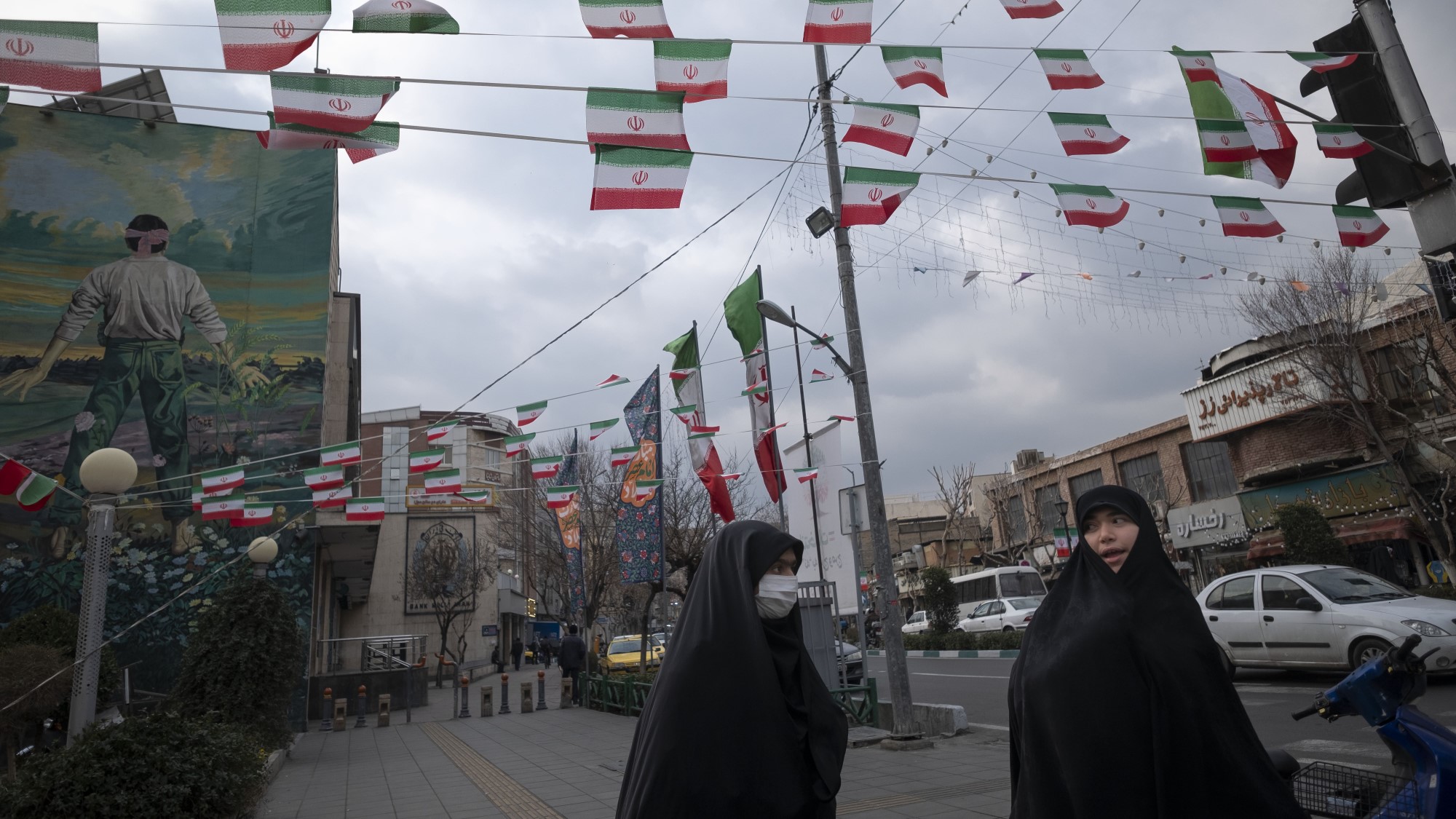
Alex Vatanka (Director, MEI’s Iran Program) and Ali Afshari (Iranian political analyst and pro-democracy activist) discuss Iran’s snap presidential elections, set to be held on June 28th, following the sudden death of President Ebrahim Raisi in a helicopter crash last month. The 63-year-old regime loyalist was widely viewed as a leading potential successor to the Islamic Republic’s 85-year-old supreme leader, Ayatollah Ali Khamenei. The elections come as Iran faces a number of challenges both at home and abroad, ranging from long-running domestic economic troubles and preparations for an eventual leadership transition to the regional reverberations of the ongoing war in Gaza and the tit-for-tat exchange of missile and drone strikes with Israel in April.
Libya remains the key for NATO to counter Russian malign activities in Africa
Eight years ago, few would have predicted that Russia could move in as quickly and comprehensively throughout Africa as it has done. Now there is widespread recognition of the threat posed by the destabilizing Russian expansion in Africa, to NATO, its members, and the African region.
No real alternative: The failure of opposition parties in Iraq’s Kurdistan Region
Politics in Iraq’s Kurdistan Region is centered on the ruling duopoly of the Kurdistan Democratic Party (KDP) and the Patriotic Union of Kurdistan (PUK). Other political parties — broadly referred to as the opposition — offer themselves as alternatives to the KDP and the PUK, but are disorganized, divided, and largely unable to capitalize on public grievances about governance. At present, they do not constitute a viable alternative to the ruling parties.
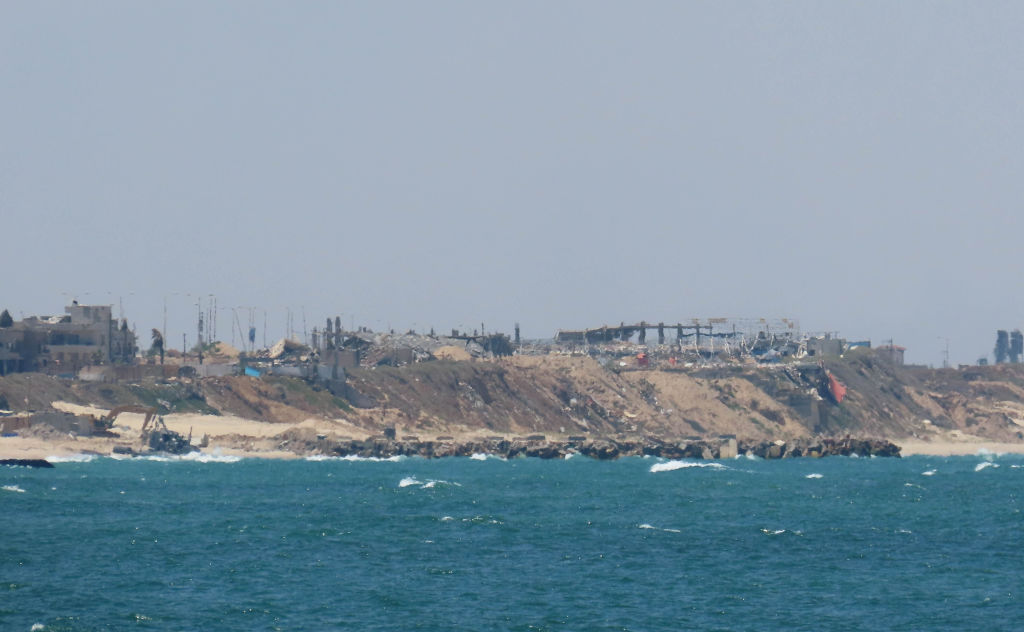
New US pier off Gaza holds opportunities beyond humanitarian aid
The new U.S. pier off Gaza is back in operational mode, after breaking apart and undergoing a week of repairs. Despite the rocky start, this American initiative could serve as a steppingstone towards a new, more peaceful, post-war Israeli-Palestinian reality. But for this to happen, the U.S. will need to leverage opportunities, address regional skepticism and bring the Palestinians on board.
Migration in North Africa: EU Engagement & Policies
MEI’s North Africa & the Sahel Program Director Intissar Fakir and Guillaume Soto-Mayor discuss Soto-Mayor’s paper “Libya, Tunisia, and Niger as Case Studies for Counter-Productive Anti-Migration Policies” – including how EU policies reinforce criminal patterns and empower illicit networks in these areas.
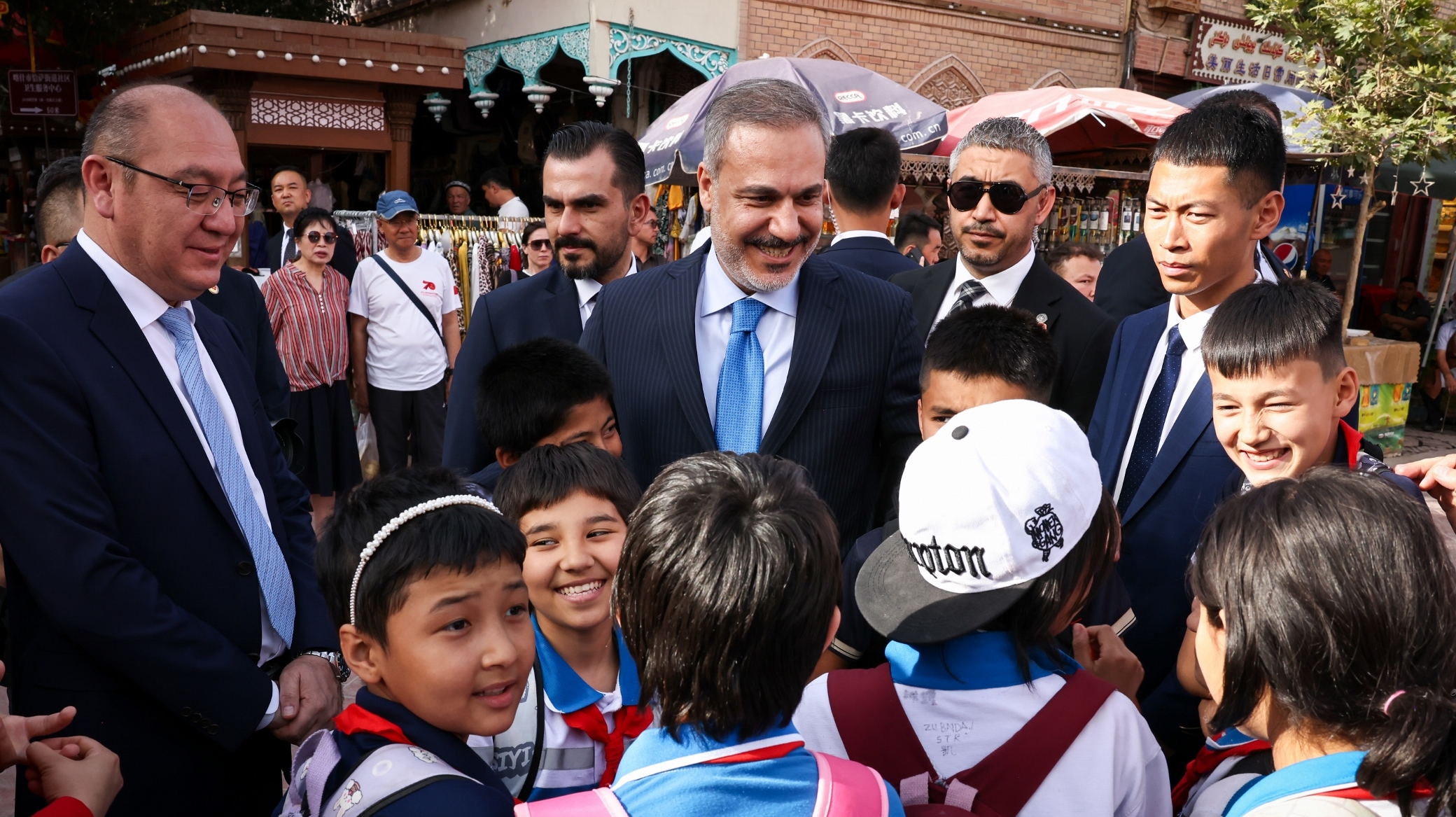
A Turkish foreign minister in China: Subtitles of a silent visit
The most defining aspect of the Sino-Turkish relationship is the need for Turkey to find economic or geopolitical leverage to attain some semblance of equality with China. During Turkish Foreign Minister Hakan Fidan’s recent visit to Beijing, his subtle references to the Turkic and Islamic credentials of Xinjiang may have gotten lost in translation for the Chinese.
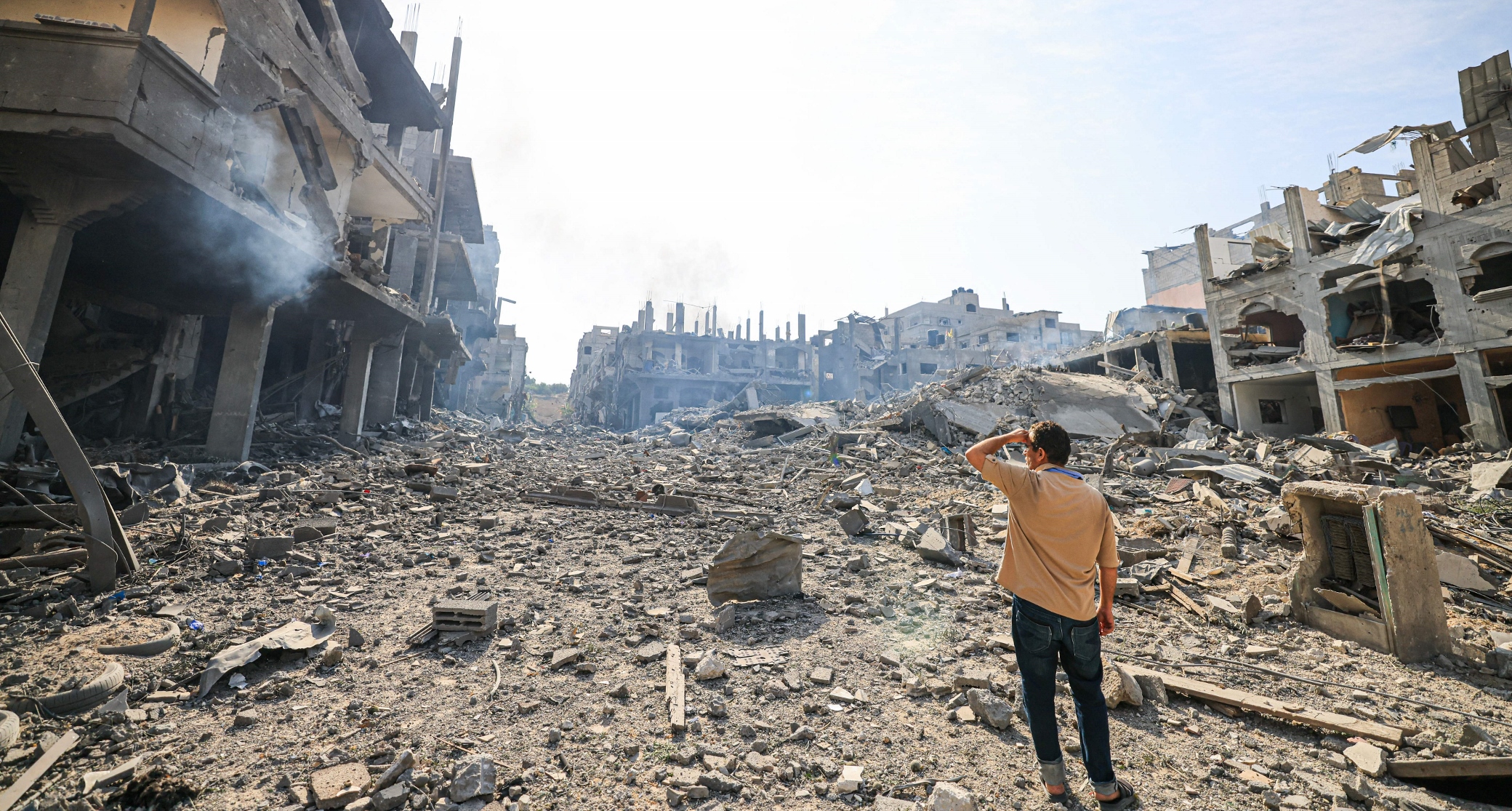
To assist government policymakers faced with a plethora of “day after” plans for Gaza, the following proposes a framework for how to consider and decide among such proposals.
Beyond guns and oil: The emerging soft power rivalry between Iran and Saudi Arabia
A little over a year ago, the icy relations between Iran and Saudi Arabia underwent a remarkable thaw. But beneath this détente, a new front emerged in their longstanding rivalry — one rooted not in geopolitics or religious ideologies but in the realm of soft power and societal aspirations.
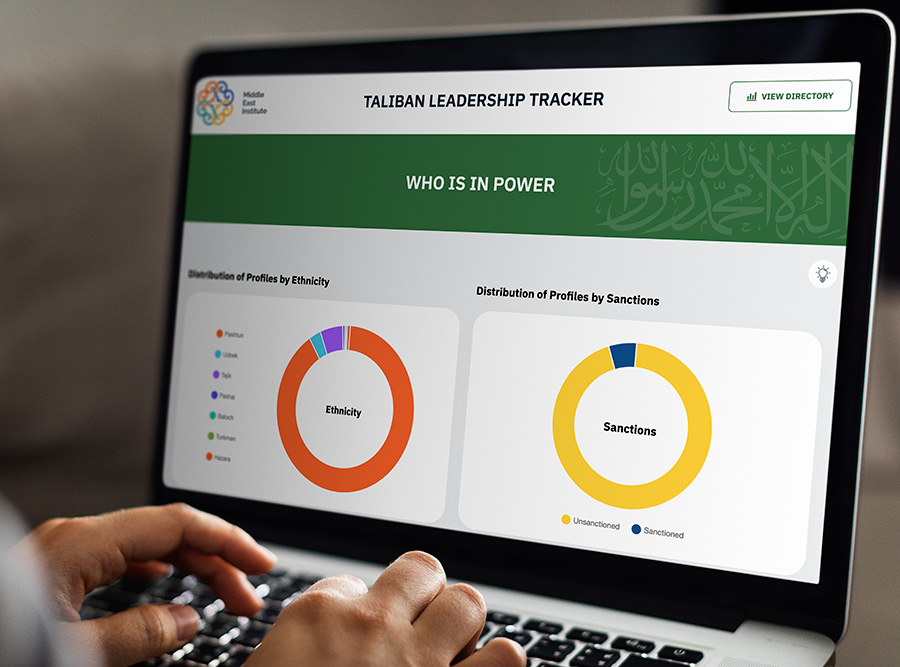
Since seizing control of Afghanistan in August 2021, the Taliban has appointed thousands of individuals to various political, military, administrative, and judicial positions across the country, occupying crucial roles as decision-makers, influencers, local enforcers, and implementers who help shape the Taliban government policies and actions.