This individual is a guest contributor. MEI is not able to assist with contact requests.
Shahmahmood Miakhel is the Country Director in Afghanistan for the US Institute of Peace (USIP). Prior to that he was a Governance Advisor for the United Nations Assistance Mission in Afghanistan (UNAMA), and, from 2003–2005, a Deputy Minister of the Interior in the Government of Afghanistan. In 1994–1995 he worked for the United Nations Development Programme (UNDP) and United Nations Office for Project Services (UNOPS) in South and Southeast Afghanistan helping to establish District Rehabilitation Shuras (DRS). He also worked as a reporter for the Pashto service of the Voice of America from 1985–1990.
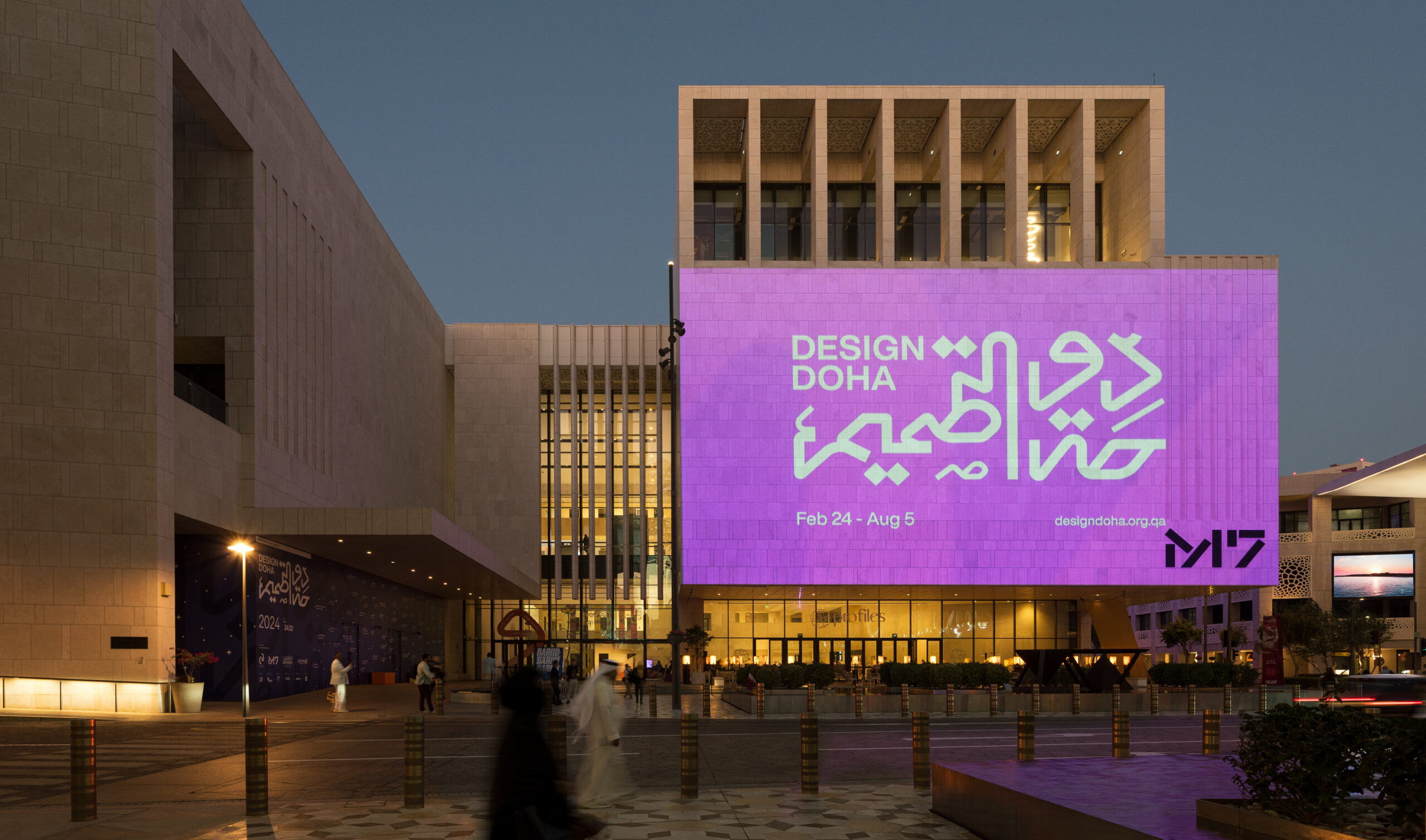
“For Arabs, by Arabs”: Inaugural Design Doha Biennial spotlights emerging voices in Middle Eastern design
Amid a plethora of early spring exhibition openings, artist events, and biennales throughout the Middle East, one clearly stands out in terms of its scale, scope, and thought: the Design Doha Biennial, which ushers in a new phase in Qatar’s long-standing focus on art, culture, and design.
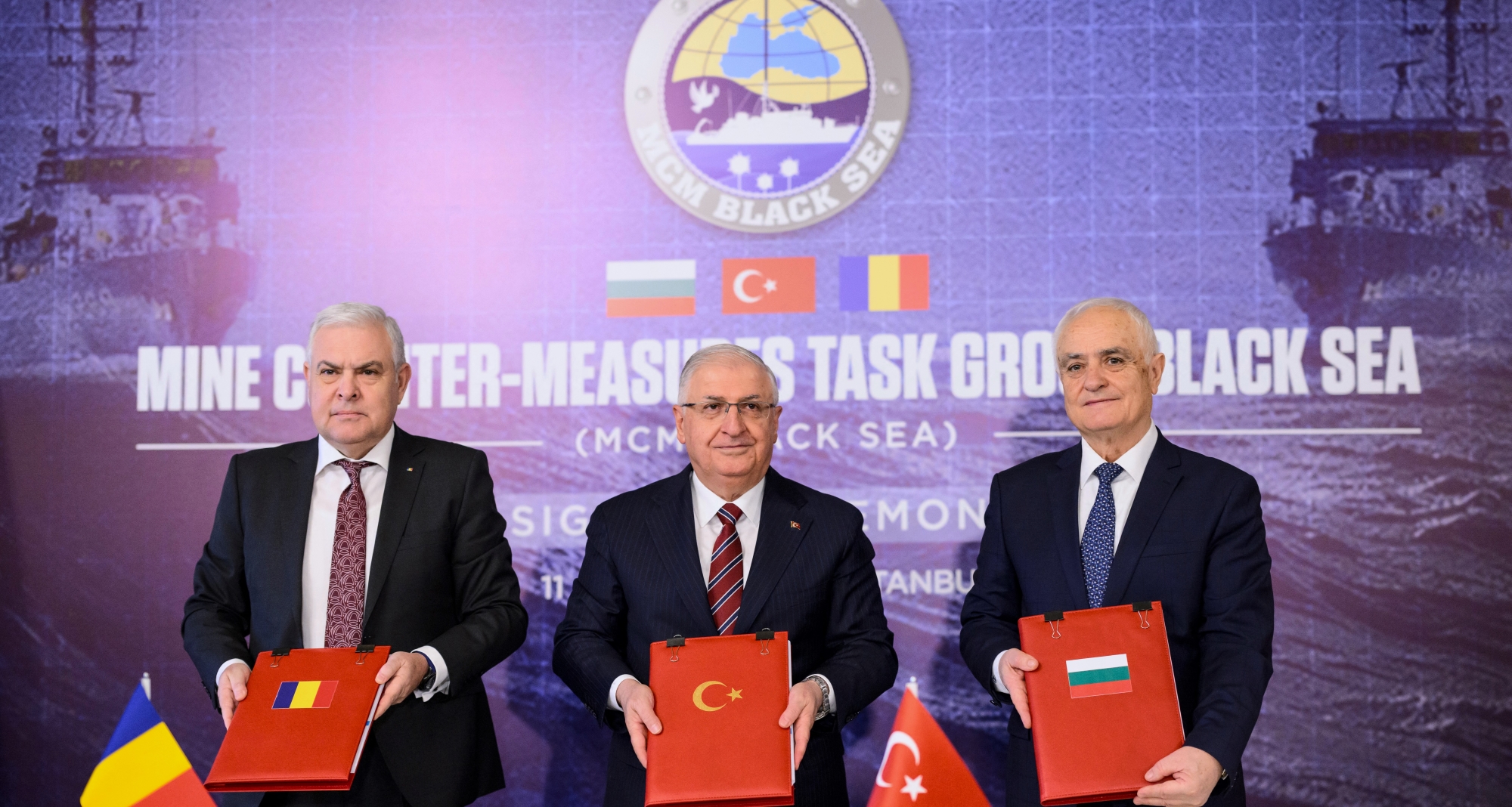
Sweeping the minefield: The case for a NATO Black Sea Fleet
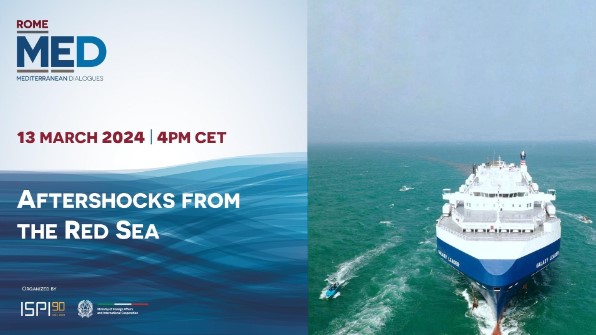
Since the start of Russia’s full-scale invasion of Ukraine, the threat of sea mines to maritime traffic in the region has become exponentially more acute. The Turkish-Romanian-Bulgarian trilateral minesweeping mission is a welcome sign of regional willingness to cooperate in this space and could, with the right incentives and sufficient political will, open the door to the establishment of a NATO Black Sea Fleet.
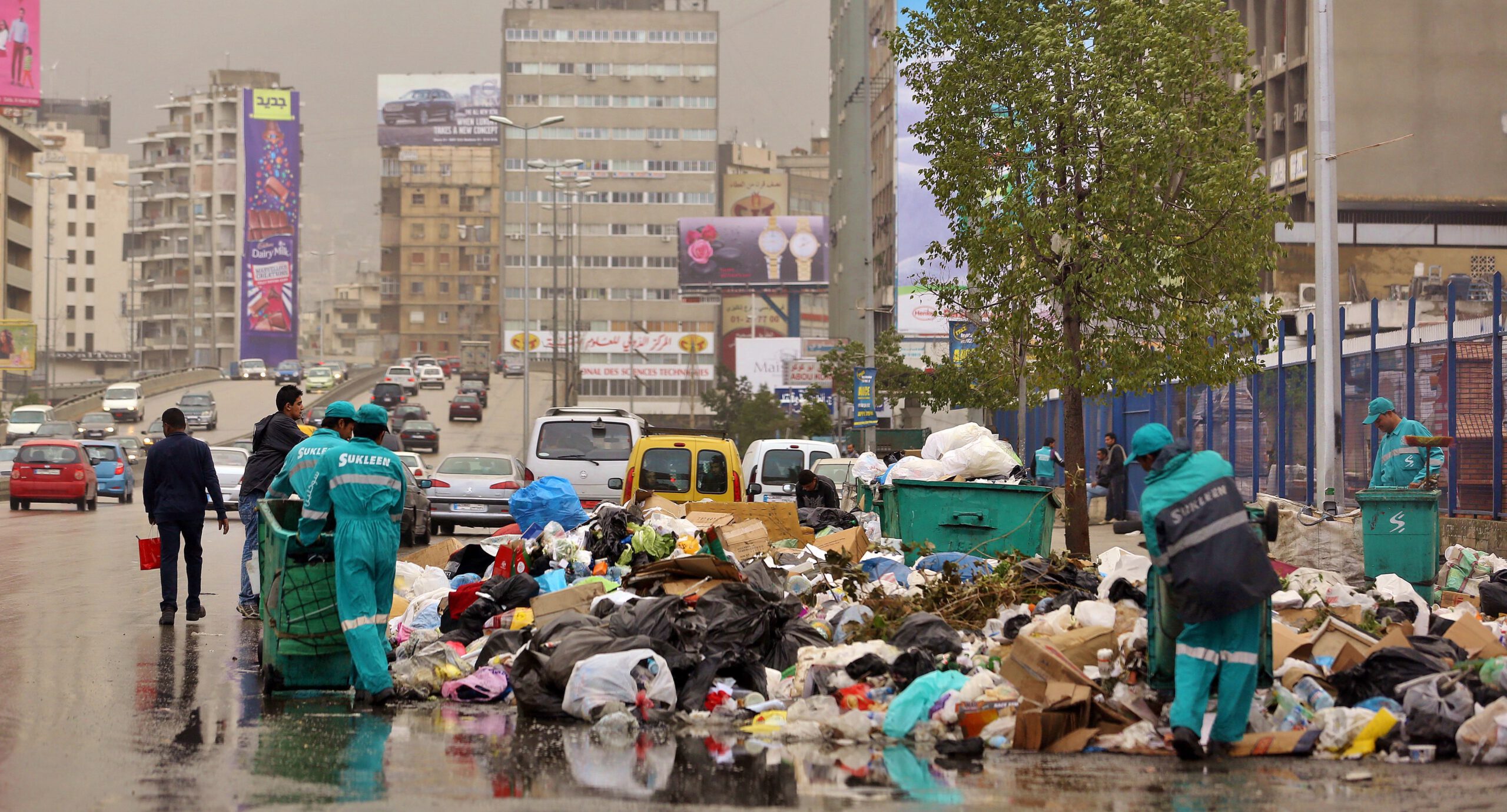
A better development funding model for Lebanon: Prospects, challenges, and applicable lessons
International funders have often called upon recipients to carry out reforms before any funding can be made available or the amount increased. But in many crisis-wracked countries, such as Lebanon, the prospect of reforms may be too distant, with intervention needed immediately. This is why greater emphasis must be placed on risk mitigation measures over which funders can exercise control.
The Next Paradigm-Shattering Threat? Right-Sizing the Potential Impacts of Generative AI on Terrorism
This Study analyzes how and to what extent terrorists and violent extremists have interacted with generative AI so far, identifies potential ways in which they could misuse generative AI in the future, and then contextualizes these threats with the likely broader impacts of generative AI. In doing so, the Study seeks to identify a likely trajectory for the abuse of this technology by terrorist actors as well as concludes with some initial recommendations for policymakers.
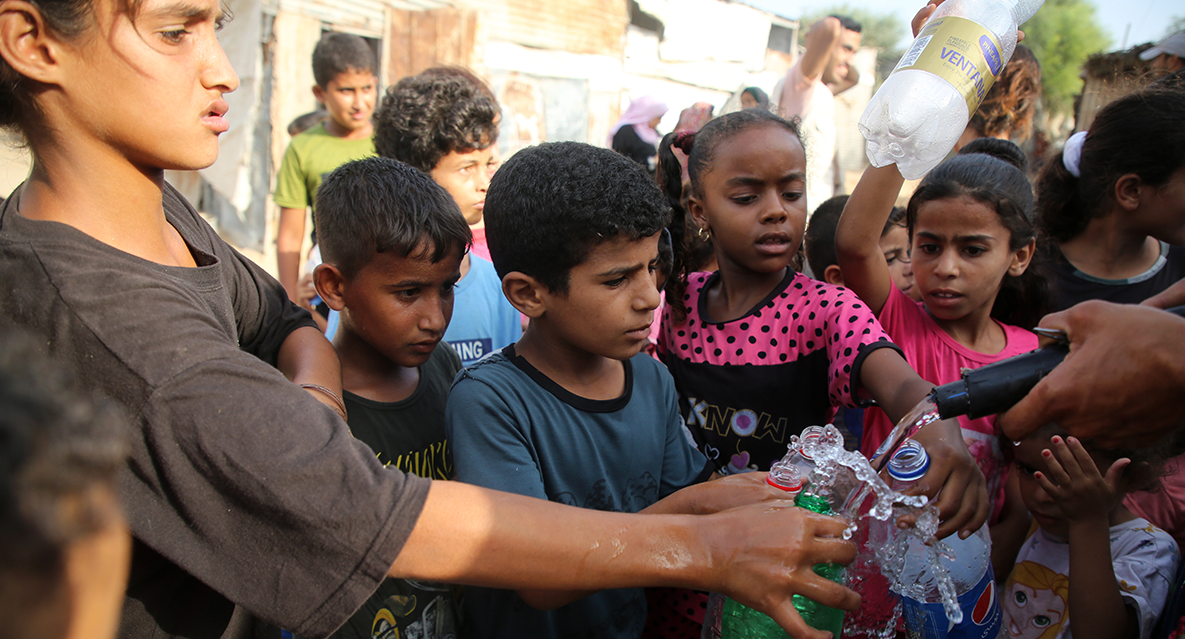
The devastating impact of Gaza’s acute and prolonged water crisis
The Gaza Strip faces a severe and worsening water crisis. With the death toll now above 31,000 and a catastrophic humanitarian crisis plaguing the strip, one of the most urgent challenges facing its residents is access to water.
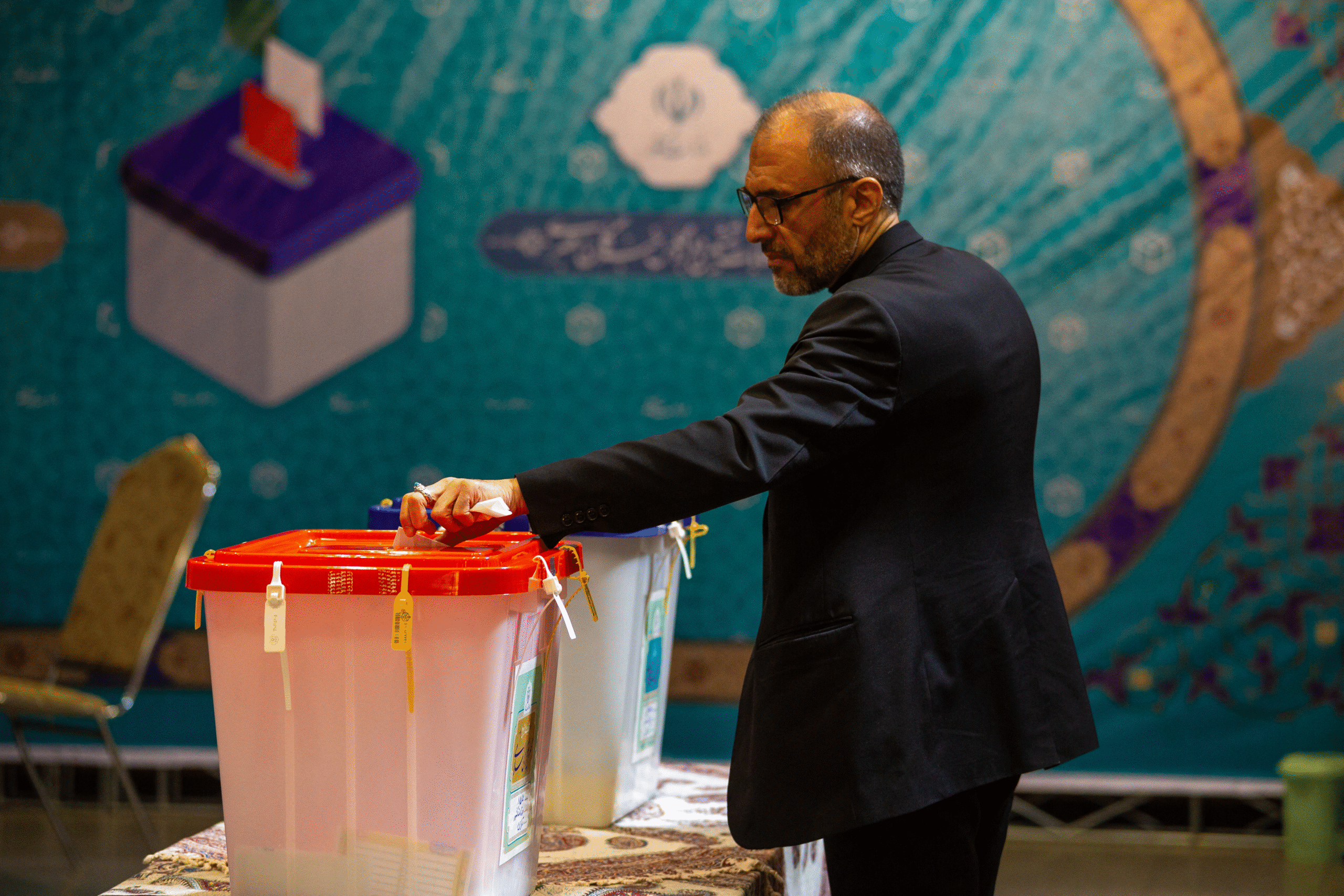
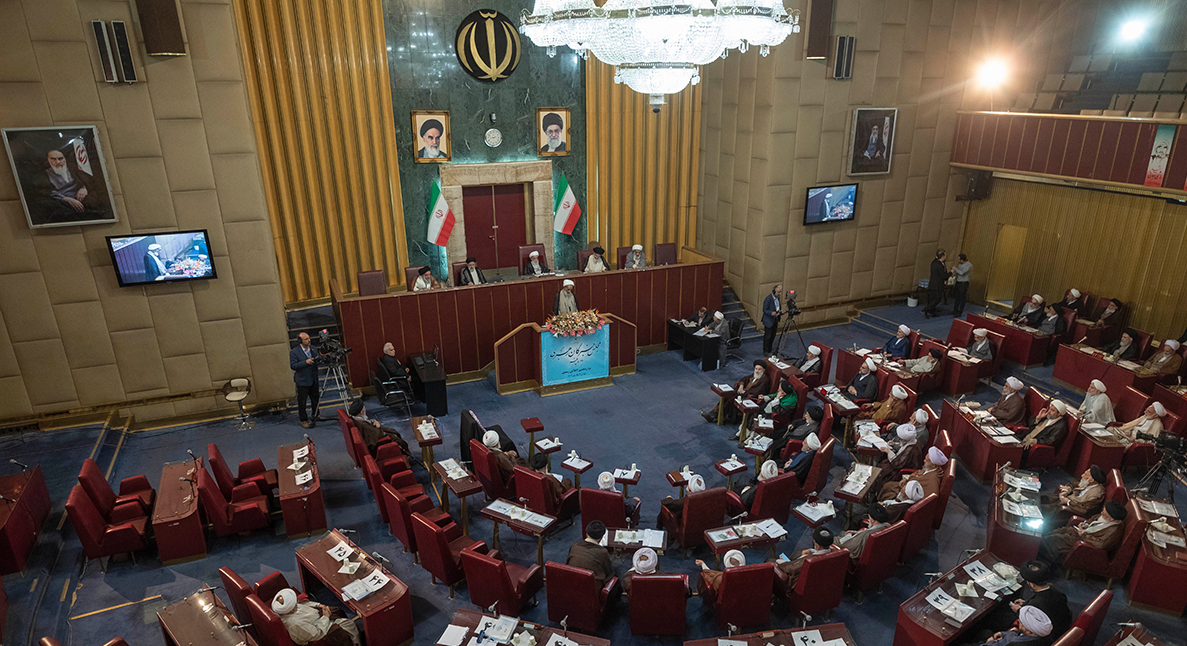
Moving to a post-Khamenei era: Iran’s new rubber-stamp Assembly of Experts
The results of the March 1 election for Iran’s Assembly of Experts hold great importance for understanding how the regime is preparing for the selection of the next supreme leader. The major responsibility of this 88-member body is to designate Ayatollah Ali Khamenei’s successor, either after his death or if he becomes incapable of fulfilling his responsibilities.
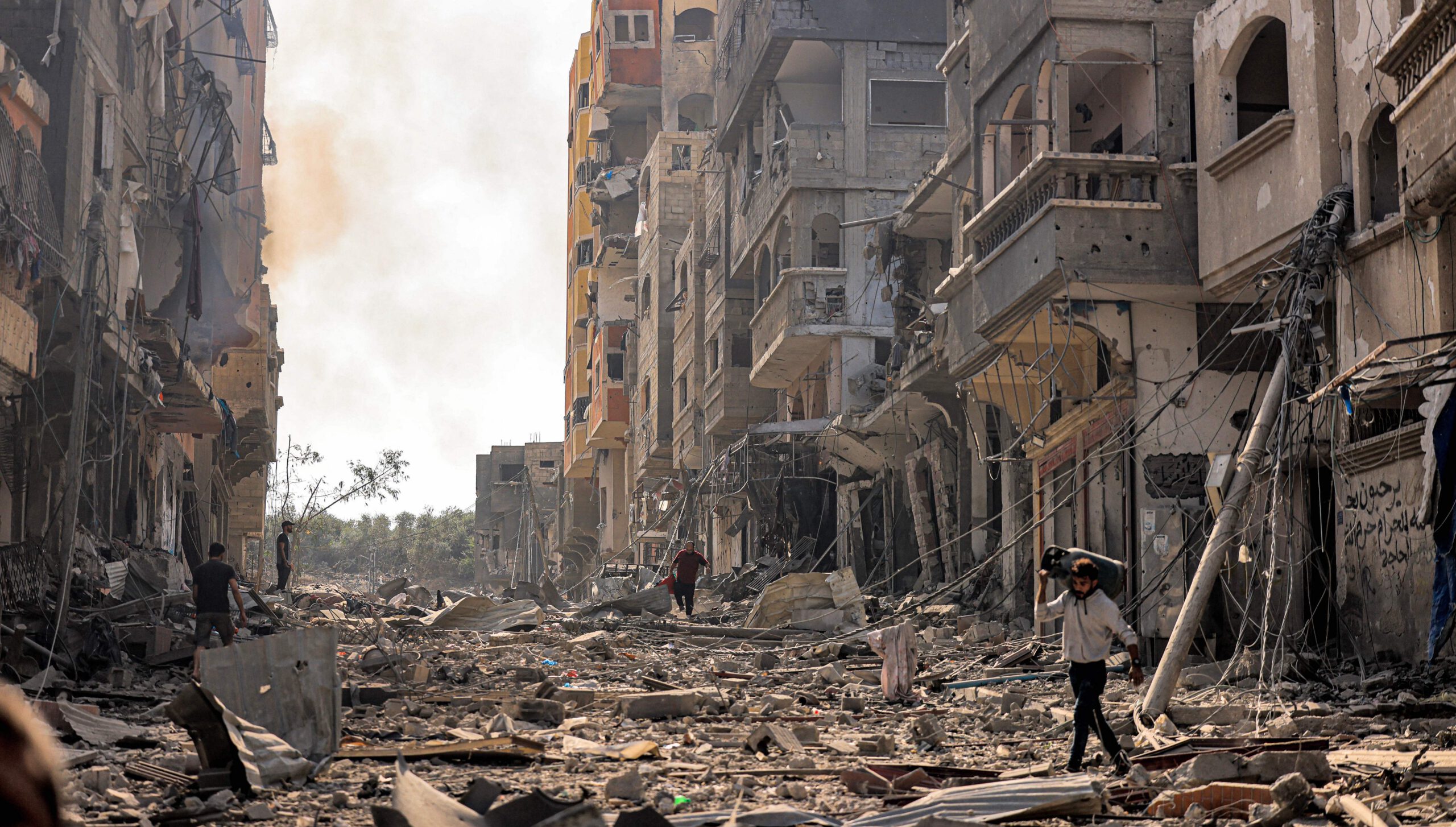
Rebuilding Gaza: Navigating the politics of infrastructure
The scale of rebuilding needed after the Gaza war, in addition to the difficult political questions involved, will require close international coordination as well as innovative, future-informed thinking.
The Evolving Conflict Between Hezbollah and Israel
MEI’s US-Lebanon Fellow Fadi Nicholas Nassar and Emile Hokayem – Director of Regional Security at the International Institute for Strategic Studies – discuss the changing and uncertain rules of engagement between Hezbollah and Israel, and the potential for war between the two following Oct. 7.
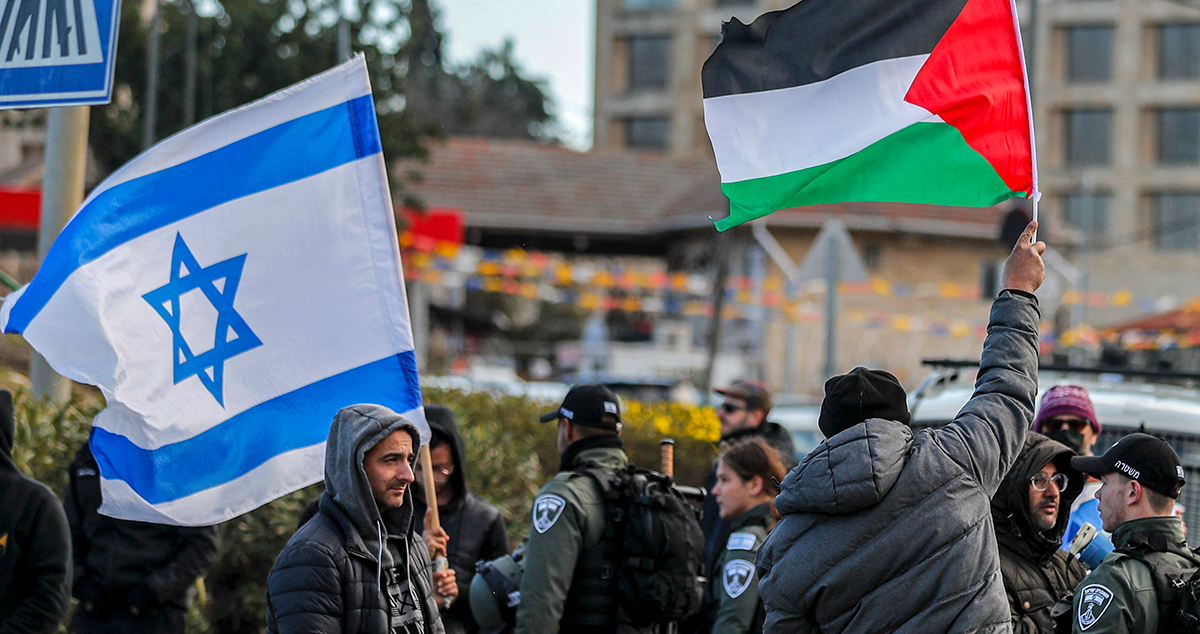
Since Oct. 7, the Israeli-Palestinian conflict has been at the center of international attention. This is in stark contrast to the situation in recent years, when the issue has been sidelined in the international discourse and the question of Israeli-Palestinian peacemaking has almost disappeared from the diplomatic agenda.