I was a teenage Afghan refugee in Pakistan’s tribal areas when the Twin Towers fell. Almost nobody around us understood the politics of what had happened, but we knew that something had changed for good. Afghanistan, which until then had been our private tragedy and our first exile from Taliban rule, had suddenly become the world’s concern, with the United States leading the response.
Russia’s Taliban Embrace Signals a New Power Shift in Afghanistan
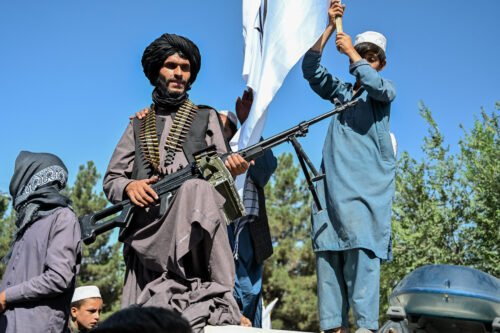
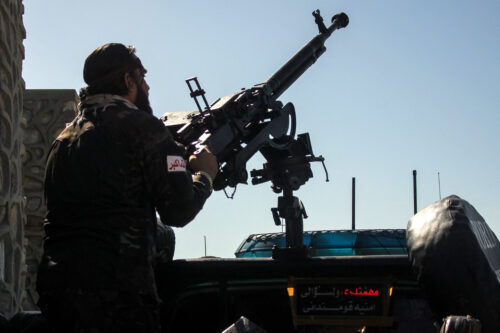
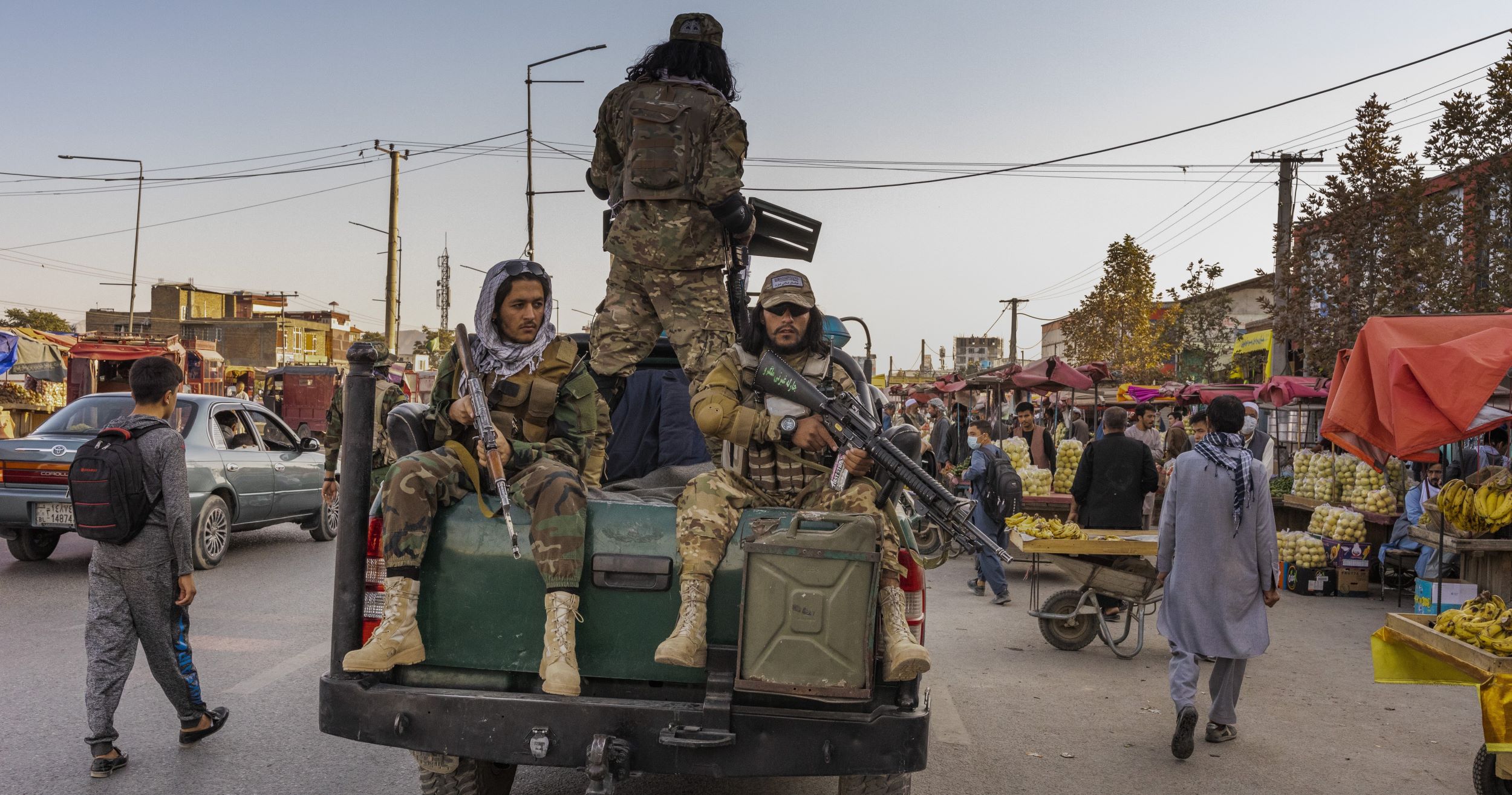
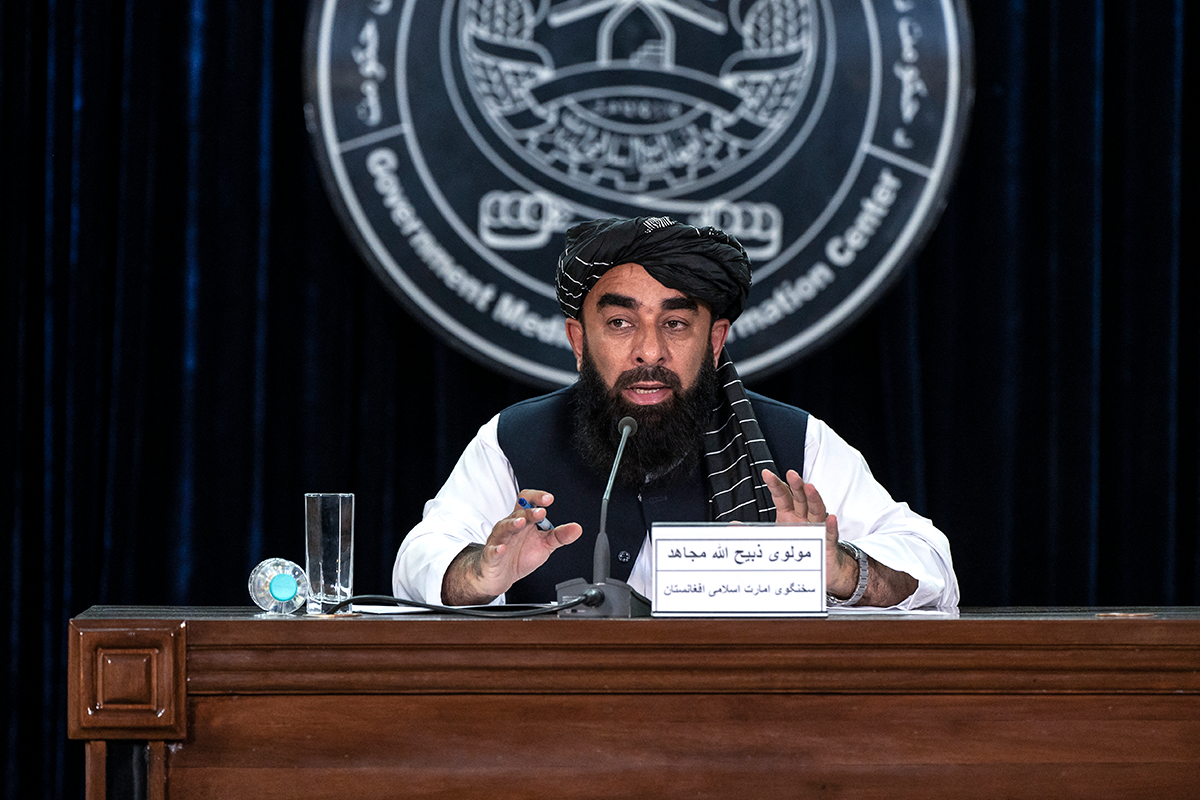
Sometimes the only thing more frightening than Afghanistan’s problems is the Taliban’s solutions and the recently signed Russia-Taliban military-technical agreement may be the most alarming one yet. The partnership signals that Afghanistan’s security architecture is being rebuilt without the United States, and increasingly by America’s rivals. Washington should pay close attention because the deal hands one of the world’s most repressive regimes a pathway to becoming more capable and deeply entrenched in a regional order where Russian influence is expanding at America’s expense.
The Pakistan-Afghanistan conflict: A strategic concern for the US
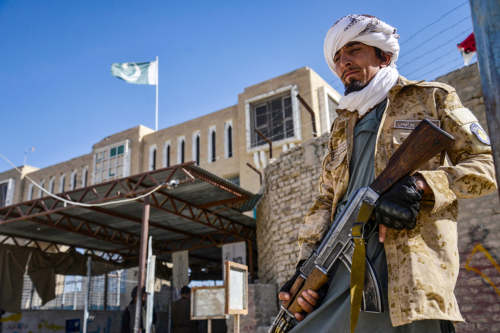
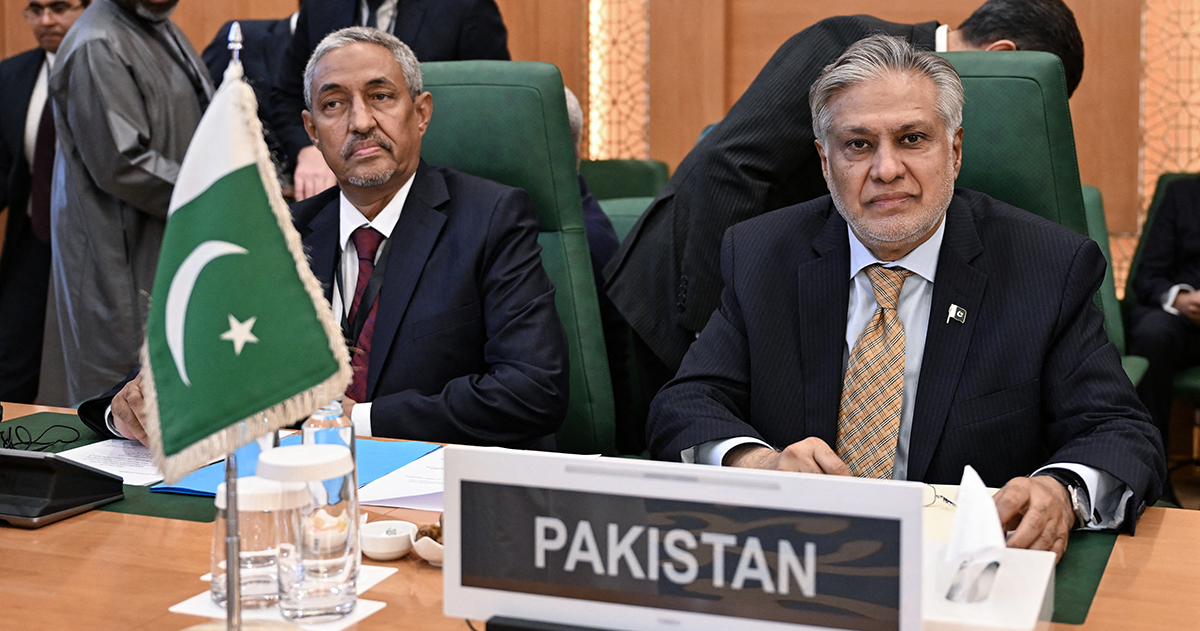
Pakistan’s relationship with the Afghan Taliban has shifted from open sponsorship in the 1990s to a silent partnership following 2001 to alienation and belligerence since 2021. Their current conflict, which comes at great cost to both countries and seems to have no easy military or political resolution, also poses a threat to the stability and prosperity of neighboring states. Although American strategic interests in the region greatly diminished following the United States’ military withdrawal from Afghanistan in August 2021, the region’s altered political dynamics have prompted a growing American engagement with Pakistan and tentatively with Afghanistan. At the same time, the US has become a factor in how both Islamabad and Kabul have come to form their national security strategies.
In only six days, a broad coalition of advancing opposition forces coordinated by Hayat Tahrir al-Sham has captured all of Idlib province, almost all of Aleppo province, and a sizeable stretch of northern Hama — a humiliating defeat for Bashar al-Assad and illustrative of the fragility of regime rule in Syria.
The strategic alliance between Pakistan and China, driven largely by opportunism and geostrategic interests, seems unshakable. However, the extent of its mutual benefit remains under scrutiny, especially for Islamabad, whose reliance on Beijing continues to deepen. Although China claims to base its foreign policy interactions on five key principles — respect for sovereignty, non-aggression, non-interference, equality and mutual benefit, and peaceful coexistence — its dealings with Pakistan indicate an unequal power dynamic that primarily serves its own interests. This imbalance in the Pakistan-China strategic alliance has led to a situation in which Islamabad’s autonomy is increasingly curtailed, and its vulnerability to Beijing’s influence is becoming more apparent.
Navigating the shadows: Afghanistan’s terrorism landscape three years after the US withdrawal and its international implications
Three years since the US and allied withdrawal from Afghanistan, the facts on the ground challenge some more optimistic depictions of the Taliban’s counterterrorism cooperation with the US, al-Qaeda’s reemergence, or the capacity of ISKP to direct external attacks that could threaten American interests.
Pakistan’s shifting positions on the plight of Palestinians and relations with Israel
It is ironic that Pakistan and Israel are both countries created in the name of religion, at around the same time, and yet they have no formal relations. While Pakistan’s animosity toward Israel is rooted in the displacement of Palestinians, it has also served as a means of burnishing the country’s credentials within the community of Muslim nations and pushing back against India, which maintains increasingly close ties with Israel.
Pakistan's Independence Day highlights deepening ideological divide
On Aug. 14, Pakistan celebrated its 78th Independence Day against the backdrop of a widening ideological and societal divide between proponents of Islamic nationalism and those championing democracy. Seizing the occasion, both the military and political leaders, recognizing Pakistan’s vulnerability to political instability and eroding social cohesion, have sought to shape the national discourse and sway public opinion with their respective narratives.
Pakistan and the Middle East’s evolving approach to Afghanistan
Afghanistan has long been an arena for proxy contestations by regional powers, which have adopted rather divergent Afghan policies over the past several decades of foreign occupation and are doing so again now when the country is in the vicelike grip of a resurgent Taliban.
The IMF, CPEC, and Pakistan: Will the Chinese save Islamabad yet again?
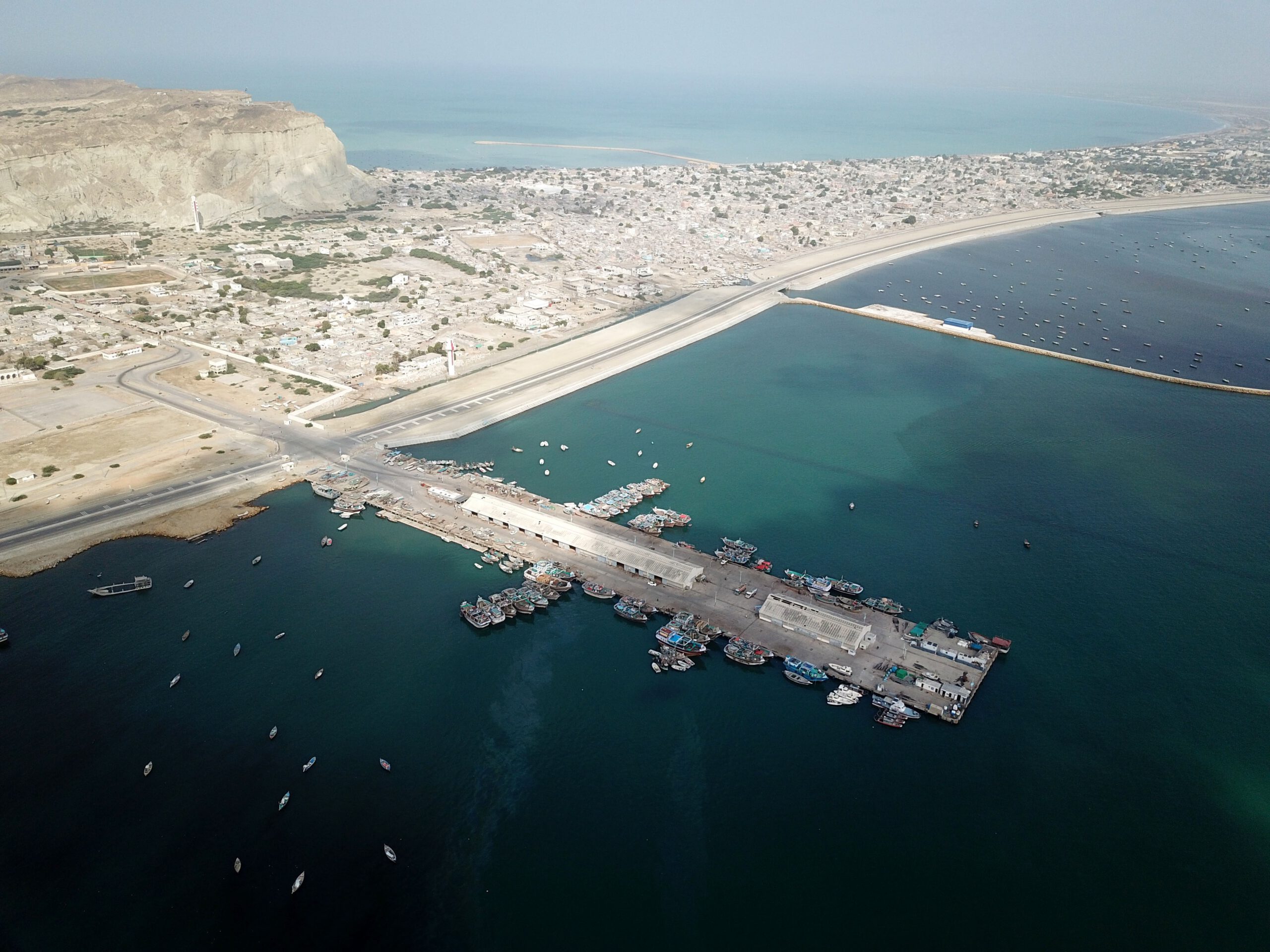
The China-Pakistan Economic Corridor (CPEC), once heralded as a “game-changer,” has almost disappeared from the spotlight in recent years. The project has faced slow implementation, unpaid loans, corruption, and a dire security situation. How is China responding to Pakistan’s poor handling of CPEC, its perpetual financial troubles, and its periodic demands on China to bail it out?
Monday Briefing: The Middle East is the closest it has ever been to an all-out war
After 10 months of Israel’s war on Gaza, the US administration has lost control over its ally and the fear of its opponents. As a result, Washington has only limited, if any, impact on the cost-benefit escalation calculus of the fighting sides. The Middle East is today the closest it has ever been to an all-out multi-front regional war.
MEI’s Taliban Leadership Tracker is a detailed database mapping 1,200 leaders and appointees wielding influence throughout the Taliban government. Produced and maintained by MEI Non-Resident Scholar Javid Ahmad, the database can be used to help identify individuals who wield various forms of influence, ones who may be receptive to dialogue and collaboration, as well as those involved in rights violations, abuses, or criminal and terrorist activities.