I was a teenage Afghan refugee in Pakistan’s tribal areas when the Twin Towers fell. Almost nobody around us understood the politics of what had happened, but we knew that something had changed for good. Afghanistan, which until then had been our private tragedy and our first exile from Taliban rule, had suddenly become the world’s concern, with the United States leading the response.
Russia’s Taliban Embrace Signals a New Power Shift in Afghanistan
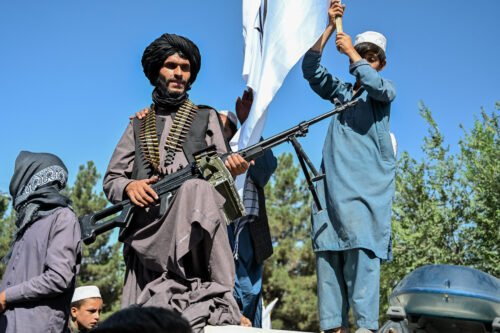
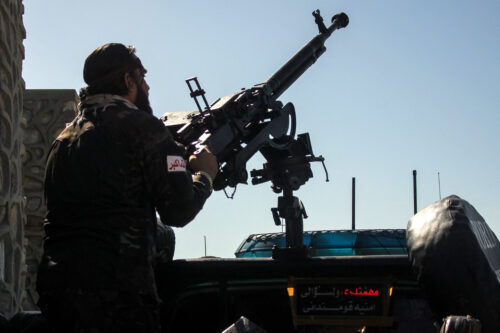
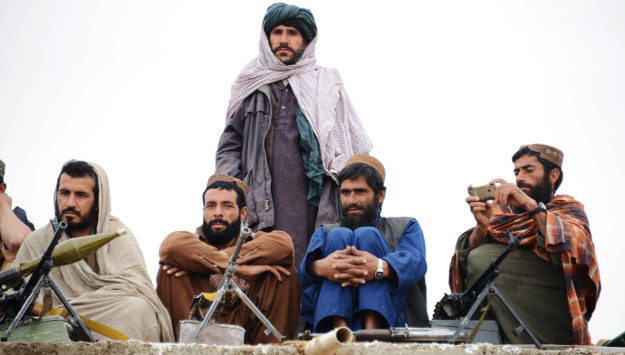
Sometimes the only thing more frightening than Afghanistan’s problems is the Taliban’s solutions and the recently signed Russia-Taliban military-technical agreement may be the most alarming one yet. The partnership signals that Afghanistan’s security architecture is being rebuilt without the United States, and increasingly by America’s rivals. Washington should pay close attention because the deal hands one of the world’s most repressive regimes a pathway to becoming more capable and deeply entrenched in a regional order where Russian influence is expanding at America’s expense.
The Pakistan-Afghanistan conflict: A strategic concern for the US
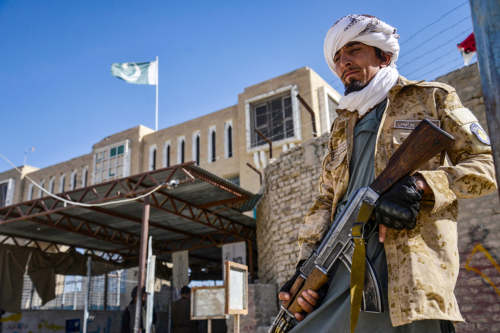
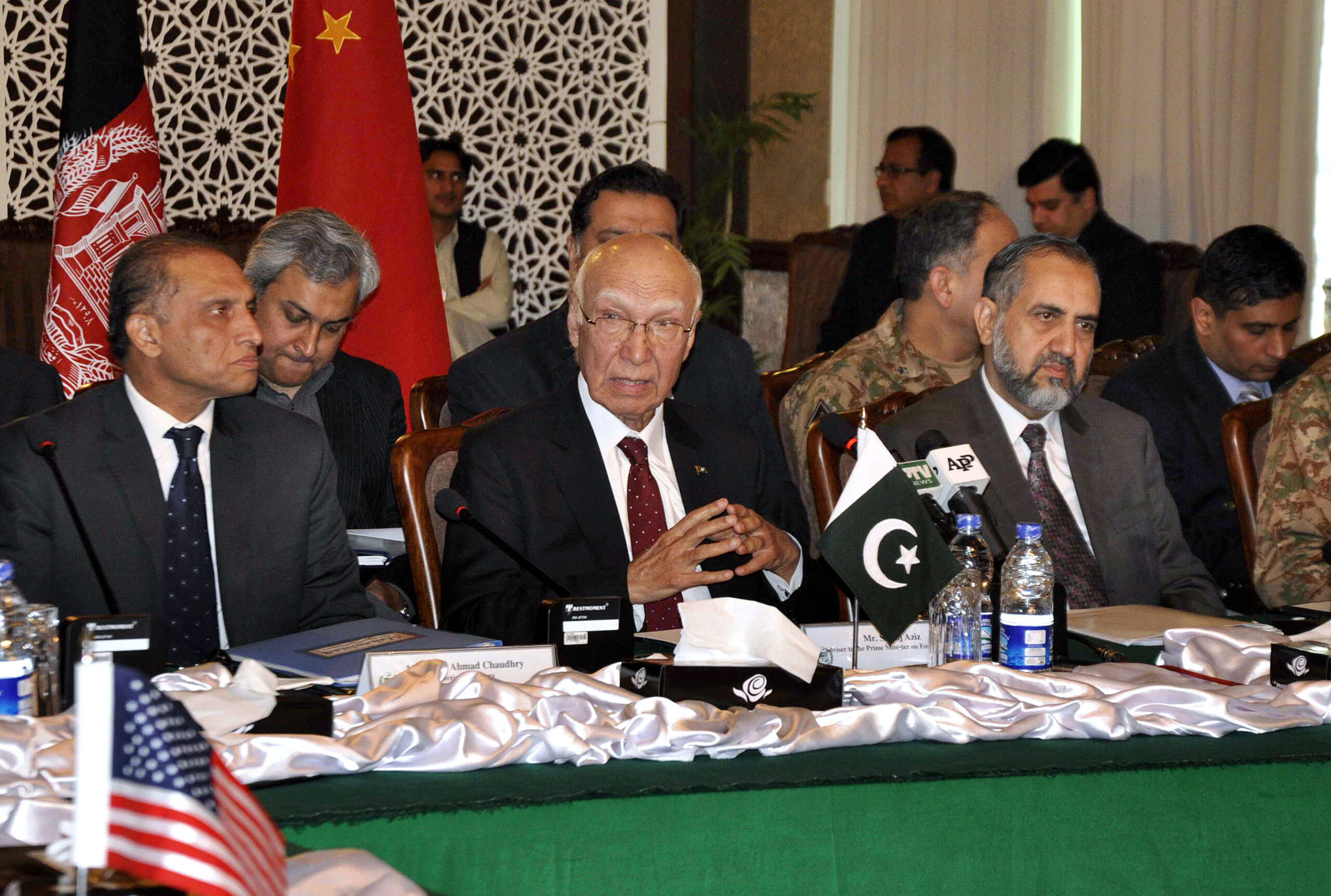
Pakistan’s relationship with the Afghan Taliban has shifted from open sponsorship in the 1990s to a silent partnership following 2001 to alienation and belligerence since 2021. Their current conflict, which comes at great cost to both countries and seems to have no easy military or political resolution, also poses a threat to the stability and prosperity of neighboring states. Although American strategic interests in the region greatly diminished following the United States’ military withdrawal from Afghanistan in August 2021, the region’s altered political dynamics have prompted a growing American engagement with Pakistan and tentatively with Afghanistan. At the same time, the US has become a factor in how both Islamabad and Kabul have come to form their national security strategies.
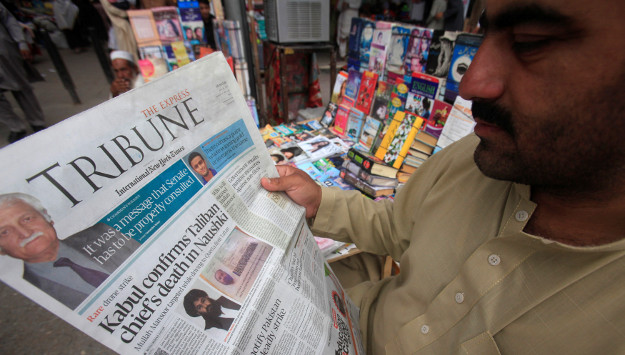
In this week’s Monday Briefing, MEI experts Marvin G. Weinbaum, Charles Lister, Hassan Mneimneh, and Paul Scham provide analysis on recent events including the killing of Afghan Taliban leader Mullah Akhtar Mansour, deadly blasts targeting regime-held territory in Syria, Iraq’s intra-Shiite feud, and Avigdor Lieberman’s appointment as Israel’s Defense Minister.
Peace with Taliban Could Stem ISIS Growth in Afghanistan
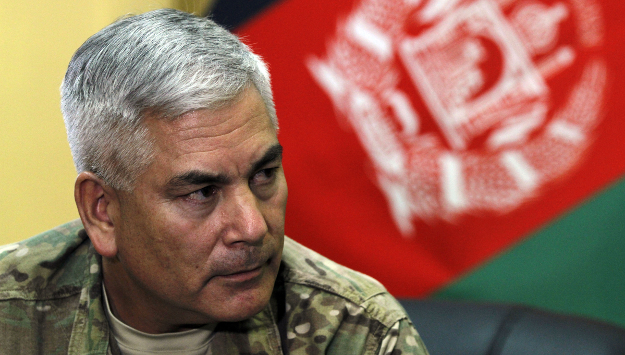
U.S. Army General John Campbell, the outgoing commander of coalition forces in Afghanistan, estimates the number of ISIS militants in Afghanistan to range from 1,000 to 3,000 and warns that “they have the ability to recruit quite well, not only around the world, but inside Afghanistan.”
Why Pakistan Is the Biggest Winner in the Iranian-Saudi Dispute
Saudi Arabia is back, knocking on Pakistan’s door. Saudi Foreign Minister Adel al-Jubeir and King Salman bin Abdulaziz al-Saud’s son and deputy crown prince, Mohammad bin Salman, arrived separately in the early days of the new year to persuade Islamabad to join hands with Riyadh in confronting regional security threats. That is, the Saudis want Pakistan’s support against Iran.
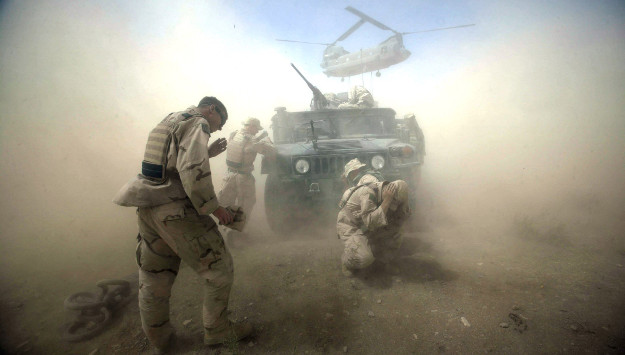
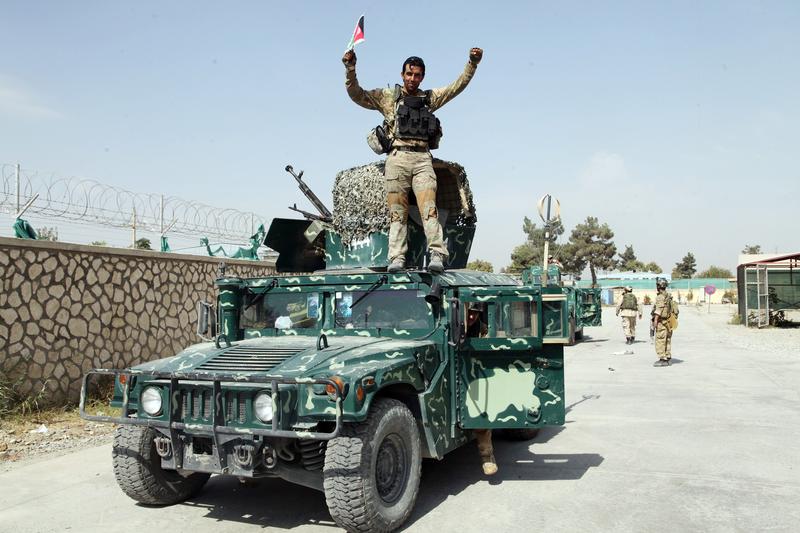
U.S. troops in Afghanistan lowered the flag and boxed up their gear at the end of last year as President Obama declared the formal end to 13 years of U.S. combat operations.
Can Kabul and Islamabad Cooperate Effectively on Counterterrorism?
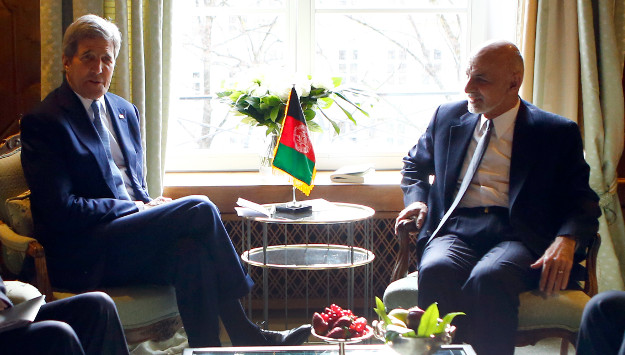
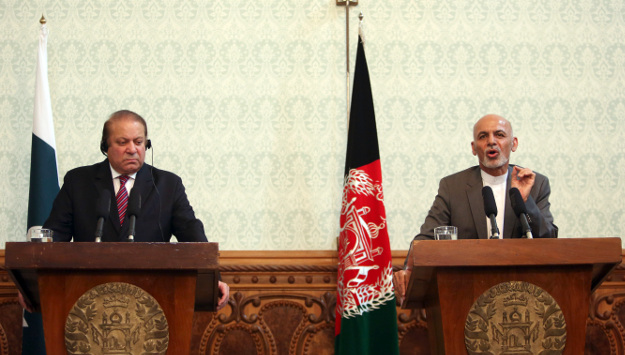
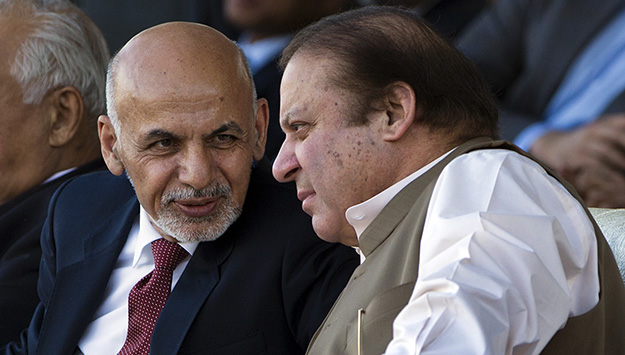
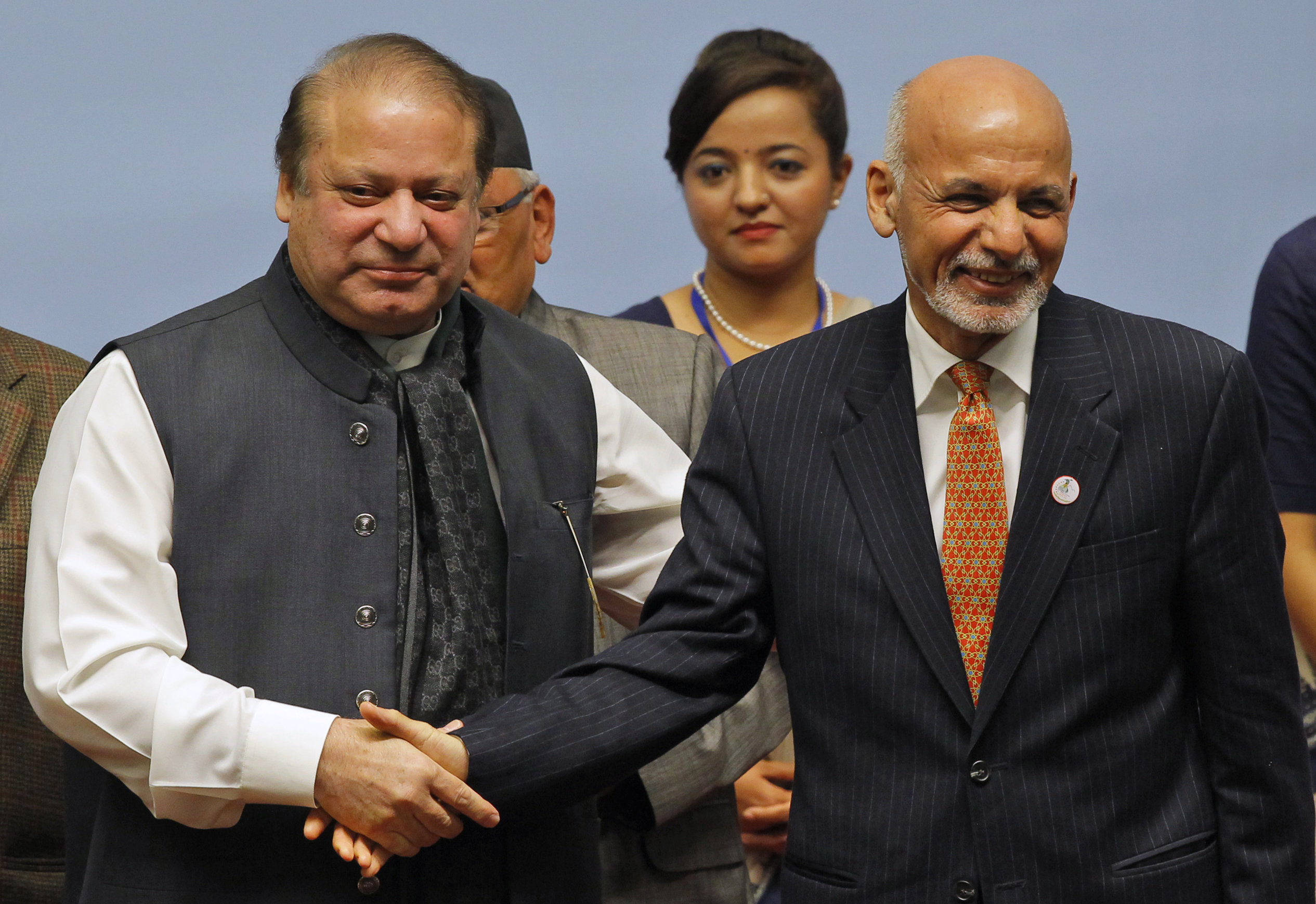
Soon after Ashraf Ghani and Abdullah Abdullah formed a unity government in Afghanistan in September 2014, there were signs of rapprochement between Kabul and Islamabad. When President Ghani visited Pakistan in November, he went to the army’s headquarters in Rawalpindi and laid a wreath at the monument to the country’s fallen soldiers—an indication that the Kabul government had come to an understanding with the Pakistani army, which controls the country’s Afghan policy.
MEI’s Taliban Leadership Tracker is a detailed database mapping 1,200 leaders and appointees wielding influence throughout the Taliban government. Produced and maintained by MEI Non-Resident Scholar Javid Ahmad, the database can be used to help identify individuals who wield various forms of influence, ones who may be receptive to dialogue and collaboration, as well as those involved in rights violations, abuses, or criminal and terrorist activities.