I was a teenage Afghan refugee in Pakistan’s tribal areas when the Twin Towers fell. Almost nobody around us understood the politics of what had happened, but we knew that something had changed for good. Afghanistan, which until then had been our private tragedy and our first exile from Taliban rule, had suddenly become the world’s concern, with the United States leading the response.
Russia’s Taliban Embrace Signals a New Power Shift in Afghanistan
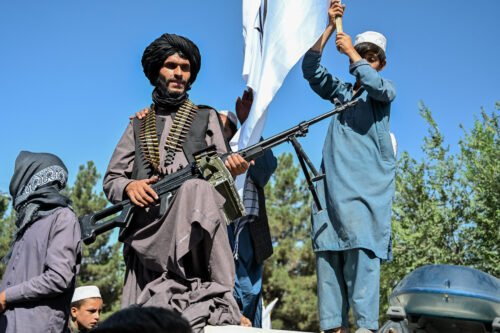
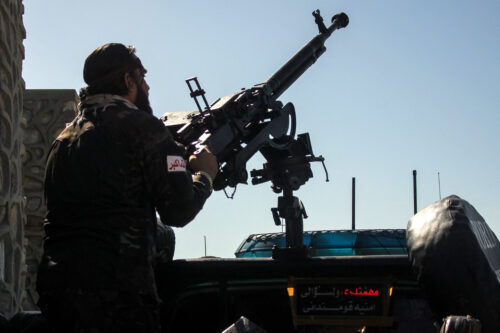
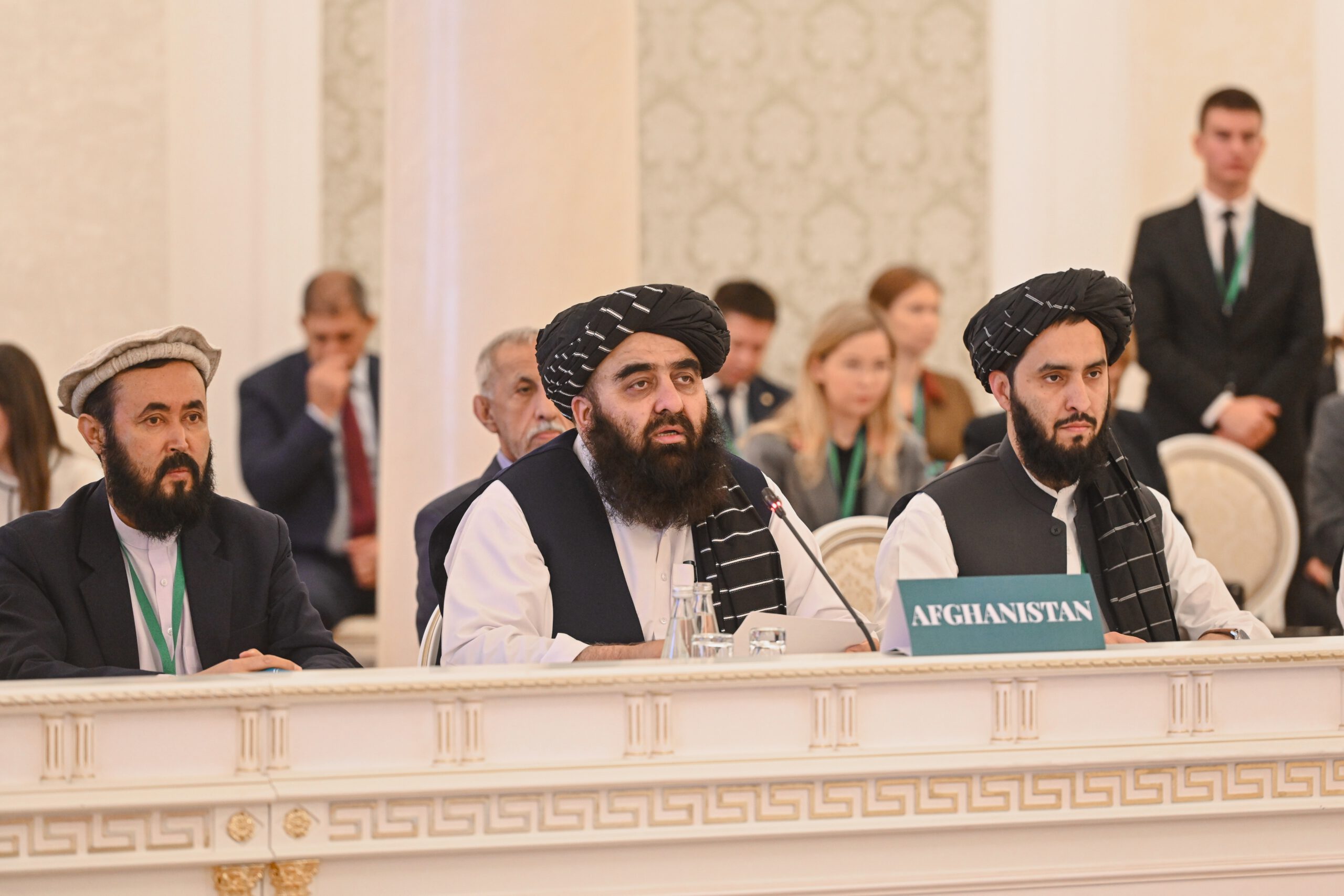
Sometimes the only thing more frightening than Afghanistan’s problems is the Taliban’s solutions and the recently signed Russia-Taliban military-technical agreement may be the most alarming one yet. The partnership signals that Afghanistan’s security architecture is being rebuilt without the United States, and increasingly by America’s rivals. Washington should pay close attention because the deal hands one of the world’s most repressive regimes a pathway to becoming more capable and deeply entrenched in a regional order where Russian influence is expanding at America’s expense.
The Pakistan-Afghanistan conflict: A strategic concern for the US
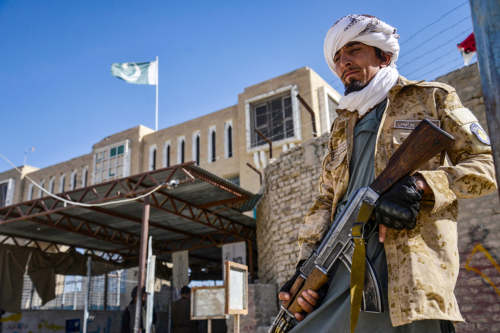
Pakistan’s relationship with the Afghan Taliban has shifted from open sponsorship in the 1990s to a silent partnership following 2001 to alienation and belligerence since 2021. Their current conflict, which comes at great cost to both countries and seems to have no easy military or political resolution, also poses a threat to the stability and prosperity of neighboring states. Although American strategic interests in the region greatly diminished following the United States’ military withdrawal from Afghanistan in August 2021, the region’s altered political dynamics have prompted a growing American engagement with Pakistan and tentatively with Afghanistan. At the same time, the US has become a factor in how both Islamabad and Kabul have come to form their national security strategies.
Though Tehran continues to engage the government in Kabul in a pragmatic fashion, Iran and the Taliban are not traditional friends or allies; they share an uneasy relationship. There is a sectarian angle to their differences and a long-standing dispute over water resources. Yet Iran has sought to normalize relations due to broader geopolitical considerations, security concerns, and perceived economic opportunities.
The newly formed government coalition in Islamabad initially looked weak, unstable, and probably short lived. But in the weeks since the outcome of the vote was announced, the political landscape has rapidly changed. Nevertheless, there are portents of trouble ahead that could send Pakistan back into the political tangle from which it has so recently emerged.
Women’s rights under the Taliban: The socio-economic consequences of political exclusion
One of the first things the Taliban did after capturing power in August 2021 was to abolish the Afghan Ministry of Women’s Affairs and re-establish the Ministry for the Propagation of Virtue and the Prevention of Vice. The environment within which Afghan girls and women had found avenues of employment, education, and empowerment over the previous two decades had been lost. Many families now had to deal with acute poverty, mental health issues, and even suicides.
On this week’s episode Tamkinet Karim, Syed Mohammad Ali, and Alistair Taylor discuss the results of Pakistan’s Feb. 8 elections and where things might be headed moving forward. Over the past two years, Pakistan has gone through a particularly turbulent period, following the removal of Imran Khan’s government in a no-confidence vote in April 2022 — a time marked by political instability, intense polarization, a worsening economic crisis, and growing threats to internal security.
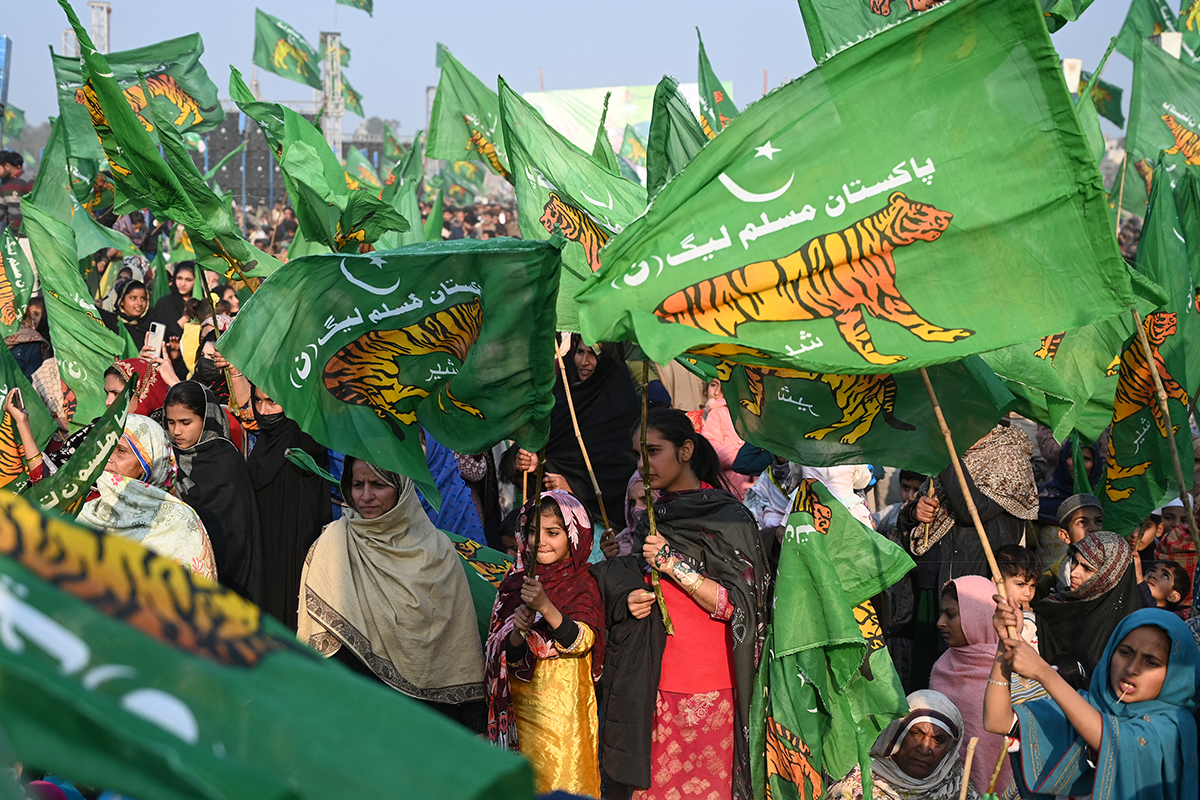
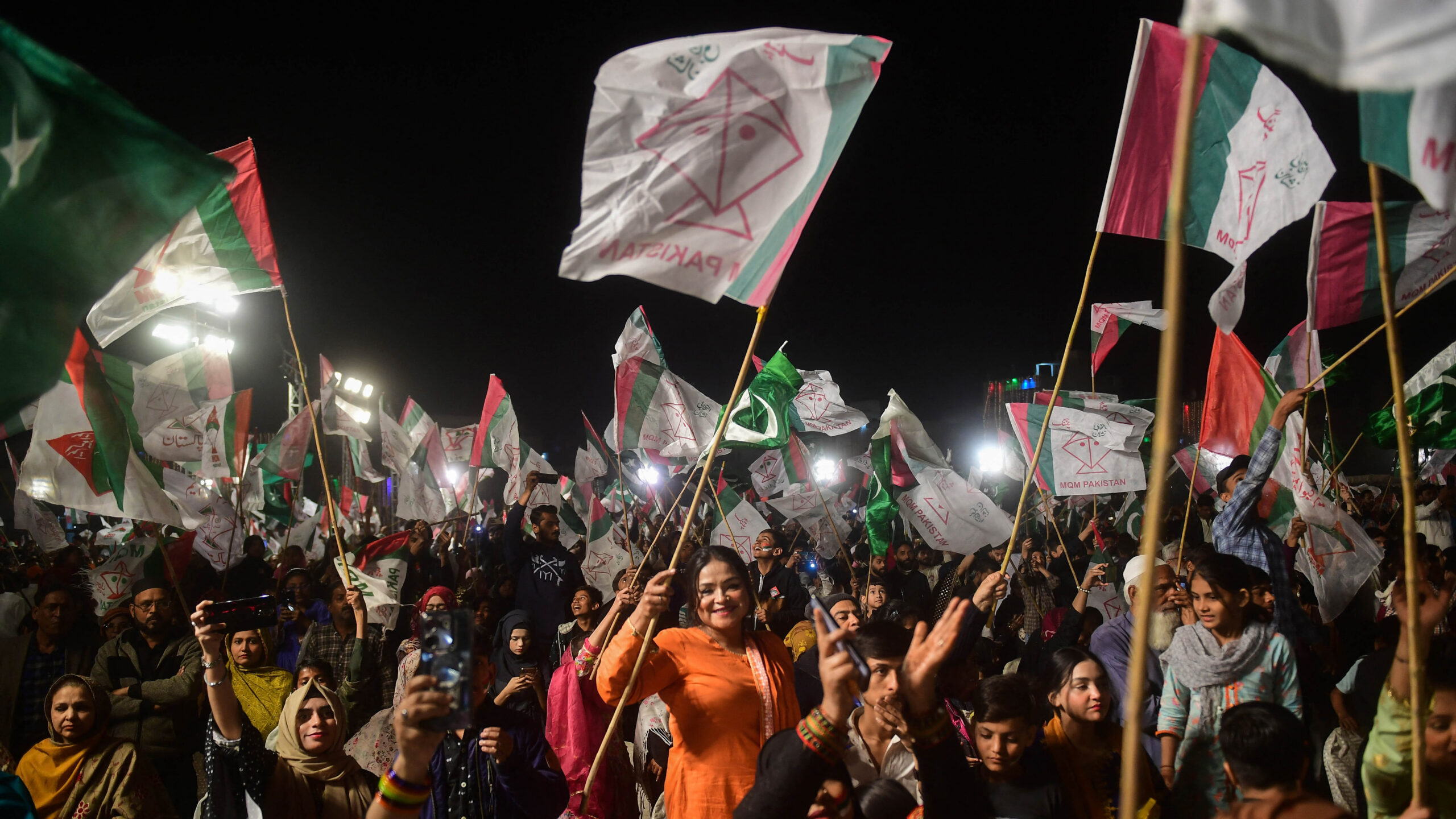
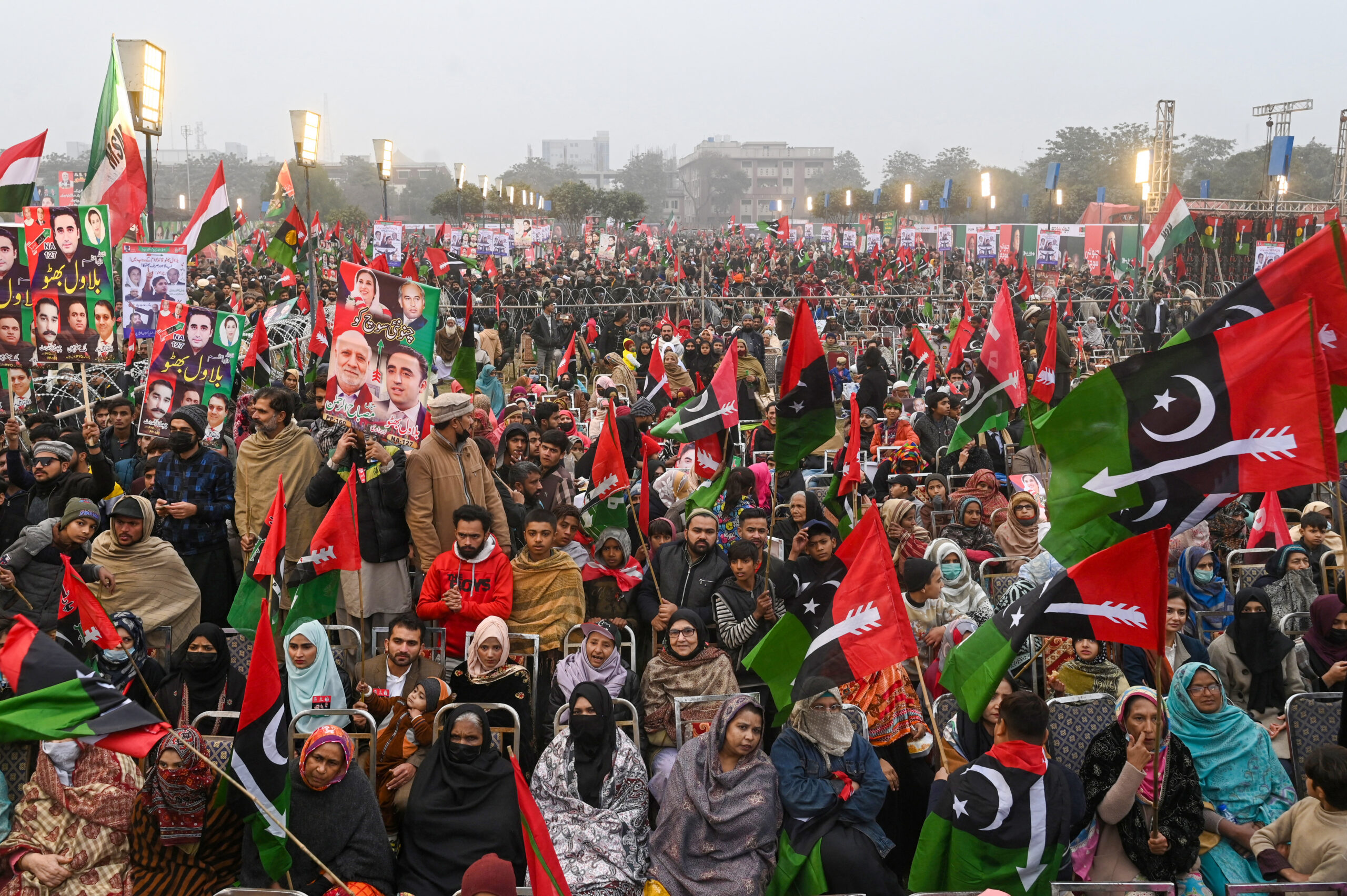
Contrary to what many political observers predicted, Pakistan’s general election on Feb. 8 delivered many surprises and ushered in an even higher level of political uncertainty than what already prevailed. And with the current formation of the new coalition government, an end to political volatility doesn’t seem to be in sight.
The Political Economy of Climate Governance in Afghanistan: An Analysis of the Context and Challenges
Even though it is one of the world’s lowest emitters of greenhouse gases, Afghanistan is among the 10 countries most vulnerable to climate change and severe weather conditions. Recent economic and humanitarian challenges, compounded by a political crisis of legitimacy and governance, exacerbate the situation, limiting the country’s ability to mitigate climate-induced fragility and build long-term resilience.
What to expect as Pakistan goes to the polls for a long-awaited national election
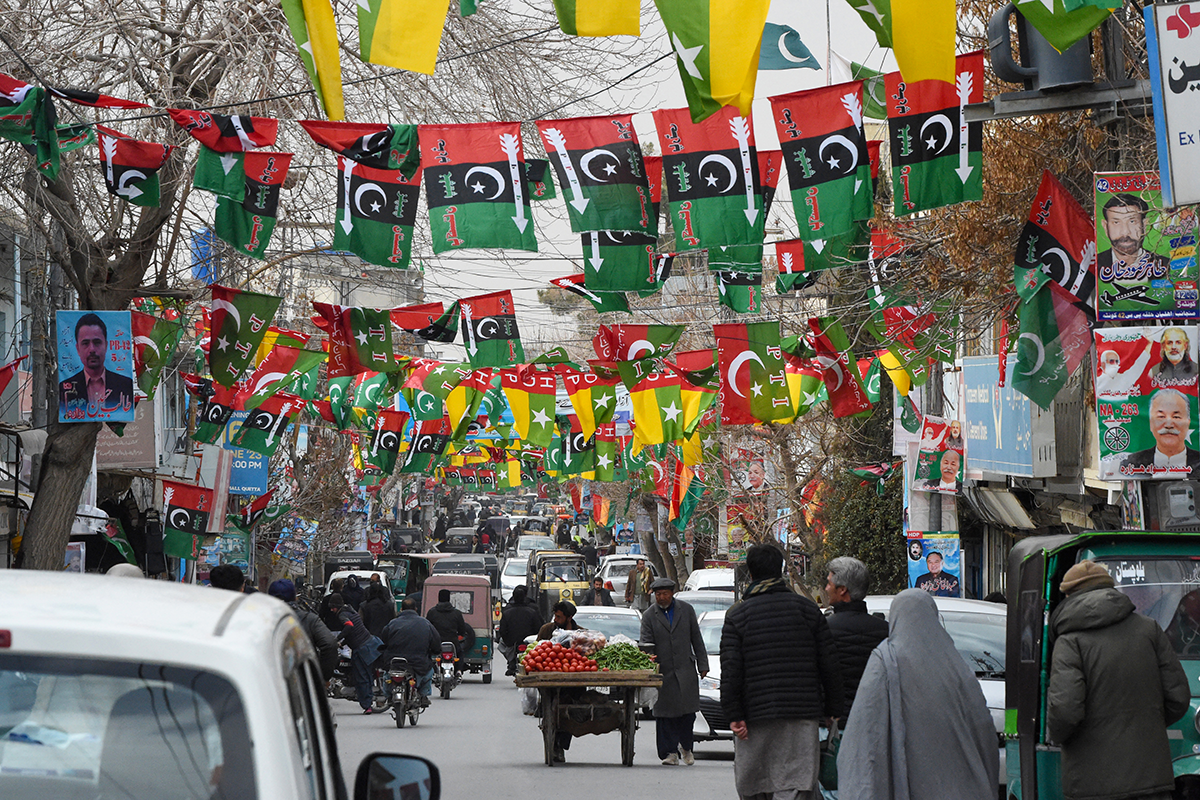
Though delayed by several months, Pakistan is now on the verge of a national election on Feb. 8 that will replace an elected government ousted in April 2022 by an opposition-cum-military alliance.
MEI’s Taliban Leadership Tracker is a detailed database mapping 1,200 leaders and appointees wielding influence throughout the Taliban government. Produced and maintained by MEI Non-Resident Scholar Javid Ahmad, the database can be used to help identify individuals who wield various forms of influence, ones who may be receptive to dialogue and collaboration, as well as those involved in rights violations, abuses, or criminal and terrorist activities.