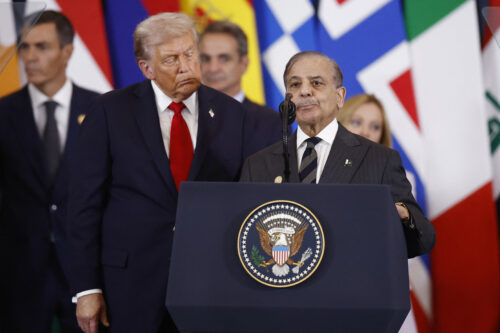
As it fights on four separate but connected fronts, Pakistan’s military is employing more force and less tolerance for public dissent. The result is not strength, but instead a widening set of vulnerabilities that will undermine Pakistan.
I was a teenage Afghan refugee in Pakistan’s tribal areas when the Twin Towers fell. Almost nobody around us understood the politics of what had happened, but we knew that something had changed for good. Afghanistan, which until then had been our private tragedy and our first exile from Taliban rule, had suddenly become the world’s concern, with the United States leading the response.
Russia’s Taliban Embrace Signals a New Power Shift in Afghanistan
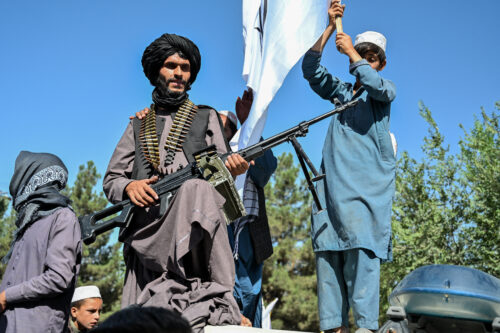
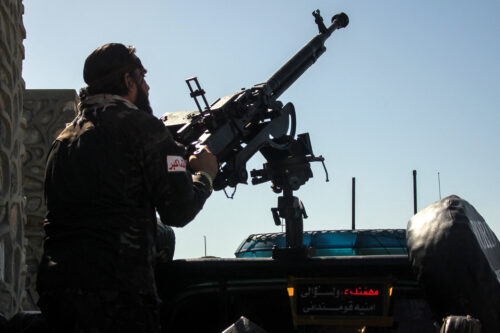
Sometimes the only thing more frightening than Afghanistan’s problems is the Taliban’s solutions and the recently signed Russia-Taliban military-technical agreement may be the most alarming one yet. The partnership signals that Afghanistan’s security architecture is being rebuilt without the United States, and increasingly by America’s rivals. Washington should pay close attention because the deal hands one of the world’s most repressive regimes a pathway to becoming more capable and deeply entrenched in a regional order where Russian influence is expanding at America’s expense.
Withdrawal from Afghanistan: Next Steps and Challenges
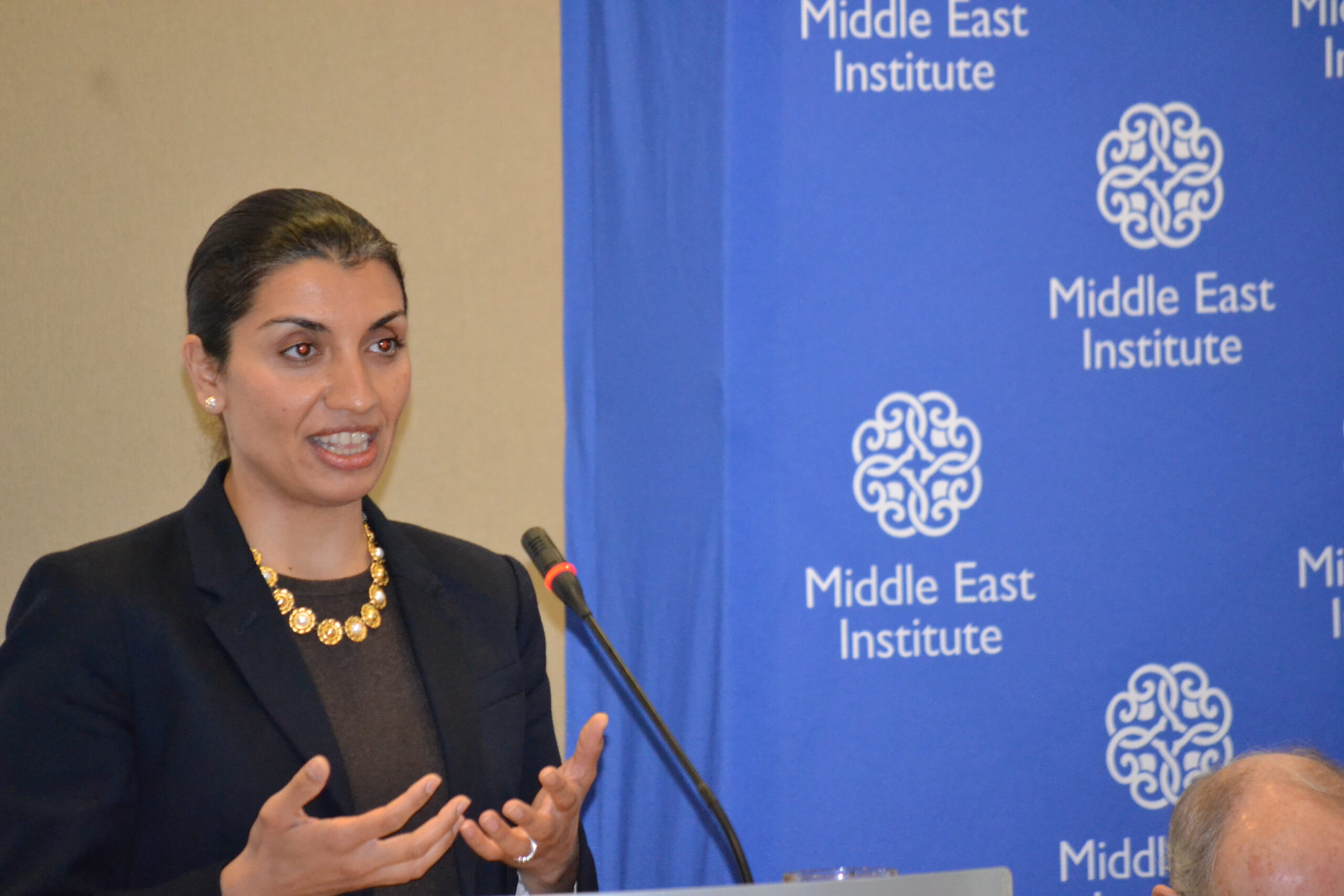
Wed, 3/20/2013 12:00 pm to 1:30 pmLocation: The SEIU Building1800 Massachusetts Avenue, NWWashingtonDistrict of Columbia20 036 The Middle East Institute is proud to host Lieutenant General (Ret.) David W. Barno and Dr. Michael E.
Withdrawal from Afghanistan: Next Steps and Challenges
Wed, 3/20/2013 12:00 pm to 1:30 pmLocation: The SEIU Building1800 Massachusetts Avenue, NWWashingtonDistrict of Columbia20 036 The Middle East Institute is proud to host Lieutenant General (Ret.) David W. Barno and Dr. Michael E.
Withdrawal from Afghanistan: Next Steps and Challenges
Wed, 3/20/2013 12:00 pm to 1:30 pmLocation: The SEIU Building1800 Massachusetts Avenue, NWWashingtonDistrict of Columbia20 036 The Middle East Institute is proud to host Lieutenant General (Ret.) David W. Barno and Dr. Michael E.
Withdrawal from Afghanistan: Next Steps and Challenges
Wed, 3/20/2013 12:00 pm to 1:30 pmLocation: The SEIU Building1800 Massachusetts Avenue, NWWashingtonDistrict of Columbia20 036 The Middle East Institute is proud to host Lieutenant General (Ret.) David W. Barno and Dr. Michael E.
Withdrawal from Afghanistan: Next Steps and Challenges
Wed, 3/20/2013 12:00 pm to 1:30 pmLocation: The SEIU Building1800 Massachusetts Avenue, NWWashingtonDistrict of Columbia20 036 The Middle East Institute is proud to host Lieutenant General (Ret.) David W. Barno and Dr. Michael E.
This piece was originally published by Foreign Policy Blogs on December 20, 2012
Assertions and opinions in this publication are solely those of the above-mentioned author(s) and do not necessarily reflect the views of the Middle East Institute, which expressly does not take positions on Middle East policy.
This article was first published by The National Interest. on September 26, 2012
Assertions and opinions in this publication are solely those of the above-mentioned author(s) and do not necessarily reflect the views of the Middle East Institute, which expressly does not take positions on Middle East policy.
Afghanistan's Cultural Institutions & Private Sector in the Shadow of 2014
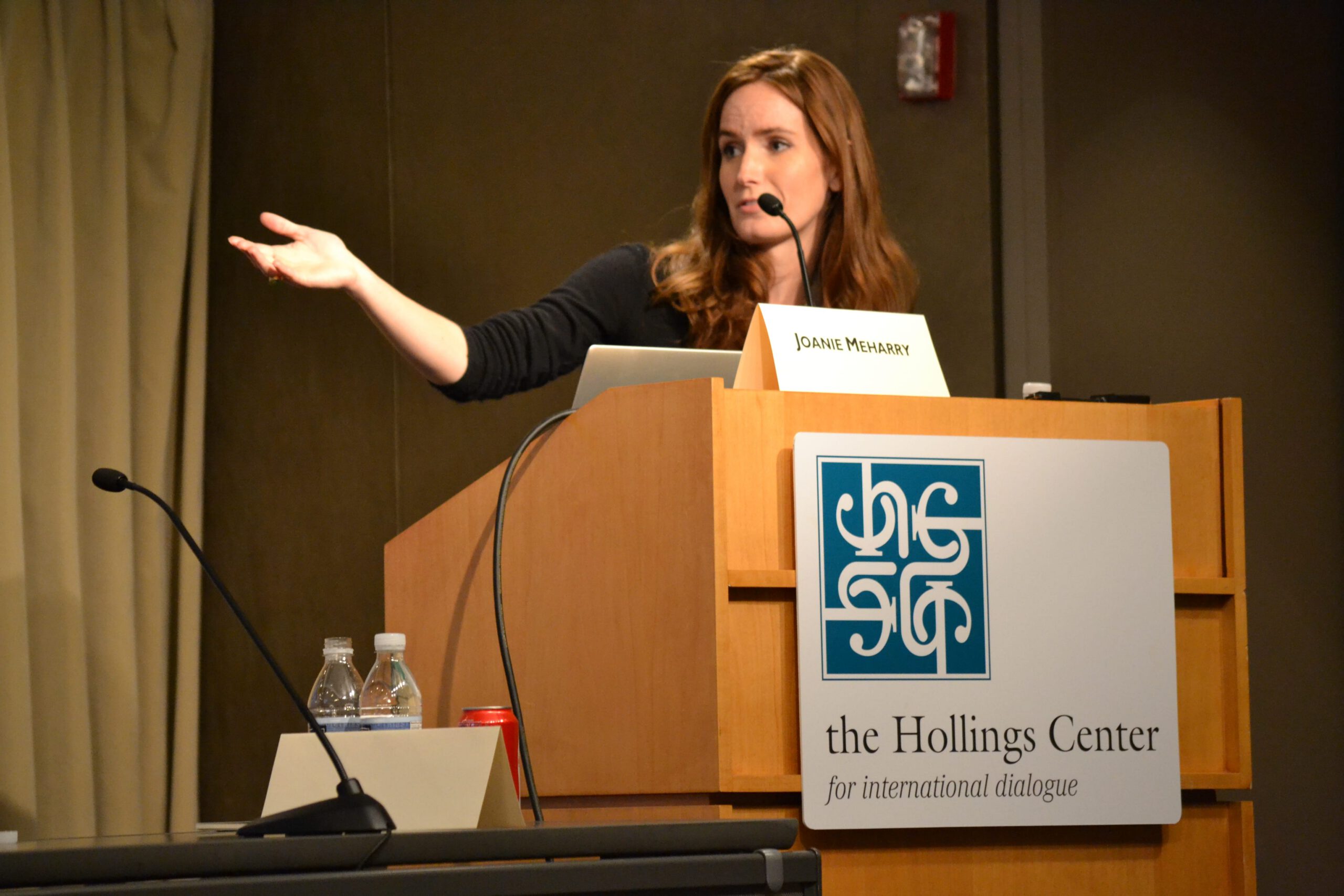
MEI Podcast, 20120925 Afghanistan’s Cultural Institutions & Private Sector in the Shadow of 2014 Shaharzad Akbar; Joanie Meharry, Jahid Mohseni, Laura Tedesco, George Gavrilis , Wendy ChamberlinPresented by The Middle East Institute and the Hollings Center
MEI’s Taliban Leadership Tracker is a detailed database mapping 1,200 leaders and appointees wielding influence throughout the Taliban government. Produced and maintained by MEI Non-Resident Scholar Javid Ahmad, the database can be used to help identify individuals who wield various forms of influence, ones who may be receptive to dialogue and collaboration, as well as those involved in rights violations, abuses, or criminal and terrorist activities.