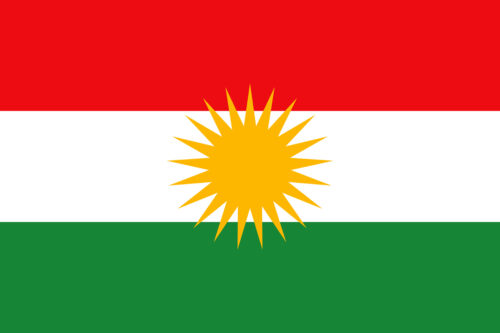
The Kurdistan Region of Iraq (KRI), also known as Iraqi Kurdistan, is a semi-autonomous region in northeastern Iraq with a population of approximately 6.5 million. The KRI’s contemporary politics are rooted in a century of Kurdish efforts to achieve self-rule.
Reflections on a Diplomatic Career in the Middle East: A Conversation With Ambassador Yael Lempert
Brian is joined by Amb. (ret.) Yael Lempert, Vice President for Outreach at MEI, to discuss her career in diplomacy and the importance of US diplomatic efforts abroad. She shares stories from postings across the Middle East in Baghdad, Cairo, Tripoli, Jerusalem, and Amman and examines how her personal and professional experiences shaped her approach to the work. Together, Brian and Yael discuss the realities of life in the Foreign Service, the core tenets of American diplomacy, and why it matters in today’s Middle East.
It has become a commonplace for Americans to describe our current war with Iran as stuck in a kind of limbo, neither full war nor real peace. We’re not the only ones. Iraq finds itself caught in a limbo of its own, between America and Iran, between the tolerable and the intolerable, between progress and relapse.
Learning from SIGIR's Final Report on Iraq Reconstruction
The Special Inspector General for Iraq Reconstruction (SIGIR) recently published a final report on U.S. efforts in Iraq from 2003-2012. It provides an impressive level of detail on the thousands of projects and over $60 billion spent over those years. Until recently, when it was surpassed by the ongoing effort in Afghanistan, the U.S. project in Iraq was the single largest reconstruction effort in American history.
Learning from Iraq: A New Model for Stability and Reconstruction Operations
Tue, 5/21/2013 12:00 pm to 1:00 pm The Middle East Institute is pleased to welcome Stuart Bowen, the Special Inspector General for Iraq Reconstruction, to discuss his proposals for how best to conduct Stability and Reconstruction Operations. Stability and Reconstruction Operations, or (SROs), entail governmental efforts to rebuild crucial infrastructure, implement rule of law, and ensure security in developing countries before, during, and after armed conflict. As Mr.
Learning from Iraq: A New Model for Stability and Reconstruction Operations
Tue, 5/21/2013 12:00 pm to 1:00 pm The Middle East Institute is pleased to welcome Stuart Bowen, the Special Inspector General for Iraq Reconstruction, to discuss his proposals for how best to conduct Stability and Reconstruction Operations. Stability and Reconstruction Operations, or (SROs), entail governmental efforts to rebuild crucial infrastructure, implement rule of law, and ensure security in developing countries before, during, and after armed conflict. As Mr.
Learning from Iraq: A New Model for Stability and Reconstruction Operations
Tue, 5/21/2013 12:00 pm to 1:00 pm The Middle East Institute is pleased to welcome Stuart Bowen, the Special Inspector General for Iraq Reconstruction, to discuss his proposals for how best to conduct Stability and Reconstruction Operations. Stability and Reconstruction Operations, or (SROs), entail governmental efforts to rebuild crucial infrastructure, implement rule of law, and ensure security in developing countries before, during, and after armed conflict. As Mr.
Learning from Iraq: A New Model for Stability and Reconstruction Operations
Tue, 5/21/2013 12:00 pm to 1:00 pm The Middle East Institute is pleased to welcome Stuart Bowen, the Special Inspector General for Iraq Reconstruction, to discuss his proposals for how best to conduct Stability and Reconstruction Operations. Stability and Reconstruction Operations, or (SROs), entail governmental efforts to rebuild crucial infrastructure, implement rule of law, and ensure security in developing countries before, during, and after armed conflict. As Mr.
Learning from Iraq: A New Model for Stability and Reconstruction Operations
Tue, 5/21/2013 12:00 pm to 1:00 pm The Middle East Institute is pleased to welcome Stuart Bowen, the Special Inspector General for Iraq Reconstruction, to discuss his proposals for how best to conduct Stability and Reconstruction Operations. Stability and Reconstruction Operations, or (SROs), entail governmental efforts to rebuild crucial infrastructure, implement rule of law, and ensure security in developing countries before, during, and after armed conflict. As Mr.
China’s Iraq Oil Strategy Comes Into Sharper Focus
“…Despite the inherent risks in dealing with complex and unstable markets such as Iraq, Chinese investors have been gaining a foothold in the country’s energy sector and in doing so have begun to face a unique set of challenges. In addition to having to navigate a tumultuous political and security environment, China is engaging a country that for a long period of time remained effectively under U.S. military occupation even as the central Iraqi government operated under a framework of limited sovereignty …
Companies from Asia are beating their European and American rivals in investments in Iraq. Being more prone to risk-taking, they are cashing in on the opportunity to establish businesses that would be profitable in the long-term.
Reconciliation Efforts in Iraq—Reversals and Paradoxes
For the benefits of reconstruction to take hold in today’s Iraq, it is essential to avoid oversimplified arguments that merely “fixing” ethno-sectarian tensions will be sufficient to attain the goal of political stability. A broader approach, which recognizes the country’s current ethno-sectarian polarization as both a symptom and a cause of instability would be a far more appropriate means of addressing the deep-rooted problems faced by Iraqis since 2003.
Introduction to Iraq's Refugees and IDP Crisis: Human Toll and Implications
Originally posted July 2008
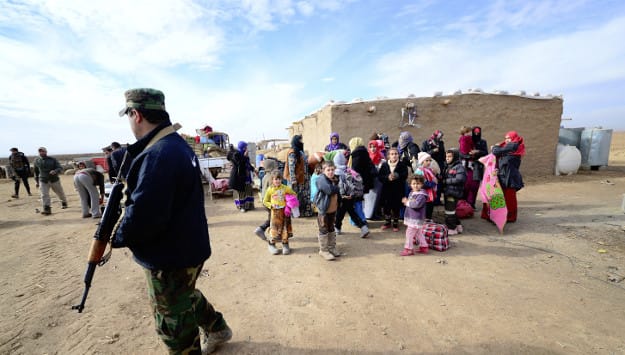
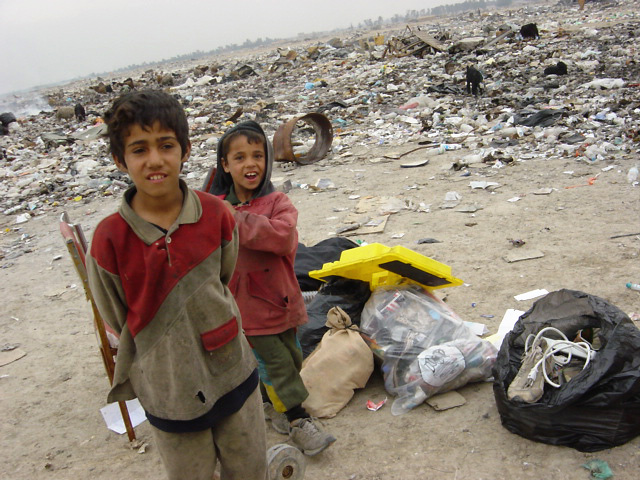
In the comparatively short time since the establishment of the Iraqi state in 1920, the country has experienced successive waves of forced migration. Yet the magnitude of the forced displacement of Iraqis from their homes since 2003 is unprecedented. In addition to the still dire humanitarian situation are the potentially far-reaching negative implications of the refugee/IDP crisis for the future of Iraq and the Middle East as a whole.
Iraq’s Internally Displaced Persons (IDPs) Scale, Plight, and Prospects
Originally posted July 2008
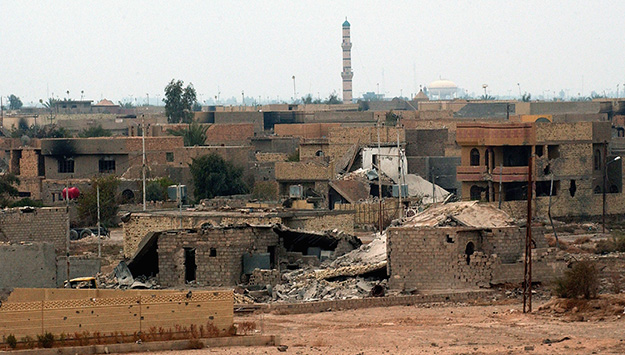
Over the past several decades, and especially in the past two years, Iraq has suffered from one of the worst displacement crises in the world.
While new displacement has slowed to a trickle in 2008, the conditions of those already displaced continue to deteriorate, and prospects for those returning to their homes are grim. The plight of internally displaced Iraqis and those who have crossed international borders in search of refuge remains largely unknown and unaddressed.
The oldest peer-reviewed publication dedicated to the study of the modern Middle East, MEI’s flagship journal covers politics, society, and culture in the region.