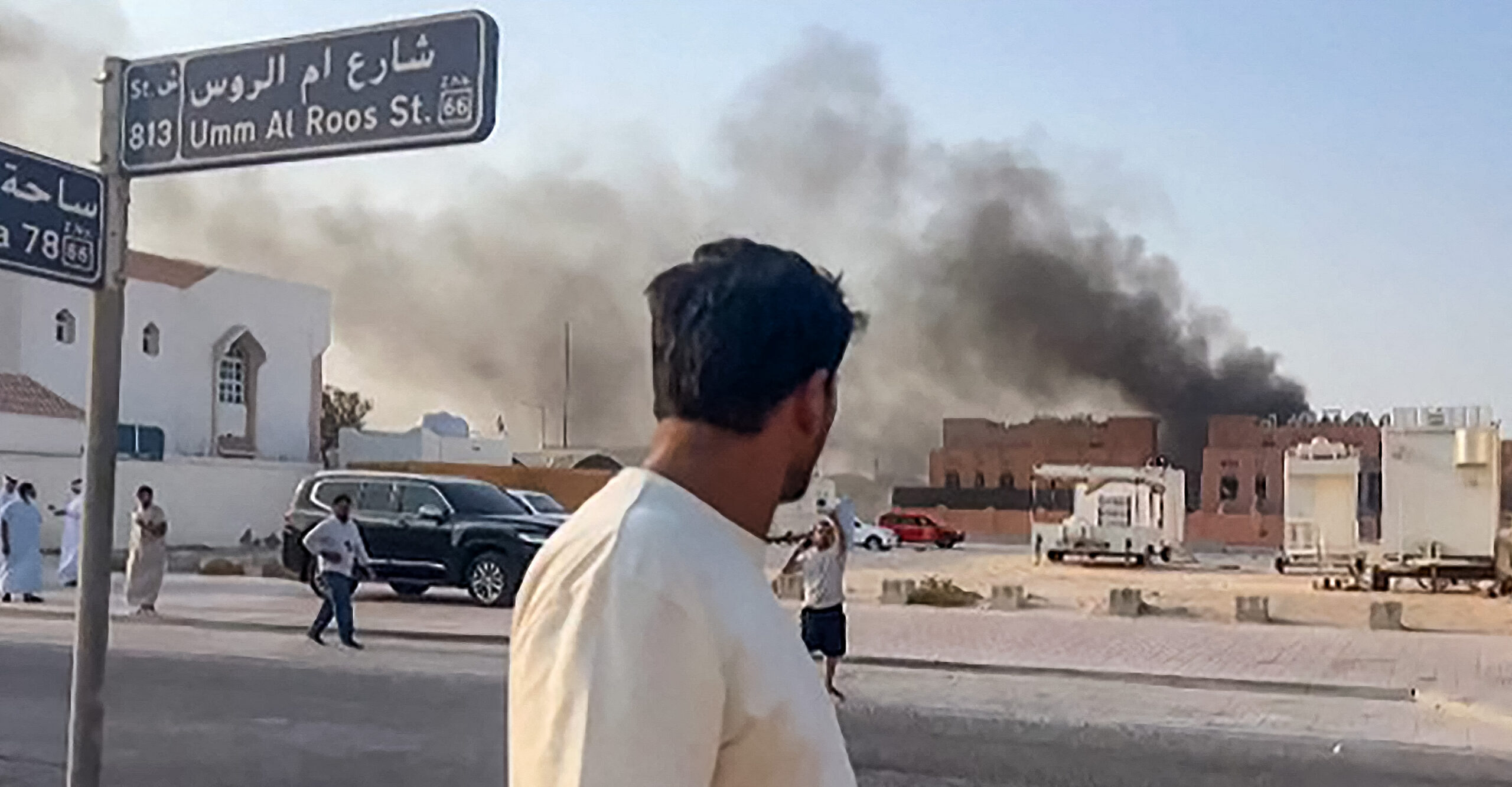
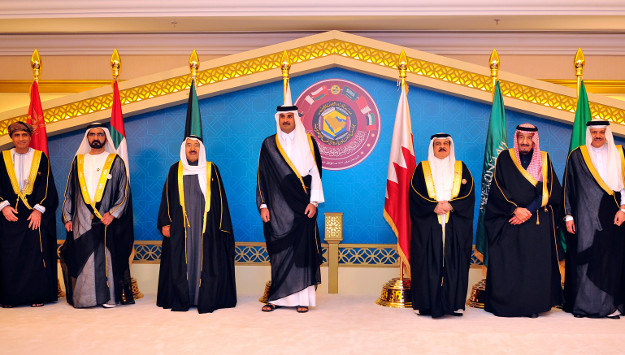
After the US-Israel-Iran war — and the strikes that followed the cease-fire — the Gulf states find themselves dangerously exposed. Host Alistair Taylor is joined by MEI Associate Fellow Gregory Gause to discuss the war’s impact on the Gulf, their partnership with the United States, and whether the turmoil of recent months will push Gulf leaders to reassess their alliances and international engagement.
From the Middle East to West Asia: Redefining America’s Global Strategy
MEI Senior Fellow Mohammed Soliman joins hosts Alistair Taylor and Matthew Czekaj to discuss his new book, West Asia: A New American Grand Strategy in the Middle East. The book argues that it is time for the United States to move decisively away from nation-building and focus instead on order-building, outlining a framework for a new regional order that links Europe to the Indo-Pacific. Soliman also shares how he conceived of the core ideas behind his book and explains why his thesis is especially relevant in today’s geopolitical, economic, and technological landscape.
Israel’s Doha strike could further destabilize region, undermine US security partnerships
The reverberations of Israel’s strike on the Hamas negotiating team in Doha yesterday are still rippling across the globe and will continue to for the foreseeable future. Its ramifications are profound and will alter the geopolitical landscape not just in the Middle East but likely on a global scale.
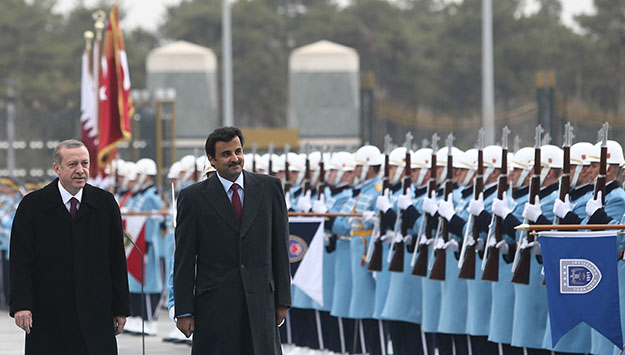
Turkish President Recep Tayyip Erdogan’s official trip to Bahrain, Saudi Arabia and Qatar has prompted anxiety in Tehran. Erdogan arrived in Riyadh on Monday night after a visit to Bahrain, and he is scheduled to go to Qatar next.
The introduction of the draft in Gulf monarchies — after decades of sovereign statehood — presents an interesting puzzle. What are the reasons behind the newly implemented conscription? What broader implications does this phenomenon have for the Gulf? This essay addresses these questions.
Between the rise to power of the Justice and Development Party (A.K.P.) in the early 2000s and the eruption of the Syrian crisis in 2011, Turkey’s “zero problems with neighbors” approach to foreign policy seemed commendable. Today, however, Ankara’s foreign policy is perhaps best described as “zero neighbors without problems.” In response to the Arab uprisings of 2011, Ankara’s projection of primarily soft power has evolved into the embrace of hard power—most notably in Iraq and Syria.
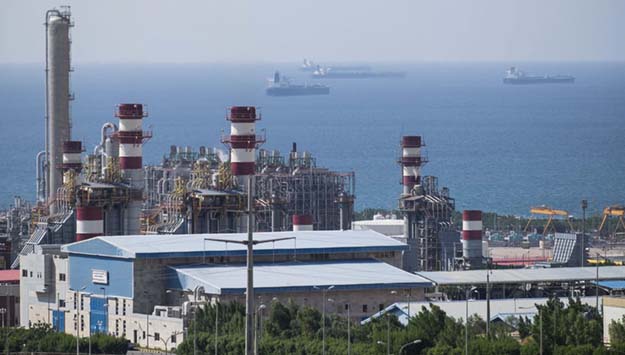
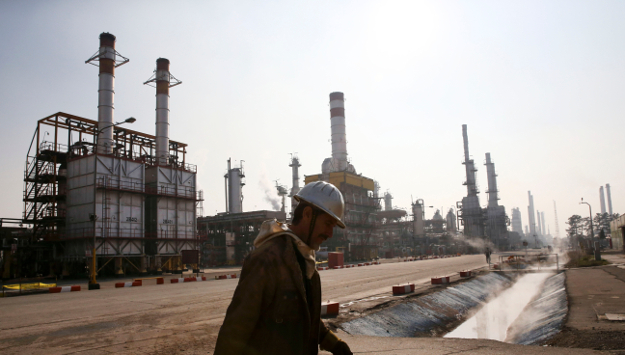
The Potential for Intra-Regional Energy Cooperation
Regional Cooperation Series
This Policy Paper is part of The Middle East Institute’s Regional Cooperation Series. Throughout 2016, MEI will be releasing several policy papers by renowned scholars and experts exploring possibilities to foster regional cooperation across an array of sectors. The purpose is to highlight the myriad benefits and opportunities associated with regional cooperation, and the high costs of the continued business-as-usual model of competition and intense rivalry.
Qatar’s Cabinet Reshuffle and a New Regional Approach
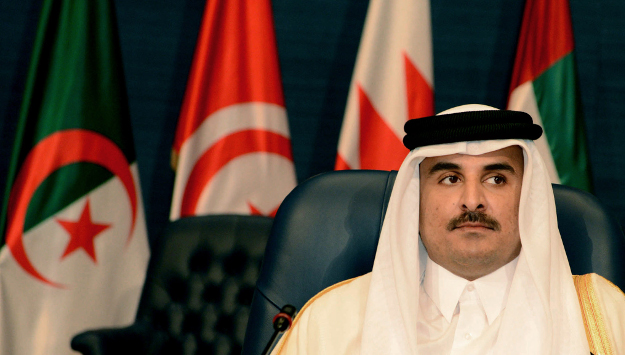
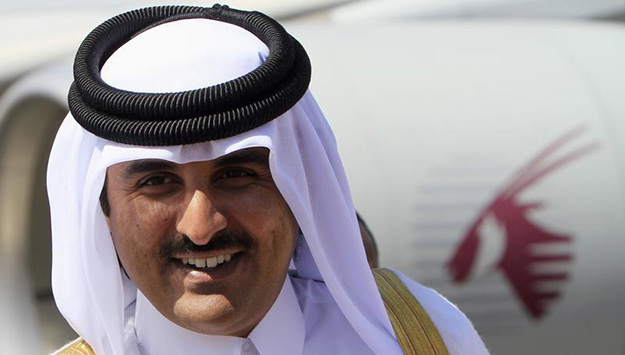
Qatar’s recent cabinet reshuffle marks the latest step in the tiny emirate’s shift away from its high-profile regional activities under former emir, Sheikh Hamad bin Khalifa al-Thani, to the more discreet role of his son and current emir, Sheikh Tamim bin Hamad al-Thani.
Emir Sheikh Tamim bin Hamad Al Thani warned Qataris in November that due to tumbling oil prices, the government could no longer “provide for everything.” The following month he addressed “wasteful spending, overstaffing and a lack of accountability,” sending a clear message that austerity measures were on the way.
Gulf Decisionmakers' Perceptions of Security Ties with China
The essays featured here are the products of a workshop series analyzing China’s position in the context of Gulf security, organized by the Department of International Affairs and the Center for Humanities and Social Sciences of Qatar University under the direction of Dr. Imad Mansour.
Saudi-Iran Tensions Place Pressure on Smaller GCC States
The recent escalation in tension between Saudi Arabia and Iran is throwing the GCC into a crisis of unity. Riyadh’s actions in particular are built on the frustration of the Yemen war and the perception of Iranian encroachment in Arab lands that the Saudi kingdom believes is its domain. King Salman and his son, Deputy Crown Prince Mohammad bin Salman, feel the kingdom is being ignored by the international community in other hot zones, namely Syria, where the outcome of the war is being determined by Washington and Moscow.
When Qatar’s Sheik Tamim bin Hamad al-Thani came to power after his father, Sheik Hamad bin Khalifa al-Thani, abdicated in late June 2013, he assumed a tricky diplomatic situation. While Sheik Hamad had been interested in promoting Qatar’s international position and had pursued a robust policy of regional engagement, even at the cost of alienating his neighbors, Sheik Tamim is more inclined to focus on regional collaboration and neutrality.
The oldest peer-reviewed publication dedicated to the study of the modern Middle East, MEI’s flagship journal covers politics, society, and culture in the region.