Yemen: The Houthis’ Role in the Next Evolution of the Axis of Resistance
The outbreak of the war with Iran demonstrated the strategic value of maritime chokepoints in the Islamic Republic’s confrontation with the United States. But as Tehran’s strategy of using the Strait of Hormuz to pressure Washington seems to be backfiring, Iran is working with the Houthis to strengthen its leverage over another strategic chokepoint: the Bab el-Mandeb. The recent escalation in Yemen should be viewed within this context.
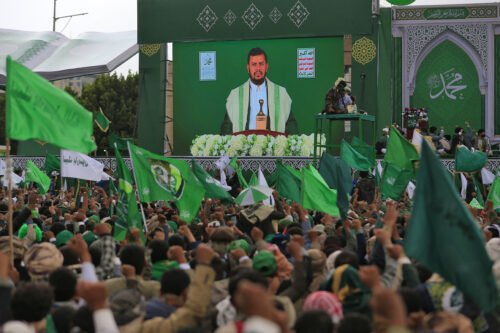
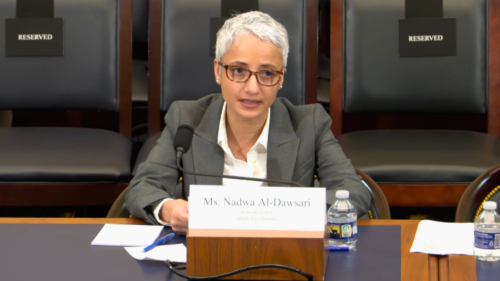
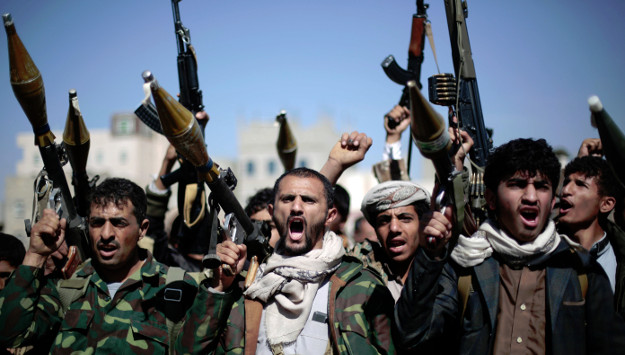
Over the past several weeks, the Houthis have seized the port city of Mokha, Yemen’s western coastline, and several islands in the Bab el-Mandeb Strait, and they are now massing around Marib and Taiz in the first major frontline shift since 2022. MEI Associate Fellow Nadwa Al-Dawsari joins host Matthew Czekaj to unpack the latest developments. Together, they discuss what has allowed the Houthis to advance against Yemeni government forces, the role the militant group plays in Iran’s regional strategy, and what it will take to contain the threat.
After Iraq and Syria, I.R.G.C. Seeking to “Expand” Its Role in Yemen and Broader Region
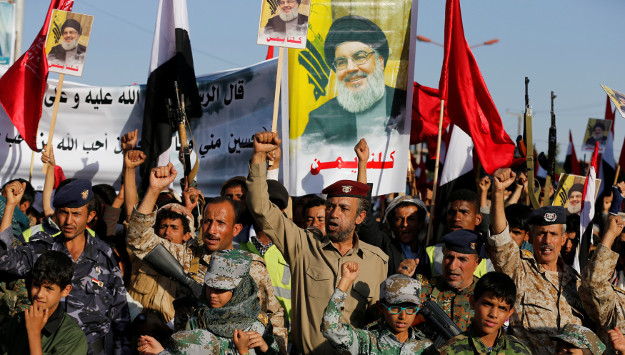
Emboldened by its recent gains in Syria and Iraq, Iranian military leaders are seeking to play a more aggressive role in other regional conflicts in order to “expand” Iranian influence and export the “Islamic Revolution.” In particular, latest statements by commanders of the Islamic Revolution Guards Corps and commentaries in the Iranian media suggest that the I.R.G.C. is planning to further increase its support for its Houthi allies in Yemen.
The killing of former Yemeni president Ali Abdullah Saleh marks a major turning point in Yemen’s ongoing civil war. Nadwa Al-Dawsari (POMED) and Gerald Feierstein (MEI) join Paul Salem to discuss the immediate fallout and what lies ahead.
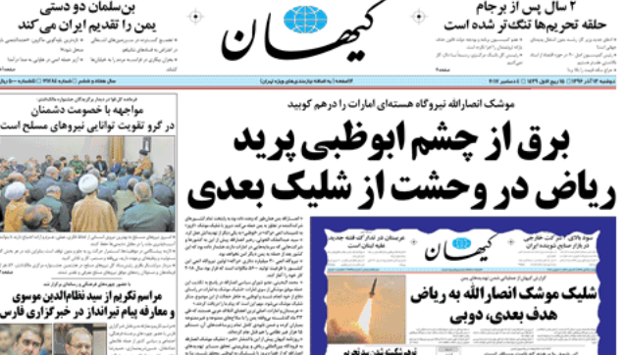
Iranian Leaders Celebrate Saleh’s Killing by Houthi Allies
Iranian leaders celebrate the killing of Ali Abdullah Saleh and some media outlets express the hope that the former Yemeni president’s death will further empower the Iran-backed Houthi rebels in Yemen.
Ali Akbar Salehi, a senior aide to Supreme Leader Ali Khamenei, said Saleh got what he deserved. “The Yemeni people that are with the resistance front will ultimately emerge victorious similar to the people of Syria, Iraq and Lebanon,” he added.
Public Opinion in a Conflicted Middle East (Livestream)
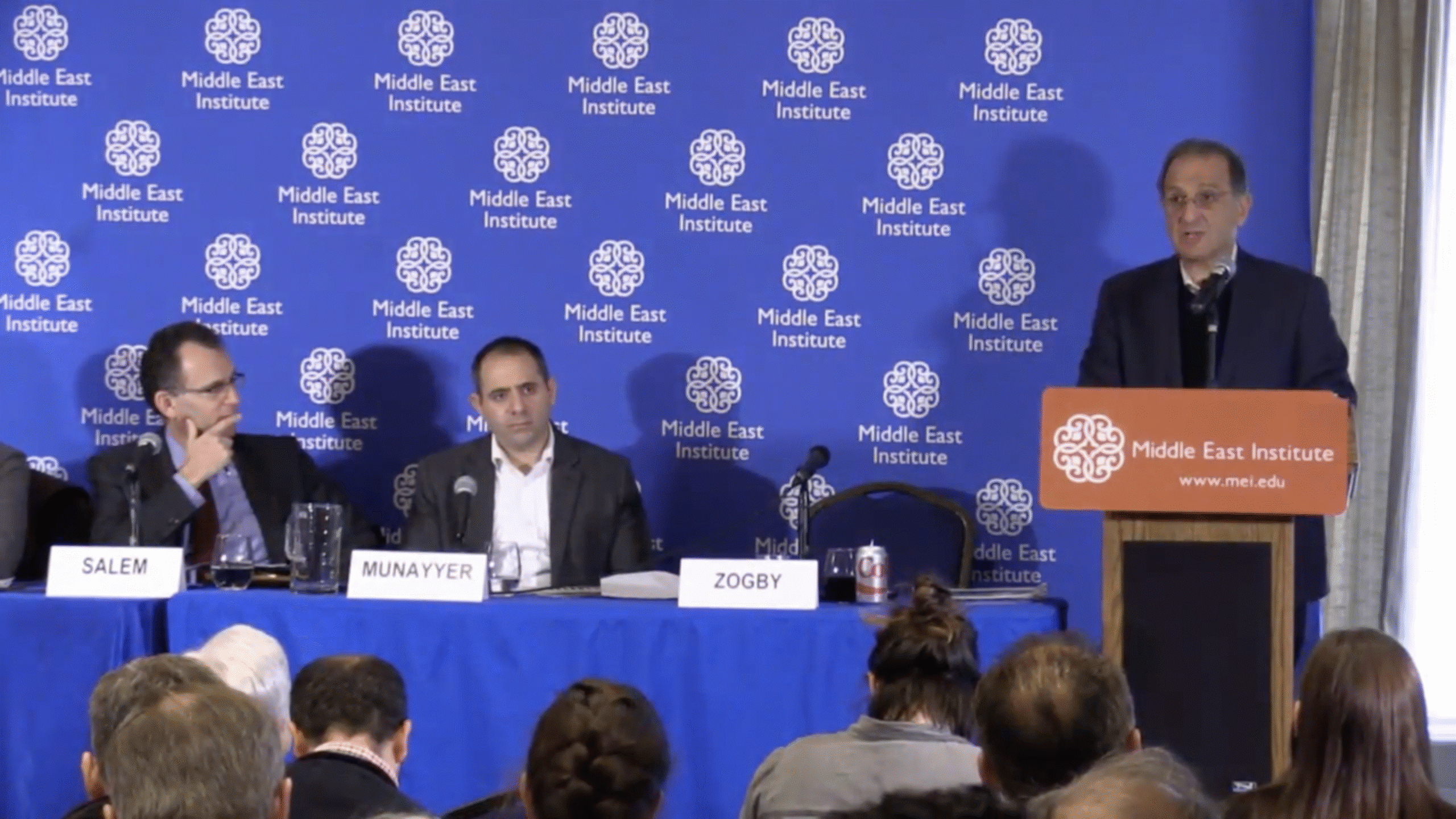
The Middle East Institute (MEI) and the Arab American Institute (AAI) are pleased to host James Zogby (AAI and Zogby Research Services) for the presentation of fresh polling results from across Egypt, Lebanon, Jordan, Palestine, Iraq, Saudi Arabia, the UAE, Iran, and Turkey. The report examines opinions from 7,800 respondents about the U.S. and other regional states’ roles in Syria, Iraq, and Yemen. It also looks at Trump Administration policy, political Islam, prospects for Israeli-Palestinian peace, the Iran nuclear deal, and the region’s refugee crisis.
I.R.G.C. Admits Aiding Houthis against Saudi-Led Coalition in Yemen
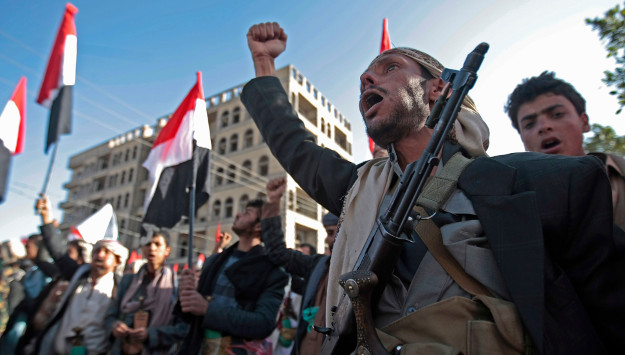
The head of the Islamic Revolution Guards Corps (I.R.G.C.) has admitted that Iran is providing assistance to the Houthi “resistance movement” fighting the Saudi-led coalition in Yemen. “Our assistance to the resistance front has been provided at the request of their people and governments, and Yemen is one of those examples. In Yemen, the power today lies in the hands of Ansarullah and Iran’s assistance is at the level of advisory and spiritual support, which Yemen needs more,” Major General Ali Jafari said at a press conference in Tehran on Thursday.
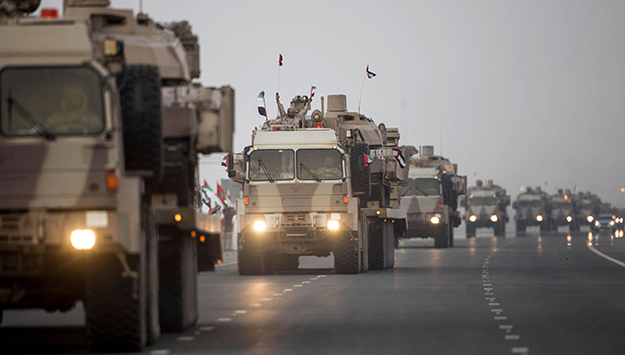
The war in Yemen is reshaping the armed forces of Arab Gulf states. It is the first time that Emirati and Saudi elite units are leading a war effort in their bid to counter Yemeni Houthi rebels and forces loyal to former President Ali Abdullah Saleh, as well as a counterterrorism campaign against jihadi groups, mainly Al-Qaeda in the Arabian Peninsula (AQAP).
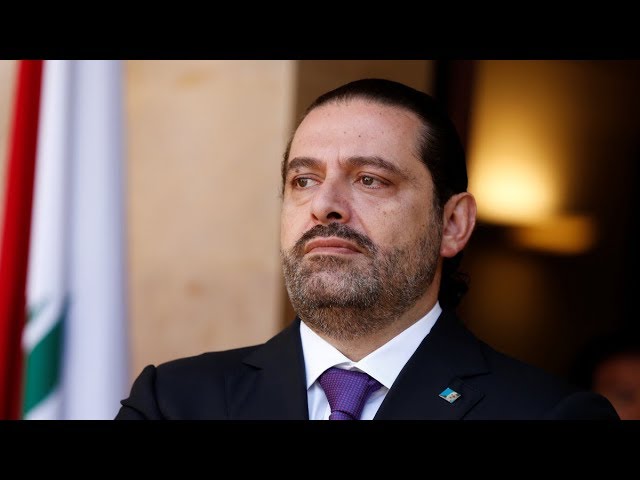
November 13, 2017 – The crisis between Saudi Arabia and Lebanon and the resignation of Prime Minister Saad Hariri appears to be largely about Yemen, says Paul Salem, Sr. Vice President for Policy Analysis, Research, and Programs at the Middle East Institute.
The Lebanon Crisis Pivots on Hezbollah’s Presence in Yemen | Monday Briefing
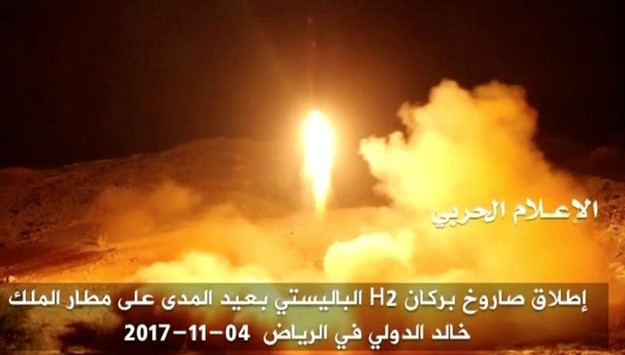
In this week’s Monday Briefing, contributors Paul Salem, Eran Etzion, Alex Vatanka, and Bilal Saab provide analysis on recent and upcoming events including the rising tension between Saudi Arabia and Lebanon over Hezbollah’s presence in Yemen, rumors that an Israeli attack on Lebanon is imminent, the Saudis’ latest attempt to round up collective action against Iran, and the new phase in the Saudi-Iran proxy war following the recent explosion of a pipeline in Bahrain.
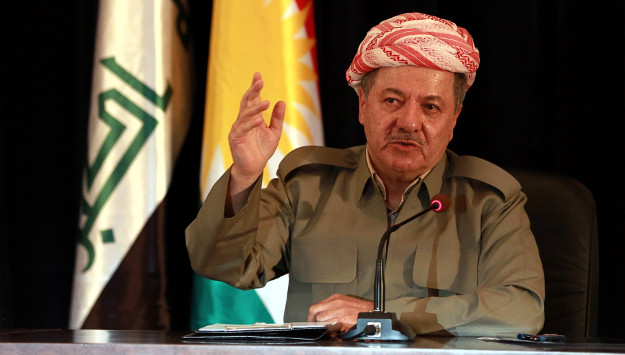
Barzani Stands Down as K.R.G. President | Monday Briefing
In this week’s Monday Briefing, MEI experts Randa Slim, Yousef Munayyer, Charles Lister, Charles Schmitz, and Alex Vatanka provide analysis on recent and upcoming events including President Barzani’s decision to step down from the KRG, the Trump administation’s silent response to Israeli settlement expansion in Jerusalem , the Armed Syrian Opposition’s attendance of the seventh round of Astana Talks, Saudi foreign minister blaming Iran for lack of progress in peace talks in Yemen, and President Rouhani’s failure to advance the reform cause in Iran.
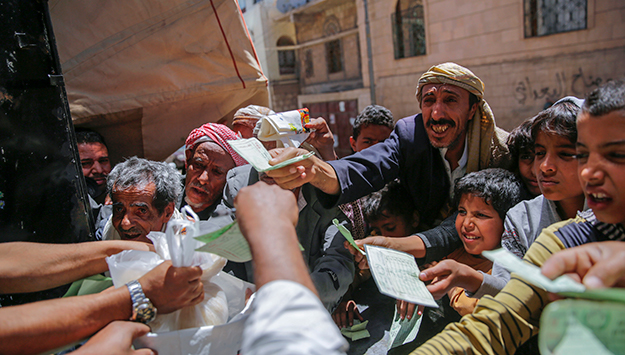
Yemen’s Humanitarian Disaster: Halting the Famine Threat
Summary
Only several months after the Saudi-led military coalition waged its ongoing campaign against the Iranian-backed Houthi rebels in March 2015, the United Nations began issuing warnings about famine. Today, millions of Yemenis are on the brink of famine, with about half a million suffering from a cholera outbreak. This paper analyzes the causes of Yemen’s humanitarian catastrophe and offers the Trump administration recommendations for helping the impoverished Arab state avoid a famine.
The oldest peer-reviewed publication dedicated to the study of the modern Middle East, MEI’s flagship journal covers politics, society, and culture in the region.