Yemen: The Houthis’ Role in the Next Evolution of the Axis of Resistance
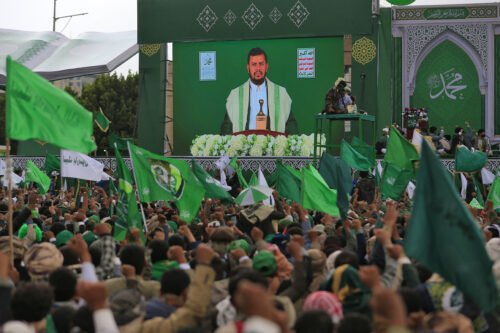
The outbreak of the war with Iran demonstrated the strategic value of maritime chokepoints in the Islamic Republic’s confrontation with the United States. But as Tehran’s strategy of using the Strait of Hormuz to pressure Washington seems to be backfiring, Iran is working with the Houthis to strengthen its leverage over another strategic chokepoint: the Bab el-Mandeb. The recent escalation in Yemen should be viewed within this context.
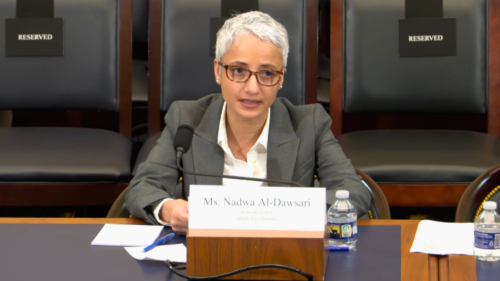
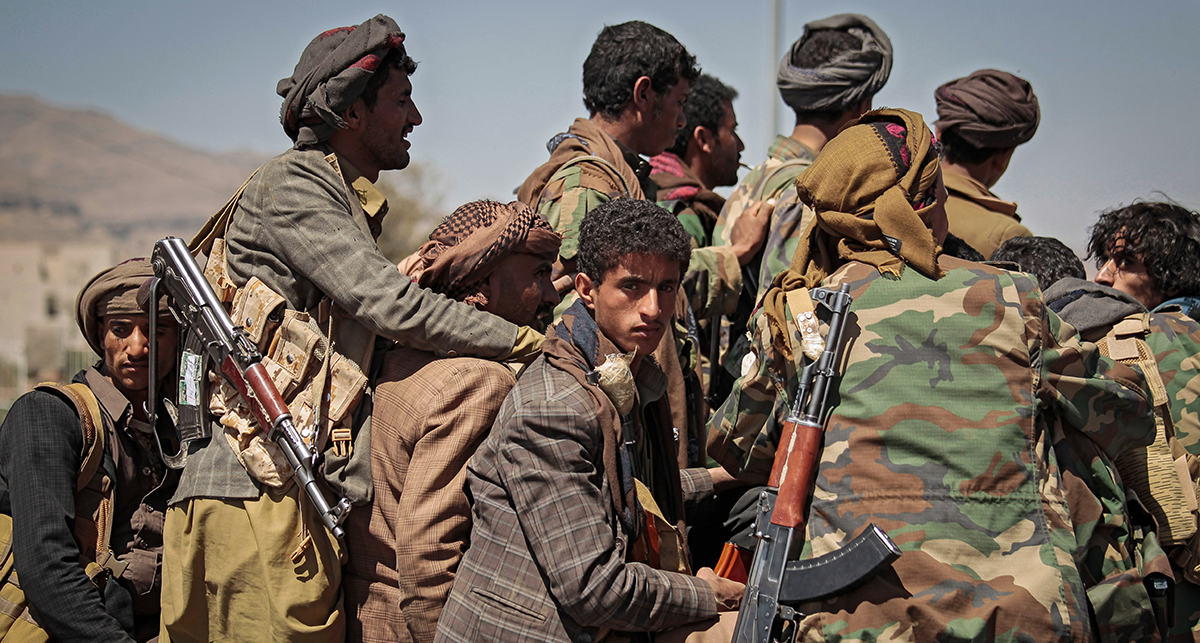
Over the past several weeks, the Houthis have seized the port city of Mokha, Yemen’s western coastline, and several islands in the Bab el-Mandeb Strait, and they are now massing around Marib and Taiz in the first major frontline shift since 2022. MEI Associate Fellow Nadwa Al-Dawsari joins host Matthew Czekaj to unpack the latest developments. Together, they discuss what has allowed the Houthis to advance against Yemeni government forces, the role the militant group plays in Iran’s regional strategy, and what it will take to contain the threat.
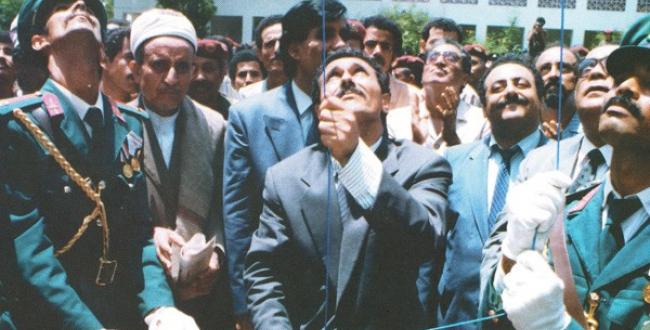
Political Ephemera Serves as Unique Window Into 1990s Yemen
The collection of political documents held by the Oman Library reflects a watershed moment in Yemeni history, at a time when Yemen underwent substantial social and political reform as a result of Yemeni unification in May 1990, which merged North and South Yemen.
Yemen: Ending the War, Building a Sustainable Peace
Seven years on from the launch of the Saudi-led coalition’s military campaign on March 26, 2015, the civil war in Yemen remains stalemated. The fundamental realities of the conflict have not changed substantially in over five years. Meanwhile, the conditions under which the majority of innocent Yemenis are living continue to deteriorate. It’s time to consider measures that can promote an end to the conflict and lay the groundwork for post-conflict reconstruction.
The civil war in Yemen is well into its eighth year with no end in sight. It is imperative that the United Nations, with the United States and other key powers in support, do more to end the suffering and begin the long process of rebuilding and reconstructing Yemen. But that work cannot begin until there is a common understanding of what the obstacles are to achieving a peaceful resolution. In particular, what tools can and should the United States use to pressure the Houthis and overcome their resistance to negotiations?
في 24 يناير/كانون الأول، أصدرت القيادة المركزية الأمريكية (CENTCOM) بيانًا أكدت فيه أن “القوات الأمريكية في قاعدة الظفرة الجوية، بالقرب من أبو ظبي في دولة الإمارات العربية المتحدة، اعترضت صاروخيين متجهين للداخل بالاستعانة بعدة صواريخ باتريوت اعتراضية بالتزامن مع جهود القوات المسلحة الإماراتية في الساعات الأولى من صباح 24 يناير 2022. نجحت الجهود المشتركة في منع كلا الصاروخين من إصابة القاعدة.
How involved was Iran in the Houthi attack on the UAE?
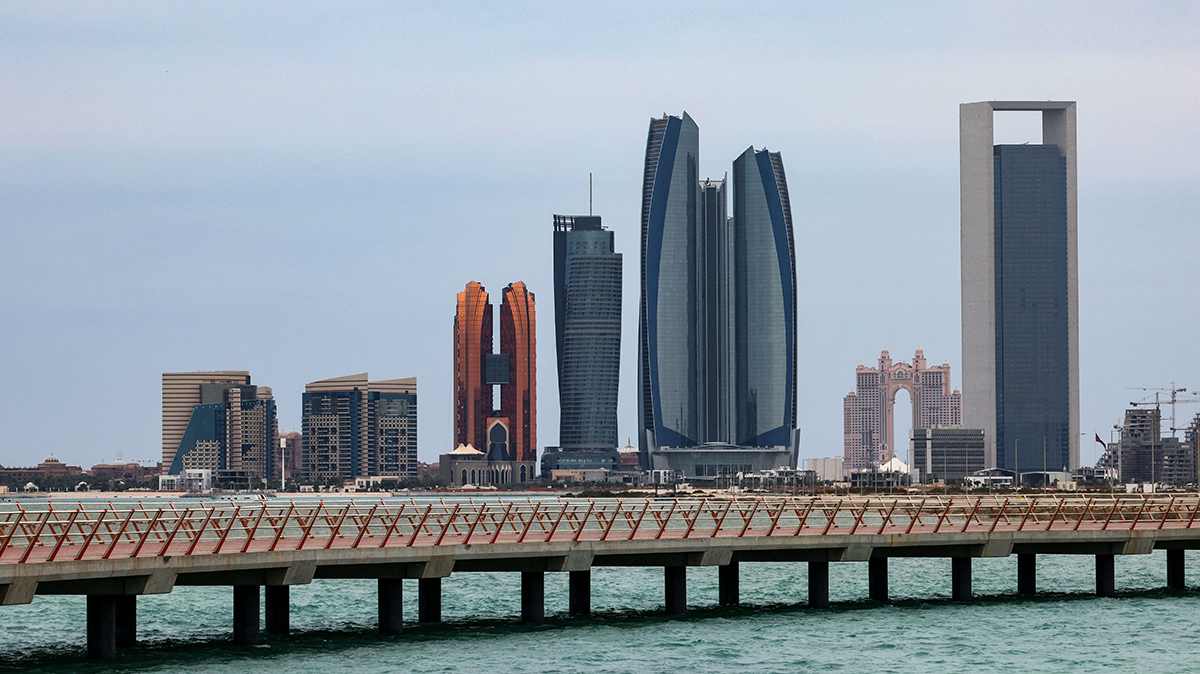
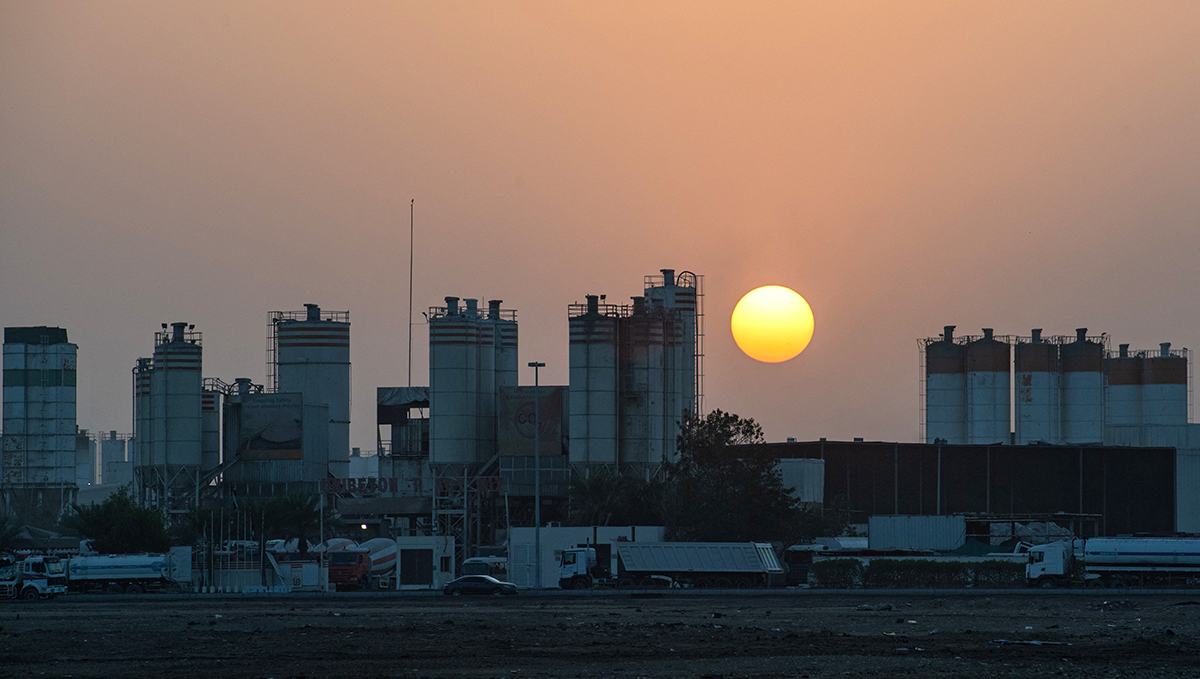
Three days have passed since the Houthi attack on the UAE, yet there’s still a lot we don’t know about what really happened. Here’s what we do know: The Houthis officially stated that they were the ones who struck Abu Dhabi, and unlike in September 2019 when they made the same claim, this time they might not be lying. Yet this is not enough to help us answer what in my opinion is the ultimate question: to what extent were the Iranians involved in this attack?
يوم 17 يناير/كانون الثاني، نفذ الحوثيون هجومًا آخر استهدف منشأة نفطية إماراتية في أبوظبي، ما أدى إلى مقتل ثلاثة وافدين، وإلحاق أضرار بالبنية التحتية. ظاهريًا، يبدو أنهم يذكَّرون الإماراتيين بمدى ضعفهم وإمكانية الإضرار بهم إذا استمرت الهجمات ضد مصالح الحوثيين في اليمن. وبحسب ما ورد، كانت وسائل الهجوم عبارة عن طائرات مسيرة، وهي أداة بسيطة غير متماثلة متاحة للكثيرين واستخدمها الحوثيون على نطاق واسع في جميع أنحاء المنطقة. لسوء الحظ فإن القصة هنا قد أصبحت مألوفة للغاية وتتطلب استجابة متسقة الآن. ففي نهاية المطاف، من المرجح أن يتم نسخ وتكرار ما أصبح روتينيًا في الخليج في مواقع أخرى.
As the Houthis expand their regional aggression, will the US double down on a failing strategy?
While a negotiated agreement by the parties to deescalate militarily and return to the negotiating table would be the preferred outcome, there’s little or no reason to believe that the Houthis, who have responded to their losses in Shabwa by escalating their attacks, are yet interested in talking. Rather, by issuing pleas for de-escalation, the international community risks sending the Houthis yet another message that their intransigence, which is the root cause of the humanitarian crisis afflicting Yemenis, will be rewarded by new pressure on the Saudi-led coalition to limit its response to Houthi aggression. In this regard, the Biden administration, with its international partners, risks repeating the failed strategy of 2021.
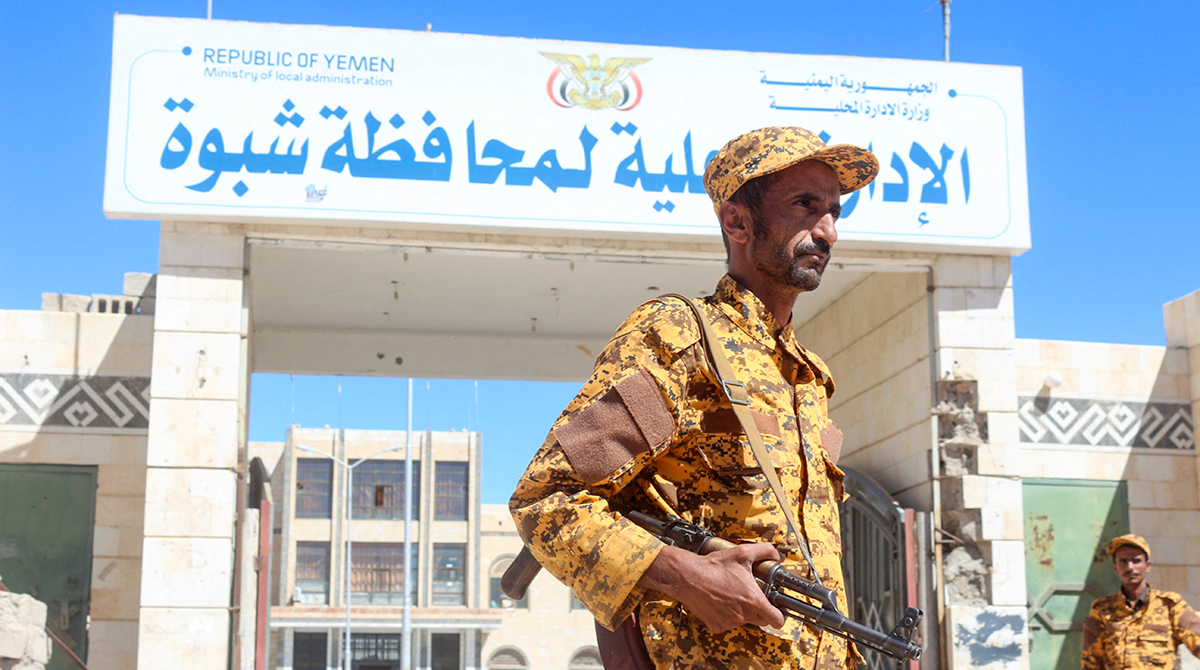
On Jan. 10, the governor of Shabwa announced its liberation from the Iran-backed Houthis. This victory followed a seemingly successful Houthi military campaign over the past couple of years to expand their influence around the city of Marib, weaken the internationally-backed government of Abed Rabbo Mansour Hadi, and solidify their grasp on strategic northern areas. However, while significant, the victory in Shabwa is unlikely to be replicated in the rest of the country, given the very specific political and regional dynamics that helped to bring it about. Moreover, the Houthis’ drone attack on Abu Dhabi on Jan. 17 presents a further challenge to the advance of pro-UAE forces into Marib.
Century-old grievances continue to fester in Yemen’s Tihama region
Grievances have been piling up unaddressed in Tihama, Yemen’s Red Sea coastal plain, for almost a hundred years. Since the revolt of al-Zaraniq against Imam Yahya Hameed al-Din of the Mutawakkilite Kingdom (then North Yemen) in 1925-26, consecutive Imams and the republican elite have pursued policies that have systematically marginalized the Tihamis. They have been deprived of a fair share of their region’s wealth, as well as opportunities for equitable power-sharing and economic empowerment.
The oldest peer-reviewed publication dedicated to the study of the modern Middle East, MEI’s flagship journal covers politics, society, and culture in the region.