This article is part of a collection of short essays written by the Fellows of the Middle East Institute to explore aspects of the ongoing war with Iran. The intent of the collection is to help readers see new and unexpected elements of the dynamics and impact of the ongoing hostilities and to think harder, deeper, and broader about the implications of the conflict.
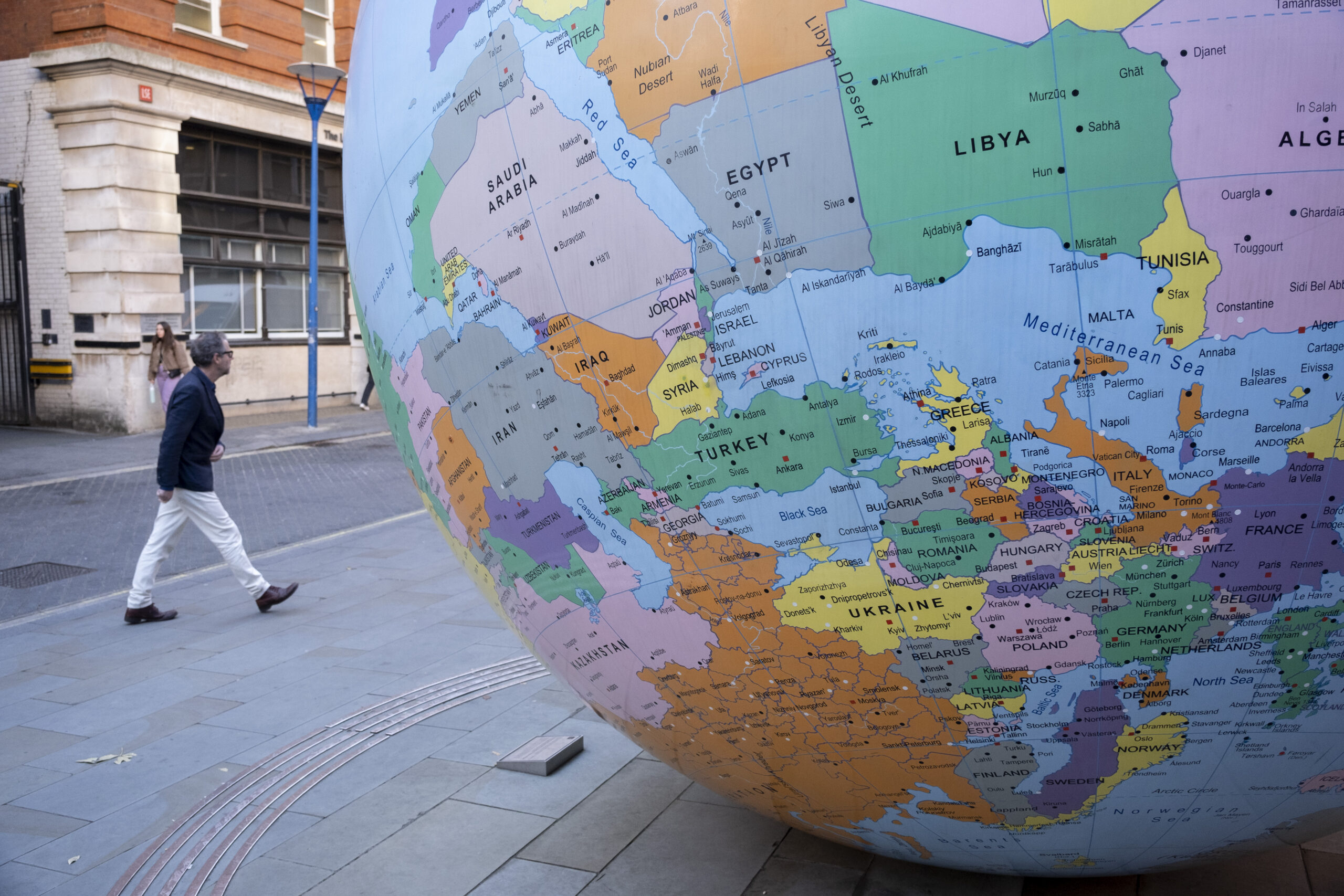
Egypt: How the Iran War Has Affected Egypt’s Calculations
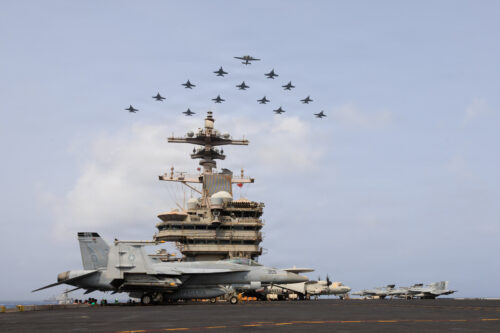
Egypt, which is not party to the war on Iran, has become a target as well as an intermediary in the conflict. As a result, the war has affected Egypt’s future calculations, particularly in three major areas: its economy, its security, and its regional alliances.
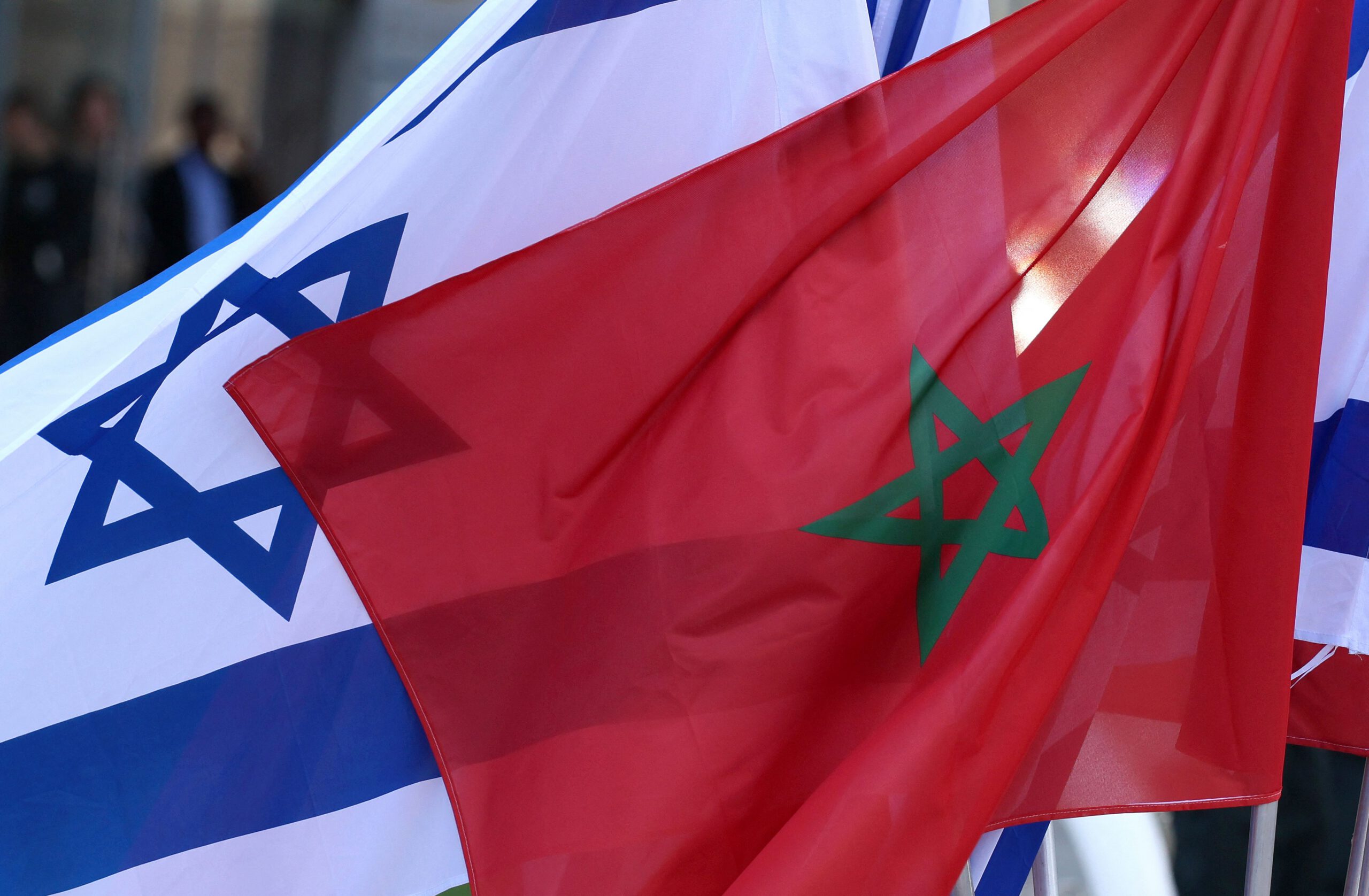
Algeria and Morocco have long been at odds, but recent diplomatic moves may signal a widening geopolitical split in North Africa. Hosts Alistair Taylor and Matthew Czekaj are joined by MEI Senior Fellow Intissar Fakir to unpack Algeria’s decision to sever diplomatic ties with the United Arab Emirates and Morocco’s warming relations with both the UAE and Israel. They also explore linkages between these diplomatic shifts and the Western Sahara conflict, Moroccan domestic concerns, particularly in light of this week’s elections, as well as broader regional stability.
For the past ten years, Italy and Morocco have been two of the most economically dynamic countries in the Mediterranean basin. Morocco’s rise as a manufacturing and distribution hub for companies seeking to nearshore operations close to mature European end-markets, as well as emerging African end-markets, has created new potential synergies for a deeper Italy-Morocco commercial partnership.
What the United Nations’ 6th Climate Assessment tells us about the Mediterranean’s climate future
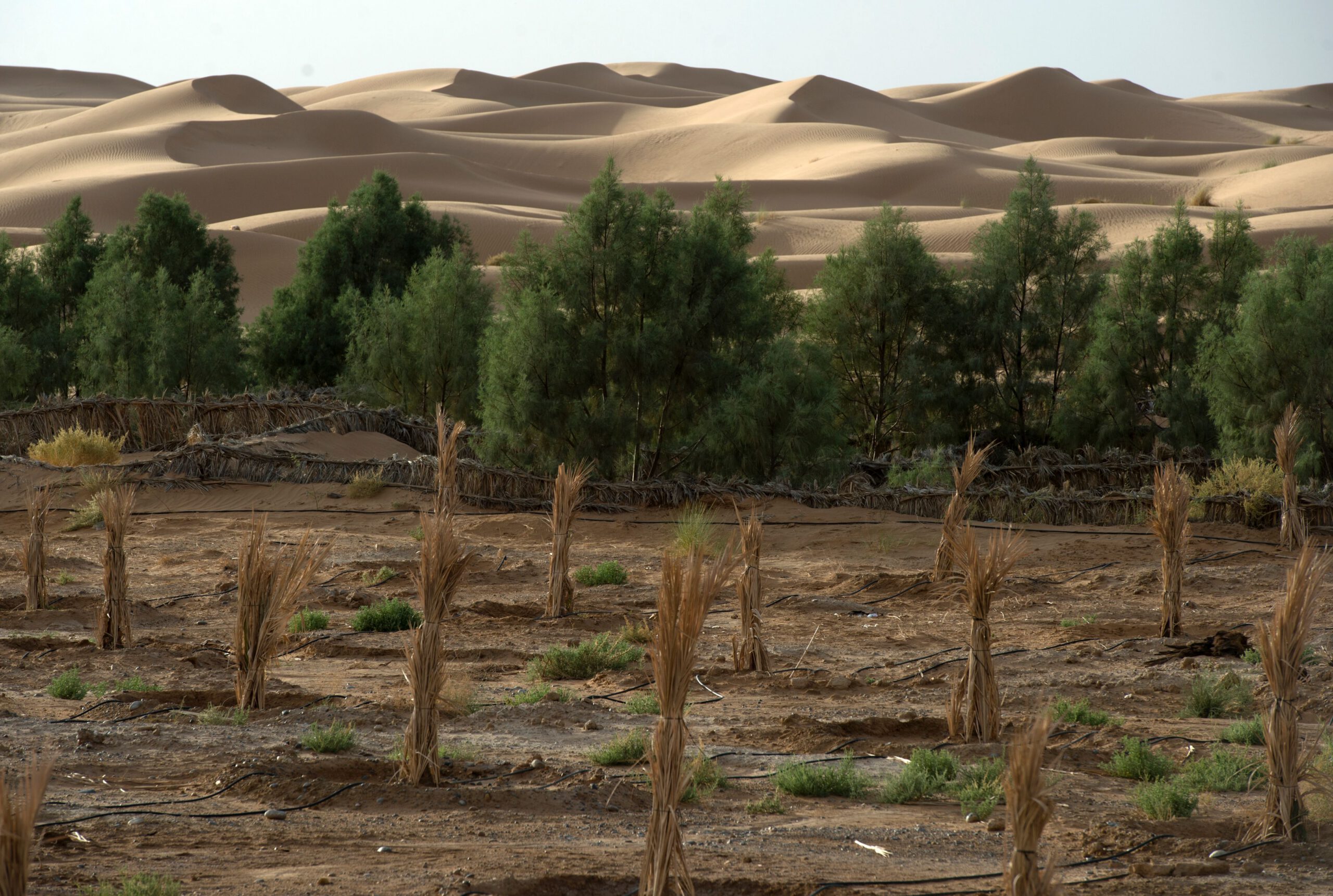
The latest U.N. IPCC report details the alarming changes that Mediterranean countries will experience in the coming decades due to climate change, highlighting three critical areas — warming and droughts, declining ecosystems, as well as socioeconomic and public health risks.
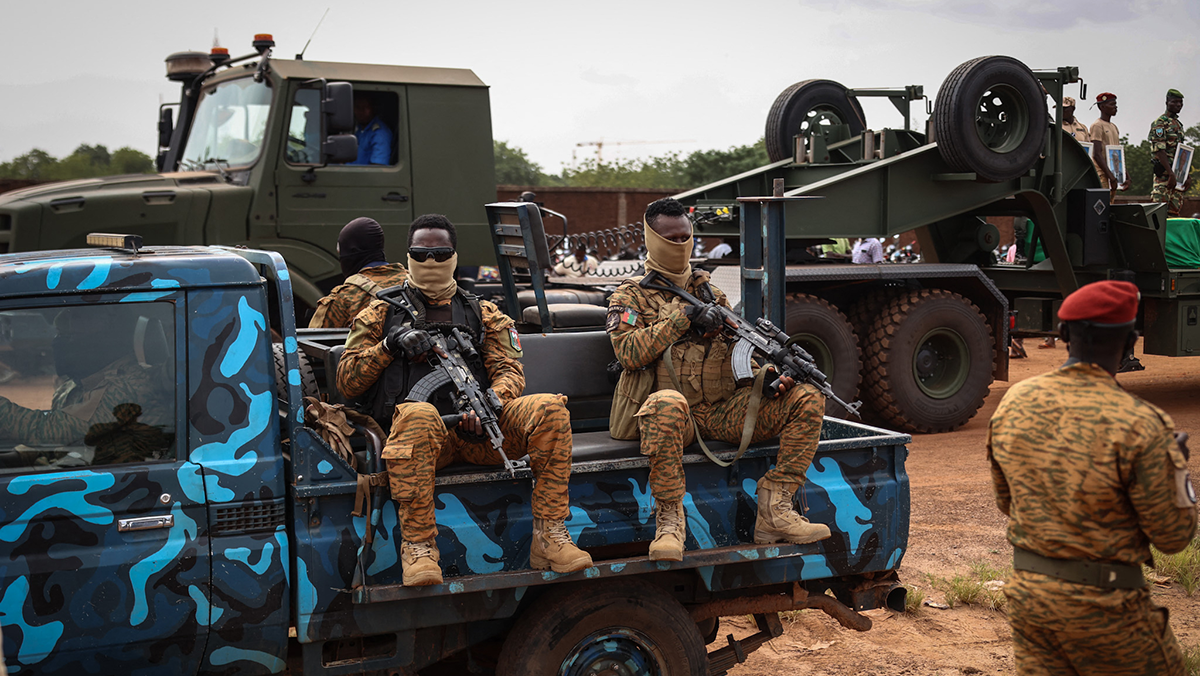
As terrorist groups expand in the Sahel, is Algeria the missing link?
Over the past two years, the steady expansion of terrorist and fundamentalist threats in the Sahel has not gotten the attention it deserves. Algeria’s regional diplomatic clout, military might, and experience in fighting terrorism could help Sahelian states ward off an imminent political and security collapse.
Morocco and Israel: Economic Opportunities, Military Incentives, and Moral Hazards
The December 2020 Moroccan-Israeli normalization deal has evolved from a vehicle enabling Morocco to gain long-sought U.S. recognition of its claims on Western Sahara to a broader strategic partnership with Israel. But the relationship further strains relations with neighboring rival Algeria.
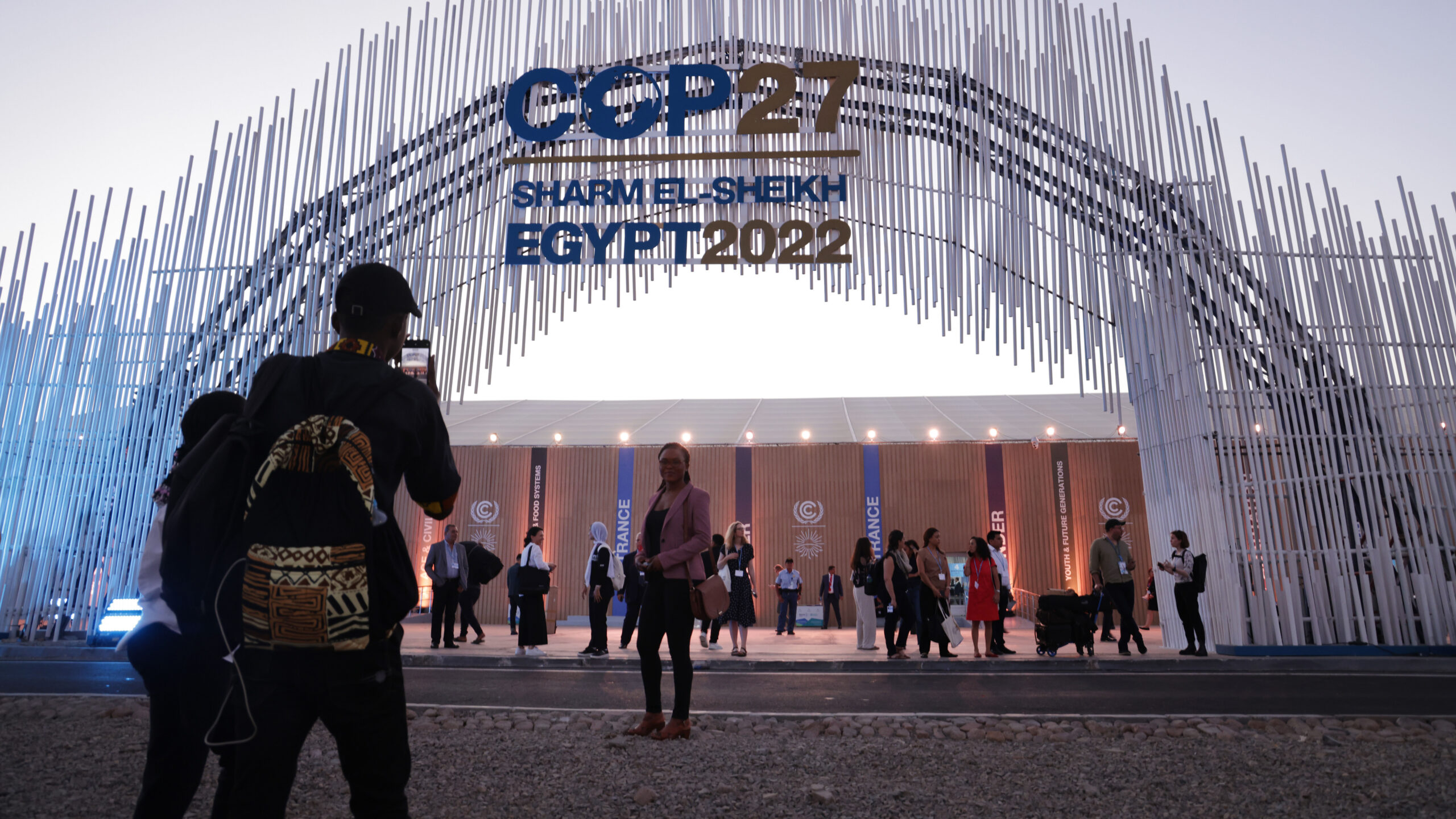
Dispatches from Sharm el-Sheikh: Reviewing COP27 from the MENA perspective
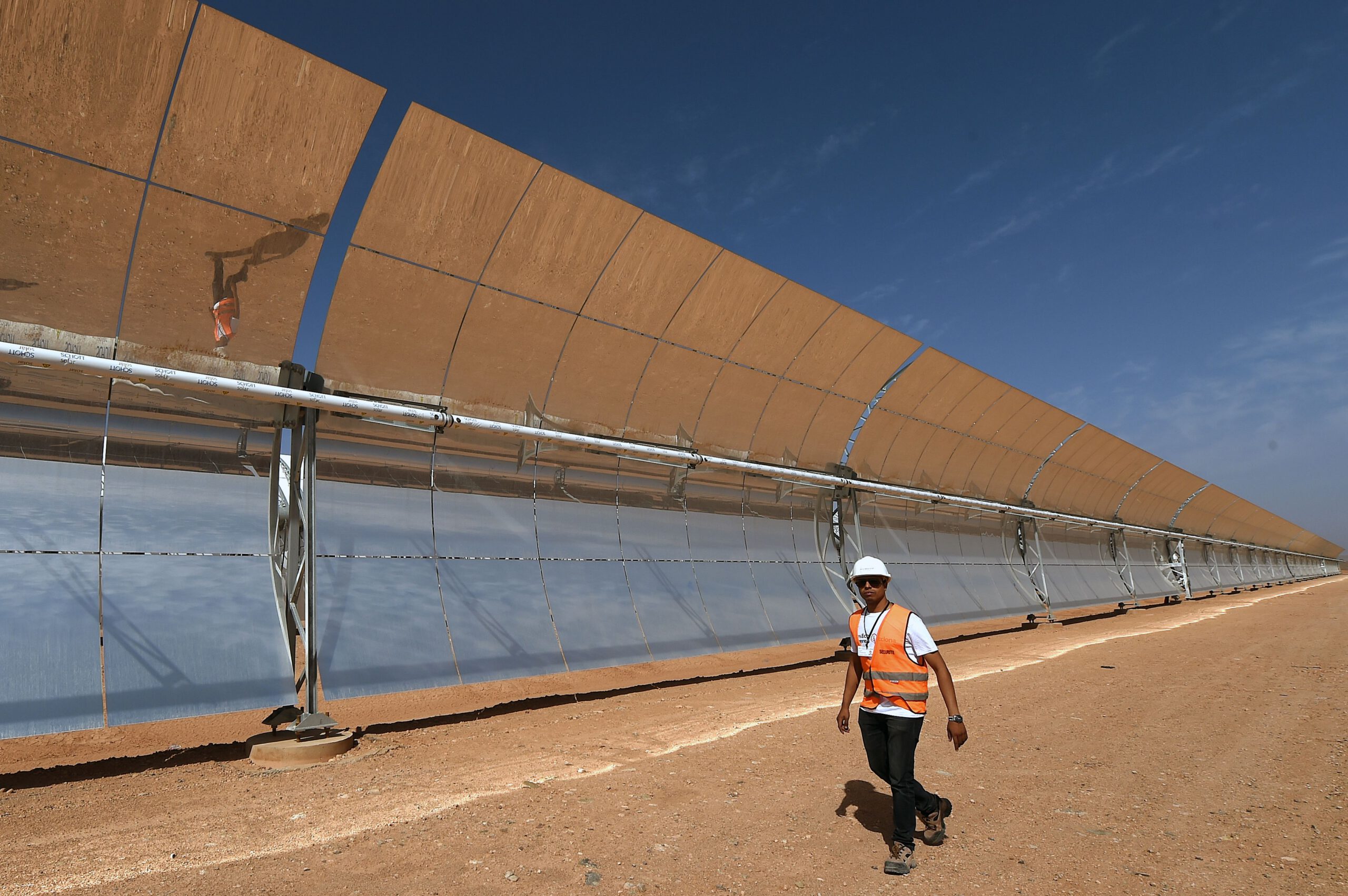
Participating in COP27 provided a unique opportunity to view the proceedings firsthand and evaluate the effectiveness of the meeting in advancing critical climate priorities that can alter the alarming trajectory of future climate change.
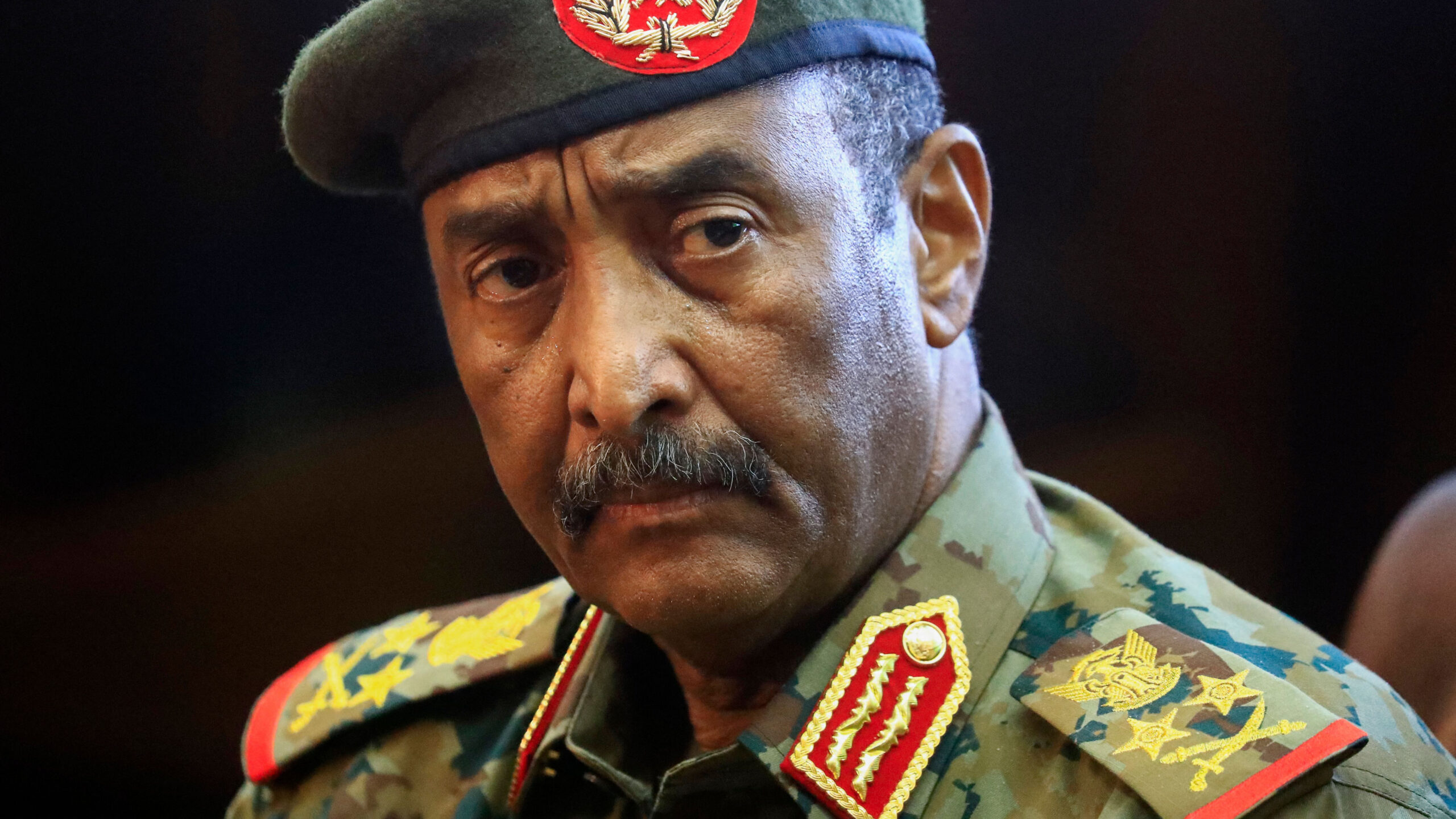
Sudan is geostrategically important to U.S. interests in both Africa and the Middle East. The country’s military rulers, Lt.-Gen. Abdel Fattah al-Burhan and his deputy Lt.-Gen. Mohamed Hamdan Dagalo (also known as “Hemedti”), are banking on that fact as they seek to press the Biden administration to focus its Sudan policy on stability, rather than supporting calls for democracy.
The oldest peer-reviewed publication dedicated to the study of the modern Middle East, MEI’s flagship journal covers politics, society, and culture in the region.