This article is part of a collection of short essays written by the Fellows of the Middle East Institute to explore aspects of the ongoing war with Iran. The intent of the collection is to help readers see new and unexpected elements of the dynamics and impact of the ongoing hostilities and to think harder, deeper, and broader about the implications of the conflict.
Egypt: How the Iran War Has Affected Egypt’s Calculations
Egypt, which is not party to the war on Iran, has become a target as well as an intermediary in the conflict. As a result, the war has affected Egypt’s future calculations, particularly in three major areas: its economy, its security, and its regional alliances.
Algeria and Morocco have long been at odds, but recent diplomatic moves may signal a widening geopolitical split in North Africa. Hosts Alistair Taylor and Matthew Czekaj are joined by MEI Senior Fellow Intissar Fakir to unpack Algeria’s decision to sever diplomatic ties with the United Arab Emirates and Morocco’s warming relations with both the UAE and Israel. They also explore linkages between these diplomatic shifts and the Western Sahara conflict, Moroccan domestic concerns, particularly in light of this week’s elections, as well as broader regional stability.
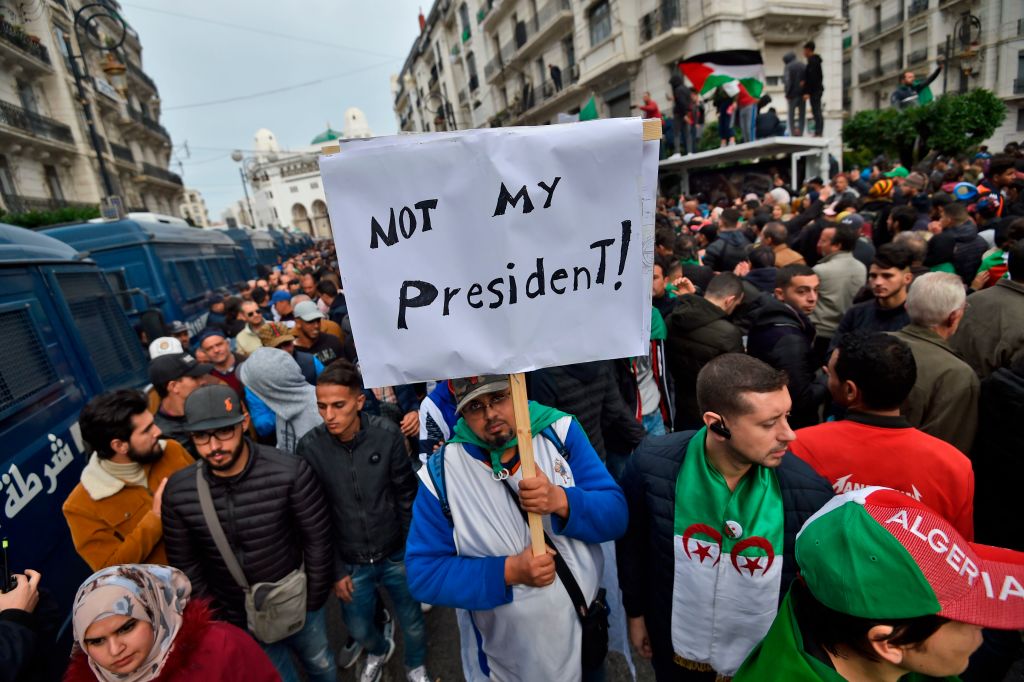
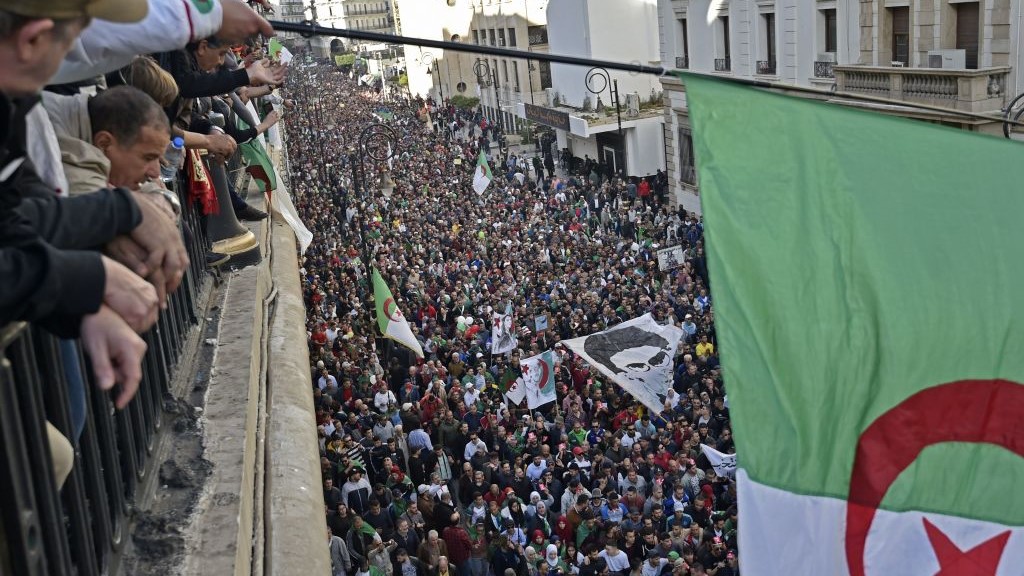
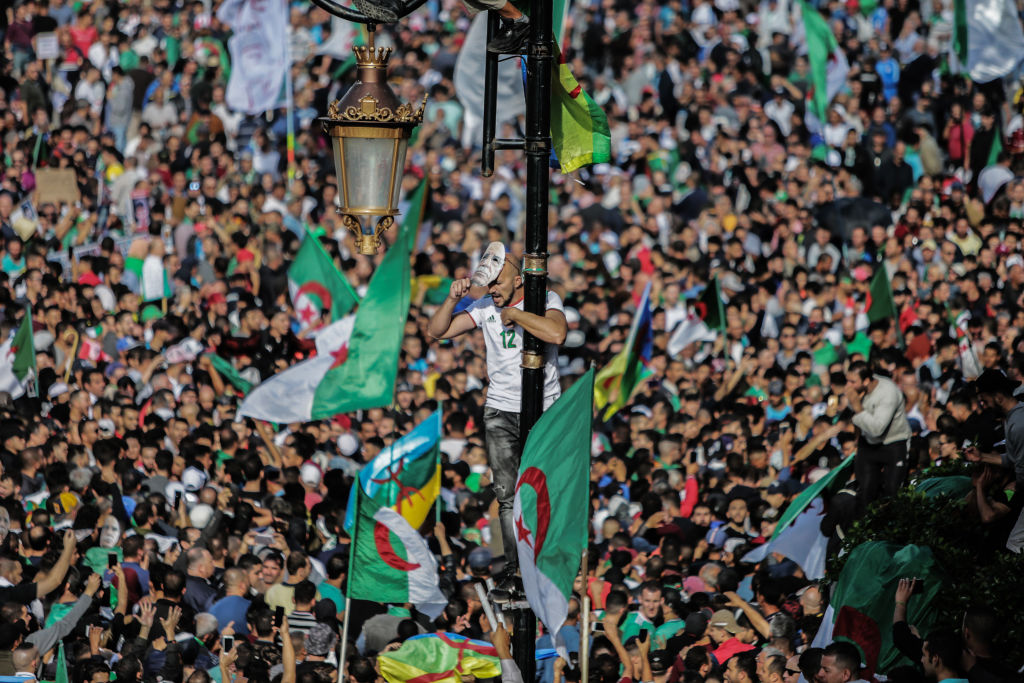
Newly elected President Abdelmadjid Tebboune and the Army leadership finish the year with doubtful legitimacy and remain at an impasse with a protest movement that has not yet developed visible, coherent leadership.
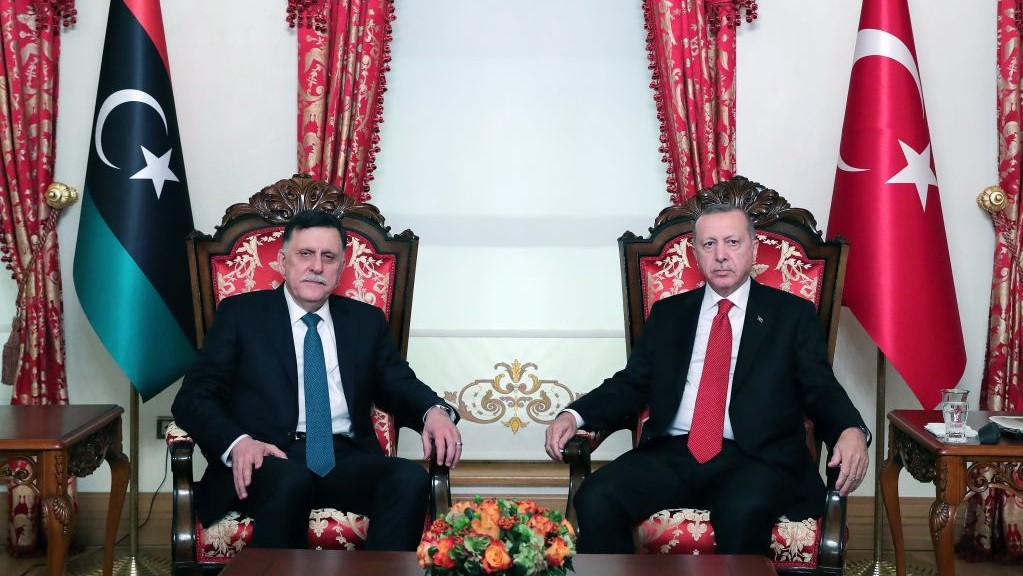
On Nov. 27 the GNA signed an MoU with Turkey seeking to create a shared maritime boundary in the Mediterranean Sea between southwestern Turkey and northeastern Libya. In an overt quid pro quo, this maritime agreement was signed along with a separate MoU to expand security and military cooperation. Thus, it seems clear that Turkey was only able to persuade the GNA to agree to the maritime deal in exchange for increased security support for the GNA-aligned forces fighting the self-styled LNA in Tripoli.
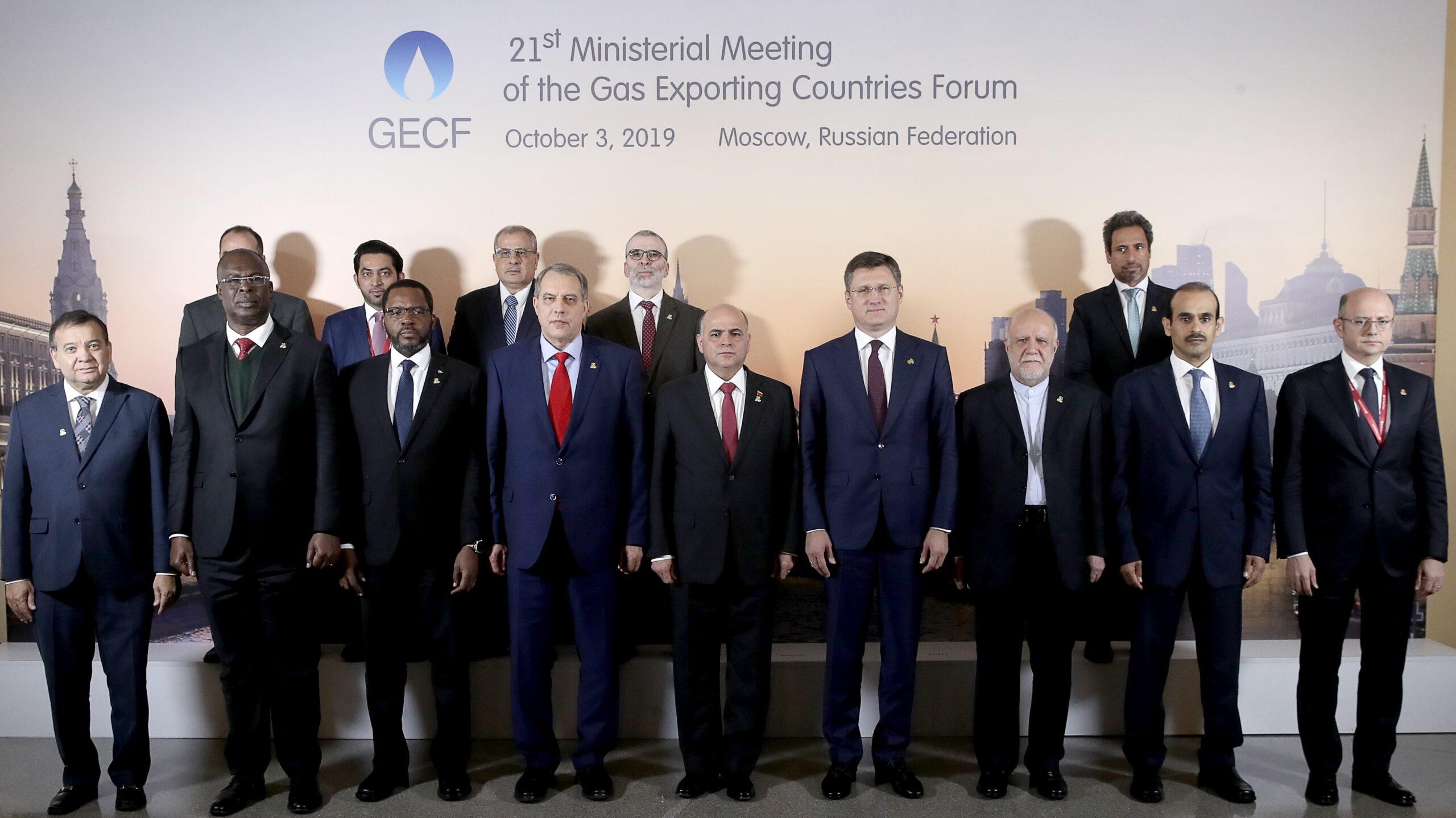
The 12-country Gas Exporting Countries Forum (GECF), which held its latest meeting in Equatorial Guinea on Nov. 28, has never had OPEC’s ability to control energy prices, but that is likely to change as liquefied natural gas (LNG) transforms the gas market from a regional to a global one.
Resilience amid turmoil: Russia and Sudan maintain strong ties despite political upheaval
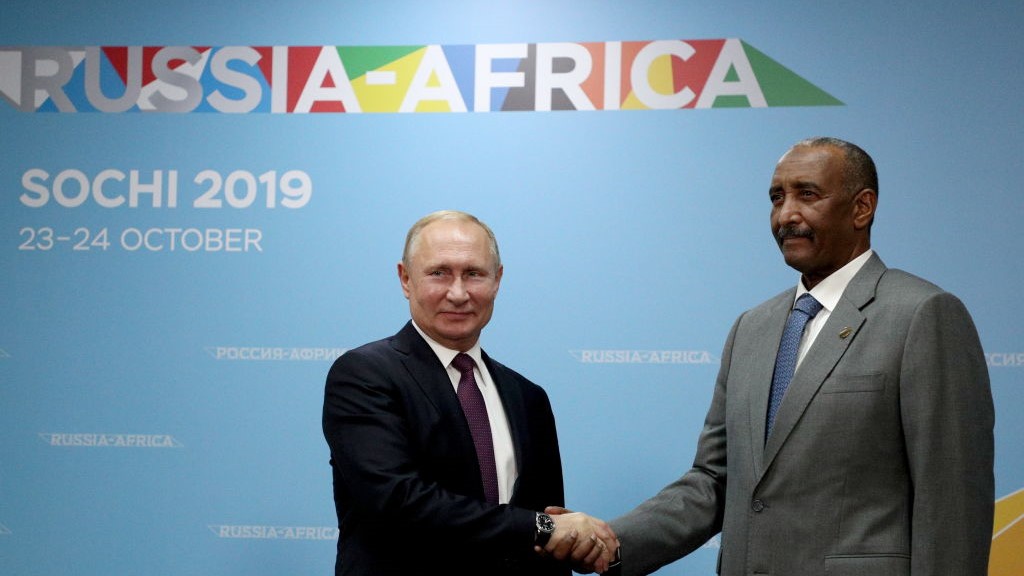
On Oct. 23, Russian President Vladimir Putin met with Chairman of Sudan’s Sovereign Council Abdel Fattah al-Burhan in Sochi. After their meeting, Putin praised Sudan’s reliability as a Russian ally and said that the formation of the council was a critical step toward a path of “sustainable development” in Sudan. The cordial meeting between Putin and Burhan came less than one month after Russian Foreign Minister Sergey Lavrov met with Prime Minister Abdalla Hamdok on the sidelines of the UN General Assembly and underscored the resilience of the Russia-Sudan bilateral relationship.
There are two contests underway. One is between the five presidential candidates, who make promises without much detail or even controversy. The larger contest pits the army, which needs a high voter turnout to lend the election credibility, against the hirak, which aims to reduce turnout and limit any boost to the system’s legitimacy.
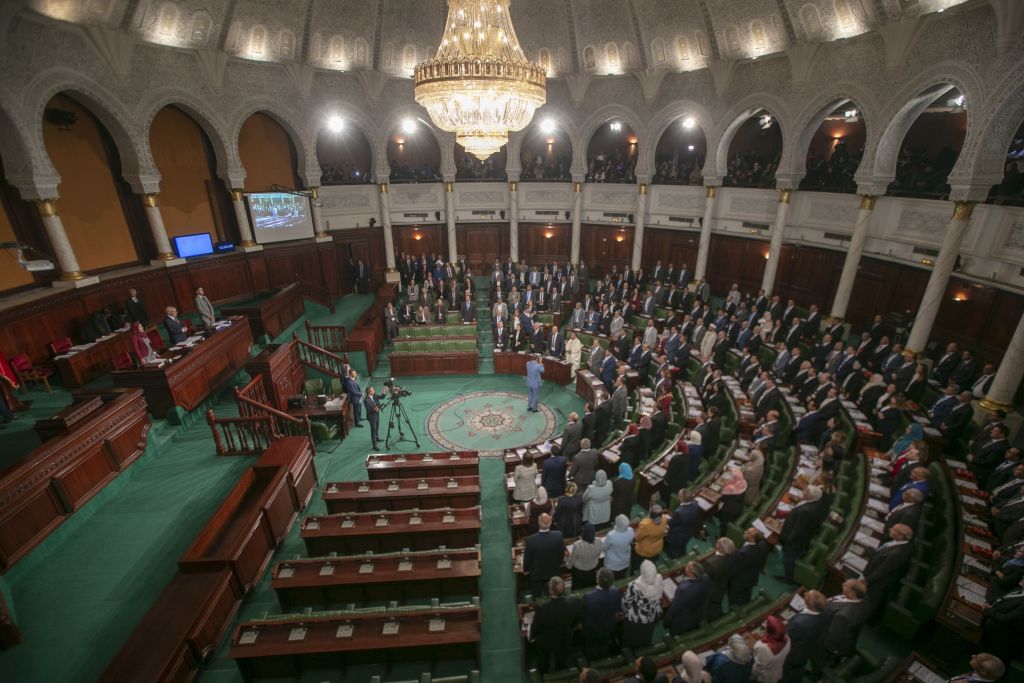
Political fragmentation a major challenge as Tunisia’s Ennahda tries to form a government
Tunisia’s elections in October swept away many of the dominant political forces, but the Islamist Ennahda retains the largest share of seats in the new parliament. Its leader, Rachid Ghannouchi, was elected president of the parliament on Nov. 13. The Islamist party then announced on Nov. 15 that Habib Jemli, the former junior agriculture minister, should try to form the next government. Jemli, who served under Ennahda prime ministers from 2011 to 2014, has a 30-day period, renewable once, to present a cabinet able to secure a majority vote in the 217-member parliament.
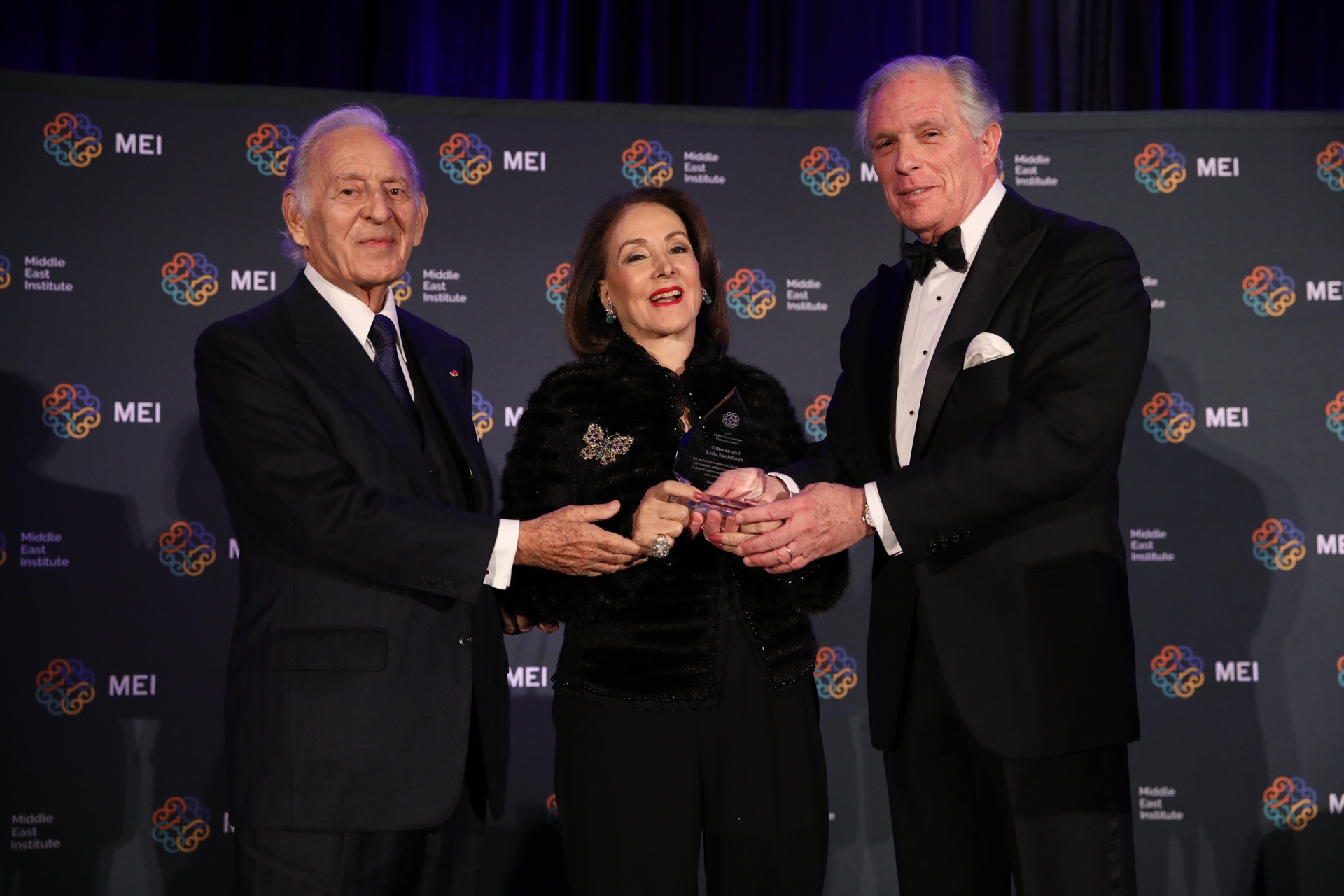
Othman & Leila Benjelloun receive 2019 MEI Visionary Award
Philanthropists Othman & Leila Benjelloun received the 2019 Middle East Institute Visionary Award at MEI’s 73rd Annual Awards Gala on November 12 in Washington, DC.
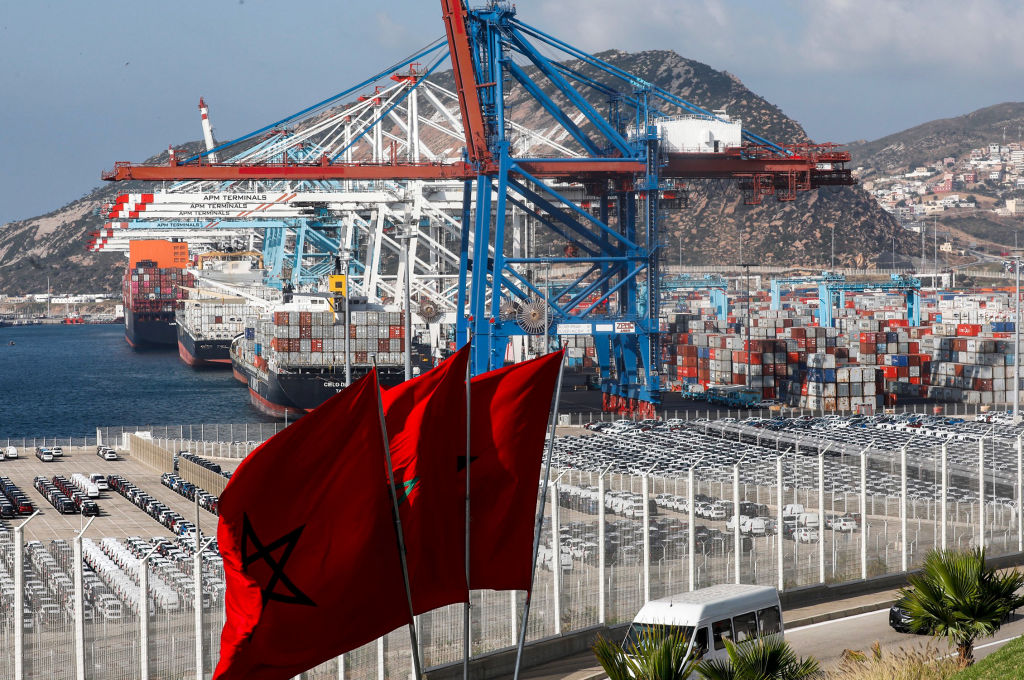
Morocco seeks to position itself on the world stage
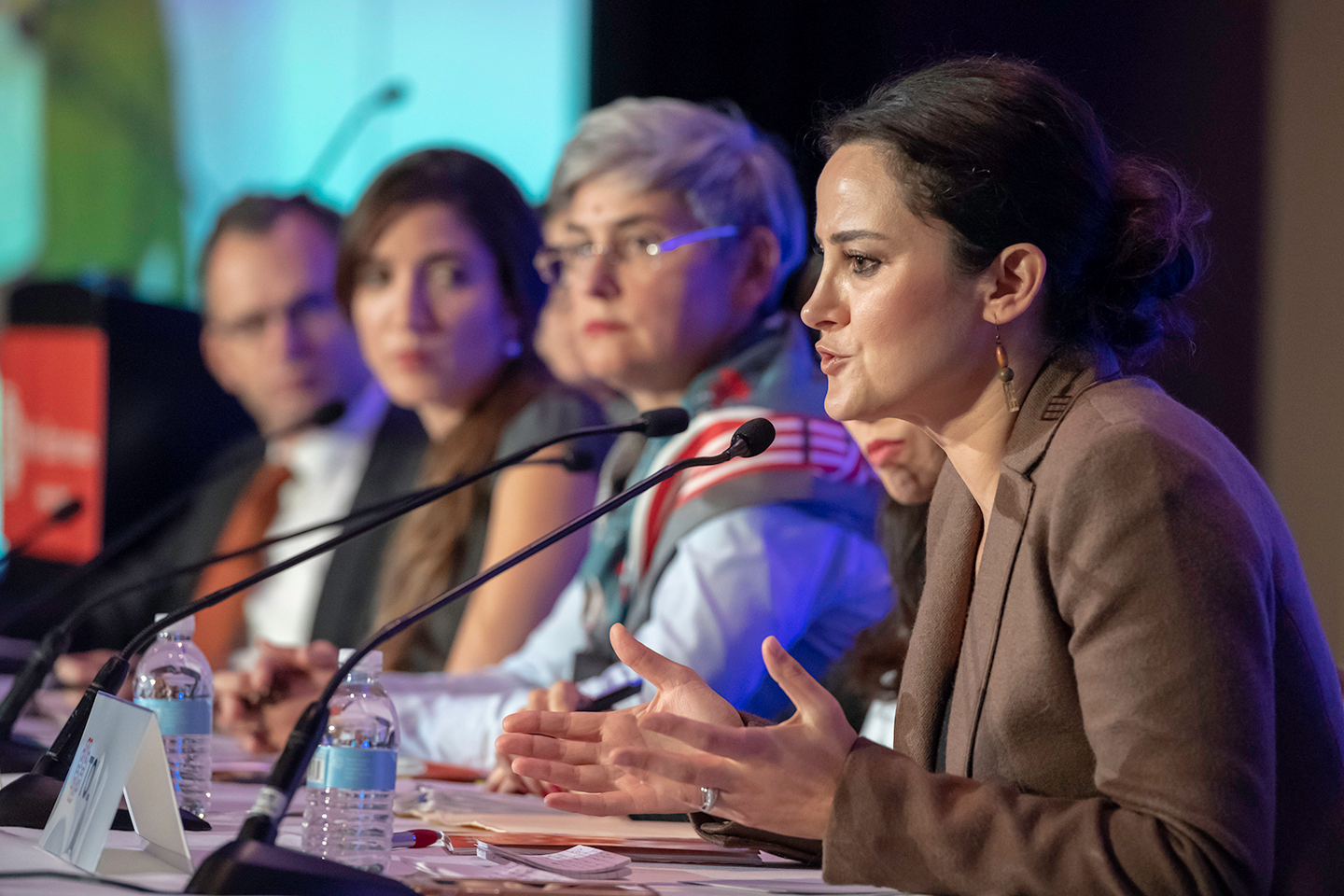
The Royal Institute for Strategic Studies (IRES), charged by the Government of Morocco with analyzing and monitoring the country’s external relations, turned its attention to the U.S.-Morocco relationship at a conference conducted at its Rabat headquarters on Oct. 29. Taking note of the long history of the bilateral relationship — Morocco was one of the first countries in the world to recognize the new American republic in 1777 — panelists reviewed the current state of political, economic, and cultural engagement between the two nations.
US and World Bank host talks on long-running Egypt-Ethiopia-Sudan water dispute
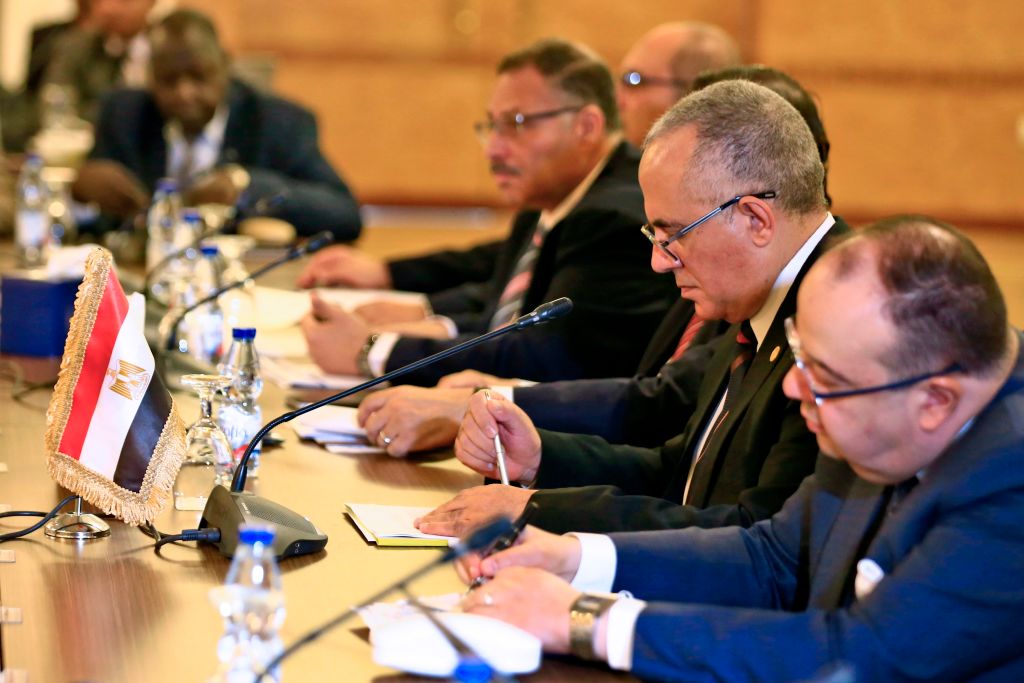
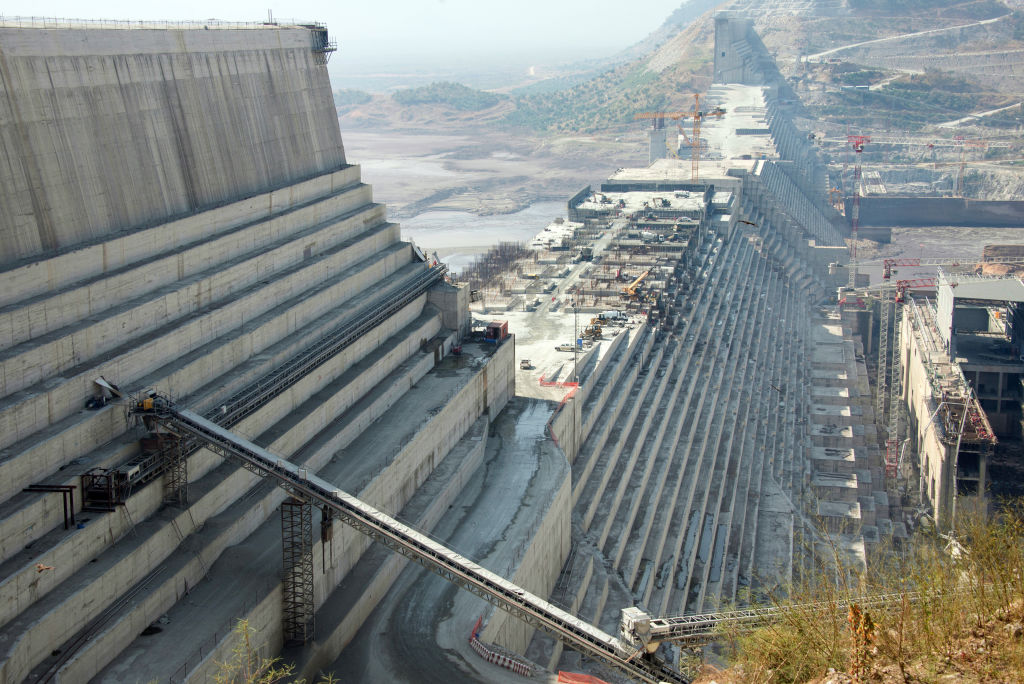
The U.S. and World Bank sponsored talks last week between Egypt, Ethiopia, and Sudan, over the Great Ethiopian Renaissance Dam – the latest developments in a regional soap opera that’s been running since 2010, when Ethiopia first announced the construction of the dam.
Seized Russian-printed dinars highlight an opportunity to reform Libya’s civil war economy
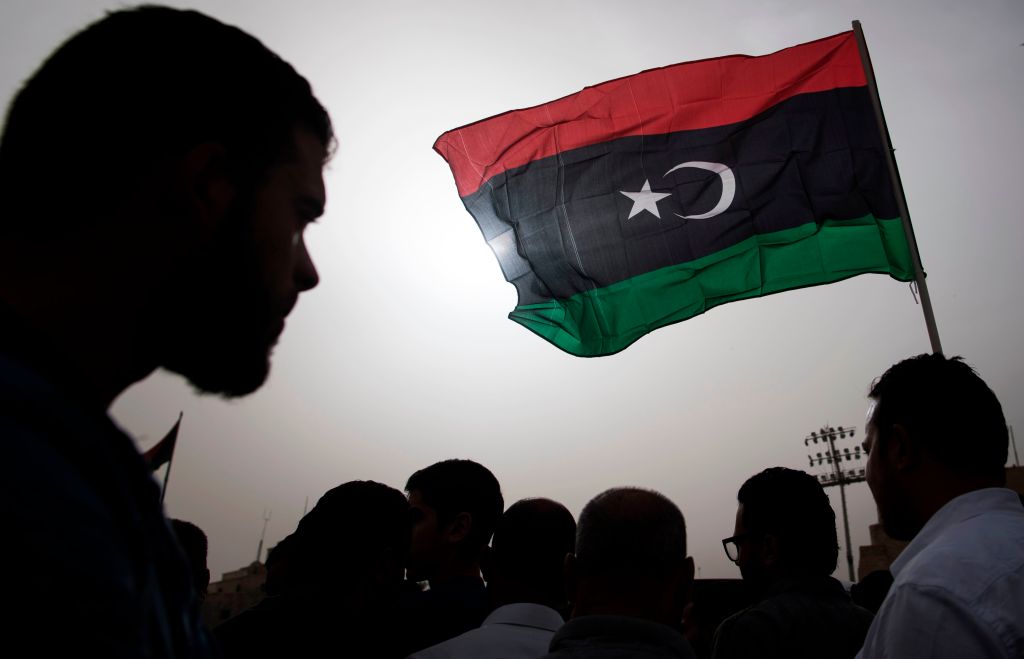
The Nov. 1 seizure by Malta of two 2000-cubic-foot containers full of Libyan currency printed by the Russian state printer, Goznak, that was intended for delivery to Libya’s non-internationally recognized eastern government, highlights the continuing importance of the economic aspects of Libya’s ongoing civil war.
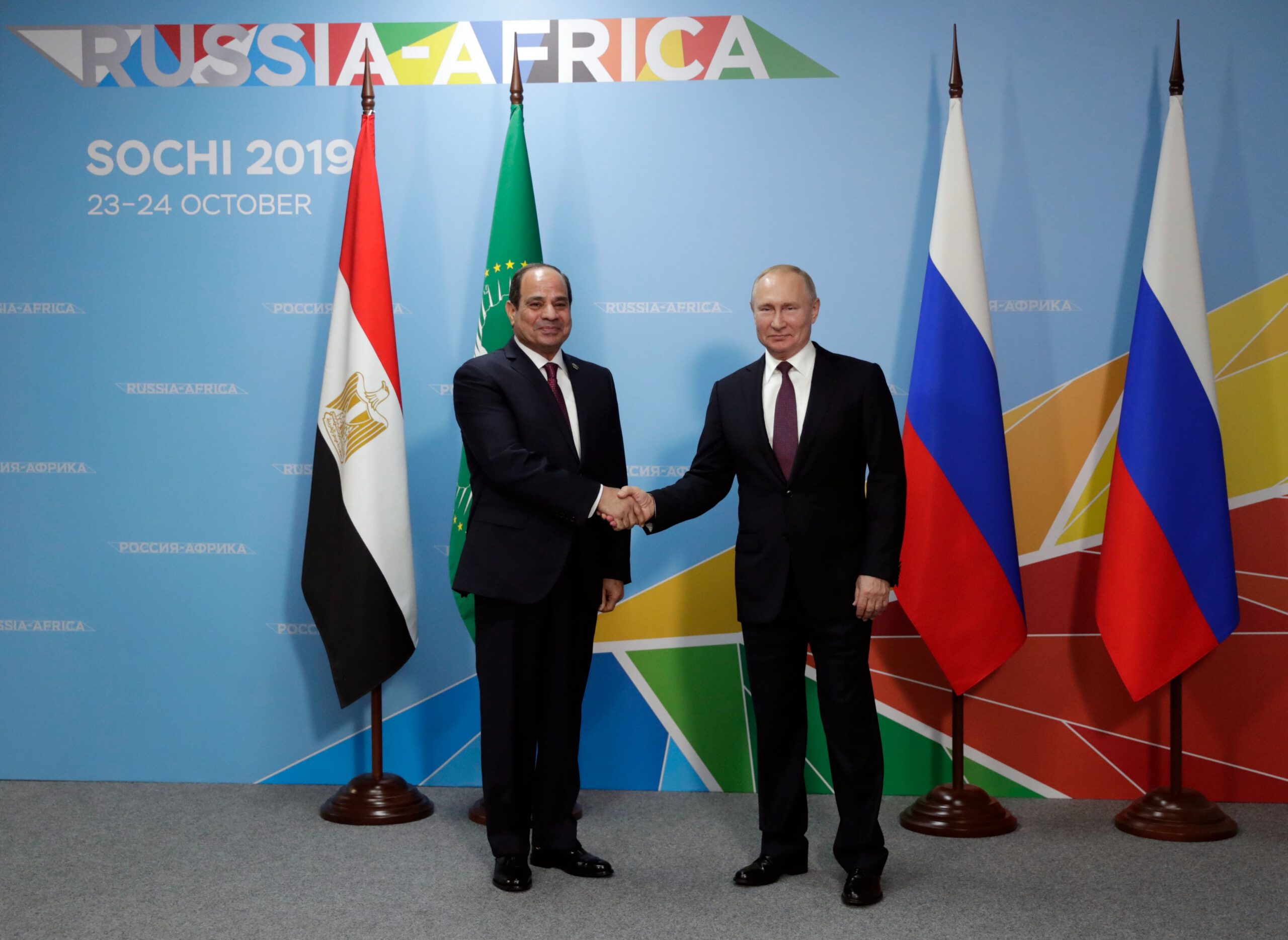
On Oct. 23-24, Russian President Vladimir Putin co-chaired the Russia-Africa Economic Forum in Sochi with his Egyptian counterpart Abdel-Fattah el-Sisi. At the conclusion of the summit, which brought 43 African heads of state to the Black Sea resort town, Sisi emphasized the importance of strengthening Egypt’s partnership with Russia, and Putin described Egypt as a “pillar for security and stability in the Middle East and Africa.”
Water dispute with Ethiopia is an existential issue for Egypt
Egypt and Ethiopia remain at odds over the Great Ethiopian Renaissance Dam. Currently almost 70 percent complete, the giant upstream dam, which can hold the entire annual rainfall of the Nile, has the capacity to essentially turn the taps off on Egypt, depriving the country of the river water that supplies a mind-numbing 90 percent of its fresh water.
Disrupting a delicate status quo: The Hamas crackdown on Salafi-jihadists
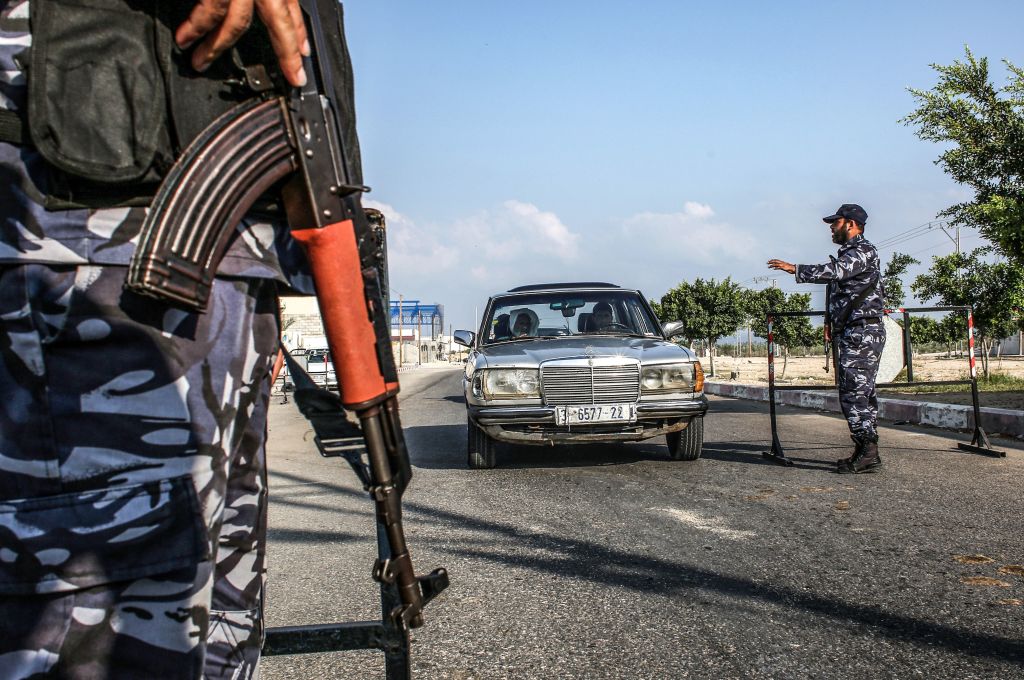
Reports of a secret war being waged by Hamas against Salafi-jihadist groups in the Gaza Strip are indicative of increasing challenges to the former’s security control within the enclave. Hamas’ current approach to violent Salafist cells in Gaza is equally demonstrative of an ongoing warming of relations between Cairo and Hamas, and one that has afforded Hamas international legitimacy and an ease in border restrictions.
The oldest peer-reviewed publication dedicated to the study of the modern Middle East, MEI’s flagship journal covers politics, society, and culture in the region.