This article is part of a collection of short essays written by the Fellows of the Middle East Institute to explore aspects of the ongoing war with Iran. The intent of the collection is to help readers see new and unexpected elements of the dynamics and impact of the ongoing hostilities and to think harder, deeper, and broader about the implications of the conflict.
Egypt: How the Iran War Has Affected Egypt’s Calculations
Egypt, which is not party to the war on Iran, has become a target as well as an intermediary in the conflict. As a result, the war has affected Egypt’s future calculations, particularly in three major areas: its economy, its security, and its regional alliances.
Algeria and Morocco have long been at odds, but recent diplomatic moves may signal a widening geopolitical split in North Africa. Hosts Alistair Taylor and Matthew Czekaj are joined by MEI Senior Fellow Intissar Fakir to unpack Algeria’s decision to sever diplomatic ties with the United Arab Emirates and Morocco’s warming relations with both the UAE and Israel. They also explore linkages between these diplomatic shifts and the Western Sahara conflict, Moroccan domestic concerns, particularly in light of this week’s elections, as well as broader regional stability.
Key takeaways for NATO and the Middle East from the Washington Summit Declaration
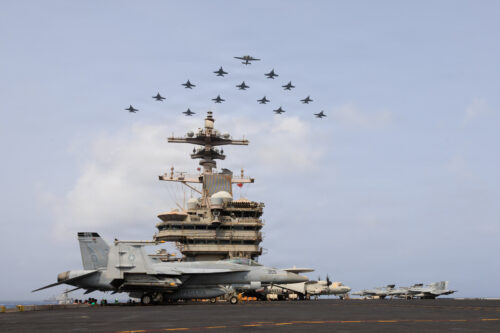
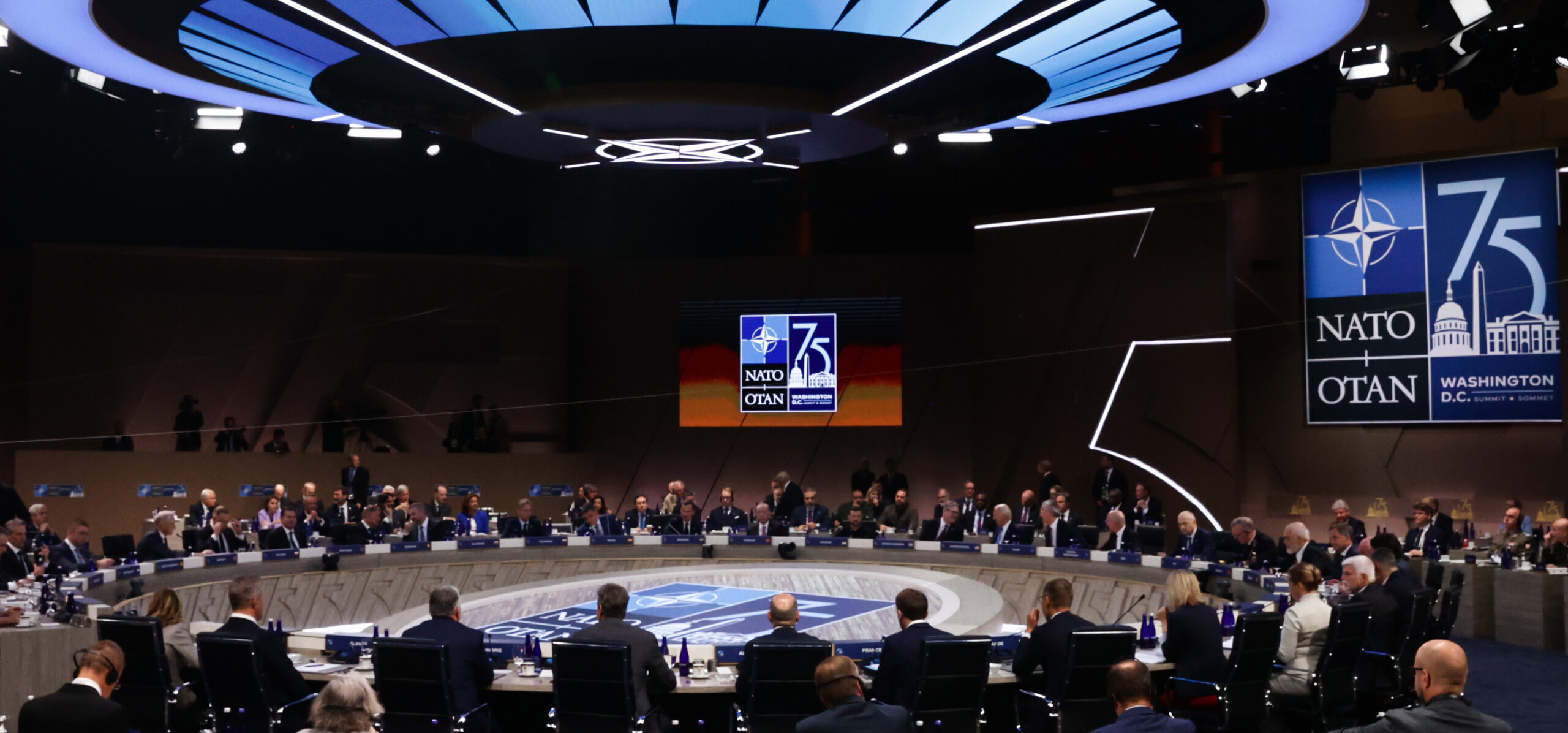
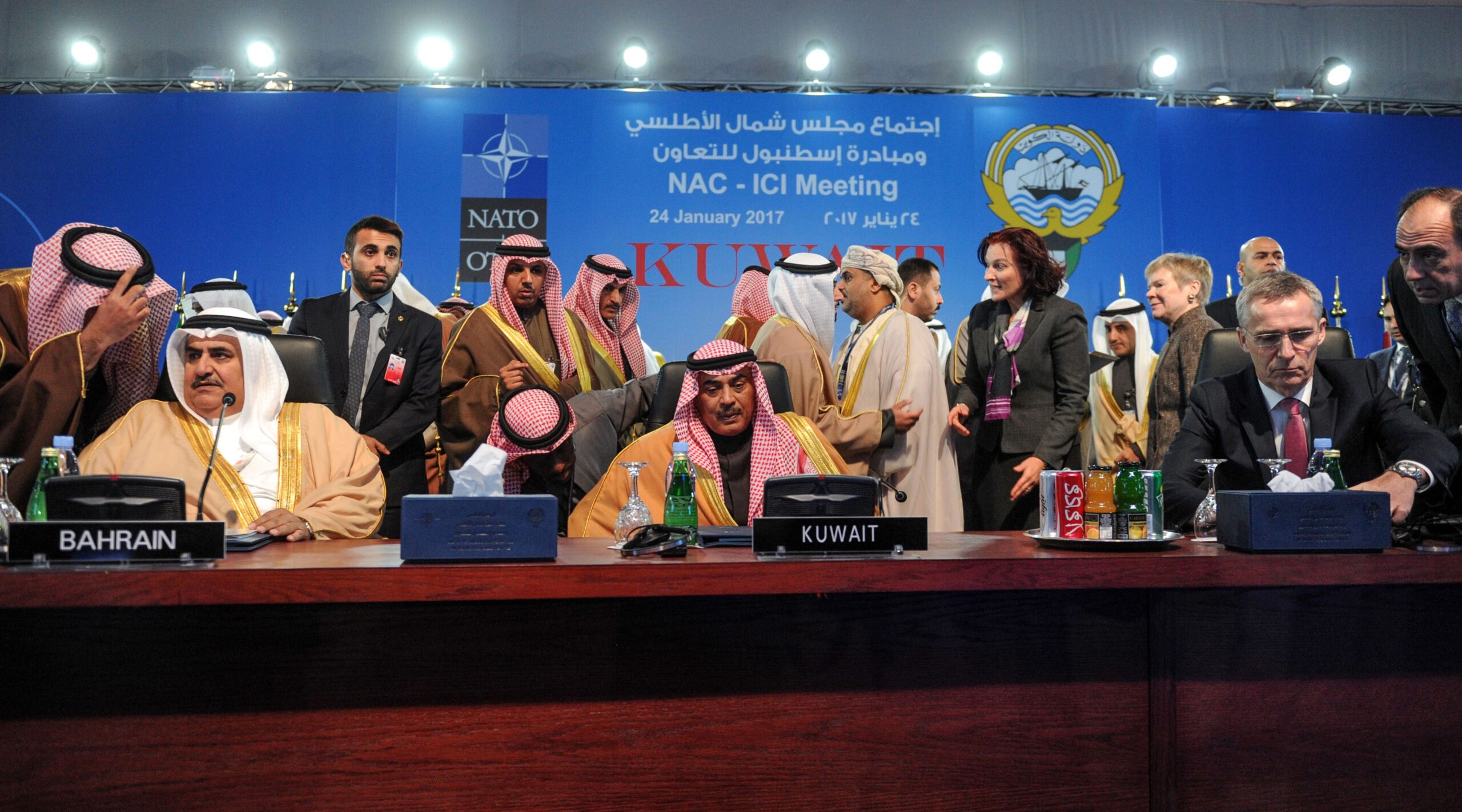
At the Washington Summit, NATO member states mostly focused on efforts to counter Russia and to support Ukraine. However, the 2024 summit communiqué also addresses non-Euro-Atlantic risks and opportunities, based on the idea that “conflict, fragility and instability” elsewhere directly affects NATO security.
Wide gap between the Egyptian government’s rosy figures and the economic hardship suffered by millions
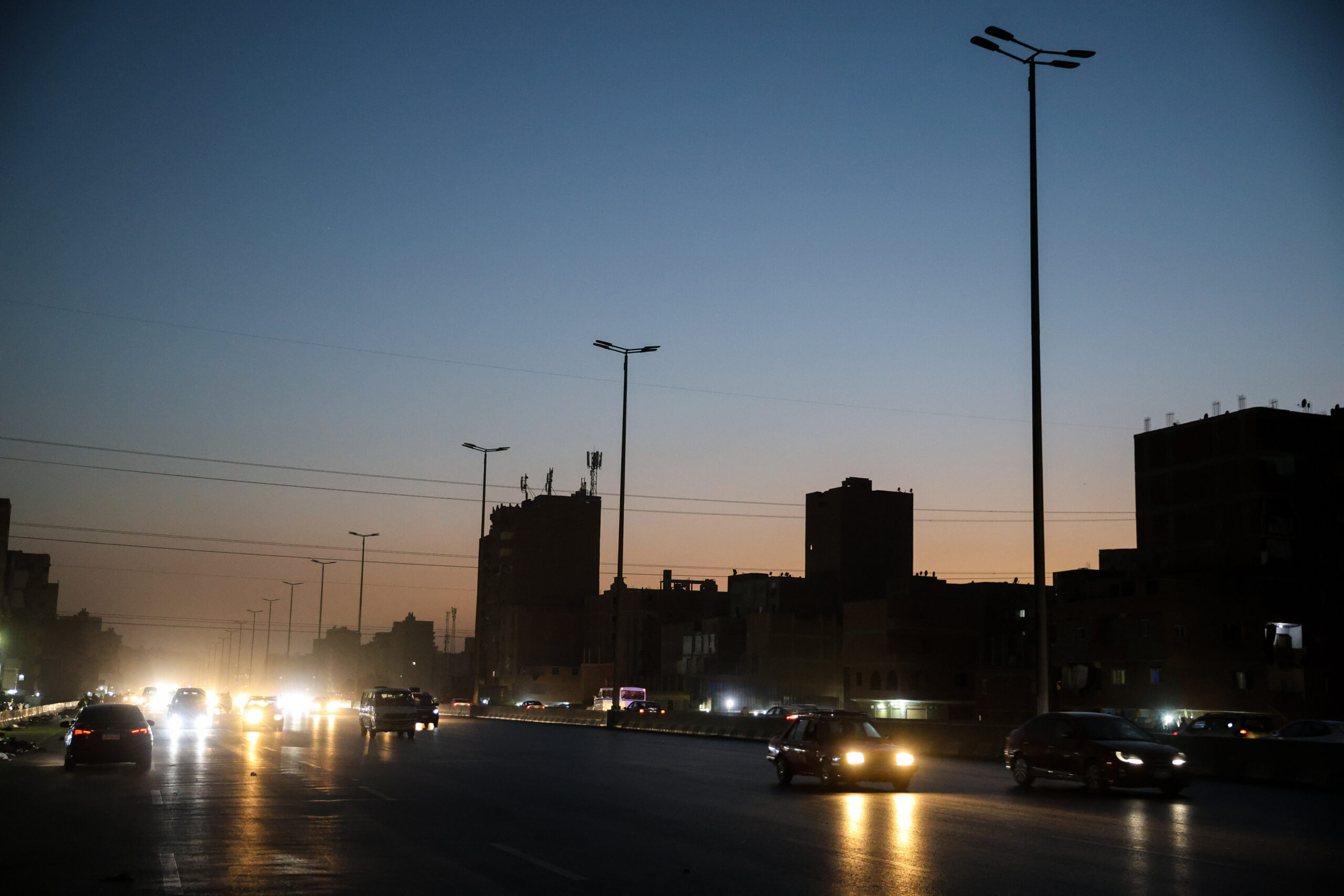
For Egyptian officials, June should have been a month to celebrate. And yet none of the seeming macroeconomic successes that the government recorded brought much reassurance to the average Egyptian, who has continued to experience currency shortages, an unreliable energy grid, and fears of a resurgent spike in inflation.
NATO, North Africa, and the Sahel: Squaring the triangle of insecurity
With NATO celebrating 75 years since its founding, Alliance members will gather in Washington, DC, on July 9-11, for a historic summit. Two of the key issues on the agenda will be addressing the acute threats emanating from the Black Sea region and adopting a strategic approach toward the Middle East and Africa.
On the Eve of the Washington Summit: Shoring up NATO’s Vulnerable Flanks
On July 9-11, Washington will host the leaders of NATO’s 32 member states for a special anniversary summit, celebrating 75 years since the Alliance’s founding. But the NATO heads of state and government are unlikely to spend much time reminiscing. Their agenda will be full, spanning from Ukraine, Russia, wars in the Middle East, China, terrorism, cyber threats, NATO enlargement, boosting Allied capabilities, freedom of navigation around the world, nuclear deterrence, and more.
New EU aid and investment in Egypt linked to migration control
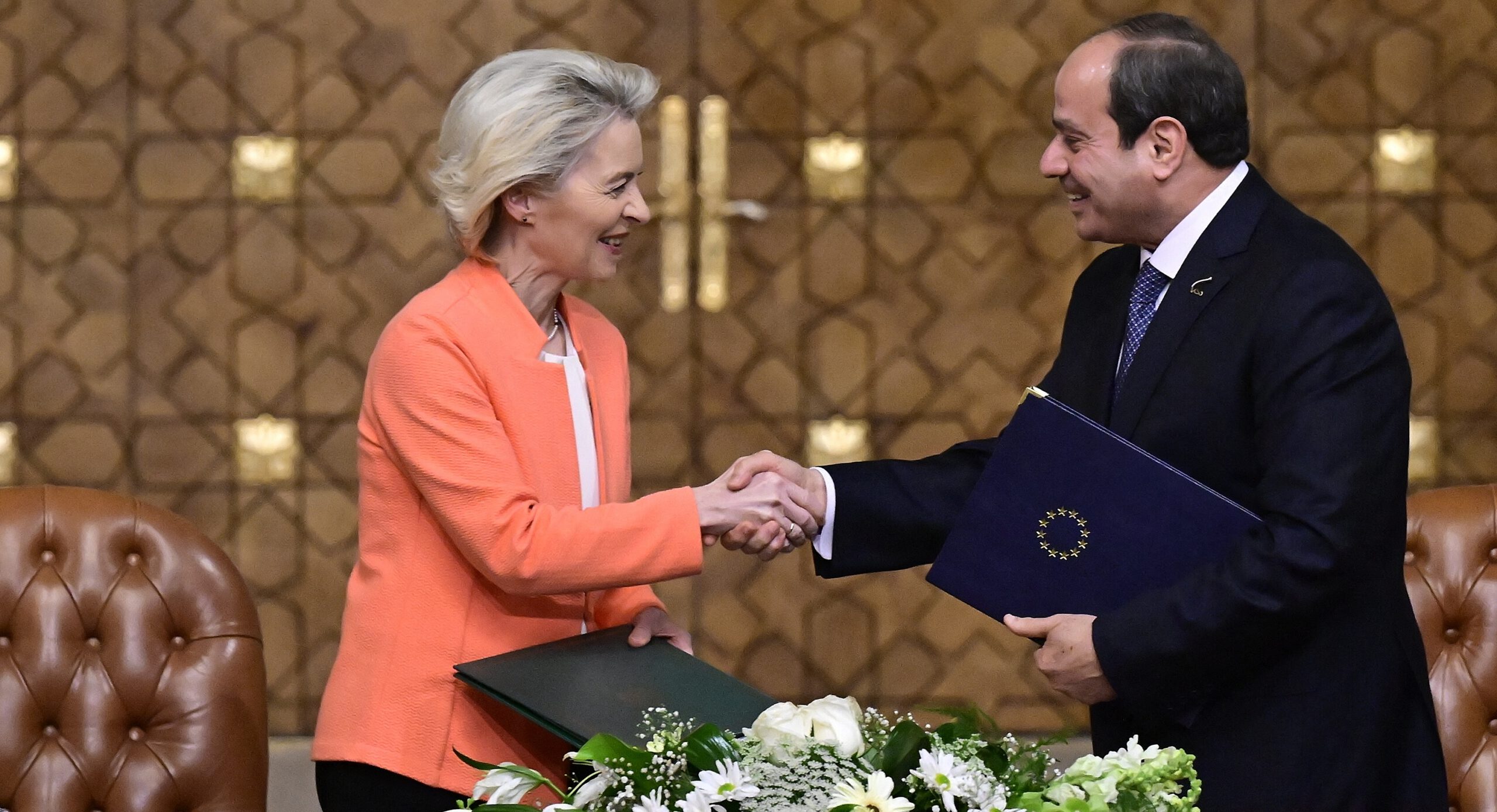
On June 29, at an aid and investment conference in Cairo, Egypt and the EU reached a €1 billion investment deal, and over 20 MoUs, collectively worth approximately €40 billion in private investment, were signed on the sidelines. Little mention has been made of migration in the new European agreement with Egypt, but there is little doubt that it is a pivotal factor.
NATO’s narrow window of opportunity for an effective Southern Strategy
While the Washington Summit is unlikely to deliver any ground-breaking outcome, it certainly offers the opportunity to articulate the nexus between security in Europe and the Mediterranean-African region. NATO also has the opportunity to renew and streamline its partnerships with Middle Eastern and North African countries while strengthening its outreach to Africa.
Libya remains the key for NATO to counter Russian malign activities in Africa
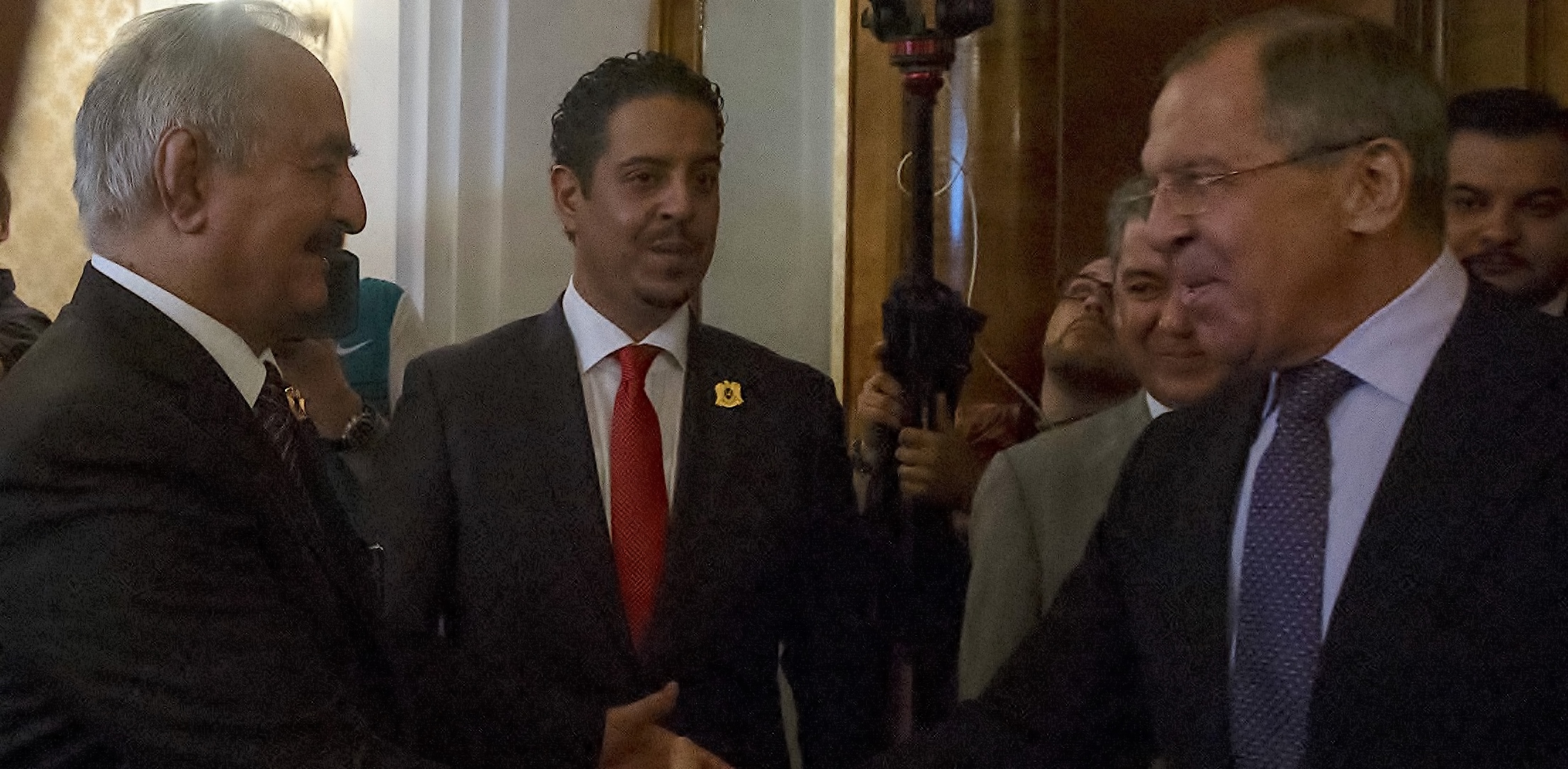
Eight years ago, few would have predicted that Russia could move in as quickly and comprehensively throughout Africa as it has done. Now there is widespread recognition of the threat posed by the destabilizing Russian expansion in Africa, to NATO, its members, and the African region.
Migration in North Africa: EU Engagement & Policies
MEI’s North Africa & the Sahel Program Director Intissar Fakir and Guillaume Soto-Mayor discuss Soto-Mayor’s paper “Libya, Tunisia, and Niger as Case Studies for Counter-Productive Anti-Migration Policies” – including how EU policies reinforce criminal patterns and empower illicit networks in these areas.
Post-disaster reconstruction: Tackling water security in Derna after Storm Daniel
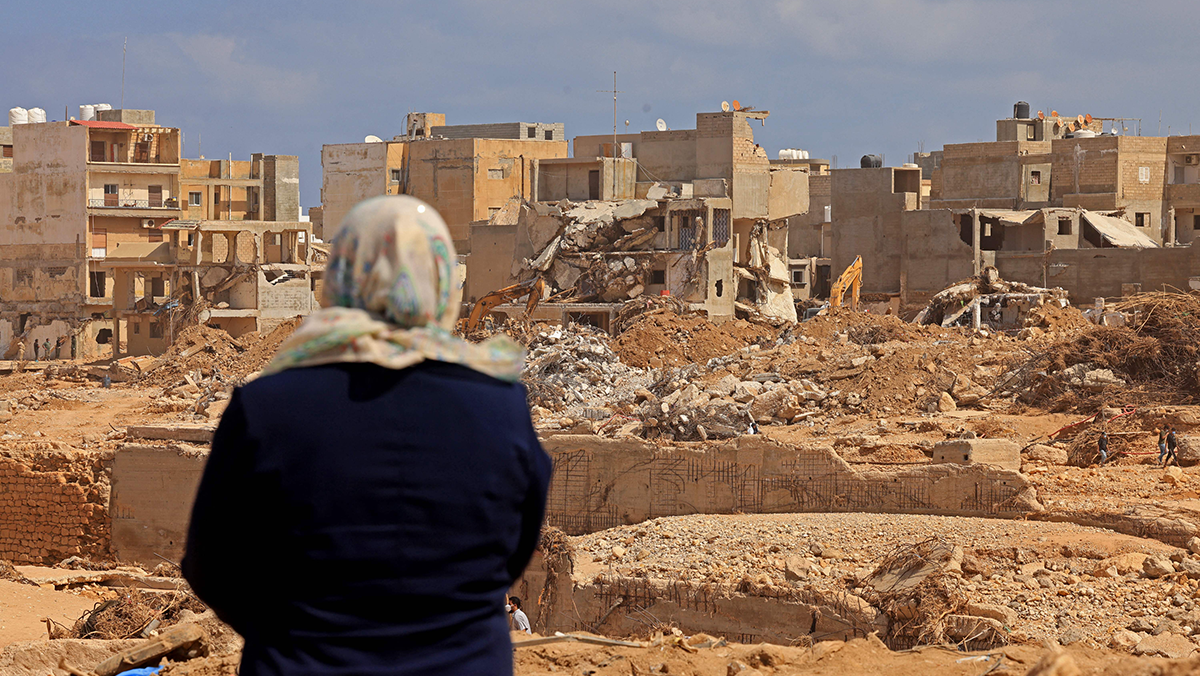
Storm Daniel struck Libya on Sept. 10, 2023. The northeastern coast of the country was the hardest hit by the storm, especially the city of Derna. The storm generated strong winds and heavy rains that led to massive flooding throughout the city, washing away entire residential neighborhoods. The death toll from the floods was staggering, estimated in the thousands.
Libya, Tunisia, and Niger as Case Studies for Counter-Productive Anti-Migration Policies: Sustaining Abuses and Criminality
Anti-migration policies in Libya, Tunisia, and Niger have had dire consequences, as highlighted by the more than 25,000 migrant deaths in the Mediterranean since 2014, a figure that does not fully capture the extent of the tragedy. To address these failures will require substantial policy changes and an evolution in approach to the migration issue.
The oldest peer-reviewed publication dedicated to the study of the modern Middle East, MEI’s flagship journal covers politics, society, and culture in the region.