Skip to Content
Can the Latest US Plan Bridge Libya’s Divide?
  • Podcast
  • Can the Latest US Plan Bridge Libya’s Divide?

    After over a decade of division between rival factions in eastern and western Libya, the Trump administration has put forward a plan to unite the two sides through a power-sharing agreement. Hosts Alistair Taylor and Matthew Czekaj are joined by MEI Distinguished Diplomatic Fellow Jonathan M. Winer to unpack the details of this proposal and its potential consequences for the Libyan people. Winer, who served as United States Special Envoy for Libya, offers analysis of the plan’s viability, the response of various actors on the ground, and whether it can stabilize the country and help resolve its deep-seated challenges.

    June 4, 2026

    The Far Reach of the Iran War: Food Insecurity from North Africa to the Sahel
  • Policy Memo
  • The Far Reach of the Iran War: Food Insecurity from North Africa to the Sahel

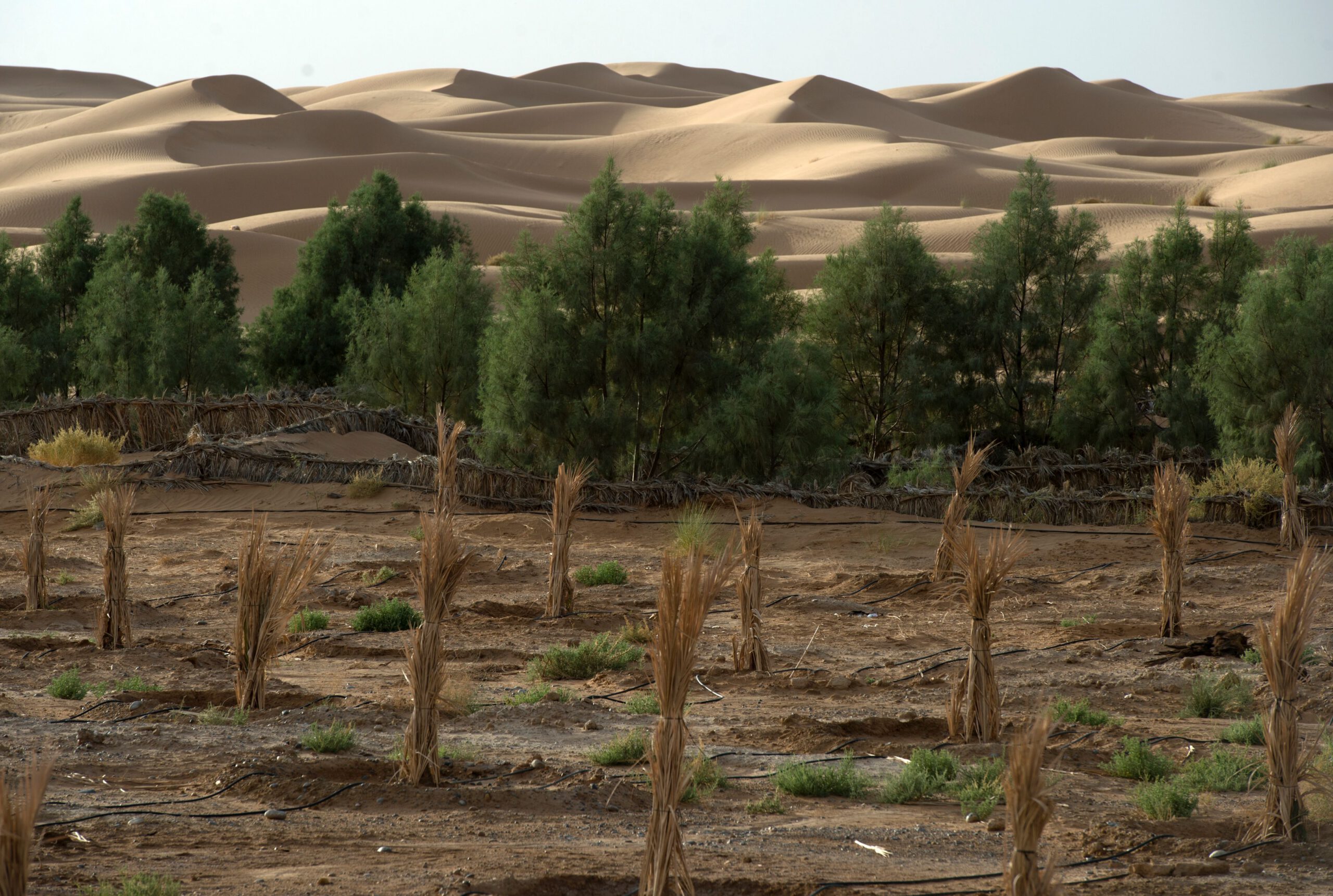
    Within weeks of the Strait of Hormuz closure, fertilizer prices began to rise sharply. Tanker traffic through the strait, which handles one-third of the global fertilizer trade, fell by 90%. Across North Africa the impacts are multiplying, and this is having ripple effects for the Sahel in the south, adding to food price inflation, migration pressures, and the erosion of state legitimacy. The situation underscores how food security is a governance issue compounded by geopolitical crisis.

    Battered but Still Standing, Egypt Tries to Weather the Economic Ravages of the Iran War
  • Analysis
  • Battered but Still Standing, Egypt Tries to Weather the Economic Ravages of the Iran War

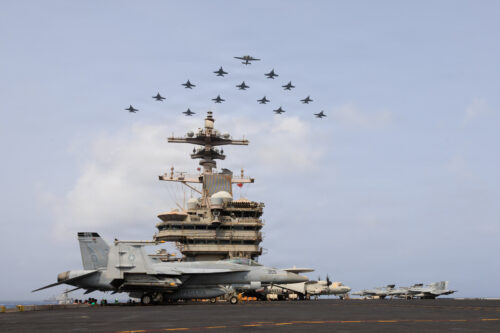
    While Egypt is not in the direct line of fire in the US-Israeli war with Iran, its economy is acutely vulnerable to the conflict. In addition to the rising energy prices and shortages that have affected much of the world, it also struggled with issues that reflected its economy’s own underlying structural vulnerabilities.

    Projects

    Food Security in the Maghreb and Sahel

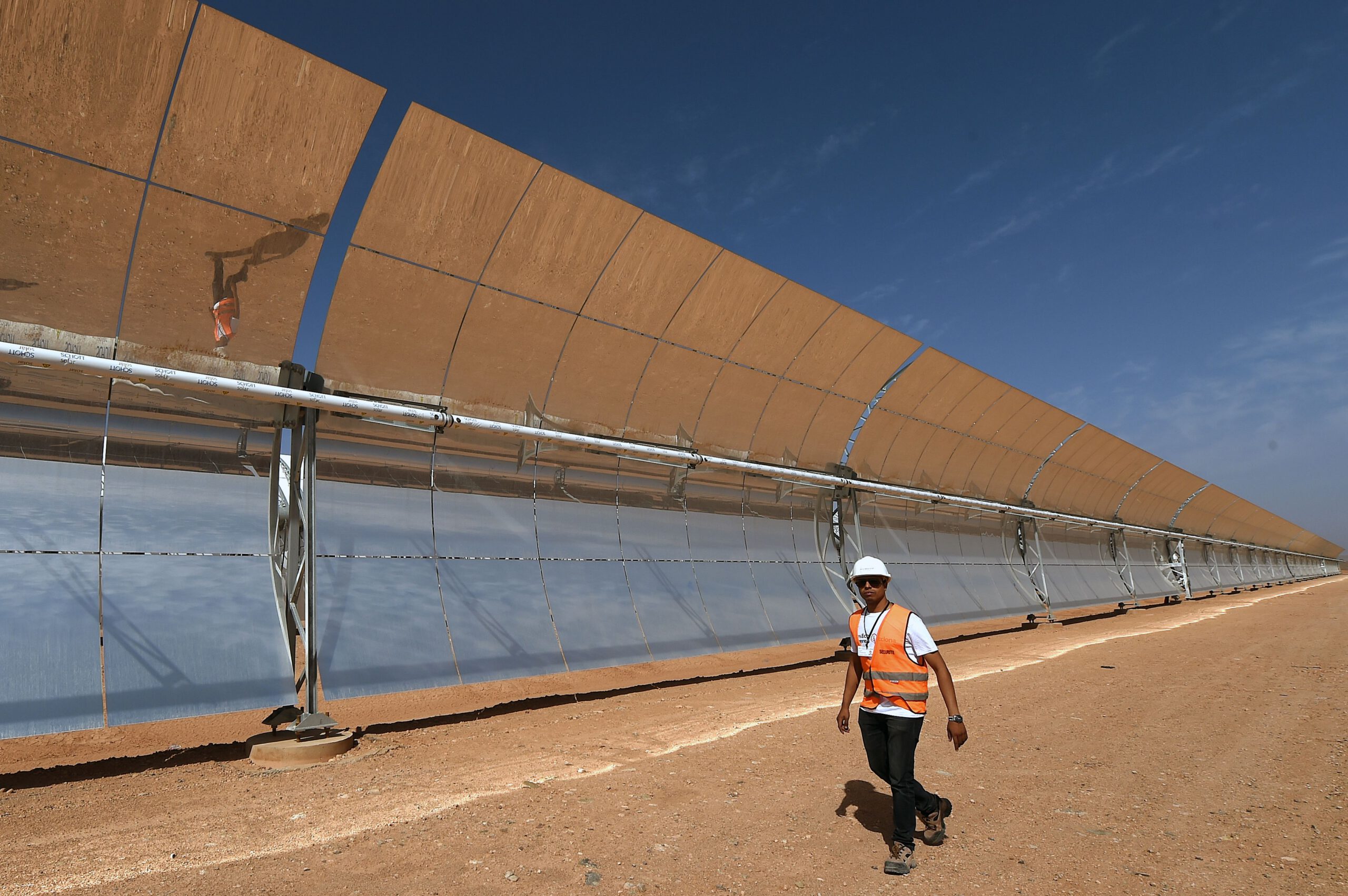
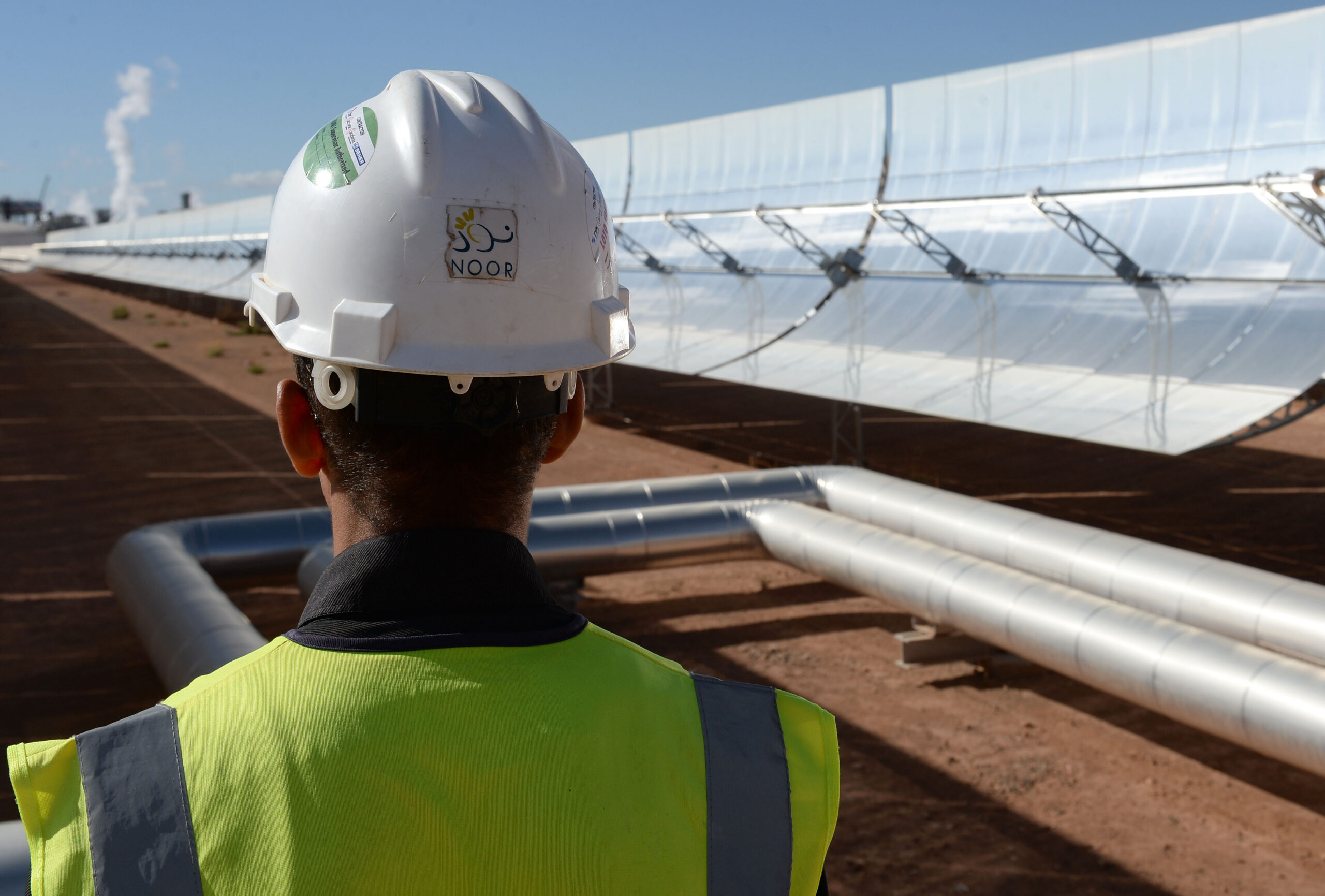
    North Africa’s Power Shift: Renewable Energy Development and Energy Security

    The Role of Mid-Sized Enterprises in Fostering Growth in MENA’s Clean Energy Transition

    Filter by
    1560 Results
    Egypt After the Elections
    Middle East Institute
  • Podcast
  • Egypt After the Elections

    podcast for Egypt After the Elections, recorded on the 28th of June, 2012

    June 28, 2012

    Egypt After the Elections
    Middle East Institute
  • Podcast
  • Egypt After the Elections

    podcast for Egypt After the Elections, recorded on the 28th of June, 2012

    June 28, 2012

    Egypt After the Elections

    Egypt After the Elections

    June 28 – January 1, 1970, June 28 - 3:00 PM – 12:00 AM
    January 1 - 3:00 PM – 12:00 AM

    Carnegie Endowment for International Peace, 1779 Massachusetts Avenue NW, Washington, District of Columbia 20036

    Egyptian Voters Flex Their Cheops
    Middle East Institute
  • Analysis
  • Egyptian Voters Flex Their Cheops

    The cacophony of bullhorns, fireworks and frenzied cross-country barnstorming in trucks, busses and three-wheeled “tuk-tuks” emblazoned with candidates’ posters has come to an end, and a historic moment has arrived: tens of millions of Egyptians are heading to the polls today in the first democratic presidential election in the country’s history, an election borne out of the 2011 revolution that ousted former President Hosni Mubarak and injected Egyptians with a novel feeling of excitement for participatory democracy.

    May 23, 2012

    Salafis Coming to America
    Middle East Institute
  • Analysis
  • Salafis Coming to America

    This Opnion first appeared in the Huffington Post on May 11, 2012.

    May 15, 2012

    Western Sahara: Deferred Referendum or Lasting Settlement?
  • Analysis
  • Western Sahara: Deferred Referendum or Lasting Settlement?

    Over the last decade, the dispute over the future status of the Western Sahara territory, which has set Morocco and the Algeria-backed pro-independence Polisario front in opposition, has entered a qualitatively new phase. This is due to attempts at finding a negotiated outcome instead of the long-delayed self-determination referendum. The idea of a political solution to break a twice deadlocked (1997 and 2000) UN self-determination referendum for the Western Sahara territory has steadily revived the prospect of autonomous status for the territory within Moroccan jurisdiction.

    May 9, 2012

    Read the Middle East Journal

    The oldest peer-reviewed publication dedicated to the study of the modern Middle East, MEI’s flagship journal covers politics, society, and culture in the region.