This summer, brutally hot temperatures, deepening water scarcity, and spiking fertilizer costs have put North Africa’s agricultural sector under intense pressure. Host Alistair Taylor is joined by Mohammed Mahmoud, CEO and founder of the Climate and Water Initiative and lead for Middle East Climate and Water Policy at the United Nations University Institute for Water, Environment, and Health, to unpack the region’s food and water security challenges. Drawing on Mahmoud’s new report card on agricultural sustainability in North Africa, they explore the diverging picture across the region, why some countries have weathered the strain better than others, and what it will take to build a more resilient and secure food system.
After over a decade of division between rival factions in eastern and western Libya, the Trump administration has put forward a plan to unite the two sides through a power-sharing agreement. Hosts Alistair Taylor and Matthew Czekaj are joined by MEI Distinguished Diplomatic Fellow Jonathan M. Winer to unpack the details of this proposal and its potential consequences for the Libyan people. Winer, who served as United States Special Envoy for Libya, offers analysis of the plan’s viability, the response of various actors on the ground, and whether it can stabilize the country and help resolve its deep-seated challenges.
Libya’s Fragile Equilibrium: Succession Risk and Energy Stability
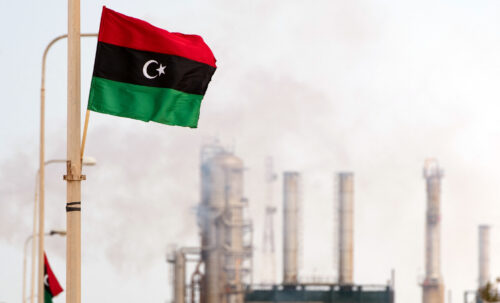
Libya’s stability has taken on renewed strategic importance as the impact of the US and Israeli war with Iran reverberates through global energy markets. Sustaining existing Libyan oil production depends on a governing arrangement capable of keeping ports open, pipelines flowing, and revenues distributed without triggering conflict.
This Commentary was first published as an op-ed in Politico on October 21, 2011
Defense Secretary Leon Panetta asserted recently that critics of the Libyan mission “have been proven wrong.” Now, with the death of dictator Muammar Qadhafi, the secretary’s view is supported by the overwhelming majority of Washington’s foreign policy establishment.
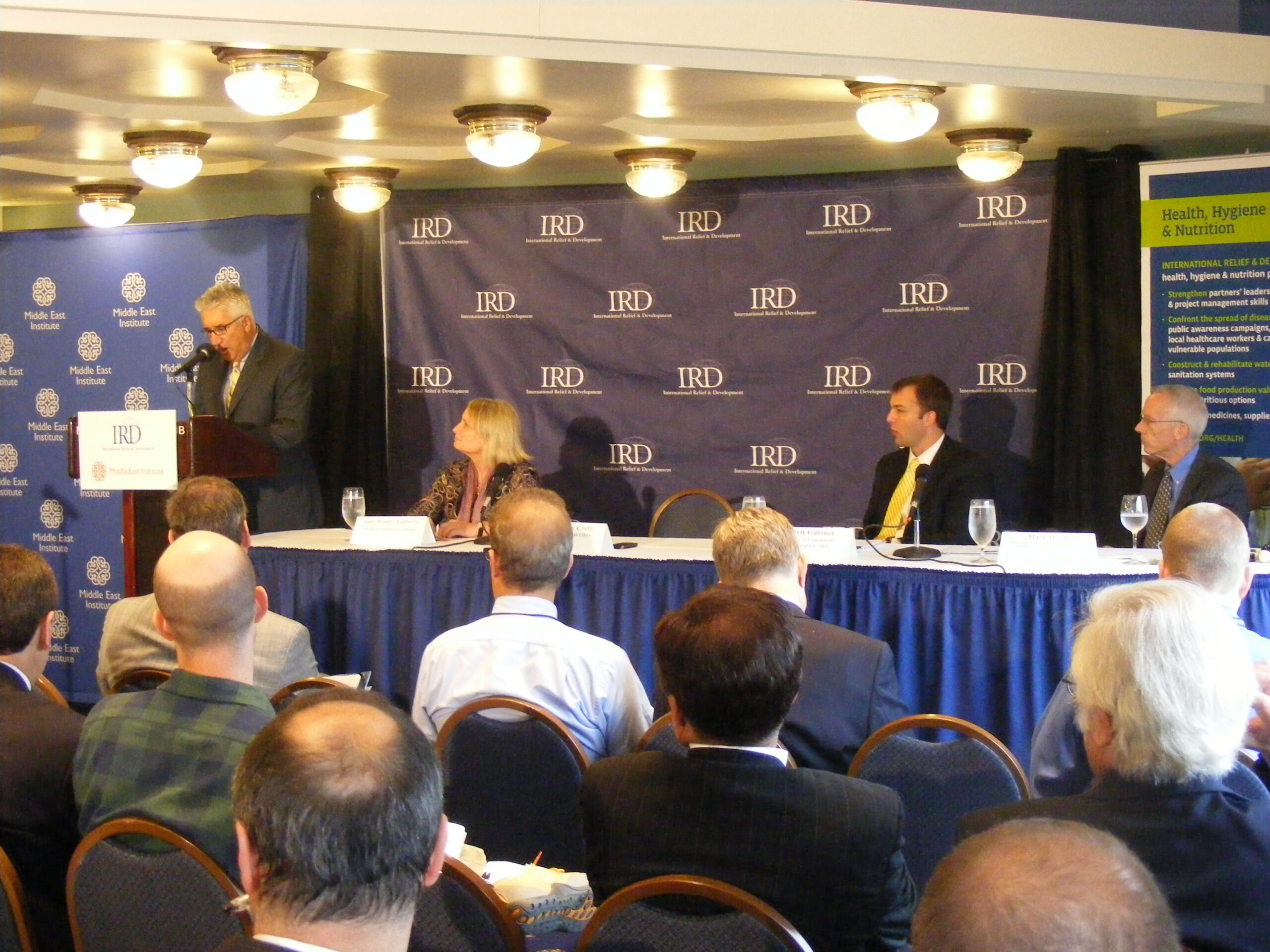
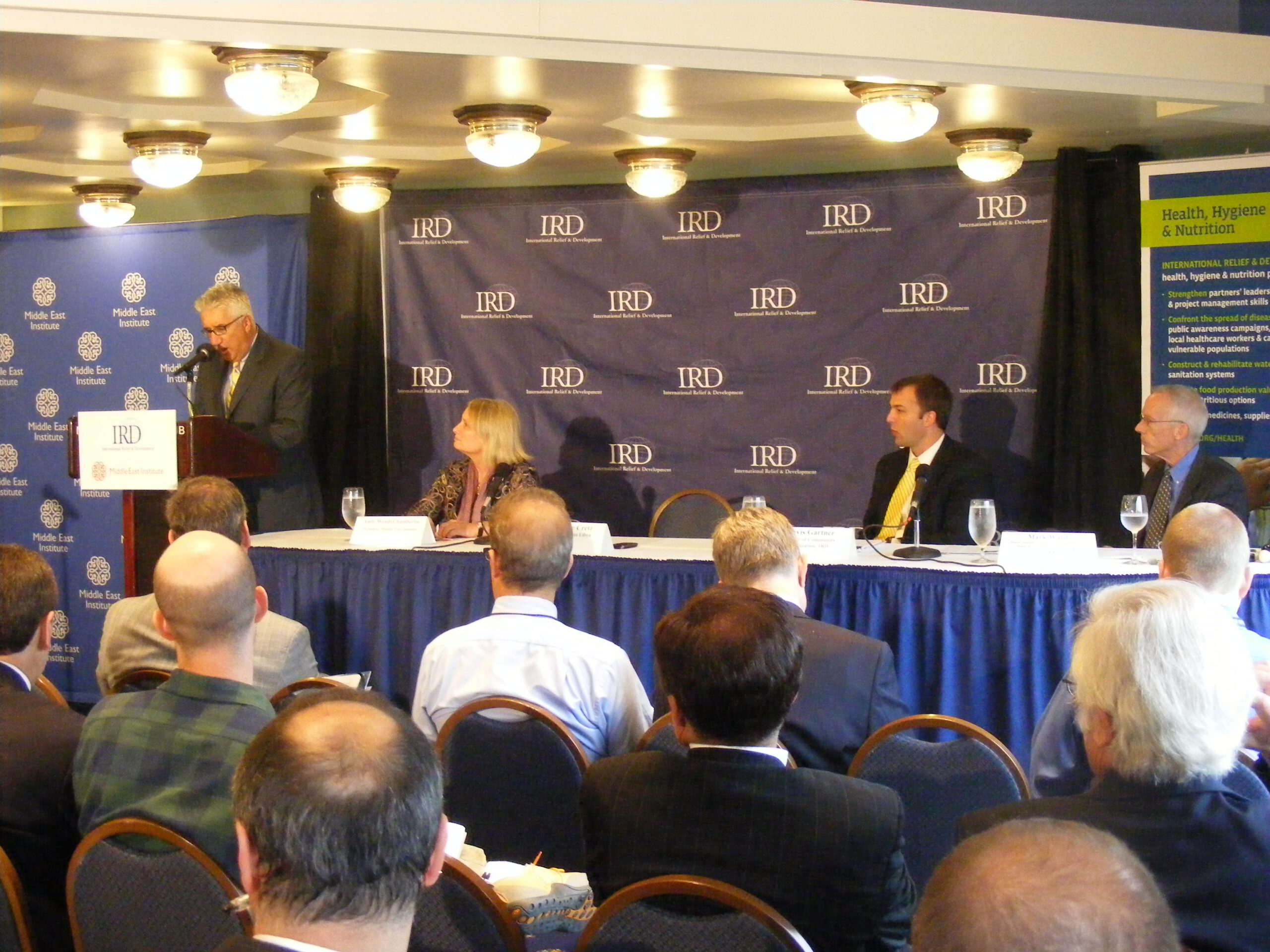
Rebuilding Libya: A Status Report on the Humanitarian Situation on the Ground
Speakers: Amb. Wendy Chamberlin, MEI President
Amb. Gene Cretz, US Ambassador to Libya
Mark Ward, Deputy Assistant Administrator for the Bureau of Democracy, Conflict, and Humanitarian Assistance, USAID
Travis Gartner, Director of Community Stabilization, IRD
Governments in the Middle East and North Africa have long relied on repression to intimidate, harass, and punish political opponents. During the Arab uprisings, dictators under threat have all ordered and used violence against peaceful protestors as a way to maintain power. But this repression has had widely divergent effects on the course of the different conflicts.
The oldest peer-reviewed publication dedicated to the study of the modern Middle East, MEI’s flagship journal covers politics, society, and culture in the region.