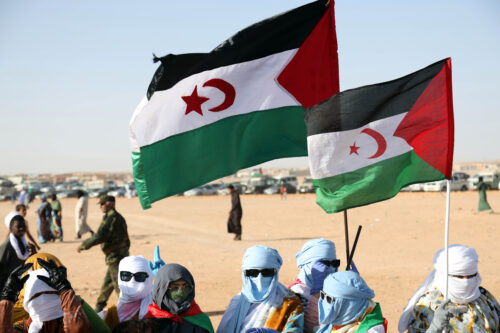
Western Sahara, a sparsely populated territory on the Atlantic coast of northwest Africa, is the site of one of the continent’s longest-running territorial disputes. The conflict dates to Spain’s withdrawal from the territory in 1975, after which Morocco Algeria, and Mauritania vied for control over the former colony.
Algeria and Morocco have long been at odds, but recent diplomatic moves may signal a widening geopolitical split in North Africa. Hosts Alistair Taylor and Matthew Czekaj are joined by MEI Senior Fellow Intissar Fakir to unpack Algeria’s decision to sever diplomatic ties with the United Arab Emirates and Morocco’s warming relations with both the UAE and Israel. They also explore linkages between these diplomatic shifts and the Western Sahara conflict, Moroccan domestic concerns, particularly in light of this week’s elections, as well as broader regional stability.
The Legacy of Morocco’s Gen Z Protests: Development as the New Political Language
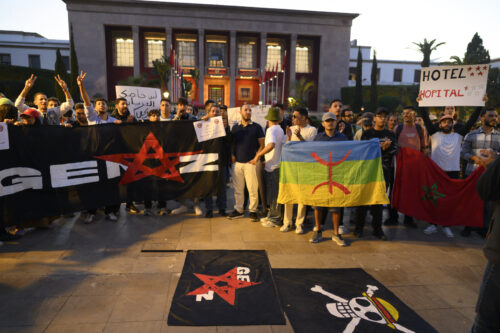
Moroccans head to the polls on September 23 in a parliamentary election that is meant to formally close the chapter opened during last year’s Gen Z 212 protests. The demonstrations, which erupted almost exactly a year ago, drew attention to the mismatch that exists between Morocco’s economic and geopolitical ambitions, and the stark reality of its lagging domestic development.
Mounting tensions between Morocco and Saudi Arabia
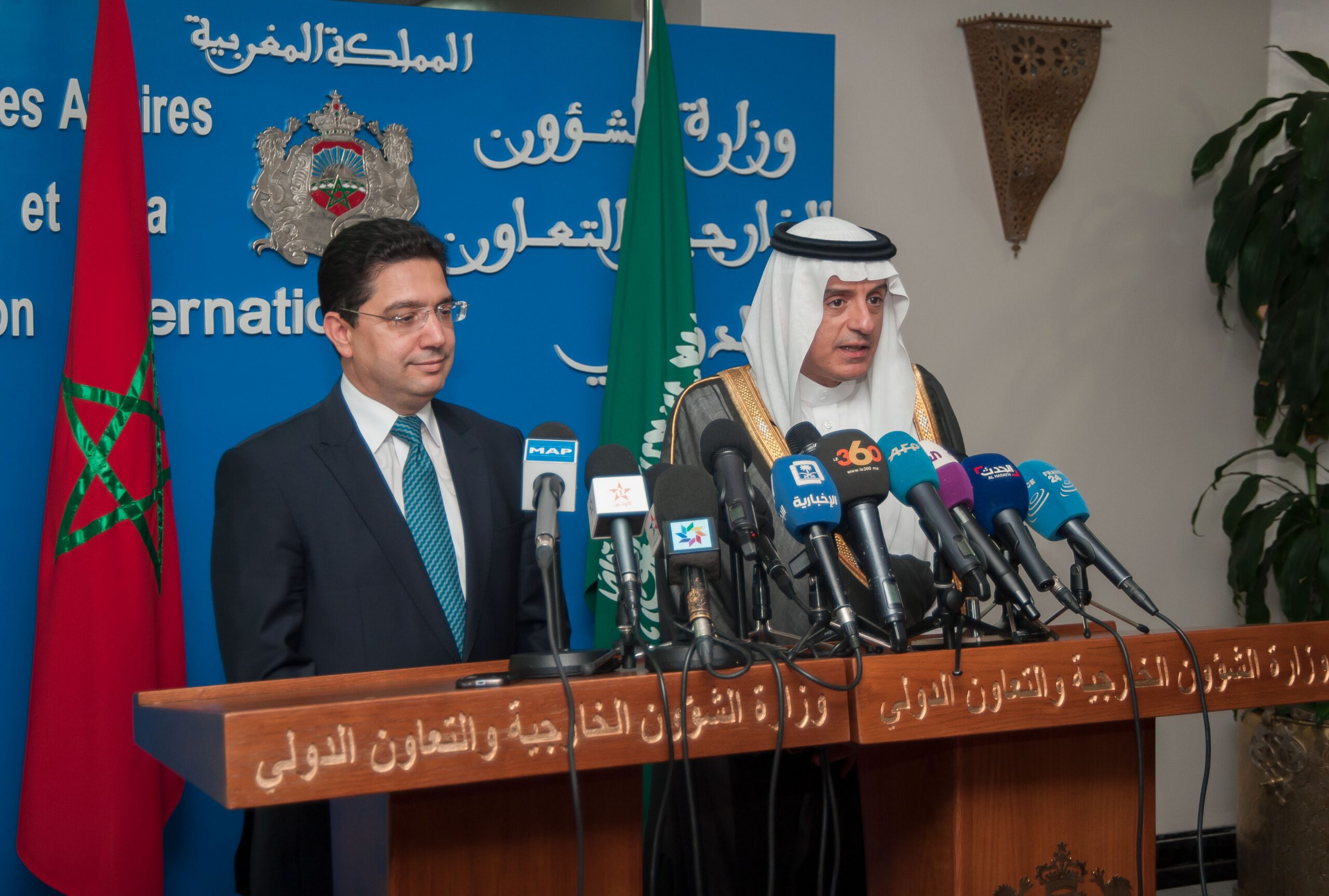
The alliance between Morocco and Saudi Arabia has historically been strong, bolstered by shared concerns about regional turmoil in the aftermath of the 2011 Arab Spring protests, but recent tensions have brought bilateral relations to an all-time low. Last month, frictions between Rabat and Riyadh came to the fore when Morocco recalled its ambassador from Saudi Arabia.
The most recent EU summit, in June 2018, only proved that the EU’s member states do not share any common long-term perspective on migration from Middle East to Europe. This lack of cohesion, as well as a lack of substantial cooperation with the U.S., are the best recipe for a humanitarian disaster in 2019.
The hollow war drums of the Western Sahara conflict
Every year at the end of April, like clockwork, tensions rise between Morocco and the Polisario Front, the group leading the disputed region of Western Sahara’s independence movement. The timing coincides with the U.N. secretary-general’s annual report to the U.N. Security Council on the latest developments in the conflict, which is followed by a vote to renew the peacekeeping mission—known as MINURSO—that has been in place in the territory since 1991.
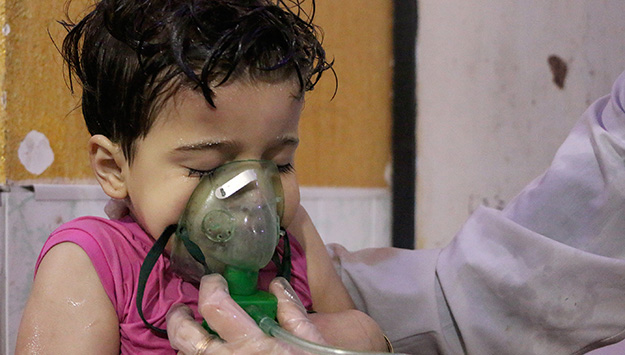
In this week’s Monday Briefing, MEI experts Robert S. Ford, Gerald Feierstein, Randa Slim, and Alex Vatanka provide analysis on recent and upcoming events including the chemical attack on Douma, Sheikh Tamim’s Tuesday meeting with Trump, Lebanese parliamentary elections, Moroccan and Algerian tension over Western Sahara, and Iran and India’s strategic partnership.
Seven years after the outbreak of the Arab Spring in North Africa, demonstrators are taking to the streets again. In Tunisia, protesters demand change to new austerity laws, which compound already stagnant economic conditions and youth unemployment. Protests have also occurred in the small town of Jerada in Morocco following the deaths of two young miners. Both of these movements reflect ongoing socio-economic inequalities and were met with governmental crackdown.
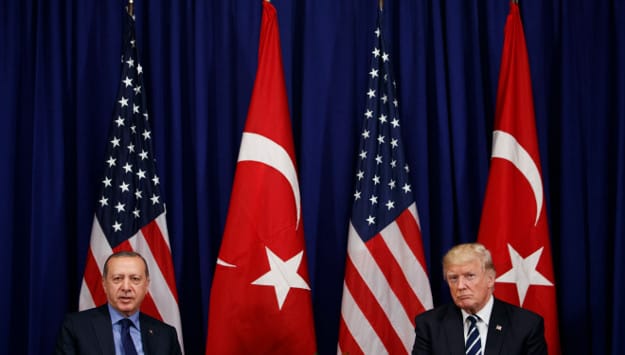
U.S.-Turkey Relations Hit All-Time Low | Weekly Briefing
In this week’s Monday Briefing, MEI experts Gonul Tol, Ibrahim al-Assil, Amal Kandeel, and Jonathan M. Winer provide analysis on recent and upcoming events including the diplomatic row between Turkey and the United States, the arrival of Turkish troops in Idlib, Morocco’s establishment of a national water security strategy amid climate concerns, and the resumption of talks on the Libya Political Agreement in Tunis.
Online and Traditional Forms of Protest Mobilization: Morocco’s Rif Protests and Beyond
When investigating the relative role that social media and other factors can play in the mobilization of popular demonstrations, the recent Rif protests, which some have perceived as having the potential to spark a “second Arab Spring” in Morocco, are interesting to look at. These protests suggest that large-scale popular demonstrations might often result from a combination of both online mobilization and much more traditional mobilization strategies employed by charismatic movement leaders. In this sense, the Rif protests also contradict assumptions about the presumed role of “diffuse leadership,” which emerged in the context of the Arab Spring.
One of the most revealing moments of the recently concluded Ramadan TV season occurred in the new Egyptian series, Don’t Turn Off the Sun. A newly-wedded young wife finds out that her husband is having an affair with his male friend; a liaison that ultimately leads to the dissolution of their marriage. The most telling aspect of what was potentially perceived as a provocative move from the series’ makers was the fact that it didn’t stir any controversy at all.
Art has long been both an instrument for openly engaging in dialogue as well as an agent to force an overdue conversation. The installations of international artists, such as Dawn Weleski, Jon Rubin, Ai Weiwei, and Theaster Gates, all engage with social issues and help introduce new perspectives or dialogue. The fusion of art and socio-political commentary thrives especially in the Middle East, where unrestricted criticism of both government and cultural norms can be seen as heresy.
The Influence of North African Militaries in Foreign Policy-Making
This essay looks at five North African states, arguing that the armed forces — for a variety of often case-specific reasons — are actually not as politically powerful and thus influential in foreign policy-making as one might expect. It first discusses the political strength of the military establishments of five North African states — Morocco, Algeria, Tunisia, Libya, and Egypt — and then investigates the difference, if any, that the recent Arab upheavals have made in their involvement in foreign policy-making.
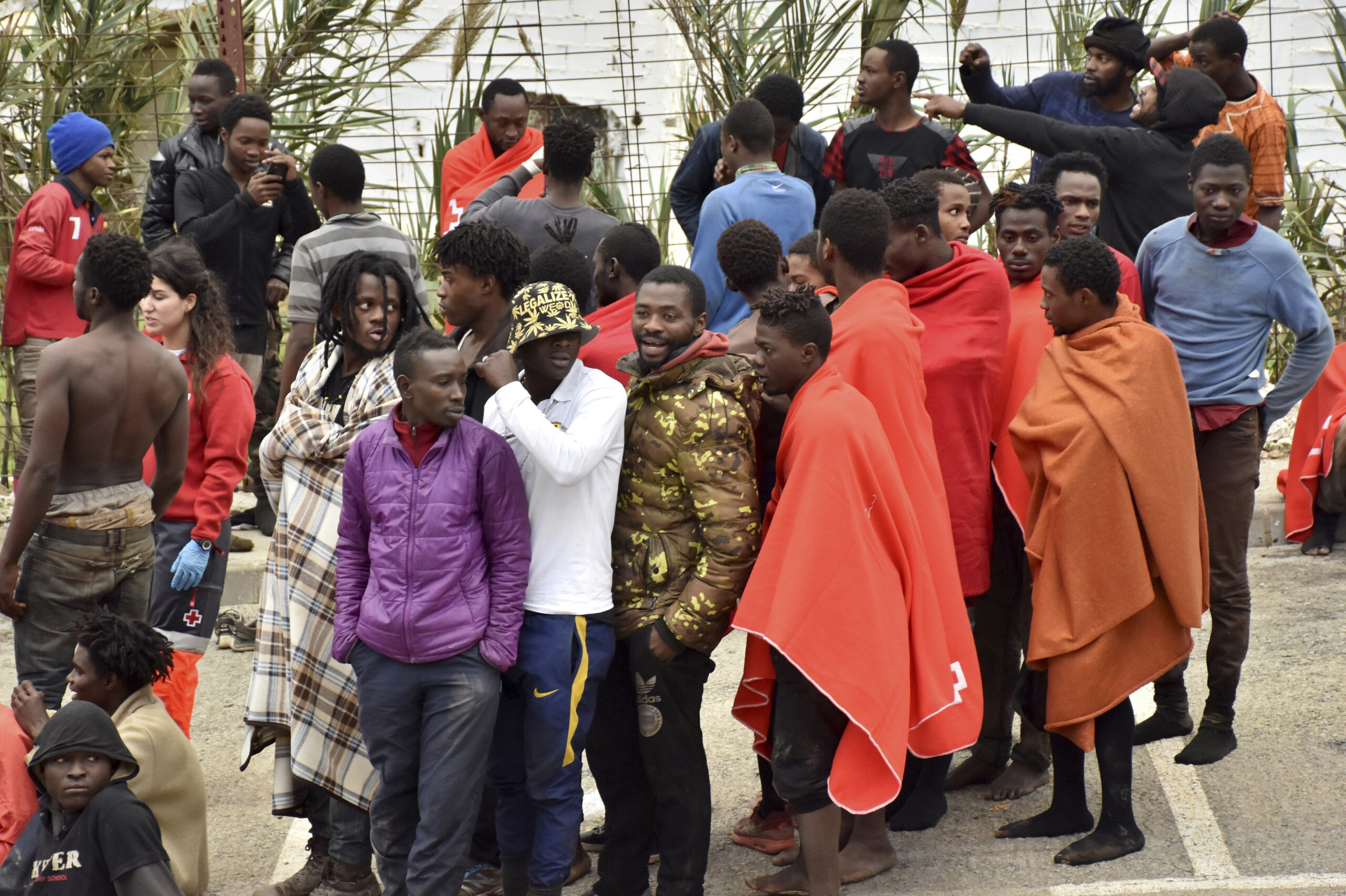
Morocco's Triple Role in the Euro-African Migration System
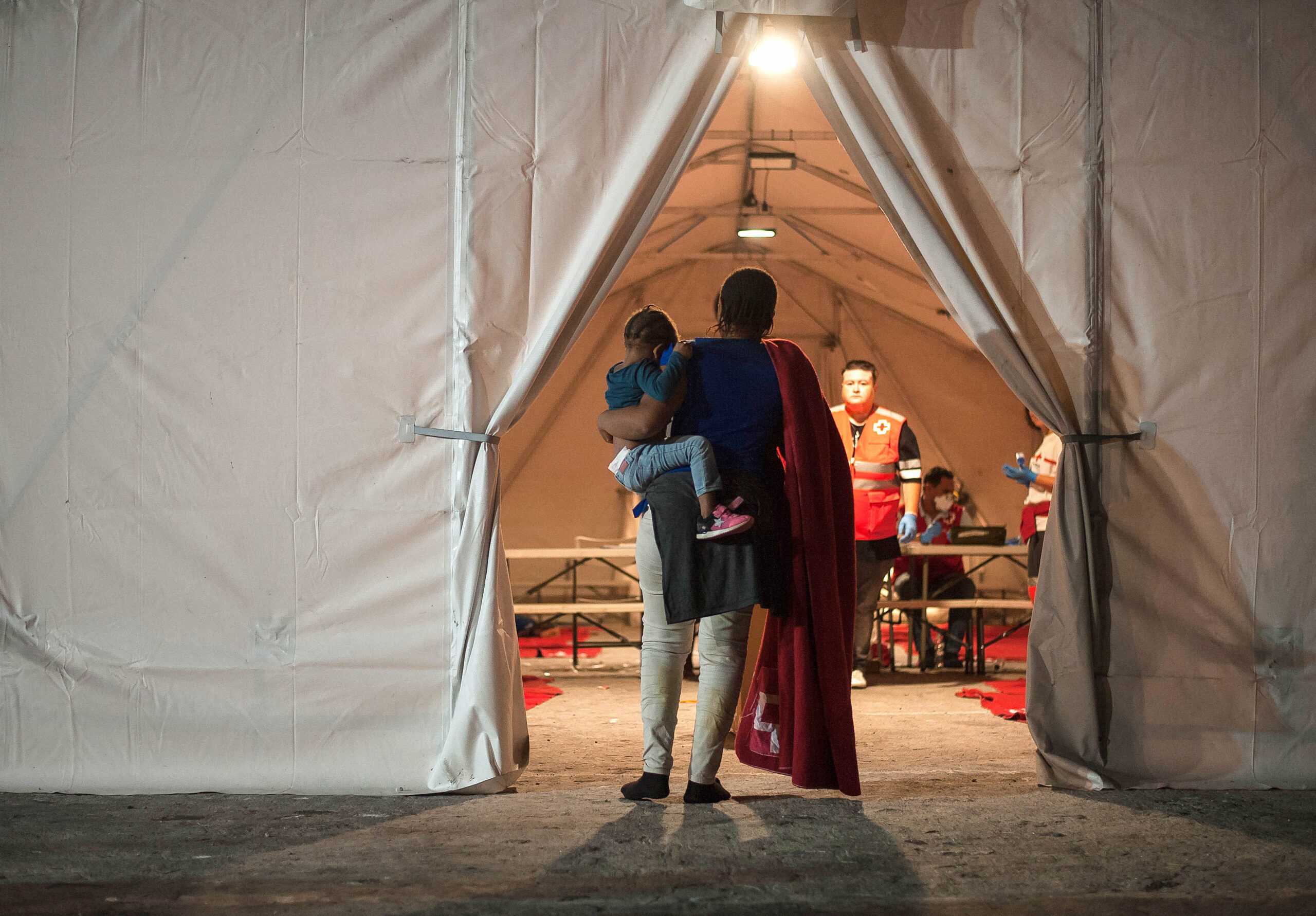
This essay discusses Morocco’s changing role within the Euro-African migration system — that of a source, transit, and final destination country. It briefly addresses the responsibilities and responses of Moroccan authorities in dealing with the phenomenon of irregular migration, in particular as it relates to Morocco’s role as a destination country.
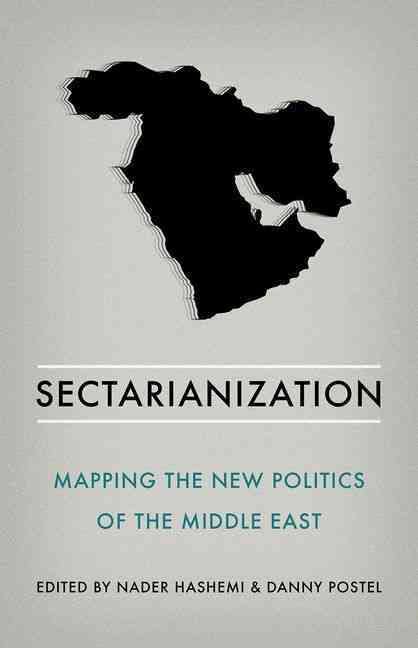
Moroccan Officials Accuse Iran of Spreading Shiism in the Sunni Kingdom
Moroccan officials have reportedly accused Iran of undermining sectarian harmony in the North African country. According to al-Quds al-Araby, Iran is pushing a “Shiite agenda” by recruiting thousands of young Moroccans in cities such as Hasima, which, according to the news outlet, has witnessed several anti-government protests in recent months.
The oldest peer-reviewed publication dedicated to the study of the modern Middle East, MEI’s flagship journal covers politics, society, and culture in the region.