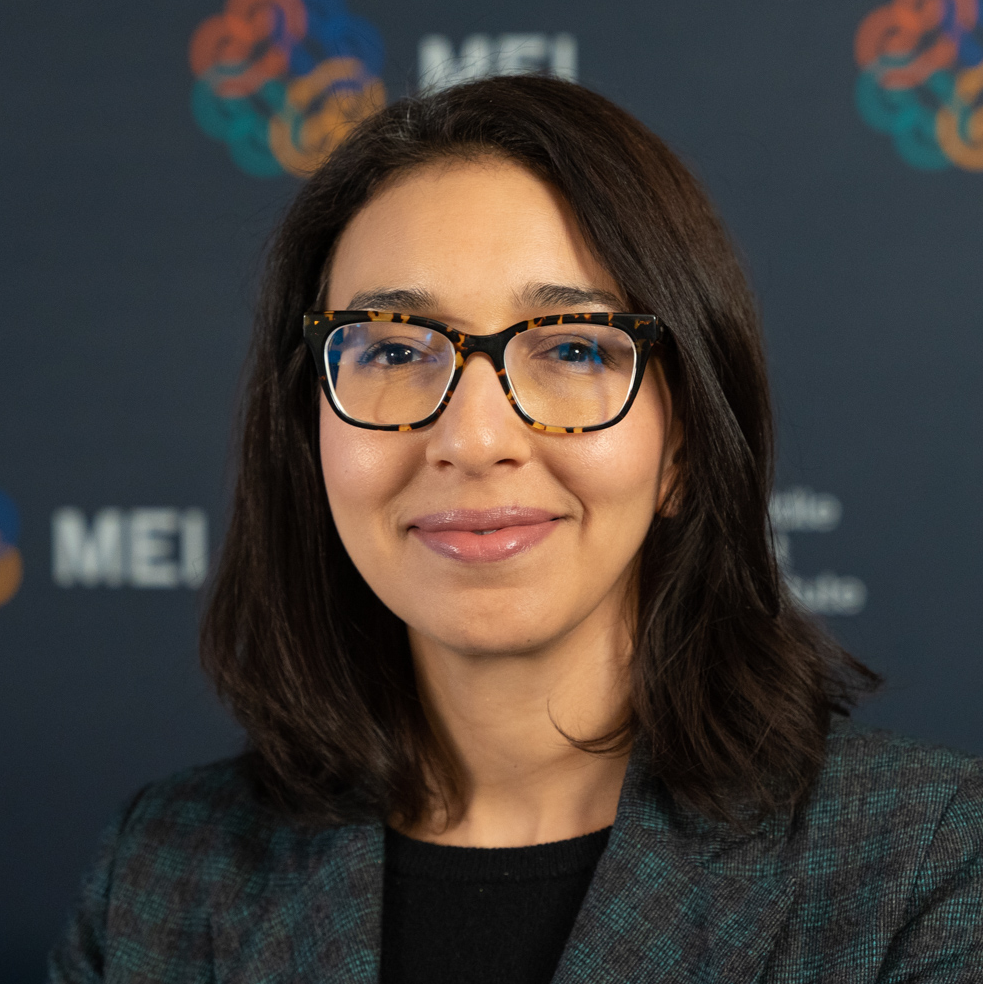
This summer, brutally hot temperatures, deepening water scarcity, and spiking fertilizer costs have put North Africa’s agricultural sector under intense pressure. Host Alistair Taylor is joined by Mohammed Mahmoud, CEO and founder of the Climate and Water Initiative and lead for Middle East Climate and Water Policy at the United Nations University Institute for Water, Environment, and Health, to unpack the region’s food and water security challenges. Drawing on Mahmoud’s new report card on agricultural sustainability in North Africa, they explore the diverging picture across the region, why some countries have weathered the strain better than others, and what it will take to build a more resilient and secure food system.
From Brightest Hope to Open-Air Prison: How Tunisia Lost Its Democratic Promise
Thousands of Tunisians marched in the capital last week against what they called ‘injustice and repression,’ accusing President Kais Saied of cementing one-man rule through the police and judiciary. The protest is part of a wider wave of unrest—journalists, NGOs, fractured political parties, doctors, bankers, and transport workers all say Saied has turned the country into an open-air prison and demand relief from Tunisia’s deepening political and economic crisis.
Sovereignty first: Reshaping international cooperation in North Africa
Countries in North Africa and around the world are increasingly prioritizing a strict definition of sovereignty and tending toward transactional diplomacy. Understanding the motivations behind North Africa’s “sovereignty-first” approach can help the United States and Europe build mutually beneficial and durable links with the region in this new reality.
Supporting Democratic Movements in the Arab World: An Economist's Perspective
The global community was surprised by the suddenness and intensity of democratic movements in the Arab countries. While universally welcomed, the global response in support of these movements has so far been reactive, uncertain, and slow to build up. The only coherent rendering of such an initiative is the declaration of Deauville Partnership by the Group of 8 countries on May26-27, 2011.
After the Arab Spring: Toward Political & Economic Inclusion in the Arab World
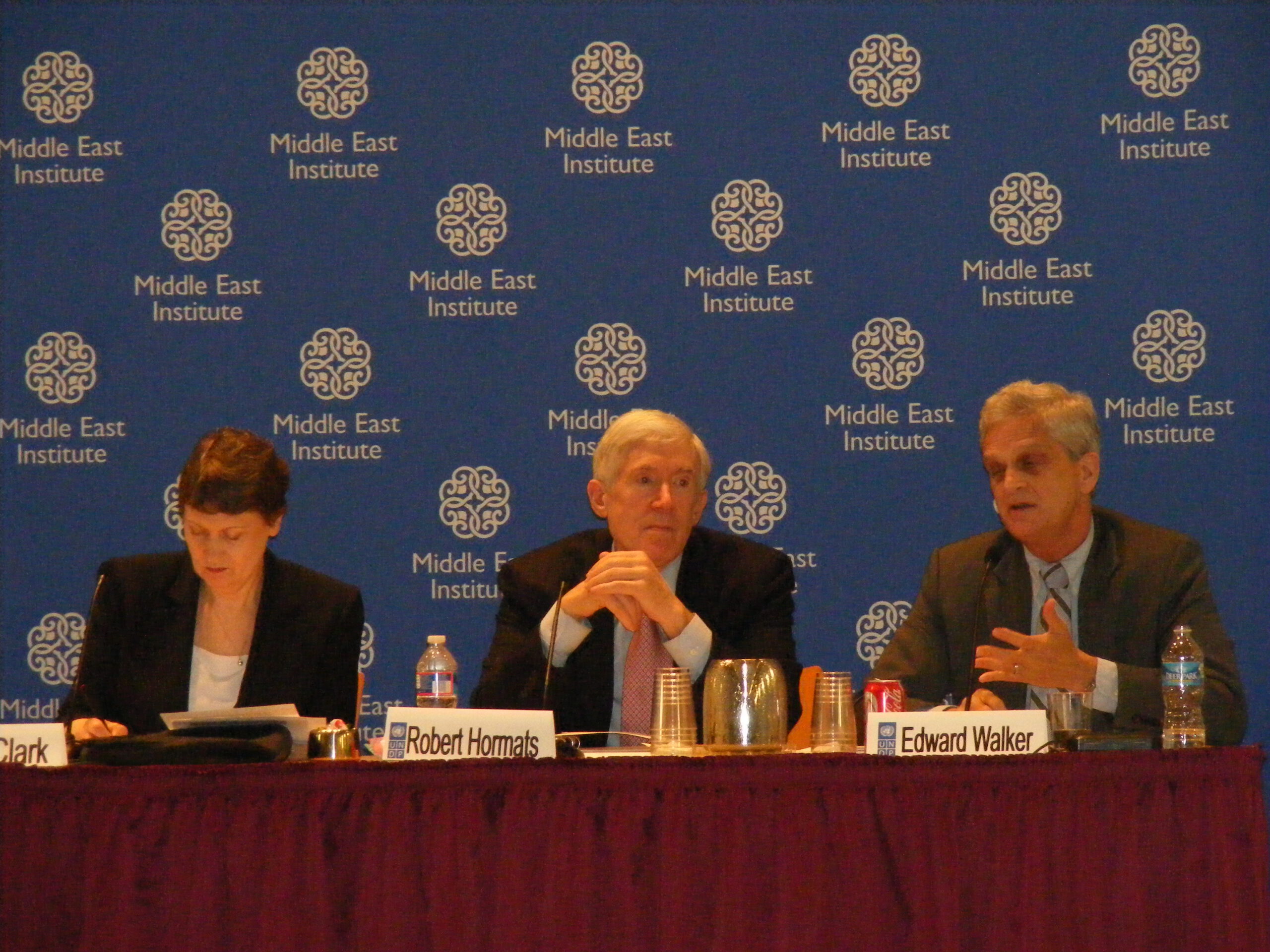
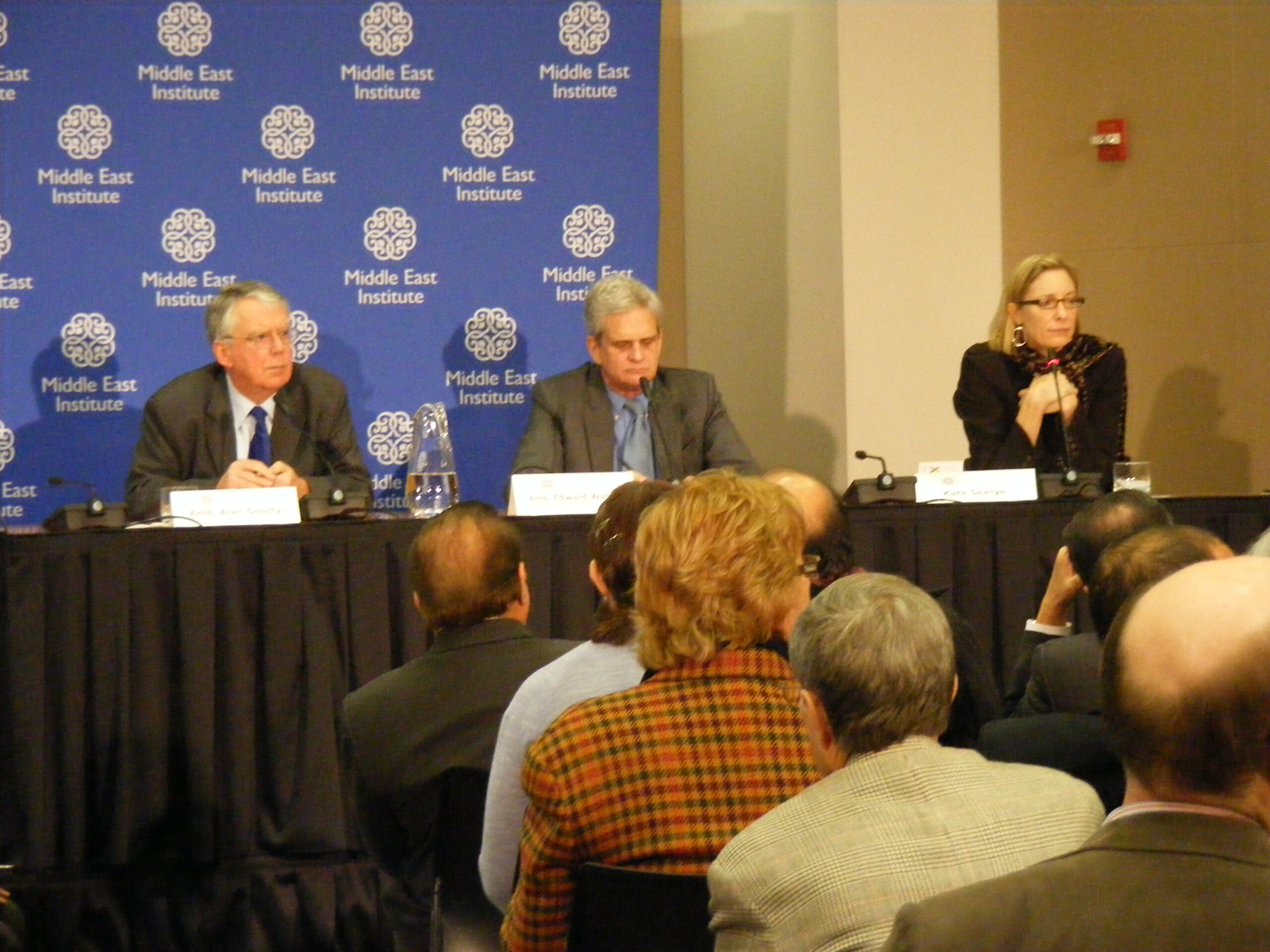
The Middle East Institute and the UNDP are proud to host a discussion with UNDP Administrator Helen Clark, Under Secretary for Economic, Energy and Agricultural Affairs Robert D. Hormats, and Middle East Institute Scholar Amb. Edward Walker about how best to address political, economic and human development needs in the Arab world today.
Environment and Sustainable Development in the Maghreb
The Maghreb extends about 2,000 kilometers on either side of the Greenwich meridian (-13° West from Cabo Jubi and 11.08° East to Kelibia) and is located on the same longitude as Europe. Although the Maghreb forms a single climatologic and geographical unit, it is a diverse landscape of mountains, fertile areas, and steppes. Nevertheless, the similarity of climate, geography, and culture in the Maghreb provides a solid foundation for developing a common environmental strategy.
The oldest peer-reviewed publication dedicated to the study of the modern Middle East, MEI’s flagship journal covers politics, society, and culture in the region.