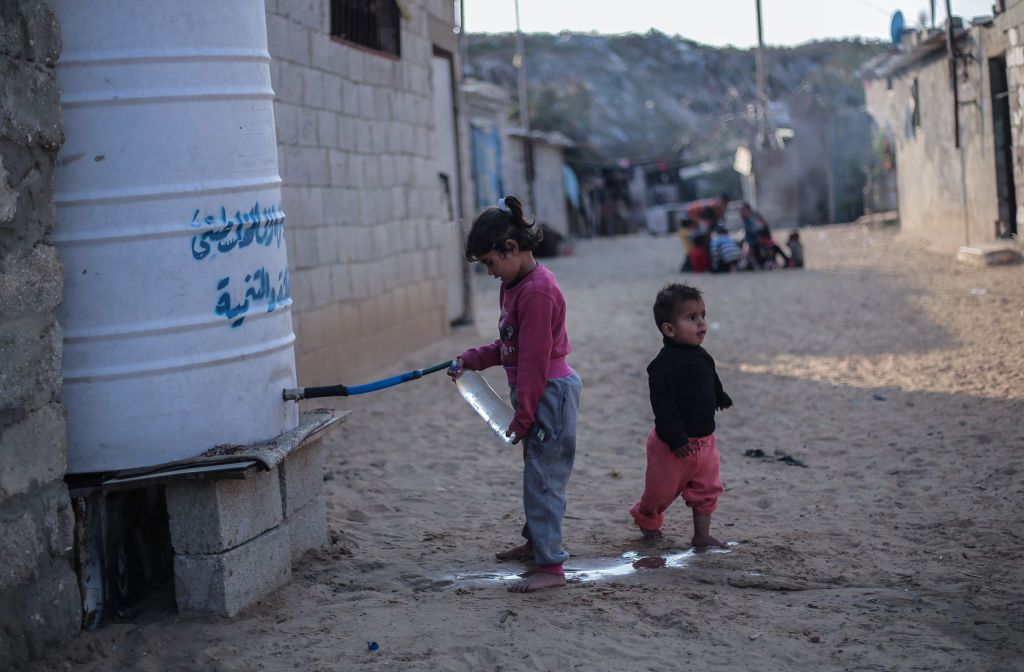
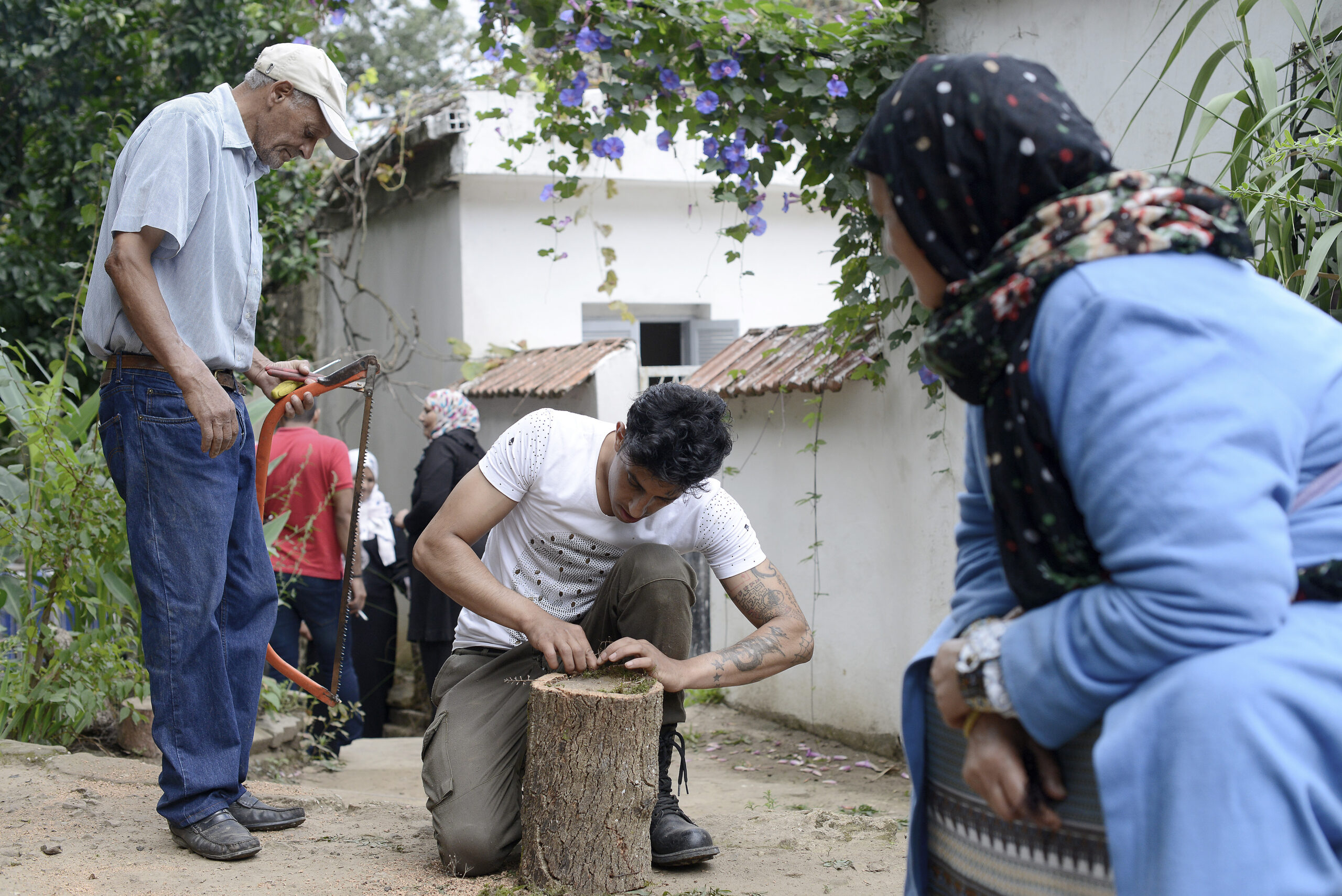
This summer, brutally hot temperatures, deepening water scarcity, and spiking fertilizer costs have put North Africa’s agricultural sector under intense pressure. Host Alistair Taylor is joined by Mohammed Mahmoud, CEO and founder of the Climate and Water Initiative and lead for Middle East Climate and Water Policy at the United Nations University Institute for Water, Environment, and Health, to unpack the region’s food and water security challenges. Drawing on Mahmoud’s new report card on agricultural sustainability in North Africa, they explore the diverging picture across the region, why some countries have weathered the strain better than others, and what it will take to build a more resilient and secure food system.
From Brightest Hope to Open-Air Prison: How Tunisia Lost Its Democratic Promise
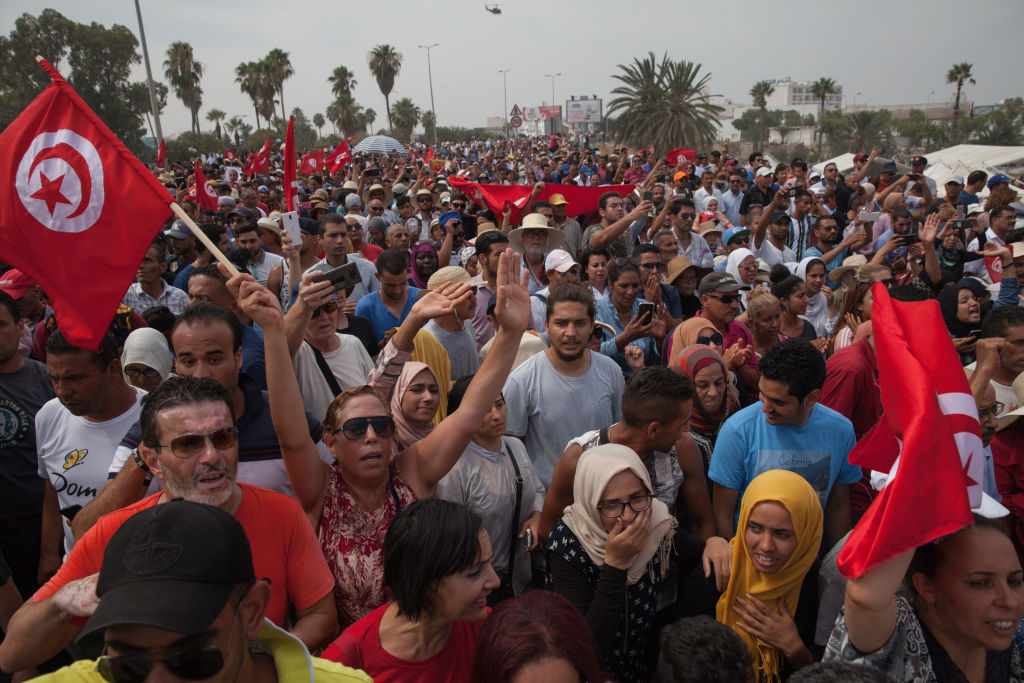
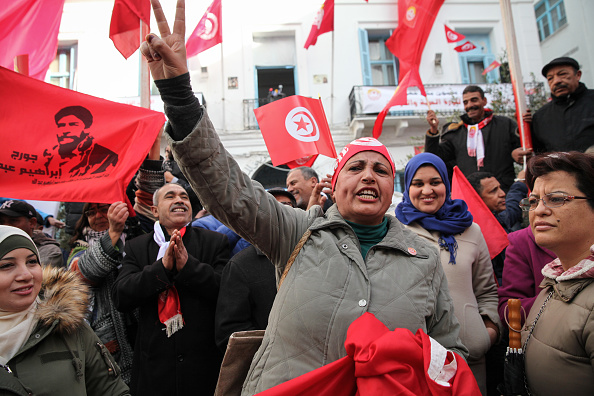
Thousands of Tunisians marched in the capital last week against what they called ‘injustice and repression,’ accusing President Kais Saied of cementing one-man rule through the police and judiciary. The protest is part of a wider wave of unrest—journalists, NGOs, fractured political parties, doctors, bankers, and transport workers all say Saied has turned the country into an open-air prison and demand relief from Tunisia’s deepening political and economic crisis.
Sovereignty first: Reshaping international cooperation in North Africa
Countries in North Africa and around the world are increasingly prioritizing a strict definition of sovereignty and tending toward transactional diplomacy. Understanding the motivations behind North Africa’s “sovereignty-first” approach can help the United States and Europe build mutually beneficial and durable links with the region in this new reality.
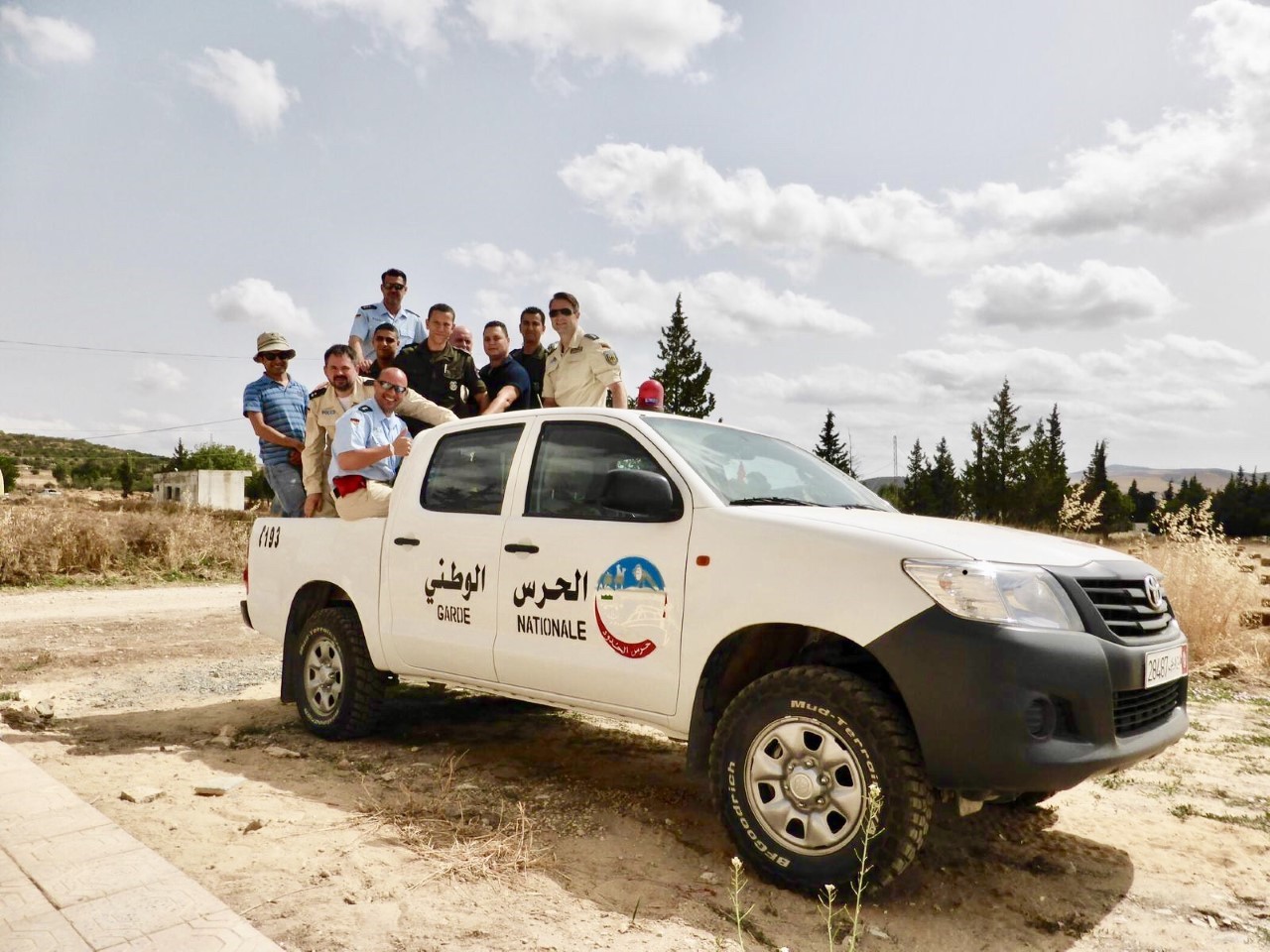
What is Germany Bringing to Tunisia’s Security Sector?
Tunisia is an important security partner for Germany, and a key part of the Federal Republic’s enhanced security involvement in the MENA region. Germany is due to release a new strategy for working on security sector assistance and reform abroad, which will give direction to work in Tunisia and elsewhere. Examining how Germany has performed according its own stated principles in Tunisia highlights policy points for this new strategy, covering greater commitment to governance, gendered security and transparency. With German security spending on the rise, there is a lot to play for.
Tunisia’s patrician president embodied its strengths, values, and vulnerabilities
Laudatory statements and obituaries are pouring in for Béji Caïd Essebsi, who died last Thursday, July 25, in Tunis, and have emphasized his singular landmark accomplishment: serving as Tunisia’s first democratically elected president. While Essebsi’s legacy as president will be mixed, and he may not have been the greatest promoter of democratic praxis, he did emerge as Tunisian democracy’s greatest defender. What he leaves Tunisia and the world is a brilliant incomplete experiment, and, despite the growing resilience of Tunisians tested at the borders and in unruly borderlands, still a fragile experiment.
Freshwater Resources in the MENA Region: Risks and Opportunities
A reliable supply of freshwater is a prerequisite for sustainable socioeconomic development, as well as for sociopolitical stability and human prosperity, especially in semi-arid and arid regions of the world. The Middle East and North Africa’s freshwater resources are under immense pressures and are facing significant risks to their sustainability due to overexploitation, climate change, and interstate competition over their use that extends beyond the region’s boundaries.
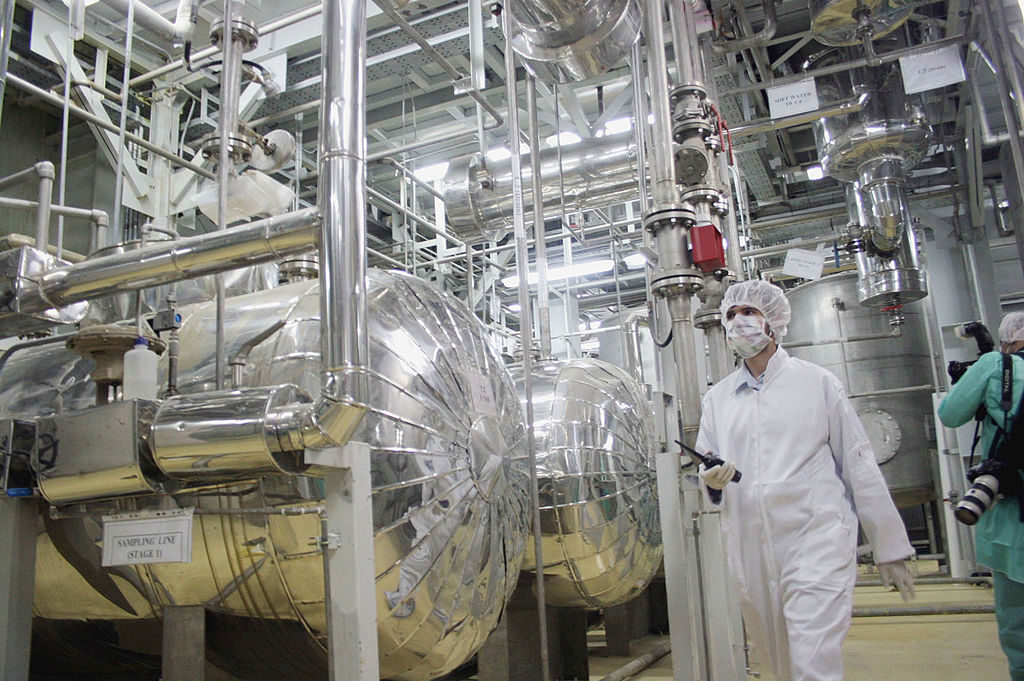
In this week’s Monday Briefing, MEI experts Alex Vatanka, Gonul Tol, Gerald Feierstein, Marvin G. Weinbaum, Rauf Mammadov, and Robert S. Ford provide analysis on recent and upcoming events including Iran’s announcement that it has exceeded its enriched uranium limit, Turkey’s purchase of Russia’s S-400s missile defense system over American objections, an Emirati announcement that it will downsize military involvement in Yemen, the resumption of intra-Afghan peace talks, Russia’s continuing embrace of OPEC+ oil production cuts, and the emergence of potential threats to Tunisia’s democracy.
With elections set for the fall, Tunisian voters are searching for leaders to emerge who can tackle issues of political fragmentation, long standing economic problems, growing protests, and a volatile regional environment with civil war in Libya on one side and political upheaval in Algeria on the other. Sarah Yerkes, a fellow with the Carnegie Endowment’s Middle East program, and Sharan Grewal, postdoctoral fellow at the Brookings Center for Middle East Policy, join host Alistair Taylor to discuss.
Diaspora Activism in France and Italy and Tunisia’s Democratic Transition
Scholar Charles Tilly does not believe that social capital can, by itself, build democracy. In fact, according to Tilly, citizens lacking favorable environmental and historical conditions — even if highly engaged — cannot establish a democracy. If establishing democratic institutions is such an arduous task for citizens living under dictatorship, what political leverage do those living in the diaspora possess? This article explores how the Tunisian diasporas in Italy and France have sought to help implement the transition to democracy.
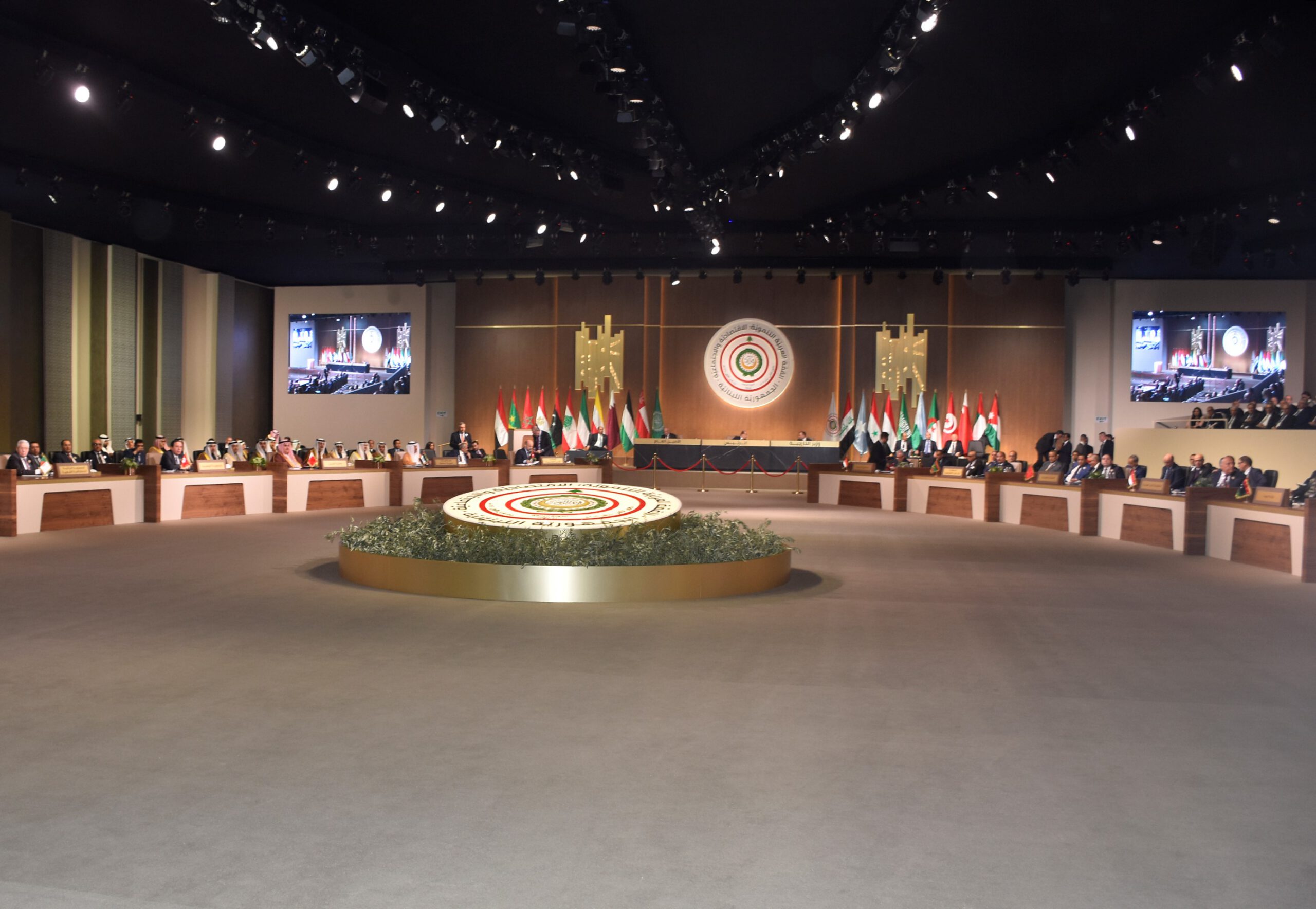
Observers of political affairs in the Arab world are keeping a close eye on the upcoming Arab League summit, set to be held at the end of March in Tunis. Although Syria will not participate in the meeting, the question of when, or how, to bring Damascus in from the cold after an eight-year suspension from the body will be the most important issue on the agenda.
Since the intensive campaign of civil resistance that culminated in the January 2011 ousting of President Zine El Abidine Ben Ali after 24 years in power, Tunisia has undergone a political transition that has produced a new constitution, unharnessed civil society, and delivered much-needed political and economic reforms. Although the transition process has also included security sector reform (SSR), Tunisians remain insecure — subjected to a steady, unabated diet of everyday violence.
Weekly Briefing: Failed Arab Economic Summit in Beirut underscores divisions
In this week’s Weekly Briefing, contributors Paul Salem, Marvin G. Weinbaum, William Lawrence, Ruba Husari, and Jean-François Seznec provide analysis on recent and upcoming events including the Arab Economic Summit held in Beirut this weekend, Afghanistan’s upcoming presidential elections, strikes in Tunisia, the Trump administration’s next steps on Iranian oil policy, and Saudi Aramco’s $10B bond issue.
Saudi-Tunisian relations: Balancing fiscal support and foreign policy
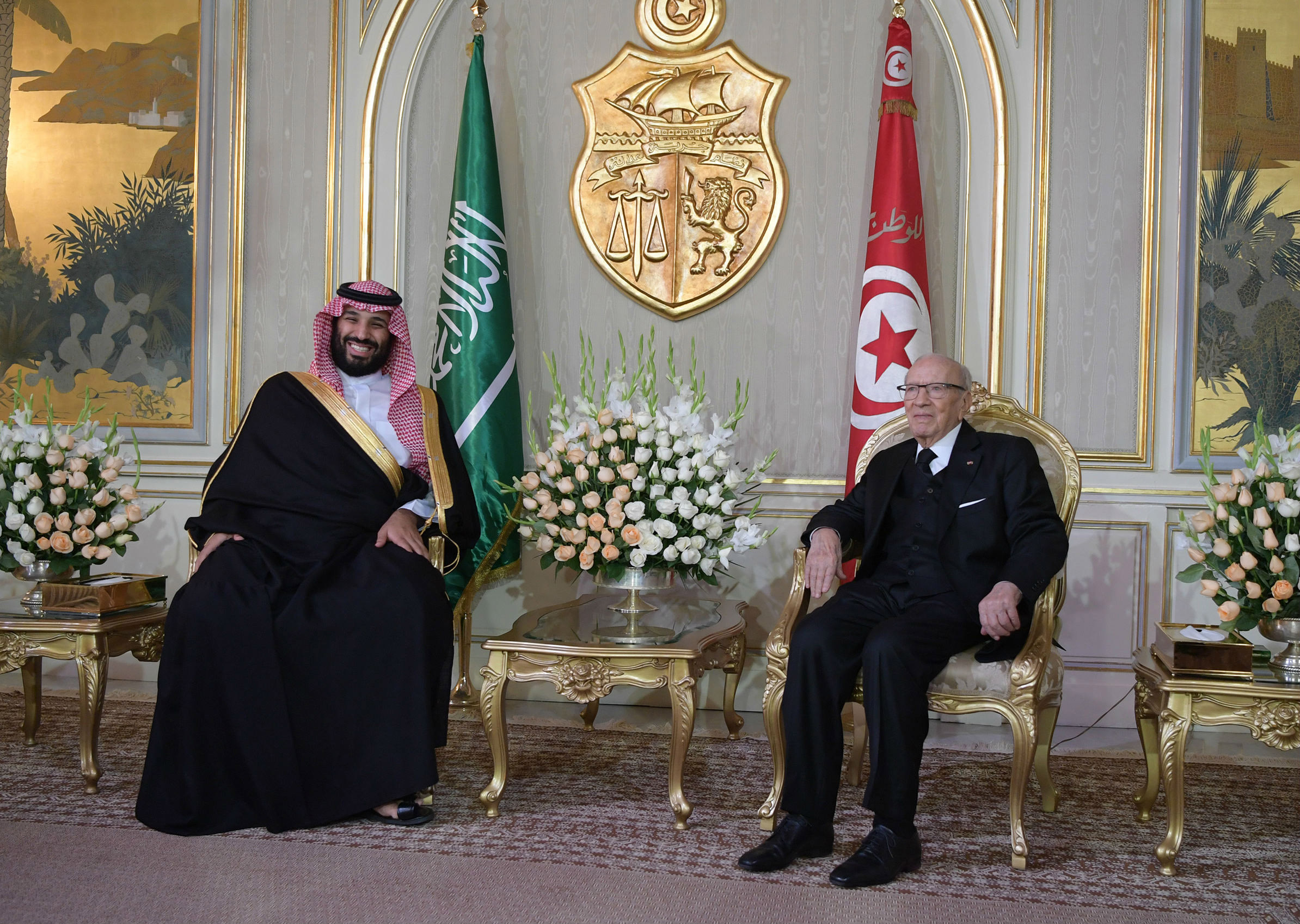
While Tunisia remains geographically and politically distant from Saudi Arabia, its economic troubles may offer an opportunity for the kingdom to leverage fiscal aid to secure stronger bilateral ties.
Elections in Tunisia and hope for democratic reform
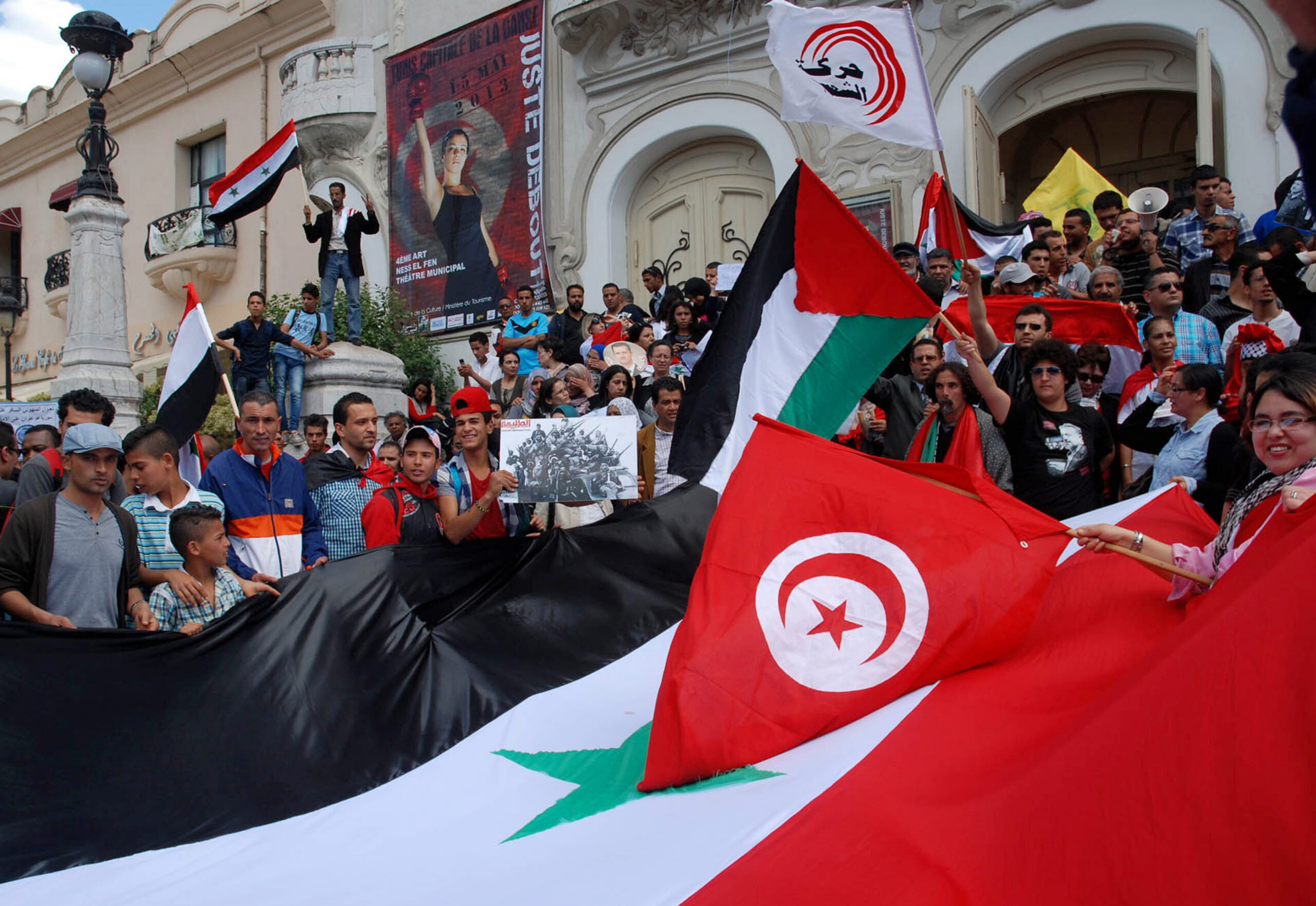
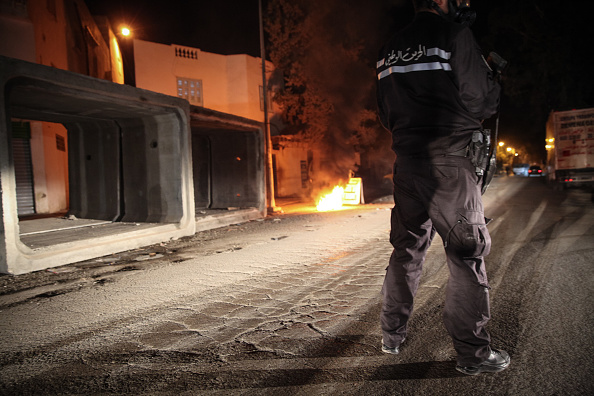
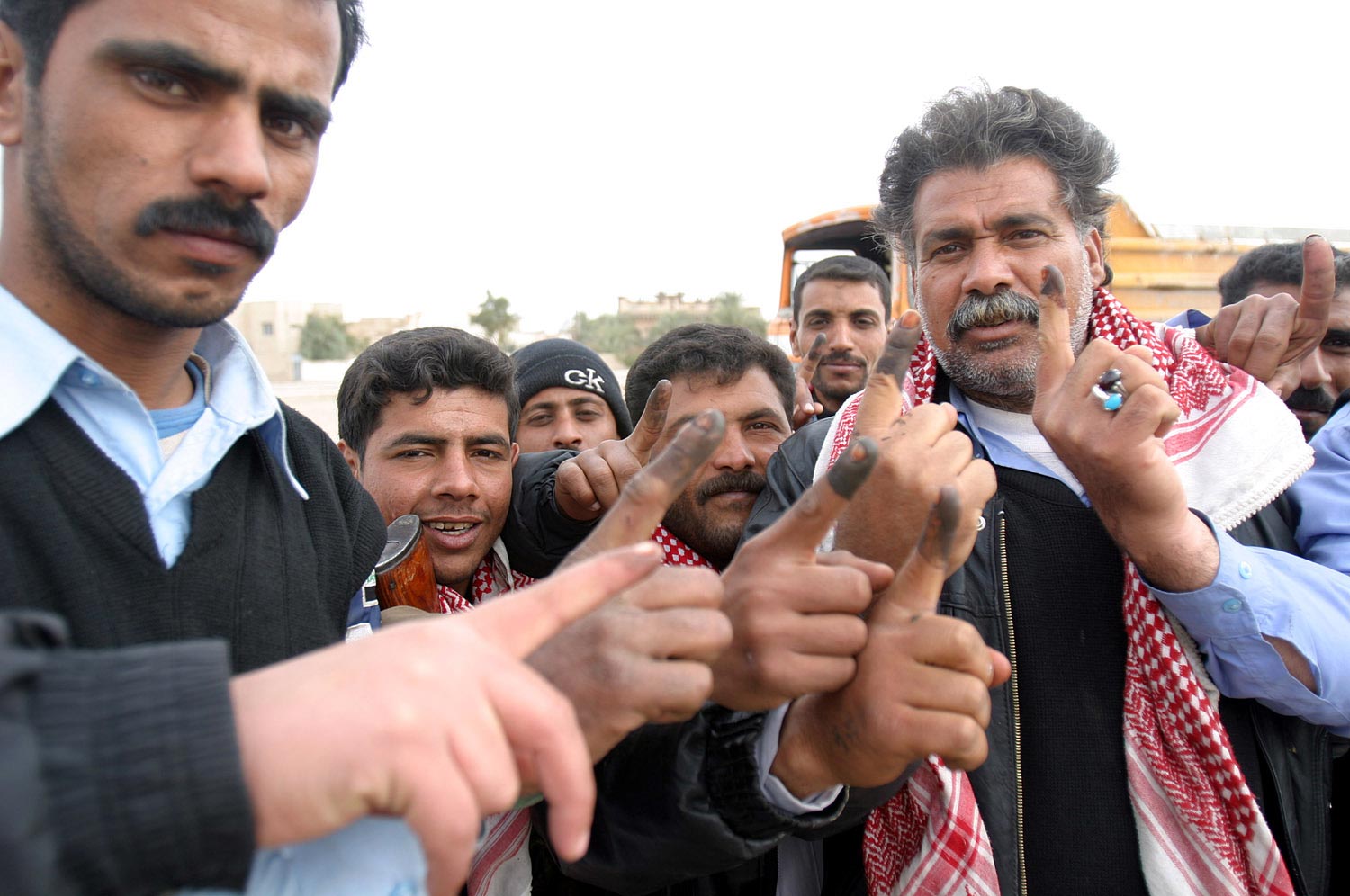
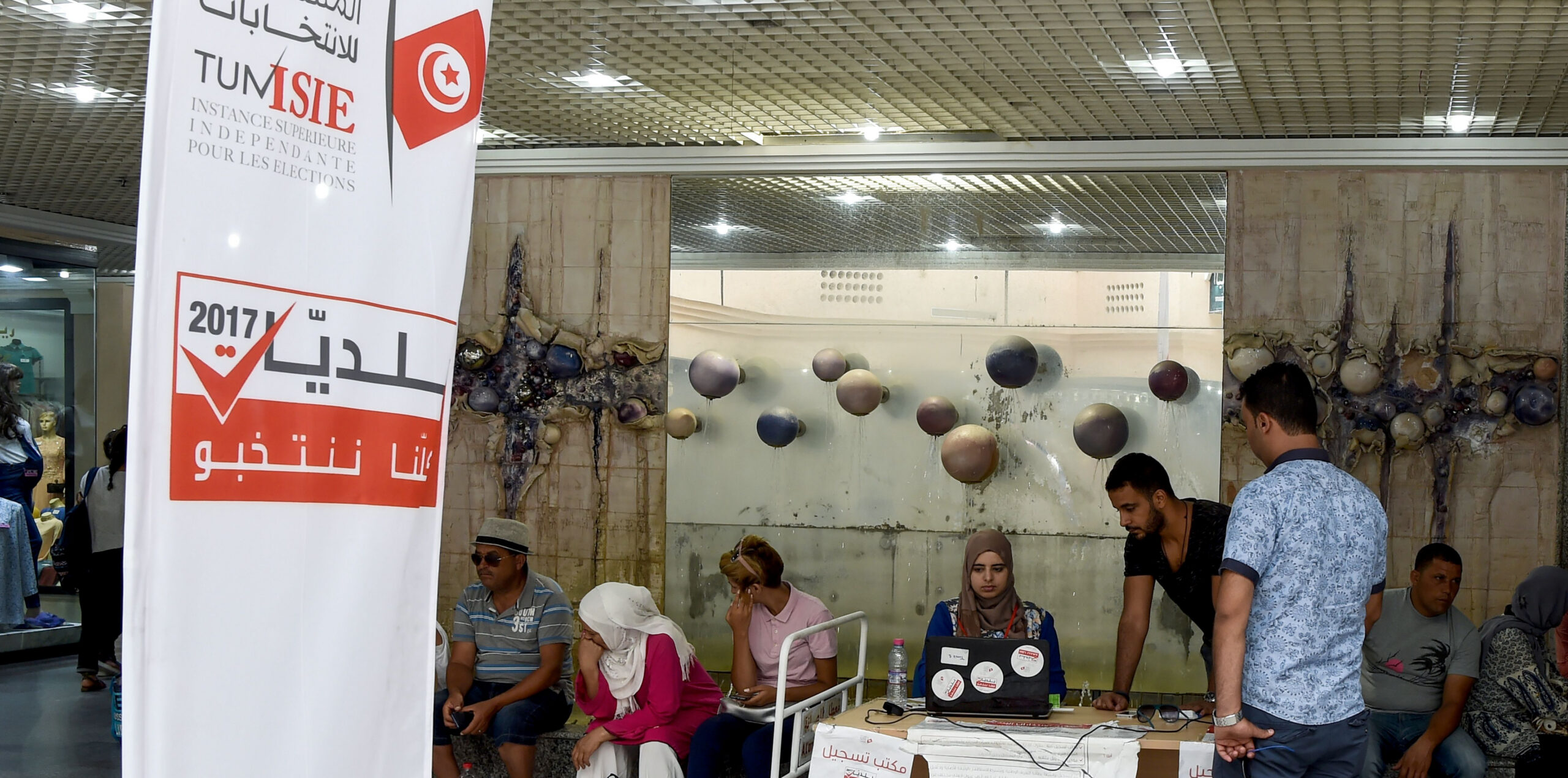
Leading up to long-awaited municipal elections, Tunisia is at a crossroads. The beginning of 2018 saw widespread protests and social unrest in both cities and rural areas, as economic stagnation and unemployment continue to worsen. However, the vote currently set for May 6 signals an opportunity for Tunisian youth, women, and minorities to make their voices heard.
The oldest peer-reviewed publication dedicated to the study of the modern Middle East, MEI’s flagship journal covers politics, society, and culture in the region.