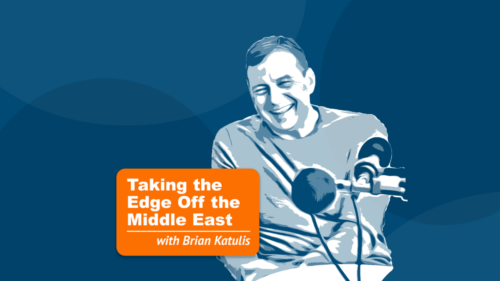
MEI Senior Fellow Brian Katulis engages friends, colleagues, and policy experts in casual conversations on the most important happenings in the Middle East.
Moderator: Robin Wright, USIP-Wilson Center Distinguished ScholarHossam Bahgat, Egyptian Initiative for Personal RightsMirette Mabrouk, Atlantic Council Jawad Nabulsi, al Nebny Foundation Diane Singerman, American University
Moderator: Robin Wright, USIP-Wilson Center Distinguished ScholarHossam Bahgat, Egyptian Initiative for Personal RightsMirette Mabrouk, Atlantic Council Jawad Nabulsi, al Nebny Foundation Diane Singerman, American University
Moderator: Robin Wright, USIP-Wilson Center Distinguished ScholarHossam Bahgat, Egyptian Initiative for Personal RightsMirette Mabrouk, Atlantic Council Jawad Nabulsi, al Nebny Foundation Diane Singerman, American University
Moderator: Robin Wright, USIP-Wilson Center Distinguished ScholarHossam Bahgat, Egyptian Initiative for Personal RightsMirette Mabrouk, Atlantic Council Jawad Nabulsi, al Nebny Foundation Diane Singerman, American University
Moderator: Robin Wright, USIP-Wilson Center Distinguished ScholarHossam Bahgat, Egyptian Initiative for Personal RightsMirette Mabrouk, Atlantic Council Jawad Nabulsi, al Nebny Foundation Diane Singerman, American University
Panel II: Working Toward a National Reconciliation
Panel II: Working Toward a National Reconciliation 11:00am-12:30pmModerator: Thomas Friedman, New York TimesNader Bakkar—co-founder, al Nour PartyDina Guirguis—Tahrir Institute for Middle East PolicyWael Haddara—former senior advisor to Mohamed MorsiHani Sarie Eldin—al Dostour Party
Panel II: Working Toward a National Reconciliation
Panel II: Working Toward a National Reconciliation 11:00am-12:30pmModerator: Thomas Friedman, New York TimesNader Bakkar—co-founder, al Nour PartyDina Guirguis—Tahrir Institute for Middle East PolicyWael Haddara—former senior advisor to Mohamed MorsiHani Sarie Eldin—al Dostour Party
Panel II: Working Toward a National Reconciliation
Panel II: Working Toward a National Reconciliation 11:00am-12:30pmModerator: Thomas Friedman, New York TimesNader Bakkar—co-founder, al Nour PartyDina Guirguis—Tahrir Institute for Middle East PolicyWael Haddara—former senior advisor to Mohamed MorsiHani Sarie Eldin—al Dostour Party
Panel II: Working Toward a National Reconciliation
Panel II: Working Toward a National Reconciliation 11:00am-12:30pmModerator: Thomas Friedman, New York TimesNader Bakkar—co-founder, al Nour PartyDina Guirguis—Tahrir Institute for Middle East PolicyWael Haddara—former senior advisor to Mohamed MorsiHani Sarie Eldin—al Dostour Party
Panel II: Working Toward a National Reconciliation
Panel II: Working Toward a National Reconciliation 11:00am-12:30pmModerator: Thomas Friedman, New York TimesNader Bakkar—co-founder, al Nour PartyDina Guirguis—Tahrir Institute for Middle East PolicyWael Haddara—former senior advisor to Mohamed MorsiHani Sarie Eldin—al Dostour Party
Panel I: Forging A Viable Political PathModerator: David Rothkopf, Foreign PolicyKhalil al Anani, Middle East Institute Graeme Bannerman, Middle East instituteKarim Haggag, National Defense UniversityTarek Masoud, Harvard University’s John F. Kennedy School of Government
Panel I: Forging A Viable Political PathModerator: David Rothkopf, Foreign PolicyKhalil al Anani, Middle East Institute Graeme Bannerman, Middle East instituteKarim Haggag, National Defense UniversityTarek Masoud, Harvard University’s John F. Kennedy School of Government
Panel I: Forging A Viable Political PathModerator: David Rothkopf, Foreign PolicyKhalil al Anani, Middle East Institute Graeme Bannerman, Middle East instituteKarim Haggag, National Defense UniversityTarek Masoud, Harvard University’s John F. Kennedy School of Government
Panel I: Forging A Viable Political PathModerator: David Rothkopf, Foreign PolicyKhalil al Anani, Middle East Institute Graeme Bannerman, Middle East instituteKarim Haggag, National Defense UniversityTarek Masoud, Harvard University’s John F. Kennedy School of Government
Panel I: Forging A Viable Political PathModerator: David Rothkopf, Foreign PolicyKhalil al Anani, Middle East Institute Graeme Bannerman, Middle East instituteKarim Haggag, National Defense UniversityTarek Masoud, Harvard University’s John F. Kennedy School of Government