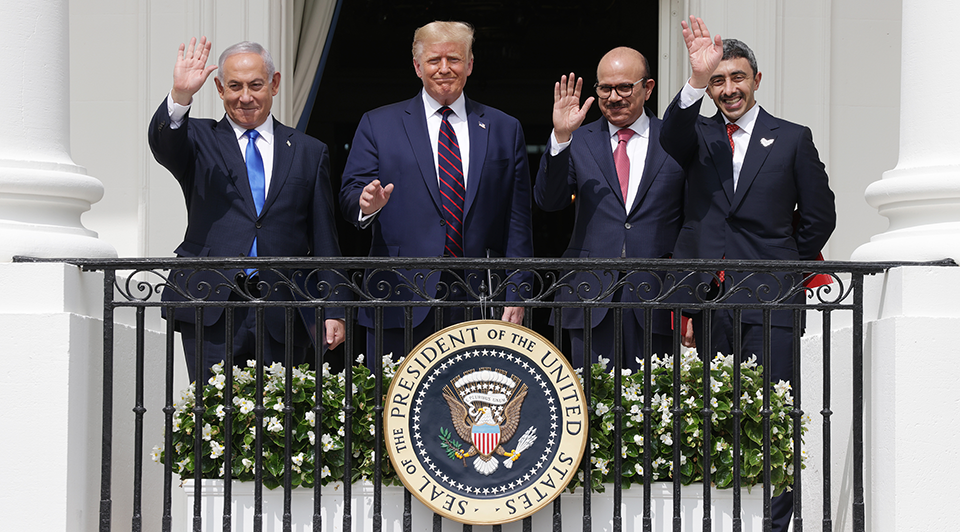
On September 15, President Trump presided over a ceremony on the South Lawn of the White House where Prime Minister Benjamin Netanyahu of Israel and the foreign ministers of the United Arab Emirates (UAE) and Bahrain, Abdullah bin Zayed Al Nahyan and Abdullatif Al Zayani, respectively, signed a general declaration of principles, called “The Abraham Accords.” Numerous analysts have focused on the regional impact of the normalization of relations between Israel and these two Gulf Arab countries. However, this development has worldwide geopolitical implications — including for China.
Socioeconomic effects of energy transition in the Black Sea
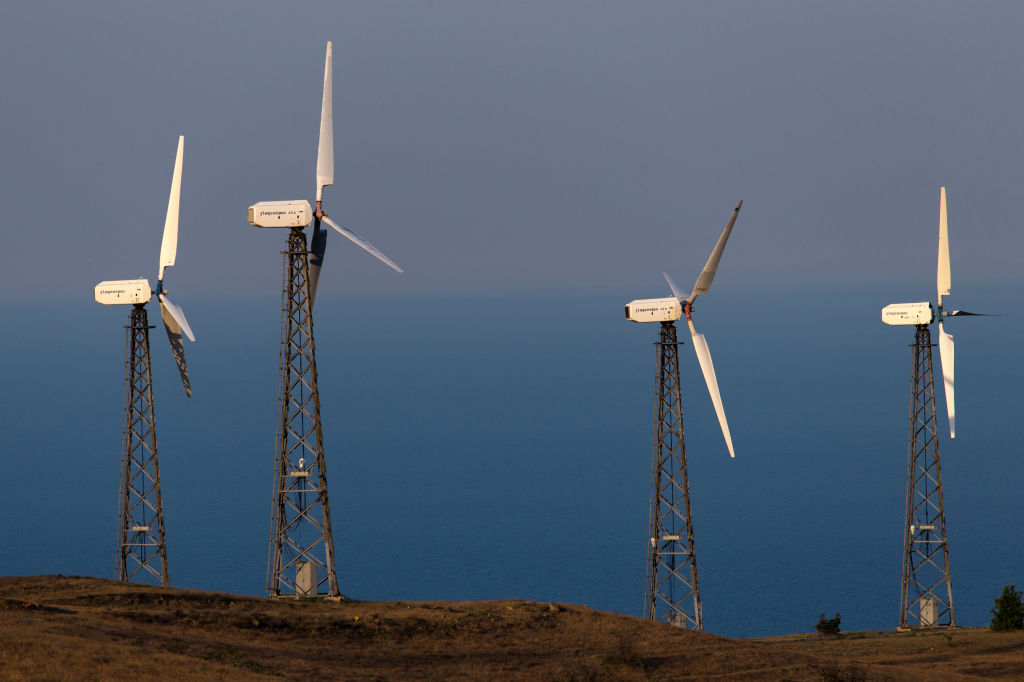
Energy transition is the shift from burning fossil fuels for electricity, heating, cooking, or transportation, to low carbon generation such as nuclear facilities or wind and solar power plants. For all countries, the energy transition process is laborious and raises challenging financial and social concerns. But this process comes with additional geopolitical dilemmas in a region such as the Black Sea basin.
Trump, the CIA, and our disorienting Iranian policy ride
Understanding President Donald J. Trump’s position on Iran over the two remaining months until the November election is no feat for the fainthearted. Depending on the source to which one subscribes, Trump is either provoking conflict with Iran or working a secret back channel to secure a deal, both variables purportedly intended to support his election prospects. So which is it? Or can it be both?
The benefits and challenges of UAE-Israel normalization
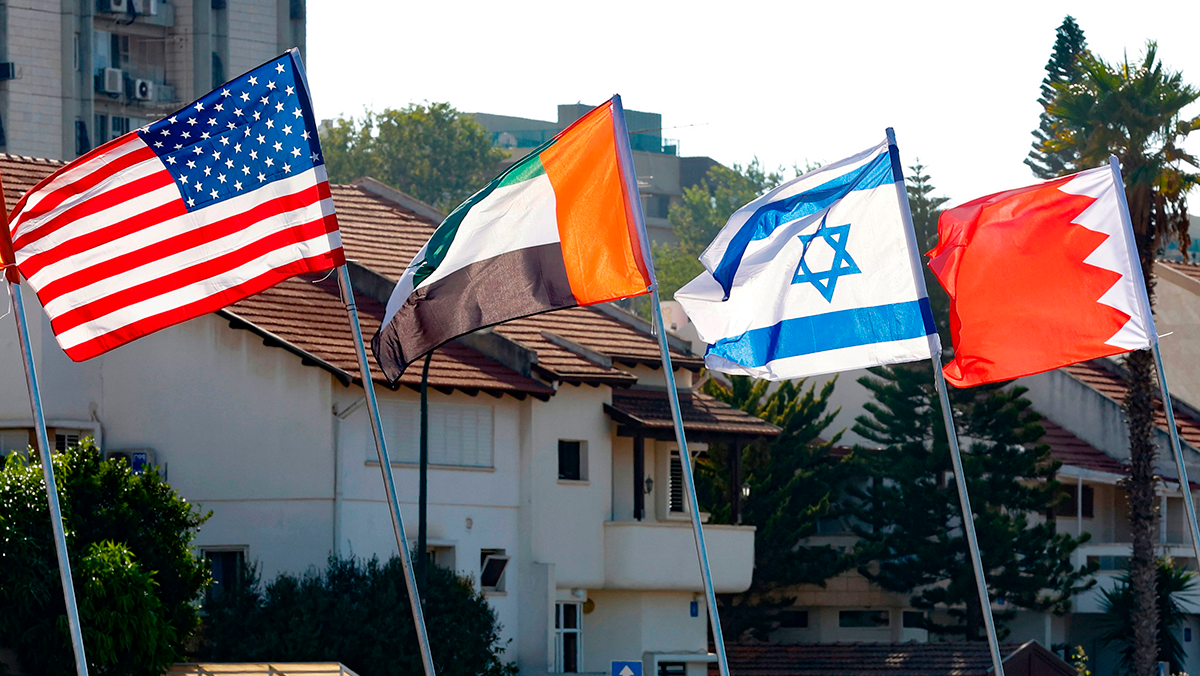
Israel and the United Arab Emirates (UAE) have initiated a process that, if it comes to fruition, will bring about the normalization of relations between the two countries. The broader geostrategic challenges that the agreement could pose for Israel and the UAE have not been part of the public discourse, however, and any balanced treatment requires a discussion of those aspects as well.
Is the Israel-UAE agreement a game changer for Israel?
In an Aug. 13 tweet, U.S. President Donald Trump celebrated the Israeli-Emirati accord to normalize relations as a “HUGE breakthrough.” Israel’s integration into the region has been a goal of U.S. and Israeli foreign policy for decades, and the mid-August announcement was the first major official step in that direction in over 25 years. But is this really a game changer for Israel’s strategy in the Middle East?
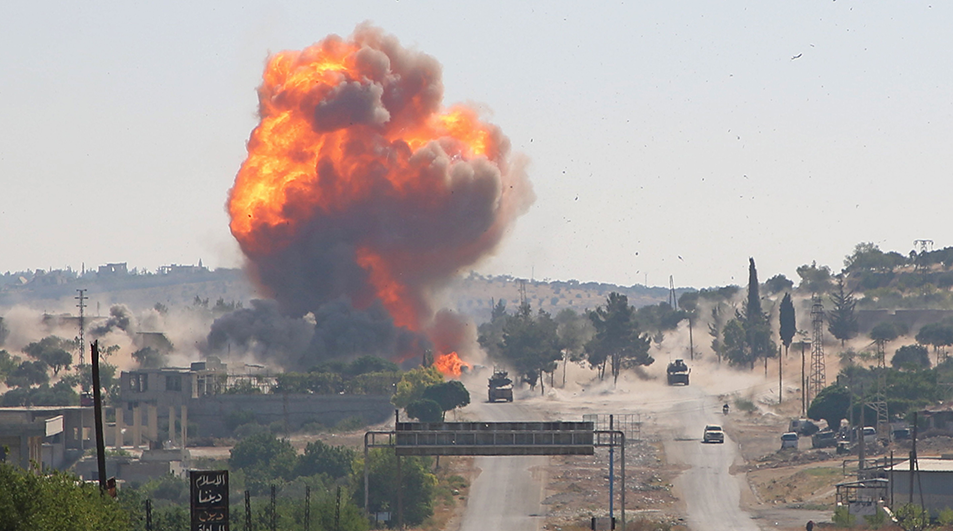
Foreign fighters have played a major role in Syria’s ongoing conflict, with a presence in the country that numbered in the tens of thousands at its peak. One of the most mythologized sources of foreign recruits has been Chechnya, the once-separatist province of Russia’s North Caucasus that was reconquered by the Russian army in the early 2000s. Several thousand Chechen fighters traveled to Syria to fight in various opposition and Islamist factions, where their battlefield prowess made them a prized commodity among Syrian rebel militants.
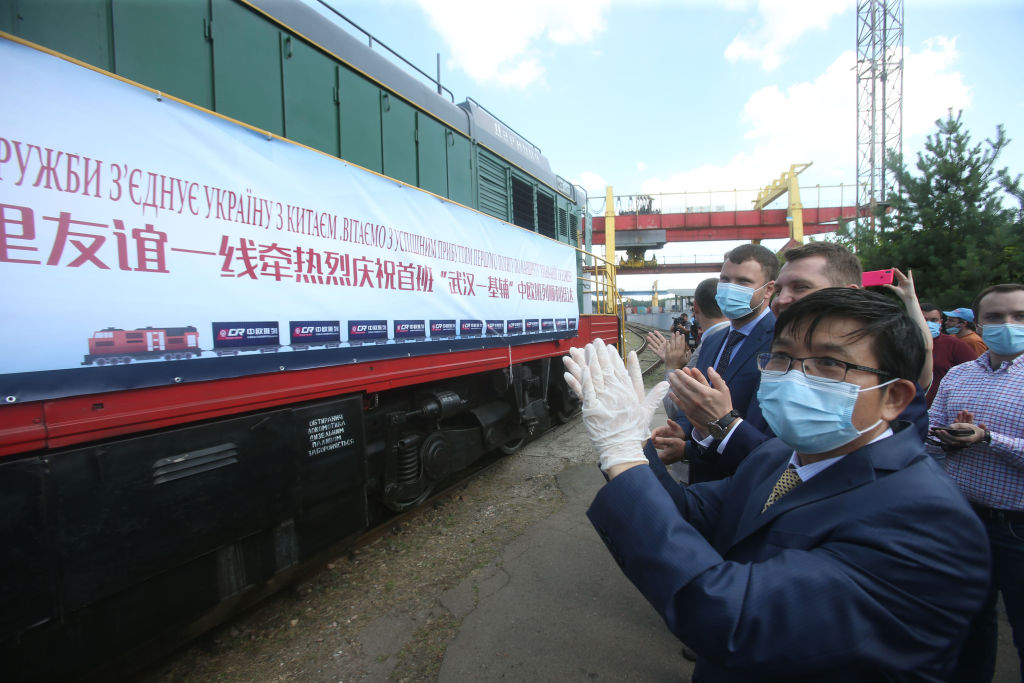
Since the inception of its Belt and Road Initiative (BRI) in 2013, China has substantially expanded its political, legal, trade, economic, educational, scientific, and cultural presence in the Black Sea region. The People’s Republic of China (PRC) has pursued various initiatives with the littoral states to open new markets for Chinese goods, acquire local industries through loans and investments, and most importantly build infrastructure connecting China with Europe and the Middle East via the Black Sea.
Will COVID-19 hasten the rise of lethal autonomous weapons?
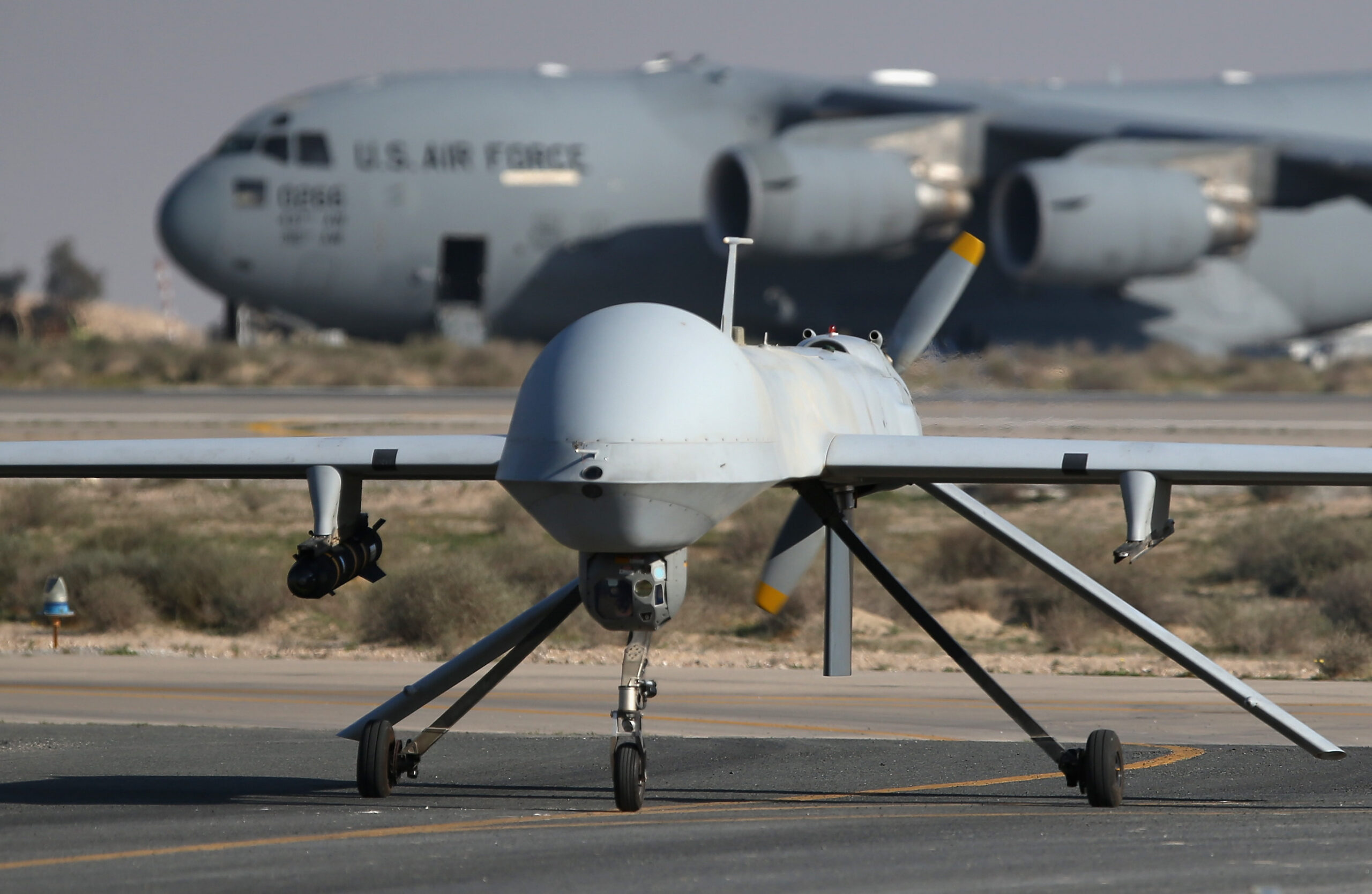
The latest figures from the Pentagon indicate that the total number of COVID-19 cases among members of the U.S. military has topped 60,000 since the onset of the pandemic. COVID-19 and other similar outbreaks could become an increasingly important consideration in the calculus of future military deployments. They could add impetus to the Pentagon’s development of lethal autonomous weapons or at least be cited as a perfect reason to do so. This could, in turn, have significant implications for the future of both U.S. military operations in the Middle East and the U.S. military presence in the region.
China’s Pursuit of a “Strategic Fulcrum” in the Middle East
A great deal of the literature on China’s relations with the Middle East engages the subject through geopolitical analyses that are based mainly, if not exclusively on Western sources and perspectives. This article draws on the work of scholars and thinkers in China’s leading government and party-linked think tanks and foreign policy institutions to shed light on China’s interests and approach to the region — a “competition without confrontation” approach centered on the development of relationships with a select number of key Middle Eastern states that can serve as “strategic fulcrums” (战略支点) for building Chinese influence.
UAE-Israel normalization gives rise to new risks for Yemen and the region
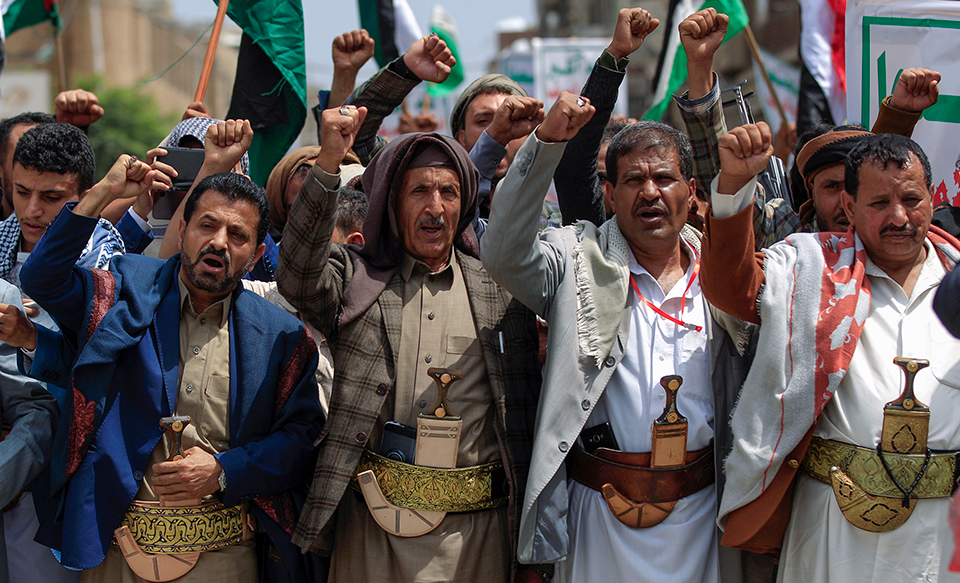
As unimportant as the move may seem for Yemen, the UAE’s normalization of relations with Israel and patronage of the STC, if left unaddressed, may ultimately lead to undesirable outcomes for both Yemen and the broader Arab world
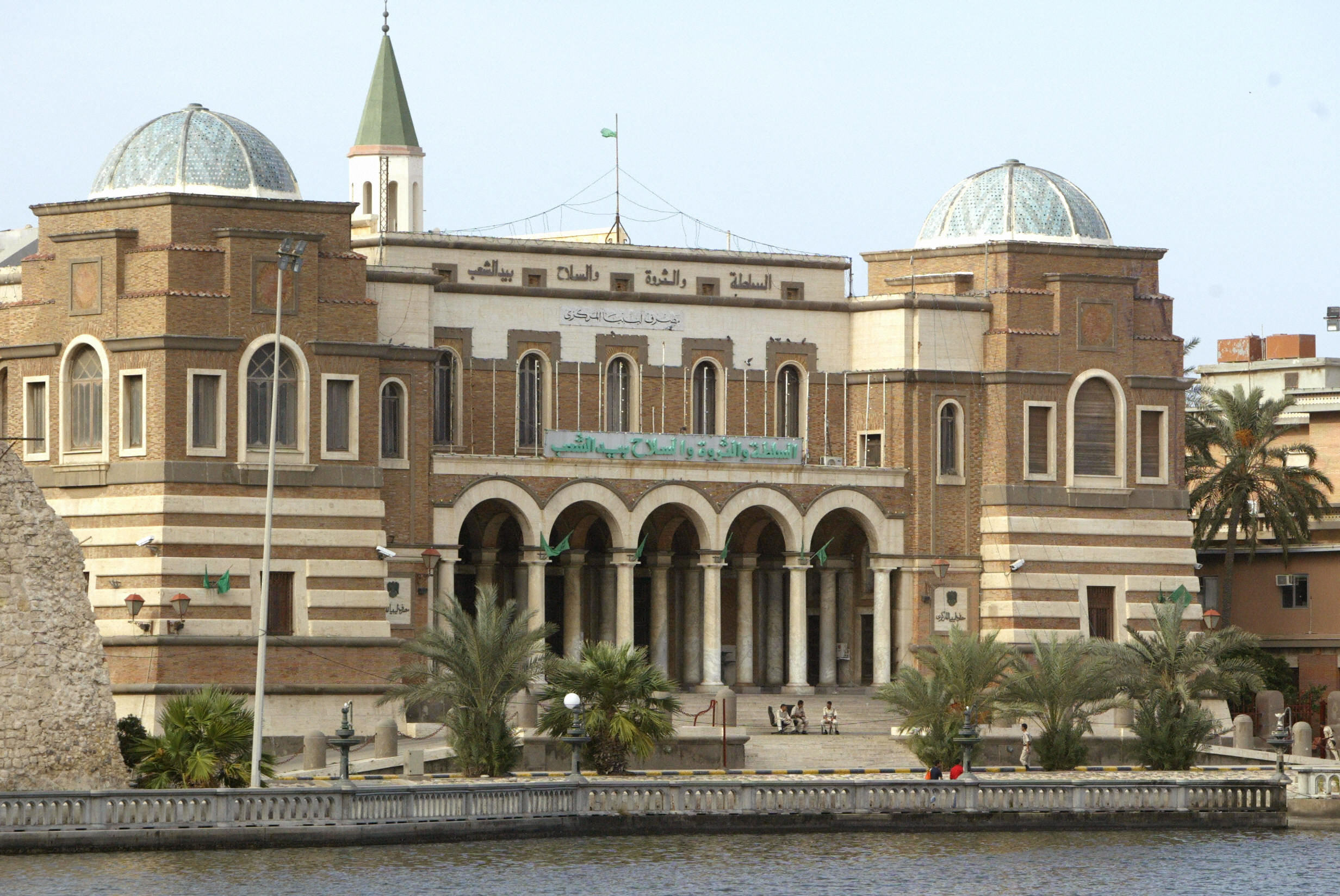
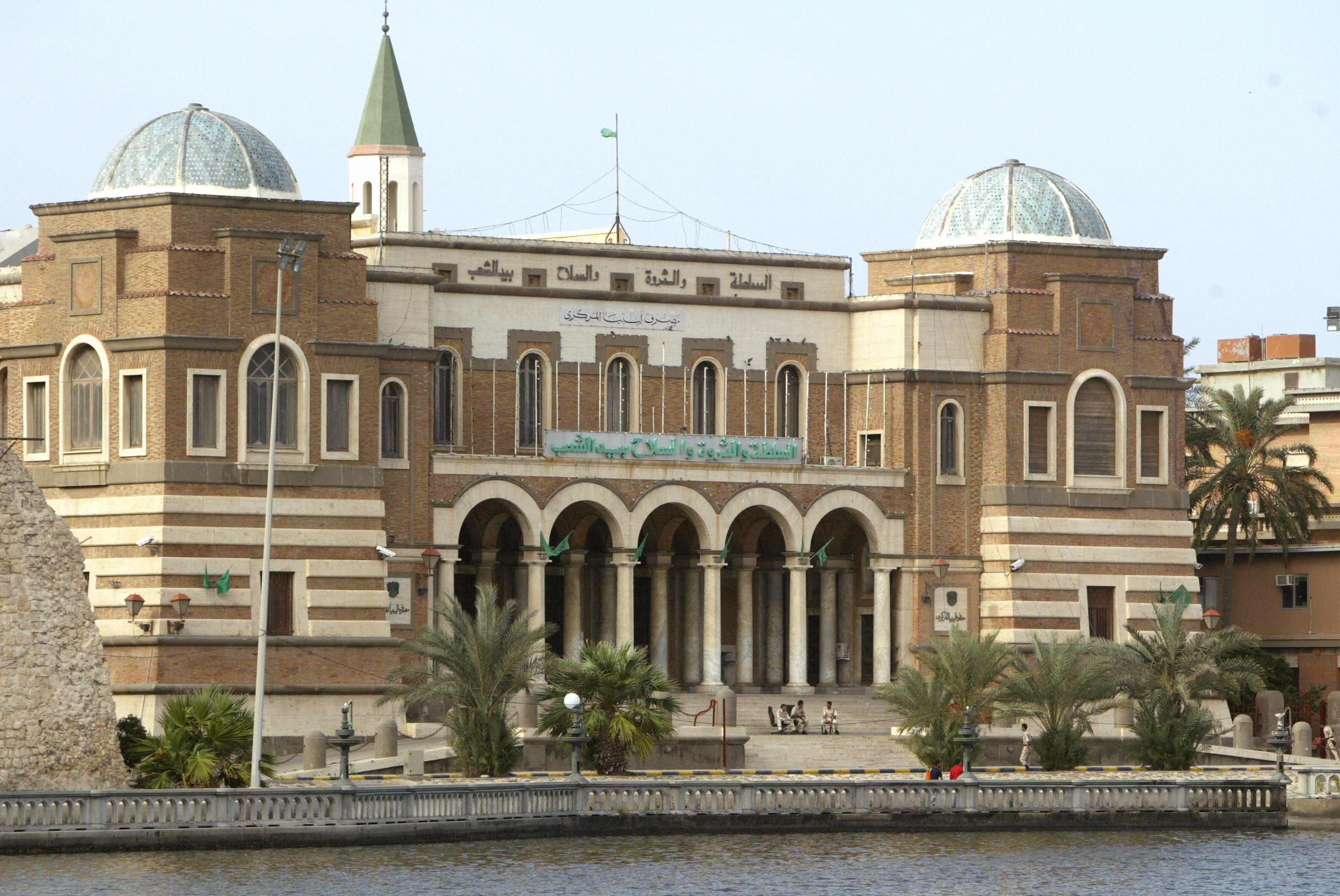
An International Financial Commission is Libya’s Last Hope
For the last five years, the international community has tried a range of different approaches to mediating the Libyan civil war. All have failed. Most nations not actively fueling the war with weapons, money, training, and mercenaries now see that halting these destructive flows is critical to bringing the rival militias to the negotiating table. However, this will not be enough to solve the conflict. Once militias are cut off from external sources of support, the core economic issues that gave rise to the conflict will still remain. Only a new approach empowering Libyan economic reformers and reworking the economic system can fix the dysfunction. To achieve this, international actors need to facilitate the establishment of a Libyan-led International Financial Commission with the authority to restructure the economy.
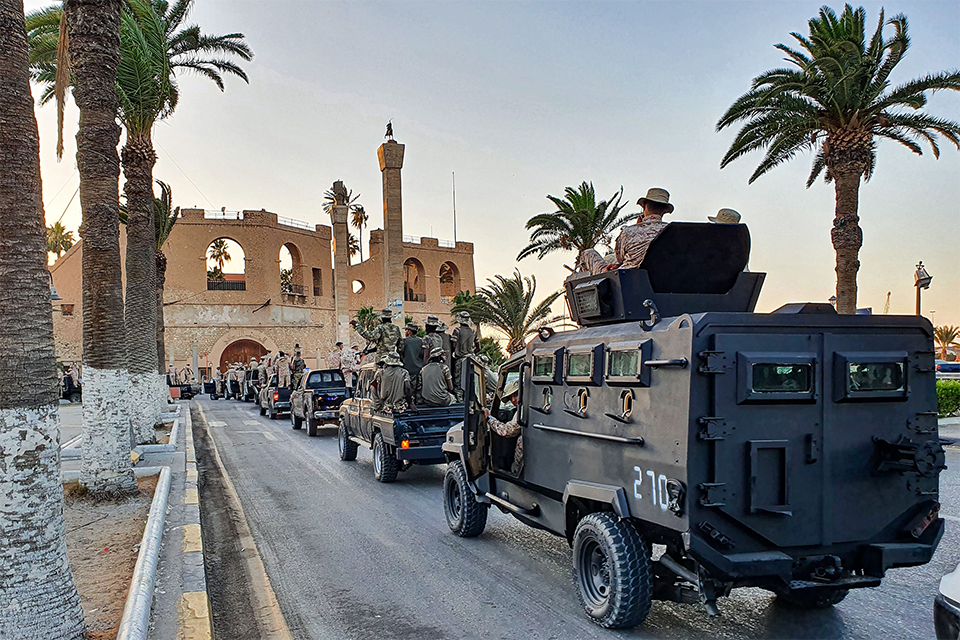
Economic transparency and structural reform remain Libya’s last hope
Since 2011 Libya’s seemingly endless Wars of Post-Gadhafi Succession have not fundamentally been fought over the control of territory, but rather over the control of economic institutions, patronage networks, and the amorphous optics of legitimacy and international support. The most recent battle, the 2019-20 “War for Tripoli,” was about gaining access to the fonts of both legitimate and corrupt enrichment: letters of credit, smuggling networks, subsidized petrol, and control of those myriad institutions to which Libya’s sui generis economic system grants the ability to exert de facto fiscal, financial, and legal power. Therefore, although Hifter and his allies have been wholesale evicted from western Libya, the grievances they highlighted, preyed upon, and took advantage of remain unchanged.
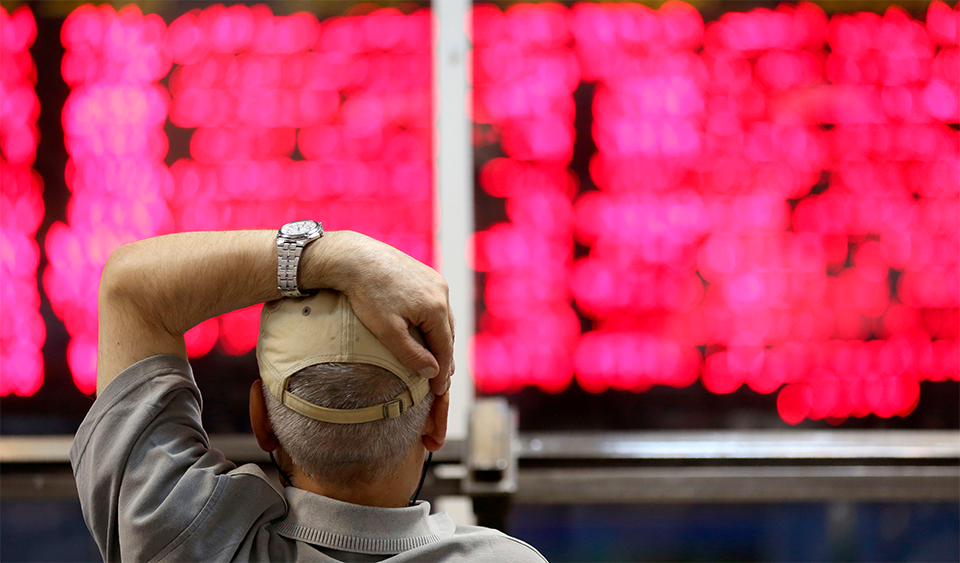
Following the outbreak of the COVID-19 pandemic, the Tehran Stock Exchange (TSE) took a different path than the rest of the financial world. As markets around the globe plunged, the TSE soared to new heights. There has been a recent reversal, however, with the index falling sharply from its peak in early August and losing around 20 percent of its value over the course of a month. The story of the TSE is about the extreme measures a desperate government is willing to take to make ends meet.
An enduring divide: Afghanistan, Pakistan, and the Durand Line
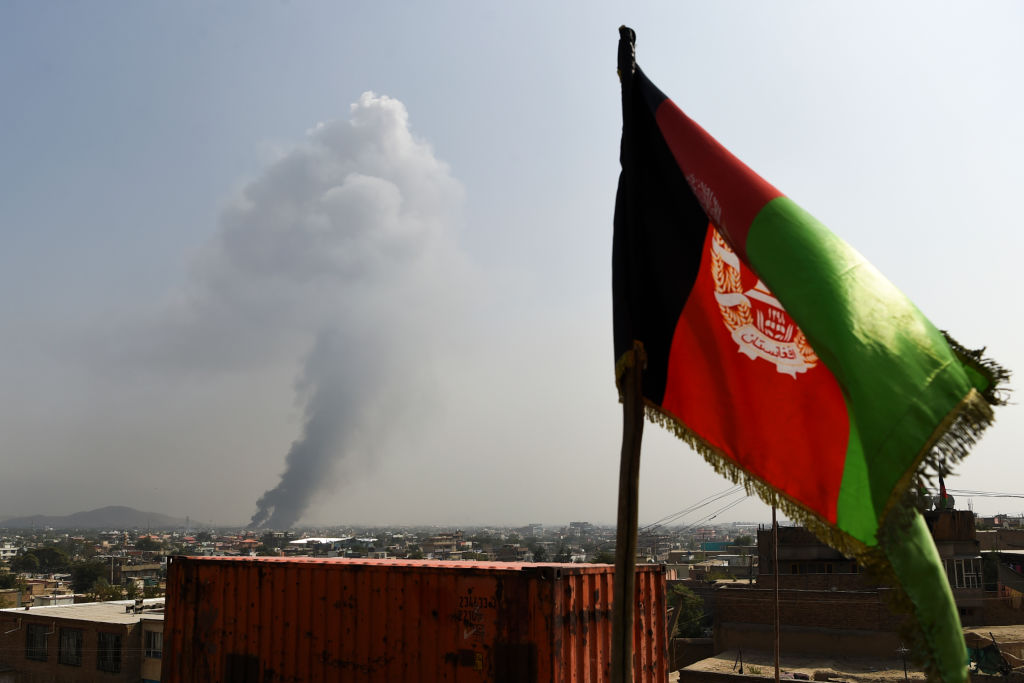
The Durand Line, as the British-Empire-drawn border that separates Afghanistan and Pakistan is known, continues to haunt the region and its leaders. On Sept. 7, Afghanistan’s first vice president, Amrullah Saleh, opened Pandora’s box by saying in an interview that “No Afghan politician of national stature can overlook the issue of Durand Line.”