Skip to Content

Analysis

Filter by
5932 Results
The Houthis are consolidating power
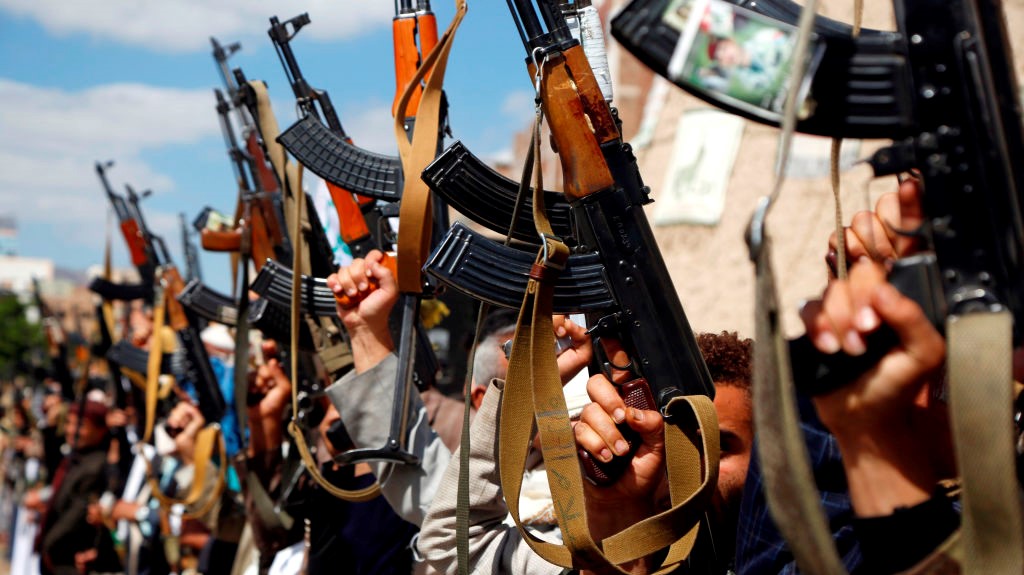
Houthi followers hold their guns during a tribal gathering against the continued war and blockade on October 03, 2019 in Sana'a, Yemen
  • Analysis
  • The Houthis are consolidating power

    Absent international pressure, the Iran-backed Houthis have no reason to stop expanding

    January 30, 2020

    A tale of two partners: Comparing two approaches for partner force operations
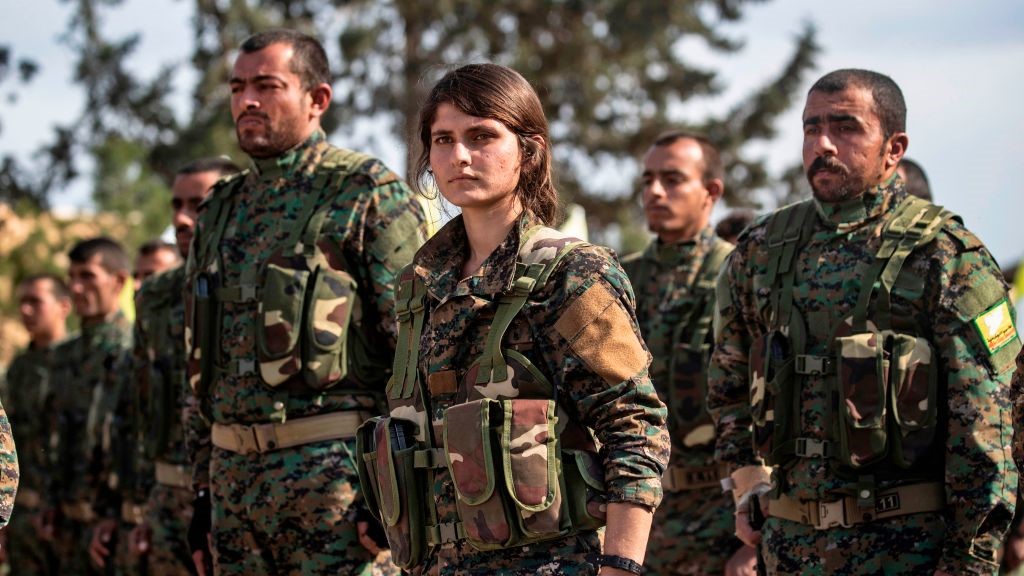
    Fighters of the US-backed Kurdish-led Syrian Democratic Forces (SDF) take part in a parade to celebrate near the Omar oil field in the eastern Syrian Deir Ezzor province on March 23, 2019, after announcing the total elimination of the Islamic State (IS) group's last bastion in eastern Syria.
  • Analysis
  • A tale of two partners: Comparing two approaches for partner force operations

    The 2018 National Defense Strategy shapes the way the U.S. military competes with state and non-state adversaries. It specifically calls for improvements in partner force operations (PFO) — especially counter-terrorism (CT) — so that regional partners can keep up CT pressure while America’s special operators shift focus to help the nation gain and maintain an advantage over the near-peer competitors of Russia and China.

    Lebanon’s inconvenient truths
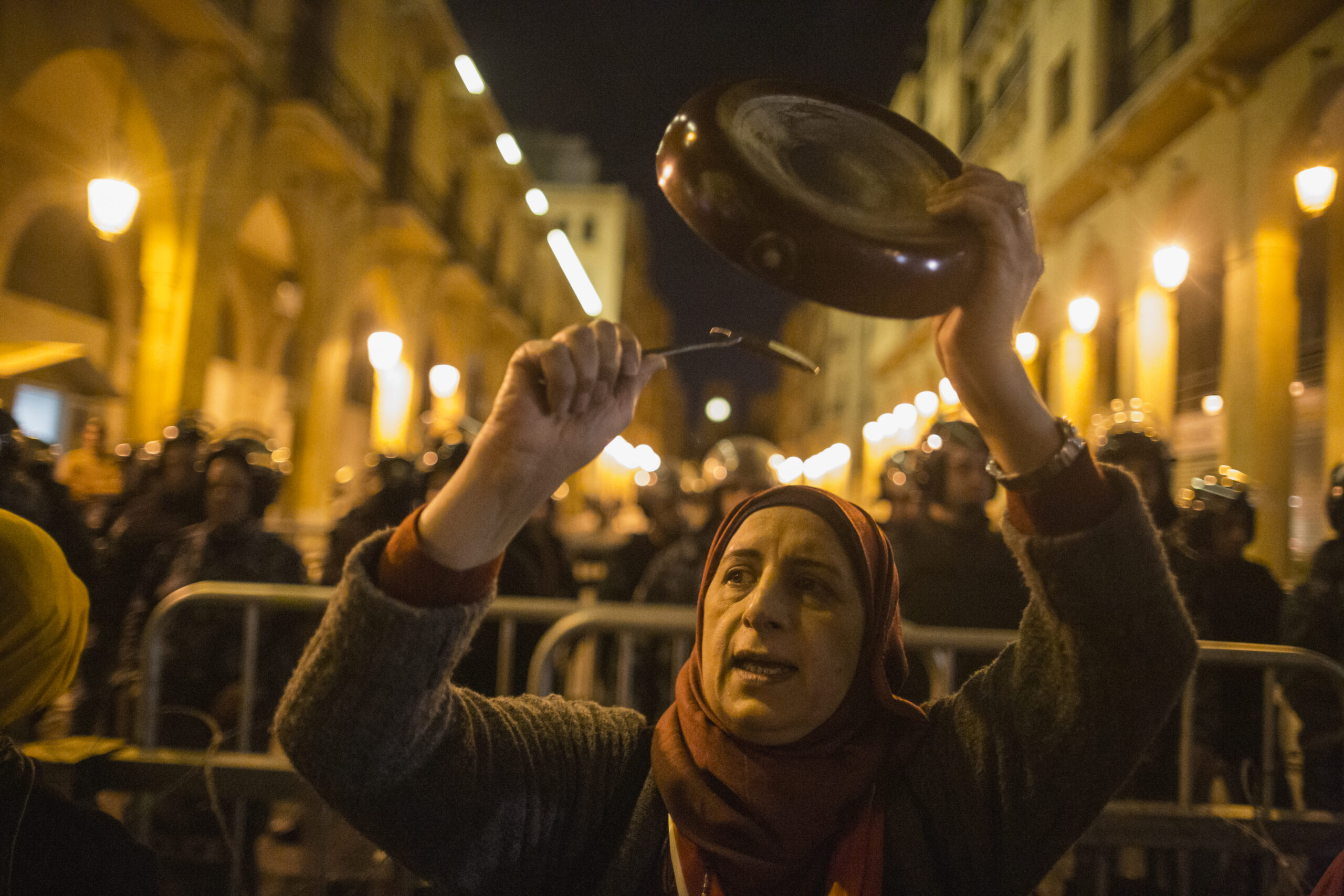
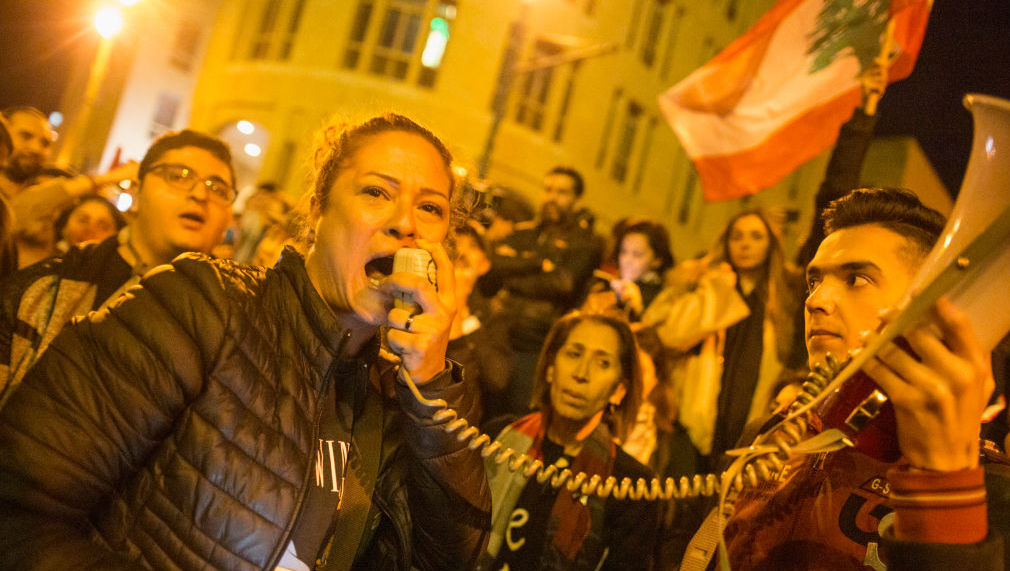
    BEIRUT, LEBANON - JANUARY 16: An anti-government protester bangs a pan as they demonstrate ahead of the expected naming of a new cabinet tomorrow by Prime Minister Designate Hassan Diab, on January 16, 2020 in Beirut, Lebanon.
  • Analysis
  • Lebanon’s inconvenient truths

    By any objective standard, the Lebanese protest movement has failed. This is not necessarily an indictment against it. Rather, it’s a reality one cannot and should not ignore. The responsible thing to do now is to try to understand why it has fallen flat, despite more than 100 days of demonstrations in various regions of the country including the capital, Beirut. 

    First, a word of solace. In the annals of history, the Lebanese are in good company as most uprisings and revolutions failed to attain their goals. And even when they did, success either didn’t last long or was completely reversed due to counterrevolutions and other spoilers, both foreign and domestic.
    January 29, 2020

    The Bab el-Mandeb Strait: Regional and great power rivalries on the shores of the Red Sea
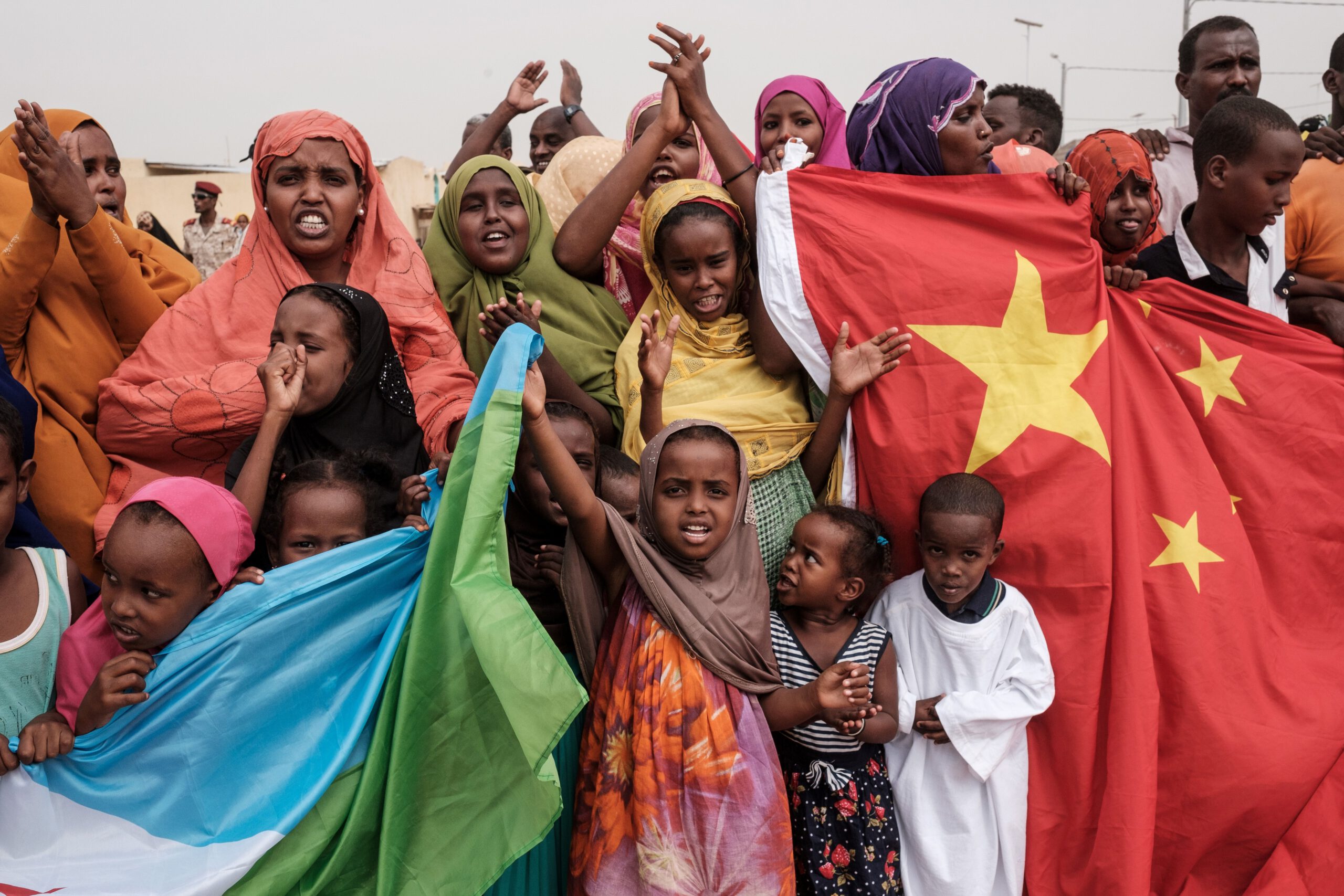
    People hold Chinese and Djiboutian national flags as they wait for the arrival of Djibouti's President Ismail Omar Guellehas before the launching ceremony of new 1000-unit housing contruction project in Djibouti, on July 4, 2018. - The new 1000-unit construction project by the Ismail Omar Guelleh Foundation for Housing is financially supported by China Merchant, the operation parther of newly inaugurated Djibouti International Free Trade Zone (DITTZ) with Djibouti Ports and Free Zones Authority, to build ba
  • Analysis
  • The Bab el-Mandeb Strait: Regional and great power rivalries on the shores of the Red Sea

    The Bab el-Mandeb Strait (“Gate of Tears” in Arabic) forms a vital strategic link in the maritime trade route between the Mediterranean Sea and the Indian Ocean via the Red Sea and the Suez Canal. On one side of the narrow strait lies the Arabian Peninsula. On the other is the Horn of Africa, a fragile region that has been plagued for decades by high levels of violence and instability within and across borders, and which in recent years has served as a launching pad for terrorism, piracy, human trafficking, and smuggling operations.

    US-Iran escalation and its implications for the South Caucasus
     Iranian President Hassan Rouhani (L) meets President of Azerbaijan Ilham Aliyev (R) during his official visit in Baku, Azerbaijan on March 28, 2018.
  • Analysis
  • US-Iran escalation and its implications for the South Caucasus

    Over the past several weeks geopolitical experts have been talking a lot about what the surprise U.S. drone attack on Iranian Gen. Qassem Soleimani, head of the IRGC – Quds Force, on Jan. 3 means for the Middle East and relations between the major powers. What has received considerably less attention, however, is what Soleimani’s killing means for the South Caucasus, a region whose small size belies its strategic importance.

    January 28, 2020

    Precarious Workers and Neoliberal Narratives in Post-revolutionary Iran: Top-down Strategies and Bottom-up Responses
    Middle East Institute
  • Analysis
  • Precarious Workers and Neoliberal Narratives in Post-revolutionary Iran: Top-down Strategies and Bottom-up Responses

    How did the Islamic Republic of Iran’s dominant narratives over labor evolve since the 1979 revolution? What paved the way to neoliberal discourses, particularly since the 1990s? Which processes and legal measures made workers precarious? What role did workers play, and along which lines did they develop their trajectories of resistance? These questions are at the core of this article, which explores the above-mentioned issues from two different vantage points: a top-down approach, which looks at official narratives, as well as the legal strategies that contribute to the precarization of workers; and a bottom-up perspective, which seeks to understand workers’ practices of resistance and counter-hegemonic actions.

    January 28, 2020

    Sustainable development: An unavoidable path for Egypt’s future
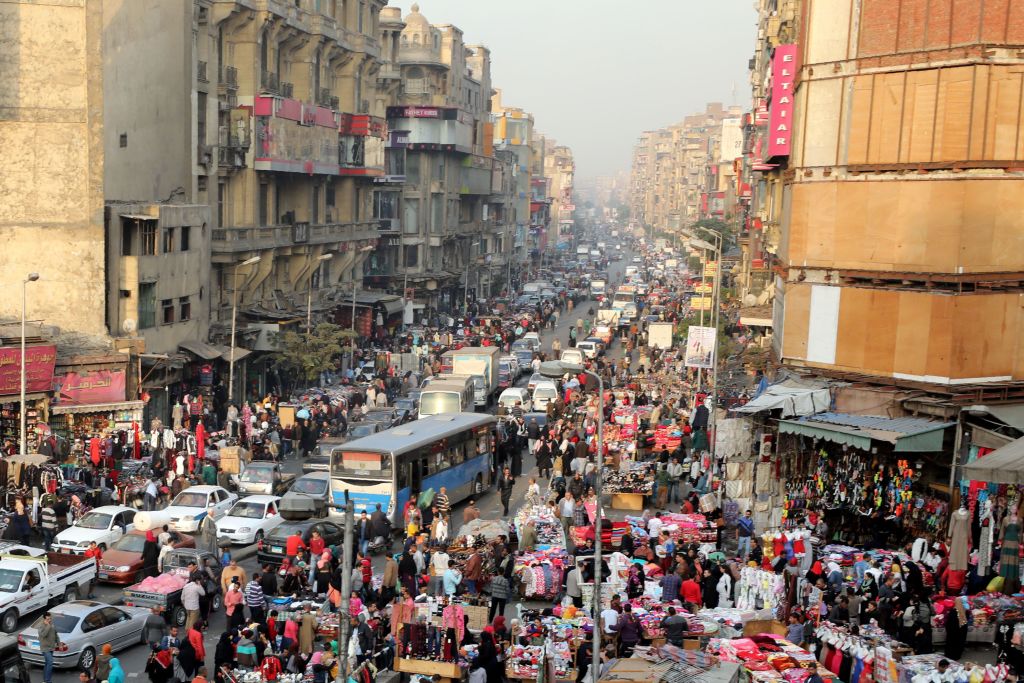
    A picture taken on December 12, 2017 shows an elevated view of al-Attaba district on the edge of downtown Cairo, Egypt. Egypt is the most populated coutry in the Arab world with some 96 million inhabitants and the numbers are rising by 1.6 million every year.
  • Analysis
  • Sustainable development: An unavoidable path for Egypt’s future

    Egypt has realized a significant number of changes in healthcare, education, and economic reform policy over the past decade. It is also increasingly looking toward policy for development that emphasizes cohesive problem solving, in line with its Vision 2030 strategy, which highlights the need for positive knock-on effects from investments in human development

    January 28, 2020

    The day after Soleimani: Israel contemplates “success leveraging”
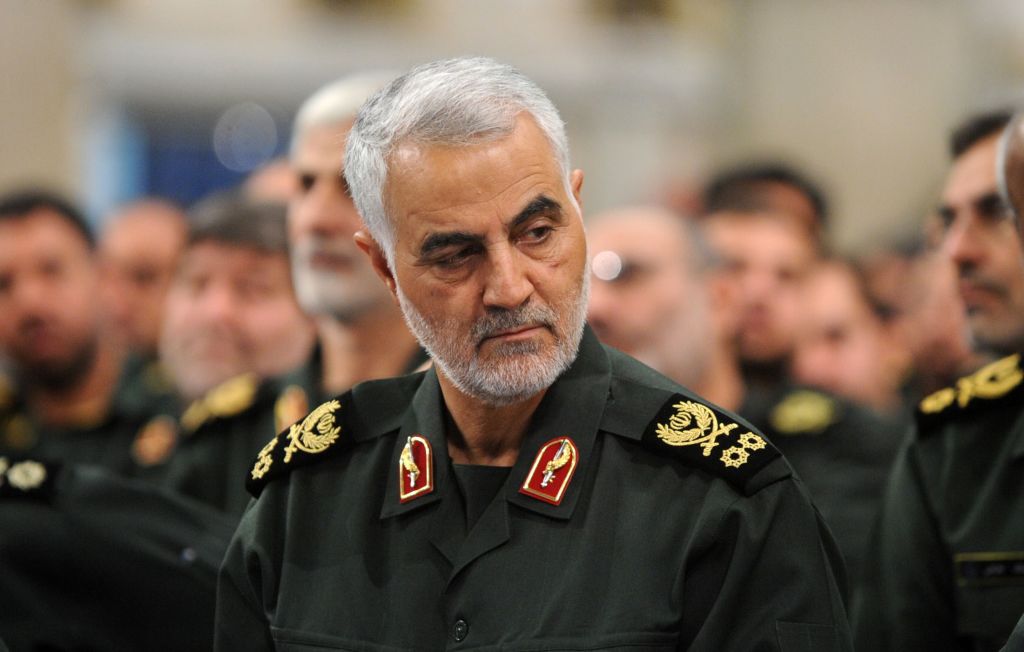
     A file photo dated September 18, 2016 shows Iranian Revolutionary Guards' Quds Force commander Qasem Soleimani during Iranian Supreme Leader Ayatollah Ali Khamenei's meeting with Revolutionary Guards, in Tehran, Iran.
  • Analysis
  • The day after Soleimani: Israel contemplates “success leveraging”

    Iranian Gen. Qassem Soleimani was on Israel’s “most wanted” list for more than a decade. Israeli intelligence identified him as a looming threat early in his career, and with time he outperformed even the graver threat predictions, as he systematically built the Islamic Revolutionary Guard Corps’ (IRGC) Quds Force into a formidable regional stealth operation. Soleimani was a highly sophisticated executioner of Iran’s long-term strategy, which can be described as an effort to build a “double crescent.”

    The real cost of US-Iran escalation in Iraq
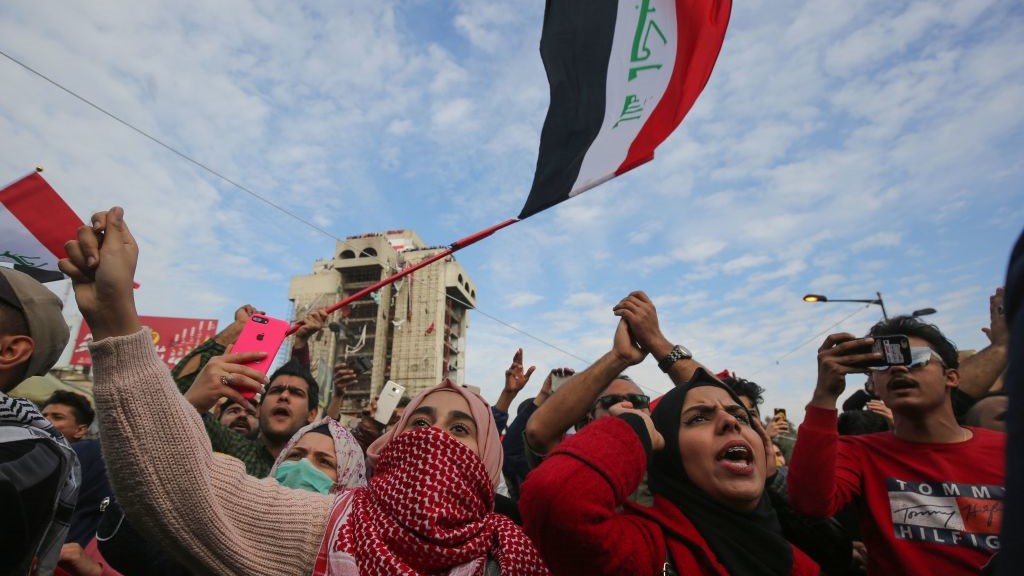
    Iraqi Anti-government demonstrators protest in Tahrir Square in the capital Baghdad, on January 10, 2020.
  • Analysis
  • The real cost of US-Iran escalation in Iraq

    As an Iraqi American who lived through the 1991 Gulf War and 2003 U.S.-led invasion to bring about regime change, I have witnessed firsthand how U.S. wars in the region can break out when Baghdad and Washington fail to understand each other’s intentions and motives.

    January 27, 2020

    It’s shameful to use Palestinians as props in Israel’s election
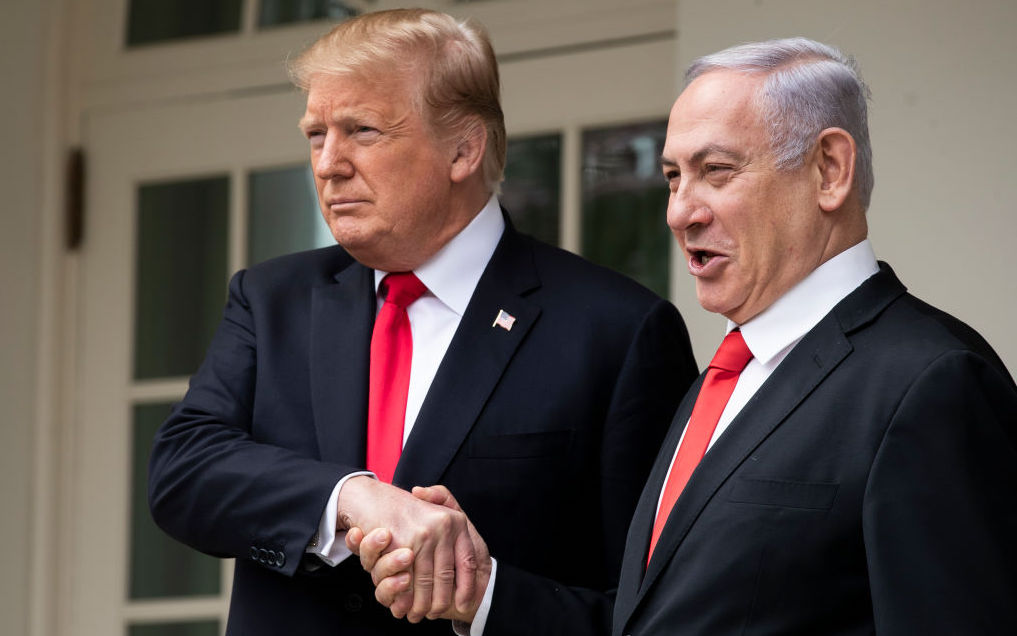
    U.S. President Donald Trump and Prime Minister of Israel Benjamin Netanyahu shake hands while walking through the colonnade prior to an Oval Office meeting at the White House March 25, 2019 in Washington, DC.
  • Analysis
  • It’s shameful to use Palestinians as props in Israel’s election

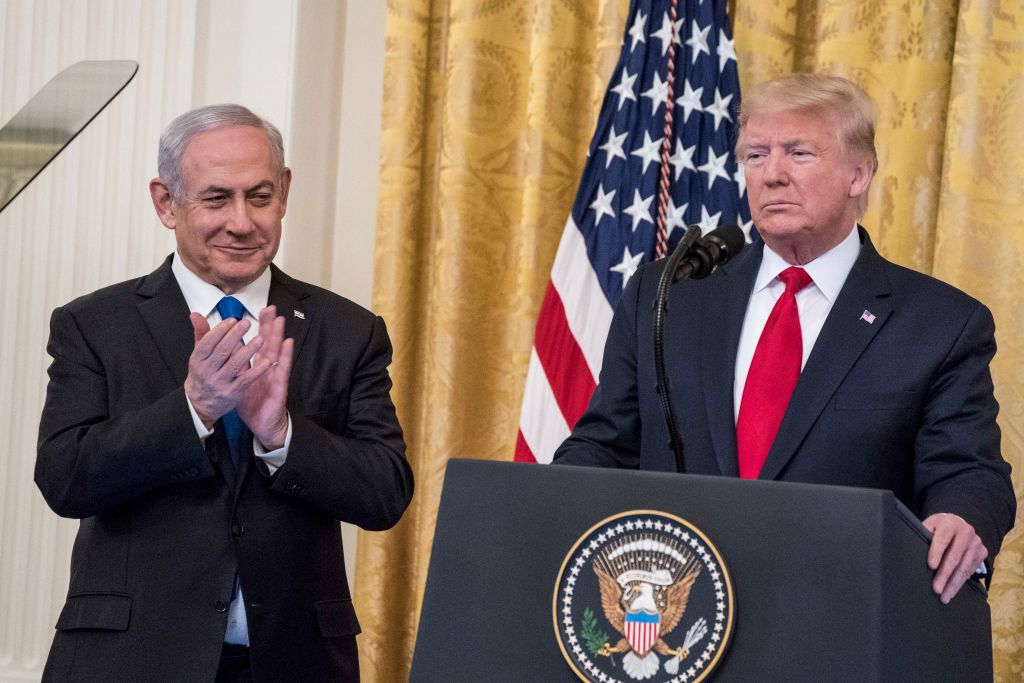
    The upcoming visit to the White House by Israel’s caretaker prime minister has nothing to do with the Middle East conflict and everything to do with giving yet another political favor to Benyamin Netanyahu. While the Jan. 28 visit may be all about the Israeli elections, it is shameful and dangerous for American officials to be giving time and space for discussions that affect the Palestinian people without their involvement.

    January 27, 2020

    The ties that bind: The South Caucasus and the Middle East
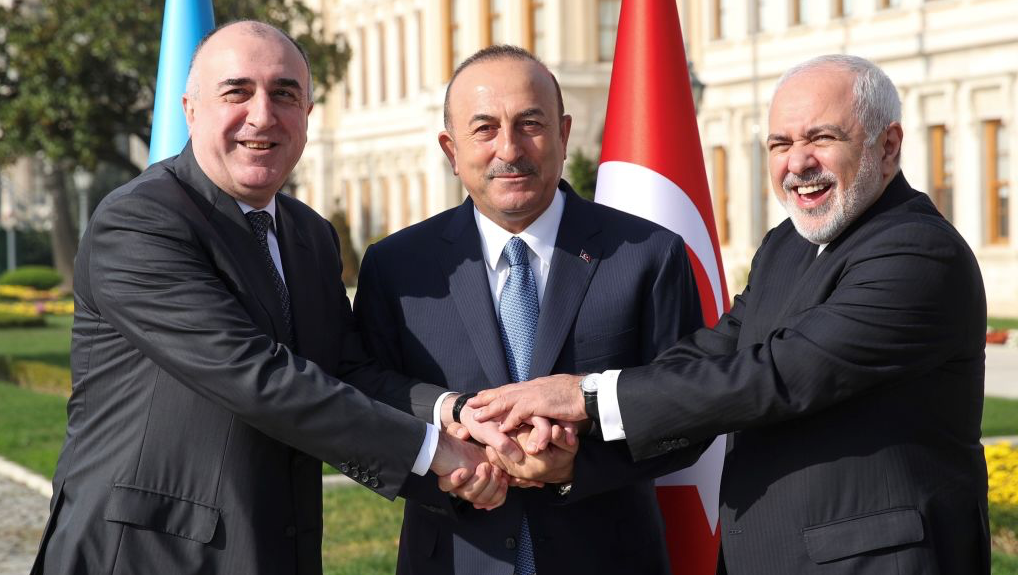
    Turkish Foreign Affairs Minister Mevlut Cavusoglu (C), Minister of Foreign Affairs of Iran, Javad Zarif (R) and Azerbaijani Minister of Foreign Affairs, Elmar Mammadyarov (L) pose for a photo prior the tripartite meeting of foreign ministers of Turkey, Azerbaijan and Iran in Istanbul, Turkey on October 30, 2018.
  • Analysis
  • The ties that bind: The South Caucasus and the Middle East

    As neighboring regions, the South Caucasus and the Middle East are inextricably intertwined — so much so that the former is sometimes even considered part of the Greater Middle East. While geographical proximity is the strongest driver of interconnectivity between the two regions, geopolitics, business ties, and energy interests also link countries from the South Caucasus and the Middle East and form the basis for important bilateral and regional relationships.

    January 24, 2020

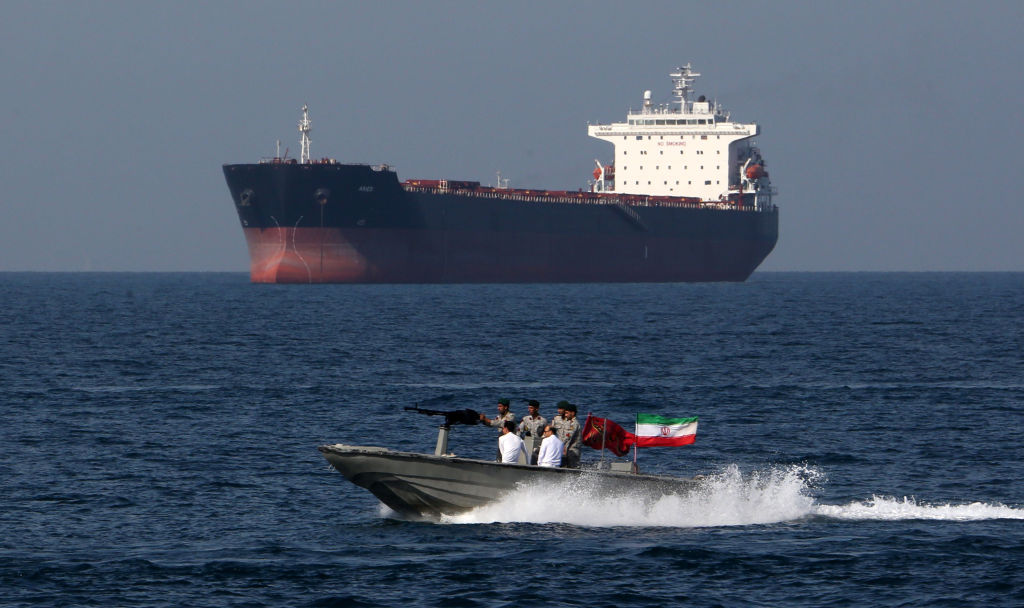
    Iran’s “harsh revenge”: Is blocking the Strait of Hormuz really a plausible option?
    Iranian soldiers take part in the
  • Analysis
  • Iran’s “harsh revenge”: Is blocking the Strait of Hormuz really a plausible option?

    In the immediate aftermath of the assassination of Gen. Qassem Soleimani, head of the Islamic Revolutionary Guard Corps – Quds Force, on Jan. 3, Ayatollah Ali Khamenei warned the U.S. of Iran’s “harsh revenge.” There has been much speculation around the timing, location, and the type (or form) of Iran’s promised revenge. Amin Mohseni-Cheraghlou takes a closer look at the impact of the widely discussed strategy of blocking the Strait of Hormuz.

    January 23, 2020

    Why Iran will keep defying US and EU pressure
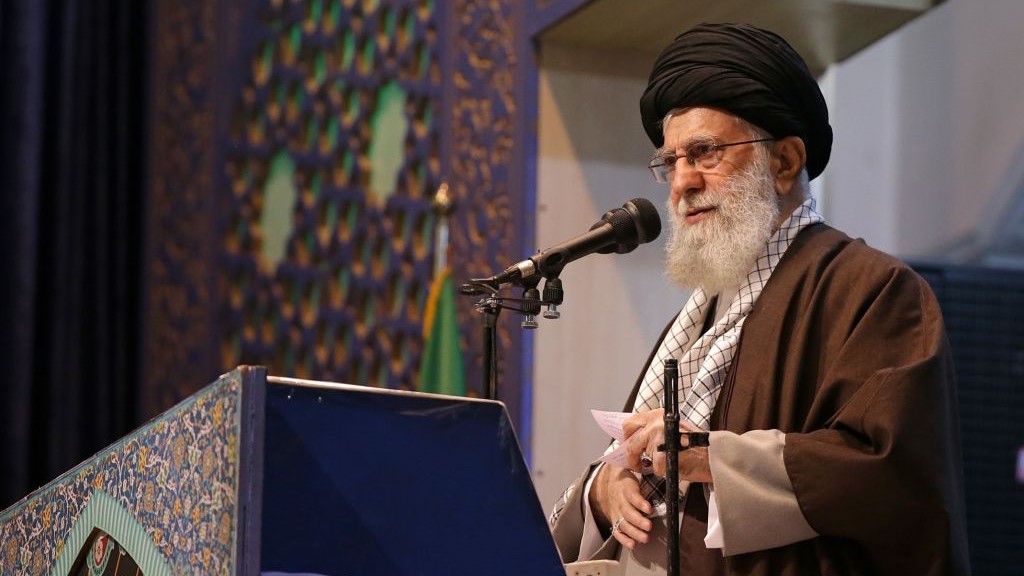
    Iranian Supreme Leader Ayatollah Ali Khamenei gives his first Friday sermon after eight years in the Imam Khomeini Musalla, in Tehran, Iran on January 17, 2020.
  • Analysis
  • Why Iran will keep defying US and EU pressure

    On Jan. 5, shortly after Qassem Soleimani was assassinated in Iraq by an American drone strike, Tehran announced that it would no longer remain committed to the enrichment restrictions laid out under the 2015 nuclear deal. Even though European diplomats have rushed to assuage Iranian concerns about the possible resumption of international sanctions, Tehran perceives this as an extension of the U.S. “maximum pressure” campaign and is very unlikely to back down or substantially change its defiant behavior — domestically promoted as a counterpolicy of “maximum resistance” — even if punitive UNSC resolutions against it are reinstated. 

    January 22, 2020